-
Pakistan
Taliban gains money, al Qaeda finances recovering

-
Al Qaeda
3 Guantanamo detainees sent to Saudi Arabia
-
Saudi Arabia
Al Qaeda in the Arabian Peninsula admitted that Abu Hareth Muhammad al Awfi, a Saudi who served as senior commander in the terror group, turned himself in to Saudi authorities. Awfi rejoined al Qaeda after being released from Guantánamo Bay detention facility and was on Saudi Arabia’s most wanted list.
-
Saudi Arabia
The US Justice Department is supporting the efforts of the Saudi royal family to have five princes removed from a lawsuit filed by the families of Sept. 11 victims. The lawsuit contends that the five princes knew that the charities they were donating to were diverting funds to al Qaeda. The Justice Department contends that the Saudi royal family cannot be sued in a US court.
-
Saudi Arabia
Saudis Use Soft Touch to ‘Save’ Former Militants
-
Saudi Arabia
Security forces detained 11 members of a suspected al Qaeda cell operating in the mountains of southern Saudi Arabia. The cell had plans to “attack policemen, kidnap local citizens, and rob banks in order to finance their terrorist activities” and “were in touch with al Qaeda elements outside Saudi Arabia,” an interior ministry spokesman said.
-
Yemen
Yemen raises number of wanted militants to 154
-
Saudi Arabia
Fahad al Ruwaily, a leader of al Qaeda in Iraq and one of Saudi Arabia’s 85 most wanted, has turned himself in to authorities. Ruwaily operated inside Syria and provided terrorists with weapons and documents needed to enter Iraq.
-
Saudi Arabia
US claims Gulf donors fund Taliban fighters
-
Saudi Arabia
Hardline Saudi clerics urge TV ban on women
-
Saudi Arabia
Saudi Cabinet endorses revised Arab anti-terror accord
-
Saudi Arabia
Kuwait: Security stepped up at Saudi embassy amid attack fears
-
Saudi Arabia
A religious scholar in the employ of the state issued a fatwa for the prosecution of a royal prince and a Saudi businessman for owning TV channels that broadcast movies. Six months ago the former head of the kingdom™s highest tribunal said it was legal to kill the owners of satellite TV stations that broadcast ‘immoral’ programs.
-
Saudi Arabia
Al Qaeda Commander in Saudi Custody May Still Pose Threat From Prison
-
Saudi Arabia
Mohammed al Awfi, a leader of al Qaeda in the Arabian Peninsula, surrendered to the Yemeni government, who transferred him to Saudi Arabia. Awfi was a detainee at the Guantanamo Bay prison facility and recently appeared on an al Qaeda videotape.
-
Saudi Arabia
Saudi king dismisses 2 powerful religious figures
-
Al Qaeda
Interpol issues Saudi group alert
-
Al Qaeda
From jihad to rehab — and back
-
Saudi Arabia’s most-wanted
Saudi Arabia has released a list of 85 “most-wanted” terrorists that includes 11 former Guantanamo detainees. The list also includes an al Qaeda terrorist operating a major network inside Iran.

-
Saudi Arabia
Saudi Arabia issued a list of 83 wanted terrorists who “adopted the straying ideology,” and called on the men to turn themselves in to authorities and “return to a normal life.” Eighty-one Saudis and two Yemenis are on the list.
-
Al Qaeda
‘Jihadi rehab’ is a possibility for post-Gitmo
-
Saudi Arabia
Saudi security forces re-arrested nine “militants” who had gone through the rehabilitation program designed to deprogram members of Islamist terror groups. Some of those detained had been imprisoned at Guantanamo Bay before being released to the Saudi government.
-
Arabian Peninsula al Qaeda groups merge
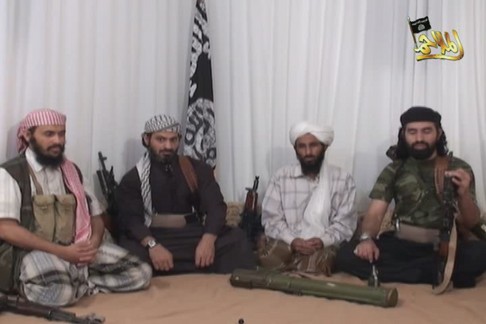
Al Qaeda in Yemen announced its merger with Saudi Arabia’s al Qaeda organization to form al Qaeda in the Arabian Peninsula. The Yemeni government supports Hamas.
-
Al Qaeda
Saudi businessman files suit over US terror list
-
Saudi Arabia
In an effort to stem religious extremism, King Abdullah Bin Abd Al Aziz announced that the government would crack down on “ill-considered” fatwas, or religious edicts, issued by unqualified scholars. Abdullah noted the fatwas are largely promulgated via satellite television channels, the Internet, and other forms of mass communications.
-
Saudi Arabia
The Saudi-isation of Pakistan
-
Saudi Arabia
Saudi accused in 2000 hijacking arrested in Iraq
-
Saudi Arabia
Saudi intelligence claimed al Qaeda planned a major attack during the haj, or religious pilgrimage, in Mecca. Security officials coordinated with US FBI and CIA to monitor the haj, while raids against al Qaeda cells were launched months ago. Hundreds were detained in the operation.
-
Saudi Arabia
Saudi dissidents claimed security services formed a militia loyal to the government and comprised of al Qaeda members. The al Qaeda-linked militia was created to support the government against domestic revolts and foreign threats, the dissidents said, much like al Qaeda fighters are used in Yemen.
-
Saudi Arabia
The Saudi government denied a report in Der Spiegel that King Abdullah offered political asylum to Taliban leader Mullah Mohammad Omar. “There lies no truth in reports which reported Saudi offer of asylum to Mullah Omar,” a foreign ministry official said. The German newspaper claimed Presidents Bush and Karzai pushed the offer.