-
Al Qaeda leader calls foreign fighters to Afghanistan
Sayf al-Adl, who is thought to be al Qaeda’s current leader, calls on supporters around the world to migrate to Afghanistan to gain training, experience, and knowledge before undertaking attacks against so-called “Zionist” and Western targets around the world.

-
Generation Jihad Ep. 88 — al Qaeda and Islamic State findings in new UN report
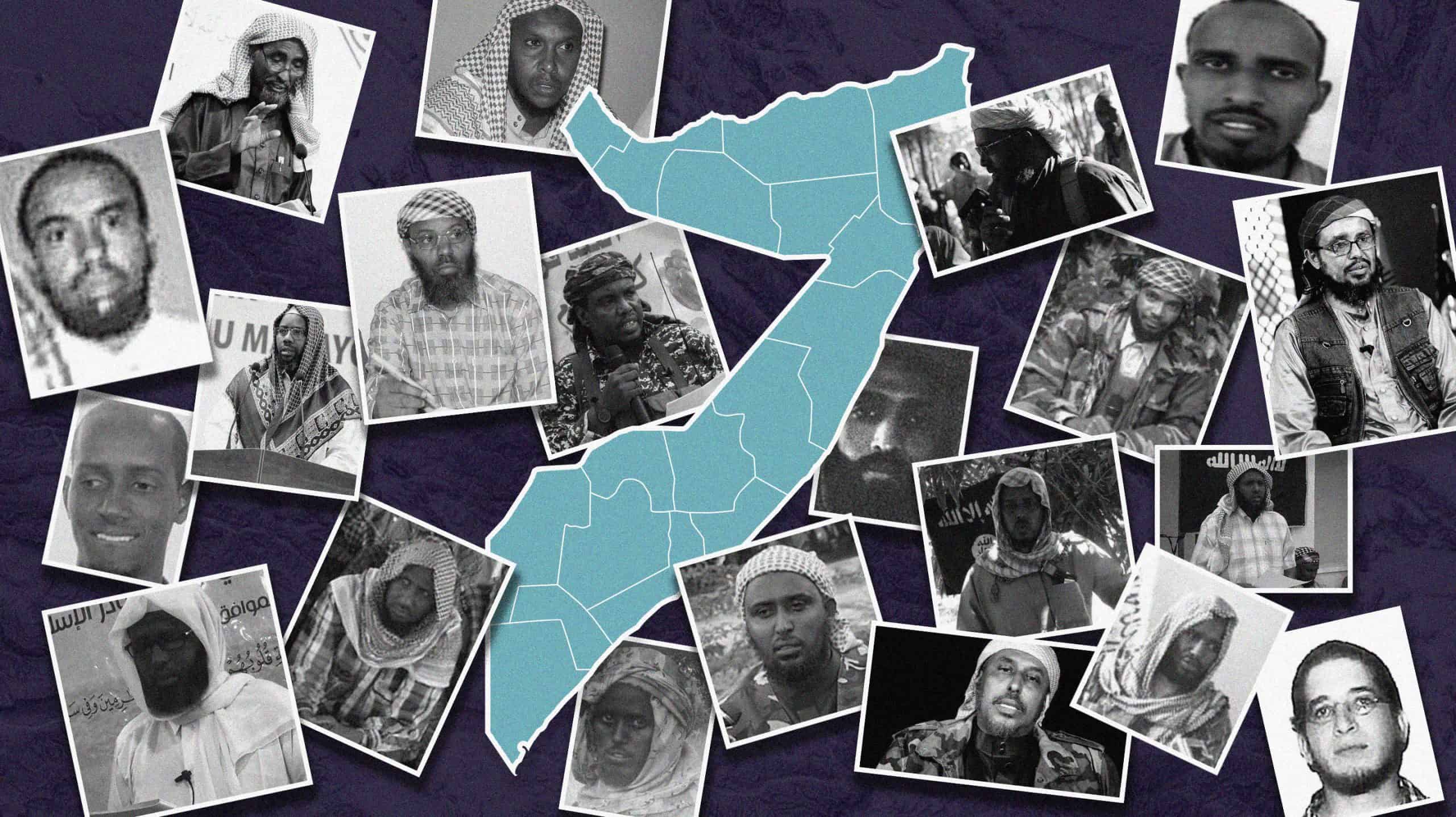
Host Bill Roggio and (now official) co-host Caleb Weiss are joined by former coordinator of the UN Security Council Analytical Support and Sanctions Monitoring team Edmund Fitton-Brown to discuss findings in the latest UN report on the Islamic State and al Qaeda.
-
Rare photo surfaces of top Al Qaeda leaders inside Iran
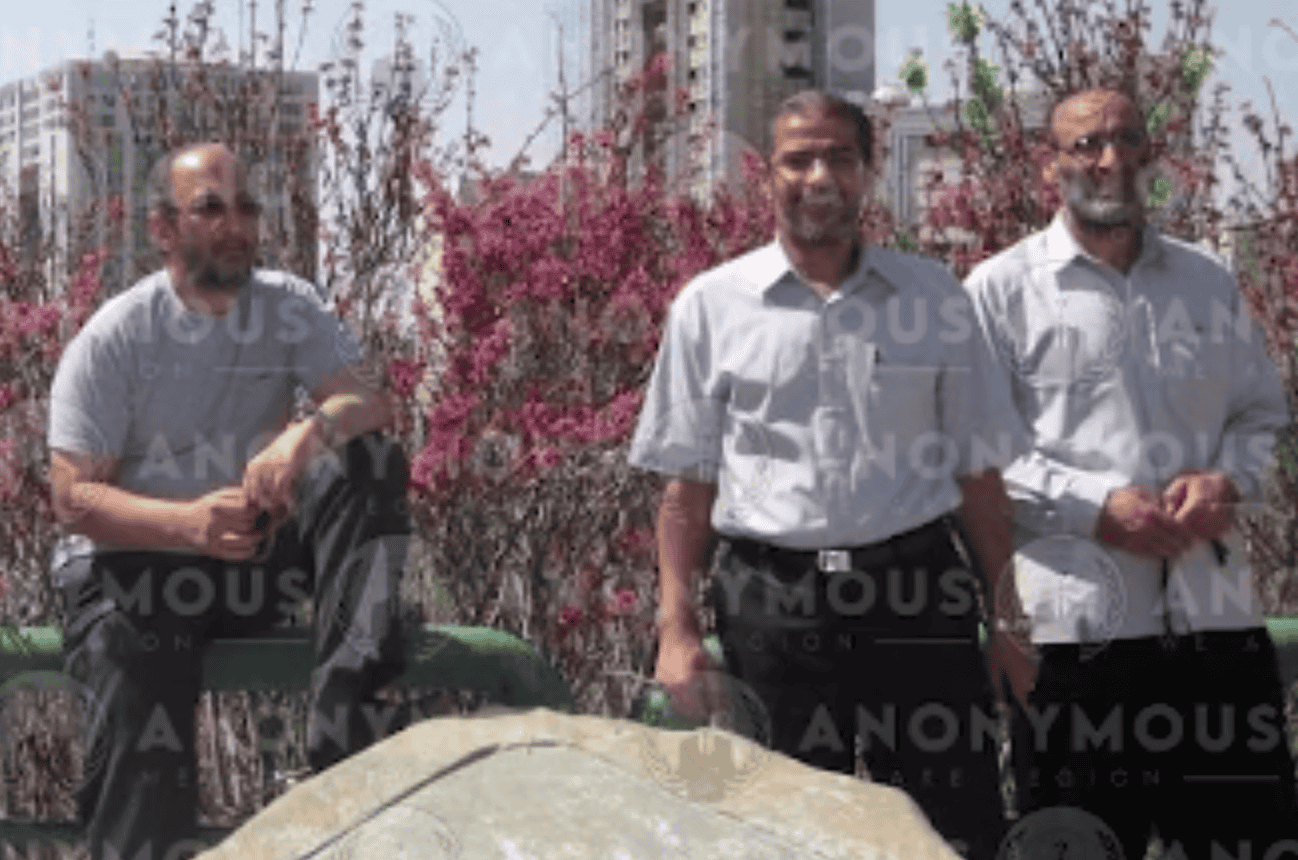
FDD’s Long War Journal confirmed the authenticity of a photograph of senior Al Qaeda leaders Saif al Adel, Abu Muhammad al Masri, and Abu Abu al Khayr al Masri in Tehran, Iran, circa 2015. Saif al Adel may be the next leader of Al Qaeda.
-
Analysis: Al Qaeda’s deputy emir killed in Iran
The New York Times and other press outlets have confirmed that Abu Muhammad al-Masri, al Qaeda’s deputy emir, was killed in an Israeli operation in Tehran on Aug. 7. His death was originally reported on an al-Qaeda-linked social media account.
-
Al Qaeda veteran reportedly killed in Idlib
Abu Khallad al-Muhandis, an al Qaeda veteran, was reportedly killed in a mysterious explosion in Idlib, Syria earlier today. Muhandis’s jihadi career covered Afghanistan, Iraq, and Syria. He was also detained inside Iran for a time.

-
Wanted al Qaeda leader warns of Turkish influence on jihad in Syria
Al Qaeda Telegram channels have shared a statement attributed to Saif al-Adel. He writes that the jihadis modify their military program to take into account Turkey’s influence.
-
UN: Iran-based leaders ‘have grown more prominent’ in al Qaeda’s global network
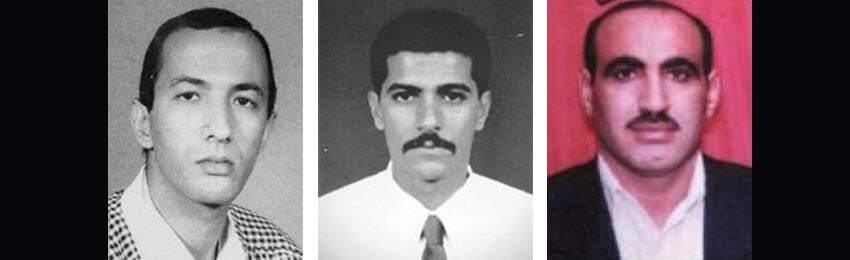
A report by the United Nations includes new details concerning the dispute between Hay’at Tahrir al-Sham (HTS) and al Qaeda’s senior leaders, including the role played by two veteran operatives living in Iran. The UN’s member states say that HTS is still in “contact” with al Qaeda’s leadership despite their heated disagreements, and that al Qaeda has even reinforced HTS with “military and explosives experts” sent from Afghanistan.
-
Analysis: 2 wanted al Qaeda leaders operate in Iran
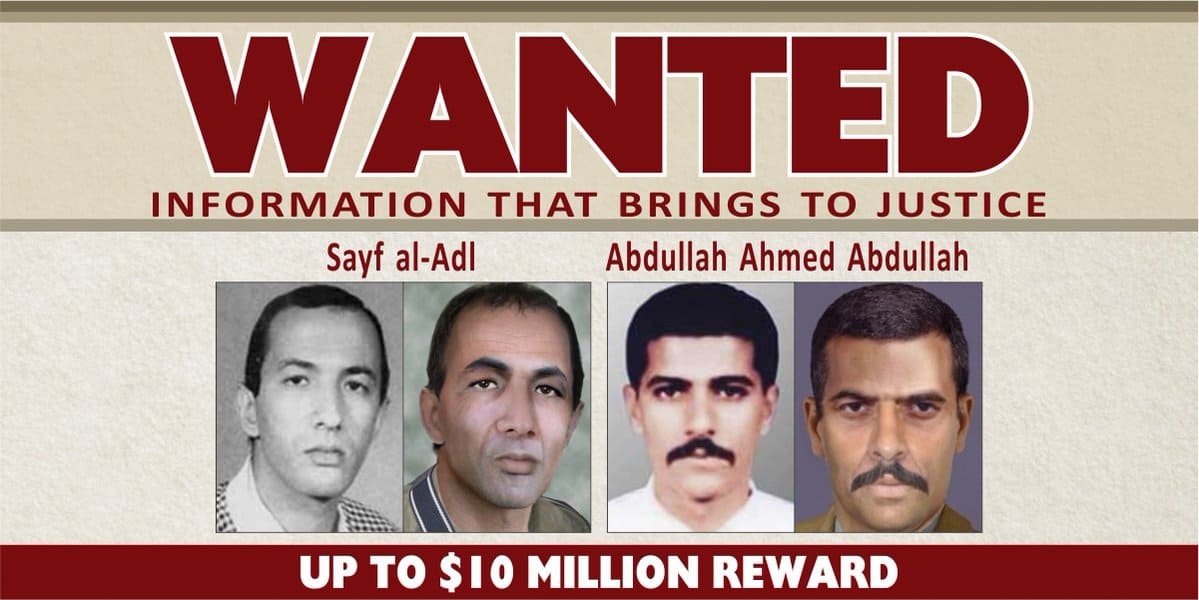
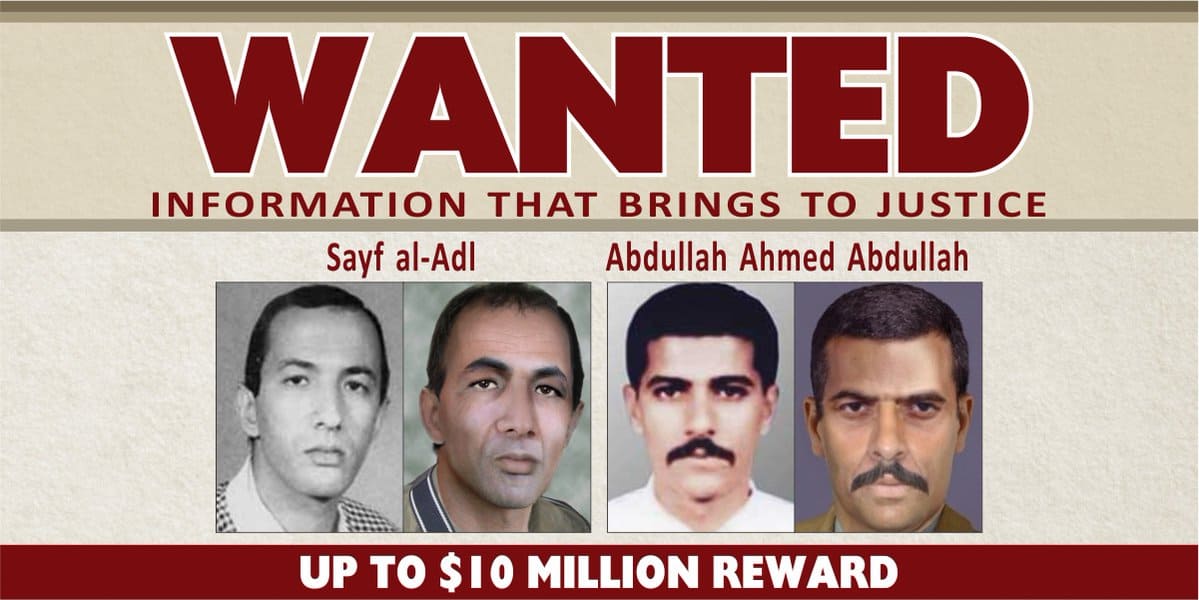
On Aug. 8, the State Department announced that it had increased its reward for information concerning the whereabouts of two veteran al Qaeda leaders: Abdullah Ahmed Abdullah and Saif al-Adel. Although State didn’t explain the move, there is evidence that the two al Qaeda managers were operating inside Iran as of 2017.
-
State Department amends terror designation for Al Nusrah Front
The State Department has amended the terrorist designation for Al Nusrah Front to include the “alias” Hay’at Tahrir al Sham (HTS). State’s announcement indicates that the US government still considers HTS to be part of al Qaeda’s network, despite the jihadists’ vitriolic disputes over its formation. State didn’t explain its reasoning behind the move.

-
Analysis: US seeks extradition of Bin Laden loyalist imprisoned in France
The US is seeking the extradition of Christian Ganczarski from France, where he has been imprisoned since 2003. A French court convicted Ganczarski on terror-related charges for his role in the Apr. 11, 2002 suicide bombing at a synagogue in Djerba, Tunisia. The bomber called Ganczarski beforehand to receive his “blessing.” A newly-released indictment focuses on Ganczarski’s other ties to al Qaeda, including a plot targeting American interests in Australia.

-
Analysis: Ayman al Zawahiri calls for ‘unity’ in Syria amid leadership crisis
The jihad in Syria has unleashed another leadership crisis for al Qaeda.

-
CIA releases video of Hamza bin Laden’s wedding
The US has released a video from Hamza bin Laden’s wedding, providing a more recent image of Osama’s heir than was previously available. The video was recovered during the raid on Osama bin Laden’s compound in May 2011. FDD’s Long War Journal assesses that the wedding likely took place inside Iran, where Hamza was detained until being released sometime in 2010.

-
Zawahiri’s deputy sought to ‘unify’ Syrian rebels
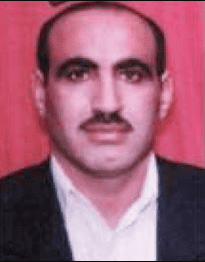
The US killed al Qaeda veteran Abu al Khayr al Masri in a drone strike in Idlib, Syria in late February. Masri was identified as al Qaeda’s “general deputy” in July 2016. He worked to unite Syrian rebel groups under a common banner.
-
US transfers 2 Guantanamo detainees to the Republic of Senegal
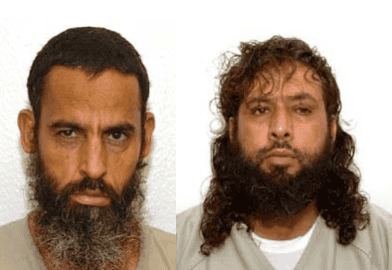
The US government announced the transfer of two Libyans from Guantanamo to the Republic of Senegal. Both of the men were allegedly members of the Libyan Islamic Fighting Group and worked for al Qaeda prior to their detention. JTF-GTMO found both to be “high” risks. President Obama’s Guantanamo Review Task Force previously deemed one of them “too dangerous” to transfer.
-
Al Qaeda insider returns to Twitter, discusses group’s global leadership
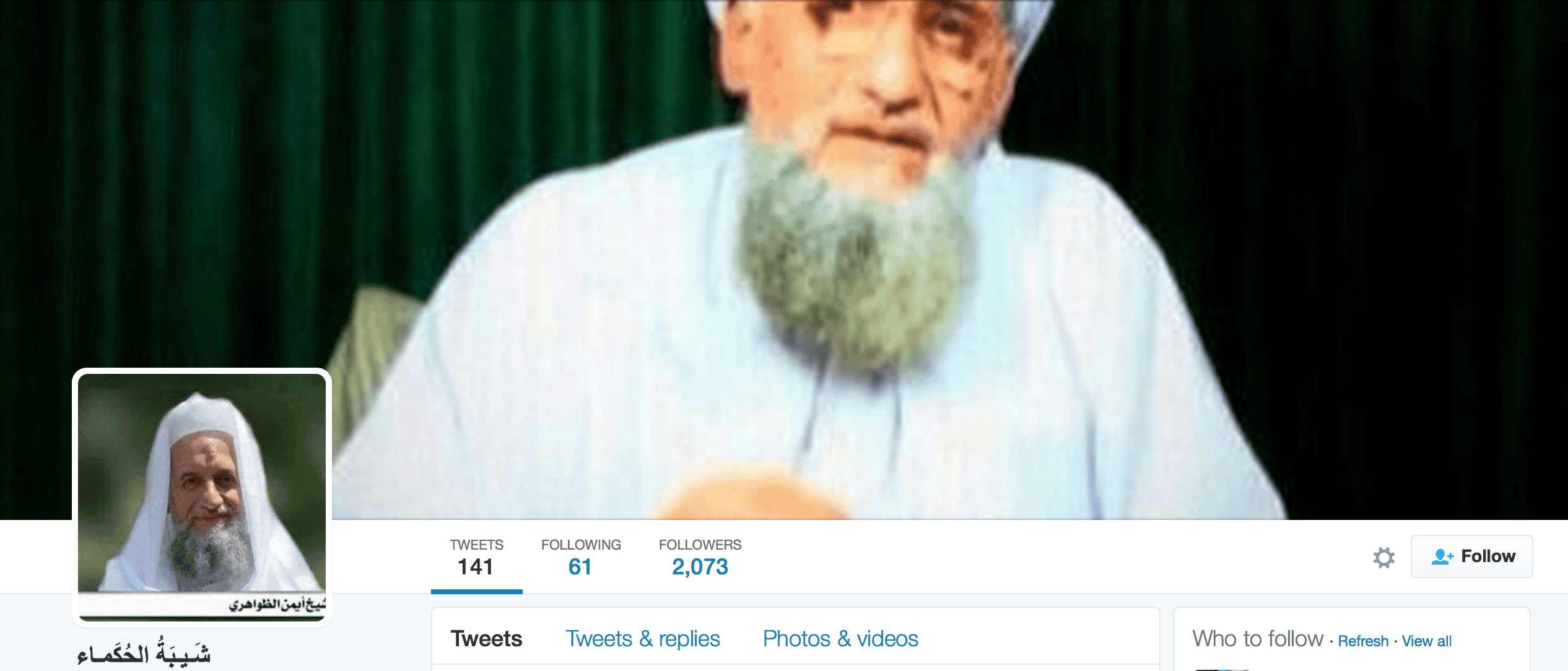
An al Qaeda media operative known as Shaybat al Hukama returned to Twitter on Feb. 15 after having his previous accounts suspended. Hukama has implied that Saif al Adel, a senior al Qaeda leader wanted for his alleged role in the 1998 US Embassy bombings, is in Syria to lead the fight against the Russians.
-
Senior al Qaeda leaders reportedly released from custody in Iran
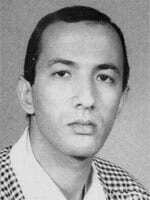
Five veteran jihadists, including three members of al Qaeda’s management council, have reportedly been released from custody in Iran as part of a hostage exchange. The details of their detention and release from Iranian custody are murky.
-
DC court: Iran showed al Qaeda how to bomb embassies
On Nov. 28, a DC district court ruled that Iran and Sudan were culpable for al Qaeda’s 1998 embassy bombings in Kenya and Tanzania. The attacks killed more than 200 people and were al Qaeda’s most successful operations prior to 9/11.

-
Analysis: Al Qaeda’s interim emir and Iran
Al Qaeda’s interim emir is reportedly Saif al Adel, a longtime member of al Qaeda and the Egyptian Islamic Jihad. Al Adel has a decades-long relationship with Iran and was protected by the Iranians after 9/11.