-
Analysis: US military ends reporting on security situation in Afghanistan’s districts
The U.S. military and NATO have stopped producing an assessment that was considered key for measuring progress against the jihadist insurgency in Afghanistan, according to a report released on April 30 by the Special Inspector General for Afghanistan Reconstruction (SIGAR). The metric, which tracked district stability, was one of the “most widely cited Afghan security metrics.” But it will no longer be available to the public, or those tasked with oversight. In Nov. 2017, General John W. Nicholson Jr., then commander of Resolute Support and U.S. Forces Afghanistan (USFOR-A), said the “most telling” metric for success is “population control” —…
-
US military continues to spin a Taliban victory against Islamic State as its own
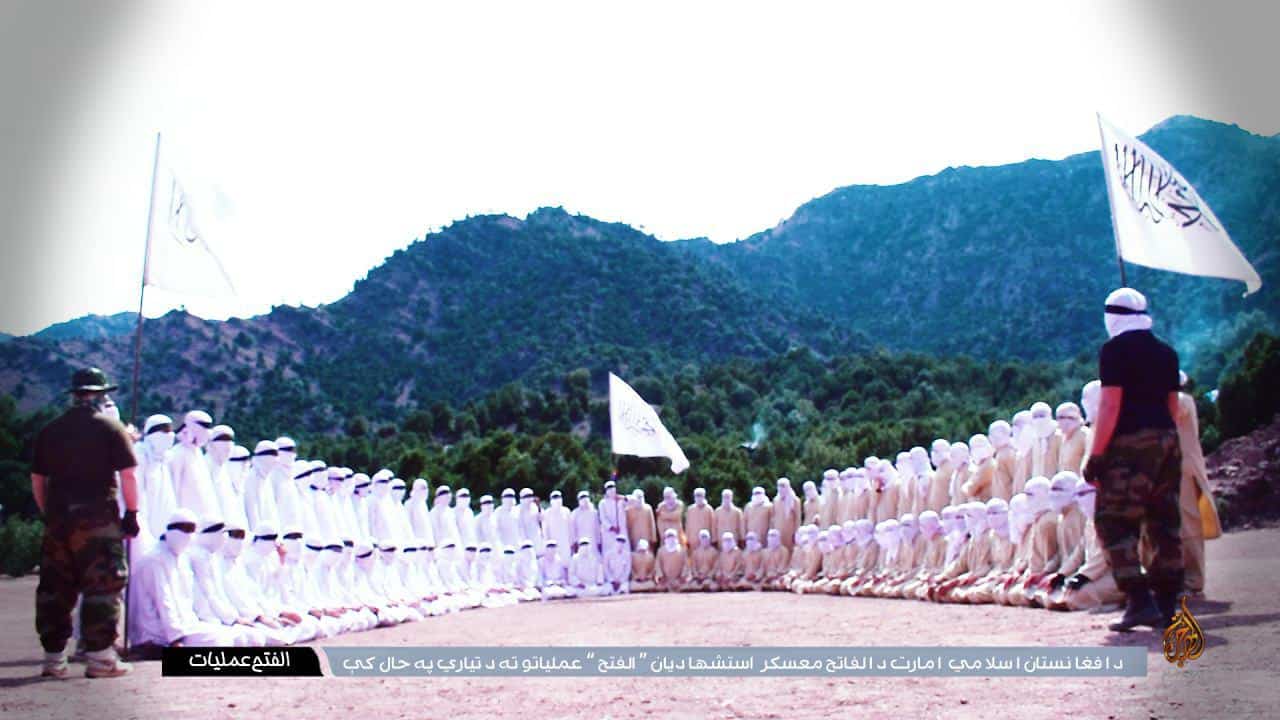
The US military’s repeated attempts to spin the Taliban’s victory in Jawzjan as its own only serves to demonstrate just how eager it is to manufacture successes in Afghanistan when they are few and far between.
-
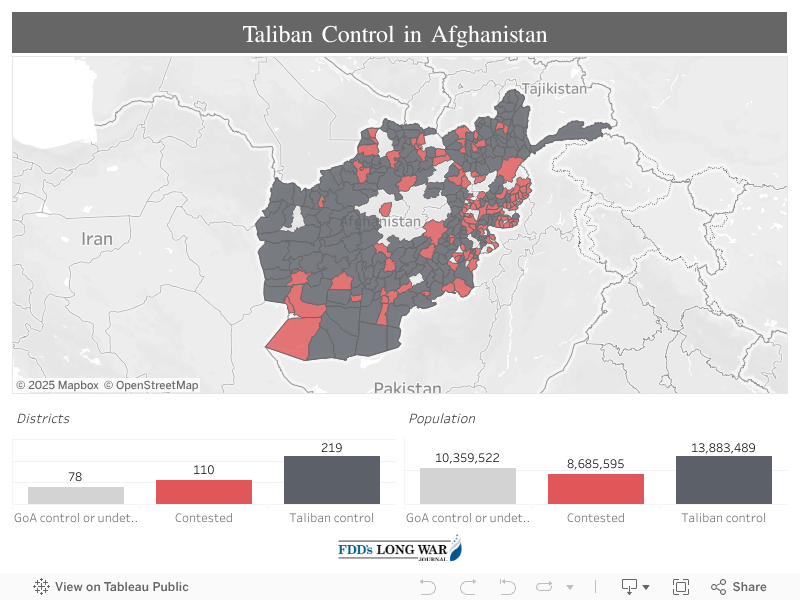
Half of Afghan population living in districts outside government control
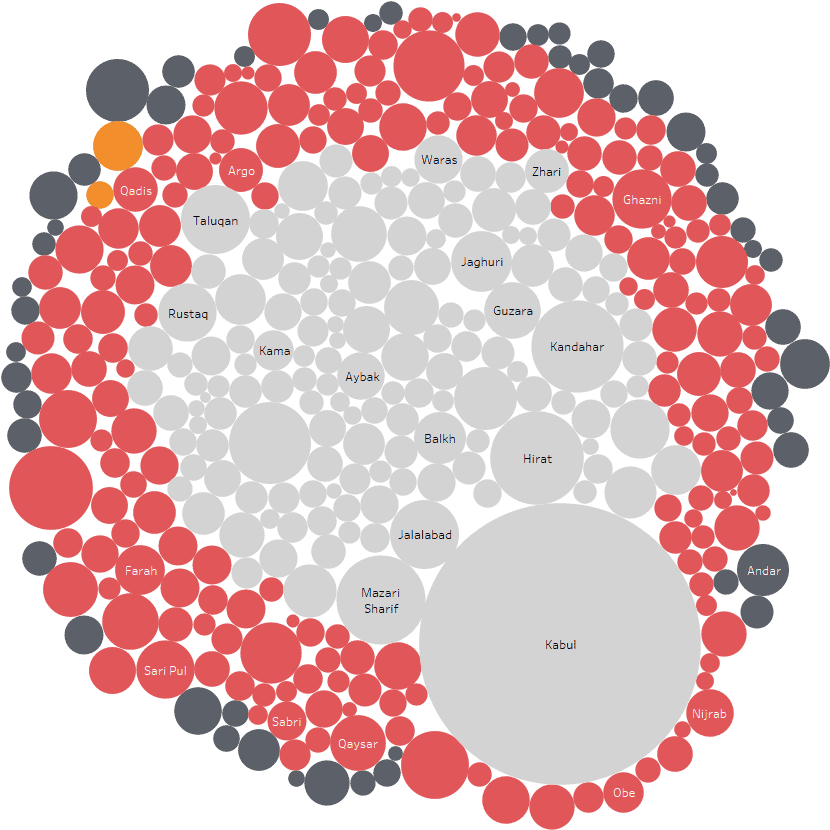
Some 41 percent of the Afghan population resides in a contested district and more than nine percent reside in a Taliban controlled district, according to a new study by FDD’s Long War Journal.
-
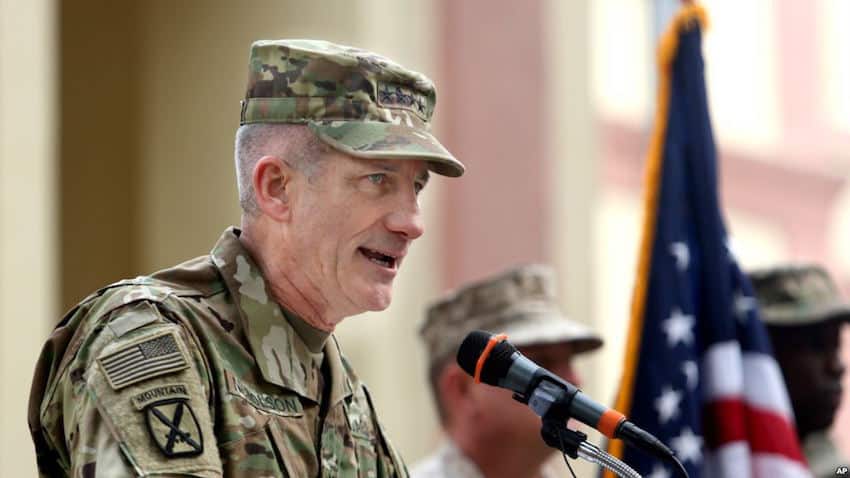
Analysis: Gen. Nicholson says US strategy in Afghanistan ‘is working,’ despite the facts
At a Pentagon press conference, General Nicholson again gave a Pollyannish assessment of the state of Afghanistan. He claimed the peace process is working and the Taliban’s offensive is failing, and took credit for a Taliban victory over the Islamic State.
-
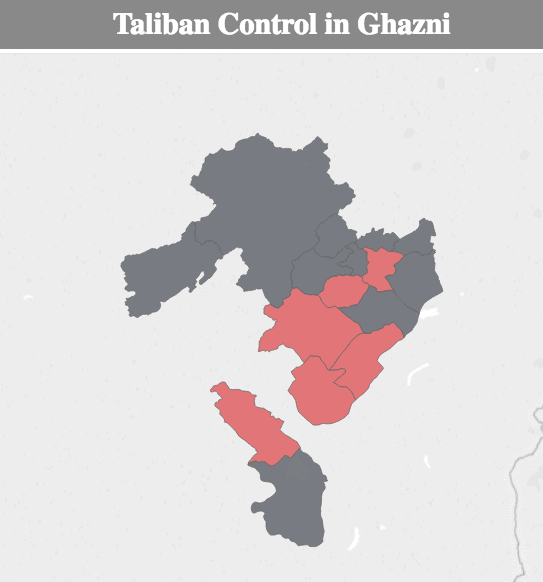
Resolute Support obscures status of 7 Ghazni districts as 3 more fall to Taliban
In addition to Ajristan and Khwaja Umar, the districts of Nawur, Jaghatu, and Deh Yak have fallen to the Taliban. Meanwhile, Resolute Support has intentionally misled the the public about the status of seven of Ghazni’s districts. Resolute Support claimed these districts were under government control; in reality the Taliban physically controlled the terrain while the Afghan government operated the government remotely from Ghazni City.
-
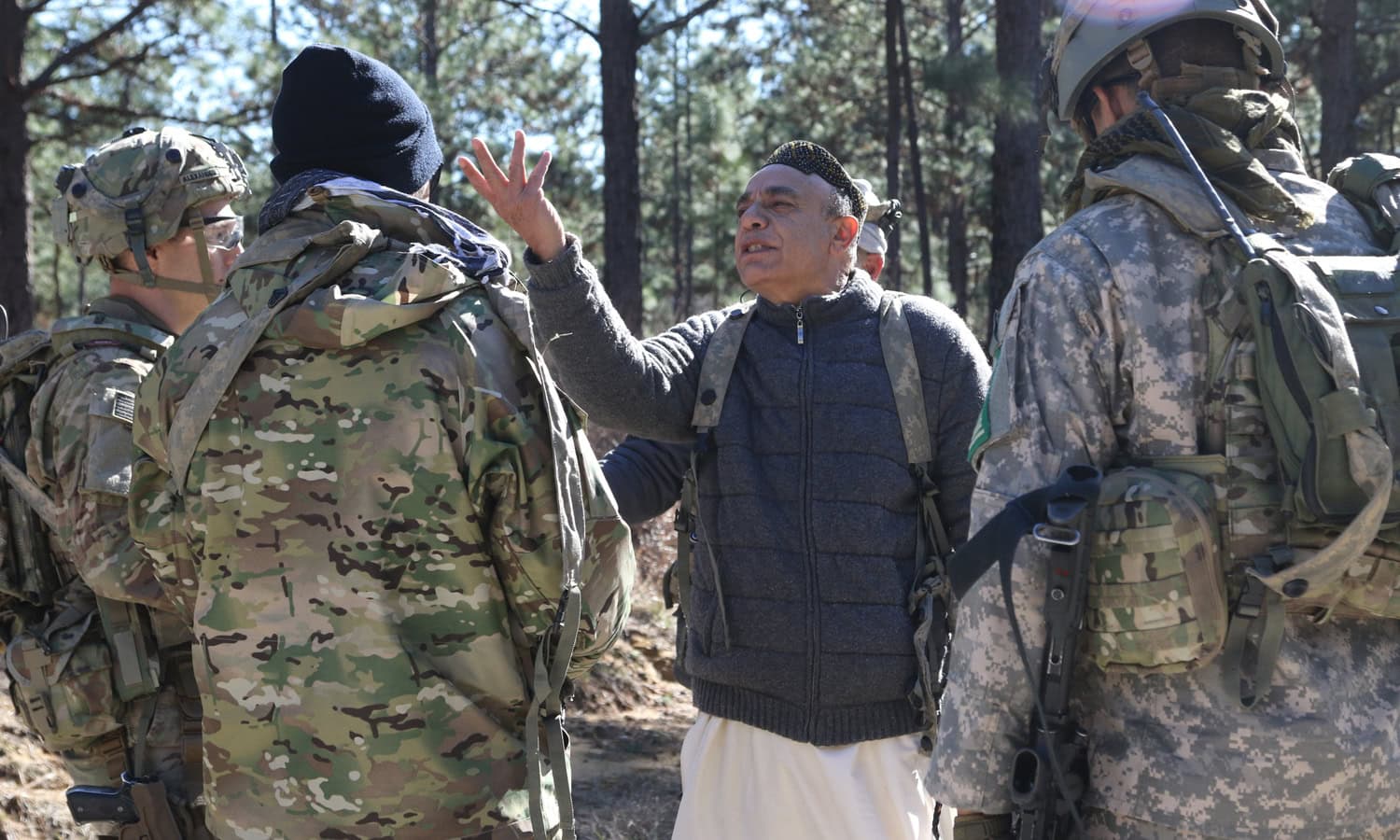
Resolute Support invents new terms to obfuscate Taliban control
Resolute Support continues to invent new terminology to obfuscate the extent of Taliban control in Afghanistan.
-
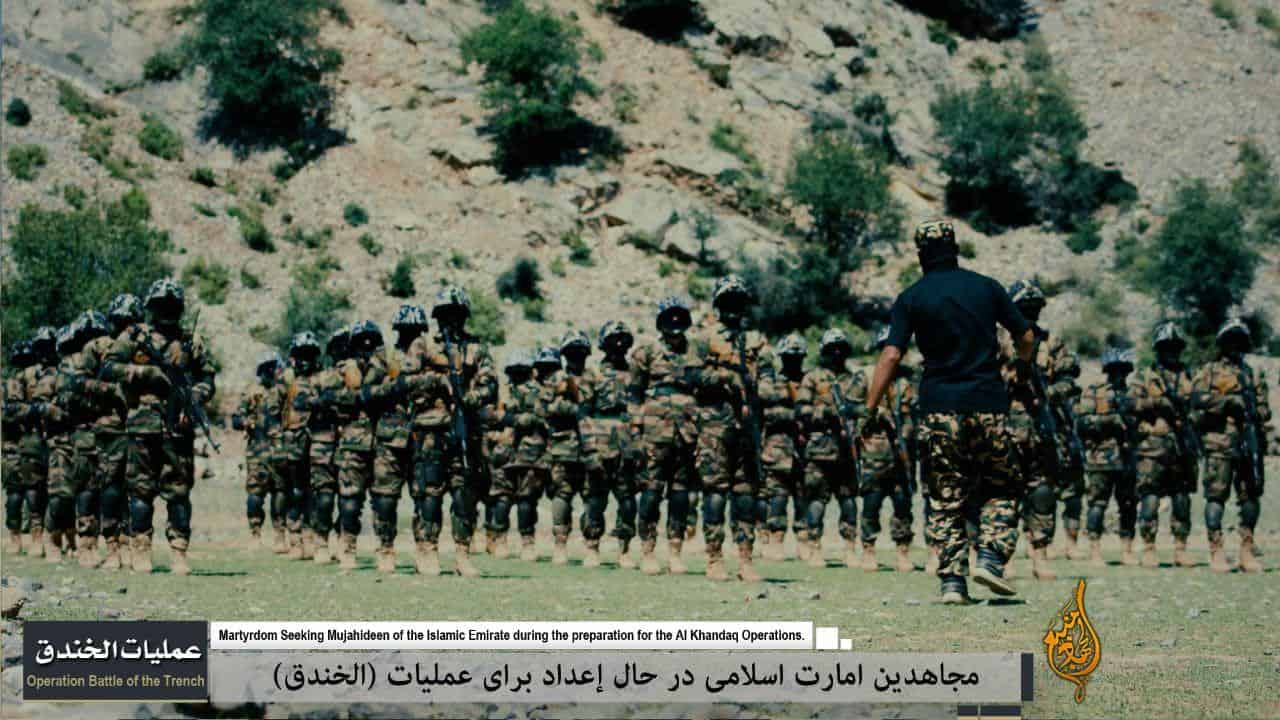
Analysis: A misbegotten ‘ceasefire’ in Afghanistan
The government of Afghanistan announced yesterday that it has entered into a unilateral ceasefire with the Taliban. Gen. John Nicholson, who oversees the US-led war effort, claimed it was a “bold initiative for peace.” But the thinking behind the ceasefire is confused.
-
Taliban control of Afghan districts remains unchanged despite increased US military pressure
The Taliban continue to maintain its grip on half of Afghanistan despite US military’s reinvigorated effort to force the group from its strongholds.
-
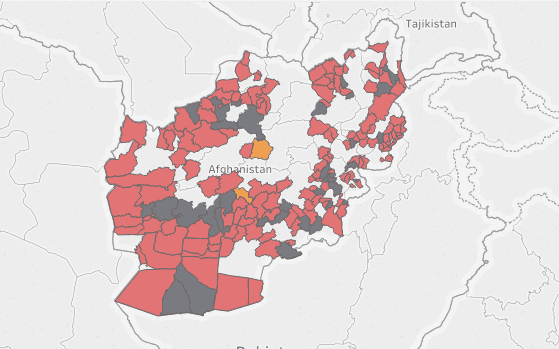
Afghan mission releases district-level assessments
The Afghanistan watchdog was finally able to release the military’s own district-level assessment, allowing for a direct comparison with our data. The Taliban currently controls 37 districts, contests 200, and claims to control two more.
-
Lessons learned from 15 years in Afghanistan: SIGAR
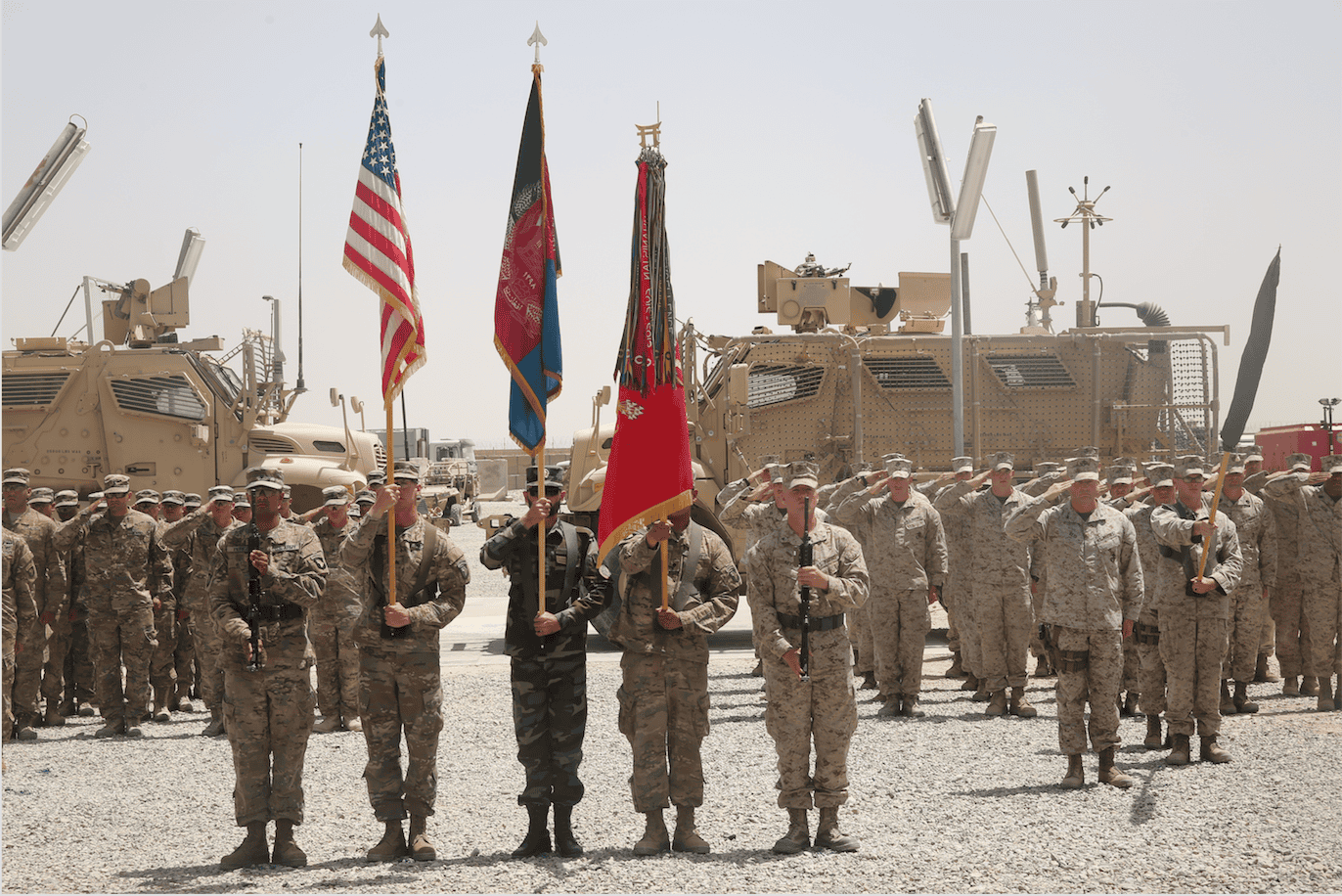
The Congressionally mandated Special Inspector General for Afghanistan Reconstruction (SIGAR) issued a detailed report evaluating the current challenges facing the Afghan National Defense and Security Forces (ANDSF) and the lessons learned from America’s nearly 15-year campaign in the country. The report argues that security priorities guiding US decisions early in the war effort negatively impacted the current priorities of building ANDSF long-term sustainability capabilities. The report, which is the first of its kind, concludes that the ANDSF is plagued by debilitating attrition, corruption, equipment shortages, incomplete training, a lack of security infrastructure and widespread illiteracy. ANDSF Shortfalls SIGAR’s report shows…
-
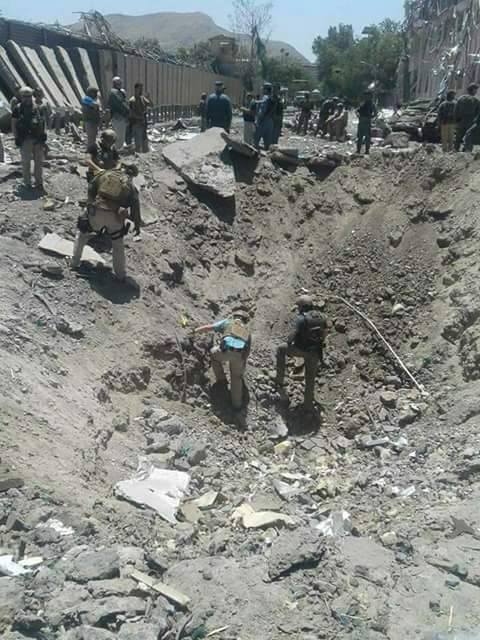
Bomb blast rocks Kabul during rush hour, killing dozens of civilians
A suicide bomber detonated a vehicle packed with explosives in the Afghan capital this morning. The bombing was carried out near the German Embassy. At least 80 people were killed, according to initial casualty reports.
-
American soldier killed fighting Islamic State in Afghanistan
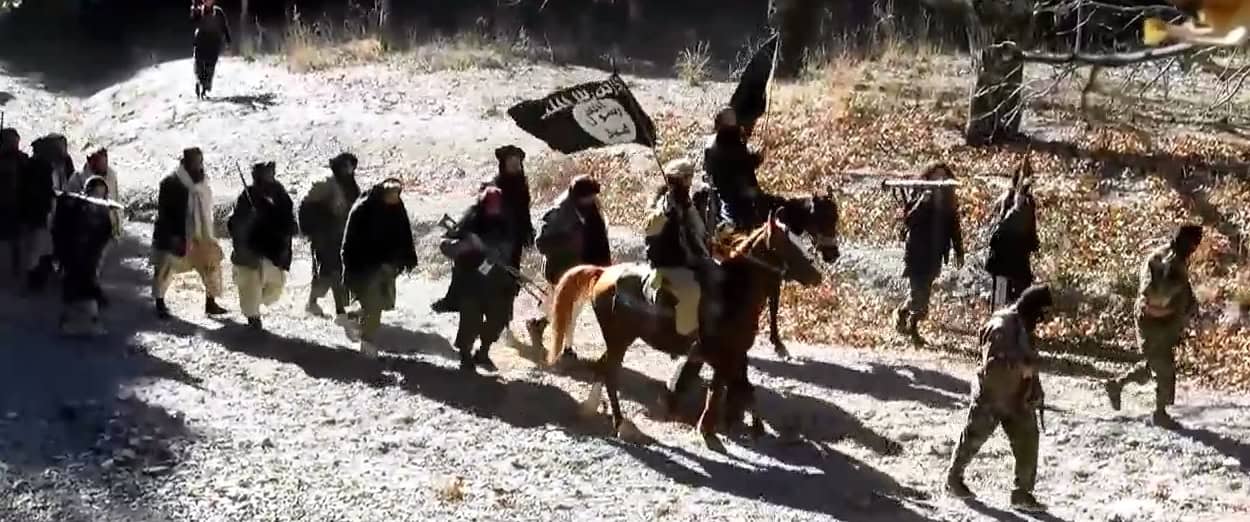
An American soldier was killed while fighting the Islamic State’s jihadists in eastern Afghanistan. While the Wilayah Khorasan (or Khorasan province) has suffered significant losses since early 2016, it still maintains a significant operational capacity and can mount high-profile attacks.
-
Russia’s new favorite jihadis: The Taliban
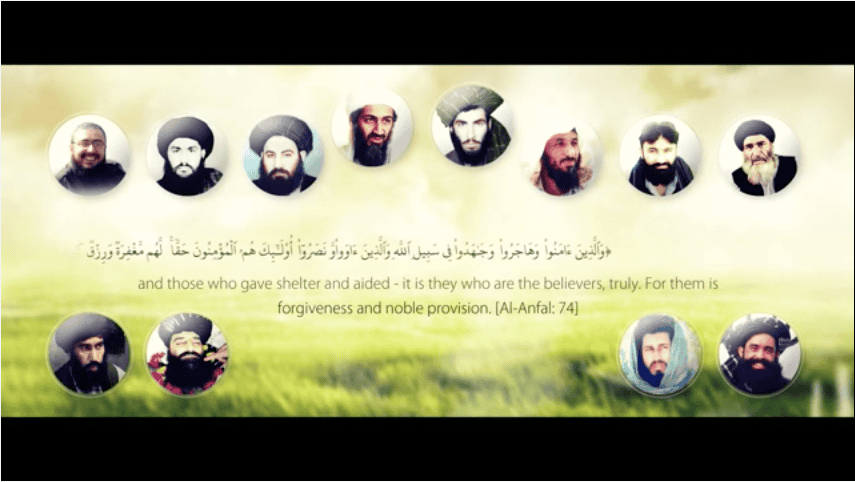
Russia is openly advocating on behalf of the Taliban, arguing that the jihadist group should be considered a bulwark against the Islamic State’s branch in Afghanistan. But the Taliban is a bigger threat to Afghan security than Abu Bakr al Baghdadi’s men, the organization remains closely allied with al Qaeda and its own extremism should not be downplayed.
-
US military is hunting al Qaeda in at least 7 Afghanistan provinces
General John W. Nicholson Jr., who leads NATO’s Resolute Support and US Forces Afghanistan, said yesterday that the US is hunting al Qaeda in Afghanistan’s Kandahar, Zabul, Paktika, Ghazni, Kunar, Nuristan and Nangarhar provinces. His comments are just the latest indication that al Qaeda’s presence in Afghanistan has been underestimated.