-
The US Intelligence Community’s newest assessment of the jihadist threat
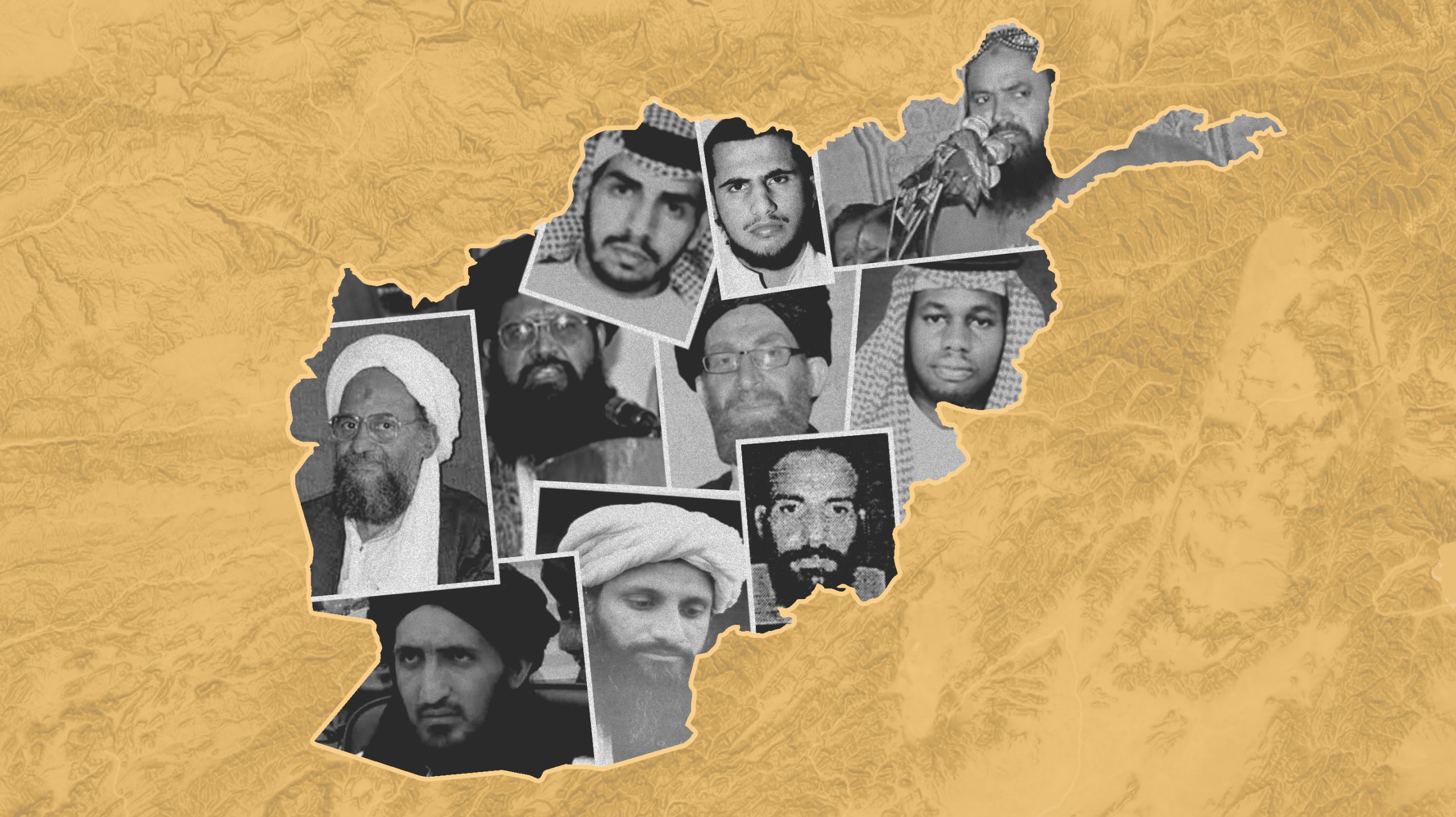
The Office of the Director of National Intelligence (ODNI) presented its written “Worldwide Threat Assessment” to the Senate last week. The analysis confirms that the Islamic State is capable of sustaining insurgencies in both Iraq and Syria, Afghan security continues to “deteriorate,” and al Qaeda remains a threat in several parts of the globe.
-
Popular Mobilization Committee militia threatens to ‘strike and destroy’ the Saudi government
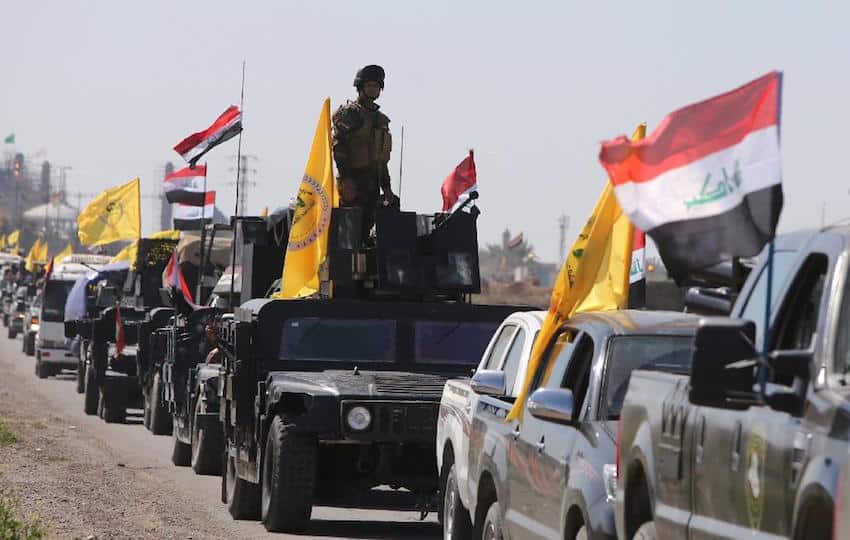
Sayyid al Shuhada said it would “strike and destroy” Saudi interests, not just in Iraq, but inside the kingdom. The militia, which operates as part of the Iraqi government, Iran, and the US-backed Popular Mobilization Committee, is led by Abu Mustafa al Sheibani, a dangerous commander who is listed by the US as a global terrorist.
-
US praises role of Iranian-backed Shiite militias in Baiji operation
Officials continue to whitewash the role that Iranian-backed Shiite militias play in Iraq’s offensive against the Islamic State. The US continues to provide airstrikes to these militias, which are Iranian clients responsible for killing hundreds of American soldiers and remain hostile to the US.
-
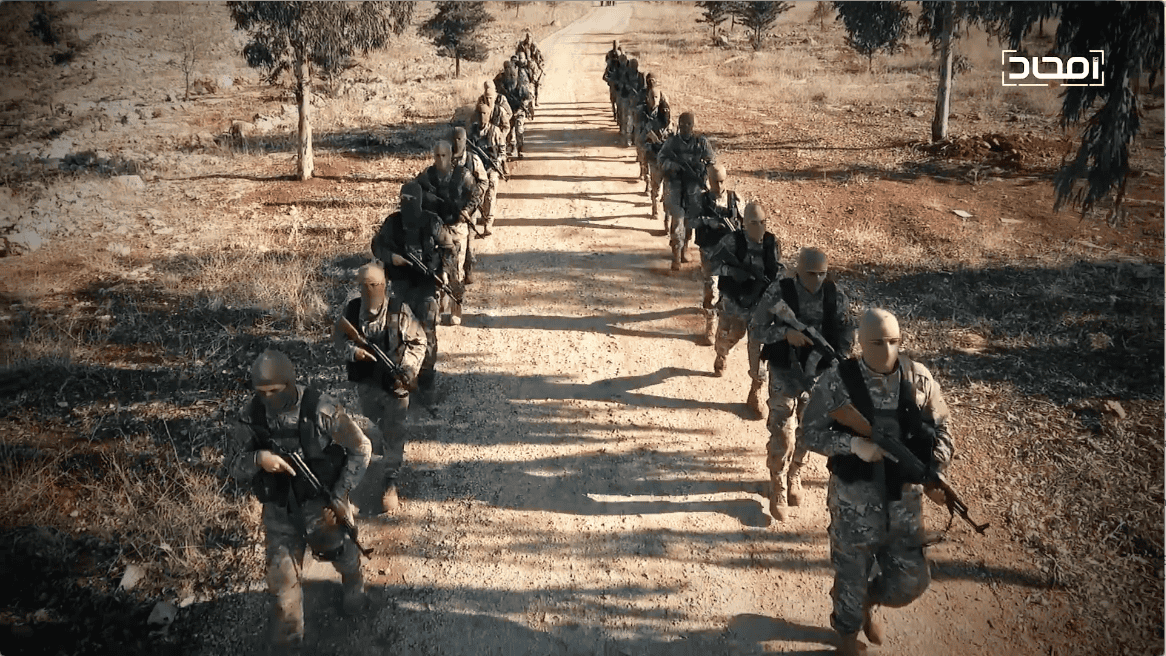
US counterterrorism efforts in Syria: A winning strategy?
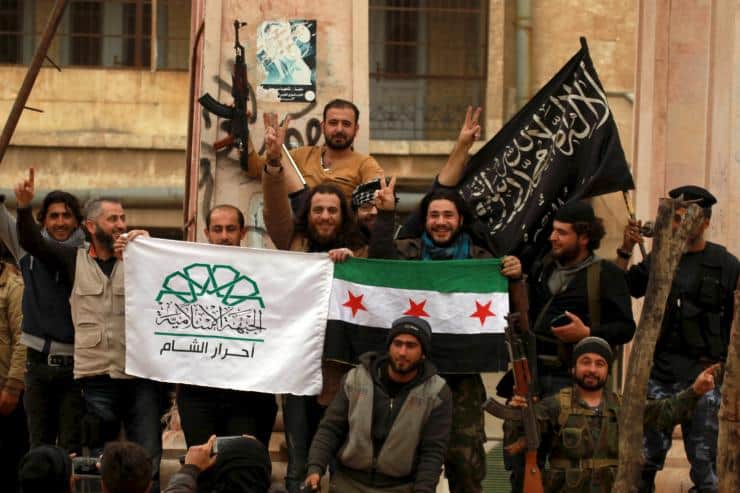
Testimony to the House Committee on Foreign Affairs Subcommittee on Terrorism, Nonproliferation, and Trade on the US counterterrorism strategy in Syria. “The West’s involvement is ad hoc, tactical and reactionary.”
-
Iraqi Shiite militia promotes training camp named after Qods Force general
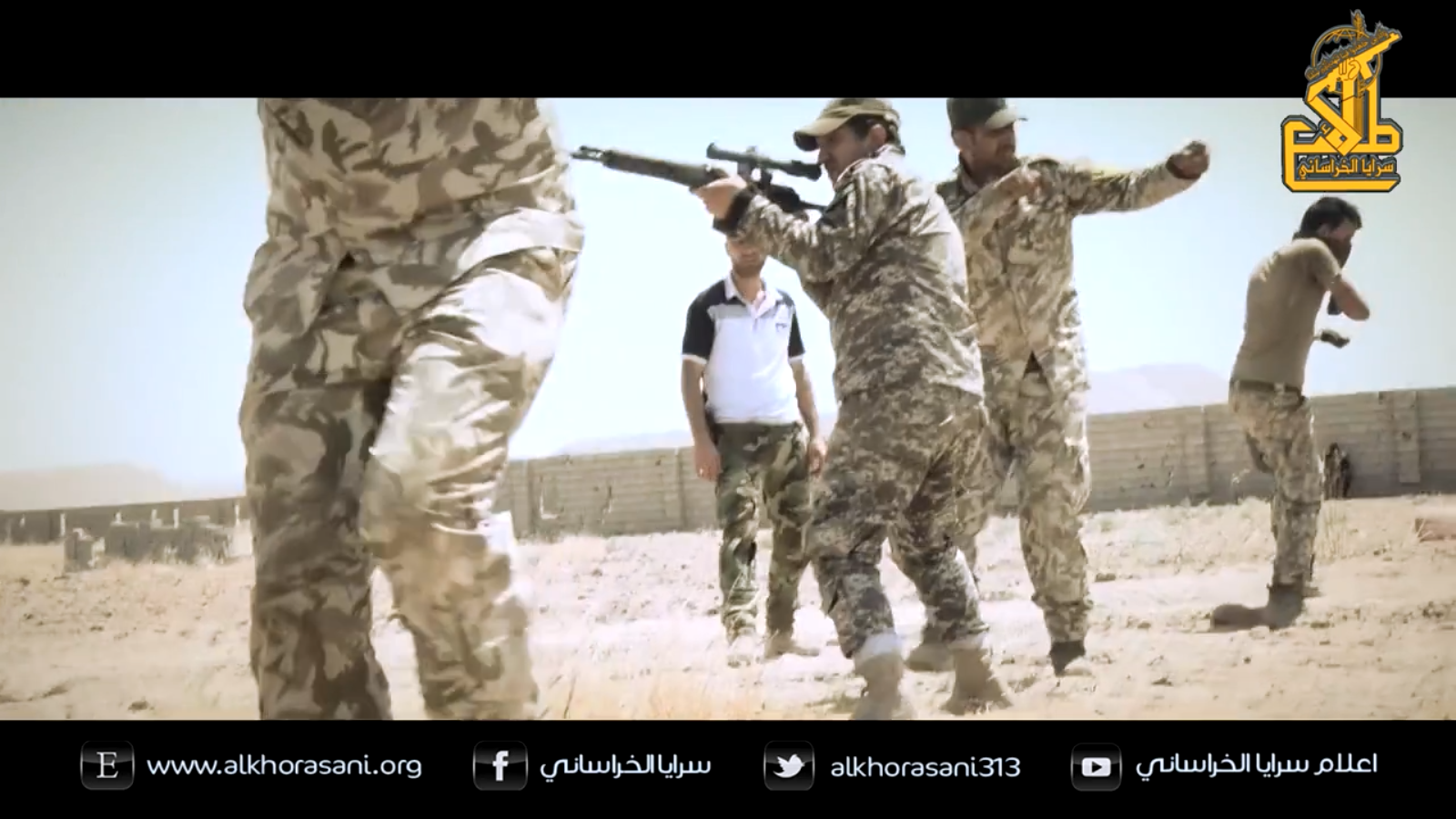
Saraya al Khorasani, an Iranian-backed Shiite militia that operates alongside the Iraqi military, released a video showing the “Sheikh Hajj Hamid Taqavi training center.” Taqavi was an Iranian Revolutionary Guards Corps – Qods Force general who was killed by an Islamic State sniper.
-
Iraqi Hezbollah Brigades suspected of kidnapping Turkish workers
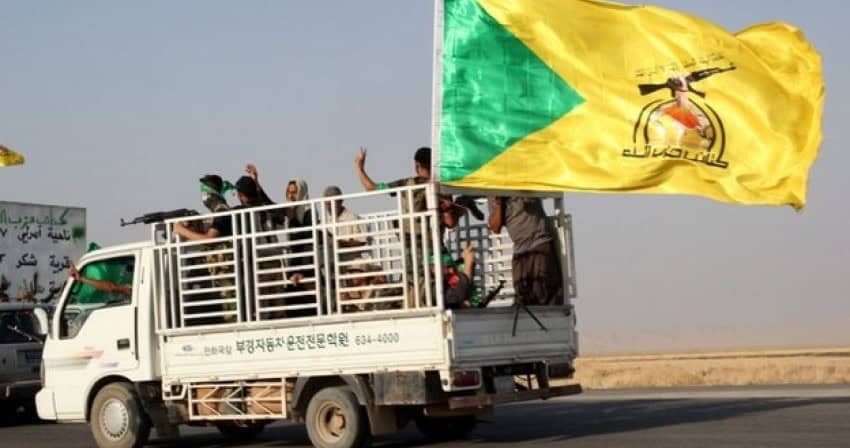
One Iraqi soldier was killed today as the military raided a Hezbollah Brigades headquarters while searching for 18 Turkish construction workers who were kidnapped in Baghdad.
-
Islamic State brutally executes 4 men in response to slaying by ‘Angel of Death’
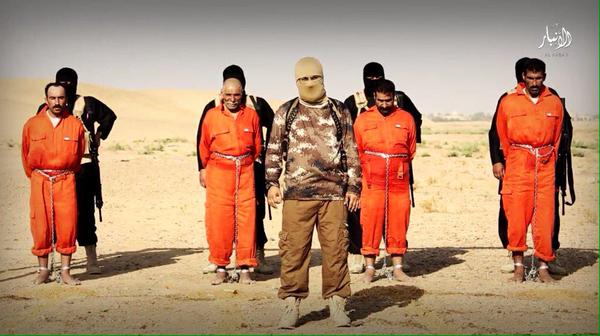
The Islamic State has brutally executed four men who belonged to the Iraqi and Iranian-backed Popular Mobilization Forces (PMF). The executions are a response to the PMF’s own slayings of Sunnis, the Islamic State says.
-
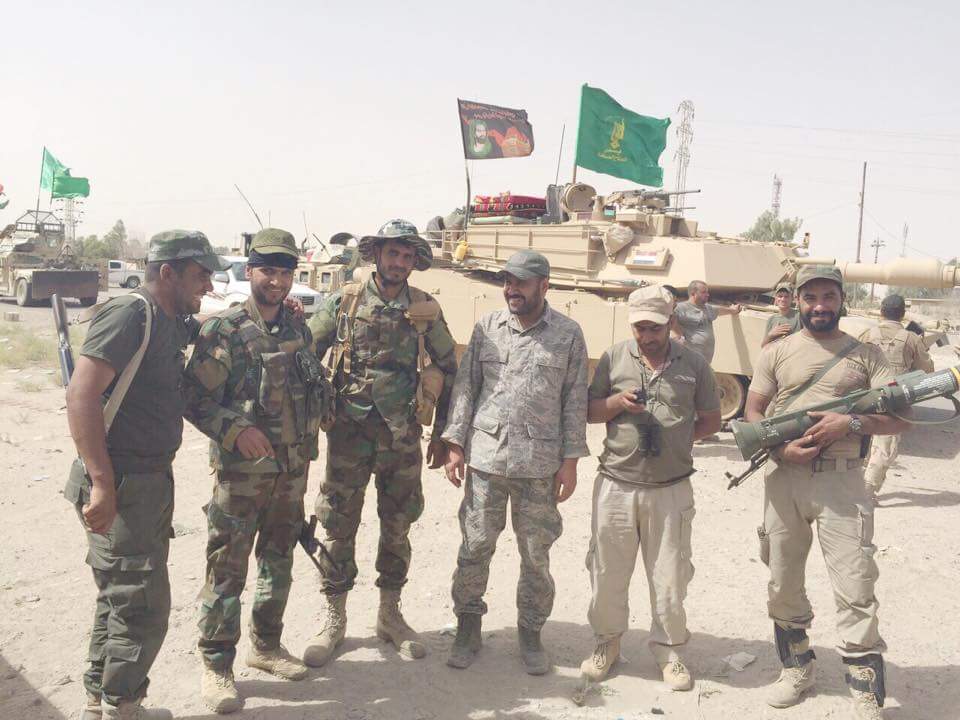
Badr Organization fighters pose with US M1 Abrams tank
A Badr fighter also displays an AT4 anti-tank rocket. US equipment that has been supplied to the Iraqi military continues to fall into the hands of Iranian-backed Shiite militias.
-
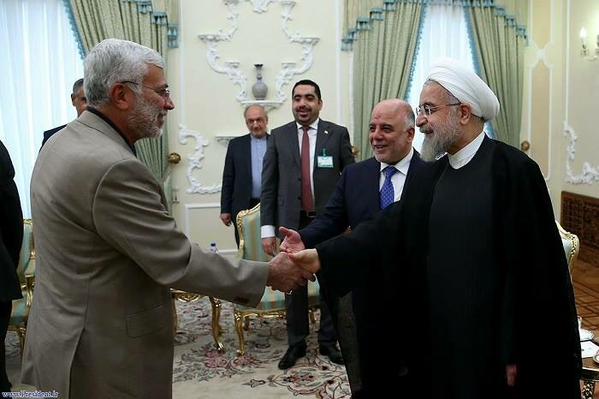
Iraq’s PM introduces US-designated terrorist to Iran’s President
During yesterday’s meeting in Tehran between Iraqi Prime Minister Haidar al Abadi and Iranian President Hassan Rouhani, the former introduced the latter to Abu Mahdi al Muhandis, the operations chief for the Iranian-backed Popular Mobilization Committee and a US-listed Specially Designated Global Terrorist.
-
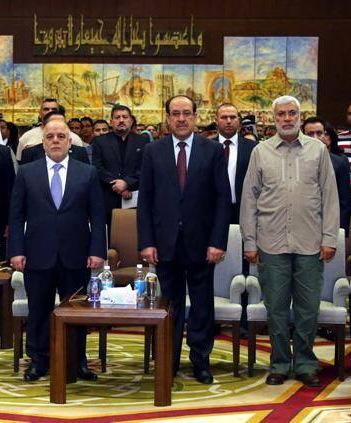
Iraqi Prime Minister photographed with SDGT Abu Mahdi al Muhandis
Leading Iraqi political and religious leaders such as Prime Minister Haidar al Abadi and Grand Ayatollah Sistani have been reduced to cozying up to what John Allen, the US Special Presidential Envoy for the Global Coalition To Counter ISIL, or the Islamic State, described as the “extremist elements” of the Popular Mobilization Committee.
-
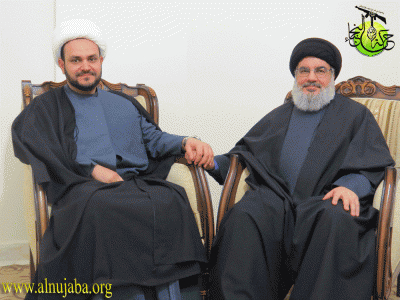
Iraqi Shiite militia commander threatens to attack US
Akram Abbas al Kabi, a Specially Designated Global Terrorist and the leader of the Harakat Nujaba, said his group and others “will seek revenge” for what he claimed was a US airstrike that killed 10 members of the League of the Righteous.
-
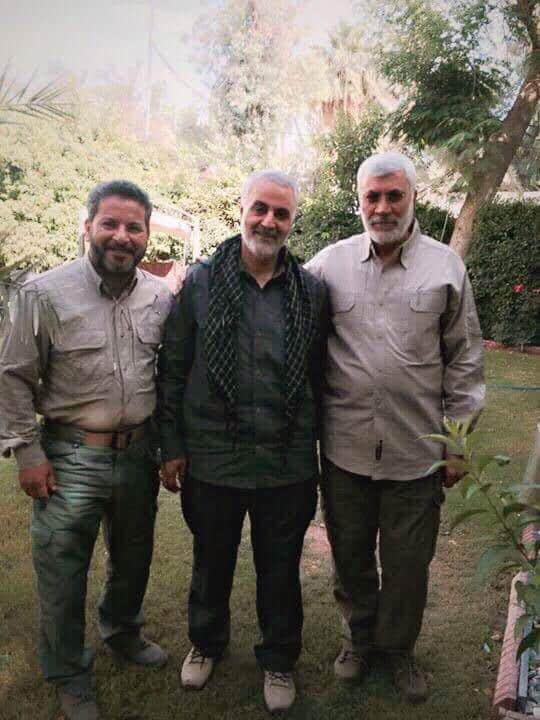
Qods Force commander Soleimani reportedly spotted in Anbar province
Qods Force commander Major General Qassem Soleimani was also photographed in Baghdad with Popular Mobilization Committee chief Abu Mahdi al Muhandis and Imam Ali Brigade leader Shebl al Zaydi. The images contradict US official’s claims that Iran and its Shiite militia proxies are not involved in the Anbar counteroffensive.
-
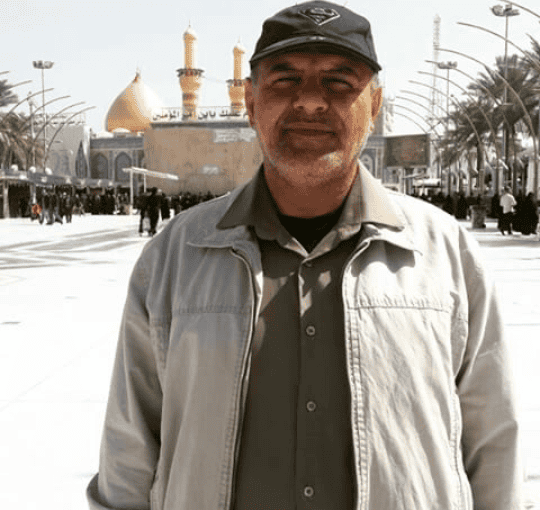
Iranian military commander killed fighting in Ramadi
Commander Jassem Nouri is likely a member of Qods Force, the external operations branch of the Iranian Revolutionary Guards Corps Qods Force. He was advising Shiite militias, such as Hezbollah Brigades, who are engaged in fighting in Iraq’s Anbar province.
-
US support for Iranian-backed Shiite militias ‘should not alarm us,’ General Allen says
US officials and generals continue to downplay the involvement of Iranian-backed Shiite militias in offensives in Iraq, and their dominance of the Popular Mobilization Committee.
-
Iranian-backed militias lead Iraqi counteroffensive to retake Ramadi
Iranian-supported militias, including Hezbollah Brigades, a US-listed Foreign Terrorist Organization, are advancing against the Islamic State east of Ramadi. The US is providing air support.
-
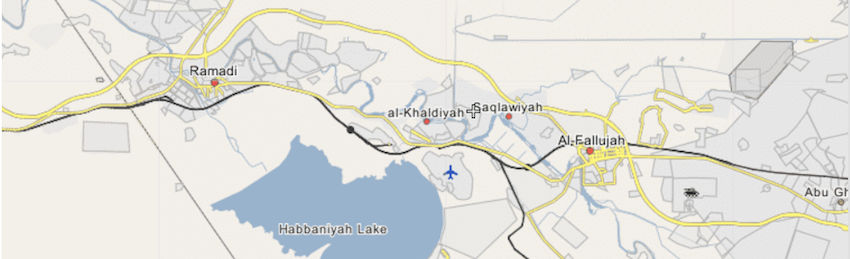
Islamic State, Shiite militias square off east of Ramadi
The Islamic State is attacking Iraqi forces and Iranian-backed Shiite militias that have regrouped at Habbaniyah, the last major city between Ramadi and Fallujah.
-
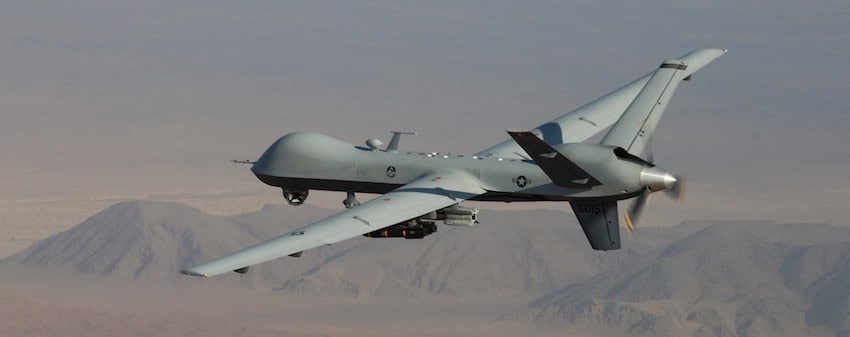
US begins airstrikes against Islamic State in Tikrit, supports Shiite militias
The US has reversed its decision to avoid assisting Iranian-backed Shiite militias and is now providing direct air support in the battle for Tikrit. Many militia leaders and one militia fighting in Tikrit are on the US terrorism list.
-
Iranian-backed militias rampaged in central Iraq after freeing town: HRW
A Human Rights Watch report says that the militias looted, burned thousands of buildings, and abducted at least 11 people during the Amerli offensive last summer. “The widespread burning of civilian homes by the militia groups in areas under their control appeared to have had no clear military objective and to represent collective punishment against residents of local Sunni villages,” HRW stated.
-
Shiite militias, Iraqi forces surround Tikrit
Shiite militias closely linked to Iran and Qods Force commander Qassem Suleimani have taken control of key towns surrounding the central Iraqi city.