-
Yazidi armed group YBS to disarm, integrate into Iraqi security forces
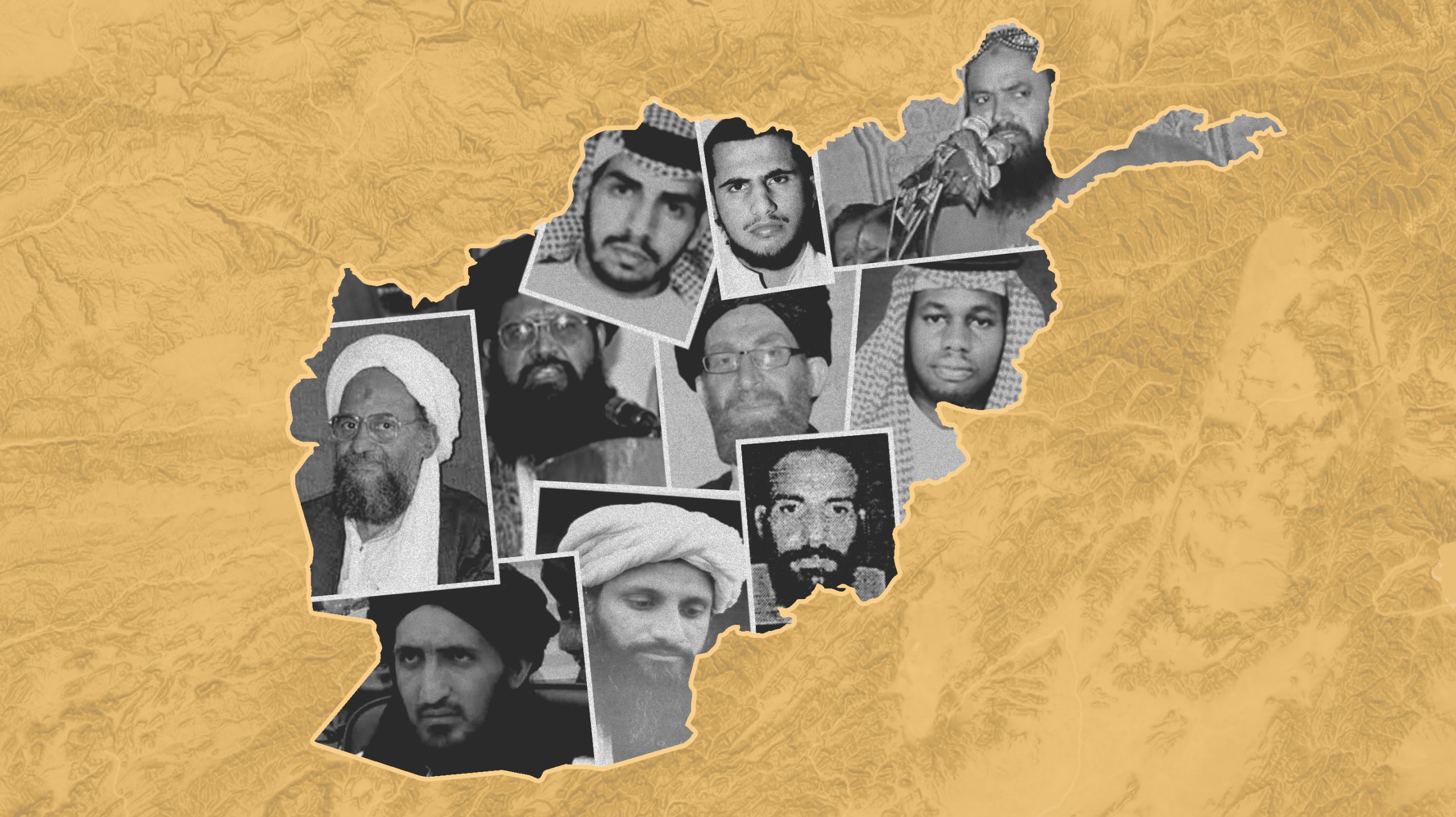
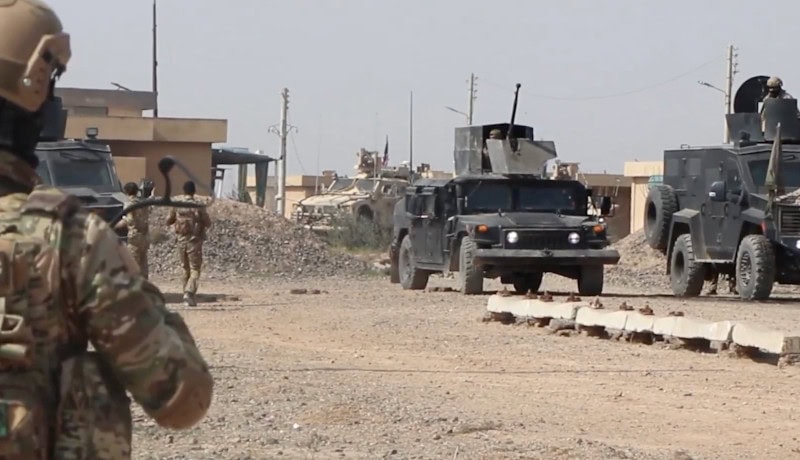
The Sinjar Resistance Units (YBS), a Yazidi armed group with links to the Kurdistan Workers’ Party (PKK), has agreed to disarm and integrate eligible members into Iraq’s security forces as Baghdad seeks to stabilize Sinjar and facilitate the return of displaced Yazidis. The agreement comes amid broader efforts to disarm Iranian-backed militias in Iraq and parallels integration processes involving the Syrian Democratic Forces in Syria.

-
Clashes erupt between Syrian government troops and Kurdish-led Syrian Democratic Forces
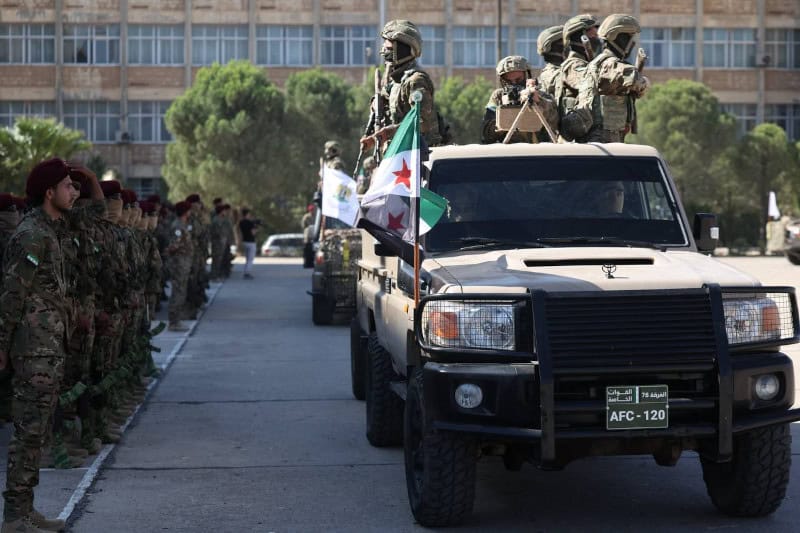
On November 19, the Syrian Army and the Syrian Democratic Forces (SDF) battled near Maadan, Syria. While the two factions have not entered into full-blown conflict, tensions between them are rising as the end-of-year deadline for an integration agreement signed in March 2025 approaches.
-
PKK announcement of withdrawal from Turkey has ramifications for Iraq, Syria
On October 26, the Kurdistan Workers Party (PKK) announced that it was withdrawing its fighters from Turkey as part of a peace process with the Turkish government. Media reports indicate that the PKK may be moving to northern Iraq, leading to questions about how the withdrawal may affect the Kurdish regions of eastern Syria and northern Iraq.

-
Turkey ramps up military support for Syria
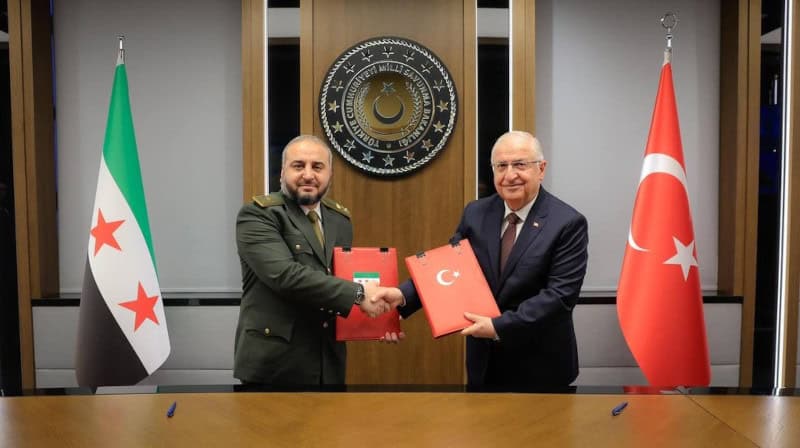
The Turkish Ministry of Defense announced that Turkish Minister of Defense Yasar Guler and Syrian Minister of Defense Murhaf Abu Qusra signed a memorandum of understanding regarding the training of Syrian troops and a military consultancy after talks in Ankara.
-
Analysis: The PKK abandons armed struggle
The PKK, the Kurdish separatist group that has waged a decades-long secessionist movement inside Turkey, recently announced its decision to lay down its weapons and likely abandon its cause. However, the conditions of the compromise the opposing sides have reached are shrouded in secrecy, and many wonder if lasting peace will be achieved. Peace between the PKK and Turkey will have regional implications spanning the stability of Syria, Iraq, and Iran.

-
Analysis: Why did Syria’s Kurds sign a deal with the new regime?
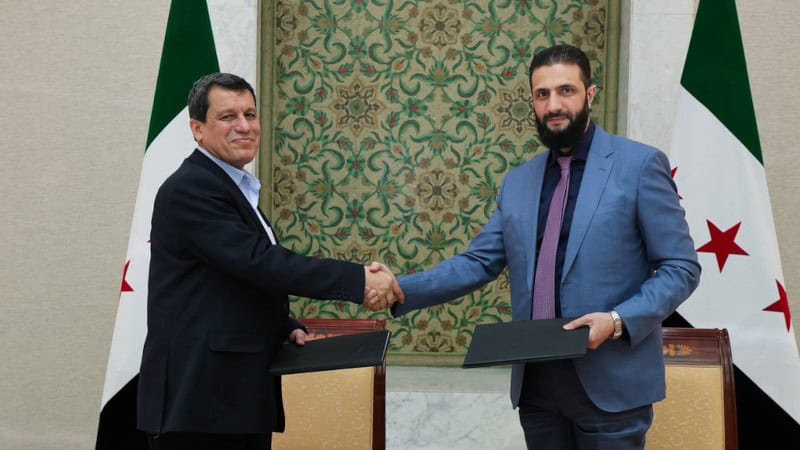
The Syrian Democratic Forces (SDF) signed an agreement with Syria’s interim government, integrating the SDF’s 100,000-strong, mostly Kurdish force into the new Syrian military. The deal likely represents a calculated risk by the SDF to curtail Turkish aggression, especially if the US withdraws from the country.
-
Analysis: How will the US-backed SDF be affected by PKK leader’s disarmament call?
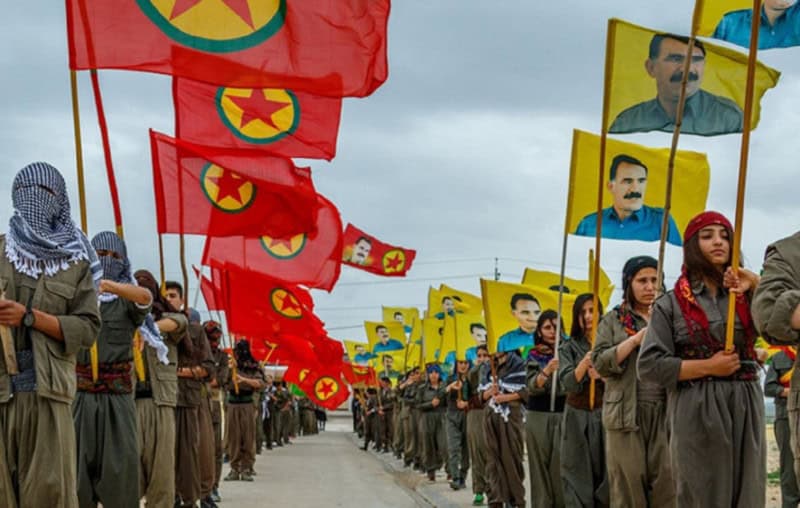
On February 27, Kurdistan Workers Party (PKK) leader Abdullah Ocalan called for his group to disarm and end its conflict with Turkey. The US-backed Syrian Democratic Forces (SDF) in eastern Syria have welcomed this statement, which may provide an opportunity for Turkey to change its policy in Syria, affect US policy, and impact SDF relations with the new government in Damascus.
-
Analysis: Iran’s loss is Turkey’s gain
Tehran’s recent setbacks have paved the way for Ankara’s ascent. The Ankara-backed Azerbaijan’s triumph over Tehran-backed Armenia, Turkish-supported militias outmaneuvering Iran’s influence in Syria, and now, the unraveling of the Iran-backed PKK further tilts the balance in Turkey’s favor.
-
Analysis: Who will form the core of Jolani’s unified army?
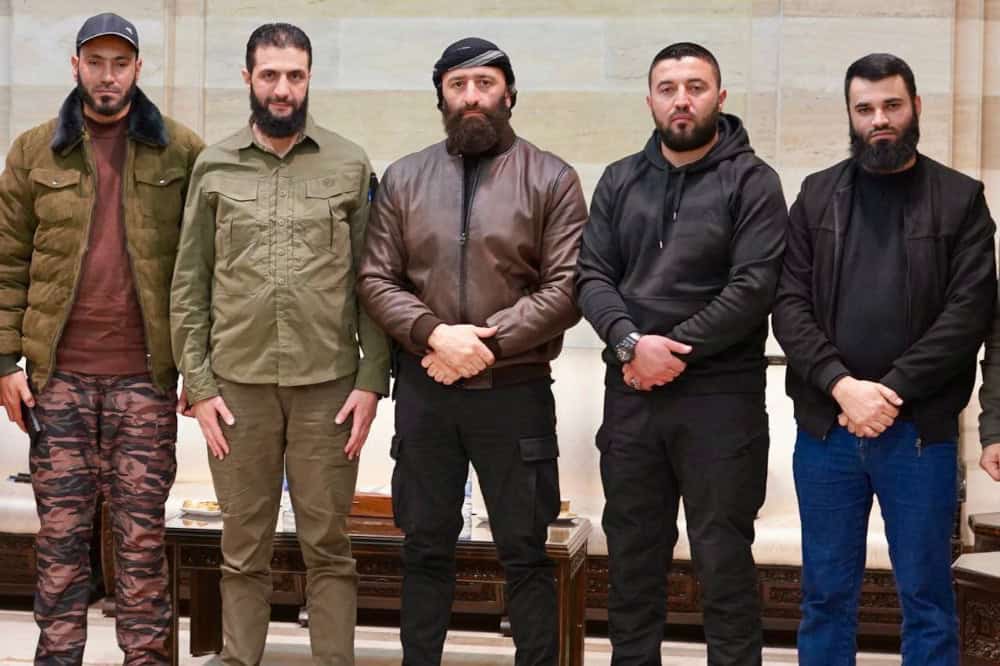
Abu Mohammad al Jolani, leader of Hayat Tahrir al Sham (HTS), has announced plans to dissolve existing factions and form a unified national army under centralized control in post-Assad Syria. The question is: who will constitute the core of this new national army?
-
US military strikes Islamic State camps and personnel in central Syria
US Central Command continued to target the Islamic State’s network in Syria after the collapse of the Assad regime. Twelve Islamic State fighters were killed during an operation that also targeted terror camps.

-
US launches massive strikes on Islamic State as Hayat Tahrir al-Sham deposes Assad regime
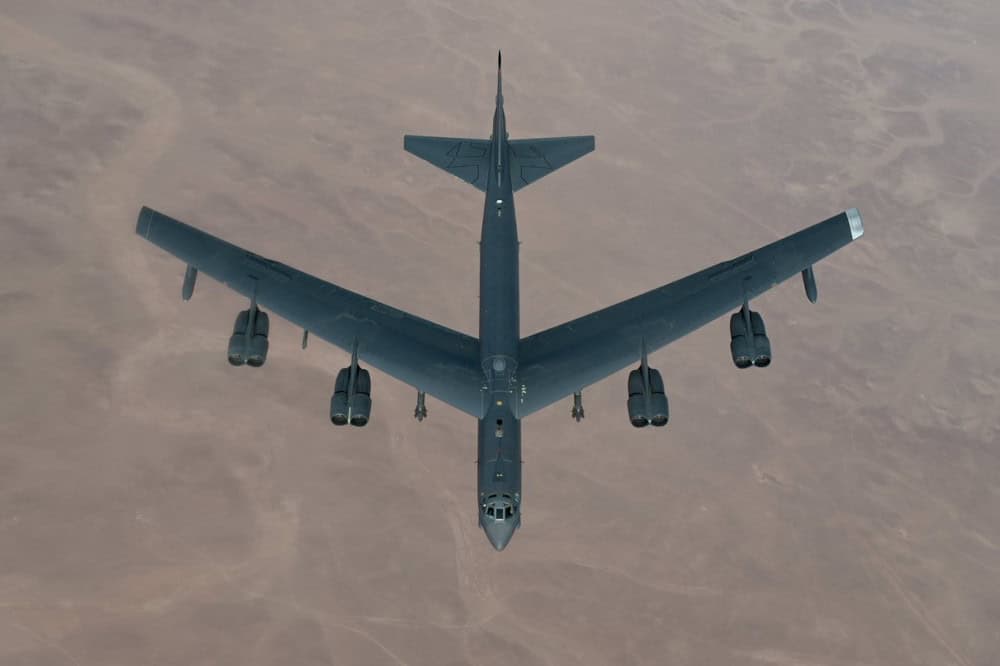
The significant US operation against the Islamic State is part of the effort to degrade the terror group and keep it from gaining ground in areas held by Syrian Democratic Forces (SDF) in the wake of the Assad regime’s collapse. The attacks may also serve as a warning to the Syrian National Army (SNA) and Hayat Tahrir al-Sham (HTS) not to push too hard against the SDF, America’s flawed ally in Syria.
-
Analysis: The perils of a Turkish-Syrian rapprochement
Since Turkey and Syria broke off relations in 2011, Ankara has played a prominent role in fighting Bashar Al-Assad’s regime in Syria by supplying material support to insurgent groups seeking to overthrow Assad and maintaining forces in the opposition-held northwest. However, Turkish President Recep Tayyip Erdogan and Assad recently signaled they are interested in restoring diplomatic ties.
-
Islamic State unleashes suicide bombers in Hajin, Syria
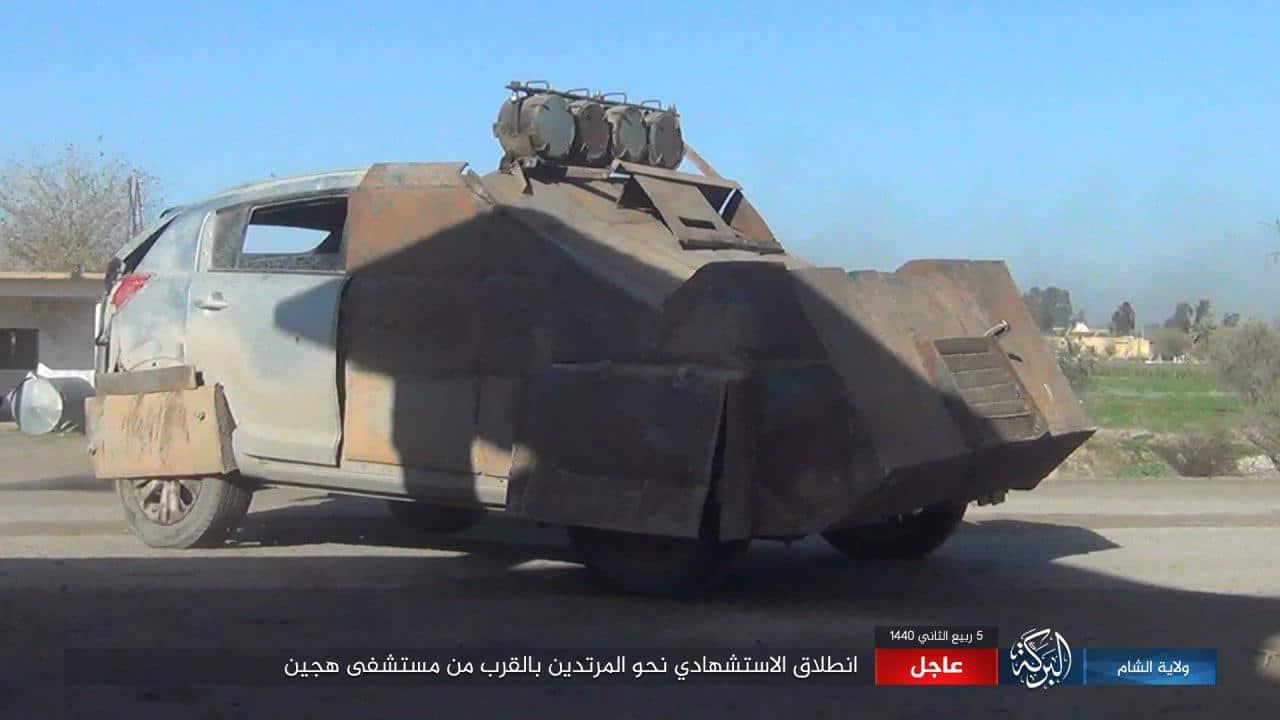
In the past 24 hours, the Islamic State has conducted more than one suicide bombing against US-backed forces in Hajin, Syria. One Islamic State “martyr” blew himself up near the Hajin hospital, which became the scene of intense fighting earlier this week.
-
Coalition-backed forces push into Syria’s Kahbur River valley
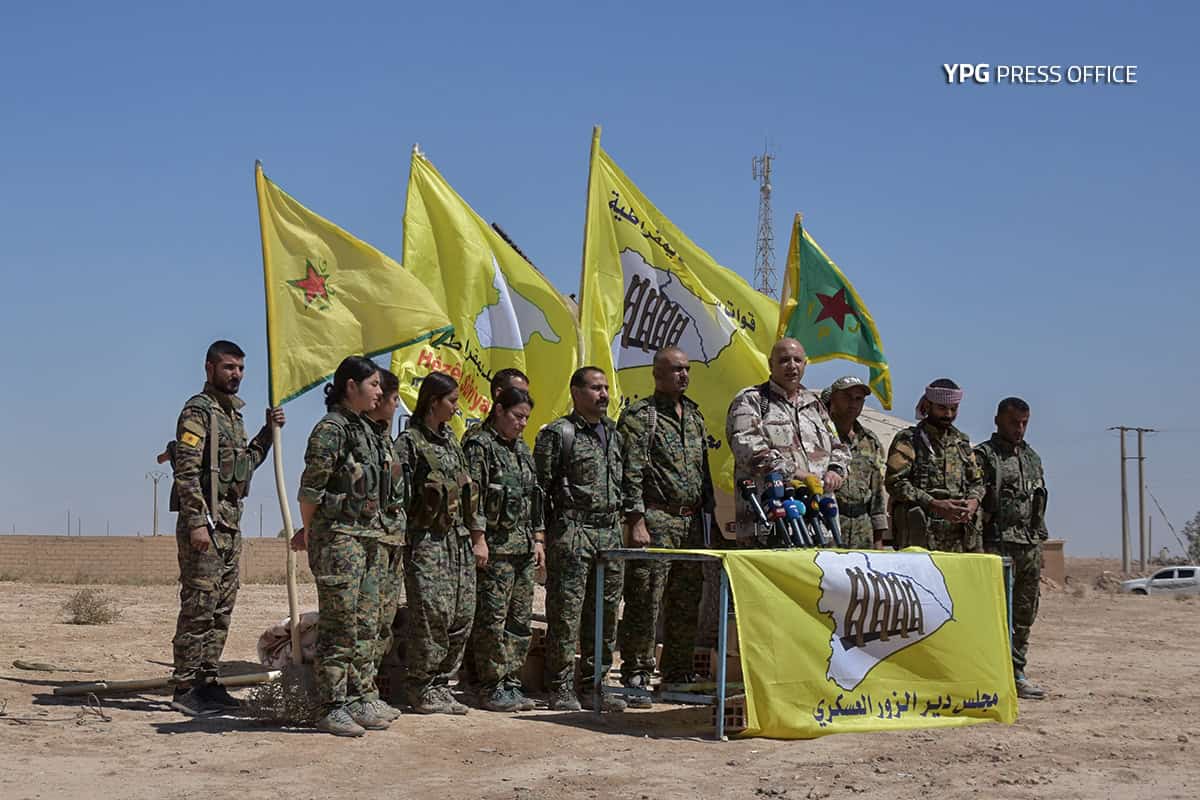
The US-led coalition has announced a new offensive against the Islamic State in eastern Syria. The offensive, named “Operation Jazeera Storm,” aims to clear the so-called caliphate out of territory north of the city of Deir Ezzor.
-
US-backed forces enter Islamic State stronghold within Raqqa
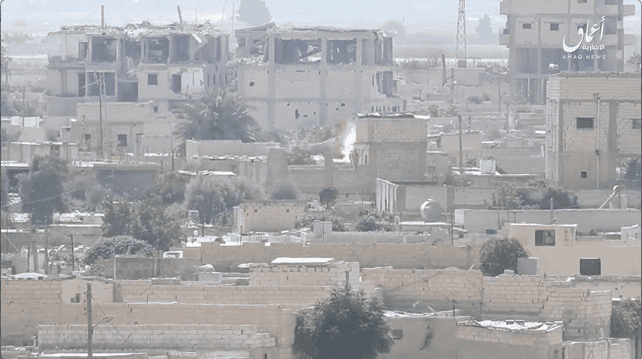
US-backed Syrian Democratic Forces (SDF) have entered the Old City of Raqqa after the coalition blew two holes in a historic wall the Islamic State was using as a defensive fortification. The SDF’s fighters first approached the Old City in mid-June, but the wall and heavy fighting in a nearby neighborhood impeded their advance. Meanwhile, an Australian jihadi is featured in a new propaganda video recorded in Raqqa.
-
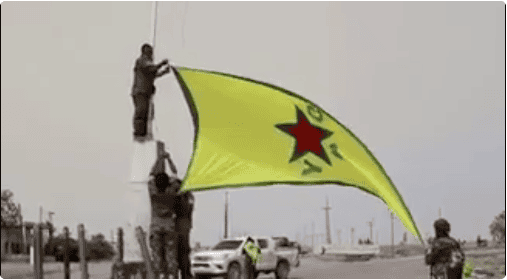
Tabqah, Syria liberated from the Islamic State
The city of Tabqah and the surrounding area have fallen to US-backed forces. The Islamic State had controlled the city, the Tabqah dam, and a military airbase in the area since 2013-2014. The battle for Tabqah, which began with a surprise attack on Mar. 22, is a key part of the strategy to capture the self-declared caliphate’s capital of Raqqa.
-
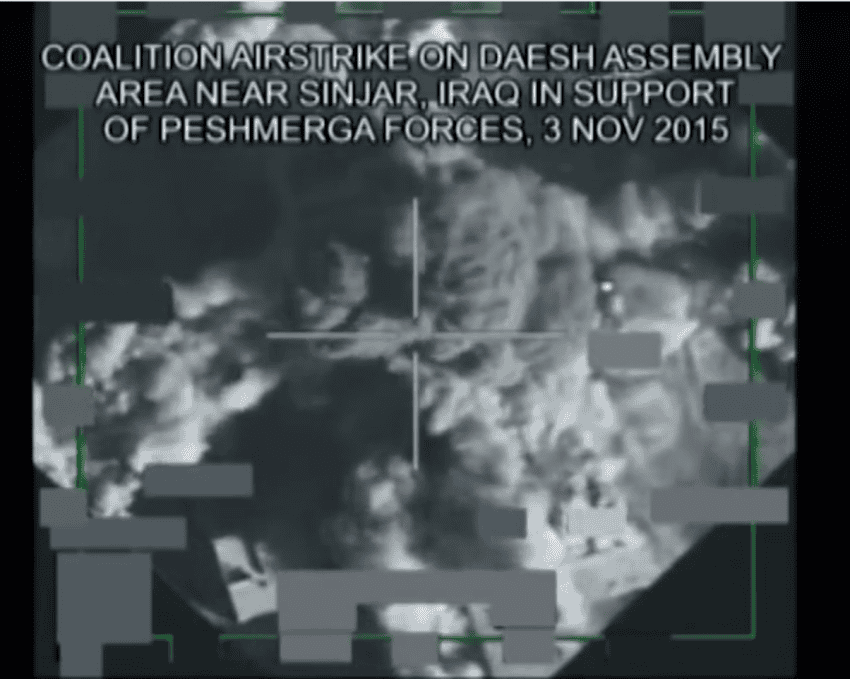
Kurdish forces push into Sinjar, claim progress against Islamic State
Kurdish forces have entered the Iraqi town of Sinjar, which was seized by the Islamic State in August 2014. The offensive in Sinjar is part of a broader operation intended to disrupt the Islamic State’s supply lines running from Iraq into Syria.
-
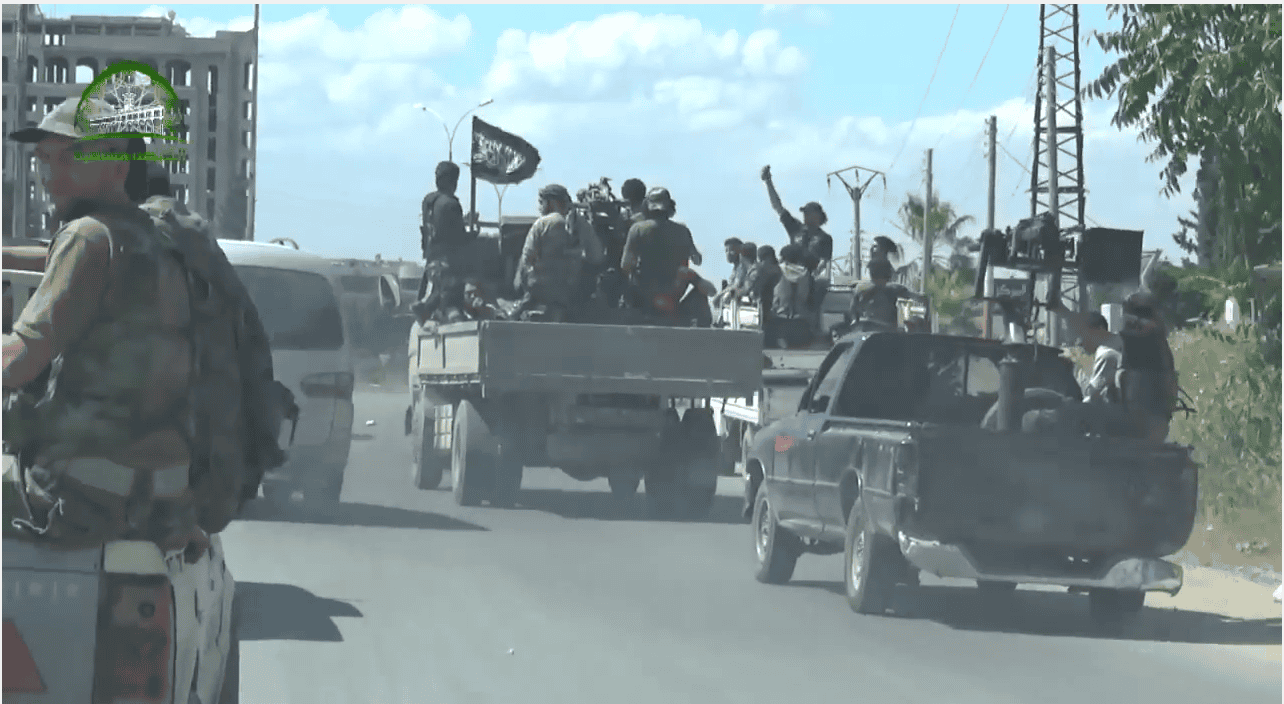
Islamic State continues to clash with multiple foes in Aleppo, Hasakah
Several al Qaeda ideologues have issued a fatwa saying it is “compulsory” to fight the Islamic State in Aleppo. The edict was issued after the Islamic State seized towns and villages from other rebel groups in the province.
-
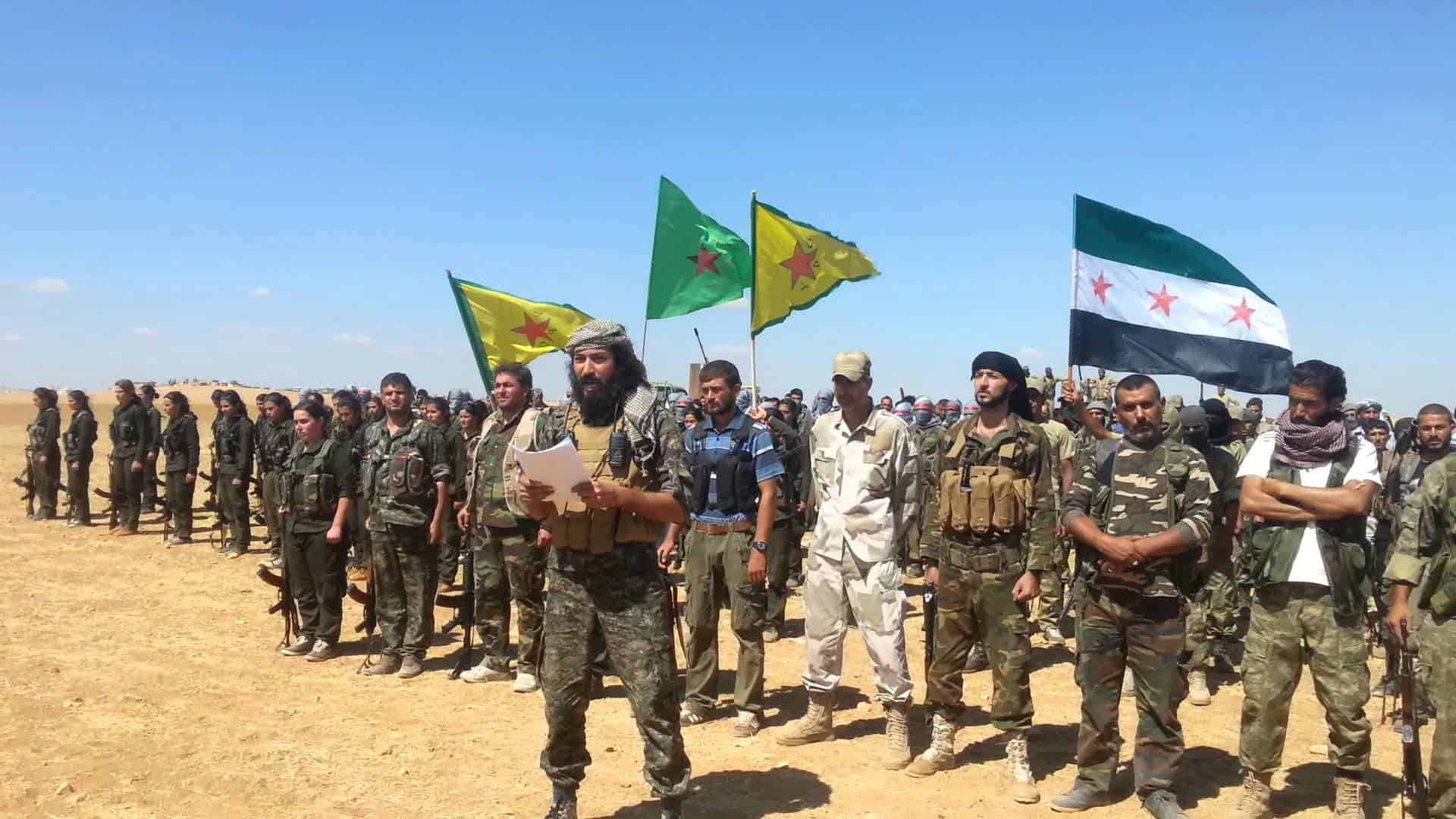
Islamic State is forced from Kobane
After months of fighting for control of the Syrian border town, the Islamic State has withdrawn from Kobane in the face of advances by Kurdish forces and Syrian rebels.
-
Islamic State uses British hostage in propaganda video to rebut Western, Kurdish claims
The Islamic State has released a propaganda video featuring John Cantlie, a British photojournalist who is being held hostage by the group. Cantlie is made to rebut Western claims about the efficacy of airstrikes in Kobane, a town that sits on the border of Syria and Turkey.

-
US supply drop to Kurds in the hands of the Islamic State
At least one of the 27 dropped US supply bundles has been captured by the Islamic State.
-
Al Qaeda, Kurdish rebels fight along Turkish border
The Al Nusrah Front, the Islamic State of Iraq and the Levant, and reportedly the Free Syrian Army are fighting the PKK-linked YPG in northern Syria.