-
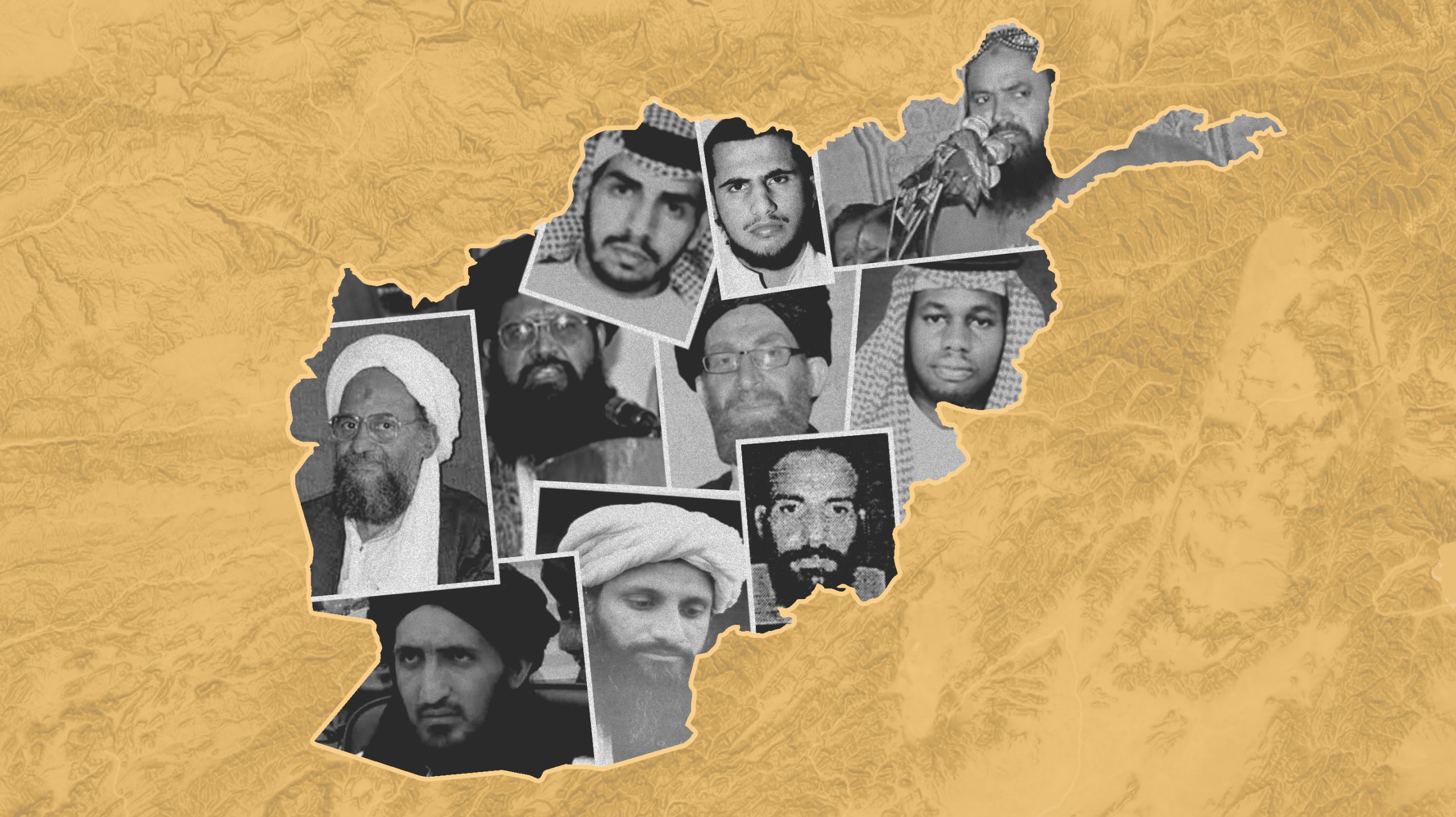
Generation Jihad | The next caliphate battleground
While attention remains fixed elsewhere, jihadist groups are expanding across Africa. Bill Roggio and Caleb Weiss revisit the growing threats in Mali, Nigeria, and Somalia—and why the continent remains one of the most consequential battlegrounds in the war against Al Qaeda and the Islamic State.

-
US, Nigerian forces kill senior Islamic State leader
The US military, “in coordination with the Armed Forces of Nigeria,” killed Abu Bilal al Minuki and several other senior Islamic State leaders in an operation in northeastern Nigeria. President Trump and US Africa Command described Minuki as the Islamic State’s second in command and director of global operations.

-
US strikes Islamic State in Nigeria
President Donald Trump announced that US forces struck Islamic State targets in northwestern Nigeria on December 25 after the Nigerian government reportedly requested military action from the United States. The strikes took place in Sokoto State, which borders Niger and has been one of the scenes of jihadist expansion from the Sahel into Nigeria.

-
Analysis: Turkey and JNIM: Jihadist messaging signals possible conflict between 2 ascending forces in central Sahel
Turkey has steadily increased its foothold in the central Sahel by providing arms, security assistance, and more to regional juntas. Similarly, The Group for Support of Islam and Muslims (JNIM), Al Qaeda’s branch for the Sahel and West Africa, is on its own upward trajectory, standing as one of the region’s most dominant violent actors. The jihadist group’s external messaging suggests it perceives Turkey to be an obstacle as it seeks to expand its territorial control and influence.
-
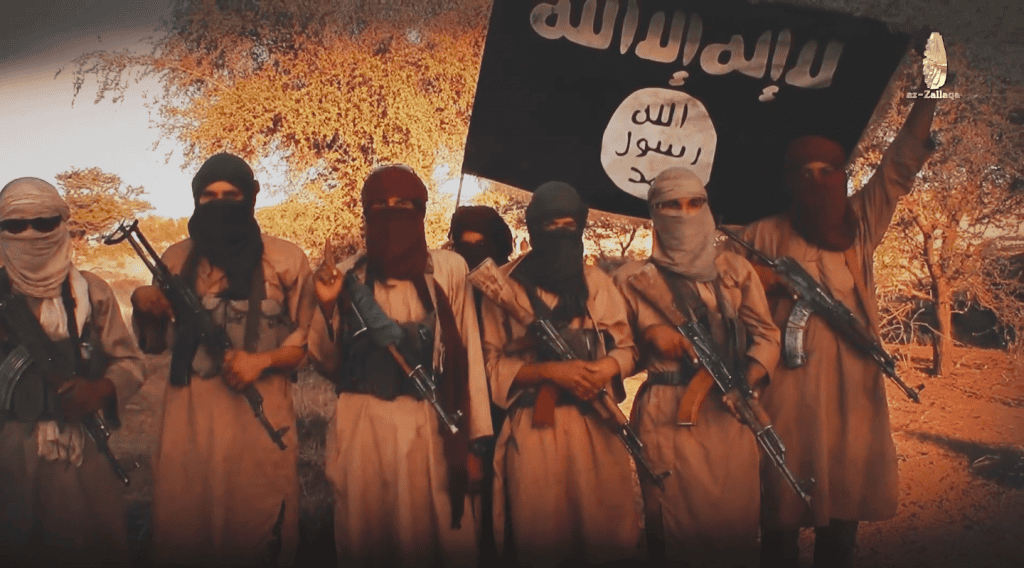
Generation Jihad Ep. 73 — Prison Break (Jihadi Edition)
You guessed it. Our guest is, indeed, Caleb Weiss. This time, he and Bill discuss how (and which) prison breaks fit into the larger strategy of various Jihadi groups — and why some don’t bother.
-
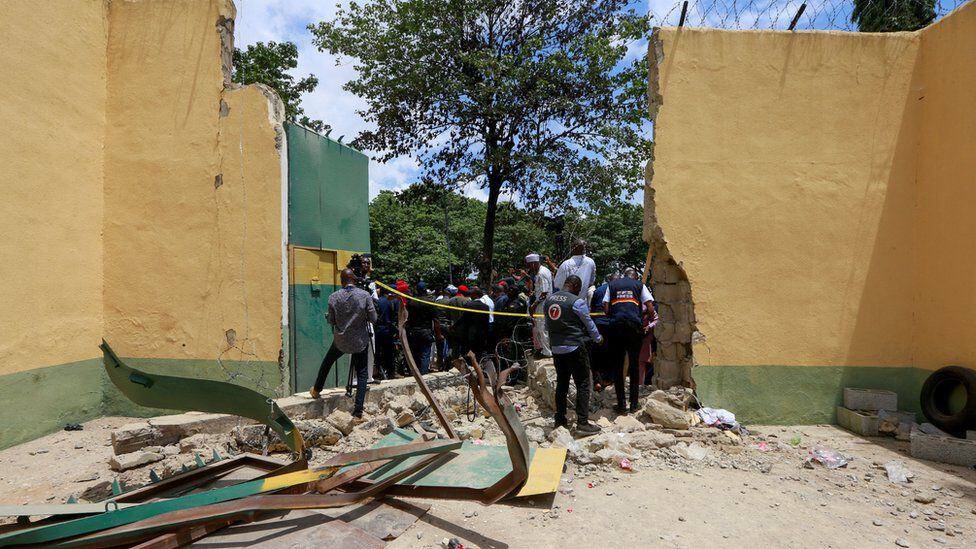
Islamic State claims prison break outside of Nigeria’s capital
Hundreds of prisoners, including an unclear number of jihadists, remain free following a massive jailbreak just outside the Nigerian capital of Abuja earlier this week. The Islamic State has said its men were behind the raid.
-
Ansaru reaffirms its allegiance to al Qaeda
In a recent statement released online, Jamaat Ansar al Muslimeen, better known as Ansaru, confirmed it maintains its allegiance to al Qaeda after reportedly re-pledging allegiance to al Qaeda in the Islamic Maghreb in 2020.
-
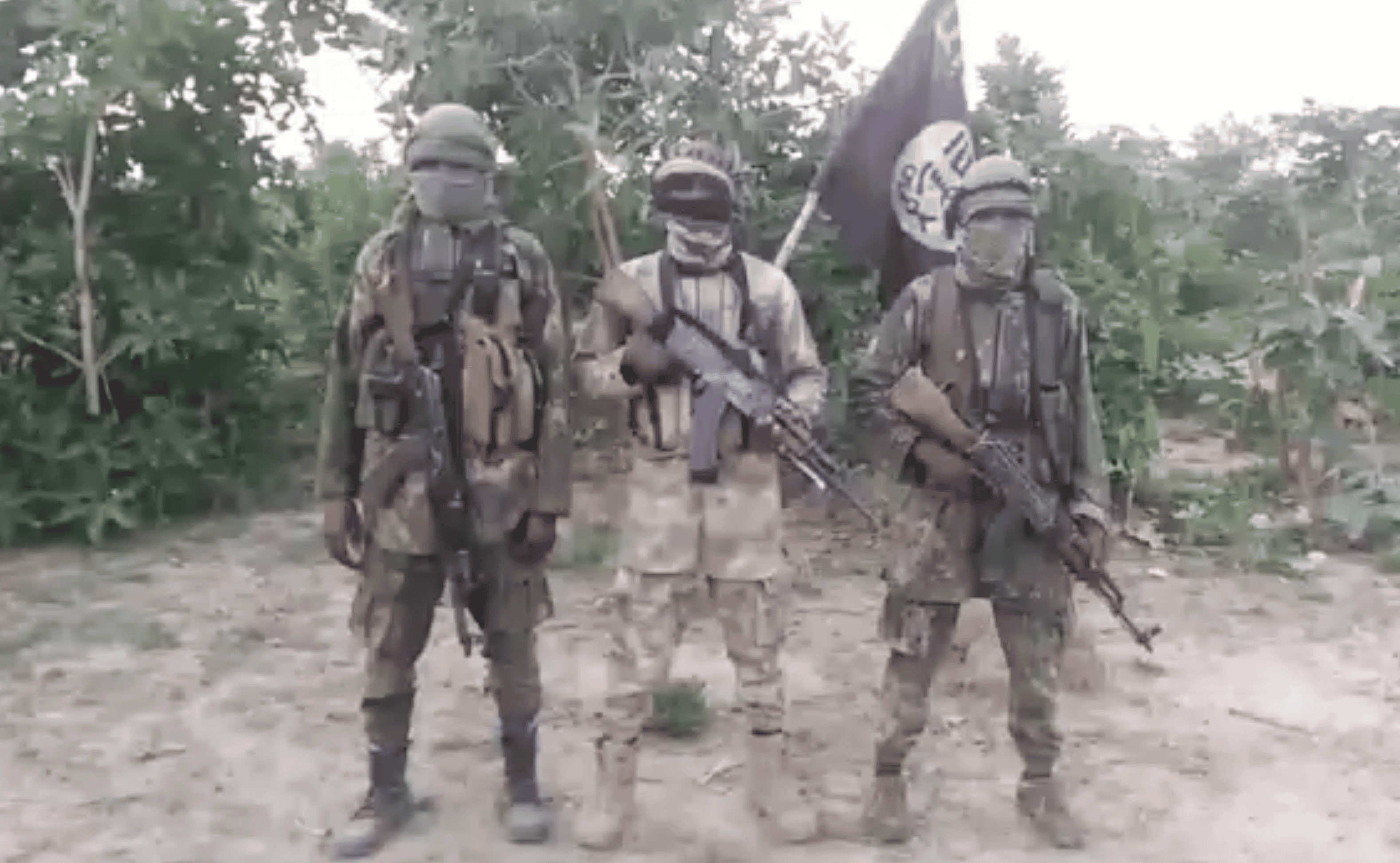
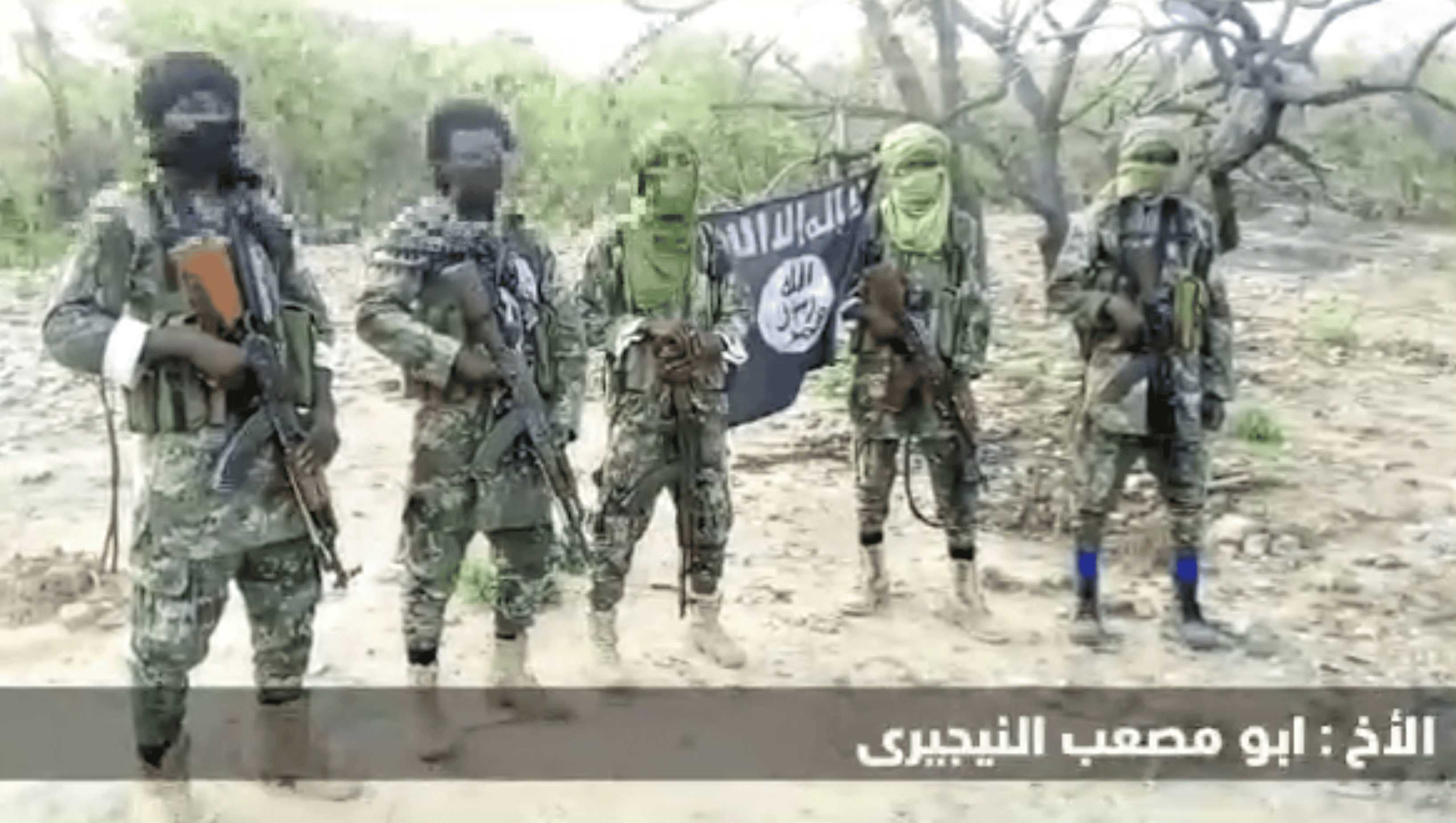
Ansaru congratulates the Taliban in Afghanistan, promotes Al Qaeda ties
Two new videos from Ansaru, or al Qaeda’s franchise in Nigeria, demonstrate the group’s continued ideological affinity and connections to the global jihadist network.
-
Generation Jihad Ep. 25 – Another Coup in Mali
Hosts Tom Joscelyn and Bill Roggio are joined by Caleb Weiss, a longtime contributor to FDD’s Long War Journal.
-
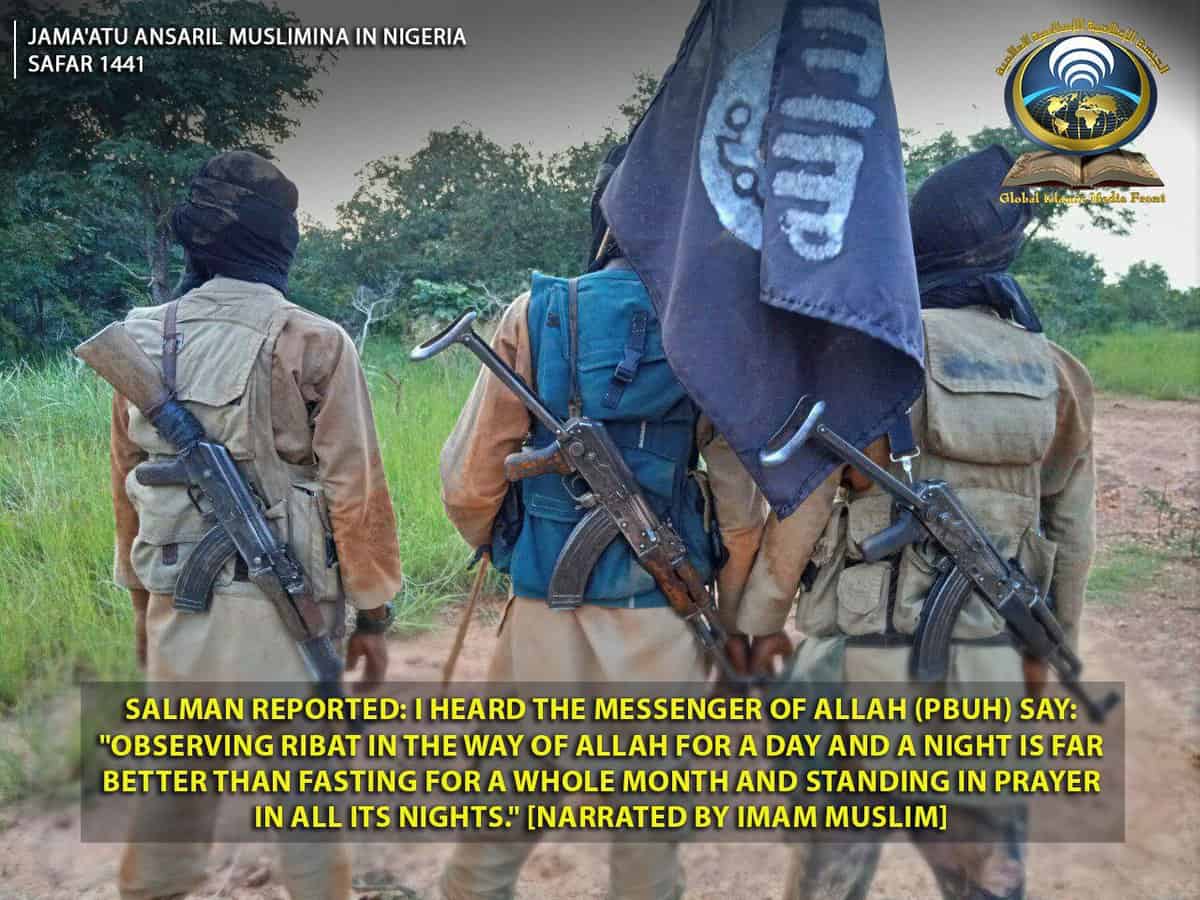
Al Qaeda-linked group claims attack in northwestern Nigeria
Yesterday’s statement is just the group’s second attack claim since its revival late last year. While Ansaru stated its men were behind an attack on Nigerian security forces, all recent raids in Kaduna State have been on civilians. It is thus likely that Ansaru is attempting to indicate its role in the growing ethnic violence in the state.
-
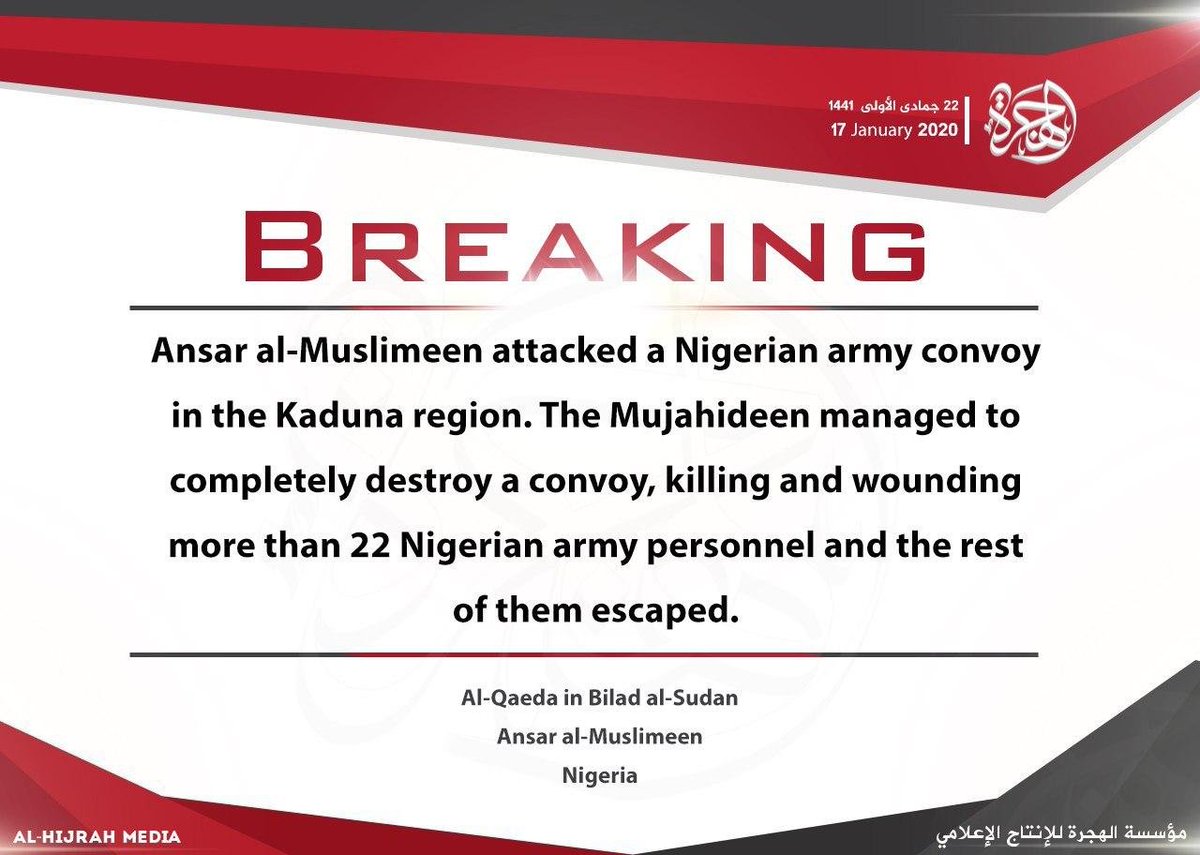
Ansaru publicly returns to Nigeria
The attack, the group’s first since 2013, announces its operational return to Nigeria.
-
Al Qaeda-linked group reappears in Nigeria
The photo marks the first sign of life for the group since 2017 and the first official publication since 2015.
-
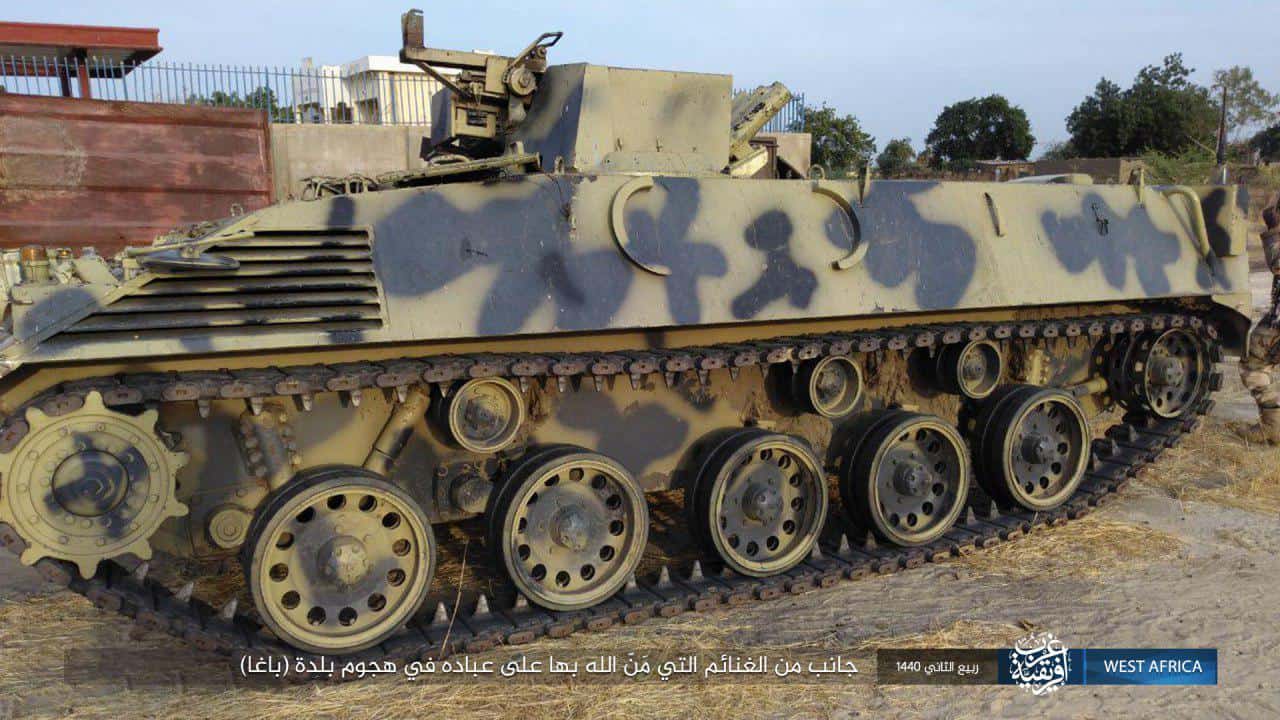
Islamic State arm reportedly seizes Nigerian town
Islamic State West Africa reportedly seized the town of Baga in northeastern Nigeria earlier this week. The Nigerian military downplayed the jihadis’ advances, but it appears that ISWA seized the town, at least temporarily. And ISWA documented its spoils in a series of images released today.
-
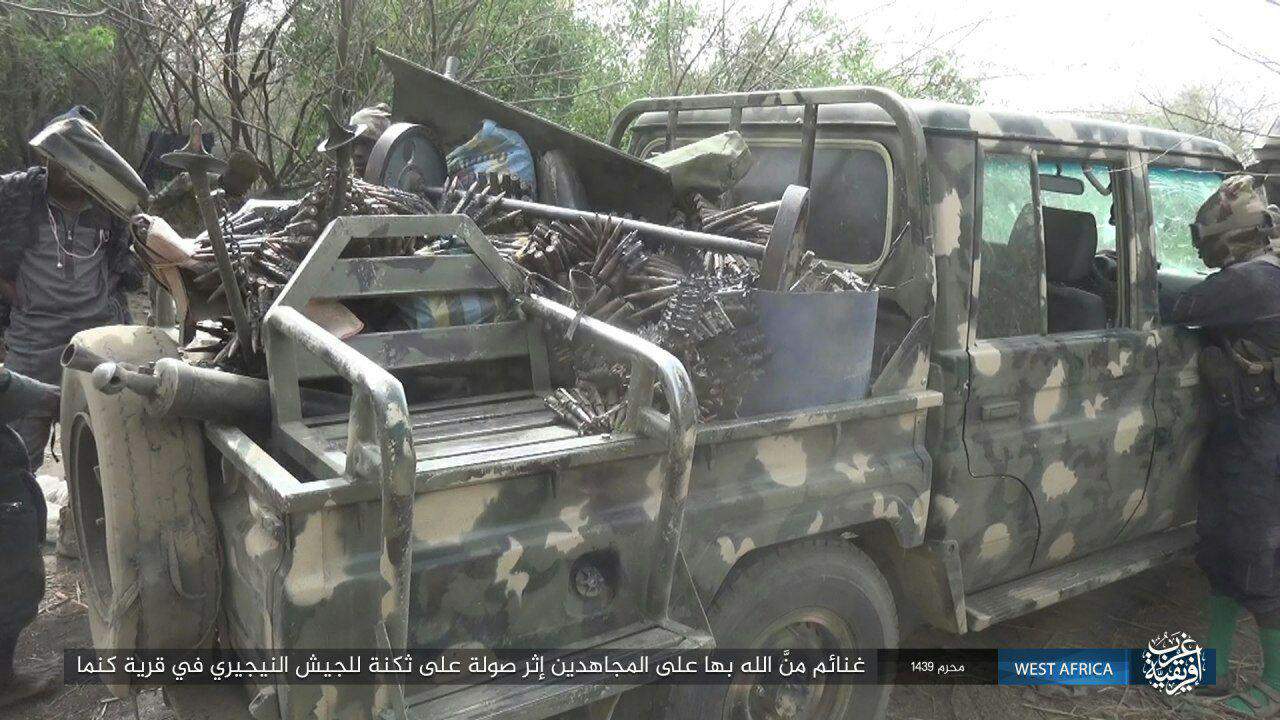
Islamic State continues its rampage in northeastern Nigeria
The Islamic State West Africa is progressing in its violent campaign against the Nigerian state in the northeast, as it continues to claim victories against the military.
-
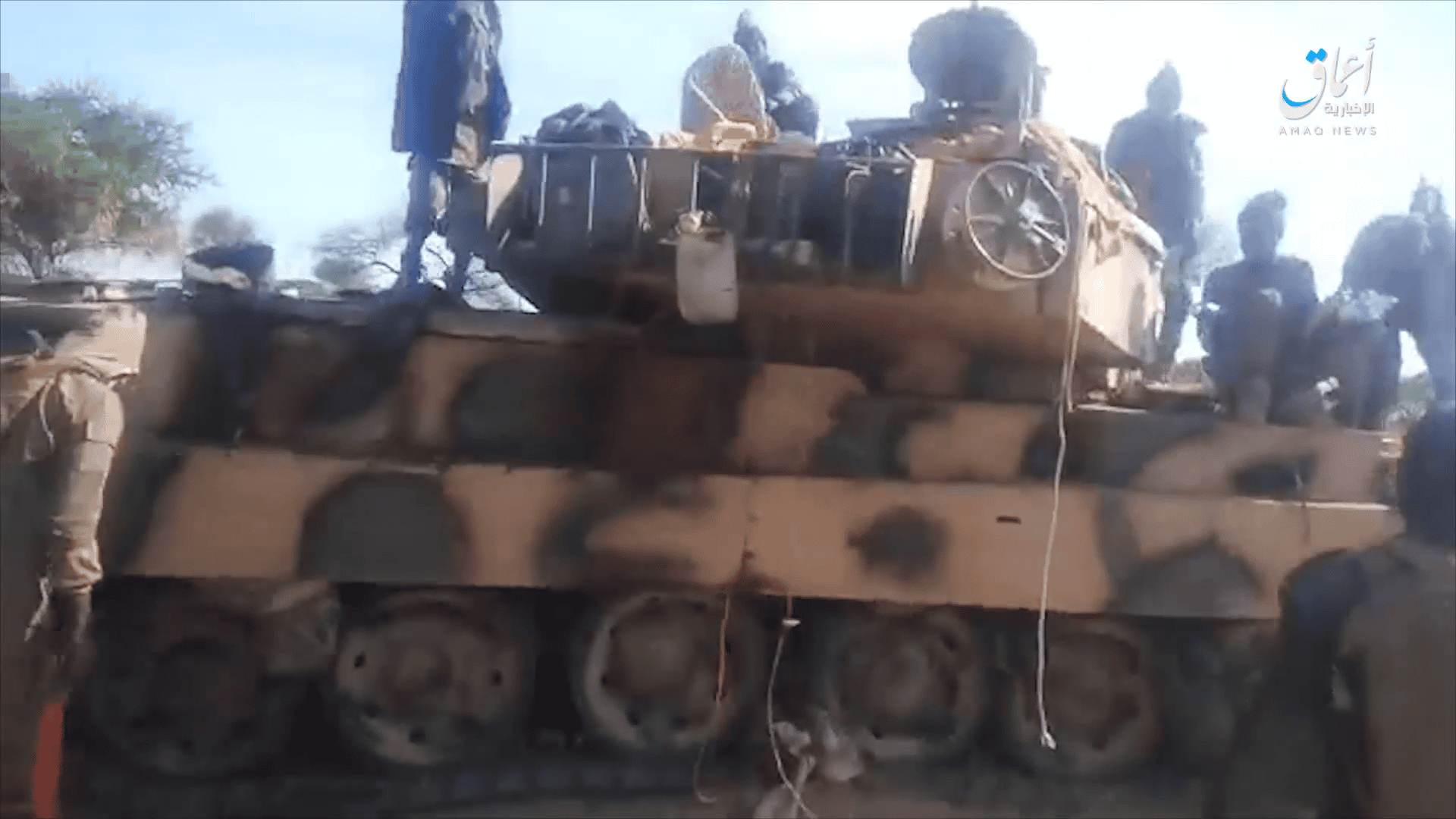
Islamic State claims control over village in northeast Nigeria
ISWA continues to defy announcements by the Nigerian government of its defeat.
-
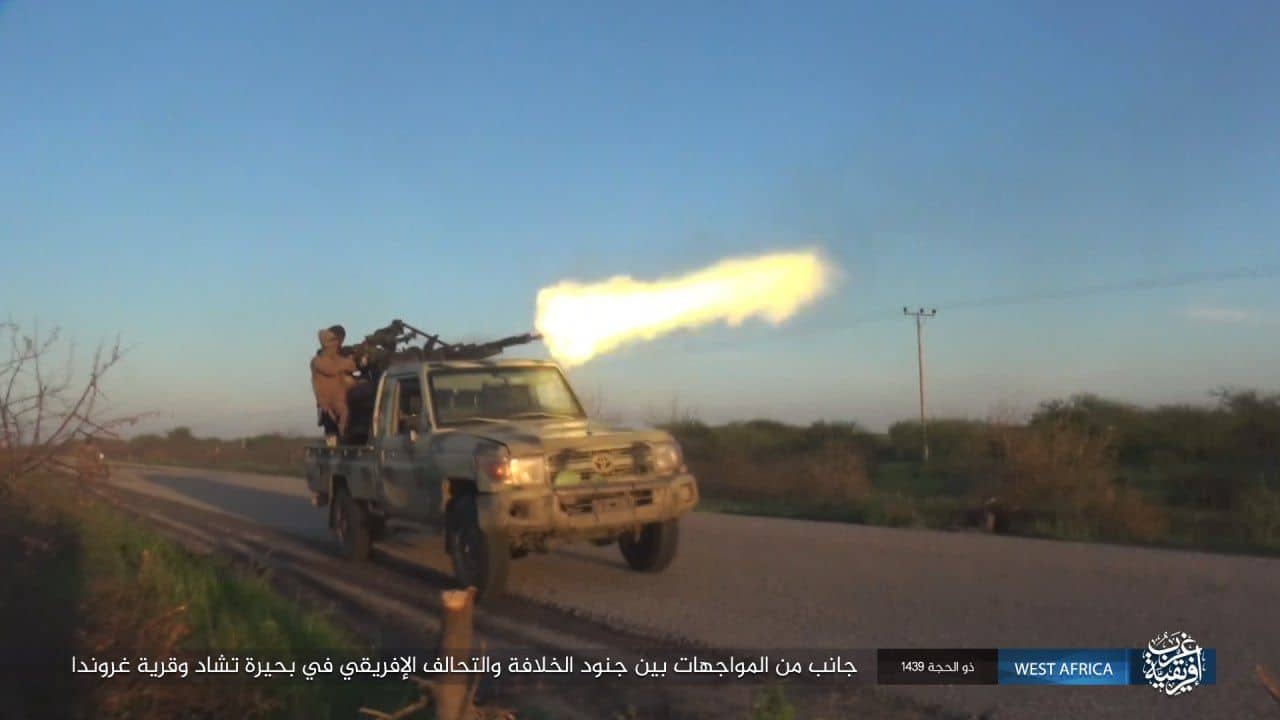
Islamic State releases photos from deadly raid on military base near Lake Chad
The Islamic State’s West African province has gone on a recent spate of assaults on military bases in northeastern Nigeria.
-
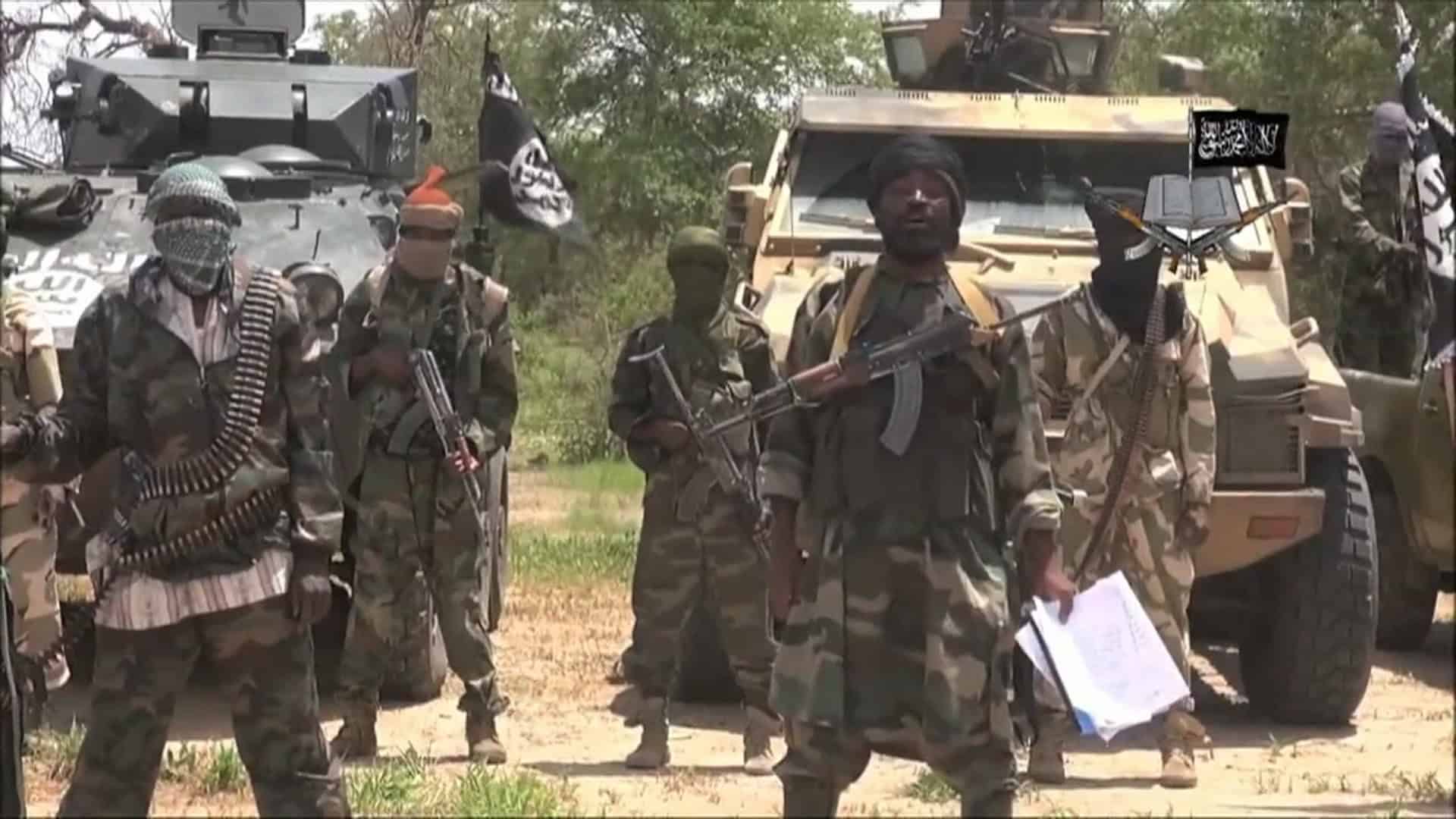
Suicide bombers target Eid celebrations in Nigeria
As Abubakr Shekau’s Boko Haram was holding its own Eid al Fitr celebrations in northeastern Nigeria, it launched coordinated suicide bombings on civilians also celebrating the Islamic holiday.
-
More female suicide bombers target Niger mosque
Three suicide bombers, including two girls, targeted a mosque and a Quranic school in Diffa, Niger, on Monday. The three are believed to have been sent by Abubakr Shekau’s Boko Haram faction.
-
At least two dozen killed in Nigeria suicide bombings
Yesterday’s suicide bombing continues to prove the residual threat of jihadist violence in northeastern Nigeria.
-
Scores dead in suicide bombing at Nigerian mosque
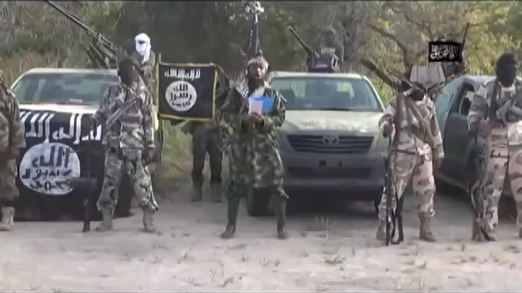
At least 50 people were killed by a suicide bomber during morning prayers at a local mosque in northeastern Nigeria. No group has claimed the attack, but it fits with the modus operandi of that of Abubakr Shekau’s faction.
-
Qods Day commemorations highlight Tehran’s global reach
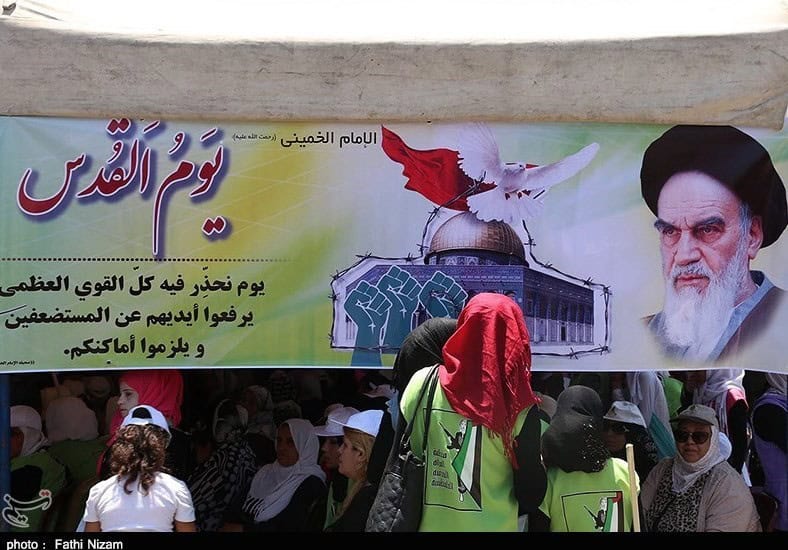
The Islamic Republic of Iran and its allies abroad on Friday commemorated Qods (Jerusalem) Day, an annual event held on the last Friday of Ramadan and established by Ayatollah Ruhollah Khomeini to express support for Palestinians and opposition to Israel. The regime has not shied away from reiterating its call for Israel’s destruction during the annual event.
-
West Africa hit with spate of suicide bombings
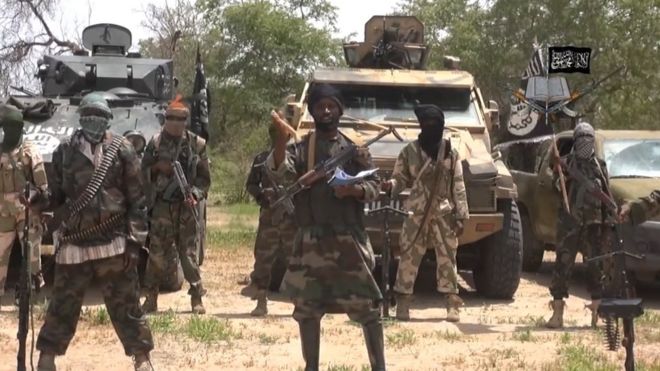
At least a dozen females and another five males have been used in suicide attacks so far this month. The rate of which females are used in this tactic remain on pace to quadruple in 2017 compared to last year.
-
Female suicide bomber attacks in West Africa on pace to quadruple in 2017
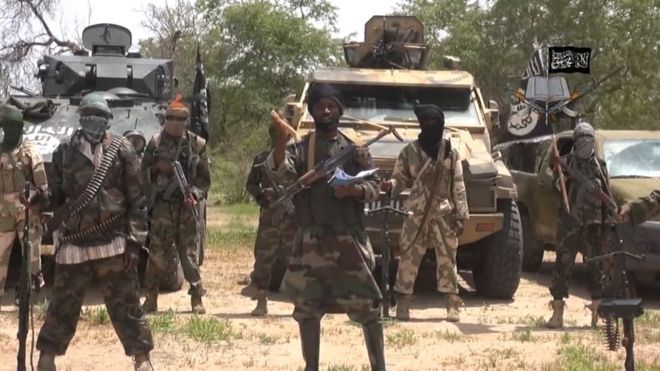
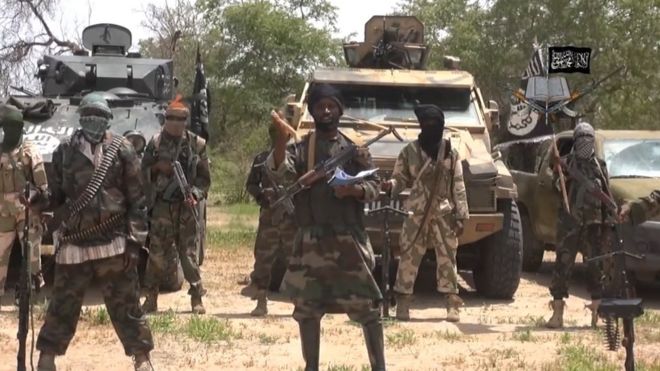
Despite a relative lull in the use of females in suicide bombings in 2016 compared to 2015, West Africa is currently seeing a significant uptick in the use of females so far in 2017.
-
Osama bin Laden’s files: AQIM commander recommended training Boko Haram’s members
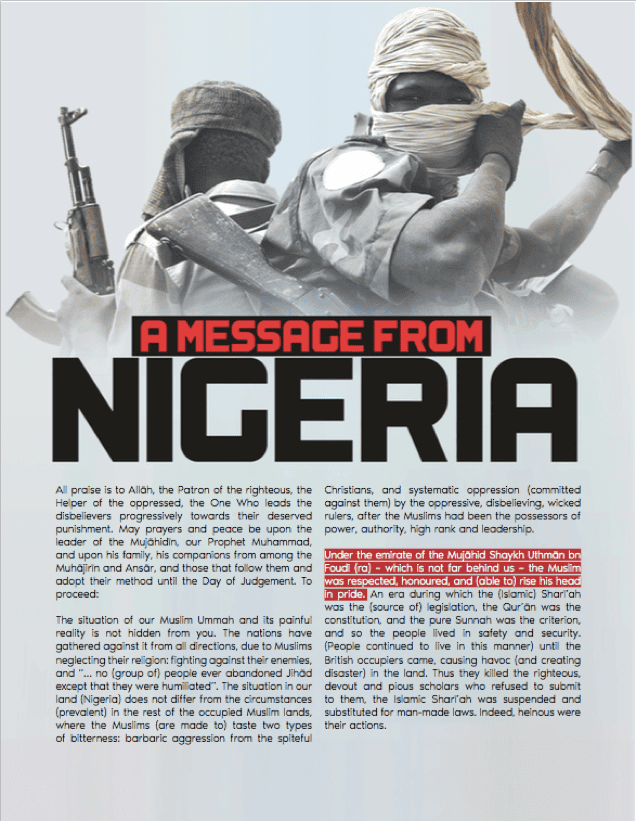
A letter recovered in Osama bin Laden’s compound reveals that a senior AQIM commander recommended that his group train Boko Haram’s forces. Other official sources confirm that AQIM did provide the training and also groomed part of Boko Haram’s leadership. However, one of the Boko Haram leaders identified in the letter later cofounded a splinter group known as Ansaru, which rejects Boko Haram’s policies. Ansaru has been supported by AQIM.
-
Young female suicide bombers strike in northeast Nigeria
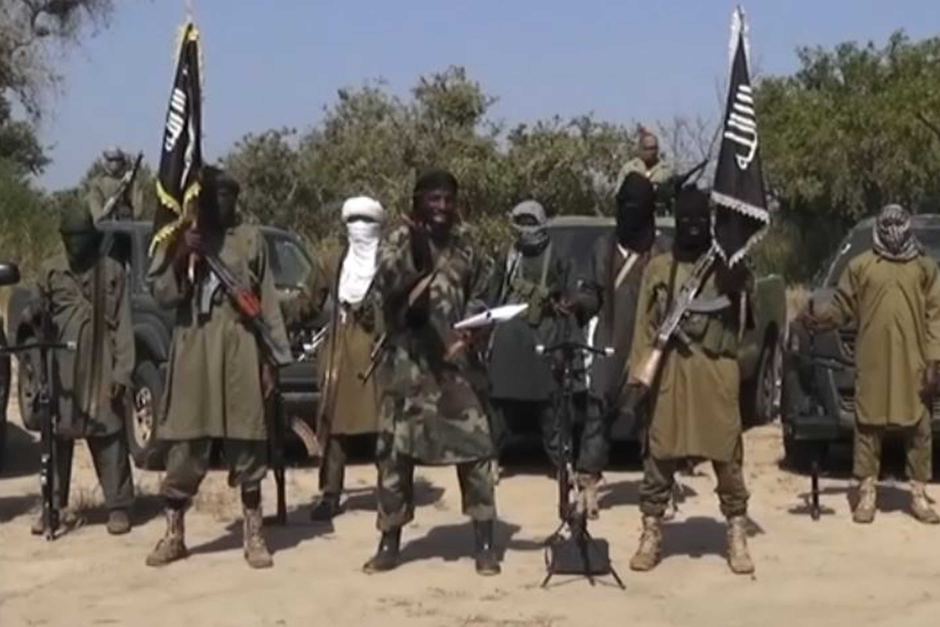
Women and girls continue to be utilized by the Islamic State West Africa (formerly known as Boko Haram). At least 123 suicide bombings involving females have been recorded in data compiled by FDD’s Long War Journal.
-
Jihadists argue over leadership of Islamic State’s West Africa province
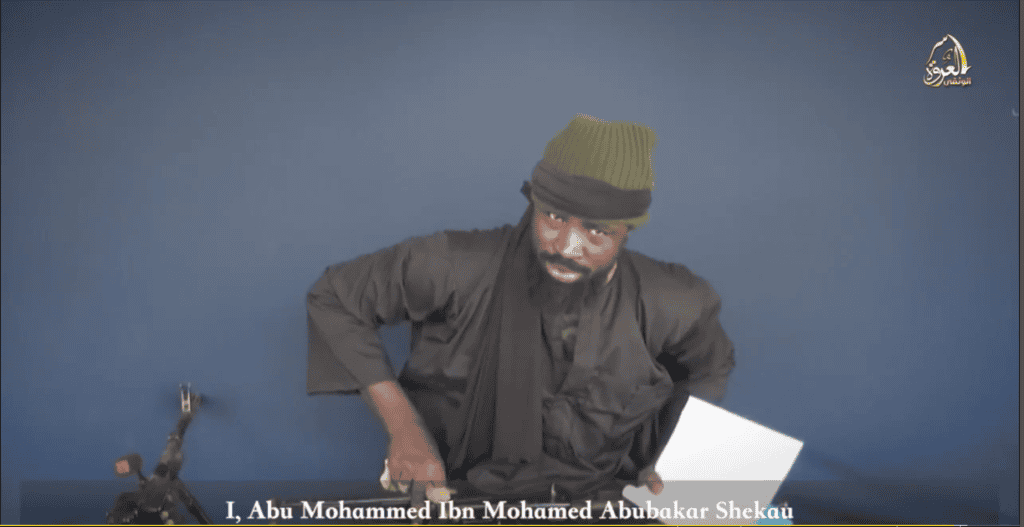
The Islamic State has named a new wali (governor) for its “province” in West Africa. The move prompted a reply from Abu Bakr Shekau, the longtime leader of Boko Haram who became the wali after announcing his allegiance to Abu Bakr al Baghdadi last year. The SITE Intelligence group translated the Islamic State’s announcement and Shekau’s response.
-
Islamic State claims suicide bombing in Maiduguri
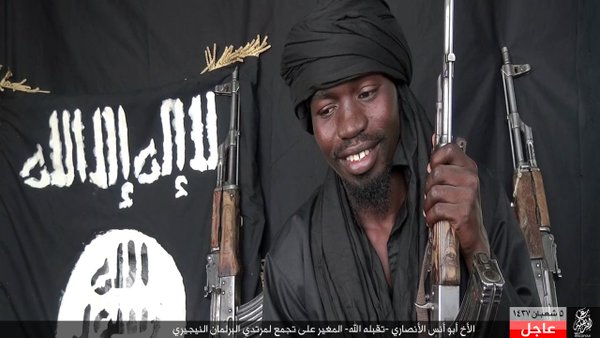
Despite being pushed back in several places of northeastern Nigeria, the attack still proves that the Islamic State West Africa, formerly known as Boko Haram, can still strike in heavily guarded areas.
-
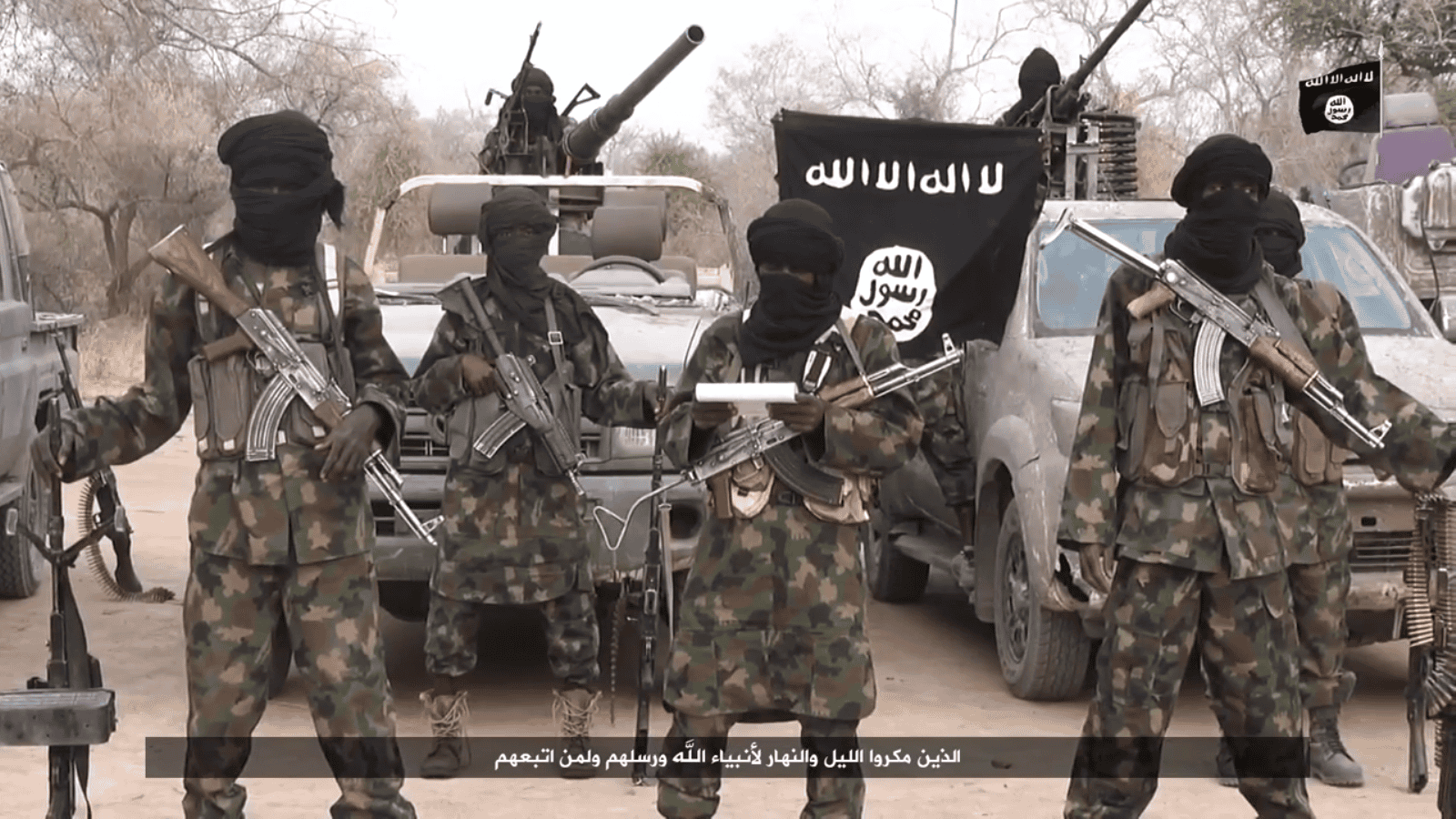
Islamic State West Africa reaffirms loyalty to al Baghdadi
The jihadist group also implies that its leader, Abubakar Shekau, is still alive and leading the Islamic State West Africa after rumors of his demise.
-
Islamic State uses 2 women in suicide attack at Nigerian mosque
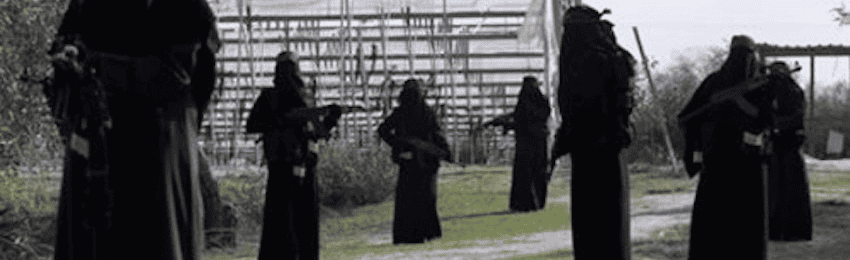
At least 22 women were killed as two female suicide bombers launched a coordinated assault at a mosque in the north. The Islamic State West Africa (Boko Haram) has used 105 women and girls as suicide bombers, according to data compiled by The Long War Journal.
-
Over 100 female suicide bombers used in West Africa since June 2014
As the jihadist group continues its rampage in northeastern Nigeria and into neighboring states, the Islamic State’s West African province continues to utilize women and girls as suicide bombers. The use of females makes it easier for the jihadist group to conduct these attacks.