-
Profile: Hezbollah’s new liaison to the Lebanese state and society
Hussain al Abdallah, the new chief of Hezbollah’s Liaison and Coordination Unit who succeeded Wafiq Safa, reportedly sought the return of explosives seized by Lebanese security forces in early October. Abdallah’s career spans more than two decades in Hezbollah’s southern security apparatus.

-
Is Hezbollah finished, or just adapting?
Generation Jihad guest host David Daoud, an FDD senior fellow focused on Lebanon and Hezbollah, talks with Lina Khatib, an associate fellow in Chatham House’s Middle East and North Africa Programme, about her July trip in southern Lebanon, why the 2006 war never put the LAF in charge of the border, and whether Beirut can take Hezbollah’s weapons now that the group is weaker and Assad is gone.

-
LAF-Hezbollah coordination and the limits of Lebanon’s disarmament effort
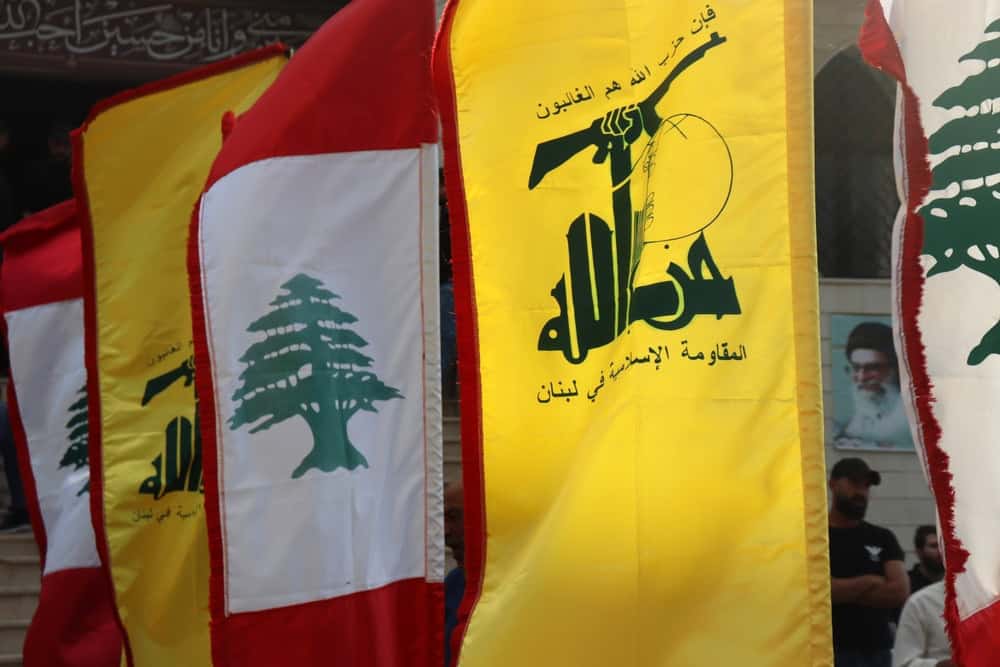
Israel reportedly assesses that the Lebanese military is coordinating with Hezbollah in pilot zones intended to disarm non-state groups. The broader claim is supported by years of evidence, and the record since 2024 shows what coordination has produced: negotiated access, handovers, and seizures without Hezbollah’s genuine disarmament.
-
IDF destroys Hezbollah underground command complex at Ali al Taher, withdraws from ridge
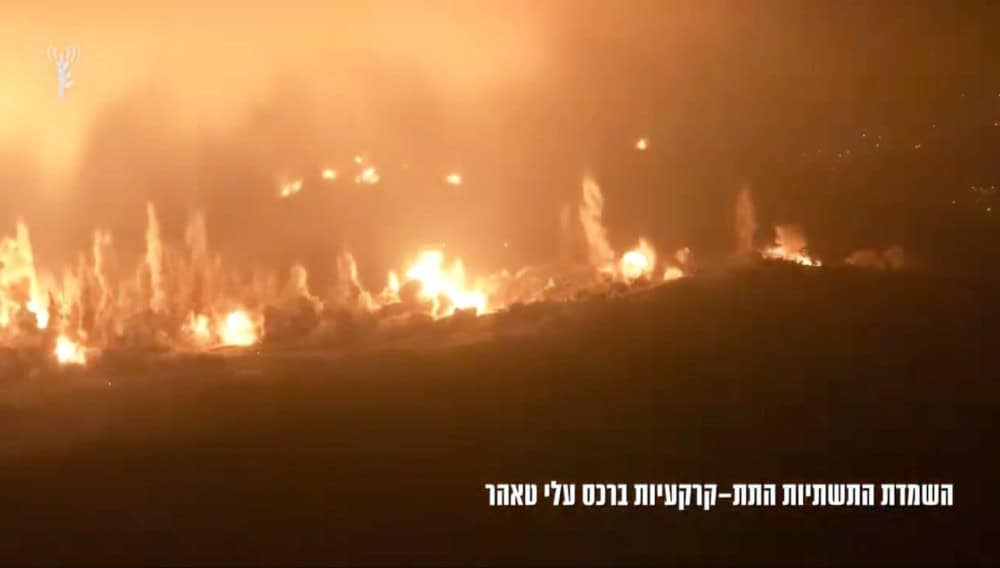
The IDF says it destroyed more than two kilometers of Hezbollah underground infrastructure beneath Ali al Taher Ridge in southern Lebanon and identified the facility as a central command complex for Hezbollah’s Badr Unit. Israeli Army Radio reported that troops subsequently withdrew from the ridge and redeployed toward Beaufort, and Israel says it will retain control of Ali al Taher through surveillance and firepower.
-
Lebanese Army details pilot zone arms seizures, claims operational control
The Lebanese Armed Forces said its operations in three southern Lebanon pilot areas have produced “operational control.” The military’s first detailed official accounting of arms seizures there shows that roughly 86 percent of its 1,818-item weapons-and-ammunition tally consists of “light ammunition.”

-
Lebanese Army intensifies Nabatieh deployment as report says mission excludes Hezbollah disarmament
The Lebanese Armed Forces (LAF) is intensifying its presence in Nabatieh in southern Lebanon while reinforcing nearby Zawtar al Gharbiyeh, one of the pilot zones of the June 26 Trilateral Framework Between the United States of America, the State of Israel, and the Republic of Lebanon. Lebanese reporting says the Nabatieh mission is intended to contain escalation rather than disarm Hezbollah, even though the framework makes the LAF responsible for implementing a process centered on the verified disarmament and dismantlement of non-state military infrastructure.
-
Israel claims control of Ali al Taher after weeks of Hezbollah attacks and failed handover efforts
The IDF says it cleared Hezbollah fighters from underground infrastructure in south Lebanon’s Ali al Taher Ridge and achieved operational control above and below ground. Hezbollah denied losing the strategic position. The battle exposed the limits of Lebanese government efforts to secure the site through negotiation and prompted an Iranian threat of direct retaliation.
-
Analysis: Israeli goals in Lebanon war shift from imminently disarming Hezbollah to reestablishing South Lebanon Security Zone
The renewed conflict in Lebanon has settled into a static pattern, despite remaining intense. Israel has narrowed its immediate war aims, while Lebanon remains unable to restrain Hezbollah, which remains defiant. This dynamic of impasse has led the international community to effectively tolerate the situation in Lebanon.
-
Analysis: Lebanon war intensifies as IDF strikes harder and Hezbollah escalates attacks
The renewed Lebanon war shows no sign of abating. Lebanon has yet to match its stern pronouncements on Hezbollah with equally tough enforcement, with the Lebanese military openly defying Beirut’s orders to disarm the group. Hezbollah has expressed its commitment to continue fighting in deed and word, including by pledging loyalty to Iran’s new supreme leader. Israel has responded by intensifying its operations as part of what it expects to be a long war against Hezbollah.
-
Analysis: Israel strikes over 500 targets in Lebanon, issues evac orders in renewed war with Hezbollah (March 2–6)
The November 27, 2024, ceasefire agreement in Lebanon has officially ended. Israel and Hezbollah are now reengaged in a full conflict after the group attacked Israeli territory on March 2. The Israelis have responded ferociously, targeting large swathes of Lebanon and promising that their campaign will continue until Hezbollah’s destruction.
-
US State Department orders non-emergency personnel to depart from Beirut embassy
The US State Department ordered the departure of all non-emergency government personnel from the US Embassy in Beirut, along with their family members. Many media outlets tied this to rising US regional tensions with Iran. A Lebanese media outlet suggested it was in response to threats to the embassy from Hezbollah.

-
Israeli operations in Lebanon against Hezbollah: November 3–9, 2025
Israel continued military operations in Lebanon between November 3 and November 9, 2025. These activities included targeted assassinations of Hezbollah operatives involved in the group’s regeneration efforts and strikes on its assets.
-
Israeli operations in Lebanon against Hezbollah: July 28–August 3, 2025
Israel continued operations in Lebanon between July 28 and August 3, 2025. These activities included targeted assassinations of Hezbollah operatives involved in the group’s regeneration efforts and strikes on its assets.
-
Israeli operations in Lebanon against Hezbollah: June 9–June 15, 2025
Israel continued operations in Lebanon between June 9 and June 15, 2025. These activities were concentrated in south Lebanon, north and south of the Litani River, and included several targeted killings.
-
Under ceasefire committee pressure, LAF inspects alleged Hezbollah site in Mrayjeh-Laylaki
The Lebanese Armed Forces (LAF) claimed to have inspected a site in the Mrayjeh-Laylaki neighborhood of Dahiyeh that Israel recently alleged was being used by Hezbollah. Israel previously targeted the site on September 30, 2024, claiming it was an underground Hezbollah weapons production facility.

-
Israel strikes alleged Hezbollah drone production and storage facilities in Lebanon
Israel launched its most extensive series of airstrikes on the Dahiyeh suburb of Beirut on Thursday, as well as Ain Qana in south Lebanon, stating it targeted Hezbollah drone production and storage facilities.

-
Syrian authorities continue crackdown on Hezbollah and its affiliates
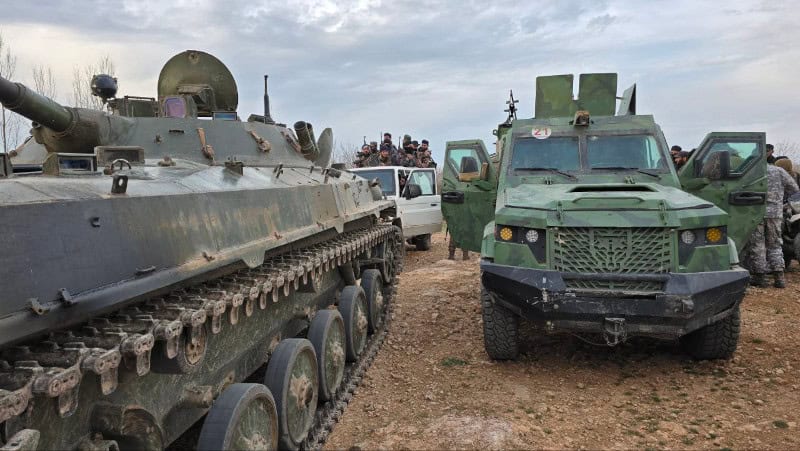
On March 16, the Syria-Lebanon border witnessed intense clashes between the new Syrian government and Lebanese Shiite tribesmen and Hezbollah affiliates.
-
Analysis: Lebanon’s Mahan Air theater was meant to cover ceasefire deal non-performance
Lebanon did not thoroughly inspect a Mahan Air Flight suspected of carrying funds for Hezbollah. It engaged in an act of theater to deny Israel justification to resume fighting the group in light of Beirut’s failure to implement its obligations under the November 27, 2024, ceasefire agreement.

-
Analysis: Don’t bet on the Lebanese Army to restrain Hezbollah
Lebanon and the Lebanese Armed Forces (LAF) cannot be counted upon to restrain Hezbollah. Beirut continues to demonstrate a lack of will to act against the group—and the more time that passes, the more difficult Hezbollah will become to rein in or disarm.