-
Iranian-backed militia in Iraq sets ‘conditions’ for disarmament
Iraq’s efforts to bring the weapons of Iranian-backed militias under state control are facing a new challenge as one of the country’s groups, Kataib Sayyid al Shuhada, has laid out conditions for disarmament. The debate comes amid continued US pressure on Baghdad to disarm the groups, a looming coalition withdrawal deadline, and renewed efforts by the Iraqi government to assert its authority over armed factions.
-
US offers rewards for 3 Iraqi militia leaders
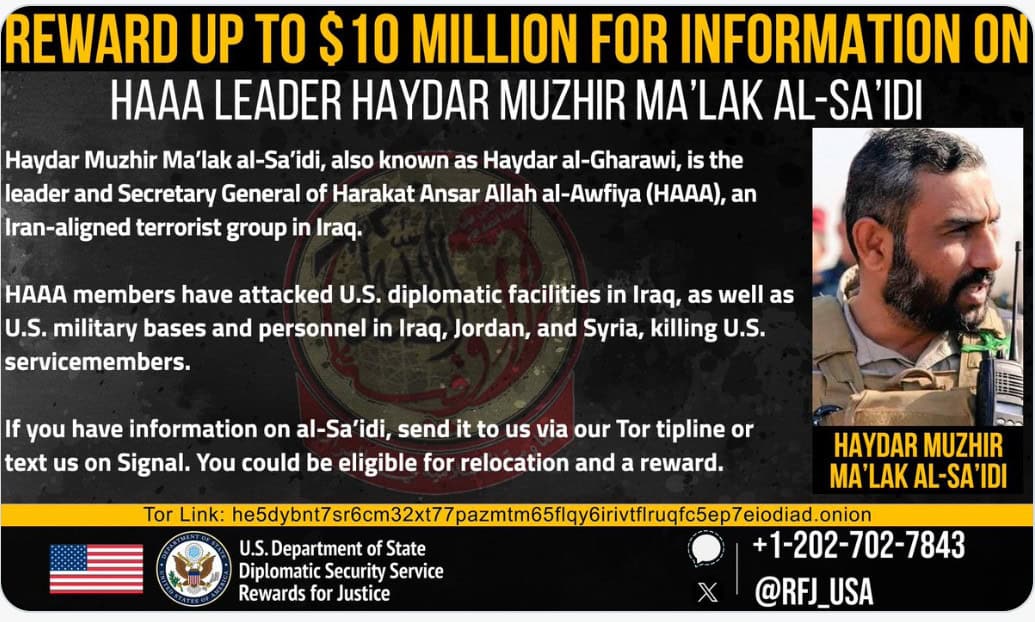
The United States has intensified pressure on Iranian-backed militias in Iraq, offering multimillion-dollar rewards for information on additional key leaders linked to attacks on US personnel and facilities. The latest rewards target figures from three groups: Kataib Hezbollah, Kataib Sayyid al Shuhada, and Harakat Ansar Allah al Awfiya.
-
US Treasury designates 7 Iran-backed Iraqi militia commanders as terrorists
The US Treasury Department announced the designation of seven high-level members of Iran-backed Iraqi militias as Specially Designated Global Terrorists on April 17. Their organizations are previously US-designated terror groups that, operating under front groups, have conducted numerous attacks on the US presence in Iraq since the start of the war with Iran on February 28.
-
Iraqi Shiite militias join the war between Israel, the US, and Iran with drone attacks
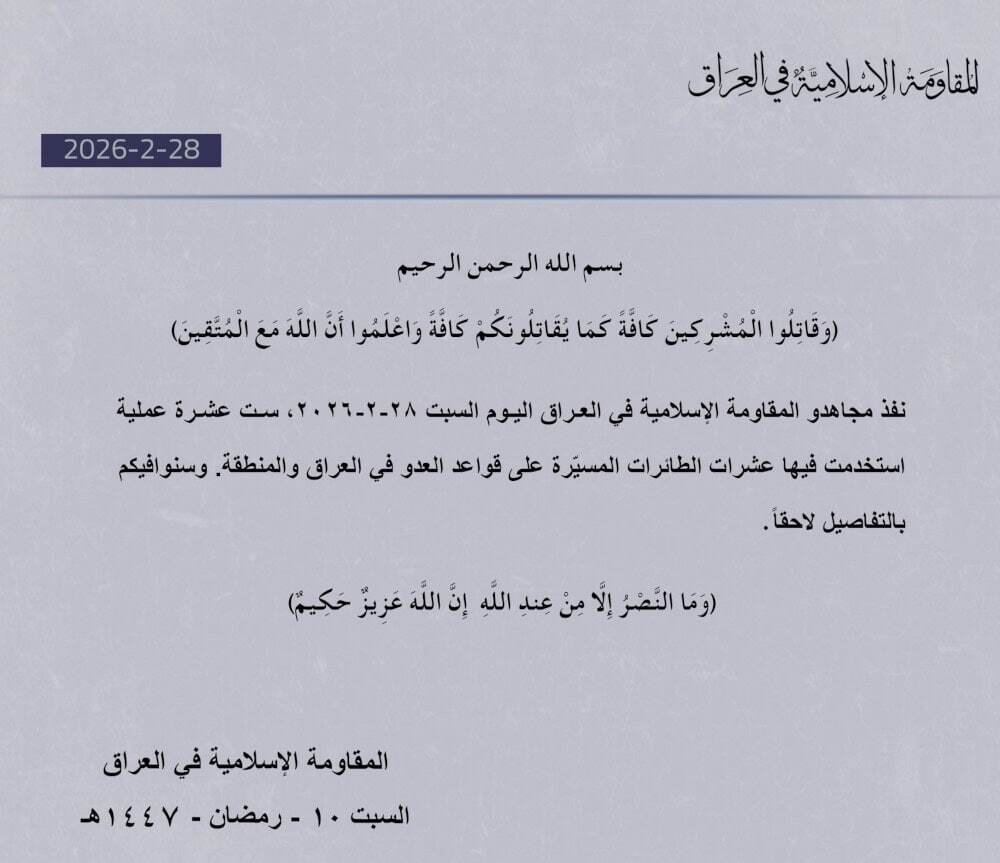
The Islamic Resistance in Iraq (IRI), a coalition of Iran-backed Shiite militias, claimed over a dozen drone attacks against “enemy bases in Iraq and the region” and issued statements of support for the Tehran regime in retaliation for US and Israeli strikes on Iran. The groups are also responding to unclaimed airstrikes on Iraq that have reportedly killed at least six people, including four confirmed Iraqi militiamen.
-
US designates 4 Iran-backed Iraqi militias as Foreign Terrorist Organizations
On September 17, the US State Department designated four Iran-backed Iraqi militias as Foreign Terrorist Organizations (FTOs). These groups, previously listed as Specially Designated Global Terrorists (SDGTs), have received support from the regime in Tehran and attacked US forces and interests in Iraq and across the Middle East.
-
Iran-backed Shiite militias attack US forces based in Iraq
The Islamic Resistance of Iraq has carried out more than 180 such attacks against US forces in Iraq, Syria, and Jordan since October 7, 2023. The most recent attack risks drawing US forces into an offensive role in Israel’s war with Iran. Thus far, the US has attempted only to provide defensive support for Israel in the conflict.
-
US adds Iran-backed Iraqi militia Kataib Imam Ali to list of terror organizations
Kataib Imam Ali is the sixth Iran-backed Shiite militia in Iraq that has been listed by the US as a terrorist organization. The group’s secretary general was previously designated for his ties to Iran’s Islamic Revolutionary Guards Corps–Qods Force and its former commander, Qassem Soleimani.
-
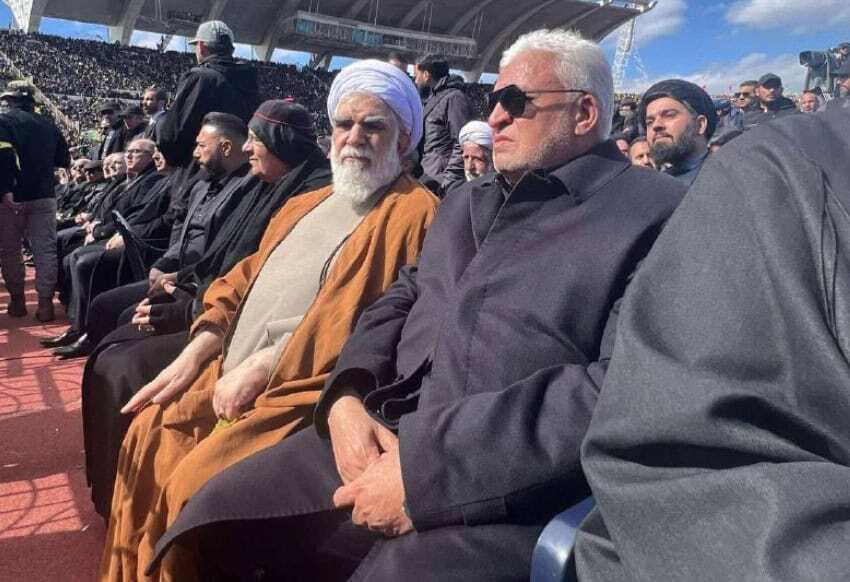
Pro-Iranian Iraqi militia leaders gather in Lebanon for Hezbollah leader’s funeral
Falih al Fayyadh, the head of Iraq’s largely pro-Iranian Popular Mobilization Units (PMU), traveled to Beirut for the funeral of Hezbollah leader Hassan Nasrallah on February 23. Other senior members of pro-Iranian militias in Iraq also attended the funeral, and several militia leaders put out statements. Hezbollah-affiliated media claimed approximately 200,000 Iraqis came to Lebanon for the event, though this number is unverified.