-
Israeli troops kill wanted Hamas leader Yahya Sinwar
Sinwar was the mastermind behind the October 7, 2023, assault on Israel and was perhaps the most wanted Hamas terrorist by Israel. A veteran of Hamas since the 1980s, Sinwar established the group’s security service and rose to lead Hamas in August 2024 after his predecessor was assassinated in Tehran, Iran.

-
IDF pushes to weaken Hamas in north Gaza
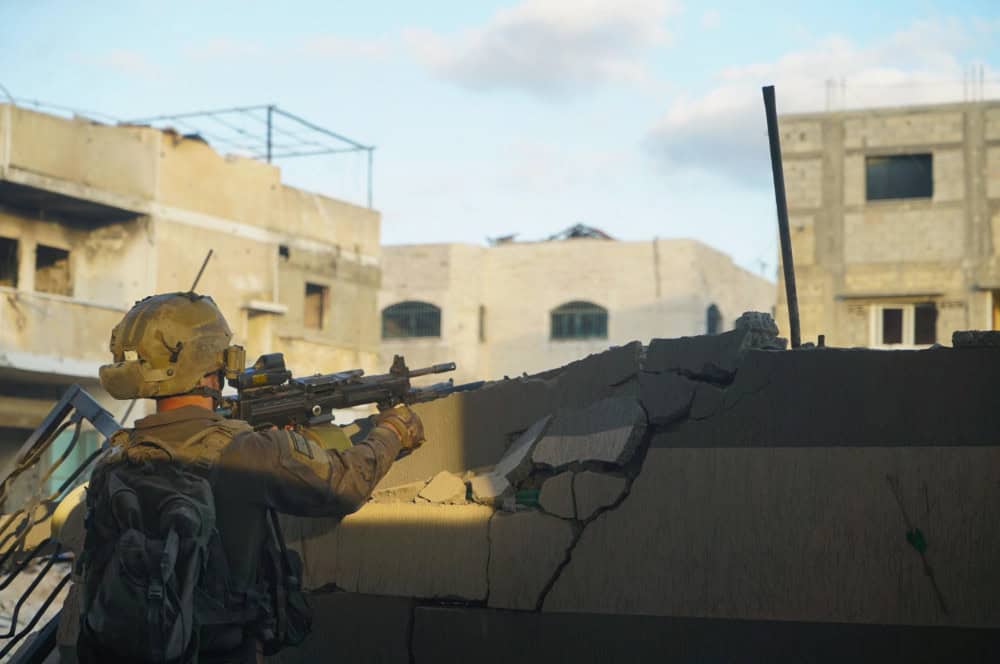
The 162nd Division of the Israel Defense Forces (IDF) has been fighting in Jabaliya in northern Gaza for 10 days and found weapons and explosives during the operation. There have also been clashes with terrorists, and Hamas fighters have been eliminated. The IDF transferred 30 trucks of humanitarian aid into northern Gaza amid concerns about civilians.
-
Israel faces attacks on multiple fronts on the anniversary of the October 7 attack
Israel commemorated the anniversary of the October 7 massacre as Hamas fired more than 135 rockets at southern and central Israel, Iraqi militias targeted Israel with drones, and the Houthis launched a long-range missile at central Israel. The IDF’s top general met with the head of US Central Command on October 6. A third IDF division began operations in Lebanon as the Israeli Air Force hit 120 Hezbollah targets.

-
IDF returns to northern Gaza’s Jabaliya neighborhood
The Israel Defense Forces (IDF) launched a new operation in northern Gaza directed at Hamas terrorists in Jabliya, an area the IDF has cleared three times during the war. The new operation, launched as Israel prepares for the anniversary of the October 7 attack, began after the Israeli military detected evidence that Hamas was seeking to rebuild its forces there.
-
Israel strikes targets on multiple fronts
The IDF carried out airstrikes on the Iranian-backed Houthis in Hudaydah using dozens of aircraft. An Israeli missile ship intercepted a UAV launched at Israel, and Iranian-backed militias in Iraq took credit for the attack. Israeli forces in Gaza uncovered a tunnel. Hezbollah carried out numerous rocket attacks on Israel on September 29, and the IDF continued strikes on the terrorist group. The IDF confirmed that more than 20 Hezbollah members were eliminated in the September 27 strike which killed Hezbollah leader Hassan Nasrallah in Beirut.

-
Analysis: Erdogan’s private military company looks to raise an Islamist army
Turkish President Recep Tayyip Erdogan aims to play a central role in post-war Gaza. However, the West should closely scrutinize Turkey’s involvement, especially given Erdogan’s reliance on SADAT, Turkey’s premier private military company, and its Islamist ideology and ties to terrorist organizations.
-
Israel’s Northern Command prepares for possible ground operation
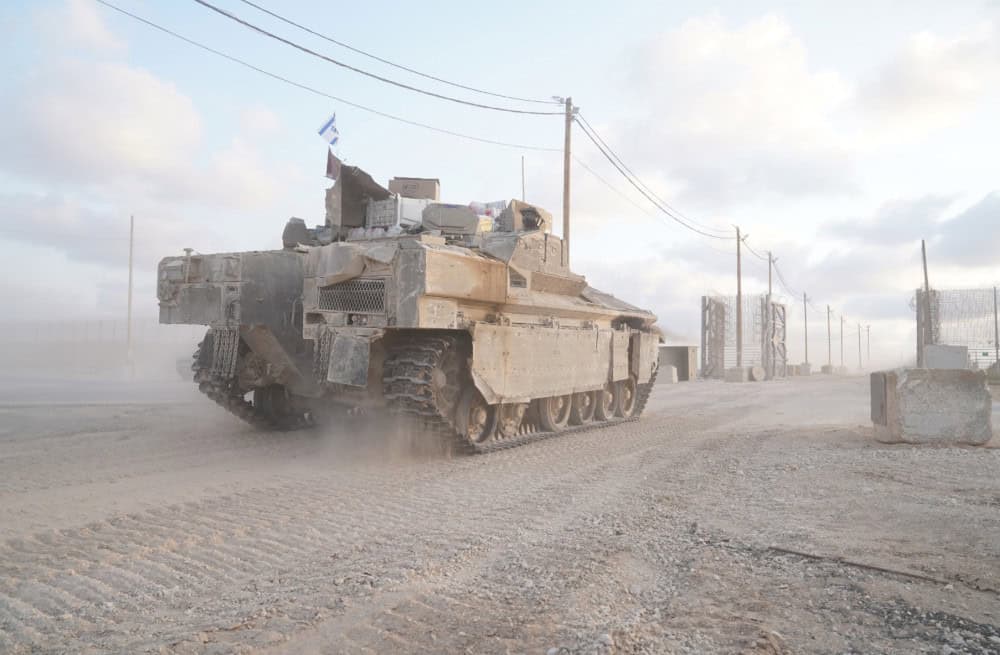
The Israel Defense Forces (IDF) called up two reserve brigades as Operation Northern Arrows entered its third day. The Israeli Air Force continued to conduct strikes against Hezbollah targets in Lebanon. In addition, Major General Ori Gordin, head of the IDF’s Northern Command, spoke to Israel’s 7th Armored Brigade and urged them to be ready for possible ground operations in the north. Hezbollah launched a ballistic missile toward Tel Aviv and struck Safed and other areas in northern Israel.

-
IDF rotates reserve infantry brigade to Gaza’s Netzarim Corridor
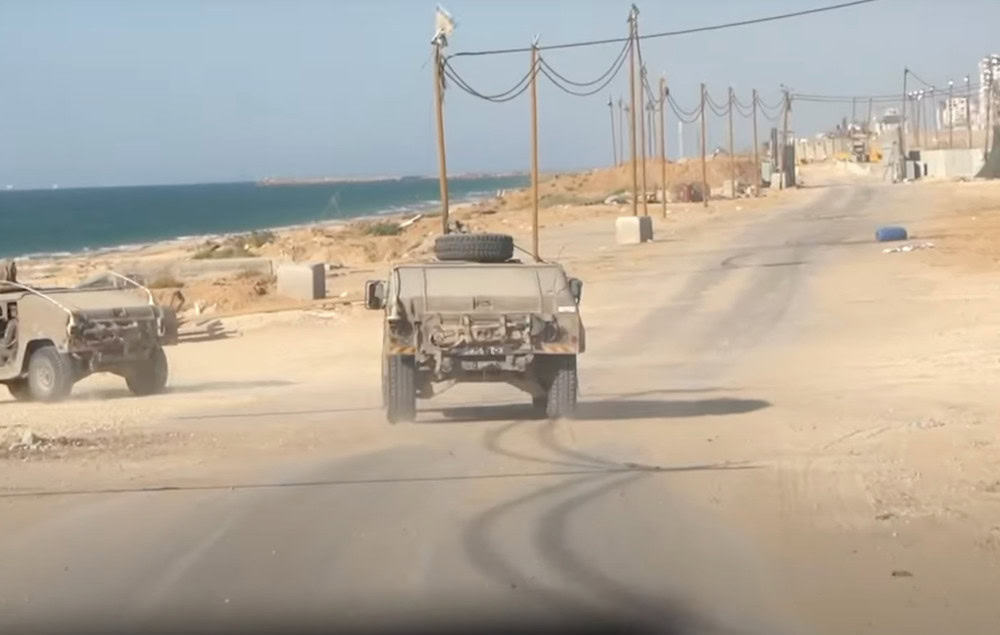
The Israel Defense Forces (IDF) deployed the 5th Brigade to central Gaza’s Netzarim Corridor, according to an IDF statement on September 16. The reserve infantry brigade recently completed training in Israel’s southern Negev Desert, in which it prepared for ground operations on the kind of terrain it will face in central Gaza. Deploying reserve units has become routine as the IDF rotates forces into central Gaza.
-
Israel inches closer to decision on northern operation against Hezbollah
Israeli Prime Minister Benjamin Netanyahu and Minister of Defense Yoav Gallant met with Amos Hochstein, a senior advisor to President Joe Biden. Both indicated that Israel was nearing a decision to act with more military force against Hezbollah after 11 months of attacks that have forced 60,000 Israelis to evacuate from their homes. Hezbollah continued to carry out attacks on September 16, targeting numerous areas in northern Israel.

-
Analysis: Hezbollah’s Vengeance for Shukr was a propaganda exercise from start to Nasrallah’s speech
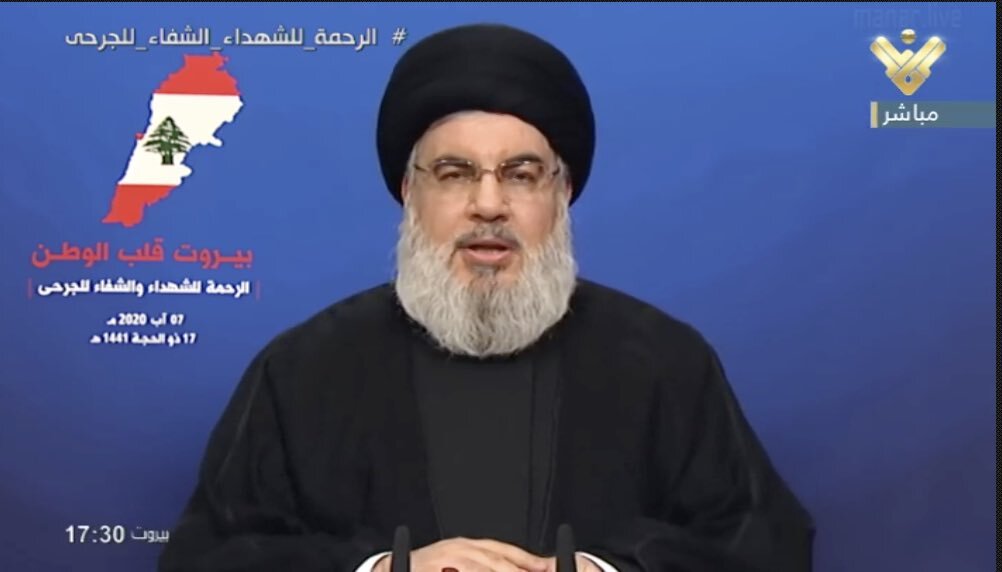
Hezbollah’s promised retaliation after Israel killed Fuad Shukr on July 31 finally came this Sunday. But the great vengeance promised by Secretary-General Hassan Nasrallah turned out to be a flop. Nasrallah’s subsequent speech after Hezbollah’s attack was a transparent exercise in damage control.
-
IDF’s multi-front challenge: From Rafah to Lebanon
The IDF said it had dismantled the Rafah Brigade of Hamas on September 12, and over four months of fighting, an estimated 2,000 terrorists were killed in Rafah and its environs. Thirteen kilometers of Hamas tunnels, divided into a total of 203 tunnels, were found and destroyed by the IDF. Hezbollah increased its attacks on Israel on September 12 and September 13. Barrages of rockets targeted Safed and Israeli communities near the Mediterranean coastline, sparking fires.

-
IDF focuses on eliminating Hamas commanders
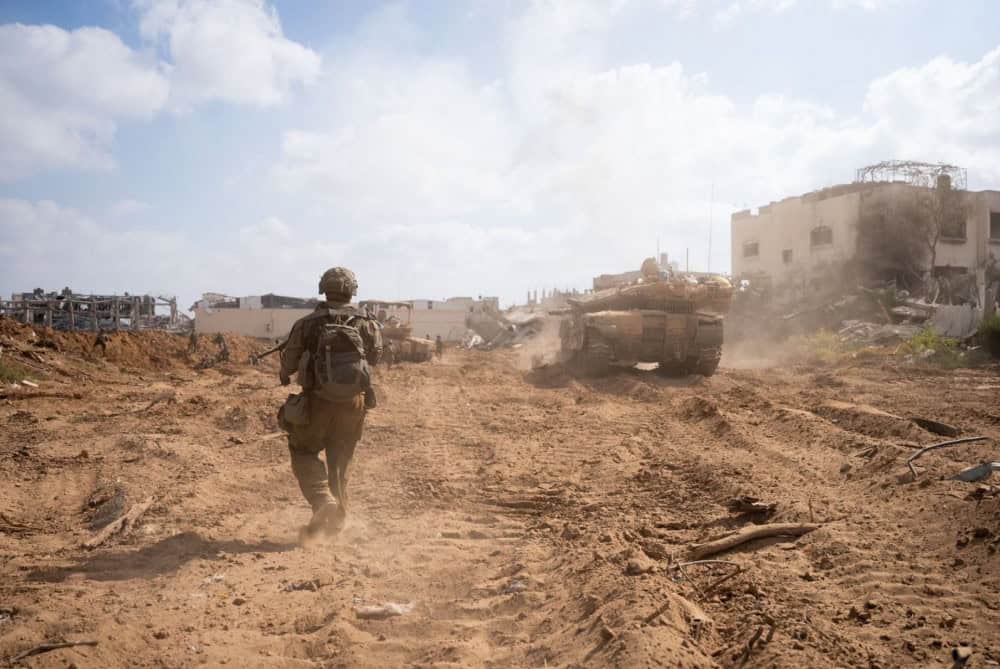
The IDF carried out an airstrike on three Hamas commanders who had set up a command-and-control center in the humanitarian zone in Gaza, the IDF said on September 10. In addition, the IDF targeted a Hamas battalion commander and three of his company commanders in southern Gaza. The strikes illustrate a wider campaign by the IDF to target Hamas’ remaining command-and-control centers.
-
Rockets fired at Ashkelon from Gaza as IDF continues Gaza operations
Two rockets were fired at the Israeli city of Ashkelon from Gaza. The IDF operated in the Zeitoun neighborhood near Gaza City to eliminate terrorist threats. Israeli Defense Minister Yoav Gallant visited the Netzarim Corridor on September 8 and vowed the IDF would eliminate Hamas leader Yahya Sinwar. In southern Gaza, the IDF continued to clash with Hamas terrorists in Rafah and carried out airstrikes against Hamas and Palestinian Islamic Jihad targets.

-
IDF division eliminates 200 terrorists in the Rafah area
The Israel Defense Forces’ 162nd Division eliminated 200 terrorists in battles near Rafah and the Philadelphi Corridor in southern Gaza during the last week of August. Israeli Prime Minister Benjamin Netanyahu has vowed to keep control of the key area to prevent Hamas from re-arming.

-
IDF officers take on new roles as Gaza in political focus
The IDF’s Gaza Division, which faced the brunt of Hamas’s attack on October 7 and will play a key role in the future security of the border, received a new commander on September 2. The IDF’s head of Ground Forces resigned on September 3. The leadership changes come as Israel intends to maintain control over the Philadelphi Corridor.

-
Top Israeli officials focus on northern front, returning Israelis to communities
Israeli Defense Minister Yoav Gallant held a strategic discussion with IDF Chief of Staff Lieutenant General Herzi Halevi on August 29 and discussed the need to return Israeli citizens to their homes in northern Israel. Prime Minister Benjamin Netanyahu traveled to northern Israel on August 28 and said the nation must restore security and return residents to their homes. “This is a national goal of the highest order,” Netanyahu said.

-
IDF chief of staff visits Jordan Valley amid West Bank terror threats
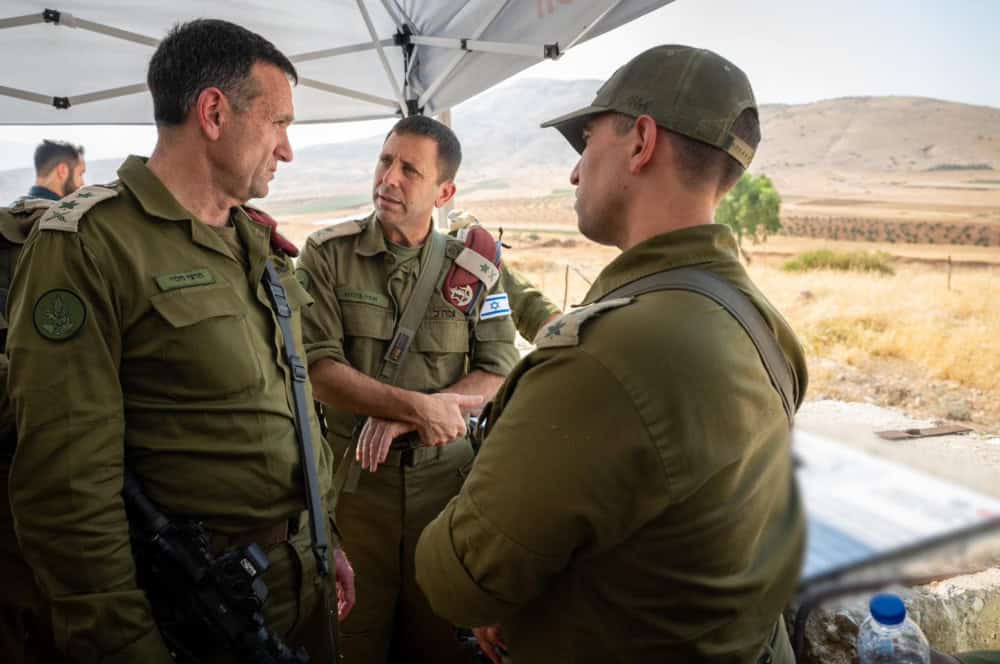
Israel Defense Forces Chief of Staff Lt. Gen. Herzi Halevi visited the Jordan Valley on August 27, where he met with officers of the Jordan Valley Brigade and spoke with the heads of local communities. His visit comes after several recent terror attacks in the valley and as threats have increased in the northern West Bank.
-
IDF rescues a hostage in Gaza
The Israel Defense Forces rescued Qaid Farhan Alkadi, a hostage held in Gaza since the Hamas attack on October 7, from a tunnel in southern Gaza. Alkadi was flown by helicopter to an Israeli hospital in Beersheba, where he met members of his family and spoke with Israeli Prime Minister Benjamin Netanyahu.

-
IDF pushes into central Gaza as terror threats shift
The IDF expanded operations in the outskirts of Deir al-Balah in central Gaza and said Israeli forces eliminated dozens of terrorists and found weapons and a tunnel. Hamas launched a rocket at central Israel on August 25, and Israel hit the launch site with an airstrike.

-
Israeli defense minister announces the defeat of Hamas’s Rafah Brigade
On August 21, Israeli Defense Minister Yoav Gallant visited the Philadelphi Corridor in southern Gaza and met with commanders of the 162nd Division, which has been fighting Hamas in Rafah since May. Gallant said the Hamas Rafah Brigade has been defeated. The IDF continued to expand operations in Khan Younis and central Gaza, and one Israeli soldier was killed, the IDF said on August 23.

-
Analysis: From “harsh punishment” to “tactical retreat”—time isn’t on Tehran’s side
The Islamic Republic has scaled back its rhetoric against Israel by exercising “strategic ambiguity” and “tactical retreat” while claiming that “time is on [Tehran’s] side.” Israel’s ongoing onslaught against Iran-backed groups in Gaza, the West Bank, and Lebanon suggests otherwise.

-
Israeli forces recover the bodies of six hostages in Gaza
On August 20, the Israel Defense Forces (IDF) announced recovering the bodies of six hostages in Khan Younis in southern Gaza. In addition, Israeli forces found a tunnel in Gaza that stretches for more than a mile.

-
Hamas and Islamic Jihad claim responsibility for botched Tel Aviv bombing
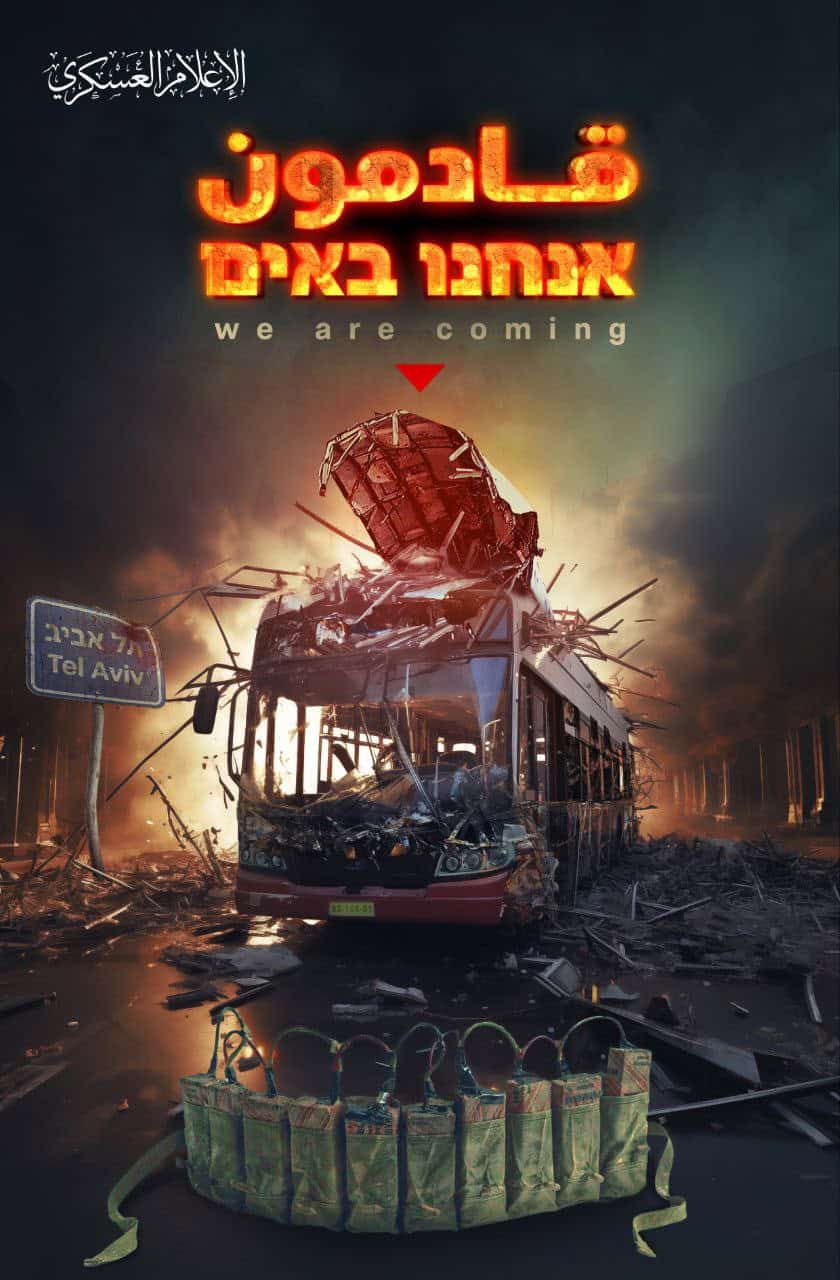
Hamas and Islamic Jihad took credit for a suicide bombing attack in Tel Aviv on Sunday evening. In the aftermath, Palestinian social media became rife with propaganda lauding the bomber and encouraging copycat attacks against Israeli civilians.
-
Hezbollah targets northern Israel with rockets and drones in latest escalation
Hezbollah attacked northern Israel with rockets and drones on August 15, including firing around 20 rockets at the Shamir area. The IDF said a majority of the incoming threats were intercepted. Hezbollah described the attack as an increase in its range inside Israel, and the Iranian-backed terrorist group also continued to threaten broader attacks in retaliation for an IDF airstrike in Beirut in July.

-
Hamas taps Yahya Sinwar to replace slain leader Ismail Haniyeh
Following the elimination of Ismail Haniyeh in Tehran on July 31, Hamas announced the selection of Yahya Sinwar as the group’s head on August 6.

-
Analysis: Mass arrests and conflicting narratives following the Haniyeh assassination
Iran’s regime arrested dozens of intelligence officers who may have been responsible for the security breach that led to Haniyeh’s assassination. The IRGC’s sole control over the investigation into the incident and the regime’s contradictory reporting further demonstrate various parties are intentionally crafting differing narratives to deflect blame and avoid being seen as incompetent.

-
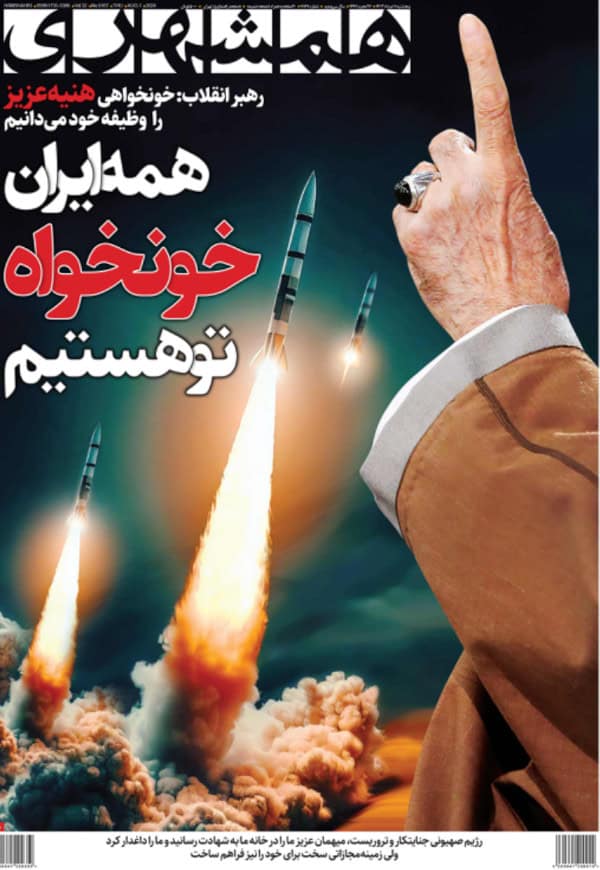
Analysis: The Islamic Republic prepares to avenge Ismail Haniyeh
Despite Israel’s precision strike on a radar facility in Isfahan on April 19 and the recent assassination of Hamas Political Chief Ismail Haniyeh in Tehran, Iran remains undeterred from picking a fight with conventionally superior and even nuclear-armed states. For a regime that has perfected the art of proxy warfare, the Islamic Republic is increasingly seeing the political utility of overt and attributable conflict in the Middle East.
-
Israel confirms Hamas commander Muhammed Deif killed in airstrike
The Israeli Security Agency (ISA) and the Israel Defense Forces (IDF) confirmed on August 1 that a July 13 airstrike had successfully killed Hamas’ military commander, Mohammed Diab Ibrahim al-Masri, also known as Muhammed Deif.

-
Israeli forces recover the bodies of 5 hostages in Gaza
The Israel Defense Forces (IDF) recovered the bodies of five hostages in Gaza, the IDF said on July 25. The hostages were found in a tunnel under Khan Younis that was 20 meters deep in an area designated as a humanitarian zone. The IDF also announced that one Israeli soldier was killed in southern Gaza and two severely wounded.

-
Amid Yemen-Israel escalation, Hezbollah increases attacks on Israel
Hezbollah increased attacks on Israel amid an escalation of Houthi-Israel tensions that grew after the Houthis attacked Tel Aviv with a drone, killing one person, and IDF retaliatory strikes. Israel’s Defense Minister Yoav Gallant said, “The blood of Israeli citizens has a price.”