-
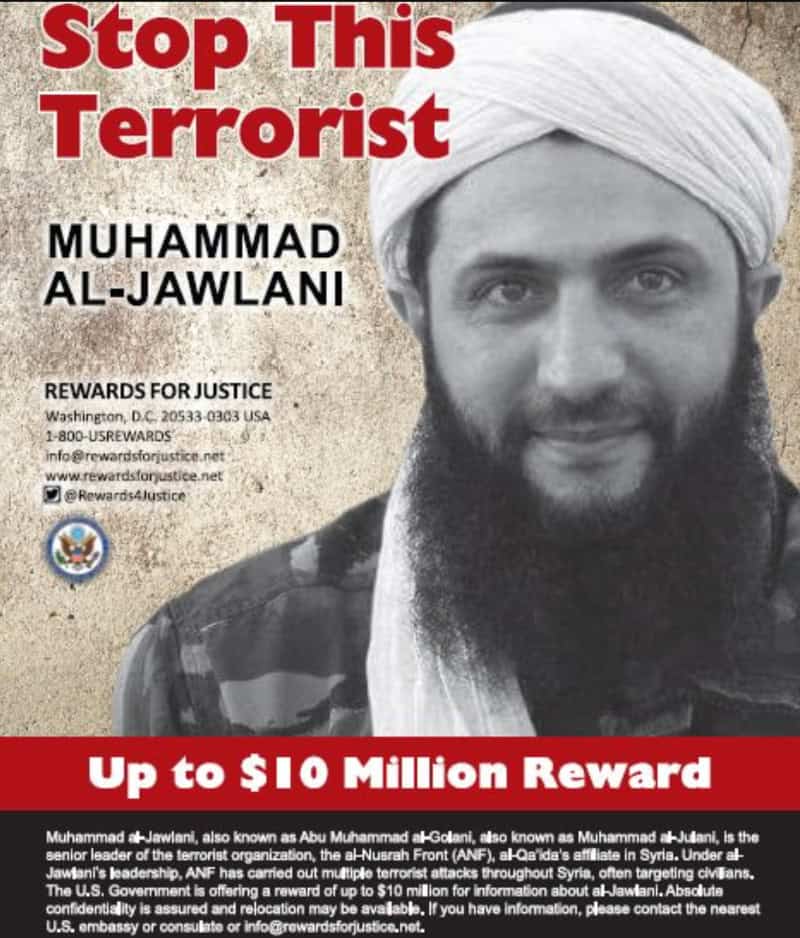
US removes $10 million reward for Hayat Tahrir al Sham leader
US Assistant Secretary of State for Near Eastern Affairs Barbara Leaf said the bounty was lifted on Abu Mohammad al Jolani because it would be “a little incoherent […] to have a bounty on the guy’s head” as she sat down to talk with him. The US government currently lists Jolani as a Specially Designated Global Terrorist for his ties to Al Qaeda and Hayat Tahrir al Sham as a Foreign Terrorist Organization.
-
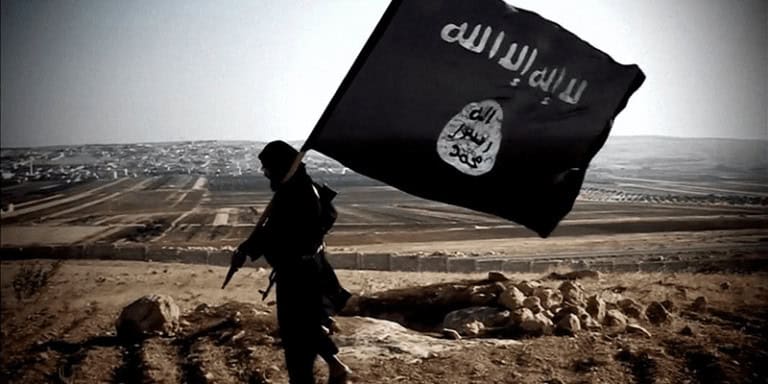
Analysis: The Islamic State and Iran remain determined to attack the US
US law enforcement agencies have apprehended or charged 11 individuals involved in plots supporting the Islamic State or Iran since October 8, underscoring both US adversaries’ continued determination to kill Americans at home and abroad.
-
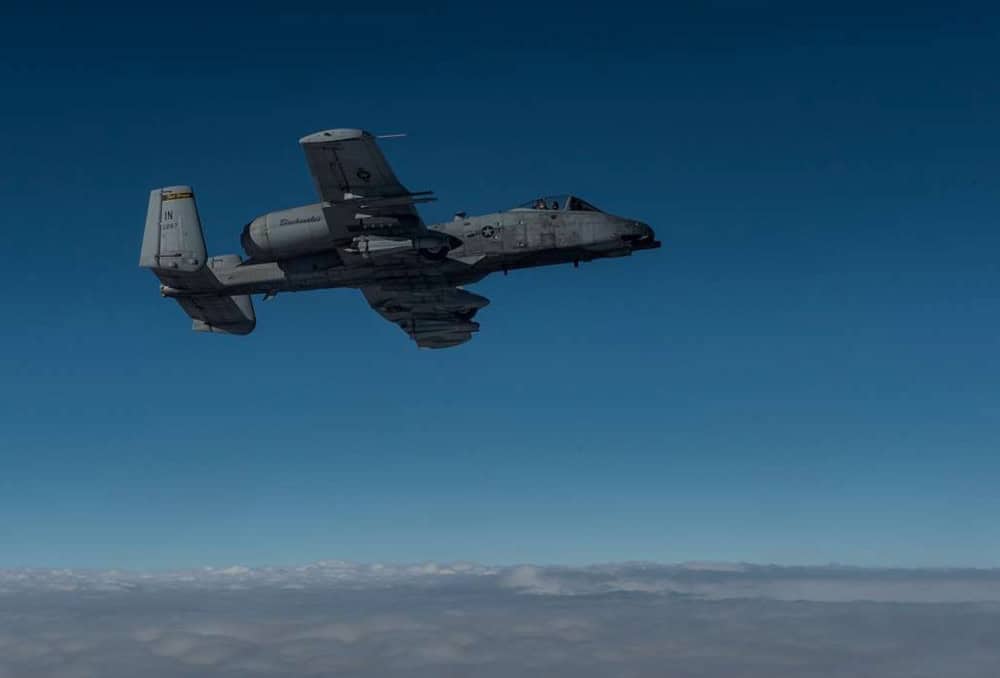
US military strikes Islamic State camps and personnel in central Syria
US Central Command continued to target the Islamic State’s network in Syria after the collapse of the Assad regime. Twelve Islamic State fighters were killed during an operation that also targeted terror camps.
-
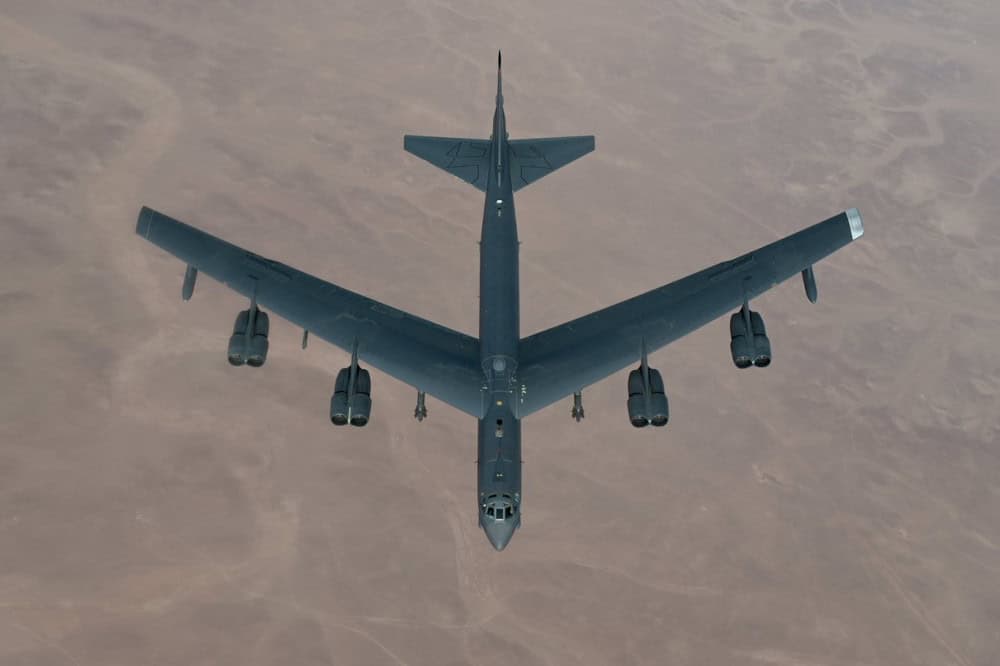
US launches massive strikes on Islamic State as Hayat Tahrir al-Sham deposes Assad regime
The significant US operation against the Islamic State is part of the effort to degrade the terror group and keep it from gaining ground in areas held by Syrian Democratic Forces (SDF) in the wake of the Assad regime’s collapse. The attacks may also serve as a warning to the Syrian National Army (SNA) and Hayat Tahrir al-Sham (HTS) not to push too hard against the SDF, America’s flawed ally in Syria.
-
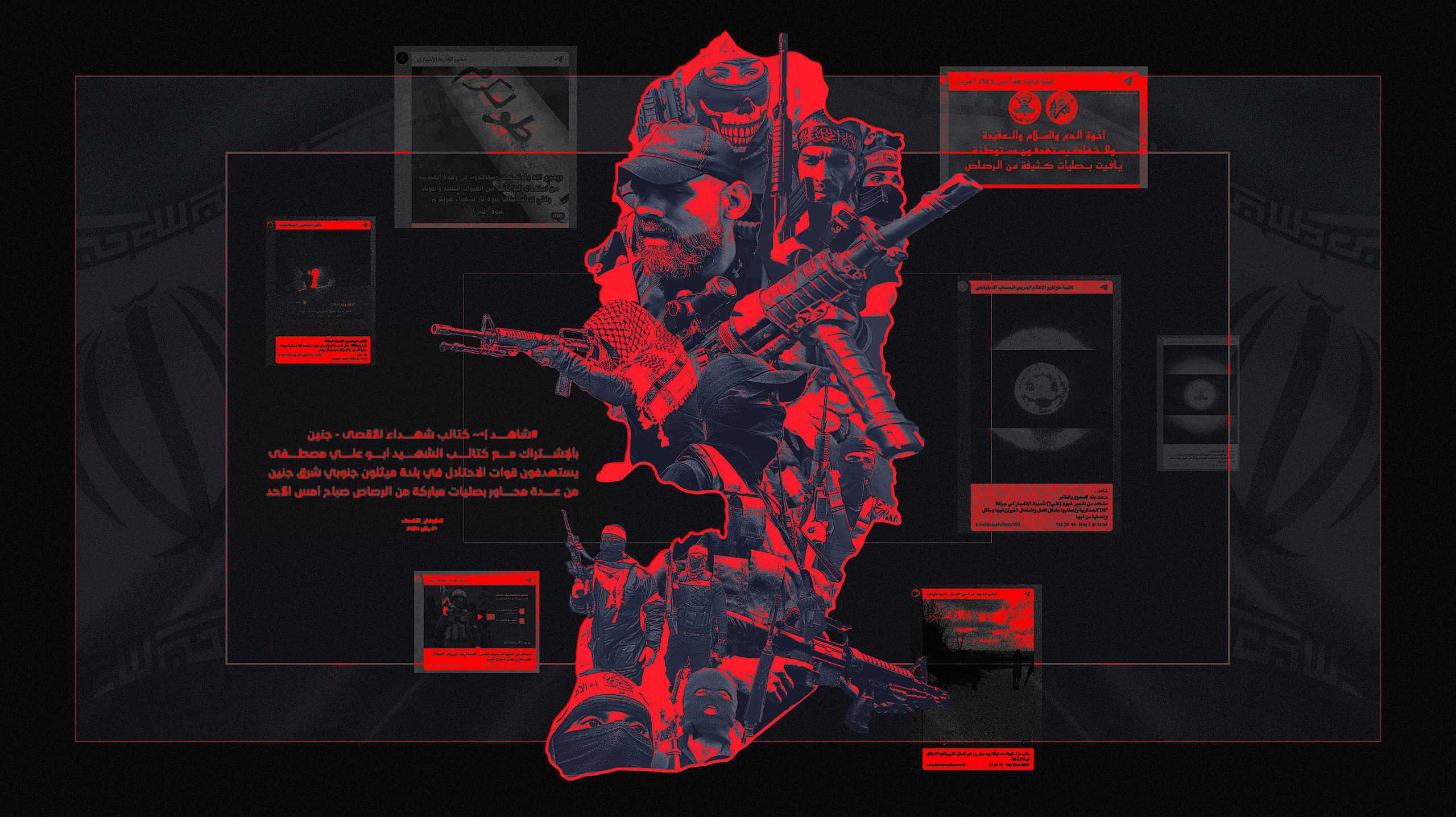
Analysis: The lights are still blinking red—Sunni Islamists and Iran are determined to attack the homeland
While the United States is focused on the election, the domestic terrorism warning signs are still blinking red. Over the last few months, the Department of Justice has indicted another Islamic State terrorist and uncovered an Iranian assassination plot against former President Donald Trump.
-
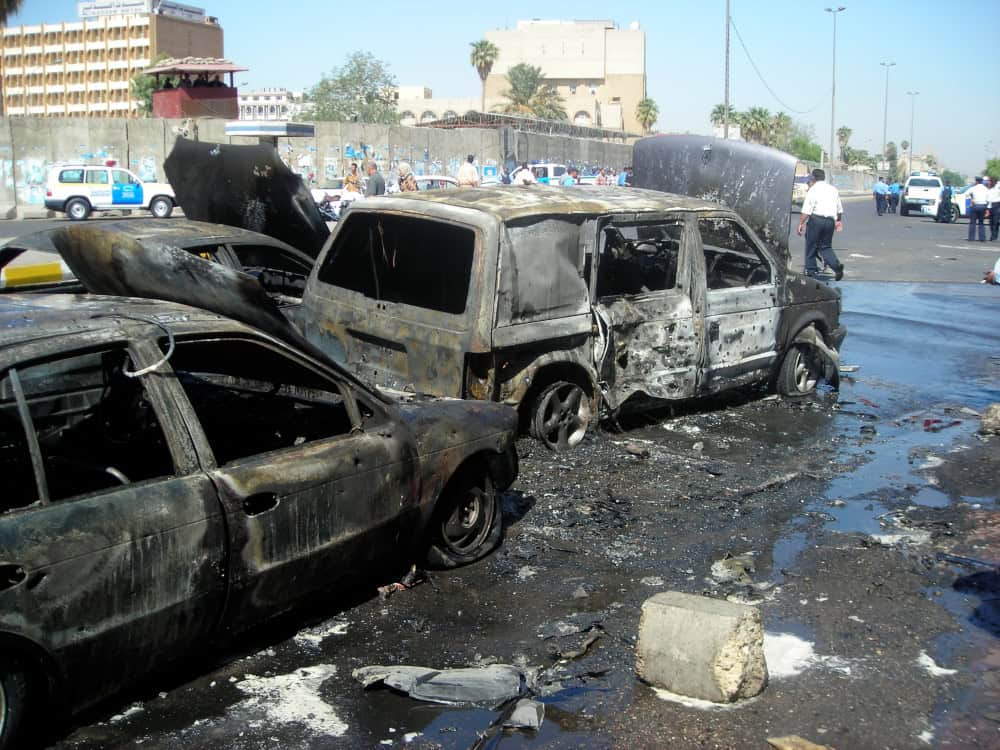
US and Iraqi forces kill Islamic State leaders
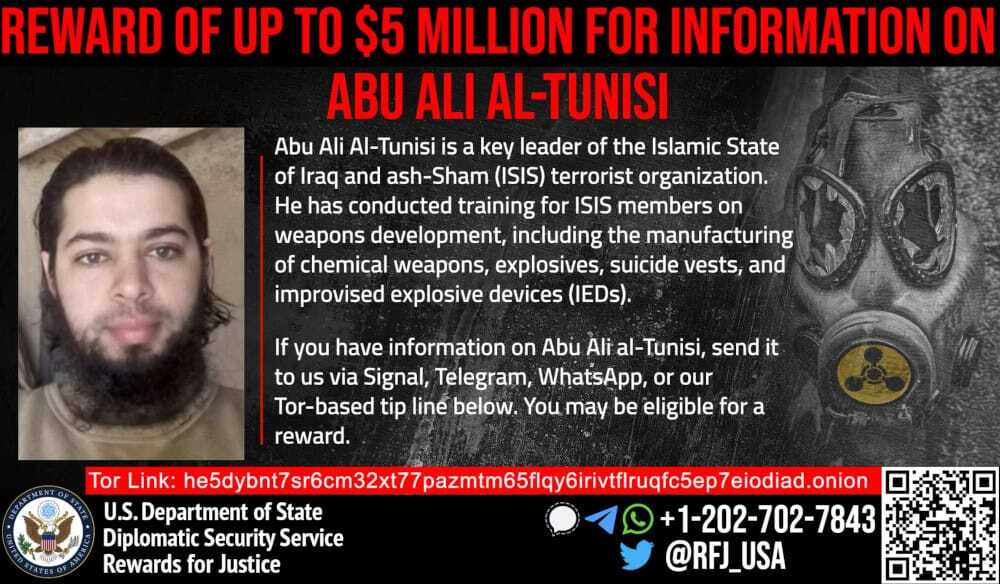
Abu-‘Ali al-Tunisi, one of the killed Islamic State (IS) leaders, had a $5 million bounty on his head. The raid against the IS cell took place one week before the news of the drawdown of US forces from Iraq.
-
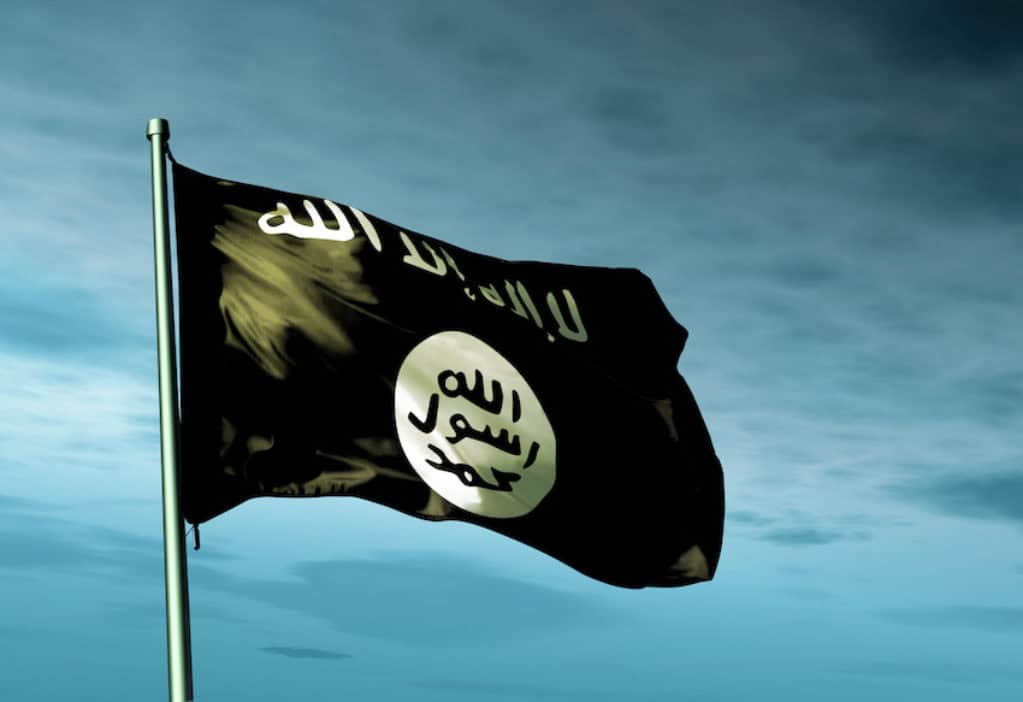
US Treasury Department designates Islamic State facilitators across Africa
Yesterday, the US Treasury Department sanctioned three Islamic State facilitators based in Zambia, Uganda, and South Africa. The three have operated as part of a coordinated network that moves money between Islamic State franchises in Somalia, South Africa, Uganda, the Democratic Republic of the Congo (DRC), and Mozambique.
-
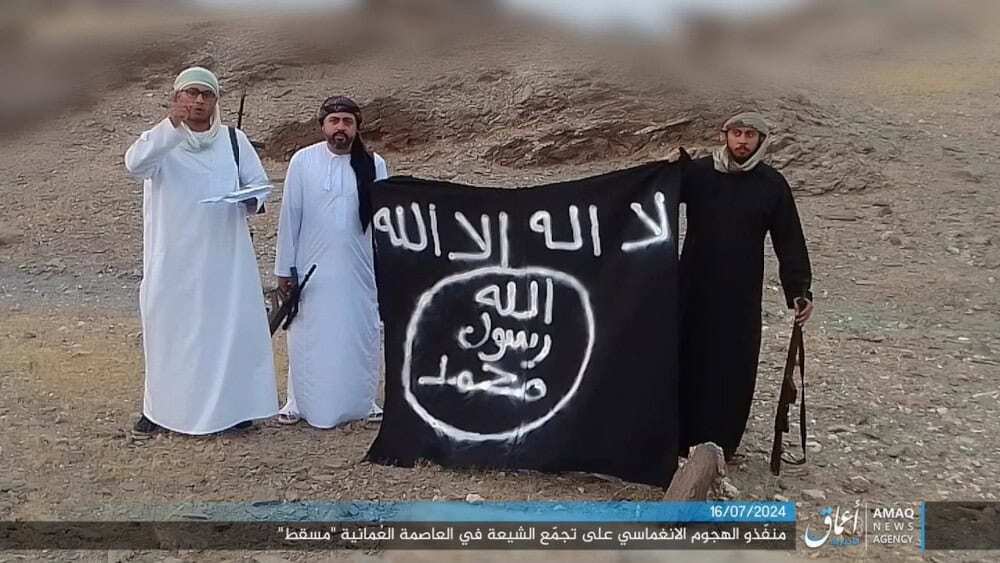
The Islamic State claims responsibility for Omani Shia mosque attack
A recent Islamic State (IS) attack in Oman, coupled with the group’s growing capacity in Iraq and Syria, suggests that IS strongholds across the Middle East present a threat as formidable as its Asian branch.
-
Jihadis mount prison mutinies across Africa
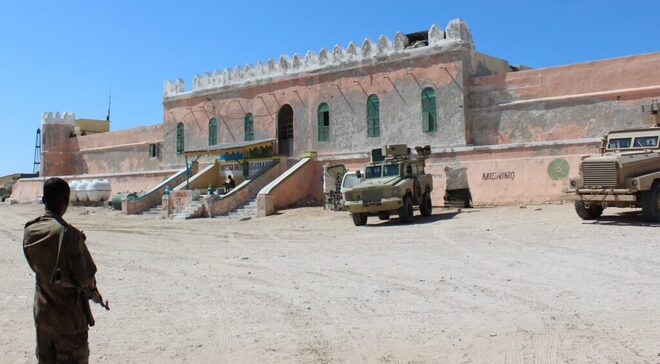
Over the last few days, jihadis have mounted two attacks inside prisons in Somalia and Niger. While the mutiny inside the Nigerien prison was successful, the Somali prison assault appears to have been thwarted. Nonetheless, both incidents highlight the lingering threat of jihadi prison breaks on the continent and the importance jihadist groups put on such operations.
-
Jihadi archives: Islamic State’s eulogy of Sudanese jihadist Mohamad Makkawi Ibrahim
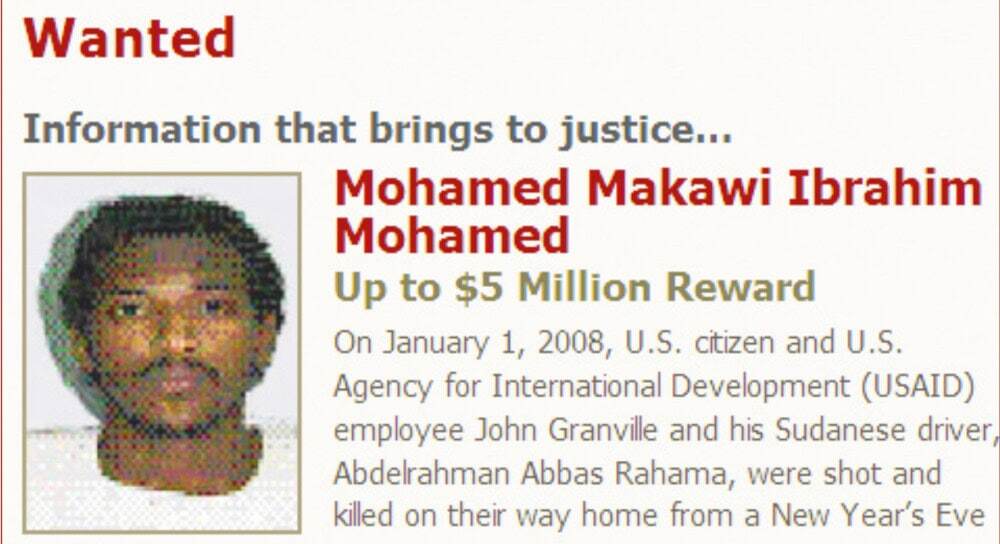
In May 2016, the Islamic State (IS) issued a eulogy for the infamous Sudanese jihadist Mohamad Makkawi Ibrahim through its weekly Al-Naba newsletter. The eulogy flew under the radar at the time but offers an interesting look into the career of one of the Islamic State’s first so-called “martyrs” in Somalia. It also provides an early chronicle of the Islamic State’s history in the Horn of Africa.
-
Islamic State operatives arrested after illegally crossing the US border
Eight Tajik nationals with ties to the Islamic State in Khorasan Province (ISKP) were recently arrested in major US cities after illegally crossing the Mexican border as early as 2023. The arrests underscore the resurgence of the ISKP after the US withdrawal from Afghanistan and may indicate terrorist groups are seeking to exploit America’s border crisis to stage attacks.
-
ISKP’s transnational reemergence
Leveraging its stronghold in Afghanistan and networks across Central and South Asia, ISKP is surging as a formidable transnational actor, posing a threat from Asia to Europe. The Taliban’s self-portrayal as a counterforce to ISKP raises concerns about their true motives and the perpetuation of regional instability.
-
Opium protests catalyze anti-Taliban sentiments
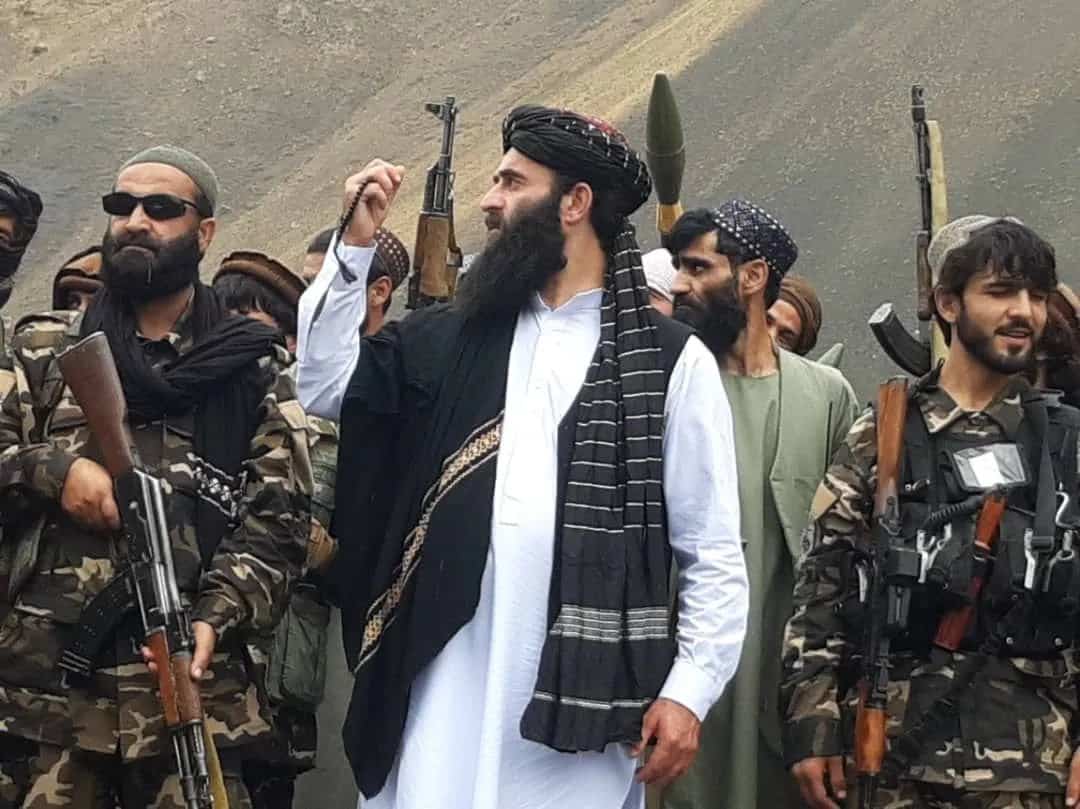
Afghanistan has grappled with a surge in terrorism, deepening ethnic rifts, protests, and the devastating impact of natural calamities in recent weeks. Two years into their control of Afghanistan, the Taliban is struggling to govern as a state actor.
-
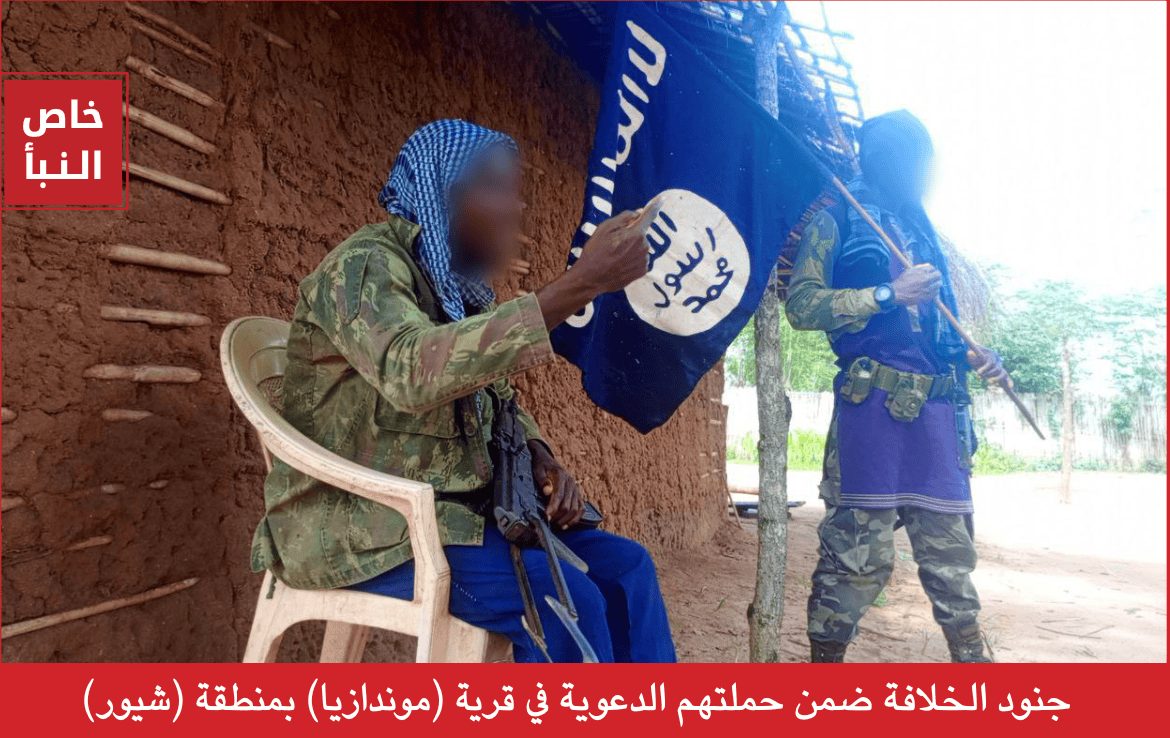
Islamic State expands da’wah activities in Mozambique
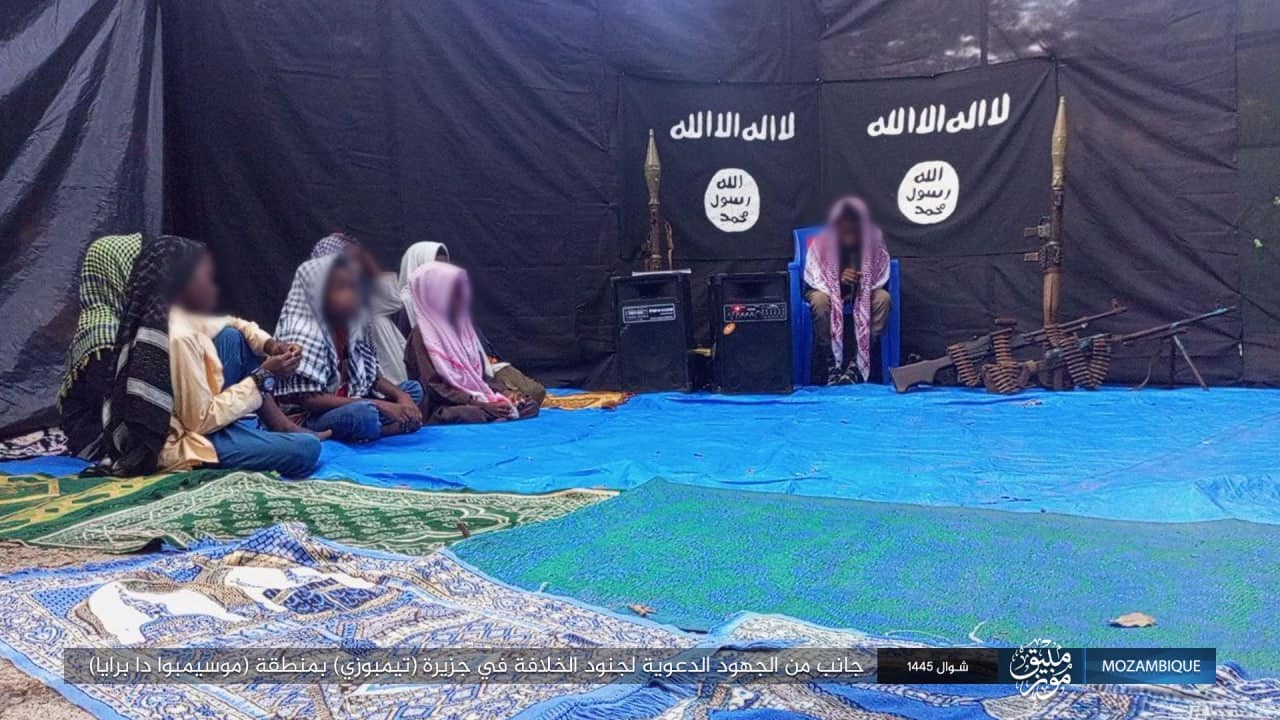
The Islamic State’s Mozambique Province continues to document its da’wah campaigns across large portions of Cabo Delgado Province.
-
Analysis: Islamic State’s current da’wah campaign across Africa
In Mali and Mozambique, the Islamic State’s men are putting guns away and engaging with locals to help sensitize communities to its ideology and garner public support. In doing so, this highlights the extent of its control and/or influence.
-
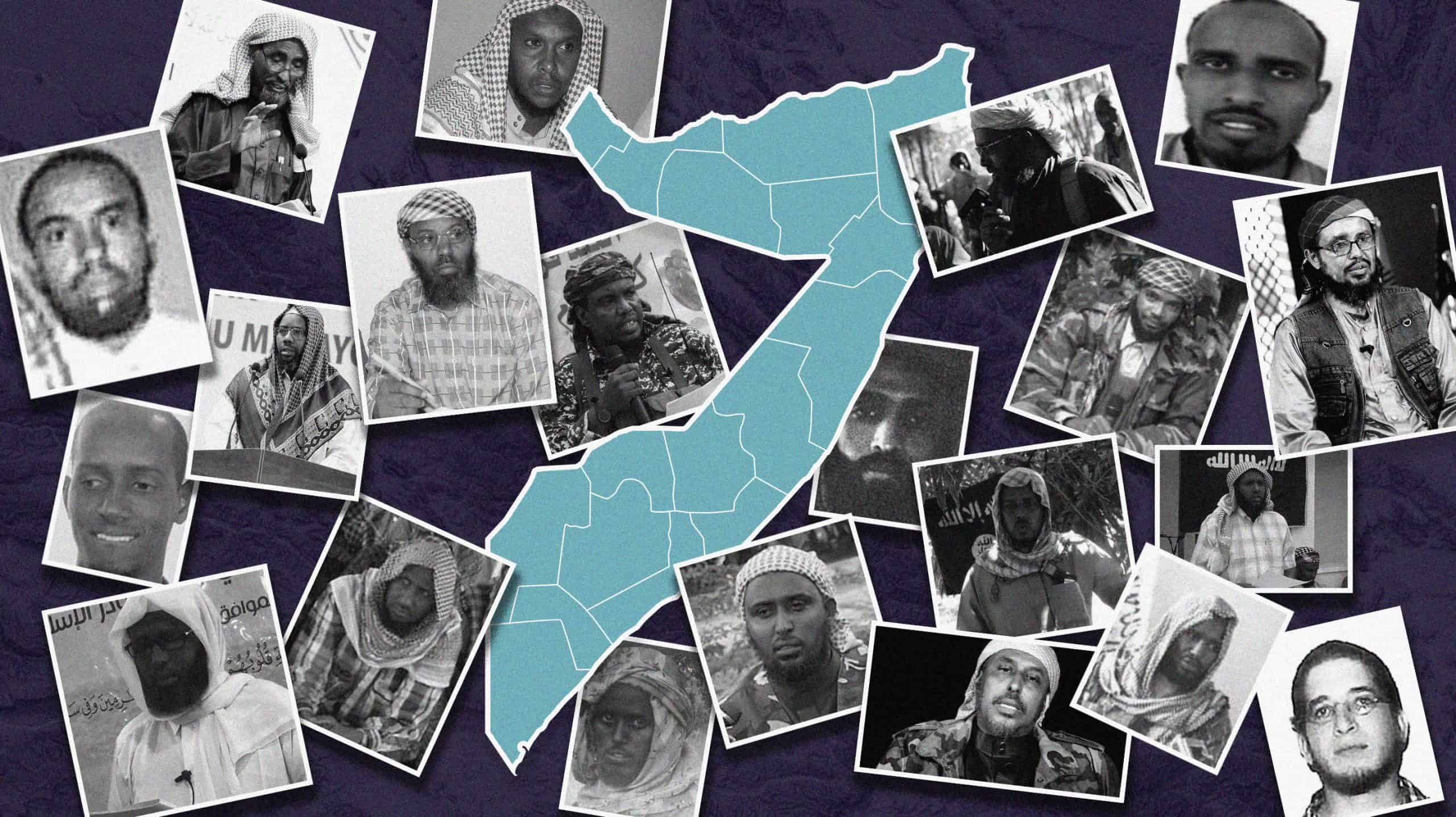
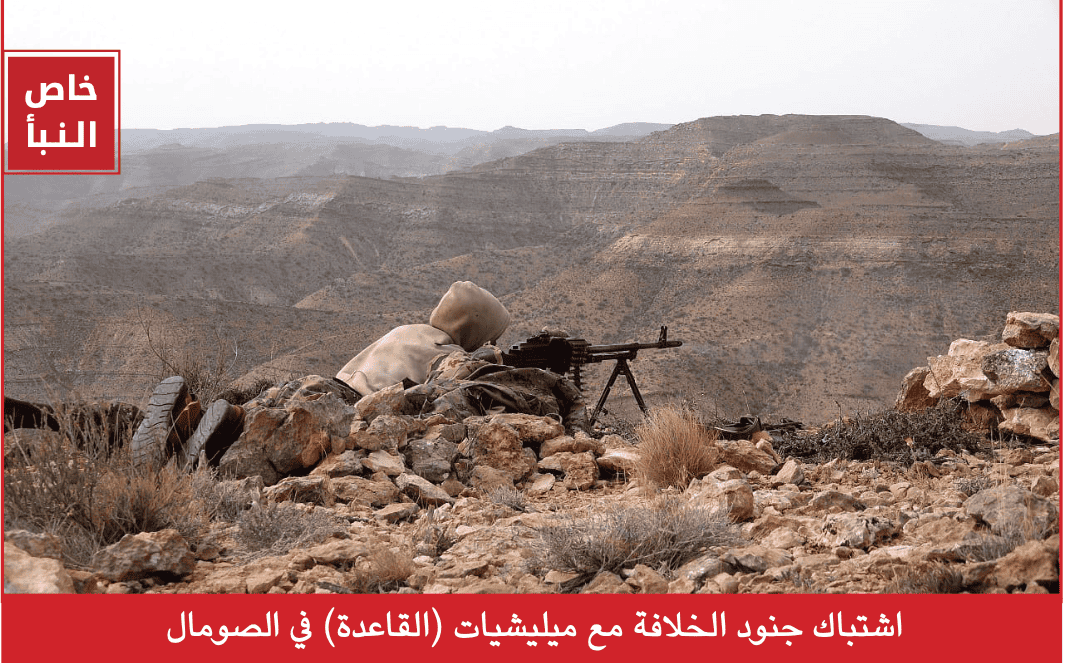
Islamic State describes intense campaign against Shabaab in northern Somalia
The Islamic State documents at least 36 clashes between its men and Shabaab, al-Qaeda’s East African wing, between March and December 2023.
-
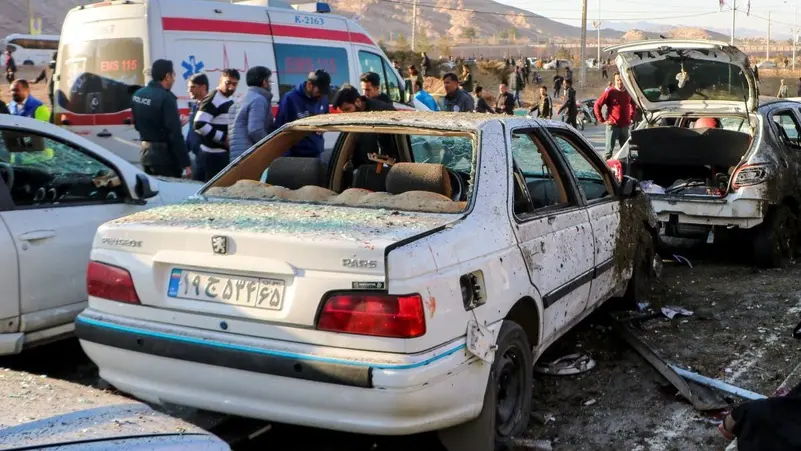
Iranian reactions to the Islamic State’s suicide bombings in Kerman
While ISKP claimed responsibility for the Kerman twin suicide bombings, Iranian state media and officials are downplaying the Afghanistan connection and are instead pointing fingers at Israel. Despite internal crackdowns and heightened security measures, Iran treads carefully to avoid straining relations with the Taliban amid escalating tensions in the region.
-
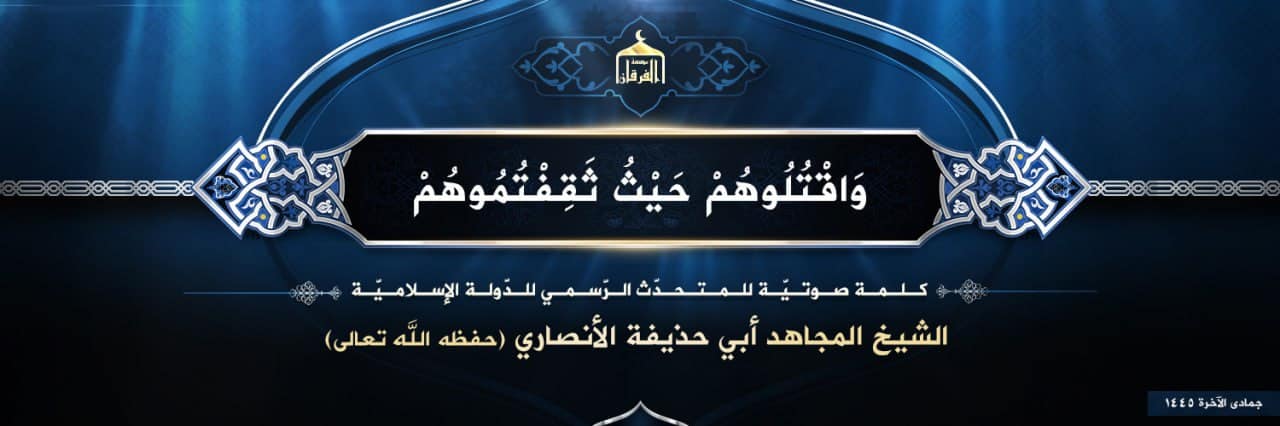
Islamic State announces new global campaign to rally members and supporters
The current Islamic State spokesman announced yet another global campaign for the group’s global affiliates and supporters. Though intrinsically propagandistic, prior global campaigns had severe real world consequences.
-
Analysis: Islamic State strikes in western Uganda
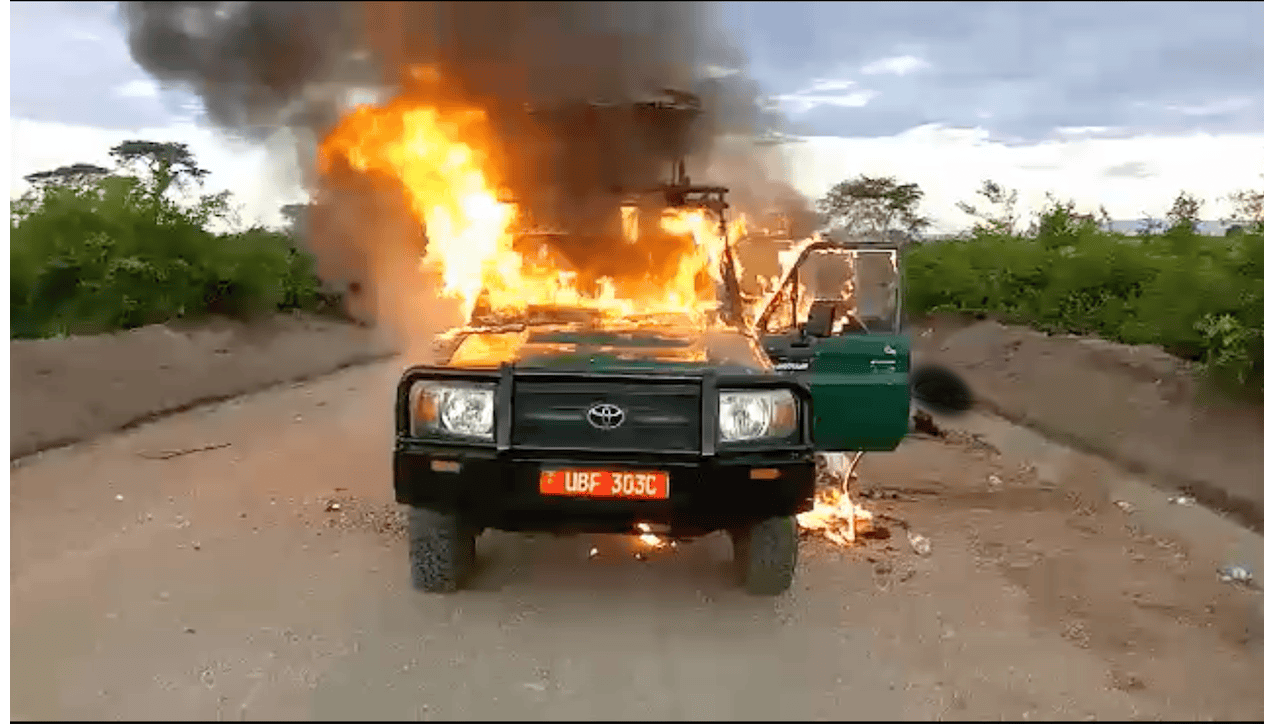
The Islamic State’s Central Africa Province, known locally as the Allied Democratic Forces, or ADF, mounted its second attack in western Uganda since last Friday. The mobile unit currently operating inside Uganda represents the first sustained guerrilla presence in the country since 2007.
-
U.S. military captures ISIS official in helicopter raid in Syria
The raid is the latest against the Islamic State’s network in Iraq and Syria, which has been weakened since it lost its physical caliphate in 2019 but continues to persist.
-
Islamic State confirms death of yet another leader, appoints new ‘caliph’
Another caliph is dead. A new one, Abu Hafs al-Hashimi al-Quraishi, has been appointed.
-
Generation Jihad Ep. 96 — New UN report on al Qaeda and the Islamic State
Bill is again joined by Generation Jihad regular Ambassador Edmund Fitton-Brown to discuss the latest report from the UN Analytical Support and Sanctions Monitoring Team (which Edmund previously led). Released on July 25, 2023, the Team’s thirty-second report provides an update on al Qaeda and the Islamic State. Bill and Edmund unpack findings, discuss a few highlights, and also explain some points of disagreement.
-
Islamic Jihad Begins Military Summer Camp for Palestinian Youth
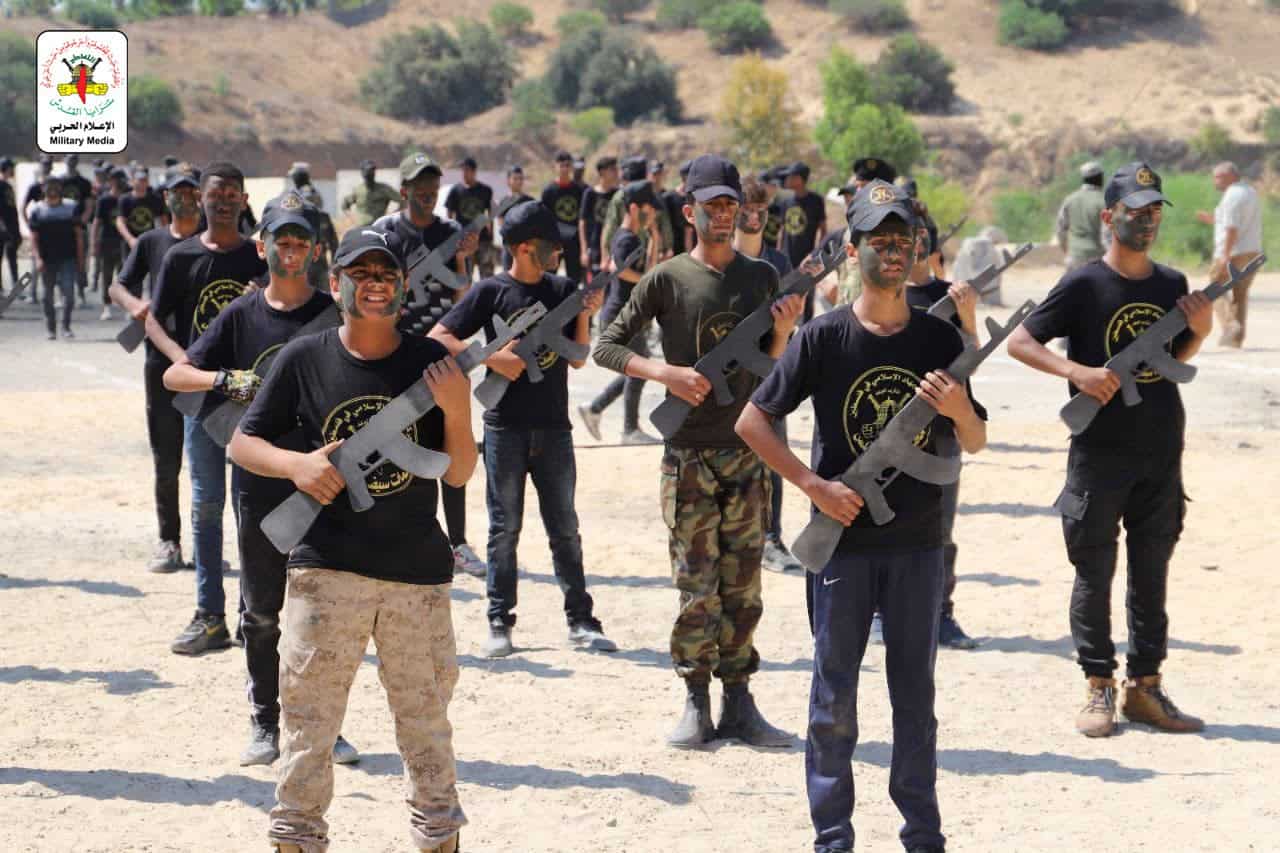
On Monday, Islamic Jihad started a two-week summer camp for children and teens with the goal of promoting jihad against Israel.
-
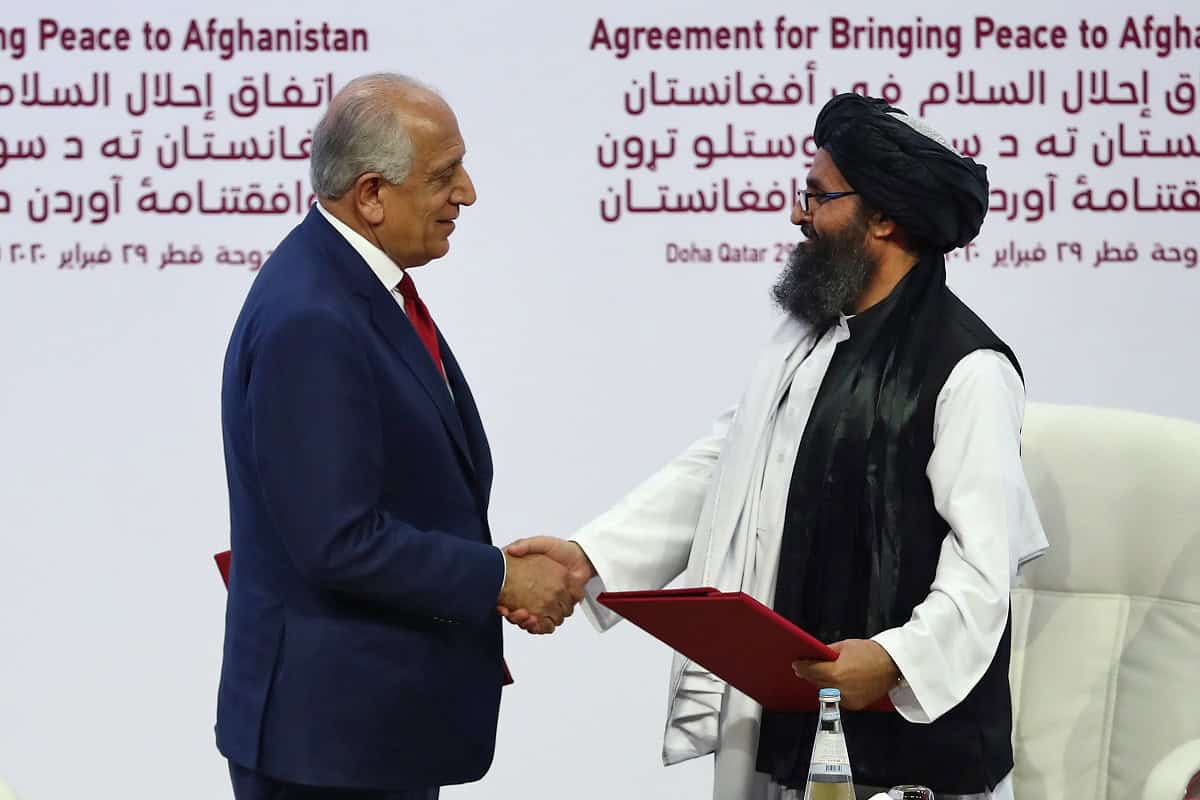
FDD’s Long War Journal’s response to Zalmay Khalilzad’s Twitter thread
FDD’s Long War Journal responds to the former ambassador’s assertion that assessments of Afghanistan once again becoming a terrorist safe haven are false.
-
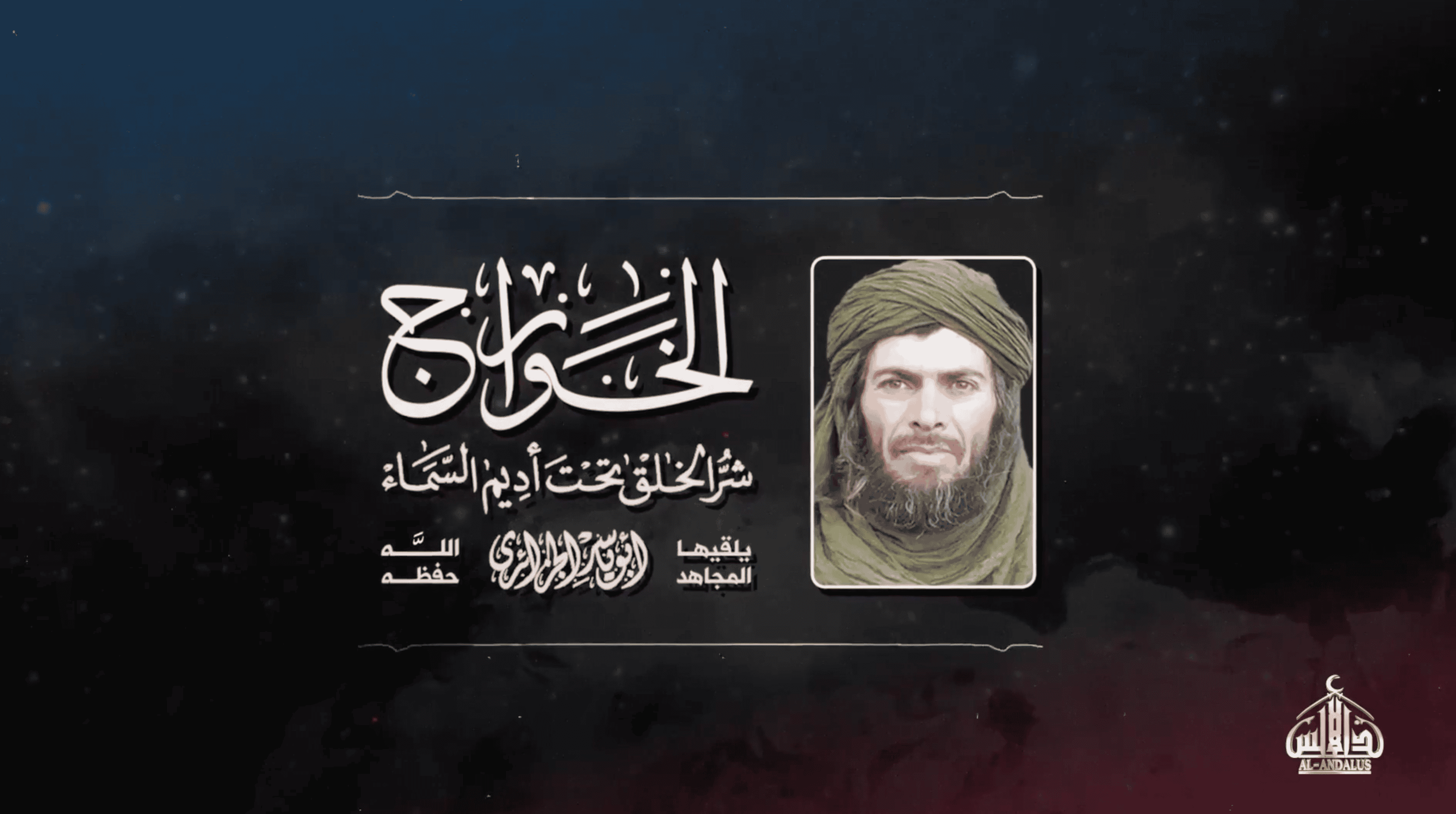
Analysis: Al Qaeda in the Islamic Maghreb encourages its Sahelian wing to continue fighting the Islamic State
Abu Yasir al-Jaza’iri, an Algerian ideologue in al-Qaeda in the Islamic Maghreb, offers the group’s harshest rebuke of the Islamic State to date.
-
Generation Jihad Ep. 88 — al Qaeda and Islamic State findings in new UN report
Host Bill Roggio and (now official) co-host Caleb Weiss are joined by former coordinator of the UN Security Council Analytical Support and Sanctions Monitoring team Edmund Fitton-Brown to discuss findings in the latest UN report on the Islamic State and al Qaeda.
-
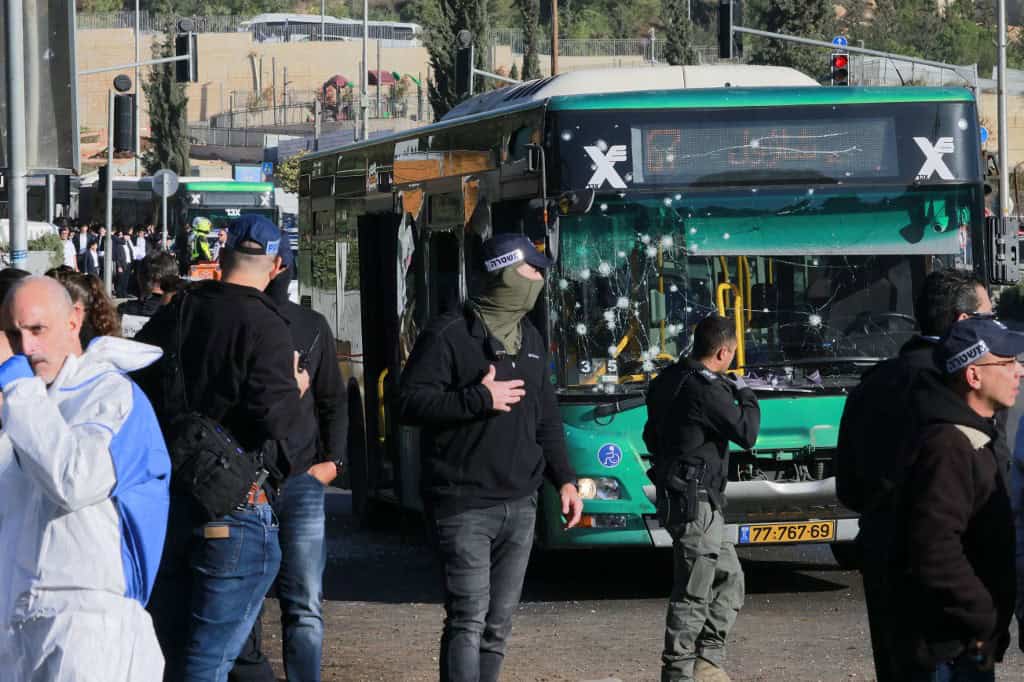
Islamic State Sympathizer Arrested for Carrying Out Jerusalem Bombings
Israeli authorities announced the arrest of an Islamic State sympathizer involved in the November 23 Jerusalem bombings.
-
U.S. kills Islamic State officials during raid in Syria
The U.S. military has targeted the Islamic State’s top tier leadership cadre with raids and strikes at least five times since the beginning of the summer of 2022.
-
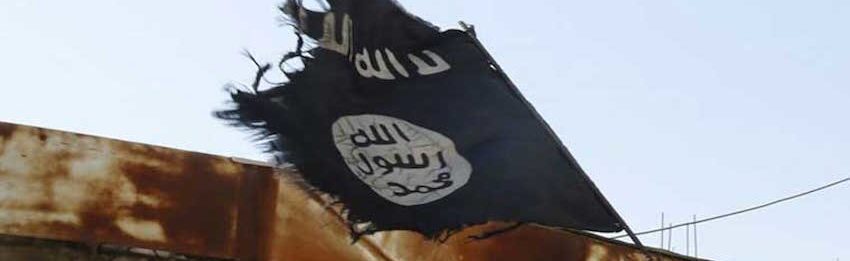
Islamic State announces death of its caliph, appoints successor
The Islamic State announced the death of its emir, Abu al-Hassan al-Hashimi al-Quraishi, and has chosen a new leader, an individual identified only as Abu al-Hussein al-Husseini al-Quraishi.
-
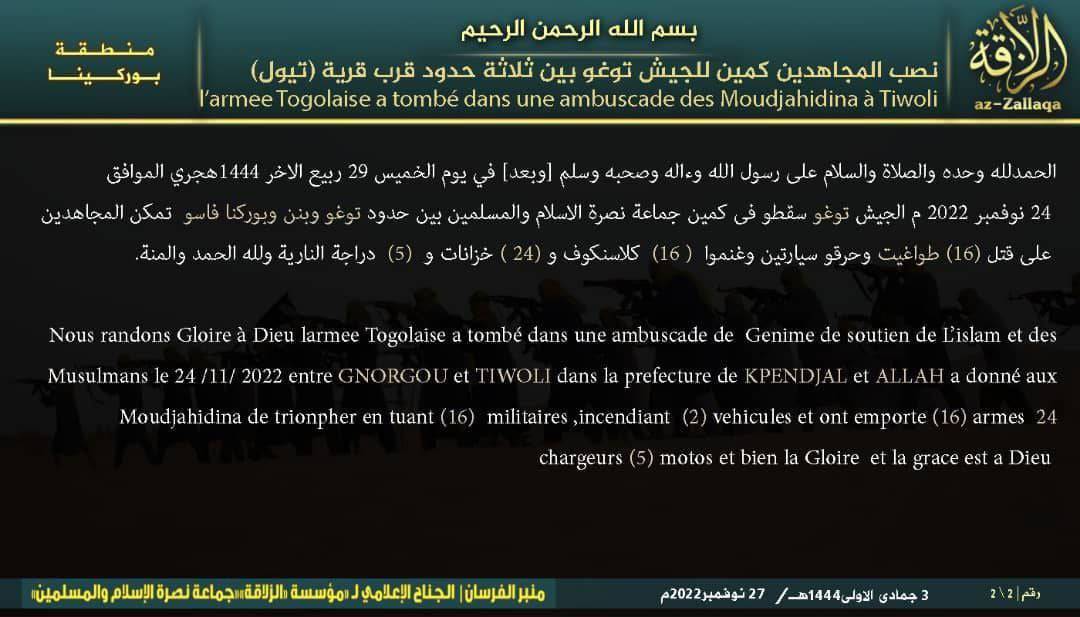
JNIM claims deadly assault in northeastern Togo
This is the third such JNIM claim of responsibility for an attack inside northern Togo.