-
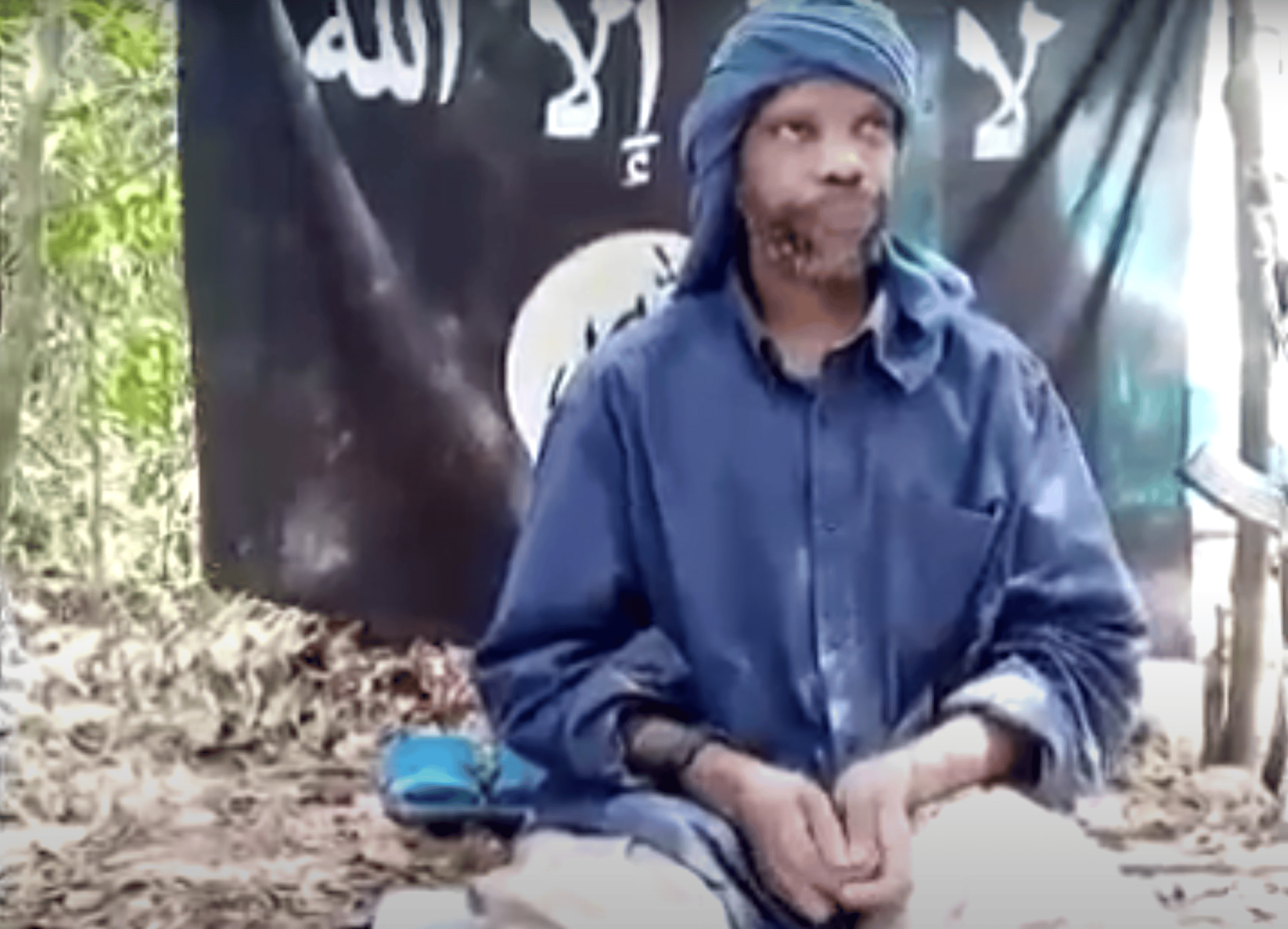
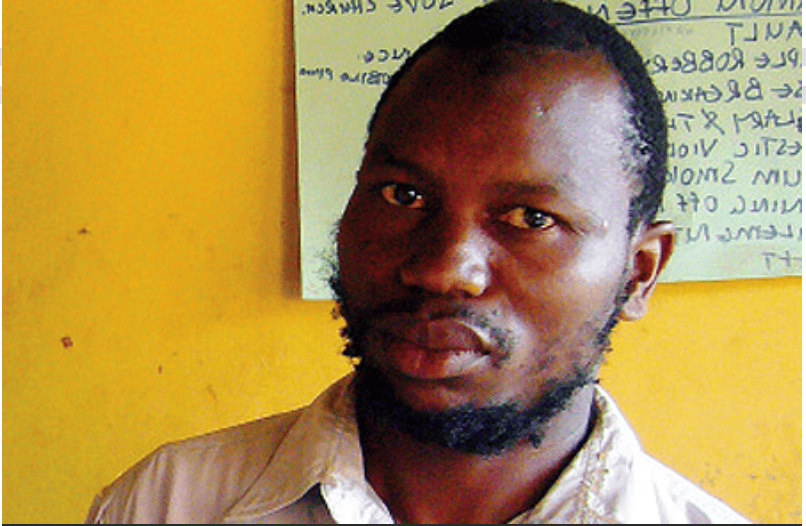
From Guantanamo Bay to ISCAP: The case of Jamal Kiyemba
In 2002, Jamal Kiyemba, a Ugandan national living in the United Kingdom, was arrested in northwest Pakistan after allegedly attempting to join Al Qaeda in Afghanistan and was sent to the US prison facility at Guantanamo Bay, Cuba. Released in 2006 and sent to Uganda, Kiyemba has since been in and out of prison, most recently over his support of the Islamic State’s Central Africa Province (ISCAP).
-
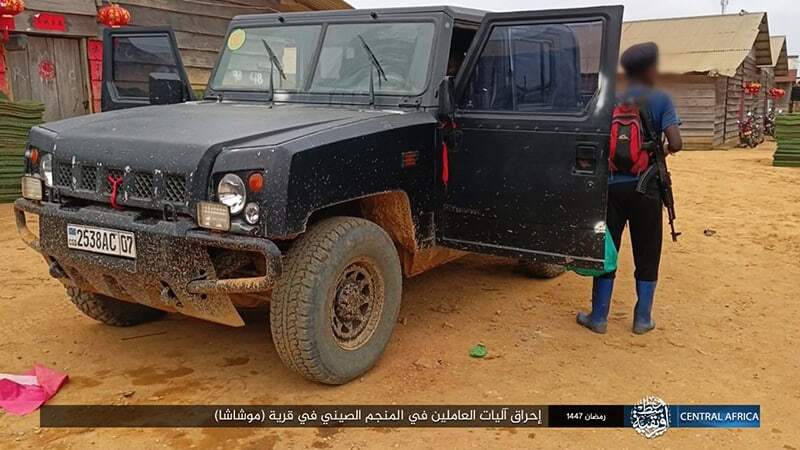
Analysis: The Islamic State’s targeting of a Chinese mine in Congo proves the group is a resilient threat
The Islamic State’s Central Africa Province (ISCAP), known locally as the Allied Democratic Forces (ADF), raided and burned down a Chinese-owned mine in eastern Congo earlier this month. The raid, which was far from the jihadist group’s normal area of operation, highlights both ISCAP’s threats to Congo’s mining sector and its resilience after nearly five years of a sustained military operation against it.
-
Analysis: Islamic State attempts suicide bombing in Uganda
On June 3, the Islamic State’s Central Africa Province (ISCAP) attempted an unsuccessful suicide bombing targeting Christian worshippers near Kampala, Uganda. The failed attack marks the second time that ISCAP has utilized a female suicide bomber and the first attack inside Uganda since December 2023.

-
US Treasury Department designates Islamic State facilitators across Africa
Yesterday, the US Treasury Department sanctioned three Islamic State facilitators based in Zambia, Uganda, and South Africa. The three have operated as part of a coordinated network that moves money between Islamic State franchises in Somalia, South Africa, Uganda, the Democratic Republic of the Congo (DRC), and Mozambique.
-
Jihadis continue to target civilians in western Uganda
At least 62 people have been killed by the Islamic State’s local arm in western Uganda since June.
-
Analysis: Islamic State strikes in western Uganda
The Islamic State’s Central Africa Province, known locally as the Allied Democratic Forces, or ADF, mounted its second attack in western Uganda since last Friday. The mobile unit currently operating inside Uganda represents the first sustained guerrilla presence in the country since 2007.

-
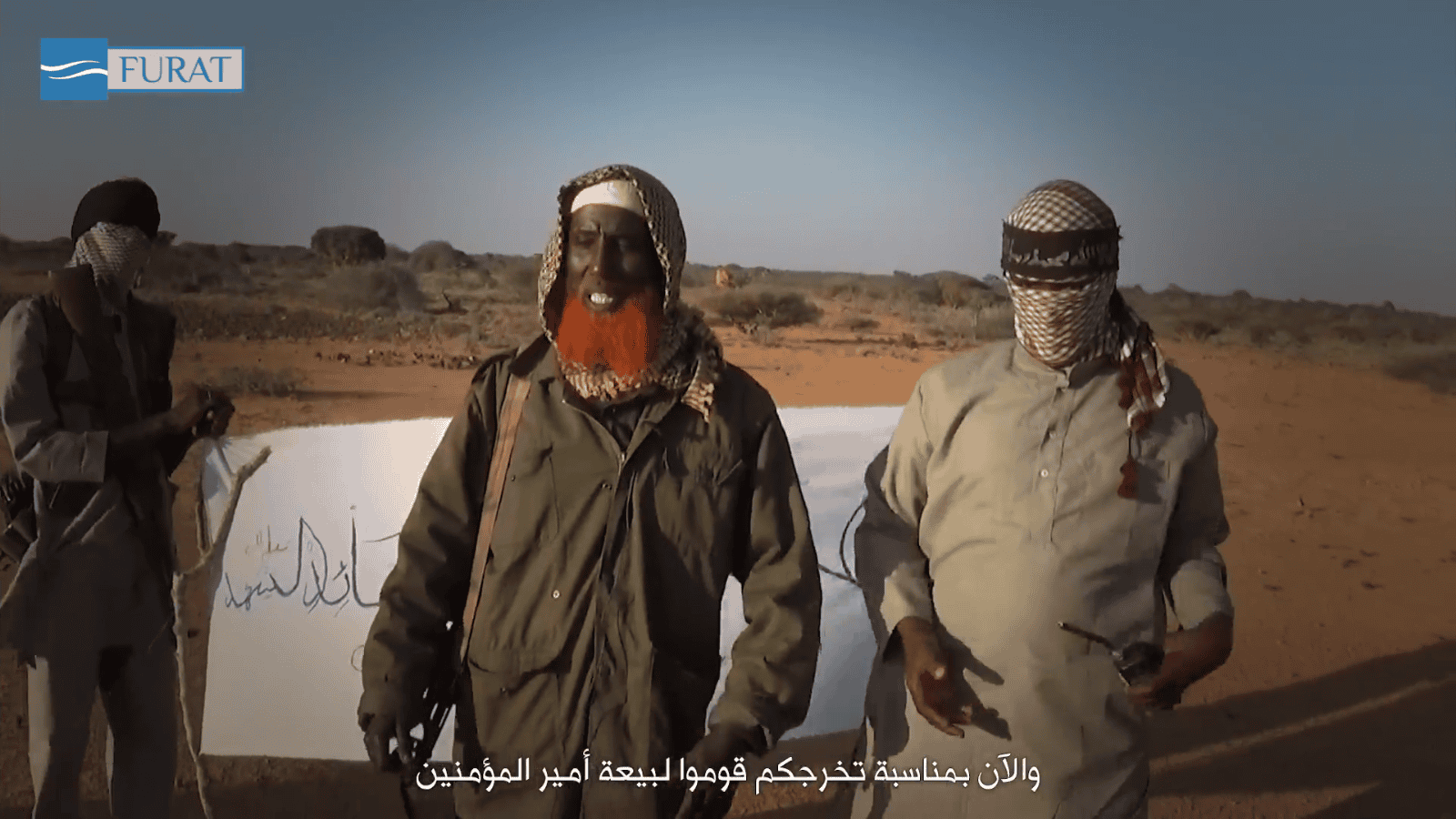
U.S. designates Islamic State financier in Somalia
The U.S. government designated Abdiweli Mohamed Yusuf, the financial emir of the Islamic State’s Somali Province. This move, however, has much wider implications than just the Islamic State’s Somali operations.
-
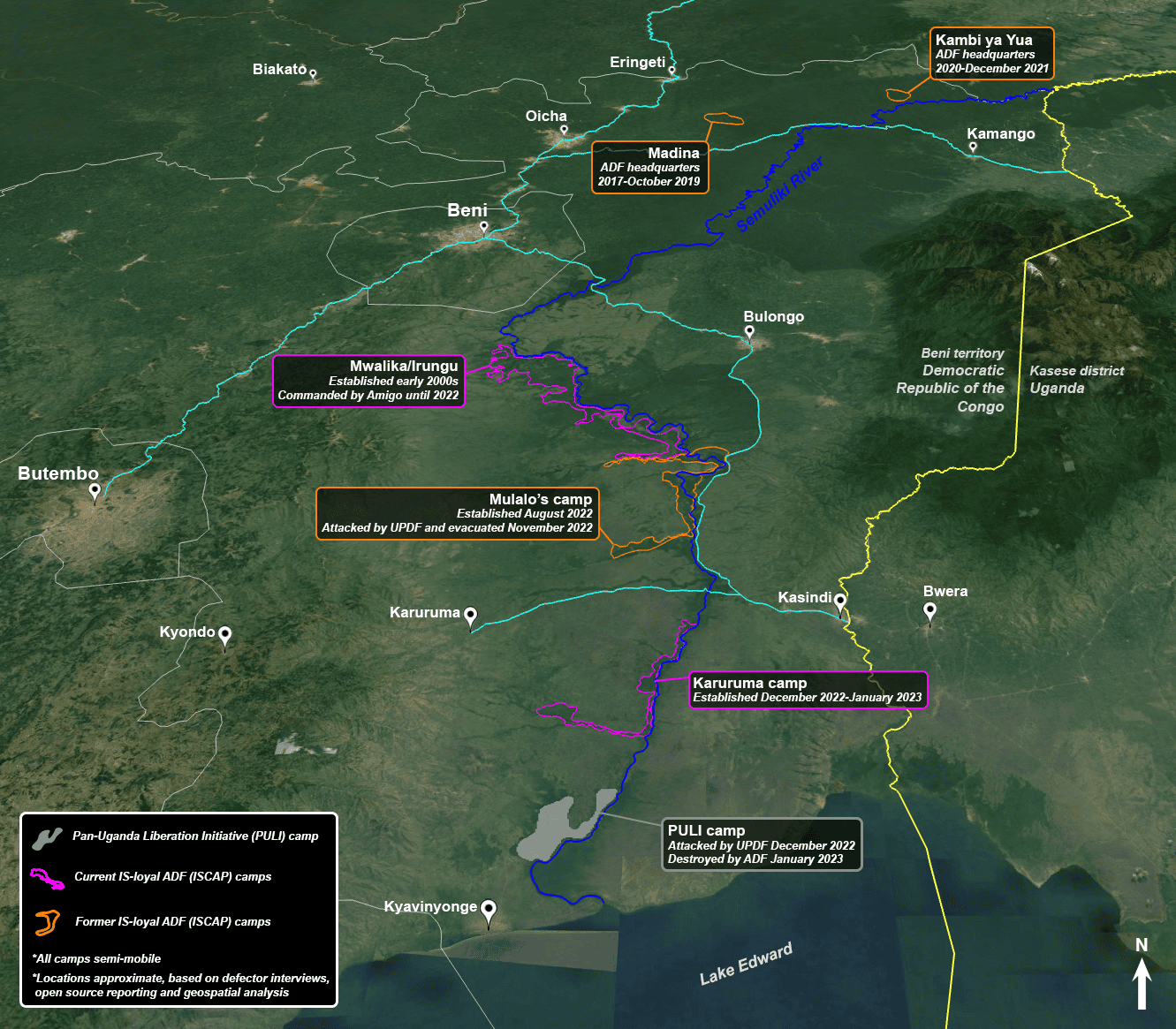
PULI: Uganda’s Other (Short-lived) Jihadi Group
The story of the Pan-Ugandan Liberation Initiative, a short-lived splinter faction of the more infamous Islamic State-loyal ADF that was destroyed earlier this year, provides important details and context in the ADF’s overall ideological trajectory and history.
-
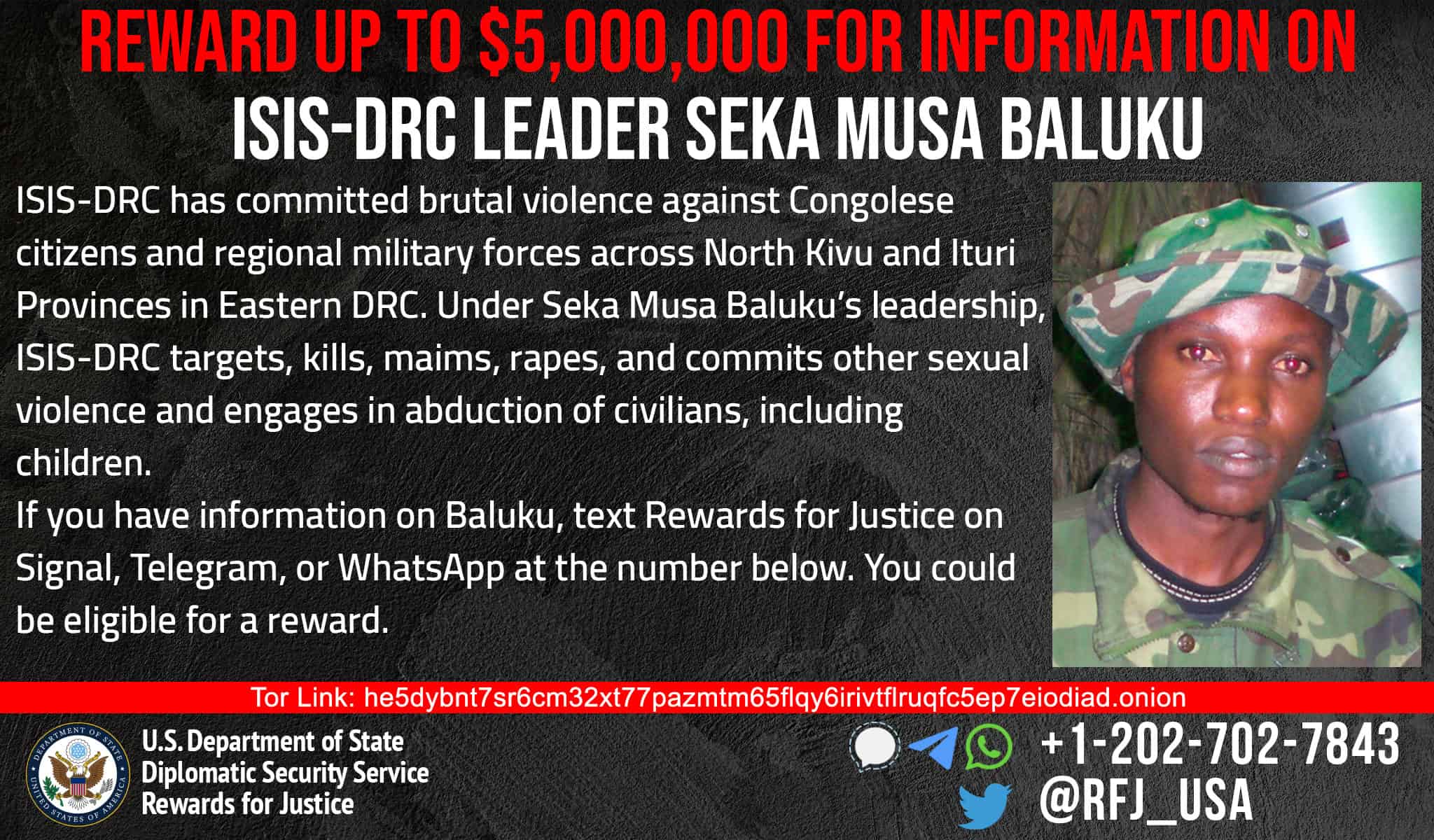
US adds $5 million bounty to the Islamic State’s leader in the DRC
Musa Baluku, the leader of the Islamic State’s Central Africa Province (known locally as the Allied Democratic Forces), has joins other infamous Sunni jihadists actively sought after by the United States government.
-
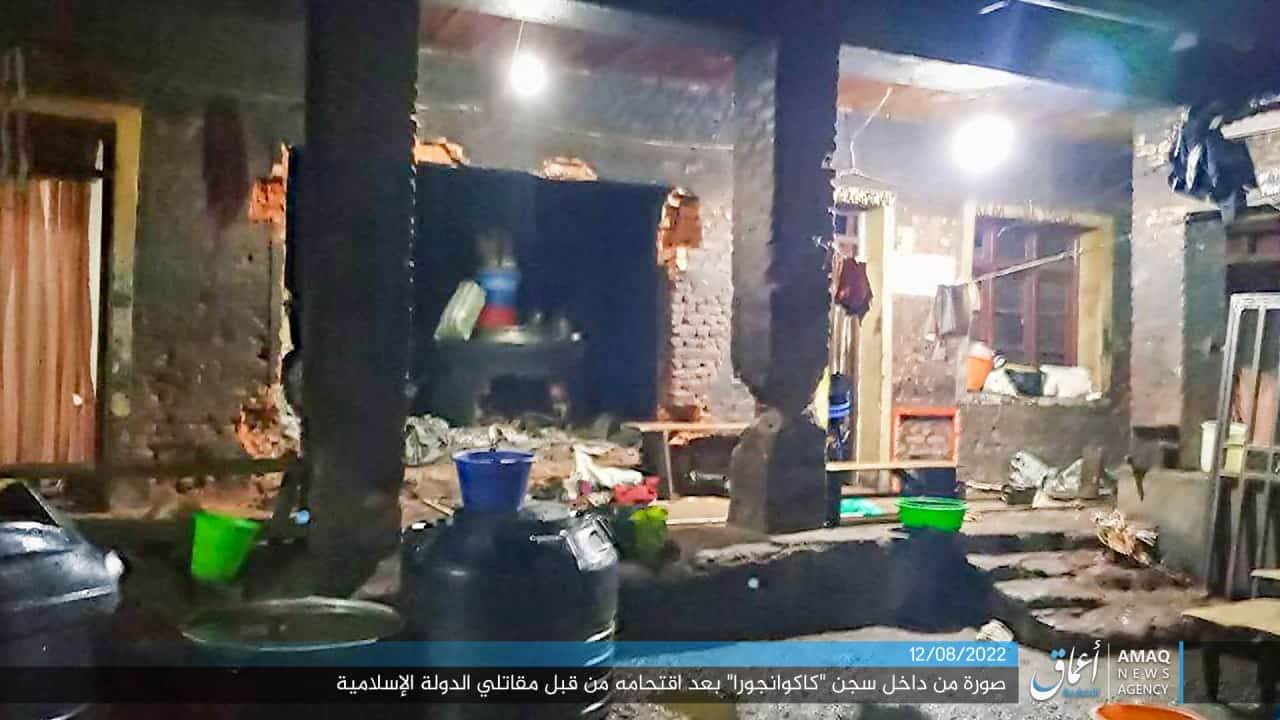
Islamic State conducts second major prison break in Congo
The raid also marks the first time that the Allied Democratic Forces, the local name for the Islamic State’s Central Africa Province, has struck inside Butembo city.
-
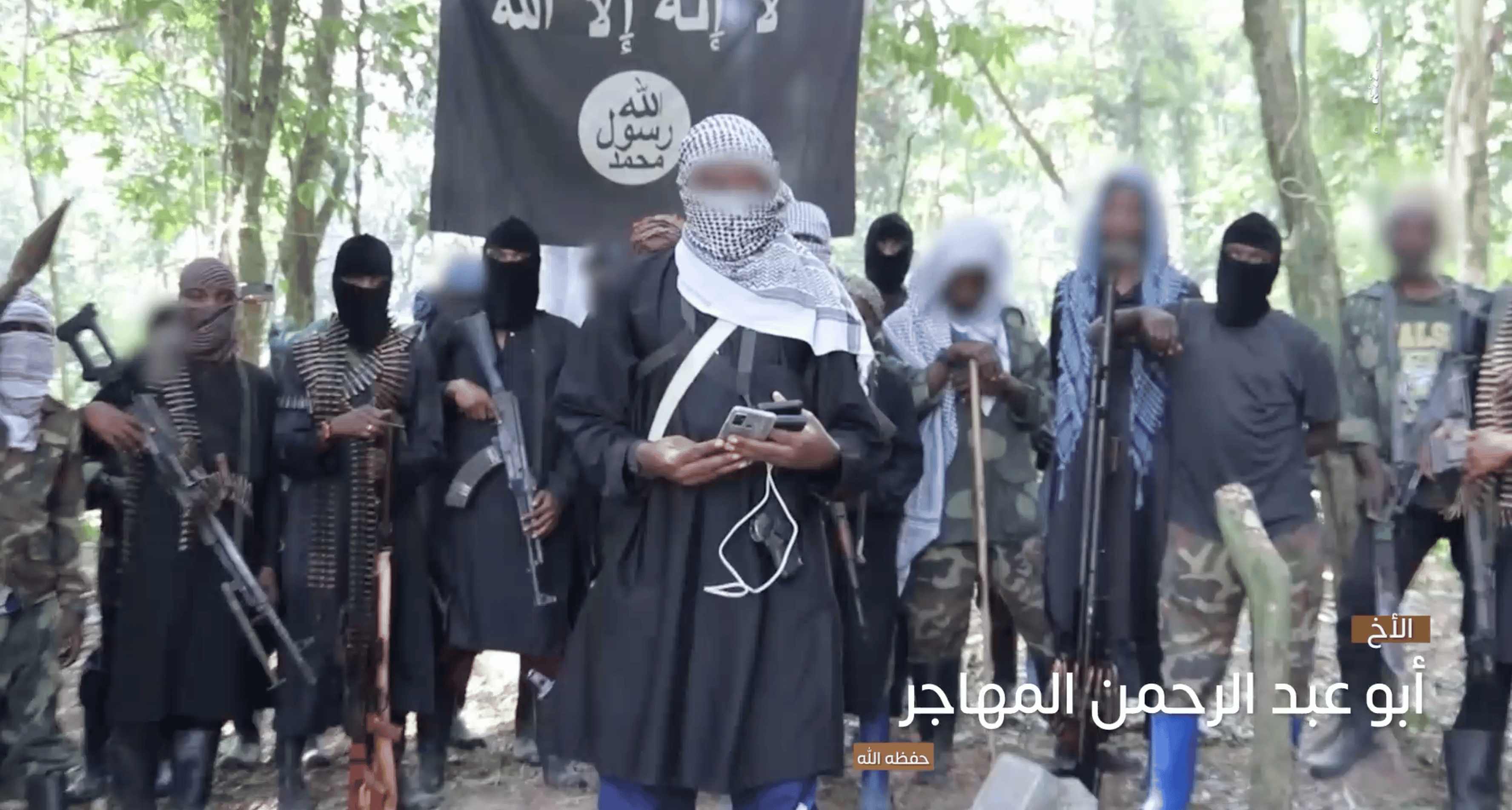
ADF renews pledge of allegiance to new Islamic State leader
The Islamic State’s Central African representative, locally known as the Allied Democratic Forces, recently re-pledged its allegiance to the Islamic State’s new overall leader, Abu al-Hassan al-Hashimi al-Quraishi.
-
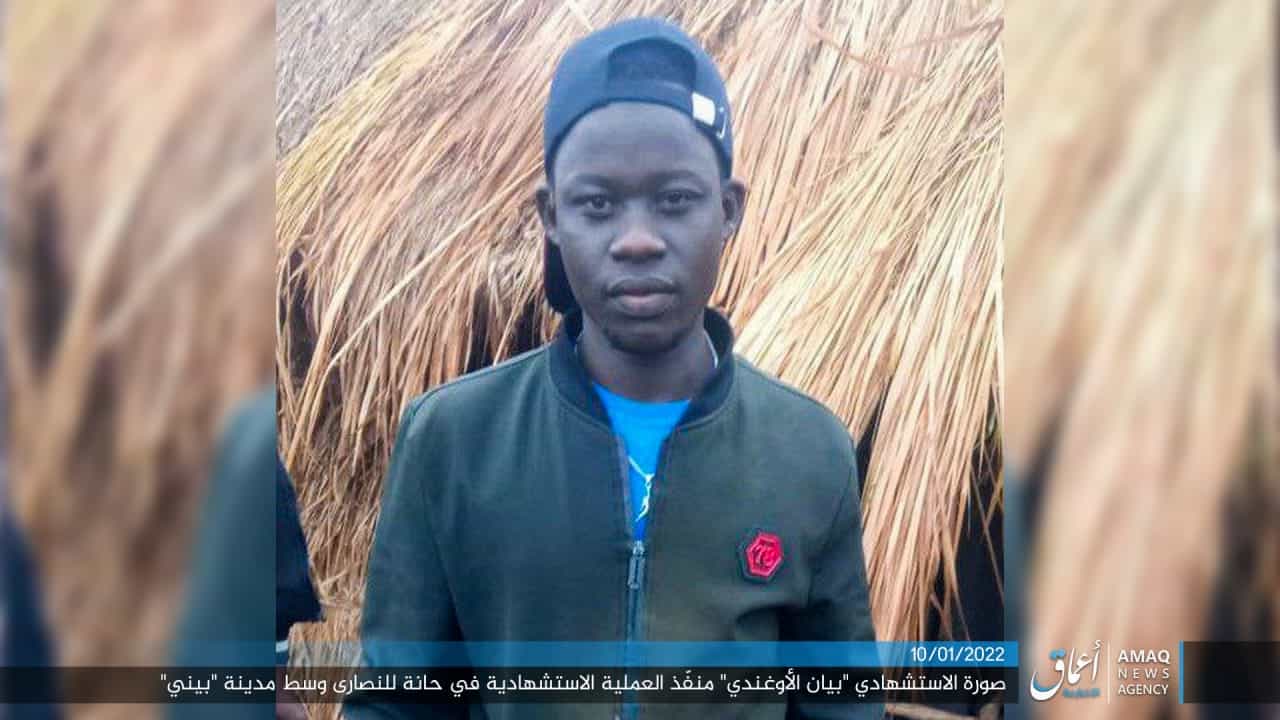
Islamic State claims Christmas day suicide bombing in Congo
Following a delay of over two weeks, the Islamic State has officially taken credit for the Christmas day suicide bombing in eastern Congo. The bombing is just the fourth such operation conducted by the Islamic State’s local wing.
-
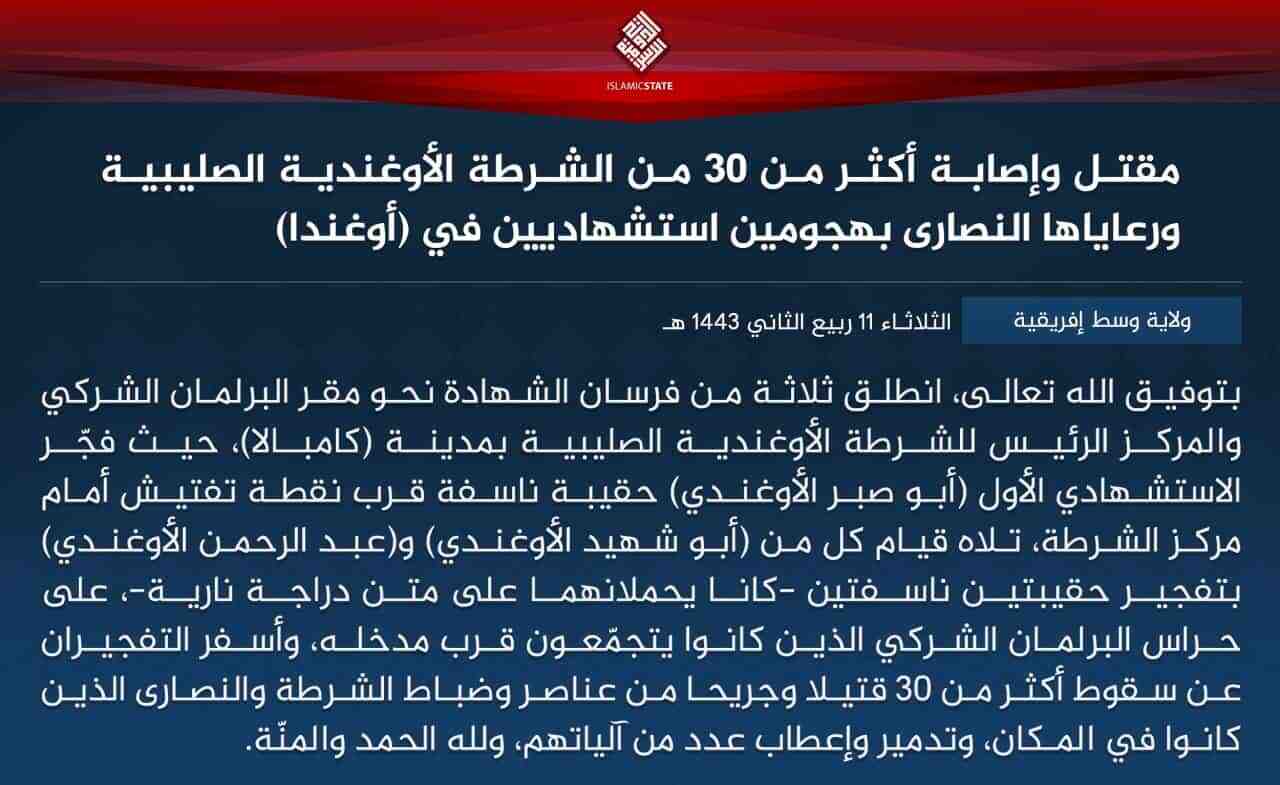
Analysis: Islamic State targets Uganda with bombings
The Islamic State has claimed a series of bombings, including suicide bombings, inside Uganda over the past month. This represents a significant shift in the overall threat from the Islamic State’s wing based in the DRC.
-
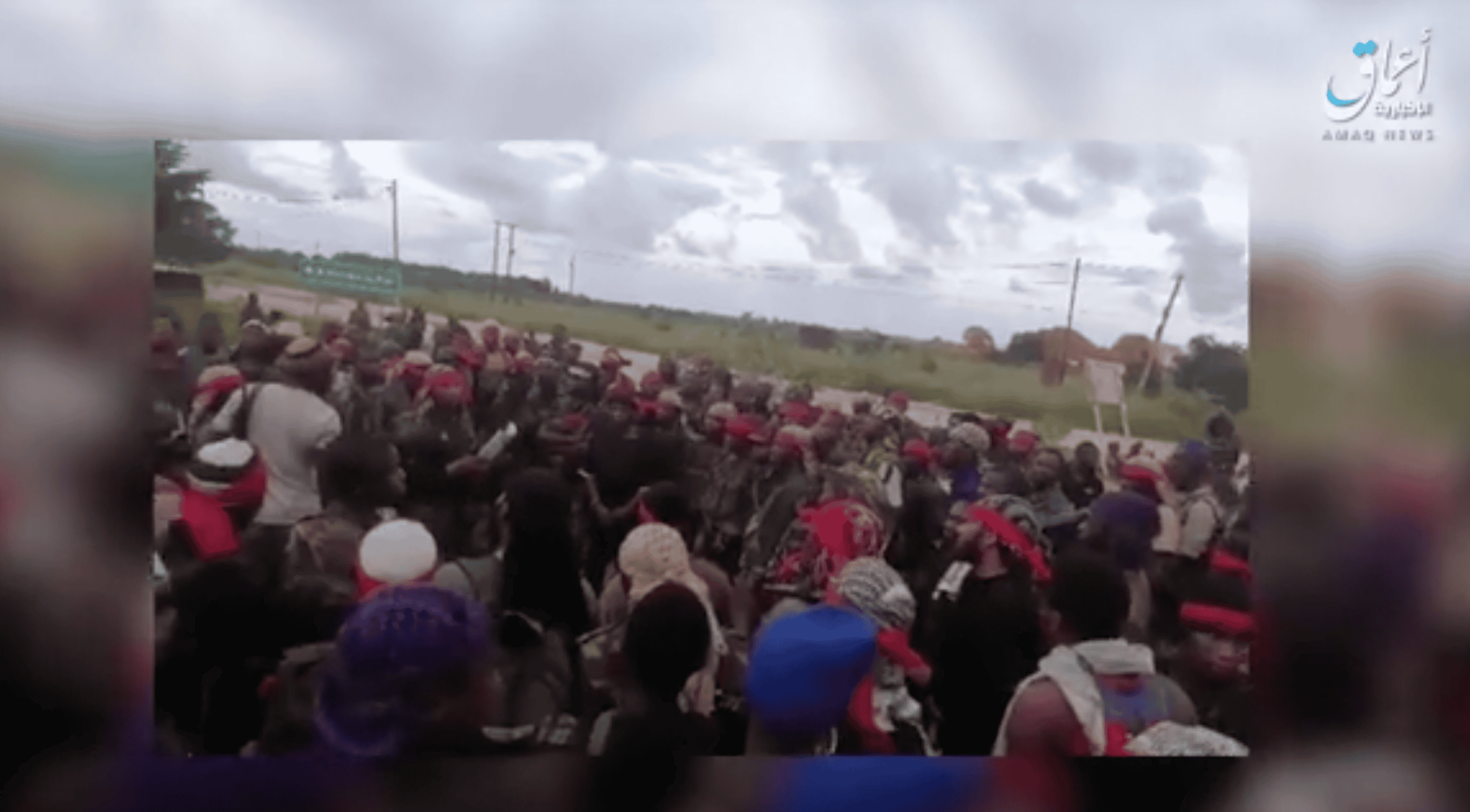
Islamic State claims capture of coastal city in Mozambique
Mozambique, however, claims the fighting is still ongoing for control over the city. If its capture is confirmed, this is the second major town to fall under the control of the Islamic State’s local wing.
-
State Department designates Islamic State in DRC, Mozambique
Both wings collectively represent the Islamic State’s Central African Province, which the UN recently noted as one of the Islamic State’s most ‘dependable’ affiliates.

-
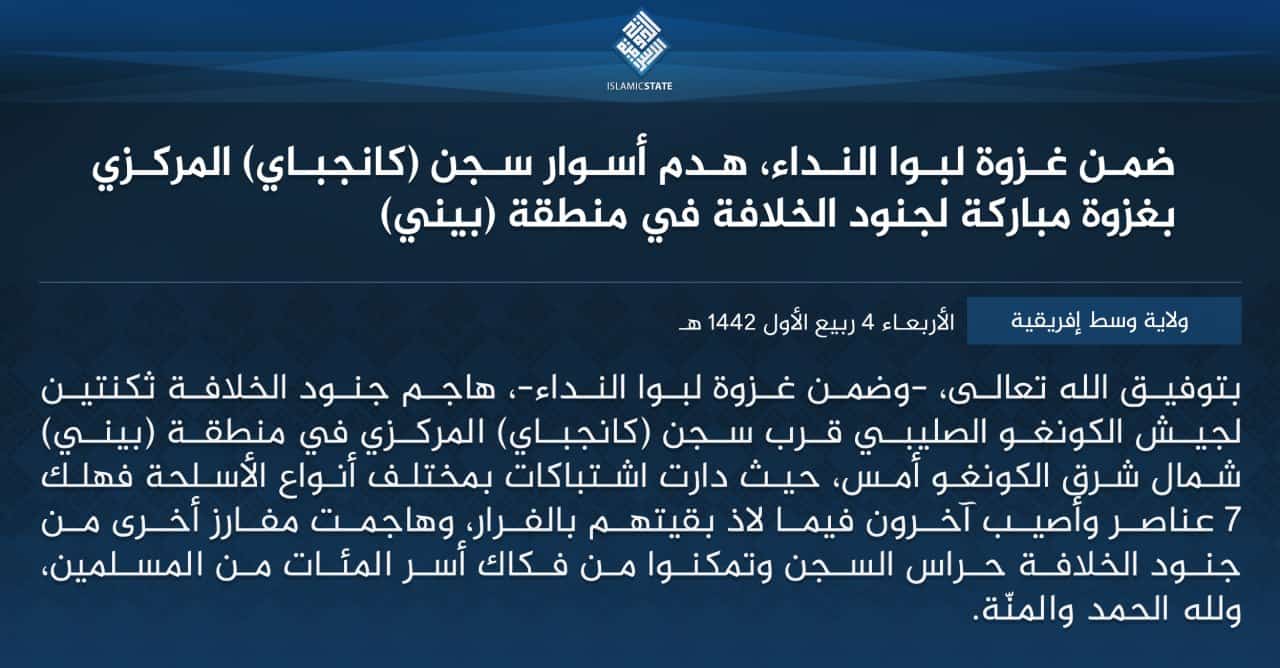
Islamic State links prison break in DRC to speech from its spokesman
Both the Islamic State and its local affiliate, the Allied Democratic Forces, have linked yesterday’s prison break in DRC to a recent speech by the official Islamic State spokesman.
-
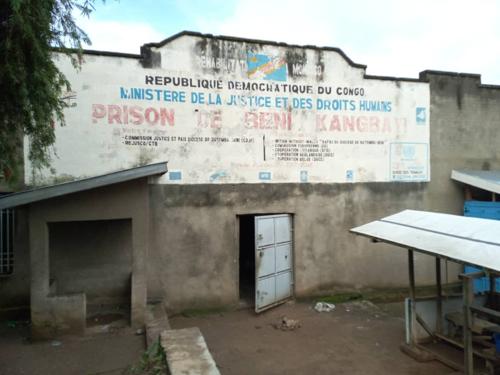
Islamic State claims prison break in the DRC
At least 1,300 inmates were freed in an operation conducted by the Allied Democratic Forces, the Islamic State’s local affiliate.
-
ISCAP Ambushes UN Peacekeepers in the DRC, Exploits Coronavirus
The Islamic State’s Central African Province in the Democratic Republic of the Congo has seen a rapid expansion in claimed activity in recent months. At the same time, it has tried to exploit the global coronavirus pandemic to recruit individuals.