-
IRGC-Qods Force commander Qaani travels to Iraq amid pressure over militia weapons
Gen. Esmail Qaani, commander of Iran’s Islamic Revolutionary Guard Corps-Qods Force (IRGC-QF), traveled to Iraq as Baghdad moves forward with legislation to place all weapons under state control. The visit came amid continued Iranian drone and missile attacks on Kurdish opposition groups in the Kurdistan Region of northern Iraq.

-
Houthis emphasize solidarity and coordination with Iran-led Axis of Resistance
The Houthis in Yemen reiterated support for their partners in the Iran-led Axis of Resistance, singling out Hezbollah in Lebanon and Hamas in Gaza. While leaving the door open to further involvement in the ongoing regional conflict, the group stopped short of saying it would join the fighting.
-
Israel reportedly targets Imam Hossein Division missile commander in Beirut strike
On May 28, Israel conducted its first strike in weeks targeting Beirut. The Israelis have yet to confirm it, but reporting indicates that the intended target was Ali al Hussaini, a commander in the Islamic Revolutionary Guard Corps-Qods Forces’ Imam Hossein Division. This division, whose origins were in the Syrian Civil War, has been reinforcing Hezbollah throughout the conflict with Israel that began in October 2023.
-
Iraq aims to select new PM as US warns of Iran-backed threats, IRGC-QF head visits
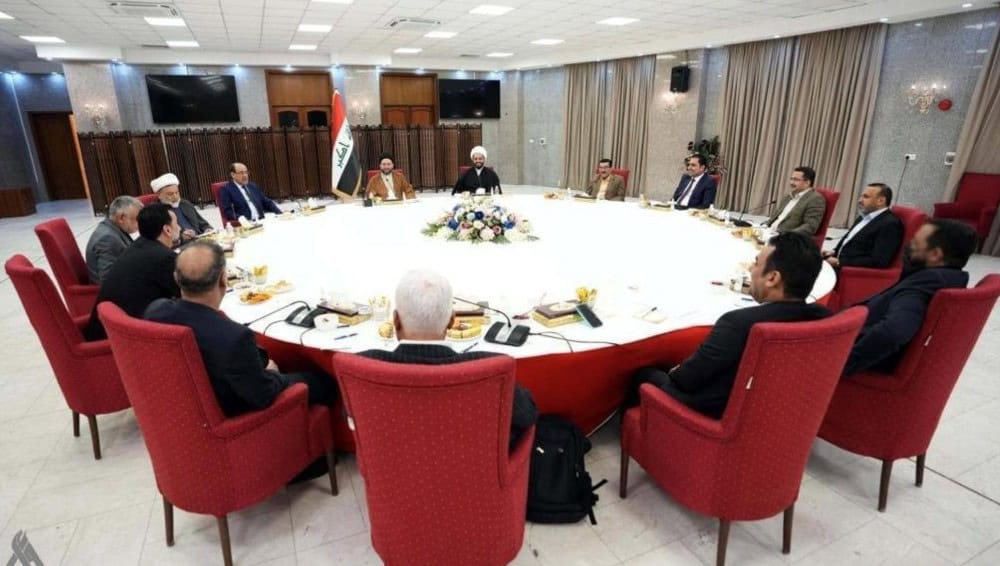
Iraq faces mounting political pressure as Shiite parties in the Coordination Framework (CF) seek to select a new prime minister amid tensions between the US and Iran. On the evening of April 20, the CF delayed its decision to nominate a candidate for the office until April 22. The US has reportedly paused some coordination with Baghdad pending investigations into attacks on US interests, and Iranian Islamic Revolutionary Guard Corps-Qods Force commander Esmail Qaani visited Iraq on April 19.
-
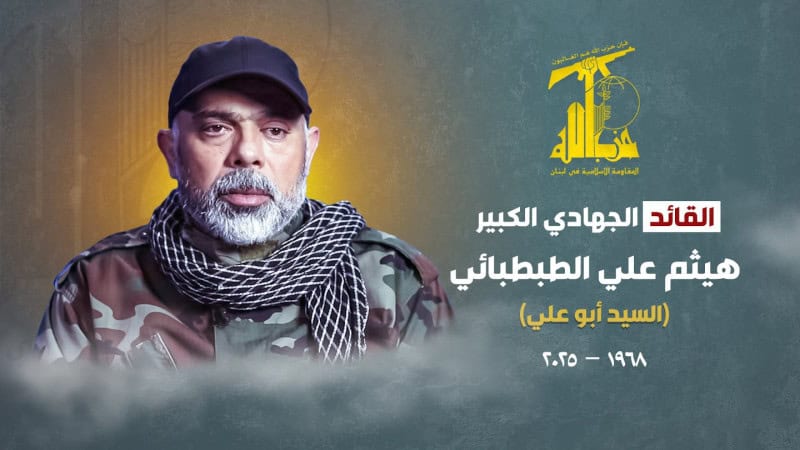
Israeli airstrike kills Hezbollah Chief of Staff Haytham Ali Tabatabai
An Israeli airstrike on an apartment building in Beirut’s southern suburbs killed senior Hezbollah figure Haytham Ali Tabatabai, along with four other members of the group. The strike is the most high-profile action taken against Hezbollah since the ceasefire between Lebanon and Israel began last November.
-
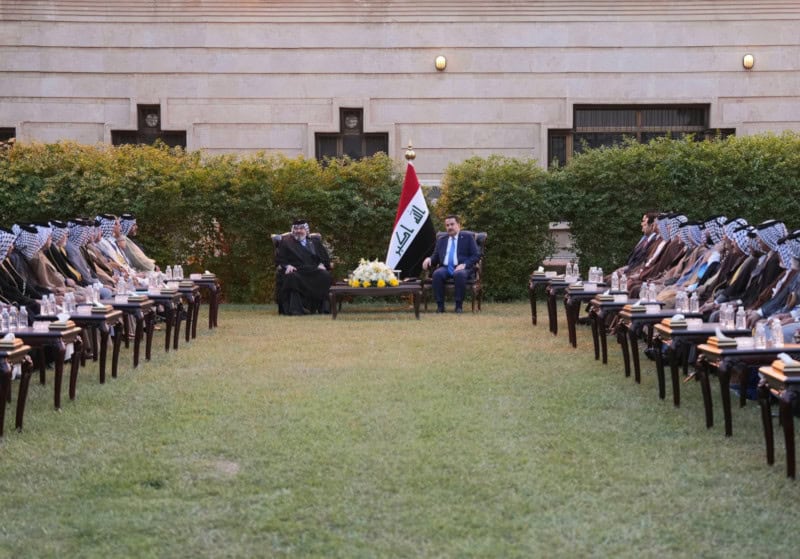
Iranian-backed Iraqi militias in spotlight after Secretary of State Rubio’s call with Prime Minister Sudani
US Secretary of State Marco Rubio spoke with Iraqi Prime Minister Shia al Sudani on October 21, discussing the “urgency in disarming Iran-backed militias that undermine Iraq’s sovereignty.” Sudani told the US to “avoid unilateral decisions in Iraq.” The call followed increased US sanctions on Iranian-backed militias in Iraq and individuals linked to them. Separately, Iraq’s National Security Advisor Qasim al Araji visited Iran and met with the head of the Islamic Revolutionary Guard Corps (IRGC), while IRGC-Qods Force Commander Esmail Qaani visited Iraq to discuss upcoming elections with Shiite political parties.
-
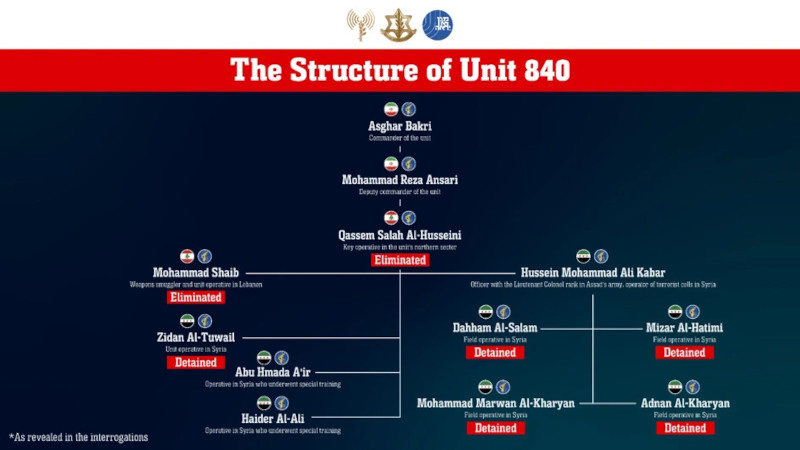
Israel strikes IRGC in Lebanon, reports Qods Force arrests in Syria
Israel killed Islamic Revolutionary Guard Corps (IRGC) and Hezbollah member Wissam Saeed Jubai in southern Lebanon and struck Hezbollah compounds in the Beqaa Valley as reports indicate Tehran is seeking new financial channels to sustain Hezbollah after Assad’s collapse. The IDF separately revealed the arrests of Qods Force Unit 840 operatives in Syria, part of Jerusalem’s renewed efforts against Tehran’s proxies in the Levant.
-
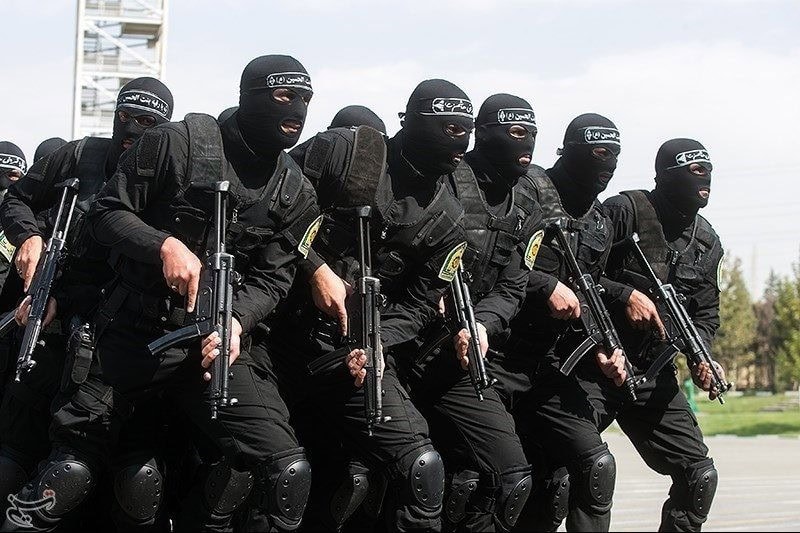
US, UK, EU allies condemn Iranian terror plots
Tehran’s aggressive global terrorism, intelligence, and repression operations are drawing sharper Western scrutiny. The US, the UK, and 12 allies condemned Tehran’s plots abroad, which it often outsources to criminal gangs. European states are investigating regime-linked mosques, while Iran passed a law to track expatriates under the guise of outreach.
-
Iran and its militias brace for another conflict with Israel
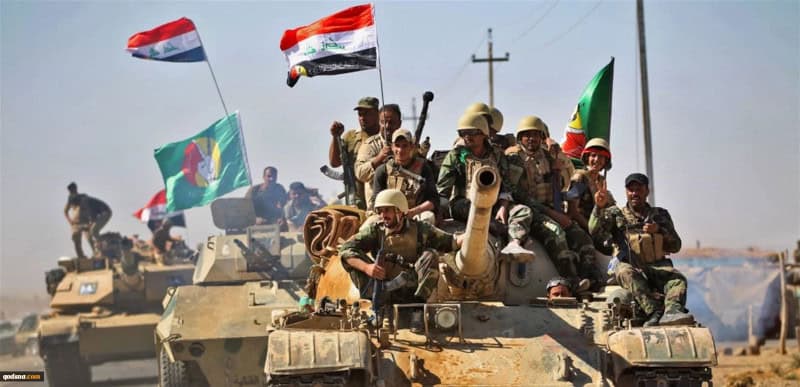
Tehran’s leaders anticipate another war with Israel and have instructed their proxies to remain on high alert for a potential attack wave. Jerusalem has not ruled out the possibility of a new conflict with the Islamic Republic and is optimistic about a green light from Washington.
-
Iran threatens Europe as France, Germany, and UK weigh snapback options
As France, Germany, and the UK weigh triggering snapback sanctions, Tehran has escalated its threats against Europe both rhetorically and operationally. Mohammad Javad Larijani, a senior advisor to the Supreme Leader, warned that Europeans “can no longer move about comfortably,” pointing to Iran’s growing drone capabilities as a tool of deterrence. From supplying Russia with drones for use in Ukraine to cultivating organized crime networks across Europe, the Islamic Republic is leveraging multiple pressure points to dissuade the E3 from restoring UN sanctions under Resolution 2231.

-
Israeli forces raid Iran-backed cell in Syria for second time
The Israel Defense Forces (IDF) apprehended members of a cell in Syria who were working on behalf of the Iranian Islamic Revolutionary Guard Corps-Qods Force, the IDF said on July 7. It was the second operation in two weeks in which the IDF targeted suspects linked to Iran’s IRGC-QF in southern Syria. Israeli units of the 210th Division continue to carry out operations in Syria, including on Mount Hermon and along the Golan border.

-
Israel Defense Forces raid Iran-linked terror cell in Syria
The Israel Defense Forces (IDF) apprehended suspects in Syria who are part of “a terrorist cell operated by Iran,” the Israeli military said on July 2, one of several recent raids it has conducted along the border to detain suspects. IDF Chief of Staff Eyal Zamir visited the Golan on July 1 and met with Israeli officers. “We must maintain a high level of alertness and keep our eyes open at all times,” he said.

-
Iraqi military bases targeted in overnight strikes
Suspected Iran-backed militias targeted bases in Iraq that are known to have housed US troops and contractors as the ceasefire between Iran and Israel took effect. The Trump administration did not respond to last night’s attacks or previous attacks against US forces in Iraq and Syria.
-
Israel eliminates a key link between Hamas and Iran
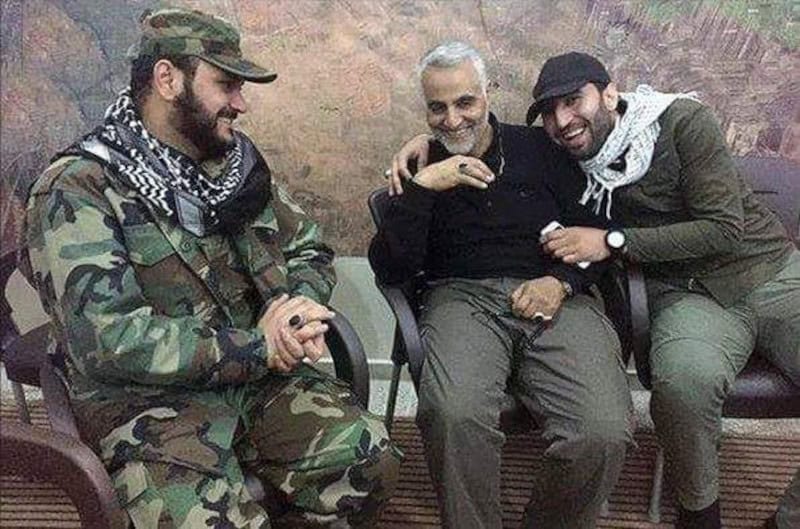
Israel killed a key Islamic Revolutionary Guard Corps-Qods Force (IRGC-QF) official who coordinated between Iran, Hamas, and other members of the Iran-led Axis of Resistance. The elimination is among the most notable high-ranking Iranian military officials killed in the current war.

-
Israel targets IRGC officials, nuclear scientist, and missile bases in Iran (June 22–21 updates)
Over the past 72 hours, Israel has intensified its air campaign across Iran, striking missile and drone infrastructure in Esfahan, Bushehr, Ahvaz, Yazd, and Qom. Targets included the Imam Hossein missile base in Yazd, IRGC drone and air defense facilities, and the Shahid Mostafa Khomeini military base. Senior IRGC and IRGC-Qods Force commanders tied to weapons transfers, regional proxy coordination, and nuclear development were killed. Despite Tehran’s calls for retaliation, Hezbollah, Hamas, and other allied militias have mostly stayed out of the fight so far.

-
Israel targets IRGC general and disrupts Iranian banks (June 17 updates)
As new operations unfold, Tehran appears cornered—its highest military leadership decimated, banking networks disrupted, and supreme leader underground. With Western powers weighing escalation, the coming days could determine whether this conflict ends in negotiation or spreads further across the region.

-
Israeli airstrikes eliminate senior Iranian military officials
Since the launch of Operation Rising Lion, the Israeli military has successfully eliminated key members of the Islamic Republic of Iran’s military leadership. Top leaders such as Mohammad Bagheri, Hossein Salami, and others are among the central figures in the regime’s military apparatus who were targeted in the opening hours of the conflict.

-
US adds Iran-backed Iraqi militia Kataib Imam Ali to list of terror organizations
Kataib Imam Ali is the sixth Iran-backed Shiite militia in Iraq that has been listed by the US as a terrorist organization. The group’s secretary general was previously designated for his ties to Iran’s Islamic Revolutionary Guards Corps–Qods Force and its former commander, Qassem Soleimani.

-
Iran named by Finland as foreign intelligence threat
Finland officially named Iran as a state actively conducting espionage operations within its borders, a designation previously reserved only for Russia and China. The regime in Tehran has accelerated terror plots and intelligence operations across the US, Europe, and Israel.

-
Analysis: Iran braces for potential conflict as 5th round of US negotiations ends inconclusively
Amid a stalled fifth round of negotiations in Rome, Iran has grown increasingly pessimistic about the prospects of reaching a deal with the United States. Tehran has responded to reported Israeli strike preparations with warnings of retaliation and appeals to the United Nations. Clashes with Israel in 2024 have left Iran militarily exposed, prompting Tehran to fear further escalation.

-
Iran’s Quds Force commander travels to Iraq ahead of Arab summit
Esmail Qaani, the head of Iran’s Islamic Revolutionary Guard Corps-Quds Force, arrived in Iraq on May 14 and met with Iraqi National Security Advisor Qasim al Araji. Qaani discussed a security agreement in which Iraq has vowed to crack down on Iranian dissident groups within Iraq. In addition, Iraq’s prime minister and foreign minister said weapons in Iraq should be in the hands of the state.

-
Iran braces for possible US attack amid proxy setbacks
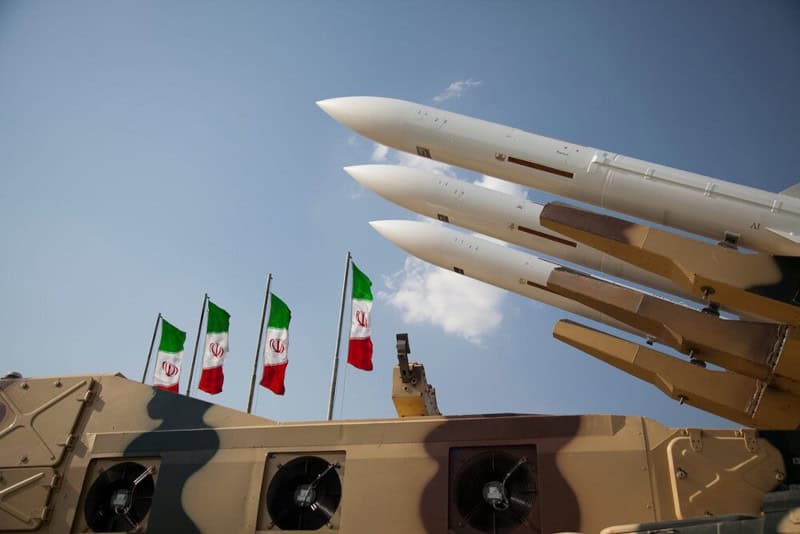
Amid mounting proxy losses and a major US military buildup across the Middle East, Iran has placed its armed forces on high alert and warned neighboring states against facilitating a potential American strike. Tehran is suffering setbacks in Iraq and Yemen while ramping up deterrence through inflammatory propaganda.
-
Iranian personnel leave Yemen as US strikes intensify
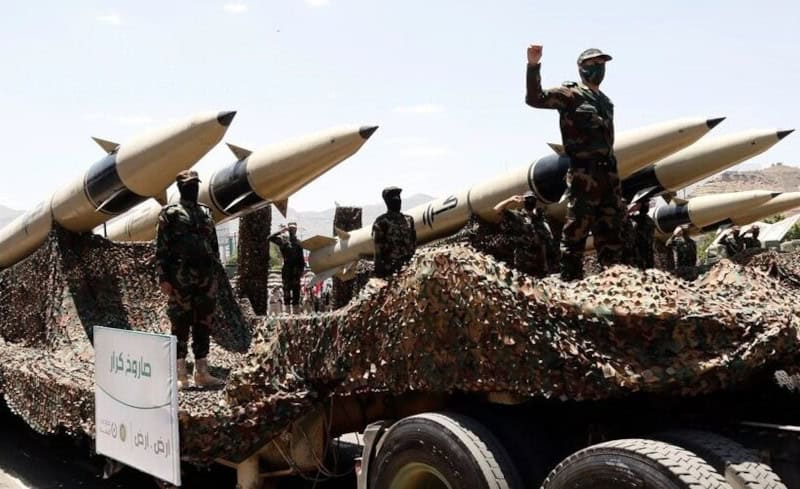
Iran has reportedly ordered its military personnel to leave Yemen amidst the growing US bombing campaign. The move reflects a broader pattern of the Islamic Republic recalibrating its regional strategy in response to the Trump administration’s moves to curtail Tehran’s influence in the Middle East and threats to potentially strike Iran’s nuclear sites.
-
Iran’s ties to Western organized crime networks
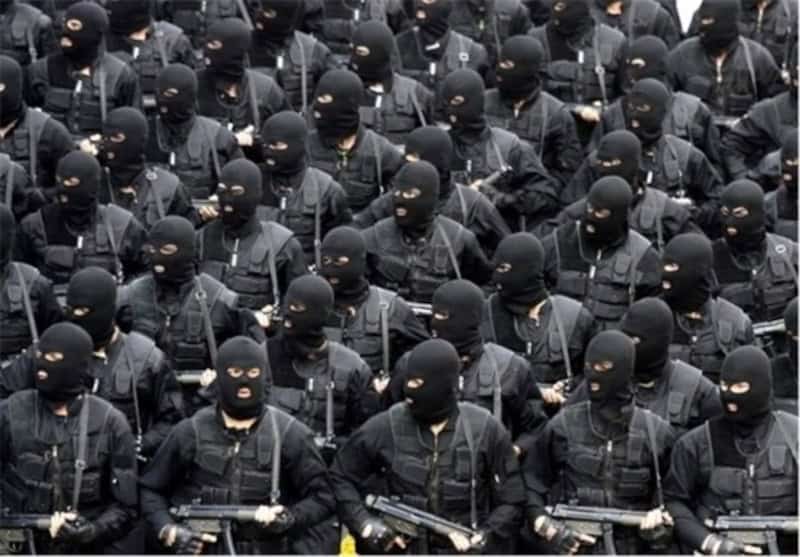
Tehran’s ambitions extend beyond backing Shia and Sunni Islamist groups in the Middle East. On March 13, the US Treasury Department sanctioned Sweden’s Foxtrot gang for its ties to the Iranian regime, underscoring Tehran’s longstanding practice of cultivating criminal networks across Europe and the Americas to assassinate dissidents and target American, European, and Israeli interests.
-
Pro-Iranian Iraqi militia leaders gather in Lebanon for Hezbollah leader’s funeral
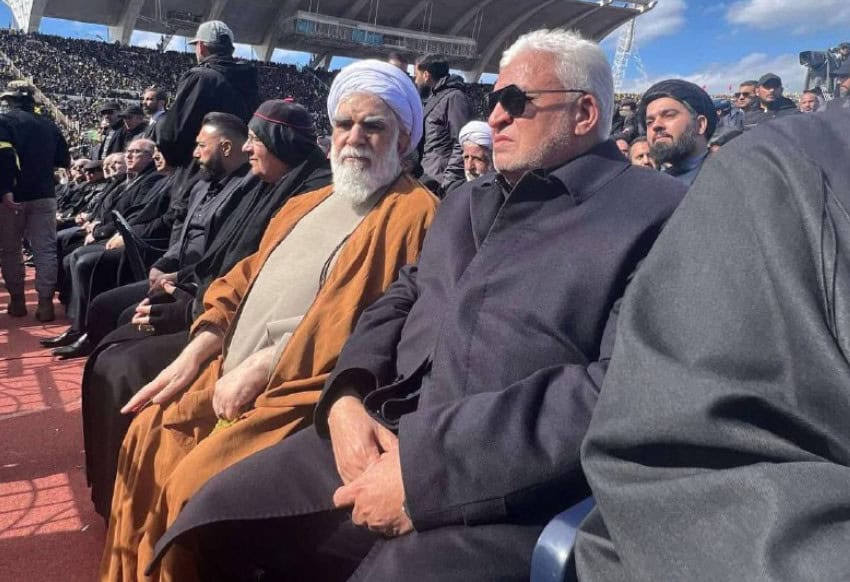
Falih al Fayyadh, the head of Iraq’s largely pro-Iranian Popular Mobilization Units (PMU), traveled to Beirut for the funeral of Hezbollah leader Hassan Nasrallah on February 23. Other senior members of pro-Iranian militias in Iraq also attended the funeral, and several militia leaders put out statements. Hezbollah-affiliated media claimed approximately 200,000 Iraqis came to Lebanon for the event, though this number is unverified.
-
Analysis: From Afghanistan to America: the rising reach of the Islamic State Khorasan Province
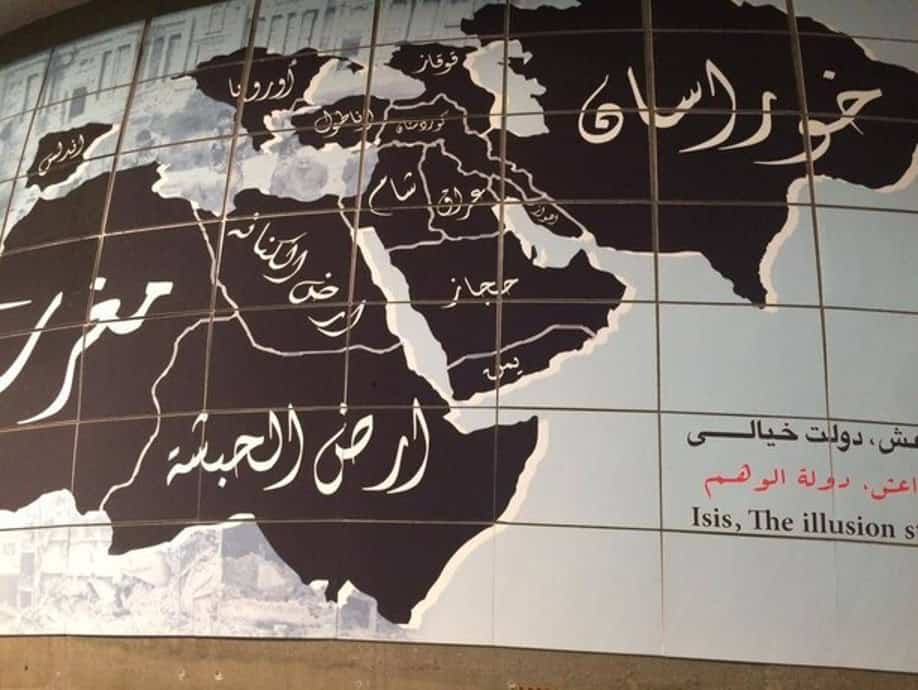
Four years after the US withdrawal from Afghanistan, the threat posed by the Islamic State Khorasan Province (ISKP) has expanded beyond the region, now endangering both America and Europe. With the group actively recruiting and transferring fighters across borders, regional actors such as the Taliban, Iran, Tajikistan, and Pakistan have proven unable to curb its growth.
-
The Islamic Republic’s internal messaging chaos: Unraveling Iran’s fear of public backlash amid escalations with Israel
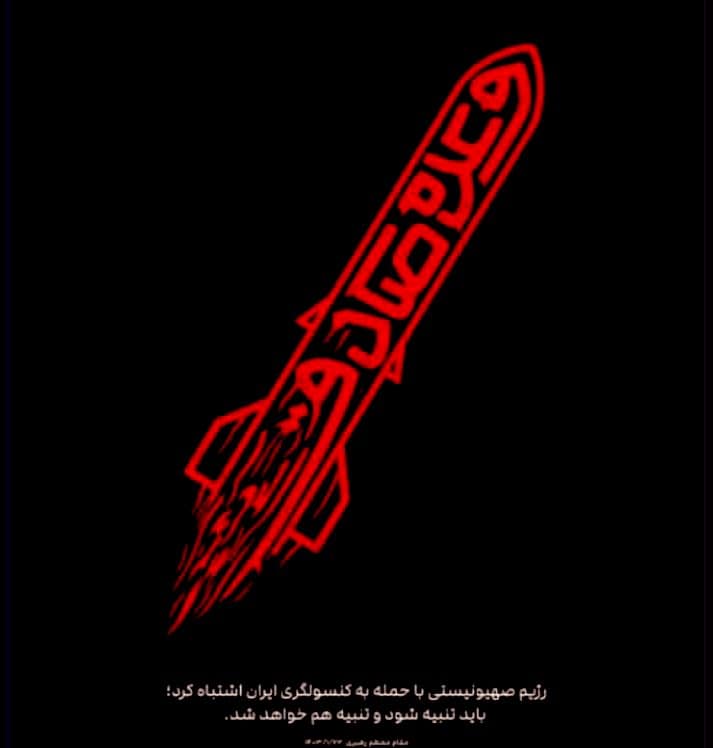
The Islamic Republic’s disorganized messaging on Israel tensions reflects its fear of public backlash, revealing internal coordination gaps and anxiety over criticism
-
Generation Jihad Ep. 144 — Battlefield innovation by Iran and proxy: “Expect more not less”
Bill and Behnam discuss reports of Iran sending ballistic missiles to Russia and the potential for subsequent U.S. sanctions on Tehran (and why that’d be insufficient); why the head of the IRGC Quds Force allegedly paid a recent visit to Iraq; an update on the Houthi-Gulf of Aden-Bab al Mandeb-Red Sea theater, including a new underwater drone threat and why if we happen to see the Iranians “de-escalate” in one theater it’s because they’re preparing to escalate in another (and not because they’ve been “deterred”).

-
U.S. adds Iranian-backed militia, five commanders, and an IRGC operative to list of designated terrorists
Kata’ib Sayyid al-Shuhada is led by Abu Mustafa al-Sheibani, who is directly responsible for the formation of the Shia terror groups in Iraq and the killing of American soldiers. An IRGC agent was also listed in the designation of Hezbollah Brigades leaders.
-
Analysis: Iranian state textbooks incite terrorism
Unsurprisingly, Iran’s official government textbooks continue to incite hatred, extremism, and terrorism.