-
IDF has hit 1,800 targets in Gaza since new operations began on March 18
The Israeli military has struck more than 1,800 targets since renewing operations in Gaza on March 18, 2025. “We are continuing with the operational pressure and tightening the ring around Hamas as needed, and if we see no progress in the return of the hostages, we will expand our activities,” Israel Defense Forces (IDF) Chief of Staff Eyal Zamir said on April 24.

-
Israeli operations in Lebanon against Hezbollah: April 21–April 27, 2025
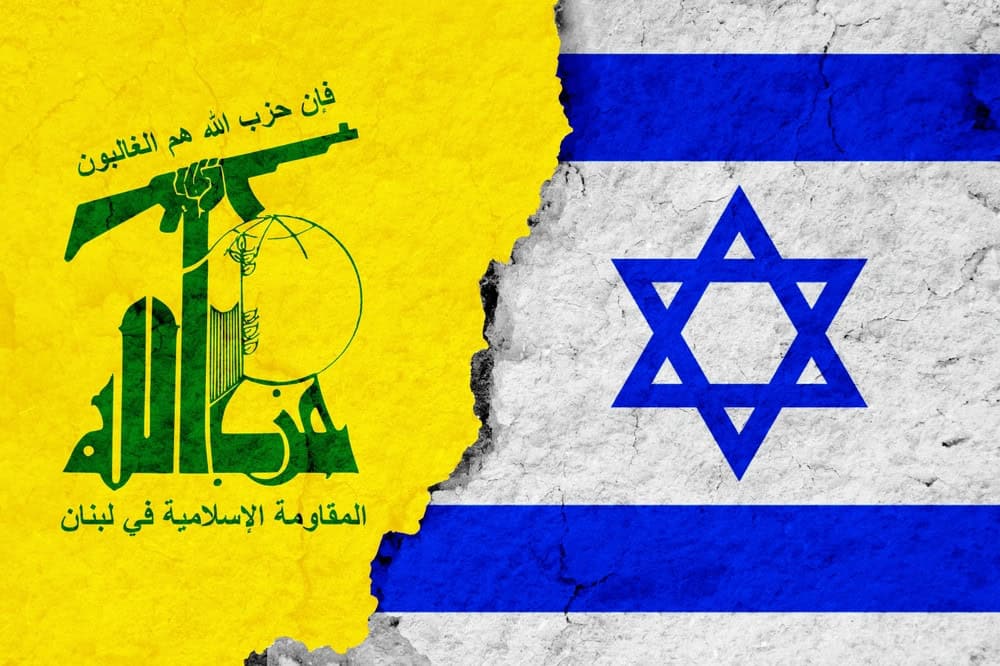
Israel continued operations in Lebanon between April 21 and April 27, 2025. These activities included targeted killings and the destruction of a Hezbollah precision-guided munitions storage facility in Beirut’s southern suburbs.
-
Hamas reportedly unable to pay fighters amid Israeli campaign against finances
Israel’s efforts against Hamas have included severing the Islamist organization’s funding lifelines in addition to sustained military pressure. A recent report indicates that Hezbollah is showing financial strain.

-
Israeli operations in Lebanon against Hezbollah: April 14–April 20, 2025
Israel continued operations in Lebanon between April 14 and April 20, 2025. This week witnessed an uptick in Israeli strikes against Hezbollah, including several assassinations of the group’s operatives and commanders.
-
IDF suffers first casualties since start of new Gaza offensive
One IDF soldier was killed and three soldiers wounded in northern Gaza, the IDF said on April 19. Israeli forces in northern and southern Gaza continue to dismantle terrorist infrastructure, and Hamas rejected an Israeli proposal for a hostage deal and demanded an end to the war. Israeli Prime Minister Benjamin Netanyahu said that Israel would not “surrender” to Hamas as part of a new hostage deal.

-
Israel kills Hezbollah Unit 4400 deputy commander amid allegations of continued smuggling
Israel killed Hezbollah Unit 4400’s new deputy commander, Hussain Ali Nasr. The Israel Defense Forces alleged that Iran and Unit 4400 continue to oversee weapons smuggling to Hezbollah, including through Beirut–Rafic Hariri International Airport.

-
Israeli operations in Lebanon against Hezbollah: April 7–April 13, 2025
Israel continued operations in Lebanon between April 7 and April 13, 2025, repeating a lower-intensity pattern from the previous week. The Israel Defense Forces targeted 10 areas and killed one mid-level Hezbollah commander and one Hezbollah operative.
-
IDF slowly moves forward to consolidate control in southern Gaza
The Israel Defense Forces (IDF) continued establishing operational control of southern Gaza, sending more forces, including infantry and armor, into the territory during the first week and a half of April. The IDF announced that it eliminated the commander of Hamas’s Sheijaiya Battalion on April 10. Israeli media reported that only 25 percent of Hamas tunnels have been destroyed, and the group’s battalions continue to operate in Khan Younis and Rafah.

-
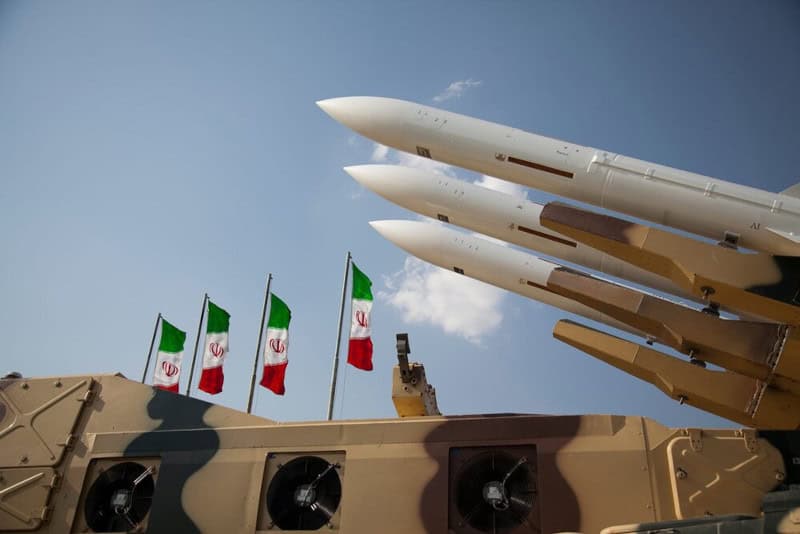
Iran braces for possible US attack amid proxy setbacks
Amid mounting proxy losses and a major US military buildup across the Middle East, Iran has placed its armed forces on high alert and warned neighboring states against facilitating a potential American strike. Tehran is suffering setbacks in Iraq and Yemen while ramping up deterrence through inflammatory propaganda.
-
Israel assassinates Hamas official in Lebanese city of Sidon
Israel assassinated senior Hamas official Hassan Ahmad Farhat in Sidon on Friday. The Israel Defense Forces said Farhat was responsible for attacks on Israel during the recent war, including the February 14, 2024, strike on Tzfat and continued planning attacks against Israel in recent months. Farhat’s son Hamzah, also a Hamas operative, and his daughter, Jinan, were killed alongside him.

-
Israeli operations in Lebanon against Hezbollah: March 31–April 6
Israel continued operations in Lebanon between March 31 and April 6, 2025, though there was a noticeable drop in number and intensity. However, Israel conducted two targeted killings in Lebanon: one in Beirut’s Dahiyeh neighborhood killed a Hezbollah commander and operative, and another in Sidon killed a Hamas commander and operative.
-
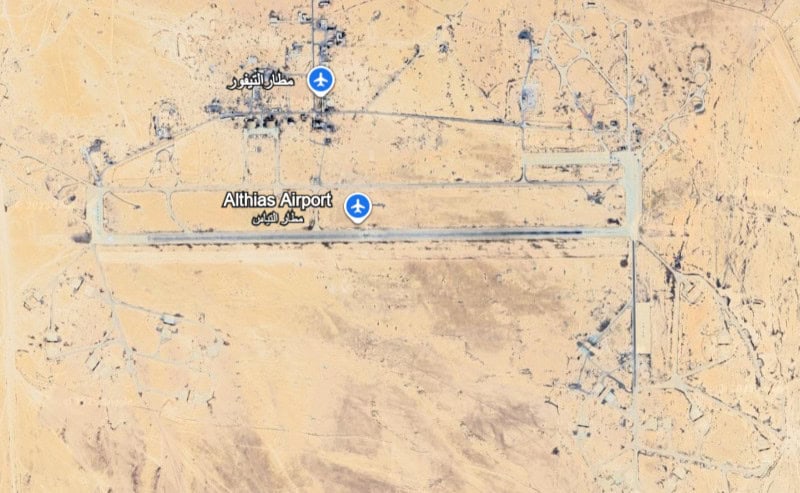
Turkey reportedly plans to take control of airbases in Syria
Turkish plans to establish a presence and air defenses on Syrian soil would hinder Israel’s operational freedom, a situation Israel is unlikely to accept in the post-October 7 Middle East.
-
Israel takes over new area dubbed ‘Morag Corridor’ in Gaza
On April 2, Israeli Prime Minister Benjamin Netanyahu said Israel was shifting gears in Gaza and taking over more areas. “We are also doing something else: We are seizing the Morag Corridor. This will be […] an additional Philadelphi Corridor,” Netanyahu said. The Morag Corridor separates Khan Younis from Rafah in southern Gaza. The IDF also called on Gazans to evacuate Rafah in south Gaza and Shejaiya in northern Gaza.

-
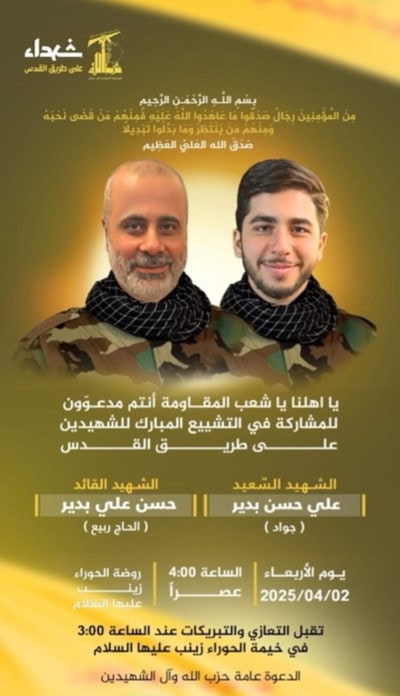
Israeli airstrike in Beirut kills Hezbollah commander, operative
The Israel Defense Forces conducted an airstrike in the Dahiyeh suburb of Beirut, the second in two weeks and since the November 27 ceasefire, that killed Hezbollah commander Hassan Badeer, his son (another Hezbollah member), and two others. Israel said Badeer was helping Hamas plan an imminent attack against Israeli civilians.
-
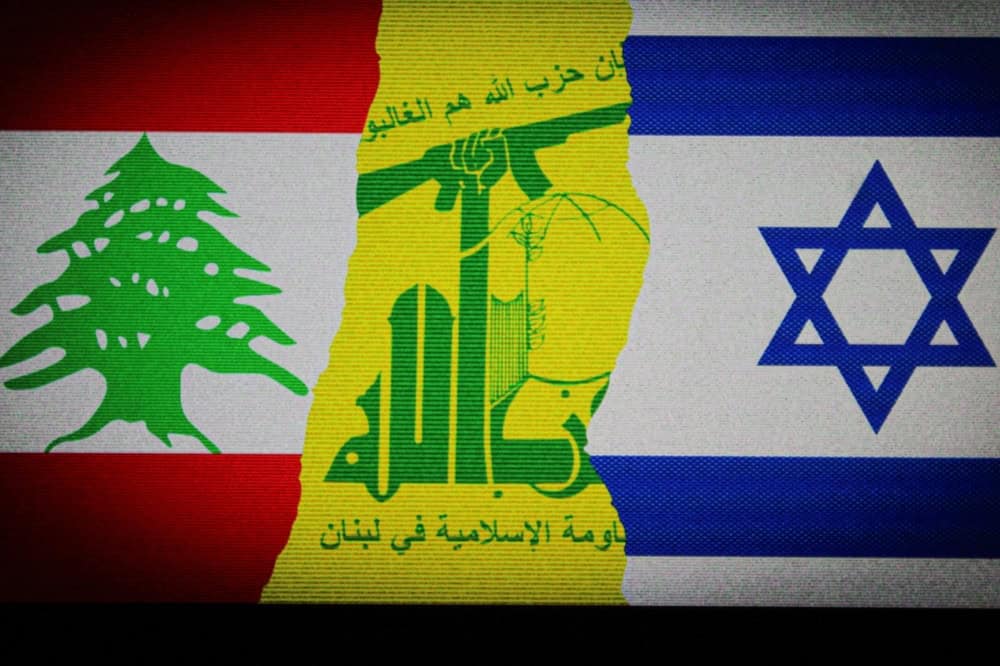
Israeli operations in Lebanon against Hezbollah: March 24–March 31
Israeli operations in Lebanon continued on a near-daily basis last week. On Friday, Israel struck in Dahiyeh, Beirut for the first time since the November 27 ceasefire, destroying a Hezbollah drone storage facility. Lebanese officials made equivocal statements on reining in Hezbollah.
-
Israel strikes Hamas vehicles, political leaders in Gaza
The Israel Defense Forces (IDF) carried out strikes targeting more than 100 pickup trucks used by terrorist groups in Gaza. The IDF continued to extend operations in northern Gaza’s Beit Hanoun and Tel al Sultan in southern Gaza. Elements of four IDF divisions are now active in the new operation, which began on March 18.

-
Israeli operations in Lebanon against Hezbollah: March 18–March 23
Israel conducted a series of operations in Lebanon between March 18 and March 23, targeting Hezbollah personnel and assets. On Saturday, in response to rocket fire from Lebanon, Israel launched its most expansive series of attacks in Lebanon since the November 27 ceasefire went into effect.
-
Israel strikes gunmen in southern Syria; Damascus says civilians killed
The Israel Defense Forces carried out an airstrike in southern Syria on March 25, stating it acted after gunmen fired on Israeli forces operating in the area. Syrian state media claimed that four civilians were killed. It is the latest clash in Syria as Israel continues to try to demilitarize the southern part of the country, an effort that has included airstrikes and ground operations in recent weeks.

-
Israel steps up ground ops in Gaza, threatens Hamas it will take more areas
The Israeli Defense Forces (IDF) have expanded ground operations in Gaza after launching a new operation on March 18. Operation Strength and Sword initially included airstrikes targeting Hamas officials, but the operations expanded on March 19 to limited ground maneuvers that have seized areas in southern, central, and northern Gaza. The IDF says the effort is designed to pressure Hamas to release the 59 hostages still held by the group.

-
Israel launches ‘extensive strikes’ against Palestinian terrorist groups in Gaza
After negotiations to extend the first phase of a ceasefire deadlocked, Israel conducted airstrikes against terrorist groups in the Gaza Strip. Hamas, Palestinian Islamic Jihad, and the Popular Resistance Committees acknowledged the deaths of several leaders.

-
Israel widens campaign against former regime military sites in southern Syria
The Israel Defense Forces (IDF) conducted airstrikes in southern Syria on the evening of March 17, targeting military command centers and “sites containing weapons and military vehicles belonging to the old Syrian Regime.” The operations are part of a widening Israeli campaign to demilitarize southern Syria.

-
Israel conducts strike targeting Palestinian Islamic Jihad in Damascus
The Israel Defense Forces (IDF) attacked a building in Damascus, Syria, on Thursday, stating it was a Palestinian Islamic Jihad command and control center. The IDF said it conducted the strike due to concerns about planned attacks against Israeli territory. The Israeli military has increasingly carried out strikes in recent months against former and current Syrian regime assets and various groups, including Hamas.

-
Israeli airstrikes target Hezbollah assets and personnel in south Lebanon
Israel conducted two sets of airstrikes in south Lebanon on March 11 that targeted Hezbollah operatives. The first targeted a senior Hezbollah aerial defense operative, whose fate remains unknown. The second set of strikes targeted Hezbollah members in south Lebanon. Hezbollah-affiliated media announced two of the group’s fighters were killed.
-
Israeli defense chief assesses military readiness along Israel’s border with Syria
Lieutenant General Eyal Zamir, the new chief of the General Staff of the Israel Defense Forces (IDF), visited Israel’s border with Syria on March 9. He traveled to IDF positions and met with commanders. It is his first visit to the border since assuming the role and part of a wider series of Israeli moves to bolster the border and warn the new government in Damascus to demilitarize southern Syria.

-
Analysis: A comparison of IDF and LAF activities in Lebanon post-November 27 ceasefire
A comparison of actions by the Israel Defense Forces (IDF) and Lebanese Armed Forces (LAF) in Lebanon after the ceasefire on November 27, 2024, demonstrates that the Lebanese have not taken significant action against Hezbollah.
-
Israel assassinates commander of Hezbollah Radwan Force’s seaborne forces
Israel assassinated Khodr Hashem, the commander of Hezbollah’s Radwan Force’s seaborn forces, in south Lebanon. Hashem was involved in armed activities and maritime weapons smuggling to Hezbollah before and after the November 27, 2024, Lebanon-Israel ceasefire agreement, activities which constituted a violation of the deal.

-
Nascent Syrian armed group emerges to confront Israeli forces
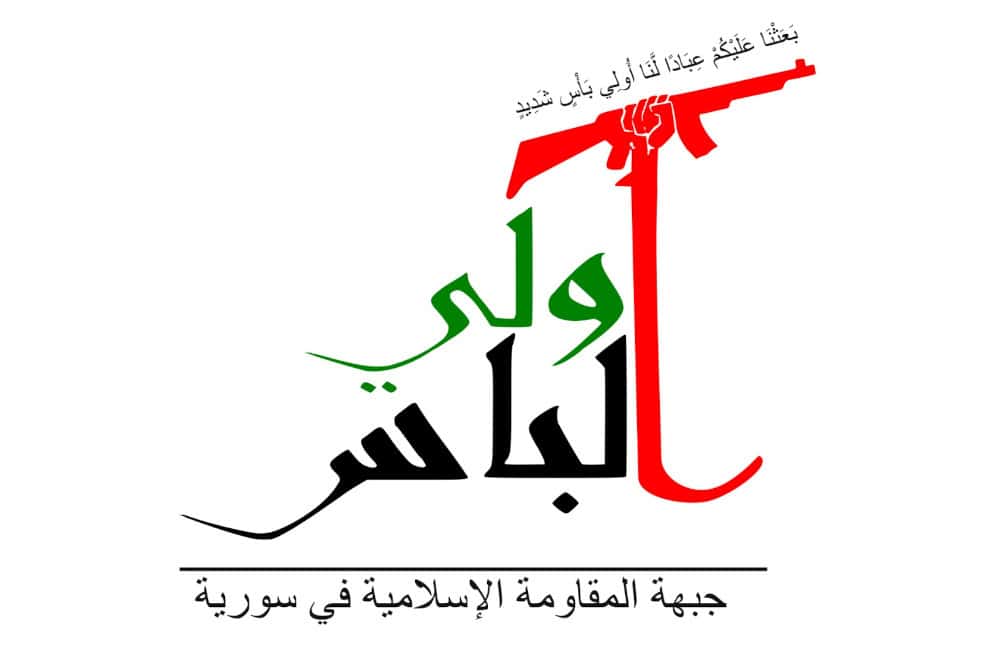
An armed group called the Islamic Resistance Front in Syria recently formed with a stated goal of countering Israel’s military presence in the Golan Heights.
-
Israel strikes southern Syria amid continued demands for demilitarization
The Israel Defense Forces (IDF) carried out airstrikes in southern Syria on February 25 after Israeli Prime Minister Benjamin Netanyahu and Defense Minister Israel Katz said that southern Syria must be a demilitarized zone. Local reports said that the strikes hit several areas in Daraa province, not far from Israel’s Golan Heights.

-
Analysis: Hamas begins to publish the names of its dead members
After mostly maintaining silence about the deaths of its members, Hamas has started to acknowledge their fate.

-
Analysis: Israeli forces eliminate two wanted West Bank gunmen
Israeli forces located and killed Muhammad Nazzal and Katiba Shalabi, both of whom were affiliated with Palestinian Islamic Jihad and wanted for the murder of three Israelis in the West Bank on January 6.