-
Analysis: Iran threatens Israeli civil and nuclear infrastructure on October 7 anniversary
On the anniversary of the October 7 terrorist attack, the Islamic Republic has pledged to target Israeli cities and critical infrastructure while US and Israeli officials consider their options in response to Tehran’s second ballistic missile assault. With Israel’s air defense capabilities demonstrating superiority over Iranian missiles and the military setbacks suffered by the regime’s proxies, Tehran has increasingly diminished its leverage over Jerusalem. This shifting dynamic offers Israel a strategic opportunity to target the regime’s nuclear facilities, addressing the primary existential threat it faces.

-
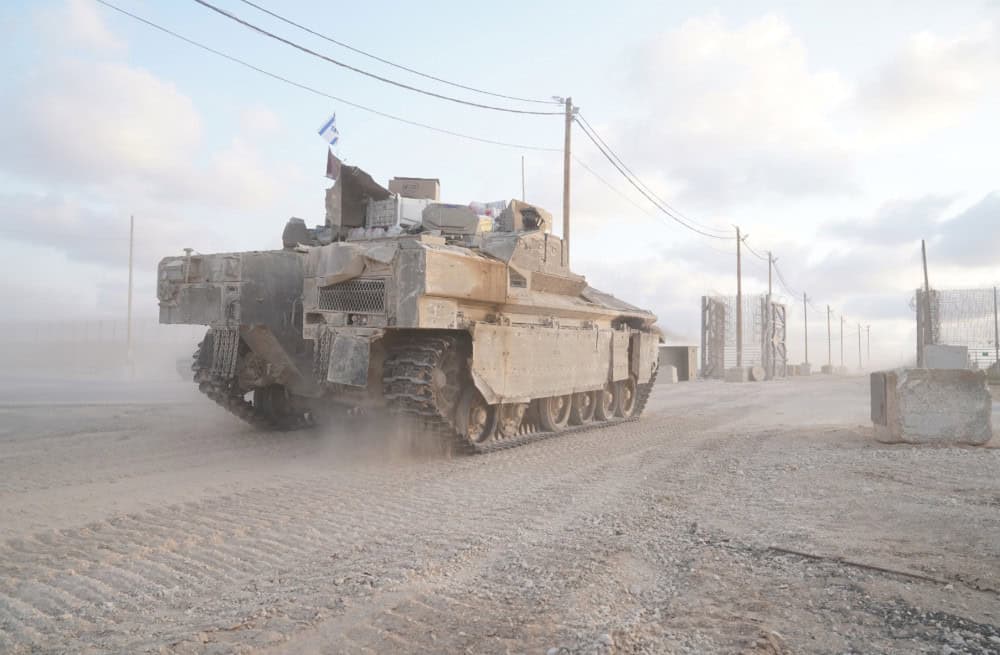
IDF returns to northern Gaza’s Jabaliya neighborhood
The Israel Defense Forces (IDF) launched a new operation in northern Gaza directed at Hamas terrorists in Jabliya, an area the IDF has cleared three times during the war. The new operation, launched as Israel prepares for the anniversary of the October 7 attack, began after the Israeli military detected evidence that Hamas was seeking to rebuild its forces there.
-
IDF suffers first casualties in Lebanon as 2nd Division begins ops
The Israeli military suffered its first casualties in southern Lebanon battles with Hezbollah on October 2. Eight soldiers were killed in one incident and a ninth in a second clash, according to Israel Defense Forces (IDF) reports from October 2 and October 3. The IDF struck approximately 200 Hezbollah targets and estimated it eliminated 60 of the group’s members. During the same two days, Hezbollah launched 360 projectiles at Israel. In addition, the IDF downed several drone threats off the coast. Two Israeli divisions, the 98th and the 36th, are now operating in southern Lebanon.

-
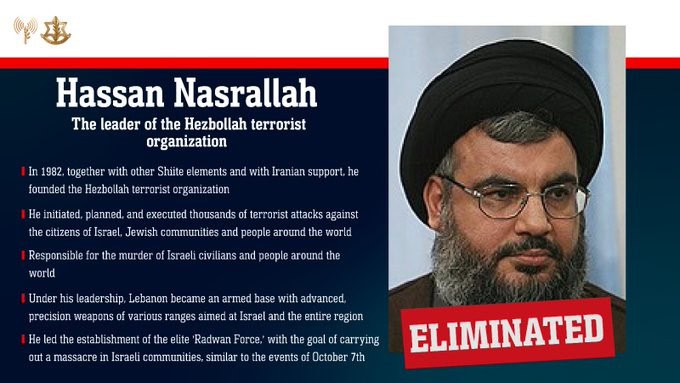
Analysis: The impact of Israeli operations on Hezbollah’s organizational structure
A breakdown of the Hezbollah officials Israel has assassinated, those who remain, and the impact on the organization and its durability.
-
IDF begins Lebanon ground operation, Iran launches 180 ballistic missiles at Israel
The Israel Defense (IDF) Forces began a ground operation in southern Lebanon against Hezbollah, led by the IDF’s 98th Division. The IDF described the offensive as “localized, and targeted ground raids based on precise intelligence against Hezbollah terrorist targets and infrastructure in southern Lebanon.” Iran launched 180 ballistic missiles at Israel, while Hezbollah fired rocket barrages at northern and central Israel.

-
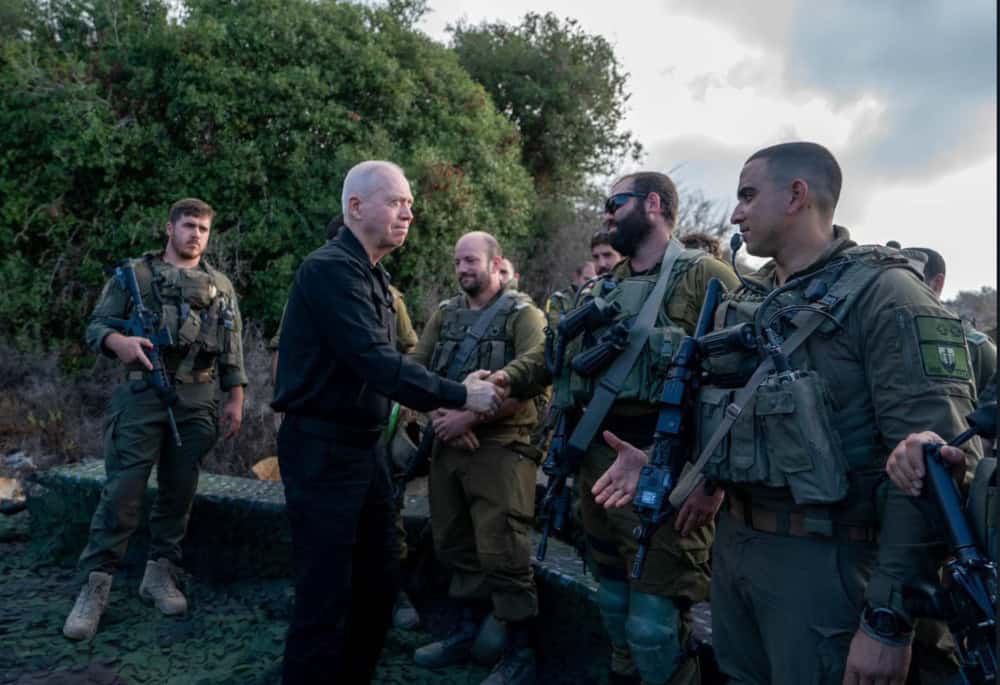
Israel’s defense minister meets IDF armored brigade in northern Israel as wider war looms
Israeli Defense Minister Yoav Gallant met with IDF troops from the 188th Armored Brigade. Israeli officials, such as Gallant, and senior commanders have been meeting with IDF troops deployed in the north over the past week, hinting that a ground operation could begin against Hezbollah.
-
Hezbollah chief Hassan Nasrallah eliminated in Beirut airstrike
The Israeli military and Hezbollah have both acknowledged the death of Hassan Nasrallah following an Israeli airstrike in Beirut on Friday.
-
Israel’s Northern Command prepares for possible ground operation
The Israel Defense Forces (IDF) called up two reserve brigades as Operation Northern Arrows entered its third day. The Israeli Air Force continued to conduct strikes against Hezbollah targets in Lebanon. In addition, Major General Ori Gordin, head of the IDF’s Northern Command, spoke to Israel’s 7th Armored Brigade and urged them to be ready for possible ground operations in the north. Hezbollah launched a ballistic missile toward Tel Aviv and struck Safed and other areas in northern Israel.

-
Analysis: Tehran’s damage control tactics amidst Hezbollah’s setbacks
The Iranian regime’s current strategy seems focused on damage control, as it believes maintaining a foundation allows it to eventually regain influence in southern Lebanon. The Islamic Republic aims to create an image of total warfare through a series of calculated proxy attacks. This approach not only projects strength to its supporters but also bets on the possibility that the United States will pressure Israel to stop its strikes against Iranian militias.

-
Israel strikes more than 1,300 Hezbollah targets in Lebanon
The Israeli Air Force struck 1,300 Hezbollah targets with 1,400 munitions on September 23. The strikes were the largest since Hezbollah began its attacks on Israel in October 2023. Hezbollah launched long-range rockets at Israel, targeting Haifa and areas close to central Israel for the first time in 11 months. Israel’s Defense Minister said “tens of thousands of rockets have been destroyed” in the IDF strikes on Hezbollah, decreasing the Iranian-backed terrorist group’s arsenal.

-
Israel hits Hezbollah again as top general vows to deliver “blow after blow” against the group
The Israel Defense Forces launched wide-ranging airstrikes on Hezbollah after previously carrying out a strike in Beirut that eliminated 16 of the group’s top commanders. More than 150 Israel Air Force warplanes participated in the attacks, and Hezbollah launched more than 150 rockets, missiles, and drones at Israel during roughly the same period.

-
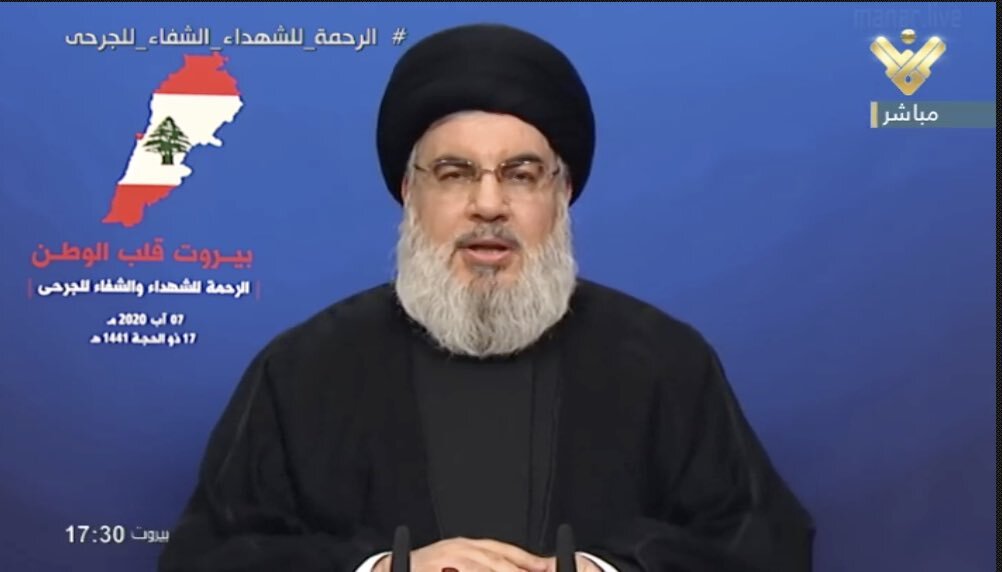
Analysis: Nasrallah throws down the gauntlet to save face for twin telecommunications attacks
Hezbollah Secretary-General Hassan Nasrallah’s speech on Thursday afternoon was a difficult exercise in damage control after Israel’s attacks on September 17 and 18.
-
Analysis: Israel humbles Hassan Nasrallah and Hezbollah
After a week of exploding pagers and radios, Israel carried out a significant and successful strike targeting Hezbollah military leaders in Beirut.

-
Israel prepared for Hezbollah response after Beirut strike
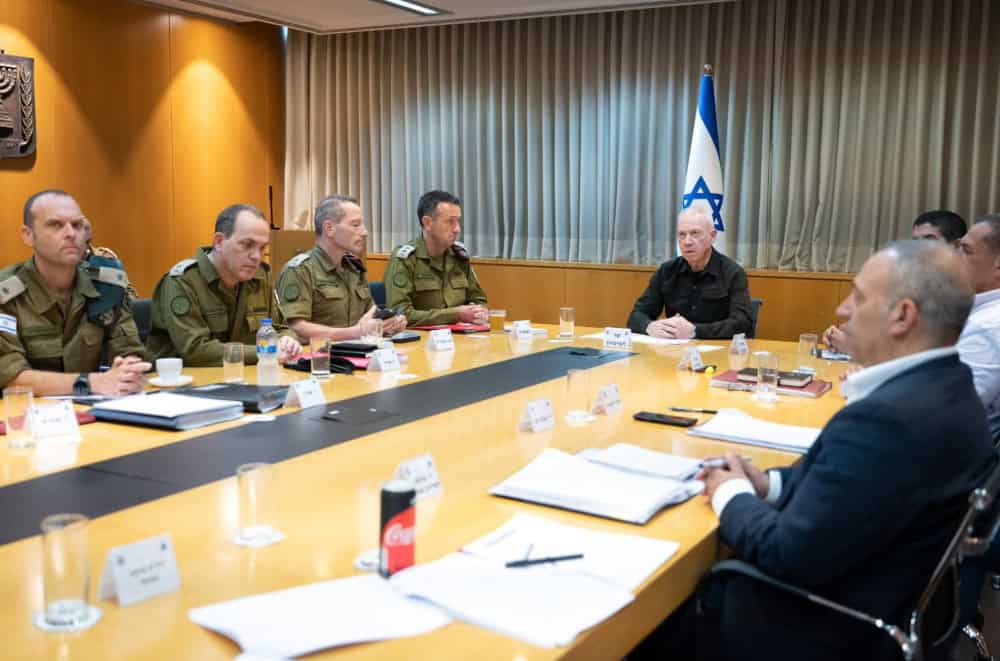
On September 19, the IDF asked residents of several northern towns and the city of Safed to adhere to special restrictions due to possible escalation with Hezbollah in Lebanon. On September 20, the IDF lifted the restrictions, even as Israel carried out an airstrike in Beirut that eliminated a Hezbollah leader and key Hezbollah commanders. The IDF Chief of Staff met with the head of the IDF’s Northern Command and IDF Division commanders, while Israel’s Minister of Defense also held key meetings about Israel’s new initiatives against Hezbollah.
-
IDF prepares for possible Hezbollah escalation after pager op in Lebanon
The Israel Defense Forces (IDF) head of Northern Command said the IDF is at “peak readiness” amid escalating tensions with Hezbollah. After thousands of pagers used by Hezbollah exploded on September 17, more devices exploded on September 18. IDF Chief of Staff Lieutenant General Herzi Halevi visited Israel’s Northern Command, and the IDF deployed its elite 98th Division to the north amid tensions.

-
IDF’s multi-front challenge: From Rafah to Lebanon
The IDF said it had dismantled the Rafah Brigade of Hamas on September 12, and over four months of fighting, an estimated 2,000 terrorists were killed in Rafah and its environs. Thirteen kilometers of Hamas tunnels, divided into a total of 203 tunnels, were found and destroyed by the IDF. Hezbollah increased its attacks on Israel on September 12 and September 13. Barrages of rockets targeted Safed and Israeli communities near the Mediterranean coastline, sparking fires.

-
IDF targets Hezbollah’s Radwan Force commander
Hezbollah launched dozens of rockets at Israel in several barrages on September 10 and 11. The IDF responded with strikes on numerous locations in southern Lebanon, targeting terrorist infrastructure and killing two Hezbollah members, including a commander in the group’s Radwan force. An IDF reservist was wounded by an anti-tank missile.

-
Rockets fired at Ashkelon from Gaza as IDF continues Gaza operations
Two rockets were fired at the Israeli city of Ashkelon from Gaza. The IDF operated in the Zeitoun neighborhood near Gaza City to eliminate terrorist threats. Israeli Defense Minister Yoav Gallant visited the Netzarim Corridor on September 8 and vowed the IDF would eliminate Hamas leader Yahya Sinwar. In southern Gaza, the IDF continued to clash with Hamas terrorists in Rafah and carried out airstrikes against Hamas and Palestinian Islamic Jihad targets.

-
Hezbollah continues attacks as IDF brigade drills for conflict in the north
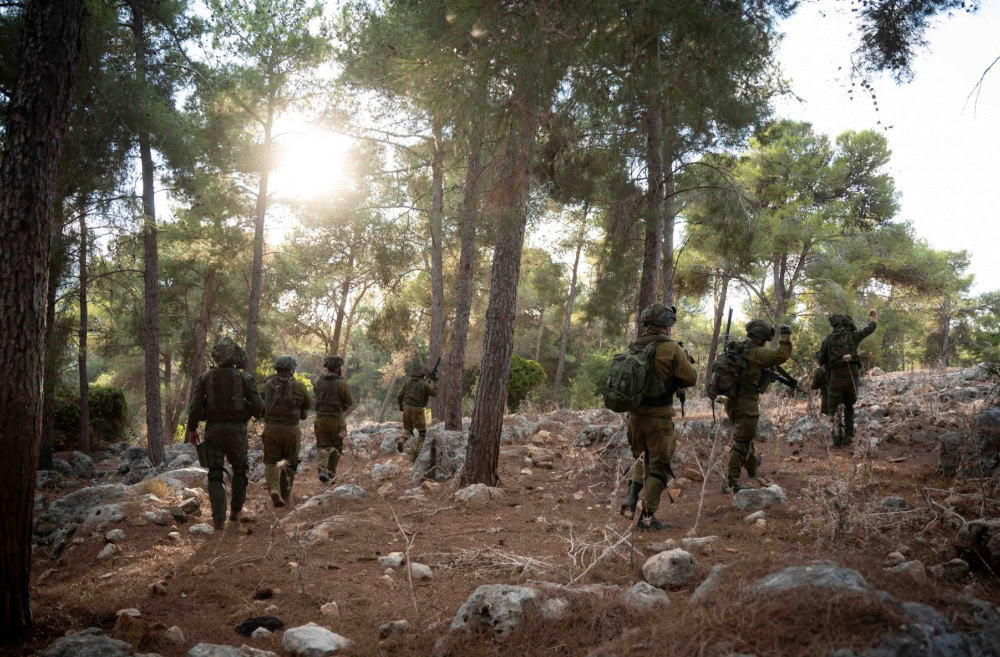
An Israeli reserve brigade completed an exercise to prepare for conflict in the north. Hezbollah fired dozens of rockets at Israel on September 8, and the group claimed to be responding to an IDF strike on a village in southern Lebanon. IDF Chief of Staff Lt. Gen. Herzi Halevi visited northern Israel and met with the commander of an IDF division in the Golan on September 6.
-
IDF division eliminates 200 terrorists in the Rafah area
The Israel Defense Forces’ 162nd Division eliminated 200 terrorists in battles near Rafah and the Philadelphi Corridor in southern Gaza during the last week of August. Israeli Prime Minister Benjamin Netanyahu has vowed to keep control of the key area to prevent Hamas from re-arming.

-
IDF officers take on new roles as Gaza in political focus
The IDF’s Gaza Division, which faced the brunt of Hamas’s attack on October 7 and will play a key role in the future security of the border, received a new commander on September 2. The IDF’s head of Ground Forces resigned on September 3. The leadership changes come as Israel intends to maintain control over the Philadelphi Corridor.

-
Top Israeli officials focus on northern front, returning Israelis to communities
Israeli Defense Minister Yoav Gallant held a strategic discussion with IDF Chief of Staff Lieutenant General Herzi Halevi on August 29 and discussed the need to return Israeli citizens to their homes in northern Israel. Prime Minister Benjamin Netanyahu traveled to northern Israel on August 28 and said the nation must restore security and return residents to their homes. “This is a national goal of the highest order,” Netanyahu said.

-
IDF chief of staff visits Jordan Valley amid West Bank terror threats
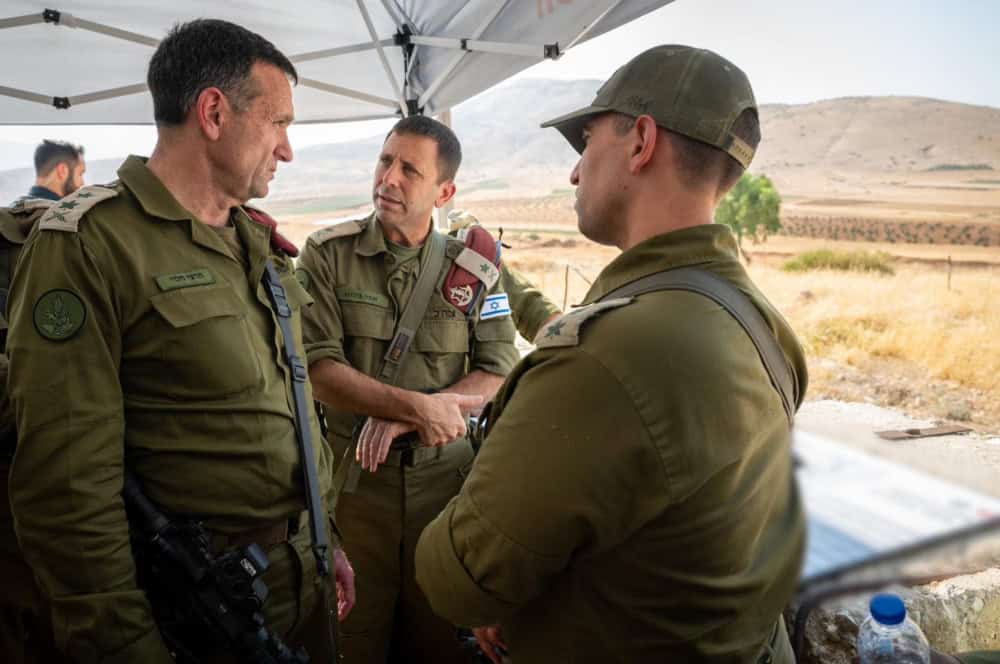
Israel Defense Forces Chief of Staff Lt. Gen. Herzi Halevi visited the Jordan Valley on August 27, where he met with officers of the Jordan Valley Brigade and spoke with the heads of local communities. His visit comes after several recent terror attacks in the valley and as threats have increased in the northern West Bank.
-
Israeli military launches extensive operation against West Bank terrorist groups
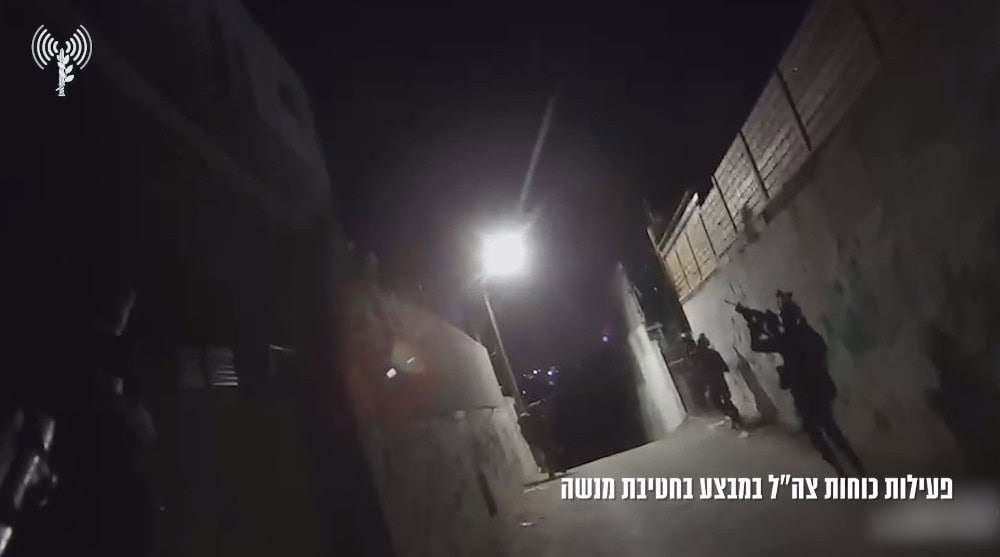
The Israeli military launched an extensive operation in the West Bank on Tuesday aimed at degrading infrastructure established by terrorist groups in the territory.
-
IDF rescues a hostage in Gaza
The Israel Defense Forces rescued Qaid Farhan Alkadi, a hostage held in Gaza since the Hamas attack on October 7, from a tunnel in southern Gaza. Alkadi was flown by helicopter to an Israeli hospital in Beersheba, where he met members of his family and spoke with Israeli Prime Minister Benjamin Netanyahu.

-
Analysis: Israel is targeting orchestrators of West Bank terrorism
Israel is waging a campaign of targeted eliminations against members of various terrorist groups who are orchestrating violence in the West Bank.

-
Israeli defense minister announces the defeat of Hamas’s Rafah Brigade
On August 21, Israeli Defense Minister Yoav Gallant visited the Philadelphi Corridor in southern Gaza and met with commanders of the 162nd Division, which has been fighting Hamas in Rafah since May. Gallant said the Hamas Rafah Brigade has been defeated. The IDF continued to expand operations in Khan Younis and central Gaza, and one Israeli soldier was killed, the IDF said on August 23.

-
Hezbollah targets the Israeli town of Katzrin in the Golan Heights
Hezbollah launched a rocket attack on the Golan Heights on August 21, firing more than 50 projectiles at the Israeli community of Katzrin and nearby areas. The rockets caused significant damage and one injury in the town of 8,000 residents. In addition, Hezbollah carried out numerous other attacks on northern Israel, part of a recent escalation by the Iranian-backed terrorist group.

-
Israeli forces recover the bodies of six hostages in Gaza
On August 20, the Israel Defense Forces (IDF) announced recovering the bodies of six hostages in Khan Younis in southern Gaza. In addition, Israeli forces found a tunnel in Gaza that stretches for more than a mile.

-
Hezbollah targets northern Israel with rockets and drones in latest escalation
Hezbollah attacked northern Israel with rockets and drones on August 15, including firing around 20 rockets at the Shamir area. The IDF said a majority of the incoming threats were intercepted. Hezbollah described the attack as an increase in its range inside Israel, and the Iranian-backed terrorist group also continued to threaten broader attacks in retaliation for an IDF airstrike in Beirut in July.