-
Veteran Al Qaeda leader killed in western Afghanistan
Mohammad Hanif was involved in the 2002 assassination attempt on Pakistani President Pervez Musharraf and the suicide attack on the U.S. Consulate in Karachi that same year. He was killed in Farah province. But the Taliban somehow continues to maintain that Al Qaeda isn’t in Afghanistan.
-
Pakistan a ‘safe haven’ for ‘terror groups’: U.S. State Department
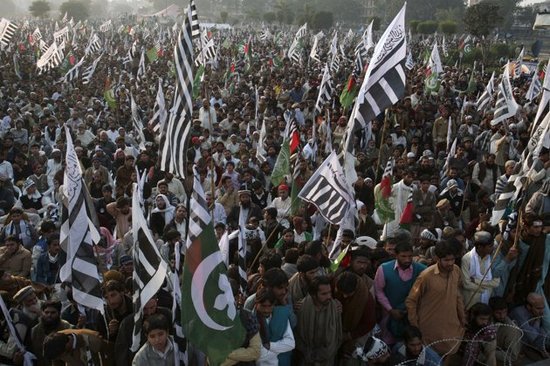
Pakistan remains a “safe haven” for a host of regional terror groups, including the Afghan Taliban and its integral subgroup, the Al Qaeda linked Haqqani Network, according the the State Department’s newly released Country Reports on Terrorism 2019.
-
U.N.: Thousands of Pakistanis fight in Afghanistan alongside the Taliban
Pakistan continues to play its double game by supporting terror groups. Thousands of Pakistanis, including fighters from the Pakistan state-sponsored Lashkar-e-Taiba and Jaish-e-Mohammed, as well as the Movement of the Taliban in Pakistan, continue to support the Taliban’s jihad against the Afghan government.
-
Pakistan PM’s political party welcomes Harakat-ul-Mujahideen emir into ranks
If Pakistan was sincere about tackling terrorists groups and their leaders and operatives, Khalil would be at the top of the target list. Instead, he has been welcomed with open arms into Imran Khan’s political party.

-
Pakistani General talks tough on terrorism, but remains short on action
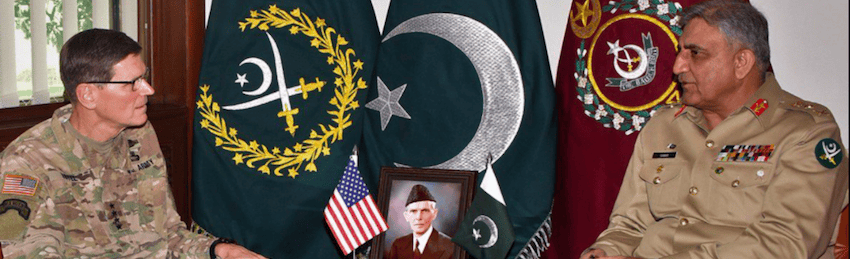
General Bajwa and Pakistani officials can pontificate all they like about how their country has eliminated terrorism and no longer permit terrorists to use its soil to attack another country. A look at the facts tells another story, and that is one of Pakistani duplicity.
-
Pakistan denounces US terrorism designation of Hizbul Mujahideen chief
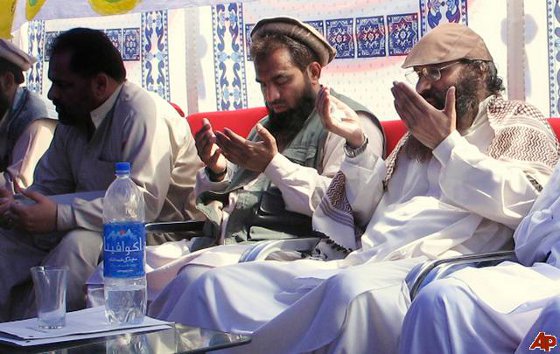
While denouncing the designation of Syed Salahuddin, the Ministry of Foreign Affairs claimed that “Pakistan has a demonstrated and longstanding commitment of combating terrorism in all its forms and manifestations.”
-
Afghanistan’s terrorist resurgence: Al Qaeda, ISIS, and beyond
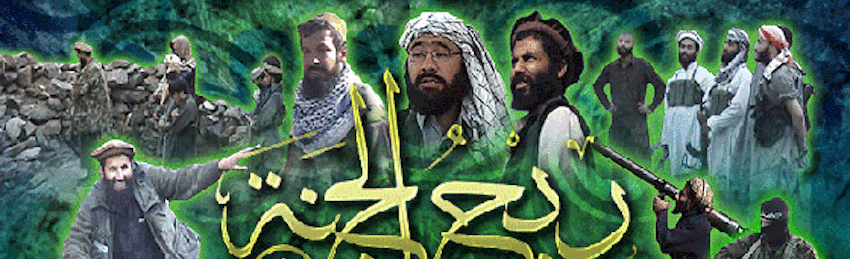
Bill Roggio testifies before the House Committee on Foreign Affairs Subcommittee on Terrorism, Nonproliferation, and Trade on terrorist groups in Afghanistan and the threat posed to the United States and its allies.
-
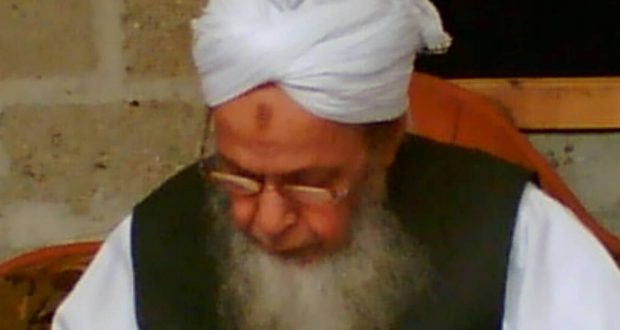
Taliban eulogizes Pakistani cleric with al Qaeda ties
Mawlana Salimullah Khan was also the president of Pakistan’s largest confederation of Deobani seminaries and schools. His son and grandson were deported from the United States for immigration violations after the FBI linked them to an al Qaeda plot in California.
-
Pakistan: Friend or Foe in the Fight Against Terrorism?
Bill Roggio testifies before the House Committee on Foreign Affairs Subcommittee on Terrorism, Nonproliferation, and Trade, as well as the Subcommittee on Asia and the Pacific. The hearing is titled, “Pakistan: Friend or Foe in the Fight Against Terrorism?”
-
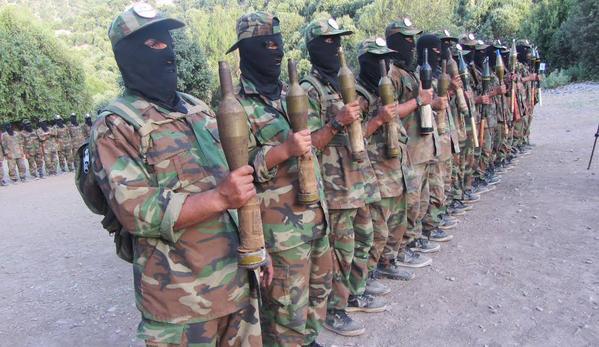
Jihadists tout Taliban ‘special forces’ training camp in Afghanistan
The Taliban and allied groups such as the Islamic Movement of Uzbekistan, al Qaeda, Harakat-ul-Mujahideen, and Lashkar-e-Taiba are known to have run dozens of camps inside Afghanistan even as the Coalition was present.
-
Osama bin Laden’s Files: The Pakistani government wanted to negotiate
Recently released letters recovered in Osama bin Laden’s compound reveal that key Pakistani leaders, including the brother of Pakistan’s current prime minister, sought out negotiations with al Qaeda. Pakistan intelligence also communicated with al Qaeda leaders through jihadist intermediaries to discuss a possible truce.

-
US adds Harakat-ul-Mujahideen’s emir to terrorism list
Fazle-ur-Rahman Khalil, Harakat-ul-Mujahideen’s founder and leader, signed Osama bin Laden’s infamous 1998 fatwa that declared war on the US and Israel. HUM was added to the list of Foreign Terrorist Organizations 18 years ago.
/assets/images/featured-image-default.jpg)
-
2 al Qaeda commanders reported killed in US airstrike in eastern Afghanistan
The pair of al Qaeda commanders are said to be members of the Badr Mansoor Group, which was described in one of Osama bin Laden’s documents as an al Qaeda “company.”
-
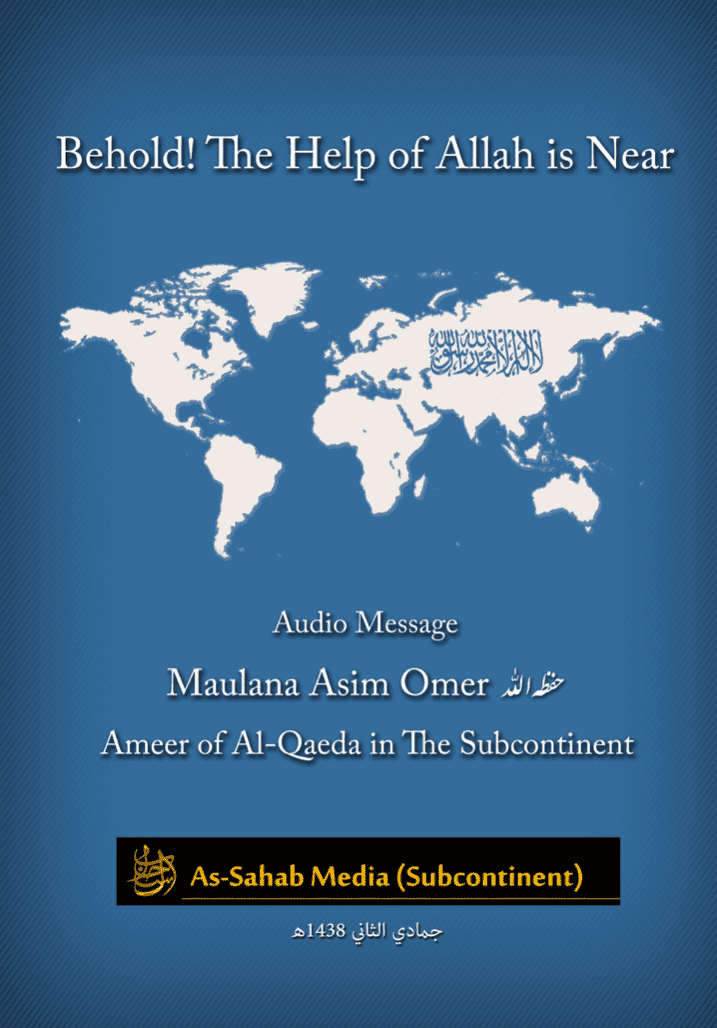
Al Qaeda in the Indian Subcontinent incorporates regional jihadist groups
Usama Mahmoud, AQIS’s spokesman, openly stated that the group “was formed by the gathering of several jihadi groups that have a long history in jihad and fighting.”
-
Harakat-ul-Mujahideen ‘operates terrorist training camps in eastern Afghanistan’
The jihadist group, which is tolerated by the Pakistani state and whose leader lives openly in Islamabad, is currently running training camps in eastern Afghanistan, the US State Department said.
-
Harakat-ul-Mujahideen chief lives in open near Islamabad
Fazle-ur-Rahman Khalil, the man Osama bin Laden consulted before issuing his infamous fatwa against the US, lives comfortably near Islamabad.