-
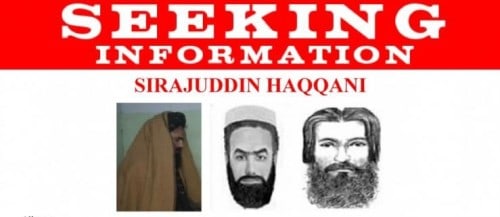
Pakistan continues to harbor Taliban, including al Qaeda-linked Haqqanis
According to a new report by the State Department, the Afghan Taliban and its Haqqani Network are still “operating in Pakistan-based safe havens and threatening U.S. and Afghan forces in Afghanistan.” Pakistan has assisted the US in counterterrorism operations against al Qaeda. However, by refusing to move against the Taliban, including the Haqqanis, Pakistan is harboring al Qaeda’s most important allies in the region.
-
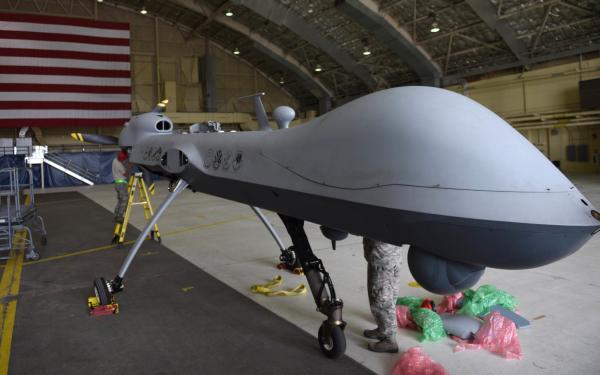
US Counterterrorism strikes: Tempo remains high in Somalia and Yemen, transparency improves
In 2017, LWJ reported unprecedented levels of airstrikes in Somalia and Yemen. Thus far in 2018, the United States has sustained its high strike tempo in Somalia and improved transparency on its air campaign in Yemen. Strikes in Pakistan have leveled off, however press restrictions make tracking operations there difficult. In Libya, the U.S. has targeted jihadists sparingly.
-
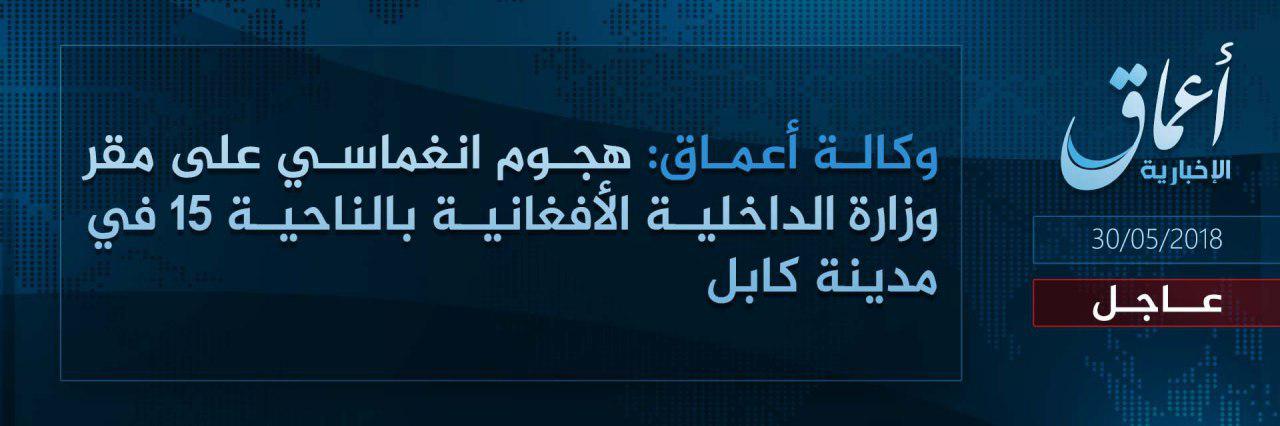
Jihadists attack Afghan interior ministry in Kabul
A team of jihadists assaulted Afghanistan’s Ministry of Interior in Kabul earlier today. It is the latest in a string of attacks inside the Afghan capital this year. Both the Taliban and the Islamic State’s Khorasan “province” are able to hit targets inside the city.
-
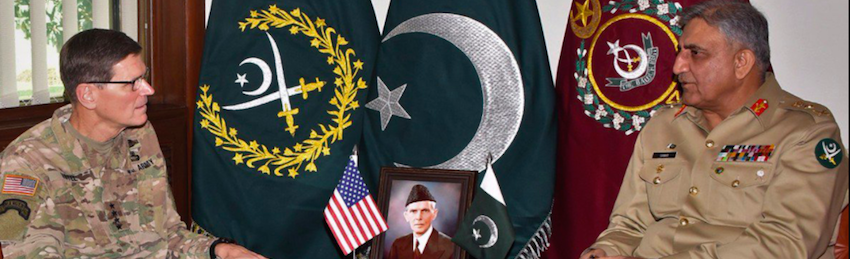
Pakistani General talks tough on terrorism, but remains short on action
General Bajwa and Pakistani officials can pontificate all they like about how their country has eliminated terrorism and no longer permit terrorists to use its soil to attack another country. A look at the facts tells another story, and that is one of Pakistani duplicity.
-
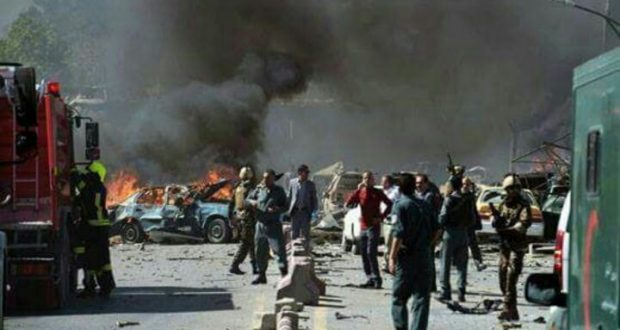
Taliban suicide bomber kills dozens in Afghan capital
A Taliban suicide bomber struck the old interior ministry building in Kabul, Afghanistan earlier today. He reportedly drove an ambulance packed with explosives. It was the second major Taliban attack inside the city in one week.
-
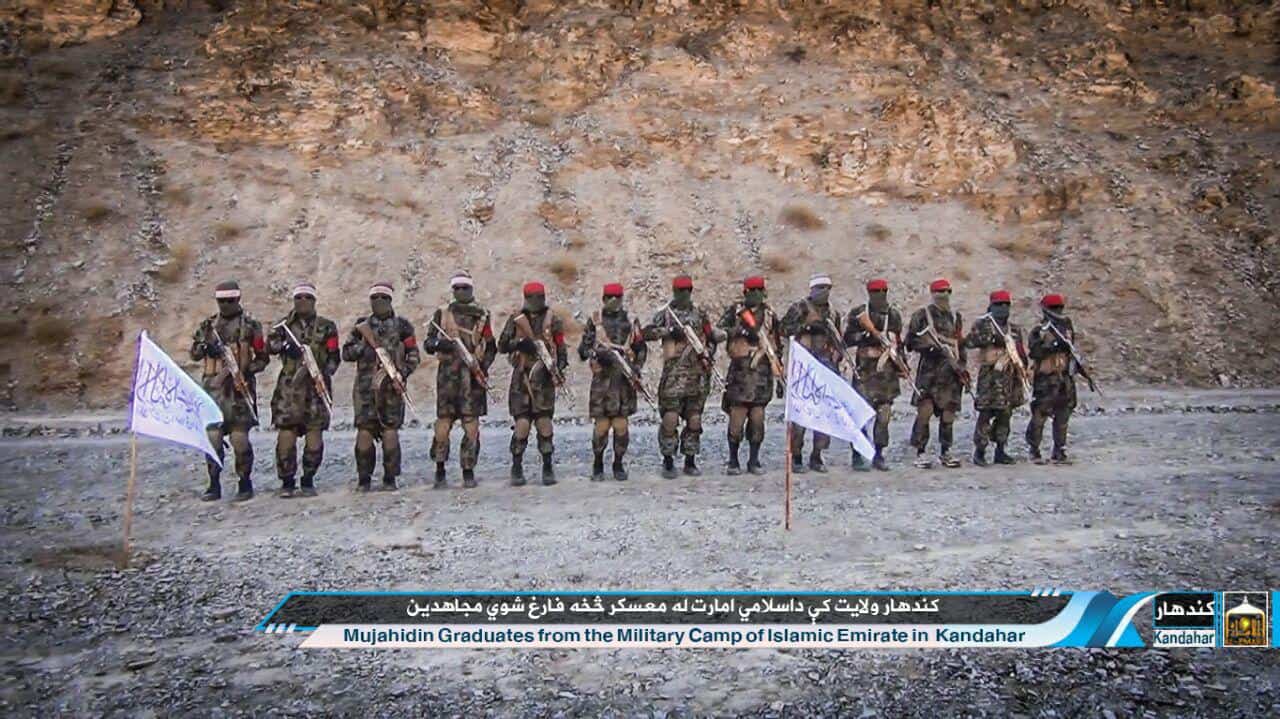
Analysis: US Treasury Department reveals new details about the Taliban’s network
The US Treasury Department designated six Taliban-Haqqani figures as terrorists today. Treasury’s identifying information locates five of the six — including three senior Taliban finance officials and the deputy leader of the group’s military commission — inside Pakistan. At least two of the newly-sanctioned men have ties to al Qaeda.
-
Taliban terrorists lay siege to Intercontinental Hotel in Kabul
The Taliban quickly claimed credit for an assault on the Intercontinental Hotel in Kabul, Afghanistan. The jihadists’ siege lasted more than half a day before it was finally ended by Afghan security forces.

-
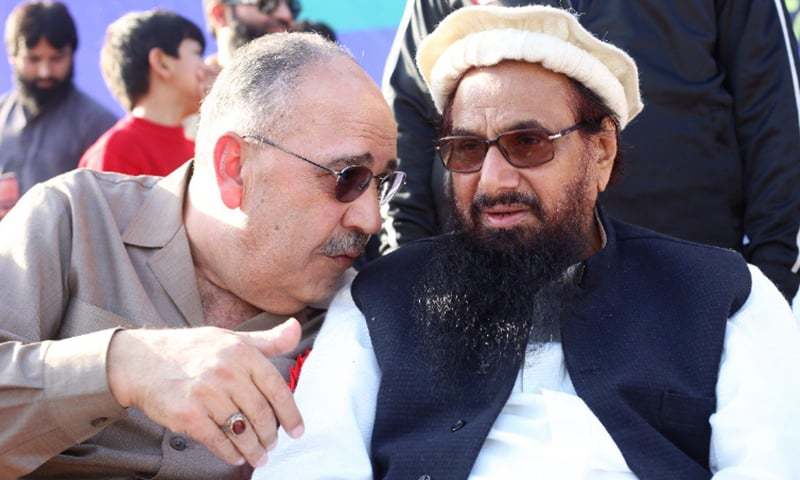
Trump blasts Pakistan for its ‘lies & deceit’
If Trump is serious about hitting back at Pakistan, expect the US to ramp up drone strikes against jihadists, and not just in Pakistan’s tribal areas.
-
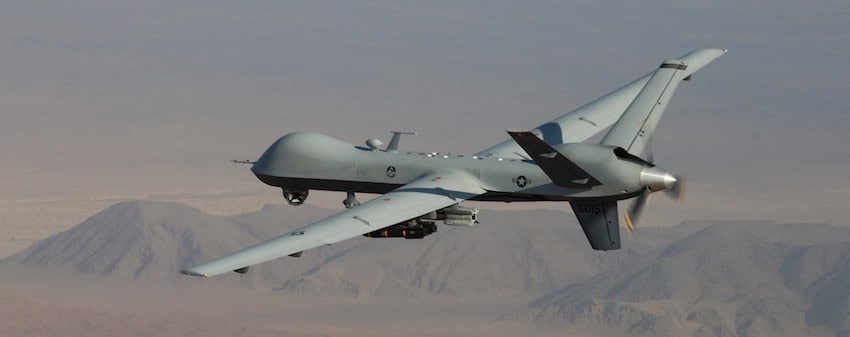
US kills Afghan Taliban commander in drone strike inside Pakistan
Jamiuddin, was a “trusted man” within the Haqqani Network, a subgroup of the Afghan Taliban, who helped fighters move from Pakistan to Afghanistan.
-
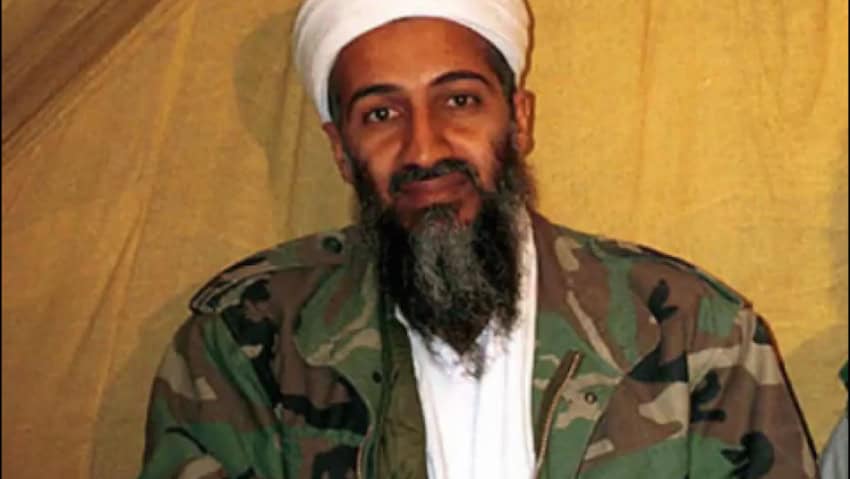
Understanding al Qaeda through the massive trove of Osama bin Laden’s files
On Nov. 17, The Foundation for Defense of Democracies and FDD’s Long War Journal held an event to discuss the findings from the recently released documents from Osama bin Laden’s compound.
-
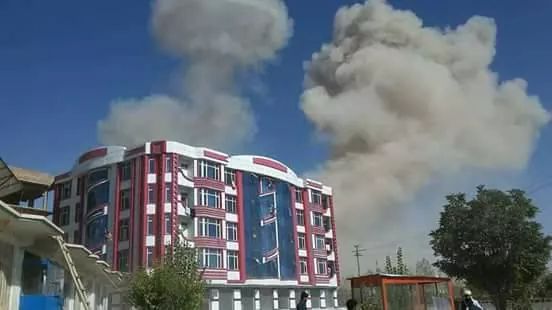
Taliban suicide assault teams kill Paktia police chief
Taliban suicide teams hit the police headquarters and a training center in the provincial capital of Gardez City. Twenty-two policemen and 20 civilians were killed and scores more were wounded.
-
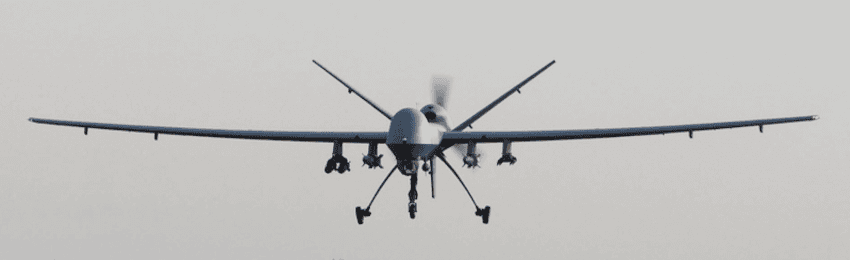
US drones target Taliban commander in Pakistan’s tribal areas
The strike took place just days after Pakistan freed two westerners and their children from Taliban custody in the same tribal agency.
-
Pakistan announces release of couple held captive by Taliban since 2012
The Pakistani and American governments announced today that Caitlan Coleman and Joshua Boyle, along with their three children, have been released from the Taliban’s custody. The couple was abducted in Afghanistan in 2012.

-
Pakistan’s intelligence service ‘has connections with terrorist groups’
Mattis and Dunford placed all of the blame for Pakistan’s support of terrorist groups on the ISI, and essentially absolved Pakistan’s government and the military of any responsibility for incubating and supporting regional and global jihadist organizations.

-
Pakistani foreign minister: ‘We don’t have the assets to match’ Haqqanis and LeT
Pakistani Foreign Minister Khawaja Asif accused the United States of creating jihadist groups such as the Haqqani Network and Lashkar-e-Taiba, and supporting them to this day.
-
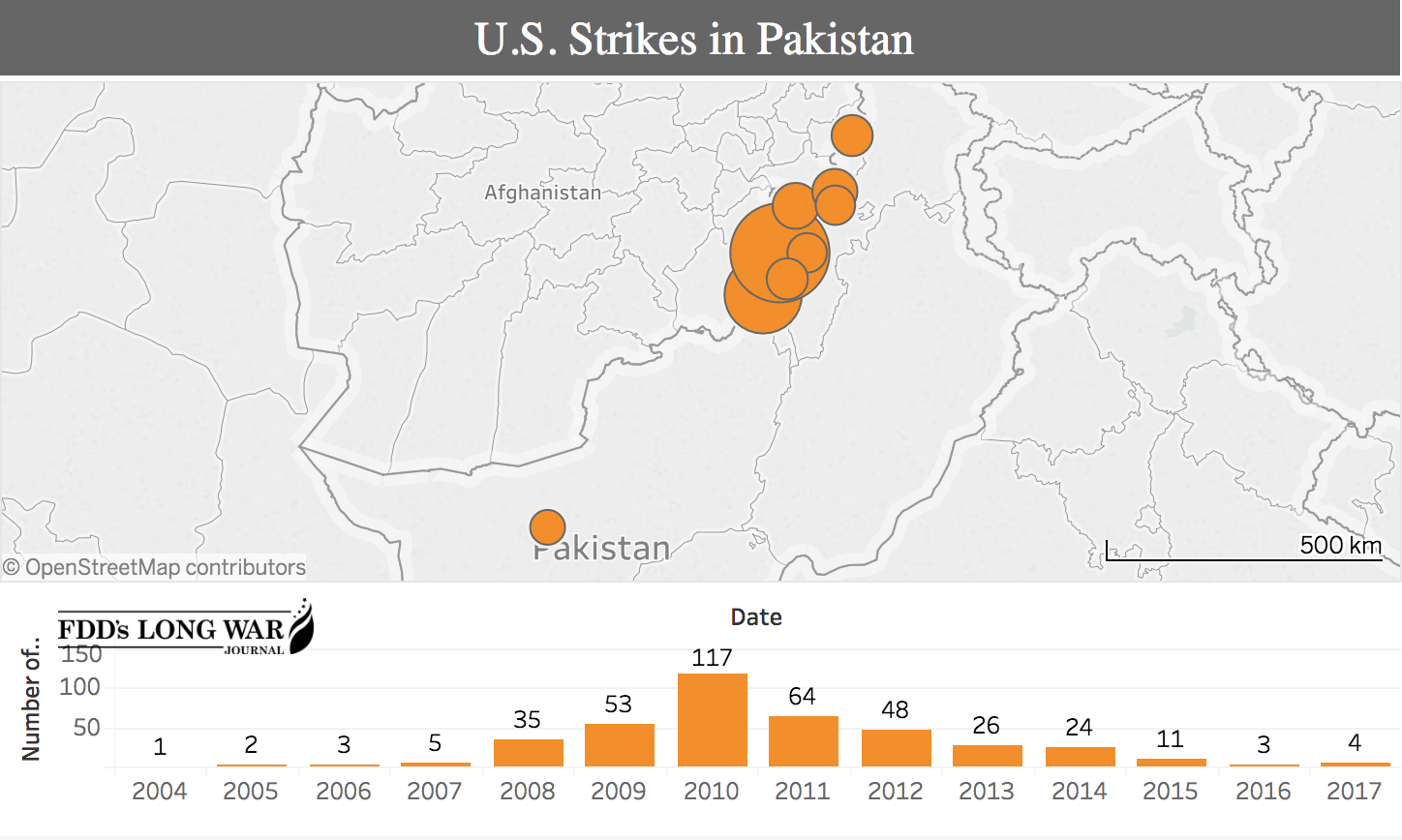
US drones strike jihadists in Pakistan
The US is likely to step up drone strikes in Pakistan after President Trump accused Pakistan of harboring and supporting jihadist groups last month.
-
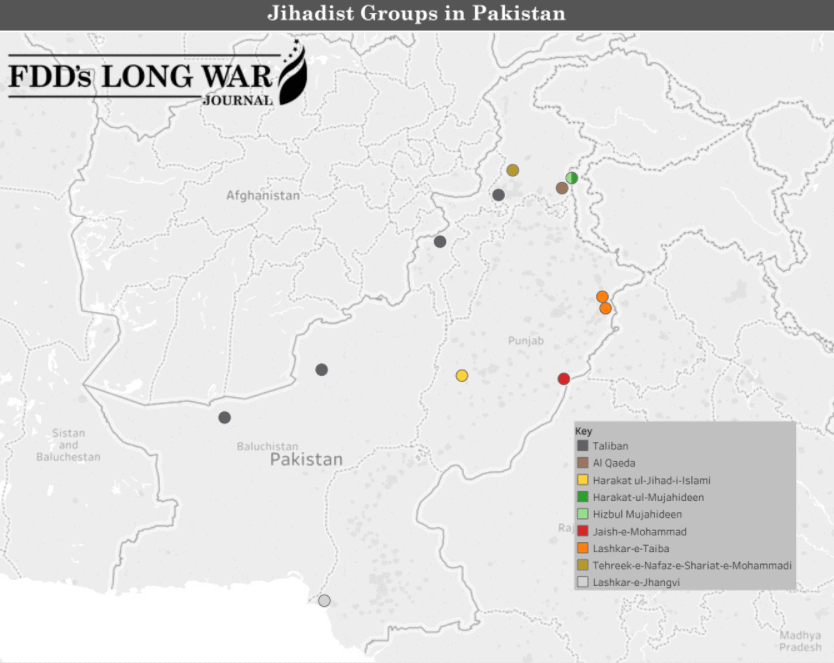
Pakistan suffers diplomatic defeat as BRICS names regional terrorist groups
The blow comes just two weeks after President Trump called out Pakistan for providing “safe haven” for terrorist groups operating in the region and advocated for closer ties with India.
-
Sending more troops to Afghanistan is a good start
A complete US withdrawal from Afghanistan would have been disastrous. The US government needs to drastically reassess America’s jihadist enemies and avoid the policy pitfalls of the past.

-
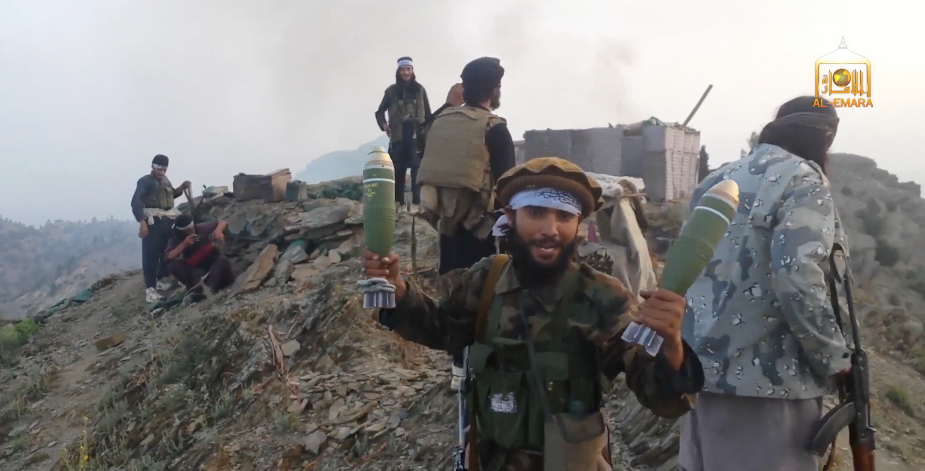
Taliban video details takeover of eastern Afghan district
The Taliban displayed US-supplied HUMVEES and Ranger pickup trucks used by the police and military that were captured or destroyed. The Taliban also seized a large quantity of rocket propelled grenade launchers, machine guns, rifles, mortars, and other weapons.
-
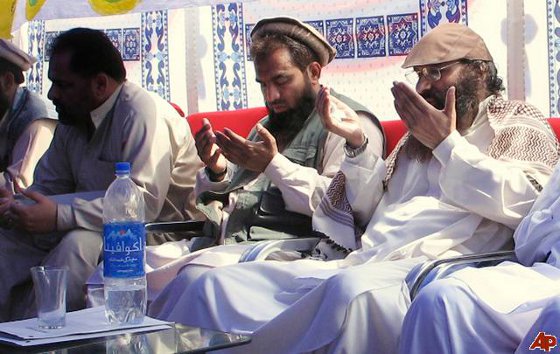
Pakistan denounces US terrorism designation of Hizbul Mujahideen chief
While denouncing the designation of Syed Salahuddin, the Ministry of Foreign Affairs claimed that “Pakistan has a demonstrated and longstanding commitment of combating terrorism in all its forms and manifestations.”
-
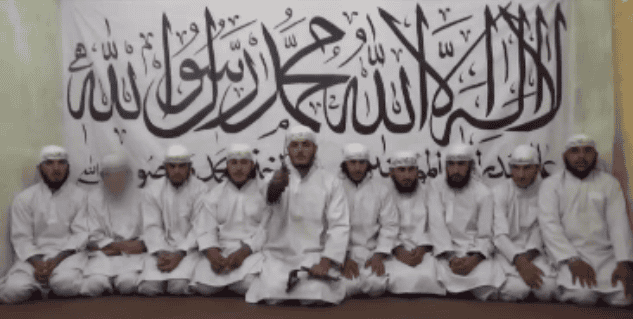
Taliban suicide team assaults provincial police headquarters
The Taliban suicide team used tactics that have been perfected by multiple jihadist groups on numerous battlefields over the past decade and a half.
-
US kills Haqqani commander in drone strike in Pakistan
Haqqani Network commander Abu Bakar and two close aides from the Afghan province of Paktika were killed in the attack, the fourth drone strike recorded in Pakistan this year.

-
Taliban again affirms Haqqani Network is an integral part of group
The Taliban has issued a second statement denying any responsibility for the May 31 bombing in Kabul. Afghanistan’s National Directorate of Security (NDS) has accused the Haqqani Network and Pakistan of orchestrating the attack. The Taliban claims the NDS is lying and defends the Haqqanis, once again affirming their key role in the organization.
-
2 Taliban commanders reportedly killed in US strike in Pakistan
Yesterday’s strike is just the second reported in Pakistan this year, and the second since the US killed Afghan Taliban emir Mullah Akhtar Muhammad Mansour in an attack in Baluchistan province in May 2016.
-
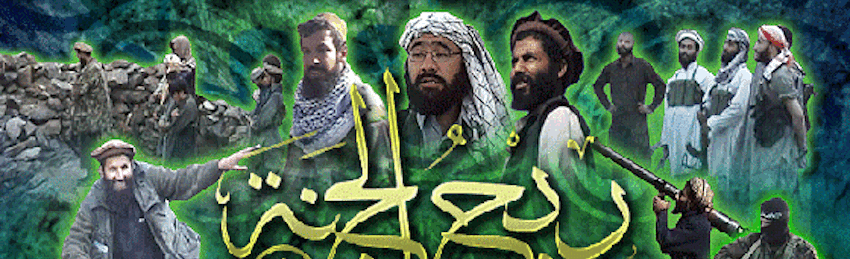
Afghanistan’s terrorist resurgence: Al Qaeda, ISIS, and beyond
Bill Roggio testifies before the House Committee on Foreign Affairs Subcommittee on Terrorism, Nonproliferation, and Trade on terrorist groups in Afghanistan and the threat posed to the United States and its allies.
-
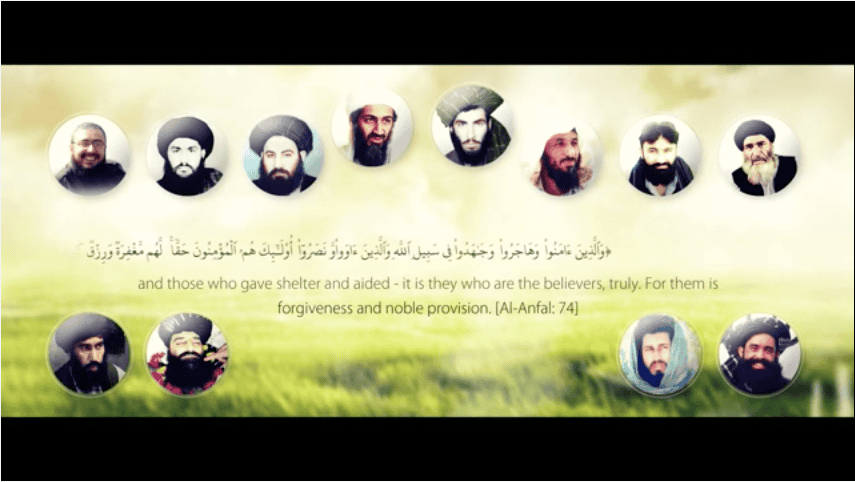
Taliban rejects peace talks, emphasizes alliance with al Qaeda in new video
A new video from the Taliban features several images and clips of al Qaeda leaders, further demonstrating that the two remain firmly allied more than 15 years after the 9/11 hijackings.
-
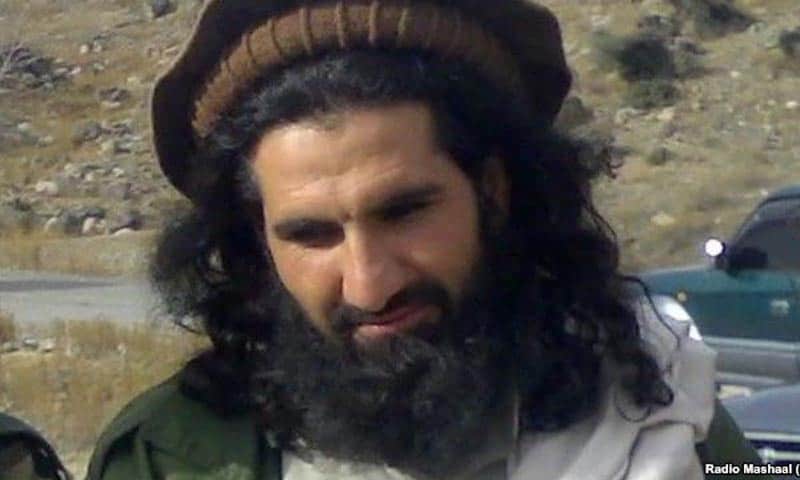
Pakistani Taliban, Haqqani Network, and al Qaeda operatives targeted in eastern Afghanistan
US and Afghan forces struck a group of leaders and operatives from the Pakistan-based Movement of the Taliban in South Waziristan, the Haqqani Network, and al Qaeda in the province of Paktika, according to reports from the region. At least one senior leader, known as Azam Tariq, is thought to have been killed in the strike.
-
‘Blood will be spilled’ if Anas Haqqani is executed, Taliban threatens
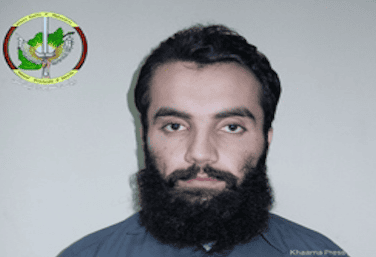
The Taliban threatened to attack “judicial installations” if the Afghan government follows through on executing Anas Haqqani, the brother of the group’s deputy emir who is also the operational leader of the Haqqani Network.
-
Taliban condemns suicide attack in Medina, Saudi Arabia
The Taliban’s condemnation is not surprising as it has relied on Saudi Arabia as a source for fundraising and other support to fuel the Afghan insurgency.

-
Taliban suicide bombers target police cadets, first responders in Kabul attack
At least 27 people are reported to have been killed in the twin bombings. The second suicide bomber targeted emergency personnel as they rendered aid to the victims of the first blast.