-
Amid Yemen-Israel escalation, Hezbollah increases attacks on Israel
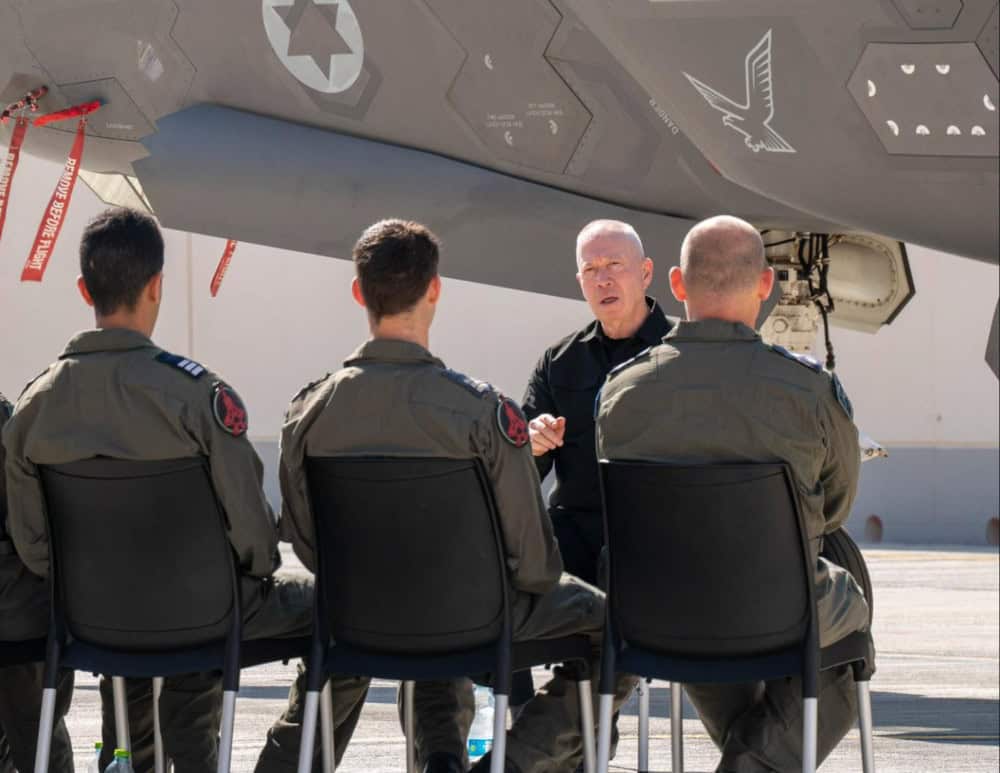
Hezbollah increased attacks on Israel amid an escalation of Houthi-Israel tensions that grew after the Houthis attacked Tel Aviv with a drone, killing one person, and IDF retaliatory strikes. Israel’s Defense Minister Yoav Gallant said, “The blood of Israeli citizens has a price.”
-
IDF carries out precision strikes on Hamas on two fronts
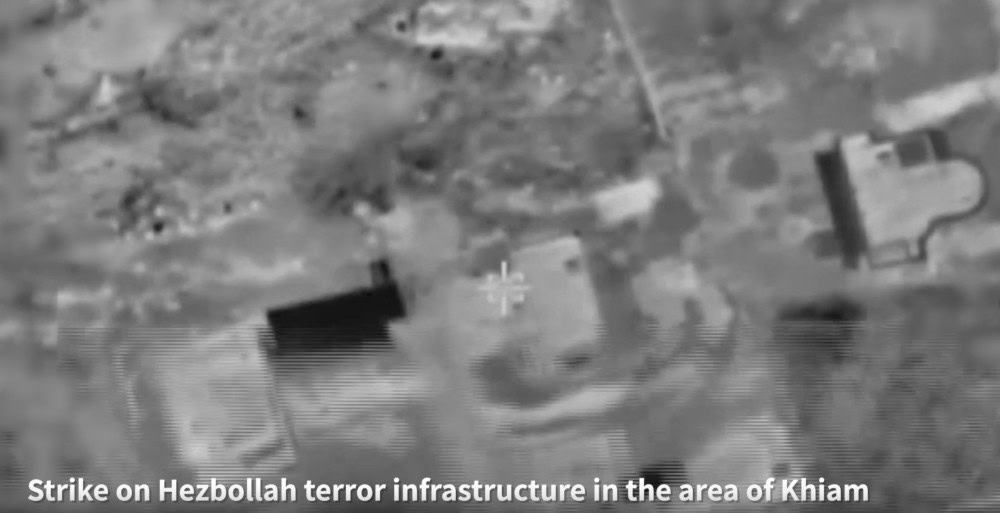
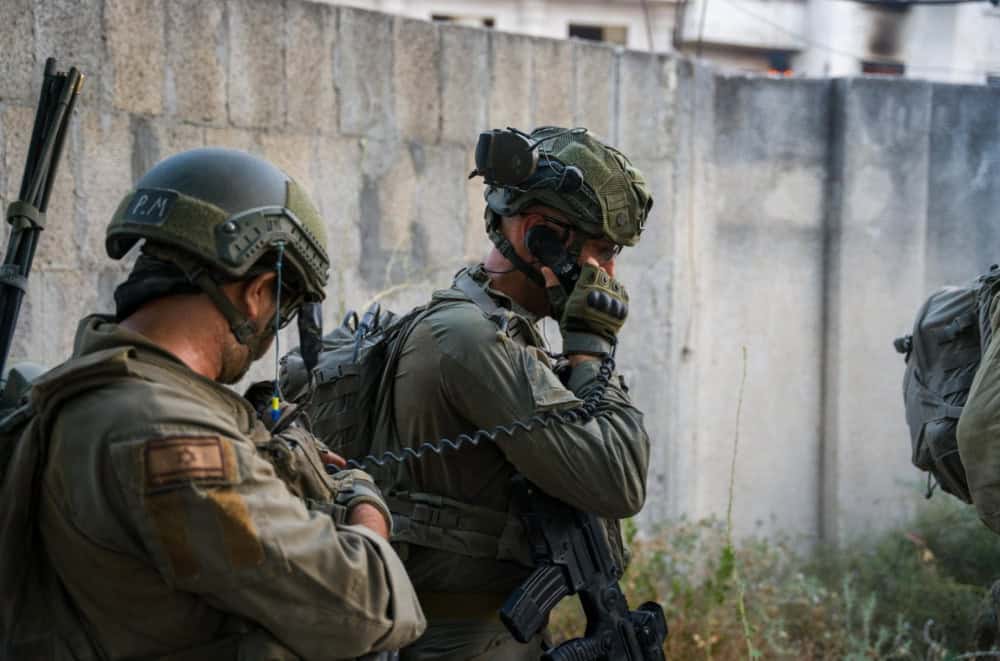
The Israel Defense Forces (IDF) carried out precision airstrikes on several Hamas members in Gaza and targets in Lebanon. Israeli forces also eliminated a Hezbollah member in a Lebanon strike, part of a growing pattern of targeting individual terrorists. In addition, the IDF said an RPG attack in Gaza wounded a soldier.
-
Israel continues to assess whether Hamas commander Deif was killed in airstrikes
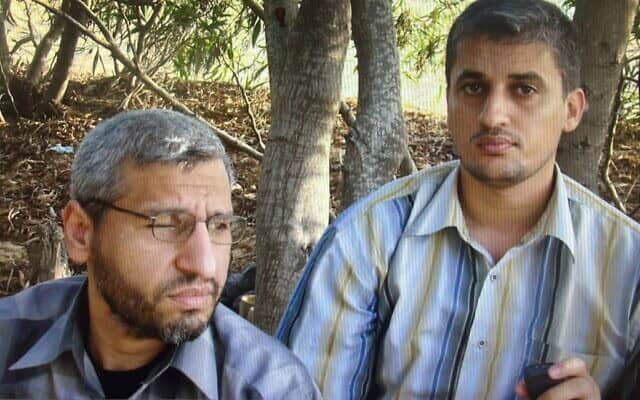
The Israel Defense Forces targeted Hamas armed forces commander Mohammed Dief and Hamas Khan Younis Brigade commander Rafa’a Salameh on July 13. On July 14, the IDF assessed that Salameh was killed in the strike and continued attempting to determine the fate of Deif.
-
Israeli airstrike targets Hamas military leader Muhammed Deif and Khan Yunis commander Rafa’a Salameh
An Israeli airstrike on July 13 targeted Hamas military leader Mohammed Diab Ibrahim al-Masri, aka Muhammed Deif, and Khan Yunis Brigade commander Rafa’a Salameh. The pair were targeted above ground in an area between al-Massawi and Khan Younis in southern Gaza.
-
IDF releases its first probe into October 7 failures as the Shejaiya raid ends
The Israel Defense Forces (IDF) released the first of a number of inquiries into the failures during the battles against Hamas terrorists in communities along the border of Gaza on October 7, 2023. The first inquiry focused on Kibbutz Beeri, where 101 civilians were killed and 30 taken hostage. The IDF also ended a two-week raid into Shejaiya, and Israel’s defense minister said 60 percent of Hamas terrorists had been eliminated in nine months.
-
Israeli forces enter Gaza City neighborhoods to target terrorist infrastructure
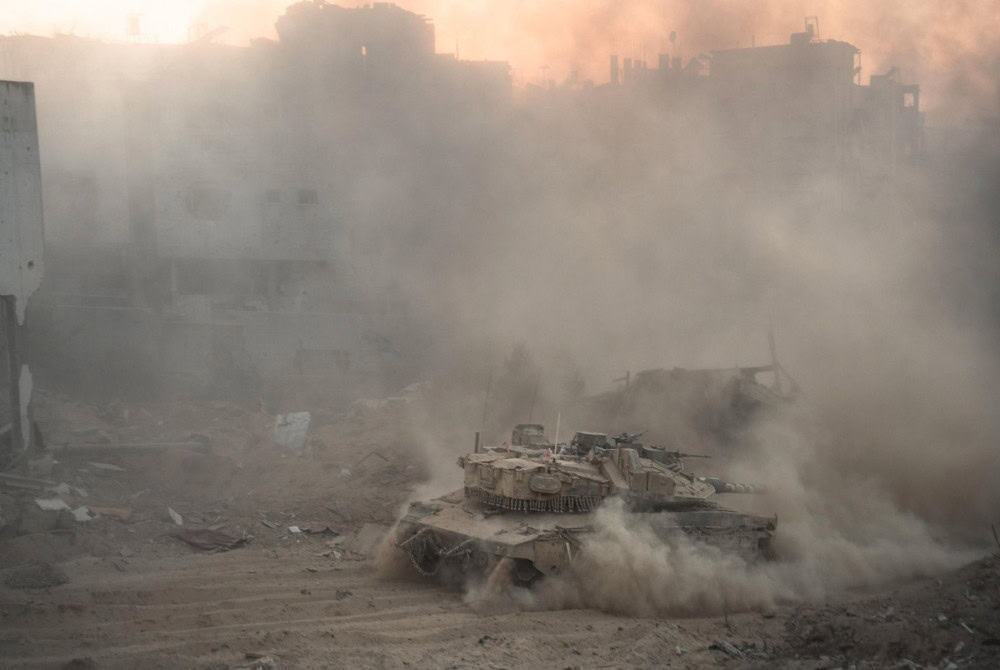
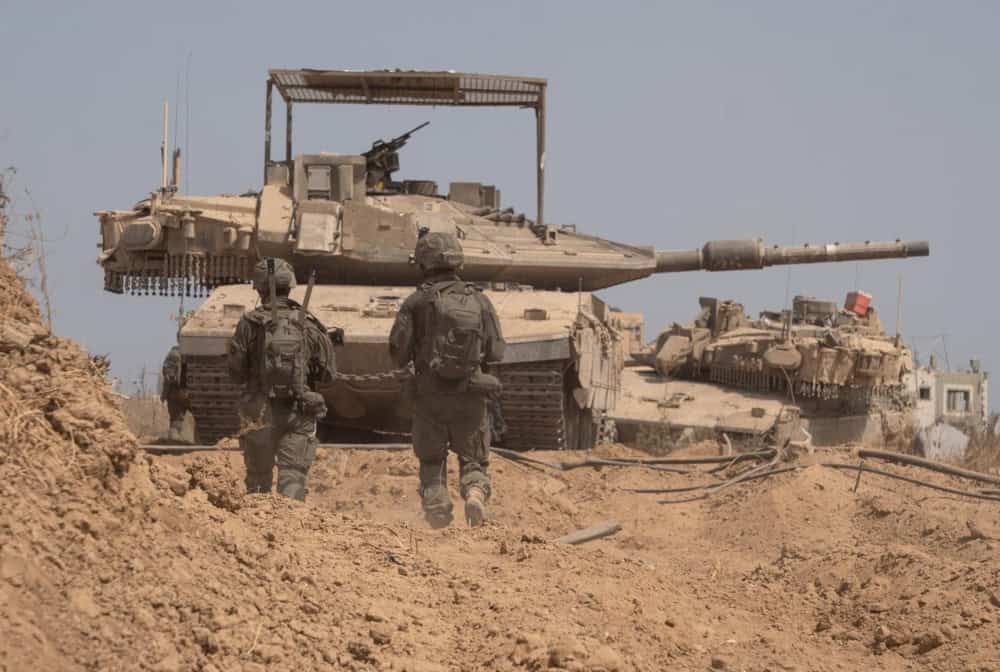
Israeli forces launched a new offensive in Gaza City. The IDF’s 99th Division targeted terrorists, operatives, and weapons in several neighborhoods after calling on civilians to evacuate toward the south. In addition, Israeli forces continued to operate in Shejaiya, uncovering weapons and munitions.
-
IDF operations in northern Gaza’s Shejaiya neighborhood eliminate dozens of terrorists
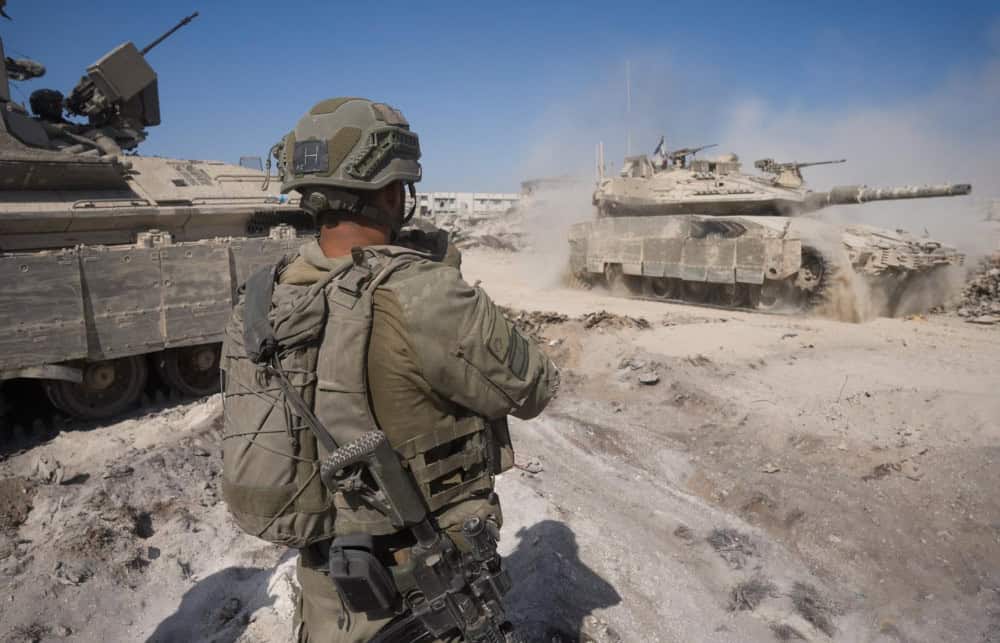
The IDF continues operations in northern Gaza’s Shejaiya neighborhood, stating it has eliminated 100 terrorists and destroyed 100 terrorist infrastructure sites since June 27. The IDF also released footage reportedly showing Hamas abusing Gazans who sought aid.
-
Iran-affiliated cell reportedly found storing explosives in Jordan’s capital
Jordanian authorities announced an investigation that may have successfully thwarted an Iranian-backed attempt to destabilize the Kingdom. The efforts of Iran, its proxies, and allied organizations in Jordan have notably increased since Hamas attacked Israel on October 7.

-
Hezbollah publishes drone footage of Israel as Nasrallah issues new warnings
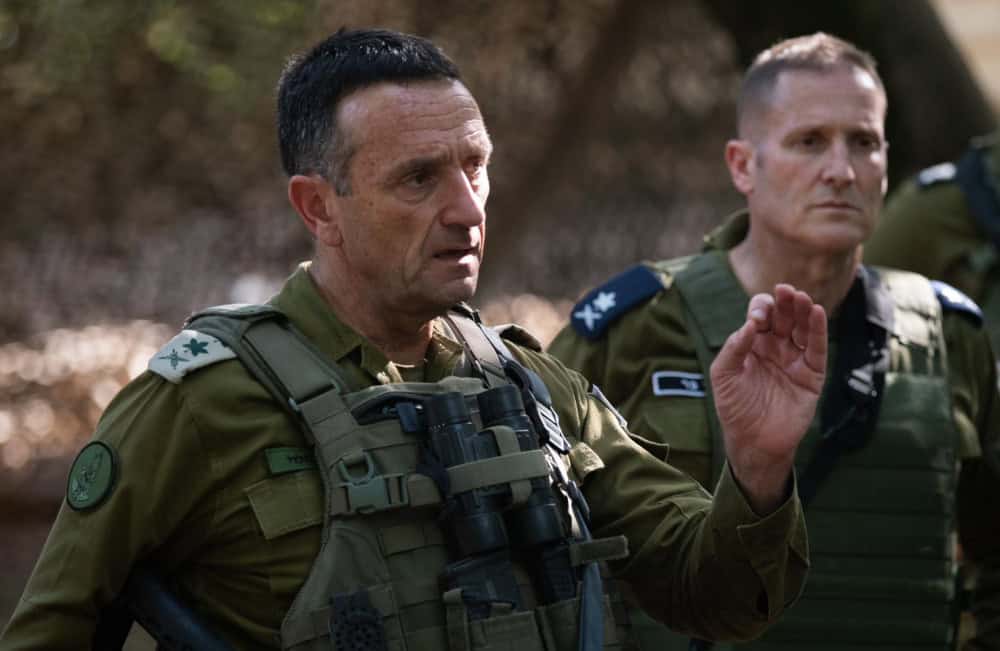
Israel-Hezbollah tensions increased on June 18 and June 19. Hezbollah released drone footage showing sites in northern Israel, and the group’s leader, Hassan Nasrallah, threatened Cyprus and warned it against letting the IDF use its bases. IDF Chief of Staff Lieutenant General Herzi HaLevi and Israeli Defense Minister Yoav Gallant held discussions with Israel’s Northern Command to discuss the situation.
-
IDF presses forward in Rafah after recent losses
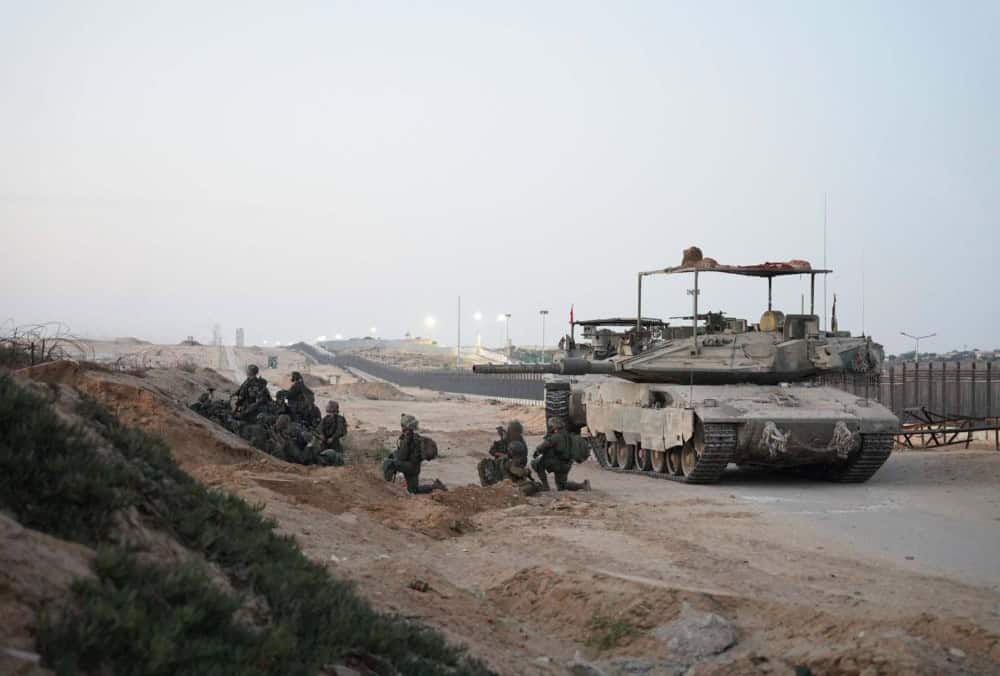
The Israel Defense Forces (IDF) lost 11 soldiers in several days of fighting in Gaza. In one of the deadliest incidents since the IDF’s ground operation began, eight soldiers were killed by an explosion targeting their armored personnel carrier on June 15. The IDF continues operations in Rafah against Hamas and other terrorist groups.
-
Israel faces major Hezbollah escalation as Rafah battle continues
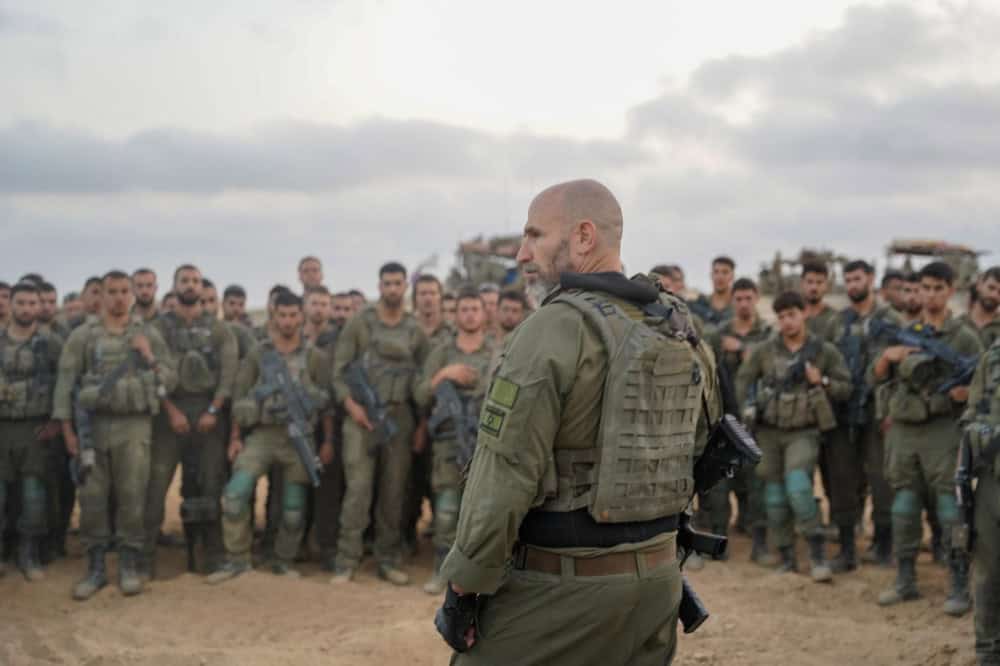
Hezbollah launched more than 215 rockets at Israel from Lebanon on June 12, its largest escalation of the war. The attacks came in the wake of Israel eliminating senior Hezbollah commander Taleb Sami Abdullah on June 11. The terrorist group also targeted areas along the Sea of Galilee in some of the deepest attacks it’s carried out since October 2023. In Gaza, the IDF’s 98th Division completed operations in central Gaza, and the IDF continues to operate in Rafah.
-
Syrian fighters belonging to Islamic Jihad killed in southern Lebanon
Evidence of foreign fighters operating in southern Lebanon continues to mount as the Israeli military recently killed three Syrian members of Islamic Jihad.

-
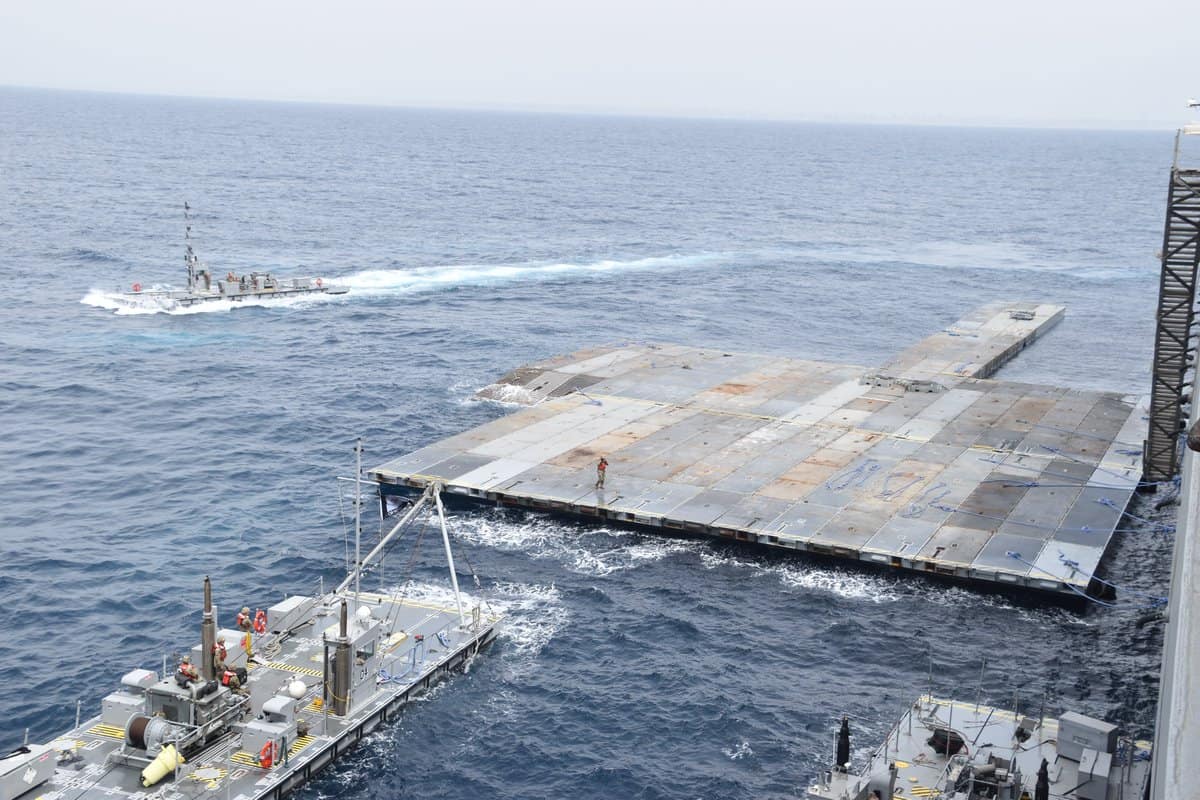
Gaza-based terrorist group threatens British forces if they begin to deliver aid from offshore pier
The Popular Resistance Committees, published a statement threatening to attack British troops and other forces, if they delivered aid to Gaza.
-
U.S. official confirms Israeli forces killed senior Hamas military leader Marwan Issa
The White House confirmed on Monday that Israel successfully targeted and eliminated senior Hamas figure Marwan Issa.
-
Foreign fighters are operating in Lebanon against Israel
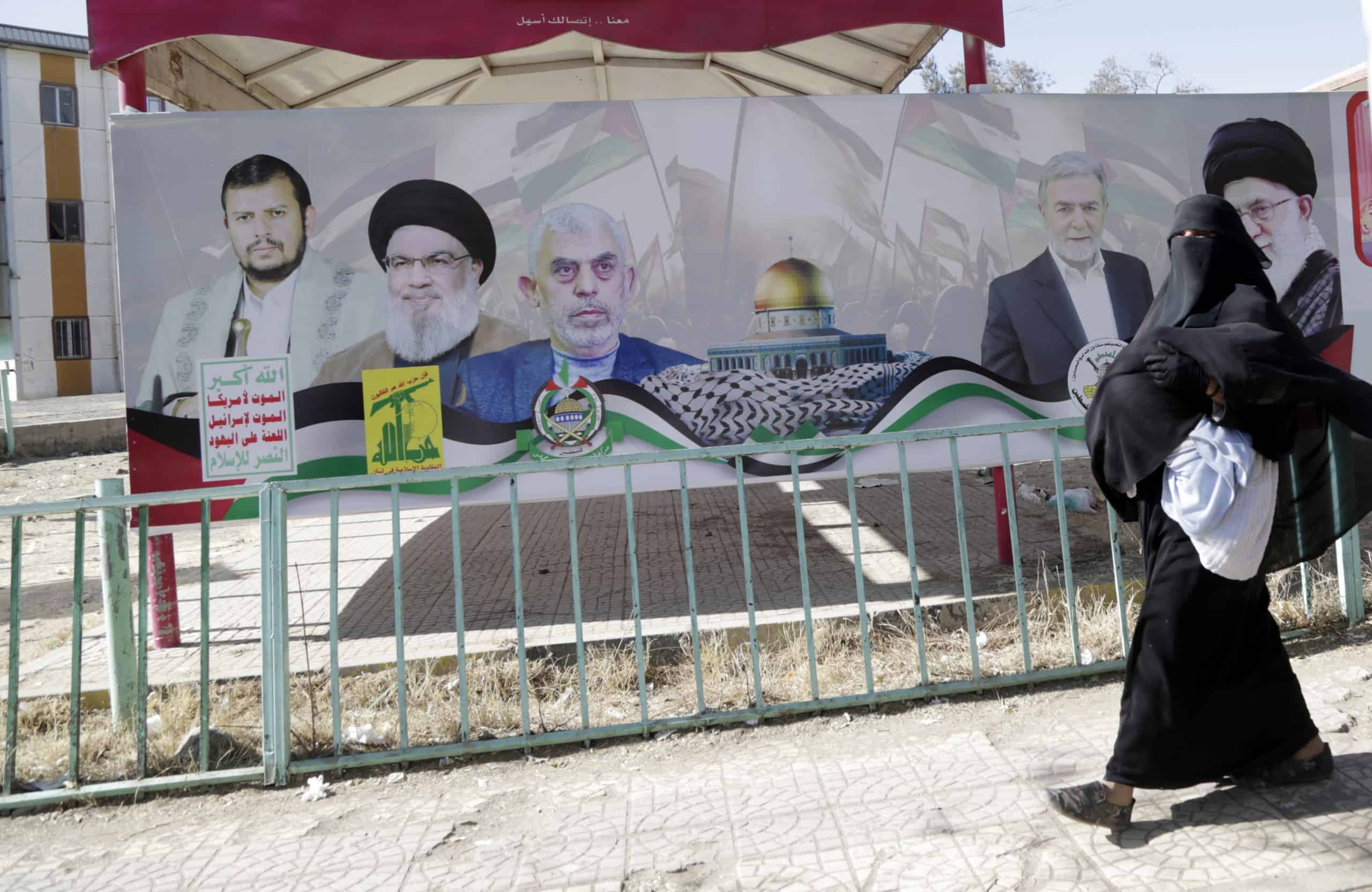
Evidence has emerged demonstrating that foreign fighters are operating in Lebanon against Israel.
-
Generation Jihad Ep. 145 — Israel is winning, but it hasn’t won yet.
Bill and Joe discuss the latest updates from Israel’s defensive war in Gaza, including a potentially dwindling supply of ammunition for Hamas and its subsequent cooperation with other Palestinian terror groups; Egypt “fortifying” its border (but only above-ground and only because they want to keep Gazans out); whether Yahya Sinwar is still hiding out in a tunnel somewhere under Khan Younis (“with pneumonia”); the possibility and consequences of a ceasefire during Ramadan; and why Israel is indeed “winning” but will only win if it to continues its ground operation in Gaza, including in Rafah.
-
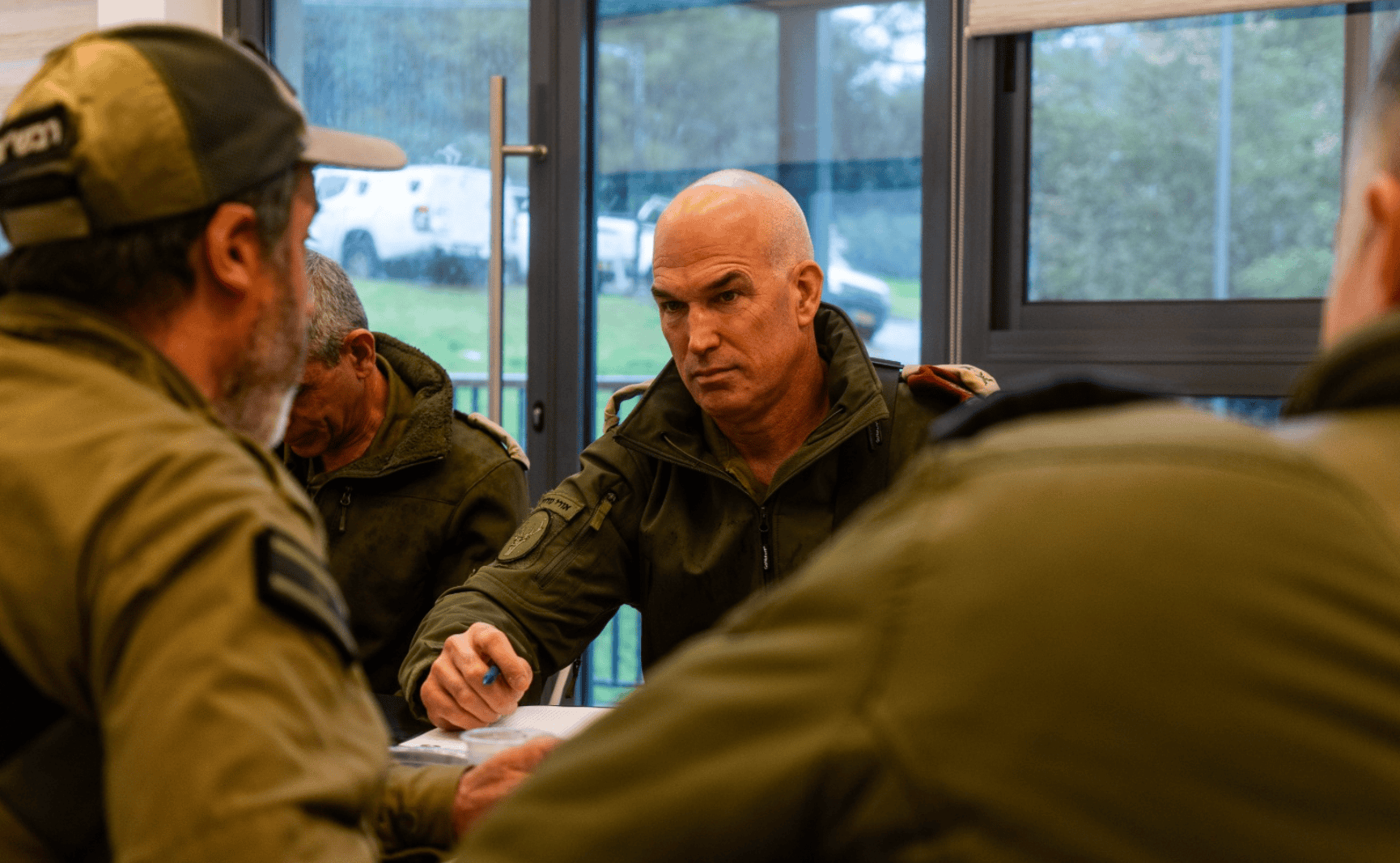
Hezbollah increases attacks on northern Israel
Hezbollah carried out multiple rocket, drone and ATGM attacks on Israel between February 19 and 21. New reports revealed Hezbollah concerns about Hamas operations in Gaza as well as insights into Hezbollah’s decision to not launch a larger war in early October.
-
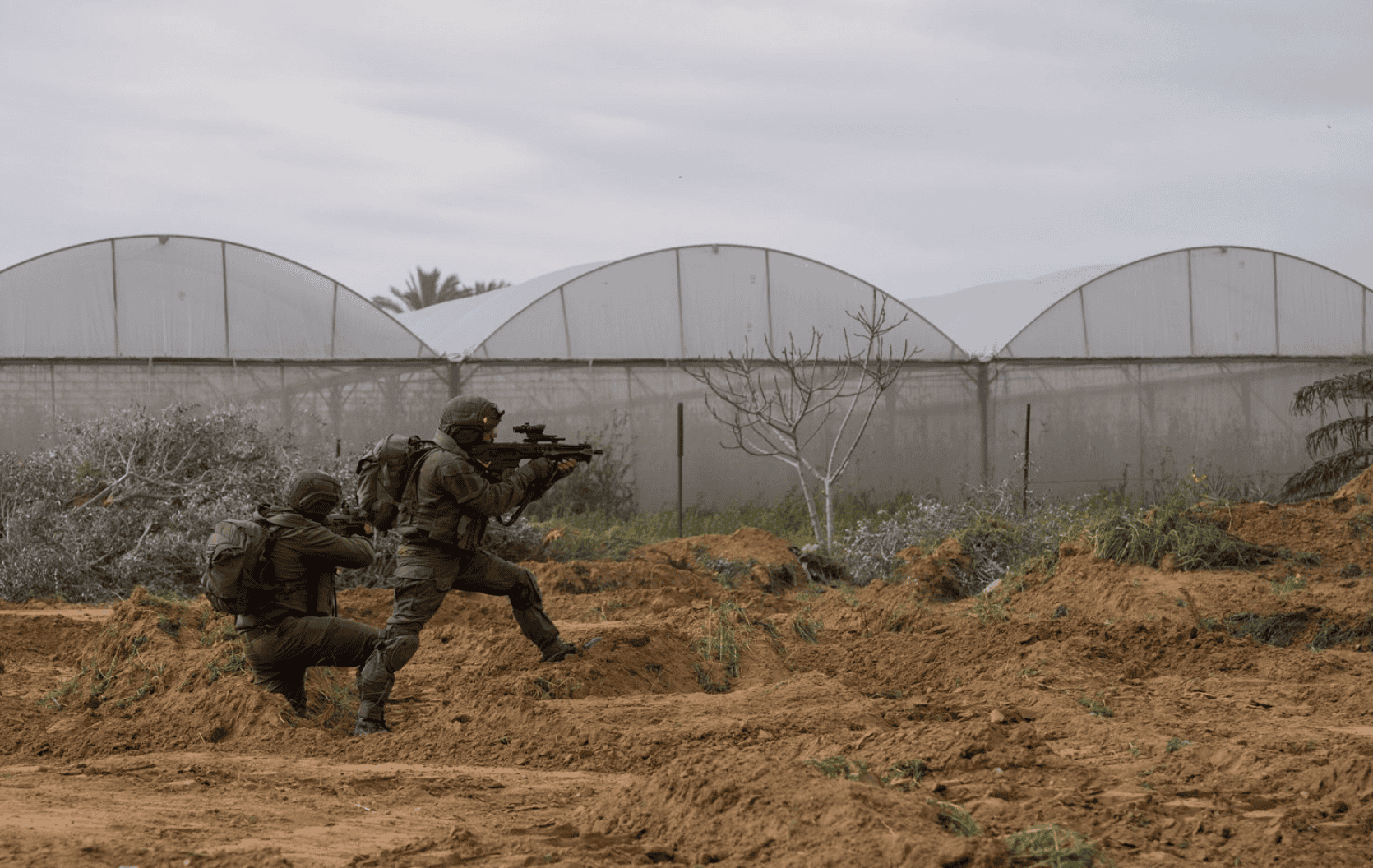
IDF shifts forces as rocket threat is reduced in Gaza
The Israel Defense Forces continue to redeploy reserve units from Gaza after months of war, with several reserve brigades having been withdrawn in the last two weeks. With fighting in Gaza reduced, these reservists are able to return home. In Gaza, the IDF has increased its ability to respond to rocket fire and eliminate perpetrators of rocket launches and other types of attacks.
-
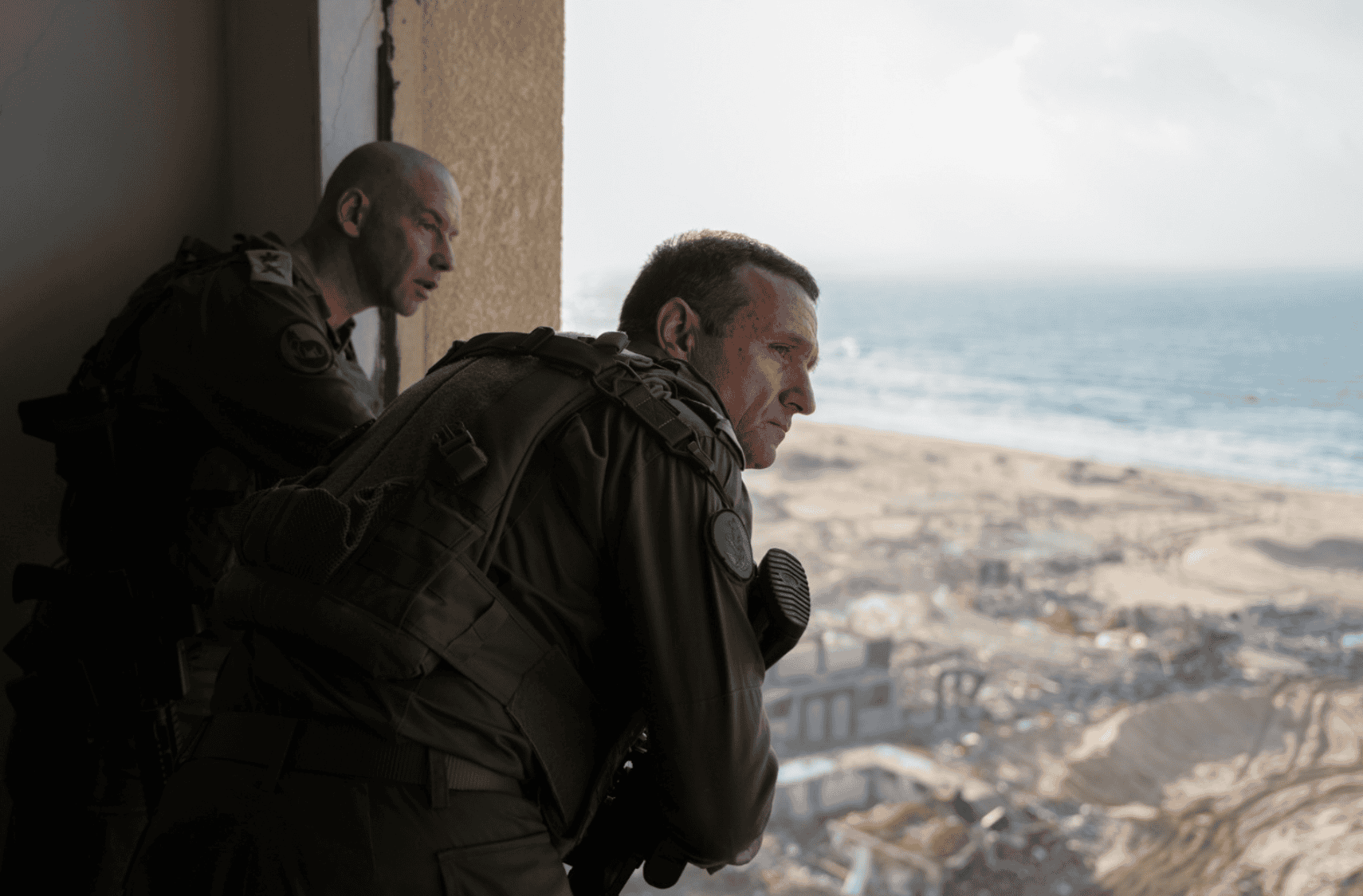
Israel ‘peeling off layers’ of Hamas in Gaza
Israeli Chief of Staff Herzi Halevi visited northern Gaza to meet with key Israeli commanders and discuss Israel’s new raids into areas wherein the IDF defeated Hamas in November and December. Israel continues to find tunnels in Khan Younis and target Hamas members throughout Gaza.
-
Hezbollah rocket fire continues as US, French diplomats arrive in region
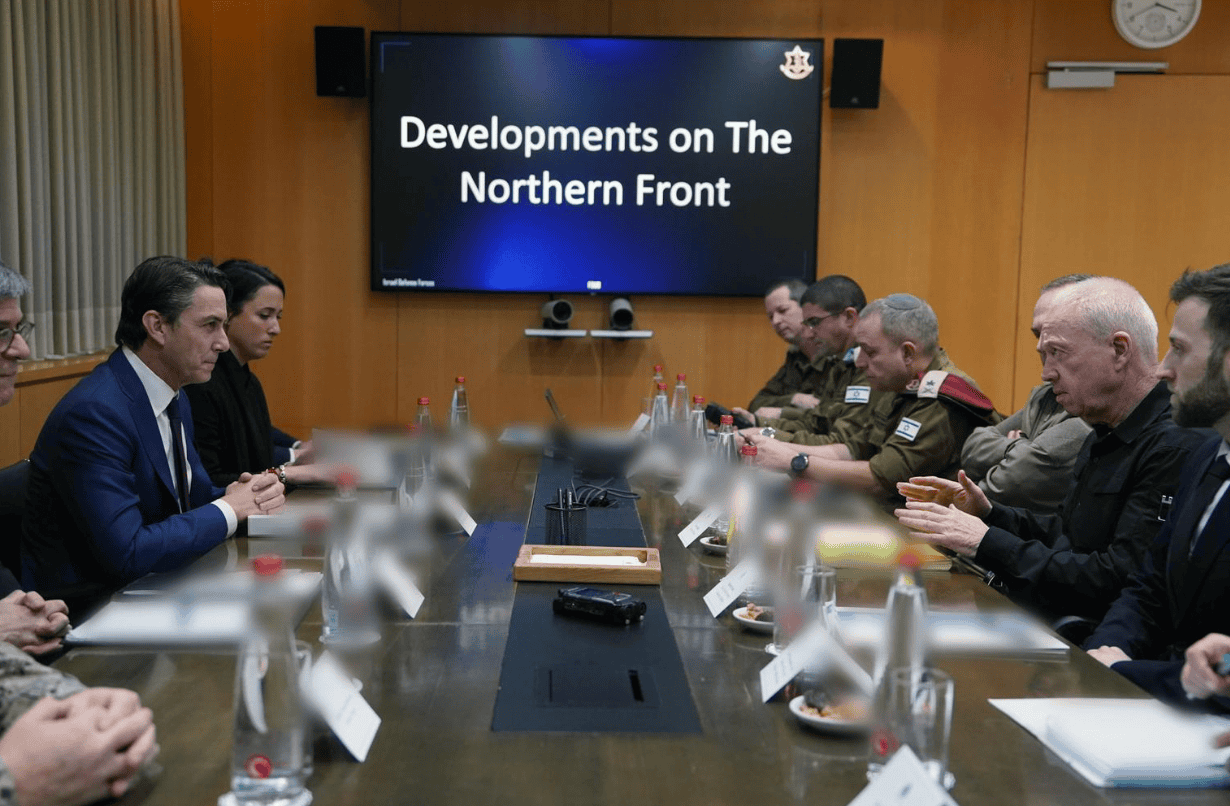
Hezbollah continued to fire rockets at Israel on February 4 and 5, as Israel’s Minister of Defense warned that Israel’s air force is “pointing” north and as the Israel Defense Forces released new data on strikes against Hezbollah. US envoy Amos Hochstein was in Israel at the same time France’s Foreign Minister visited Jerusalem.
-
Israel faces Hezbollah threats amid success on other fronts
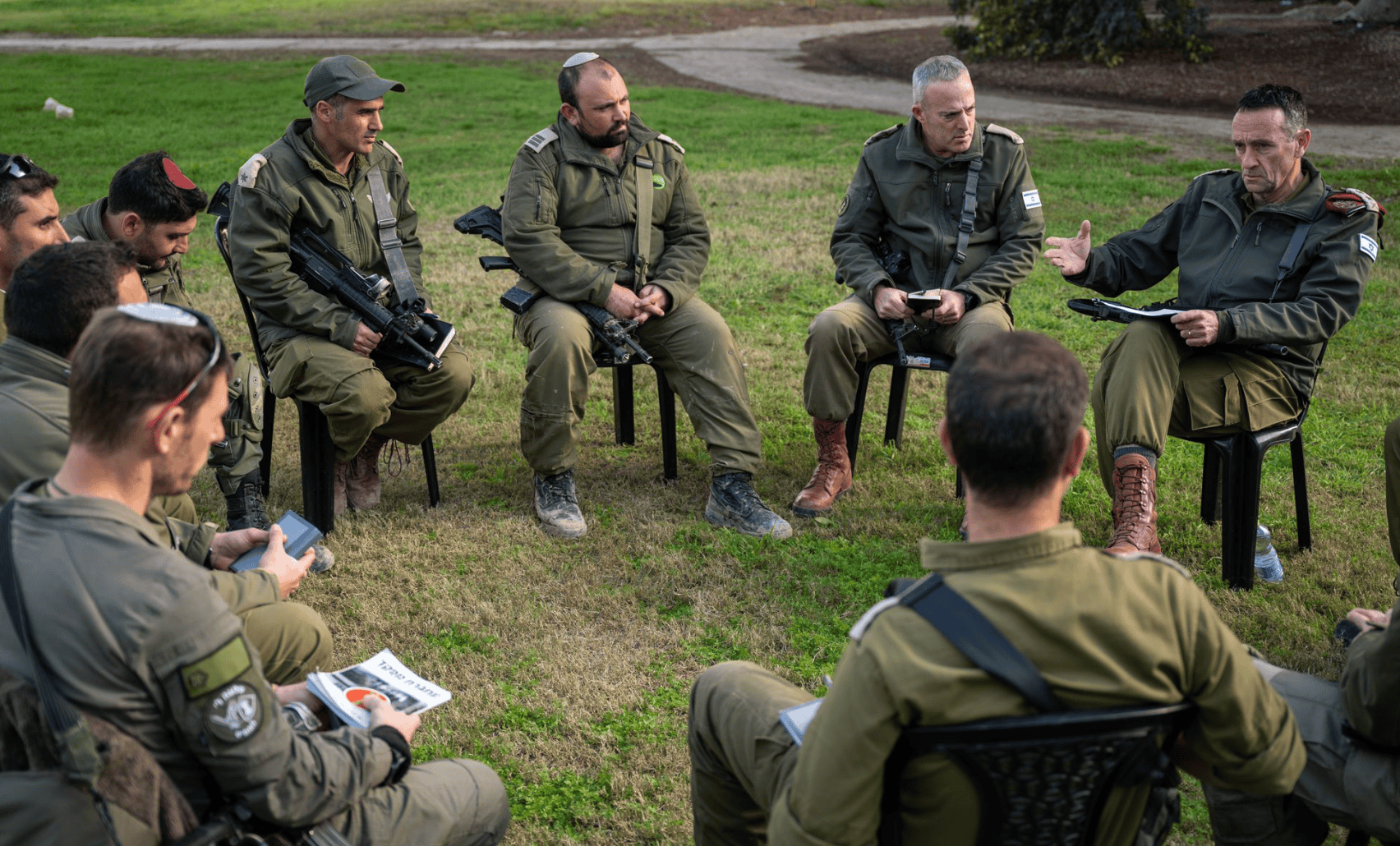
Rockets from Lebanon targeted the northern Israeli community of Arab al-Aramshe. Israel’s Defense Minister visited Haifa and warned about a potential conflict in the north. Israel’s Chief of Staff visited the Gaza border and met with a reserve battalion that had suffered losses in Gaza. The IDF also revealed more details about its operations using water in Gaza tunnels.
-
IDF consolidates gains in Khan Younis
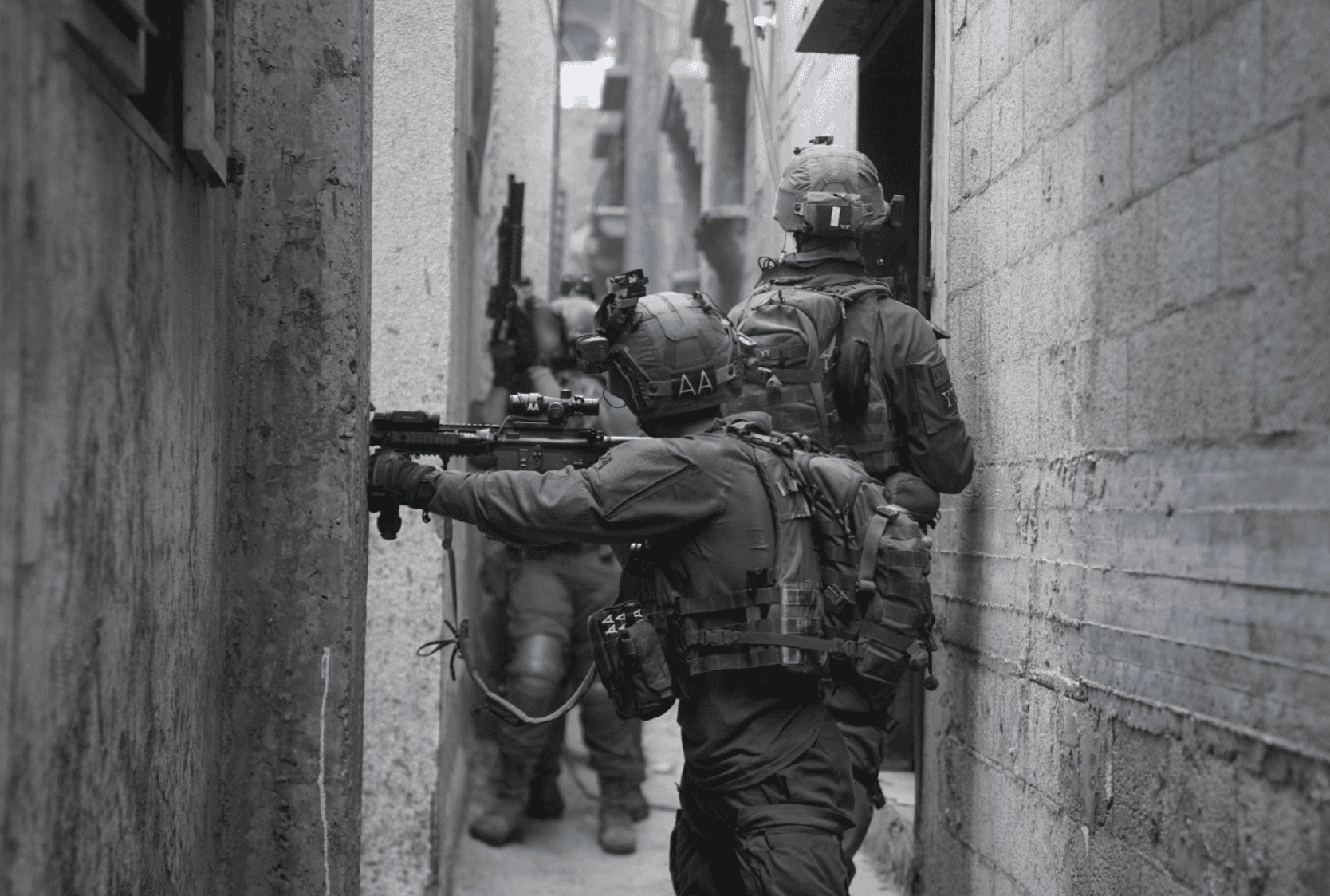
The IDF continues to degrade Hamas forces in Khan Younis, with Israel estimating that more than half of Hamas battalions in the city have been eliminated. Nonetheless, Israel’s Defense Minister met with a unit of IDF artillery to discuss the long war ahead that Israel still faces.
-
Unprecedented calm along border amidst reduction in rocket fire from Gaza
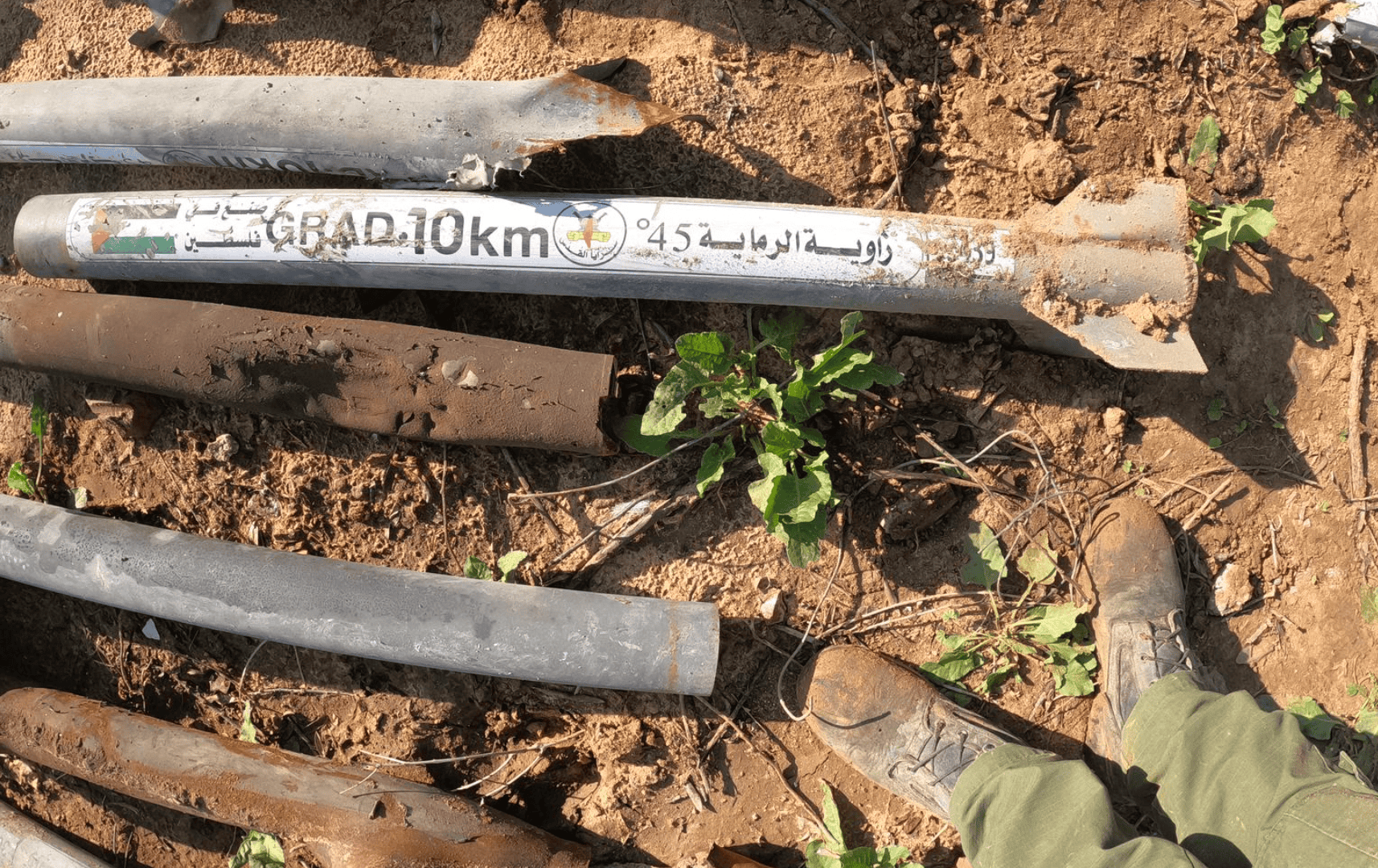
Rocket fire from Hamas in Gaza decreased significantly between January 21 and 24. In Gaza, the Israel Defense Forces continued to increase pressure on Hamas in the southern city of Khan Younis. Israeli forces also found a tunnel near the Israeli border in central Gaza.
-
Generation Jihad Ep. 136 — H is for Hamas… and Hezbollah (and Houthi)
Bill and Joe catch up on the latest news from the Middle East, including U.S. pressure on Israel (led by Secretary of State Blinken) to come to a permanent ceasefire in Gaza while the U.S. also considers withdrawing its own troops from Syria; Israeli casualties in Gaza (including suffering the recent historic loss of 24 IDF reservists); Israeli strikes inside Lebanon; and, yes, more Houthi drama.
-
Israel suffers historic loss with most soldiers killed in single day since onset of Gaza ground operations
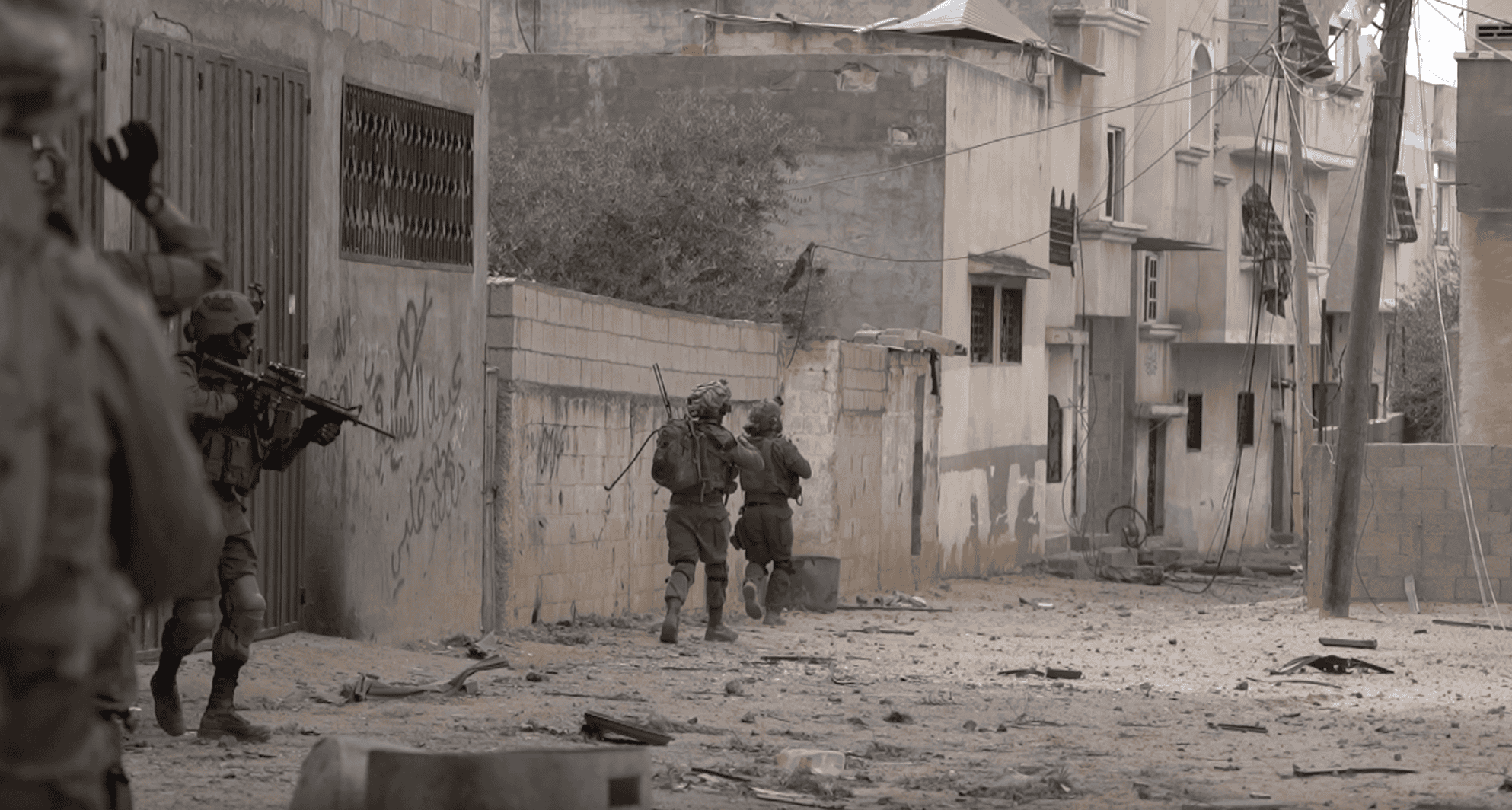
24 Israeli soldiers were killed in Gaza on January 22, the worst single day of casualties for Israel since ground operations in Gaza began on October 27. While continuing work to secure the border region and dismantle terrorist infrastructure, an IDF unit involved in this operation suffered the loss of 21 of its soldiers when an RPG impacted and caused an explosion which led to the collapse of nearby buildings on the soldiers.
-
IDF expands operations in Khan Younis
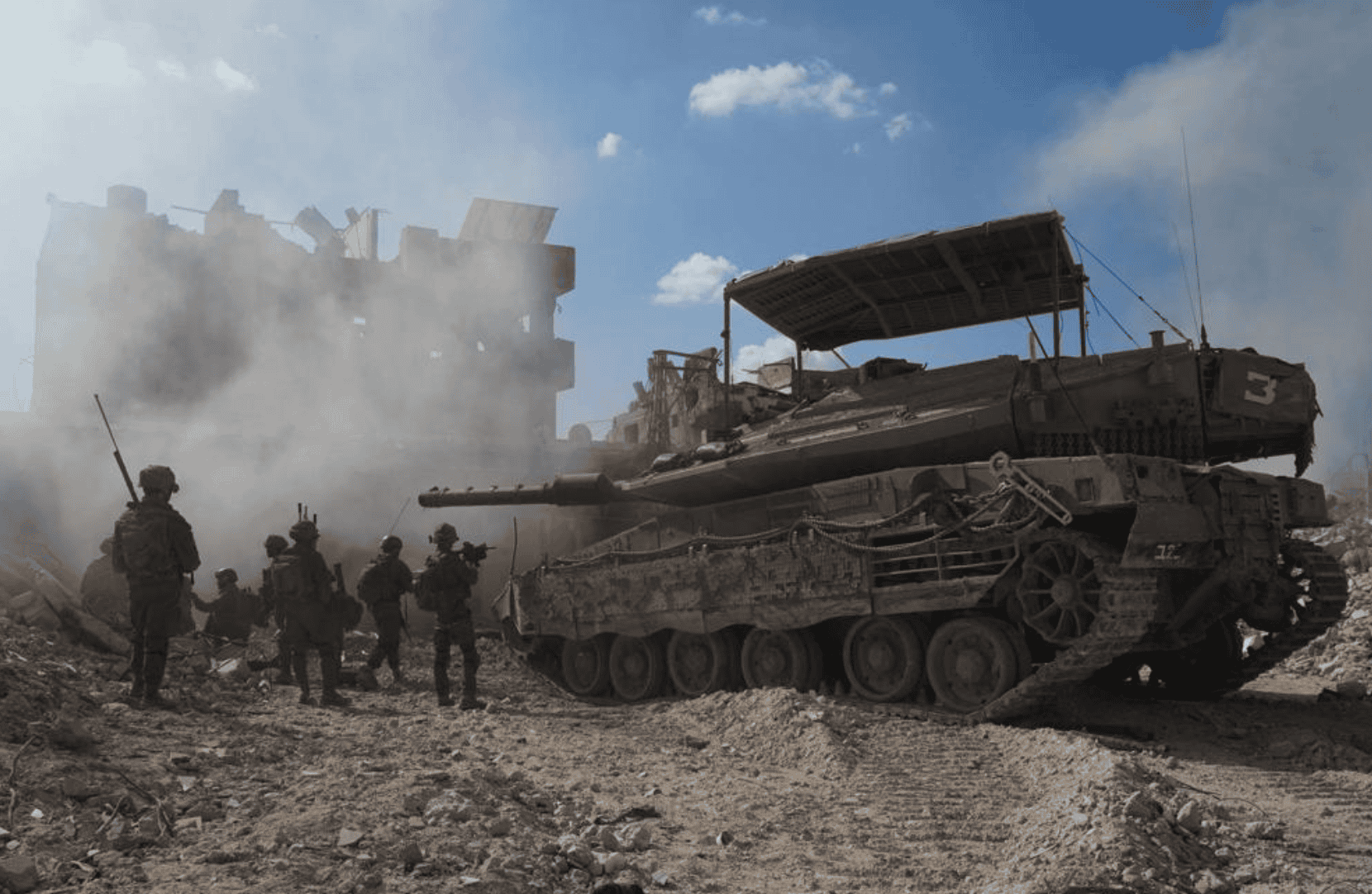
The Israel Defense Forces expanded operations in southern Gaza’s Khan Younis, hometown of Hamas leader Yahya Sinwar. IDF forces also revealed a tunnel in the city where hostages were held. In other areas of Gaza, the Israeli navy carried out operations along the coast, and a training area was found in northern Gaza. Hamas members were targeted with airstrikes
-
IRGC intelligence advisor killed by airstrike in Syria
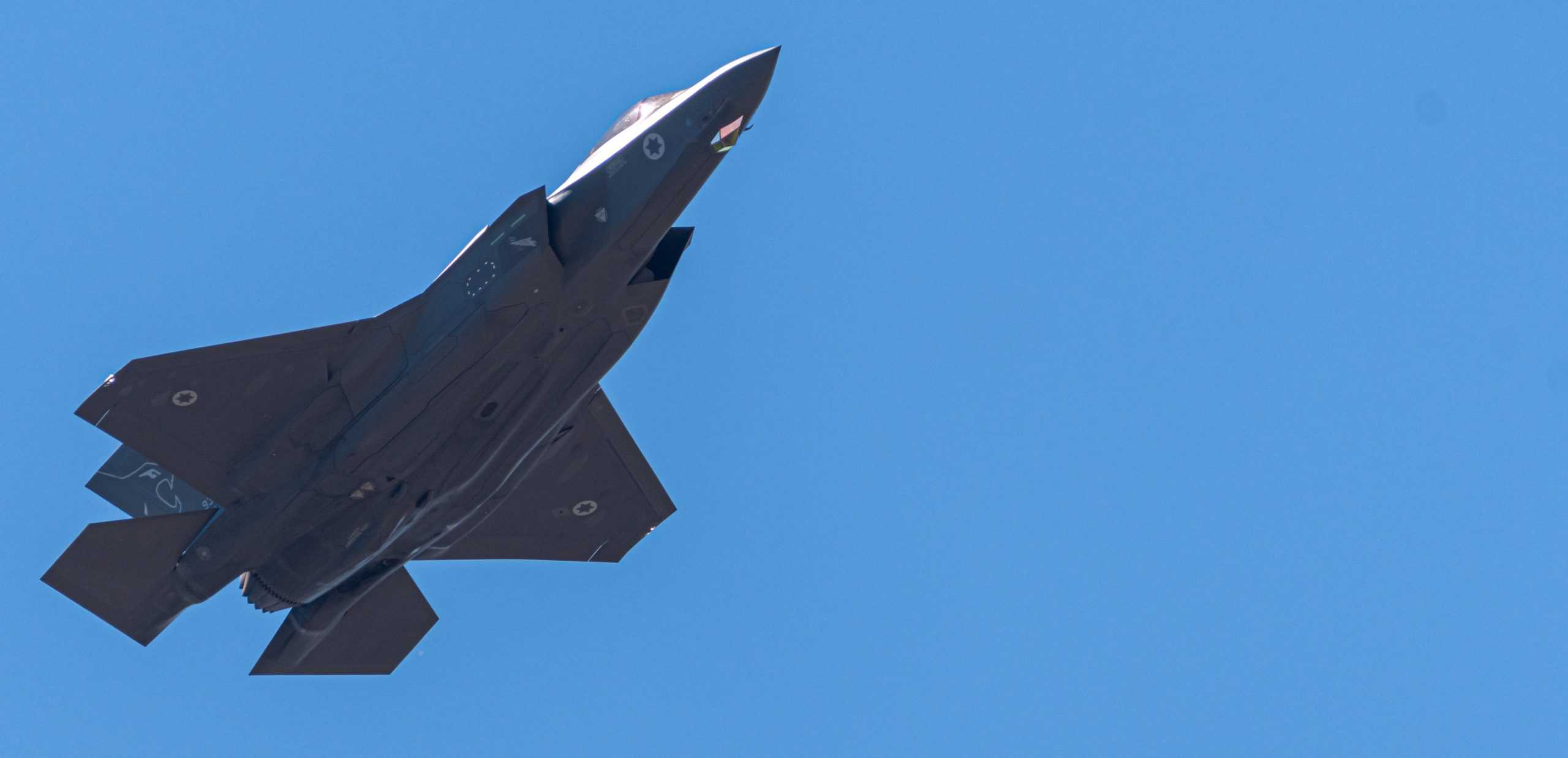
An airstrike in the Syrian capital of Damascus killed five IRGC military advisors, including General Sadegh Omidzadeh. The strike is the second against Iranian advisors in Syria in the past four weeks.
-
U.S. and Israeli officials discuss Hezbollah threat
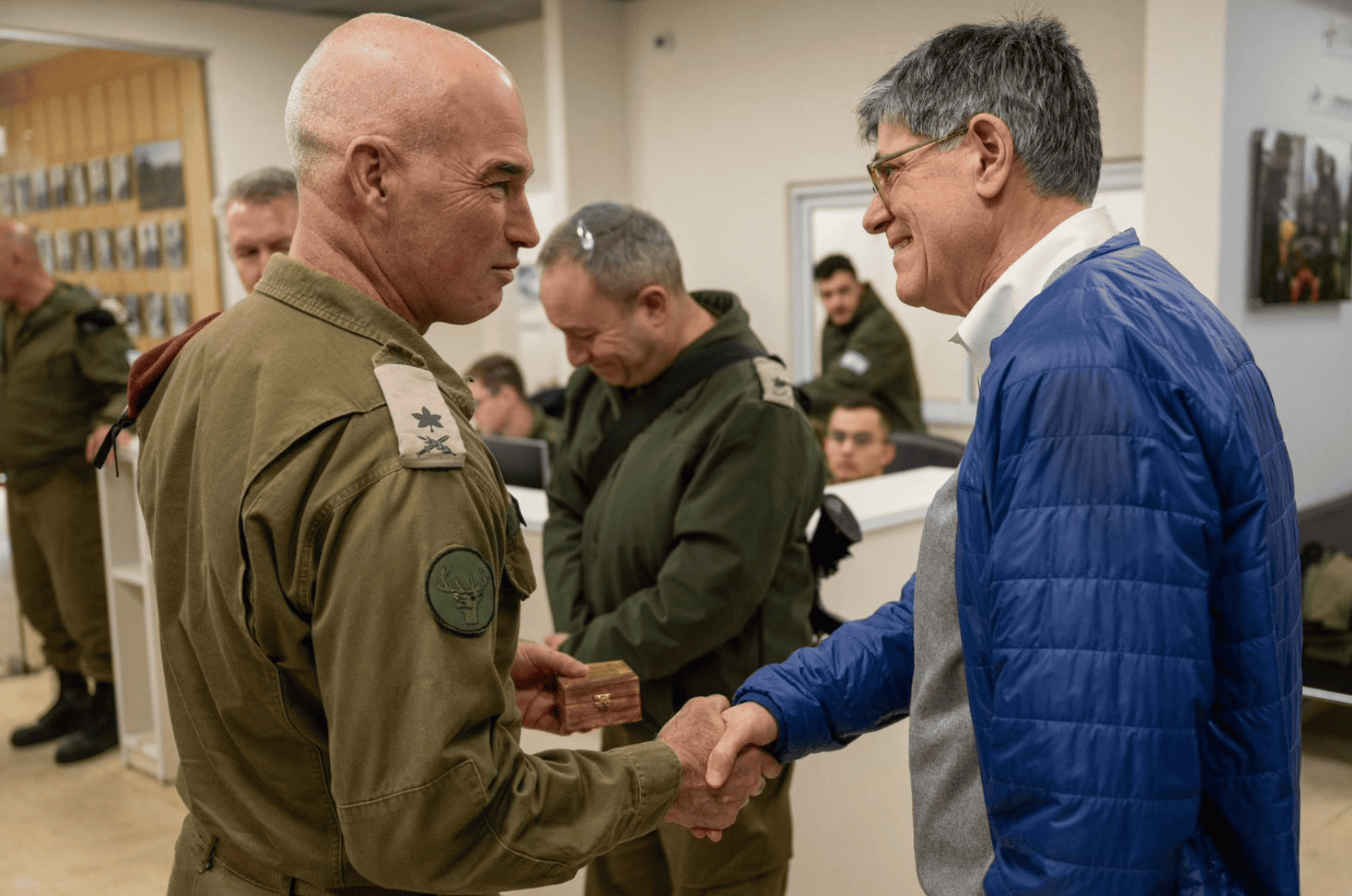
The US Ambassador to Israel visited Israel’s Northern Command, where IDF commanders discussed threats from Hezbollah. Israeli Defense Minister Yoav Gallant spoke with US Secretary of Defense Lloyd Austin. IDF tanks found a terrorist training facility in Gaza, and the IDF wrapped up a two-day raid in the West Bank.
-
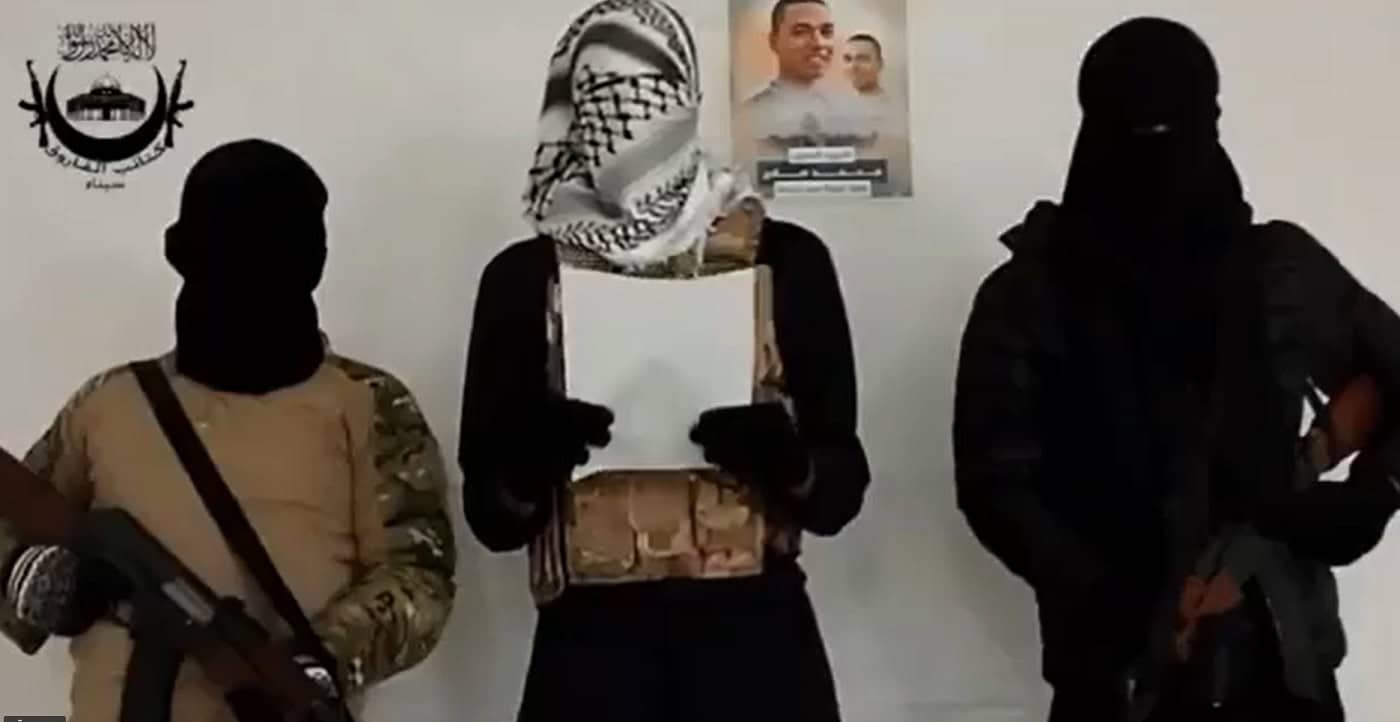
Armed group in the Sinai declares it will fight Israel
A new Sinai-based organization calling itself Kataib al-Farouq calls for attacks against Israel.
-
Hostages remain priority as IDF dismantles terror infrastructure in Gaza
The youngest Israeli hostage in Gaza turned one year old this week, bringing into focus the lives of the remaining 136 hostages still held by Hamas inside Gaza, where Israeli forces have continued to uncover and dismantle terrorist infrastructure, including weapons and machines for making munitions.