-
Half of Afghanistan’s provincial capitals under threat from Taliban
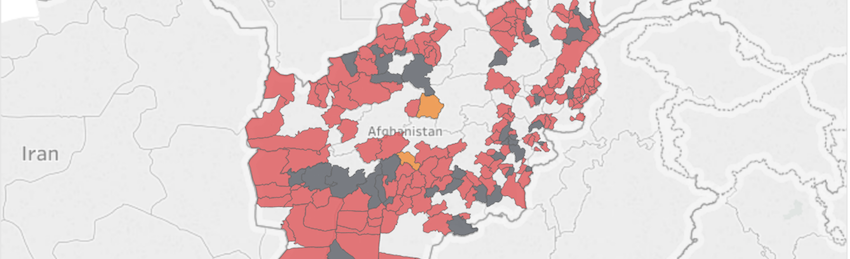
The Taliban directly threatens 17 of Afghanistan’s 34 provincial capitals, while 18 of the provinces are under direct threat of falling under Taliban control, according to an assessment by FDD’s Long War Journal.

-
Afghanistan at risk of collapse as Taliban storms the north
The importance of the Taliban’s northern thrust cannot be understated. If the Taliban can deny Afghanistan’s government and its backers their base of power, Afghanistan is effectively lost.

-
Taliban doubles number of controlled Afghan districts since May 1
The Taliban’s multiyear strategy of gaining influence in the rural districts to pressure the population centers is paying dividends.
-
Kunduz province in danger of falling to the Taliban
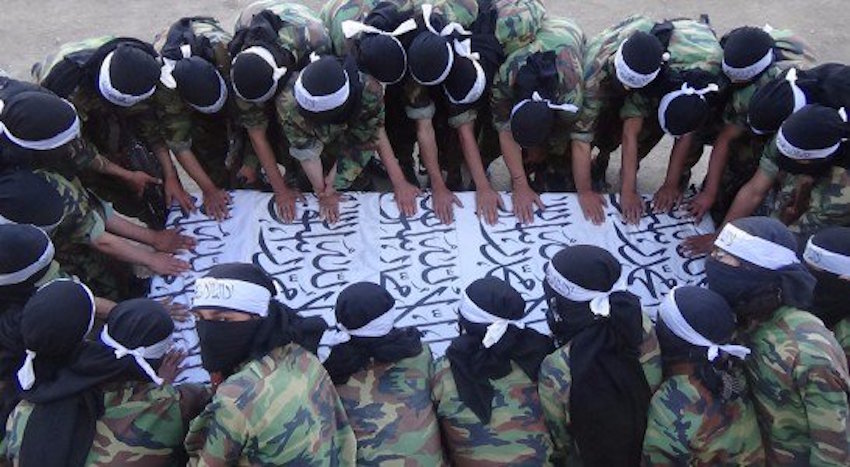
The Taliban has gone on the offensive in northern Afghanistan and is on the verge of taking control of Kunduz province if Afghan security forces cannot stay the siege of Kunduz City. Kunduz is one of eight provinces in danger of falling to the Taliban before U.S. forces are scheduled to completely withdraw in September. The Taliban is currently in control of six of Kunduz’s seven districts and has surrounded Kunduz City. The Taliban massed outside of Kunduz City over the weekend and “seized the city’s entrance before dispersing throughout its neighborhoods,” The New York Times reported on June 20. Fighting…
-
Taliban enters Kunduz City, seizes control of more than 20 districts
The Taliban took control of nine districts in Takhar and is fighting inside Kunduz City. The Afghan military has so far been unable to halt the onslaught, particularly in the north, where the Taliban has the momentum and is dictating the pace of the fighting.

-
Taliban takes control of 30 districts in past six weeks
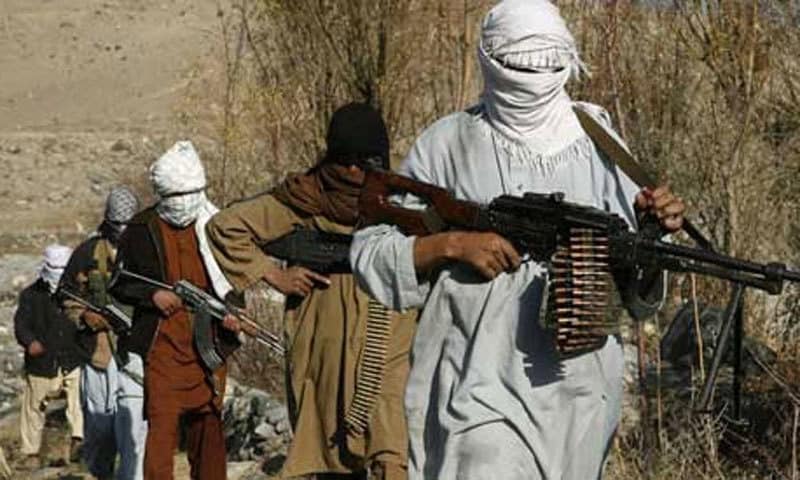
In the six weeks since the May 1 deadline for U.S. troops to withdraw from Afghanistan, the Taliban has seized control of 32 additional districts, their reach spanning half of the country’s 34 provinces.
-
UN report on Taliban controlled and contested districts tracks with LWJ data
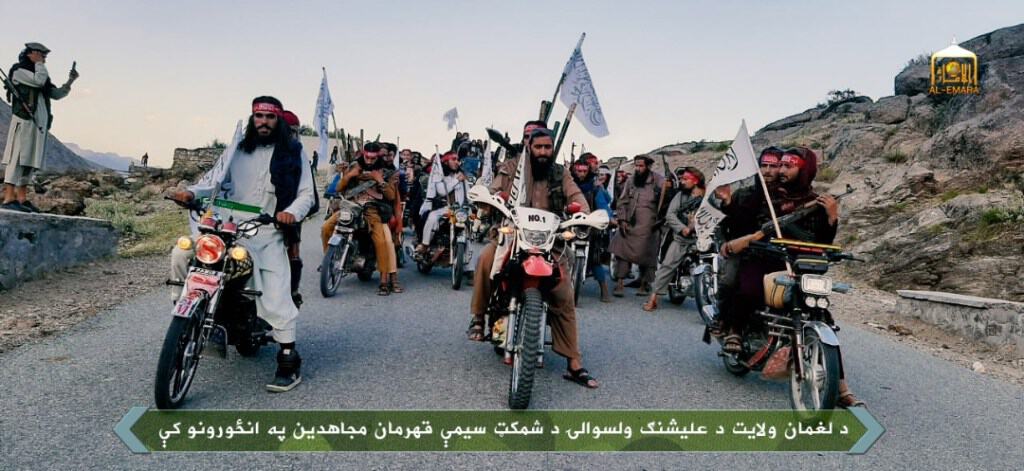
The United Nations Analytical Support and Sanctions Monitoring Team reports that as of April 2021, the Taliban contests or controls “an estimated 50 to 70 per cent of Afghan territory” and exerts “direct control over 57 per cent of district administrative centres.” LWJ’s analysis of the security situation is very similar.
-
Analysis: US military downplays district control as Taliban gains ground in Afghanistan
The Taliban continues to gain on the Afghan government; seven more districts have fallen under Taliban control or are contested, according to SIGAR. The US military dismissed these gains, stating that this is “not indicative of effectiveness of the South Asia strategy or progress toward security and stability in Afghanistan.”