-
Jihadi History: Al-Qaeda’s failed mobilization efforts in Central African Republic
In early 2014, as Muslim civilians were being massacred in Central African Republic as part of a cycle of violence between Muslim and Christian militias, al-Qaeda went on a full-court press in an attempt to foster any jihadist movement to take up arms in the country. These attempts, however, largely fell on deaf ears. As such, this offers a unique glimpse into when, and potentially how, jihadist mobilization attempts fail.

-
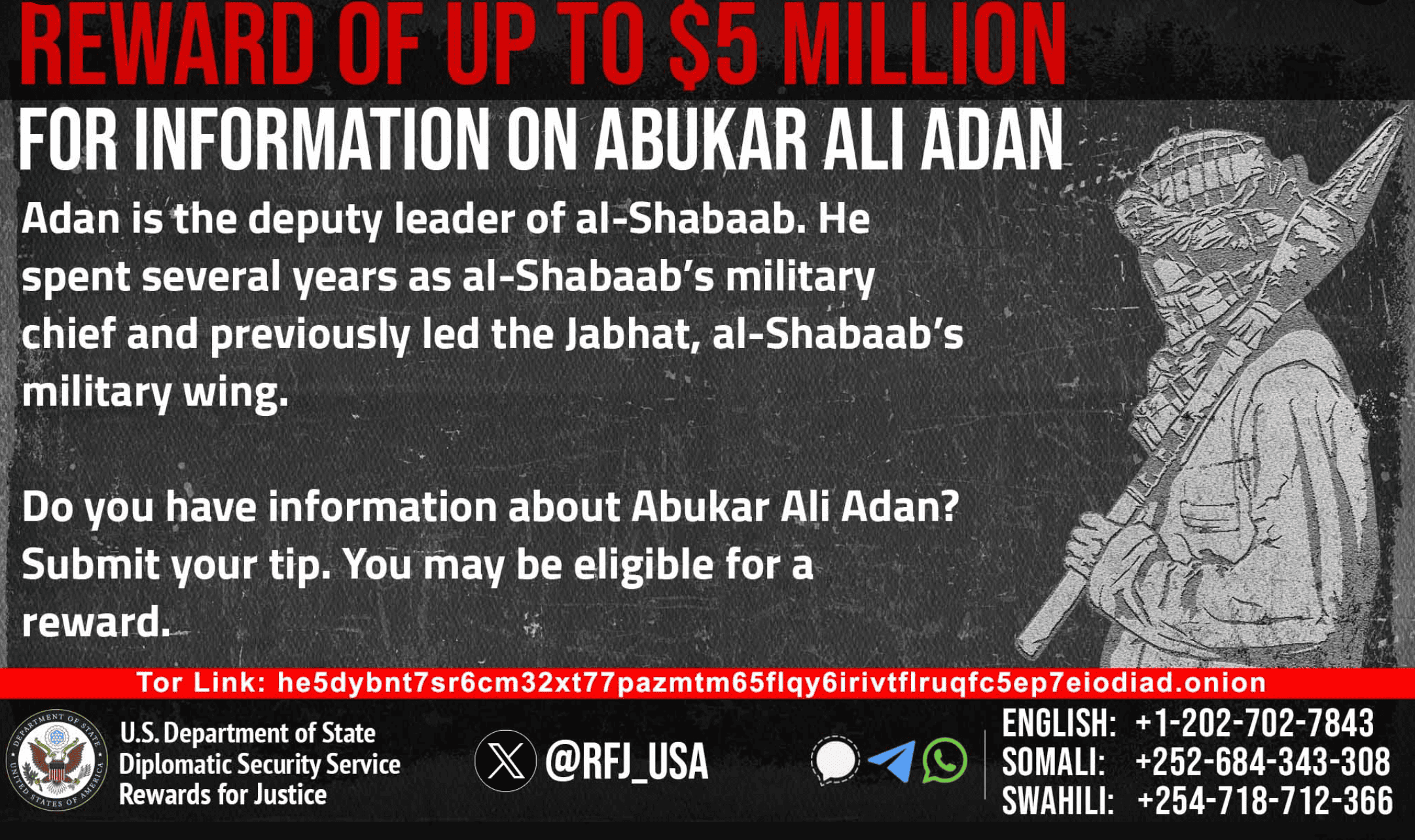
U.S. offers $5 million reward for Shabaab’s deputy emir
Abukar Ali Adan, the deputy leader of Shabaab, Al Qaeda’s branch in East Africa, is a dangeorus commander who has led the group’s military wing and has ties to other Al Qaeda branches in African and on the Arabian Peninsula.
-
Al-Qaeda’s North and West African branches respond to the Hamas-led invasion of Israel
Both al-Qaeda in the Islamic Maghreb and the Group for Support of Islam and Muslims, al-Qaeda’s branches in North and West Africa, respectively, have openly praised Hamas for its mass killings of Jews in recent days.

-
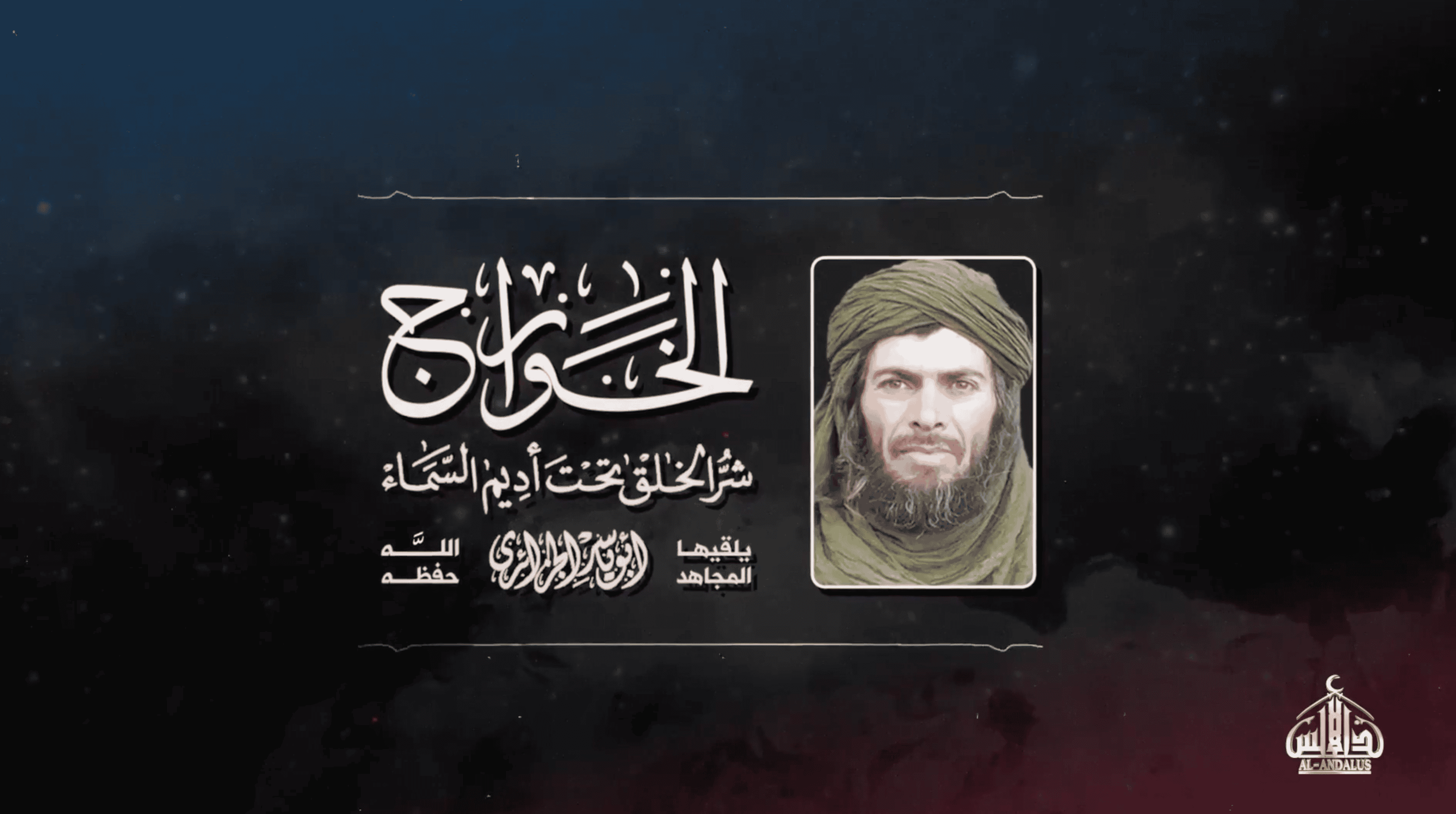
Analysis: Al Qaeda in the Islamic Maghreb encourages its Sahelian wing to continue fighting the Islamic State
Abu Yasir al-Jaza’iri, an Algerian ideologue in al-Qaeda in the Islamic Maghreb, offers the group’s harshest rebuke of the Islamic State to date.
-
French forces report killing Al Qaeda veteran in Mali
France says its forces killed Yahia Djouadi, a senior veteran of al Qaeda in the Islamic Maghreb, inside northern Mali. The raid comes after France and its European allies are set to withdraw from Mali.

-
Ansaru reaffirms its allegiance to al Qaeda
In a recent statement released online, Jamaat Ansar al Muslimeen, better known as Ansaru, confirmed it maintains its allegiance to al Qaeda after reportedly re-pledging allegiance to al Qaeda in the Islamic Maghreb in 2020.
-
Al Qaeda figure tied to kidnappings reported killed in Mali
Baye Ag Bakabo is linked to several of AQIM’s kidnappings in Mali, including the operation that left two RFI journalists dead in 2013.
-
State Department announces reward for information on AQIM leader
The U.S. State Department is offering a reward of up to $7 million for information concerning the leader of AQIM, Abu Ubaydah Yusuf al-Anabi. State says al-Anabi “is expected to play a role in al Qaeda’s global management.”

-
AQIM names veteran jihadist as new emir
Al Qaeda in the Islamic Maghreb has named Abu Ubaidah Yusef al-Annabi as its new emir. His predecessor, Abdelmalek Droukdel, was killed in a French counterterrorism operation in Mali earlier this year.

-
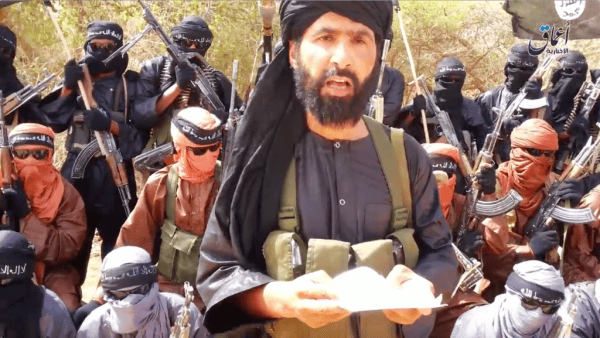
Analysis: Islamic State official critiques Al Qaeda in the Sahel
In an interview with the Islamic State’s Al-Naba newsletter, Abu Walid al-Sahrawi, the leader of the Islamic State in the Greater Sahara, attempts to paint al Qaeda’s efforts in the region as rife with internal squabbles and disunity.
-
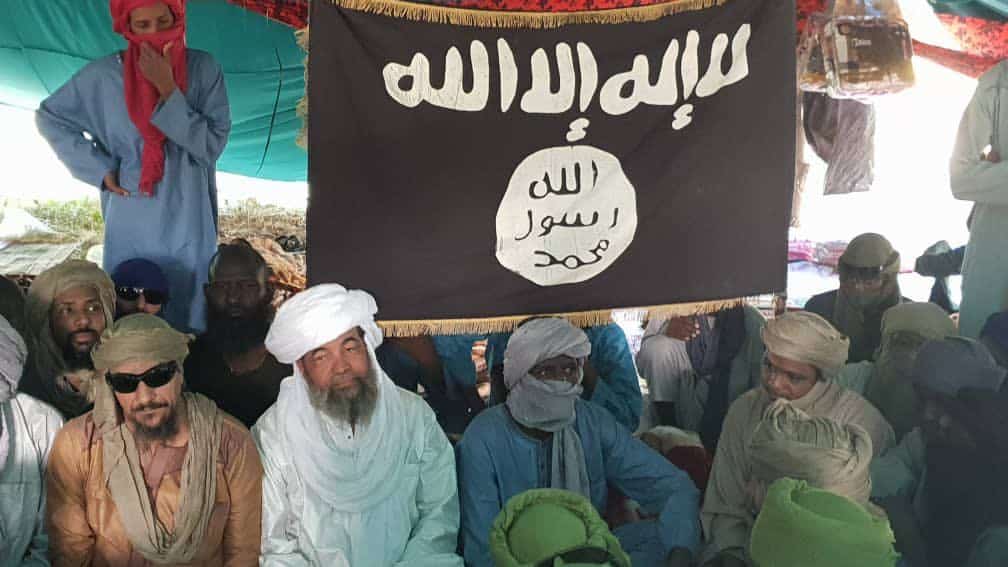
Analysis: JNIM celebrates prisoner swap in Mali
In exchange for the release of dozens of imprisoned members from Mali’s prisons, Al Qaeda’s Group for Support of Islam and Muslims (JNIM) has freed four hostages, three of them foreign. JNIM has since celebrated the prisoner swap, including a personal appearance by its overall emir, Iyad Ag Ghaly, in northern Mali.
-
Generation Jihad Ep. 27 – Counting Al Qaeda
Senior U.S. officials claim there are fewer than 200 al Qaeda members in Afghanistan. Hosts Bill Roggio and Tom Joscelyn explain why that estimate, like all others before it, isn’t credible.
-
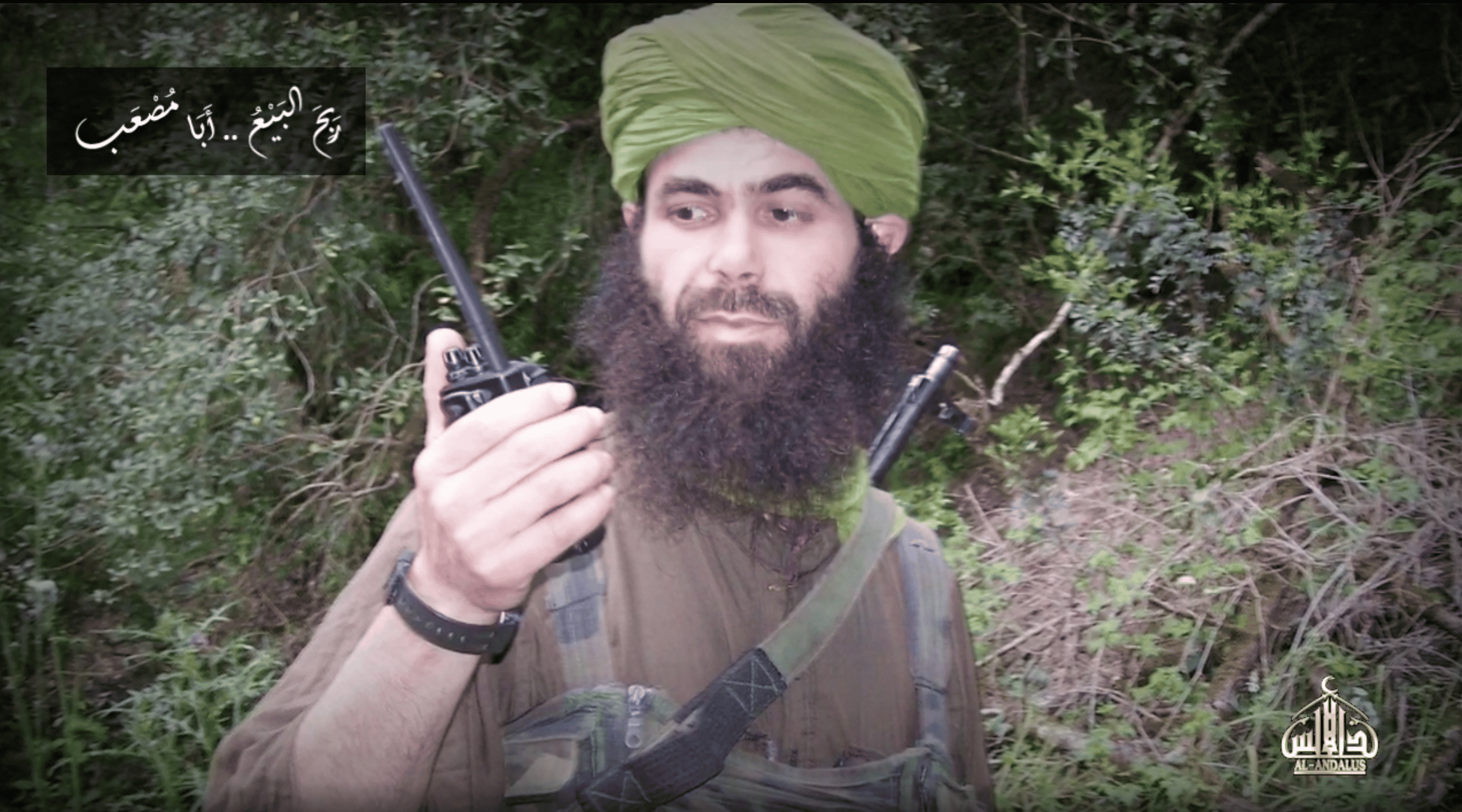
AQIM confirms leader’s death
AQIM has released an audio message confirming the death of its longtime emir, Abdulmalek Droukdel.
-
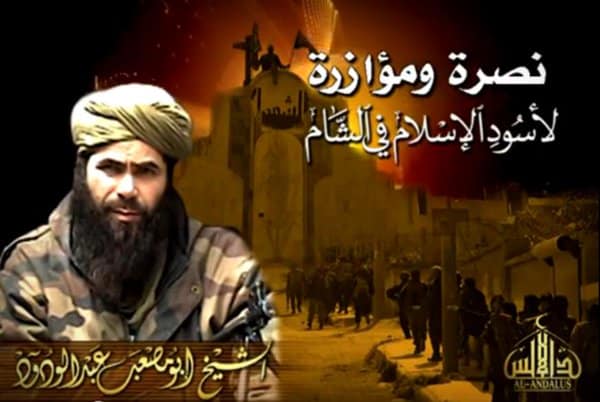
AQIM emir reportedly killed by French forces in Mali
French and American officials say the emir of AQIM, Abdelmalek Droukdel (a.k.a. Abu Musab Abdel Wadoud), was killed in a counterterrorism operation in northern Mali on June 3. The U.S. military supported the French-led operation.
-
Al Qaeda’s West African branch seeks French withdrawal, then negotiations
Al Qaeda’s branch in West Africa, Jama’at Nusrat al-Islam wal-Muslimin, has released a statement saying it is willing to meet with the Malian government — but only after French and allied forces withdraw from the area.

-
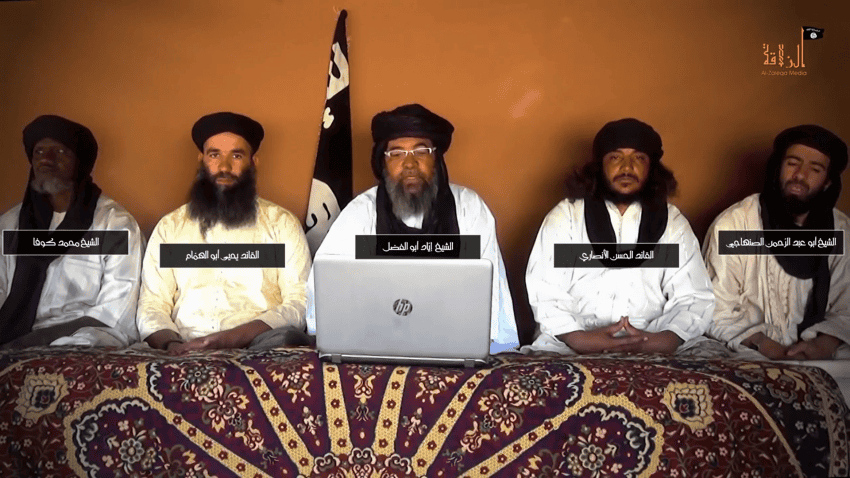
Al-Qaeda’s senior leadership praises jihadists in Mali and Somalia
Al-Qaeda’s senior leadership released a statement praising the jihadists in Mali and elsewhere in Western Africa for confronting the “Crusaders.” Al-Qaeda’s management team encourages them to dismantle the “French and American project” across the region.
-
Senior JNIM leader reportedly killed by France
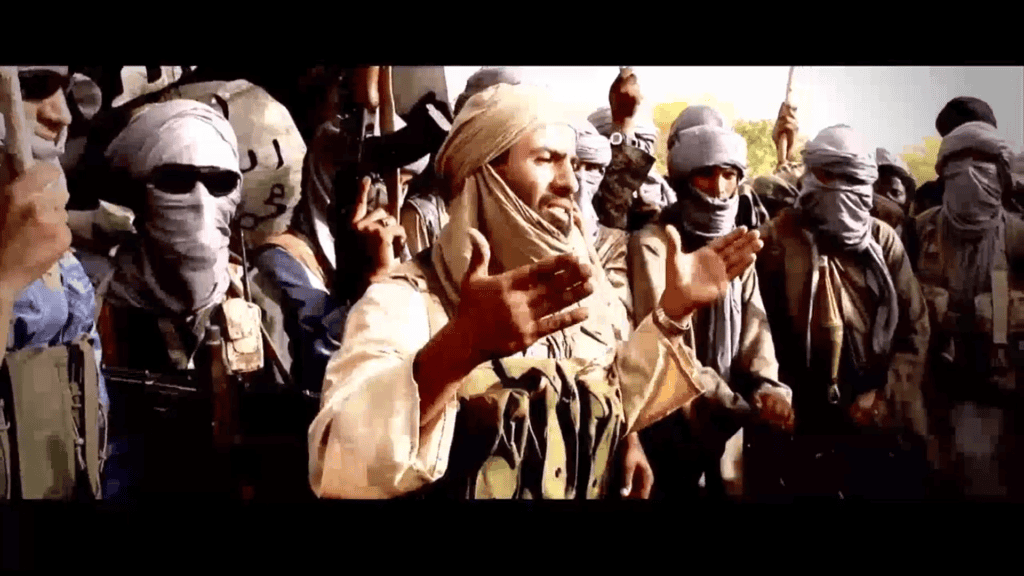
Abu Abdul Rahman al Sanhaji’s death, if confirmed, follows the death of several other high-profile JNIM leaders over the past two years.
-
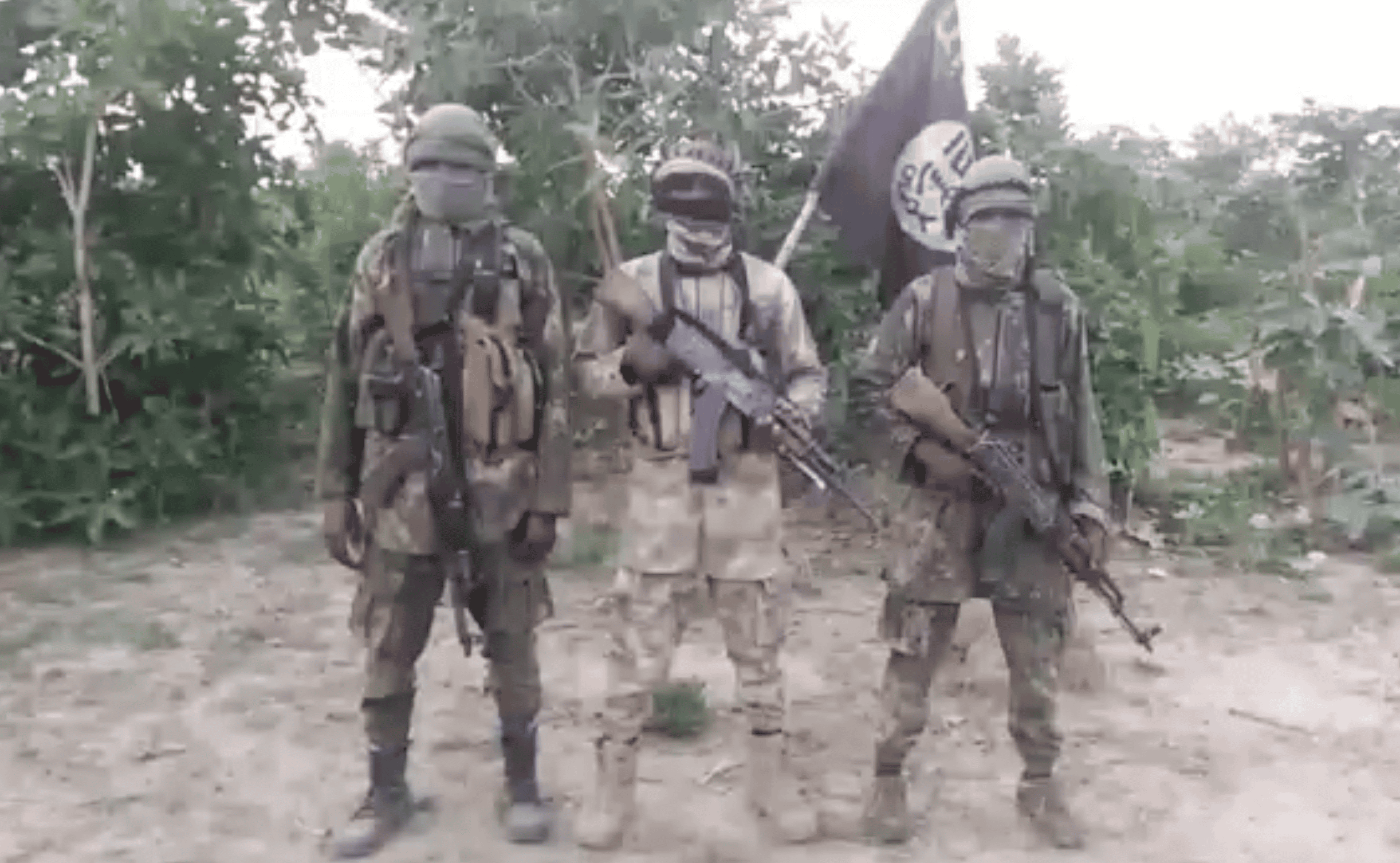
Al Qaeda-linked group reappears in Nigeria
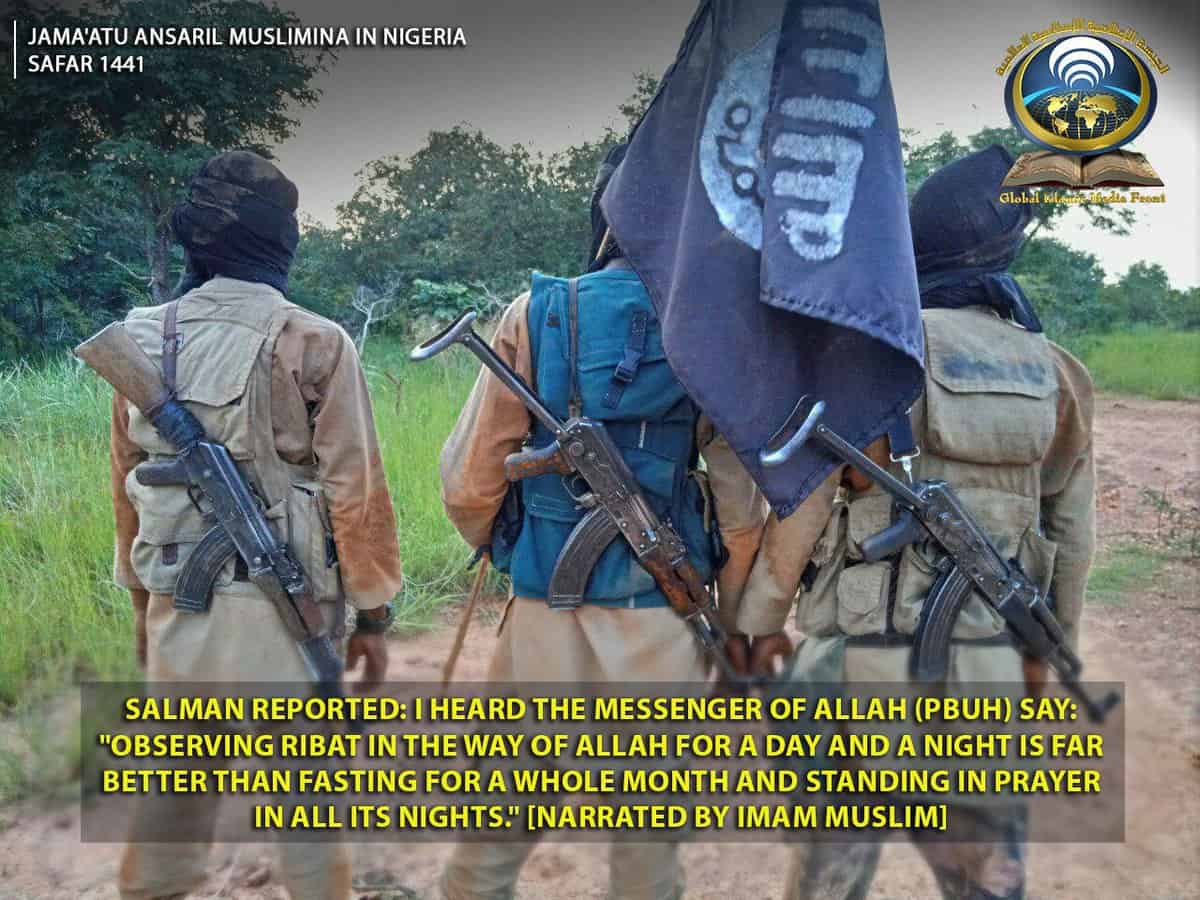
The photo marks the first sign of life for the group since 2017 and the first official publication since 2015.
-
Al Qaeda leader reported killed in Tunisia
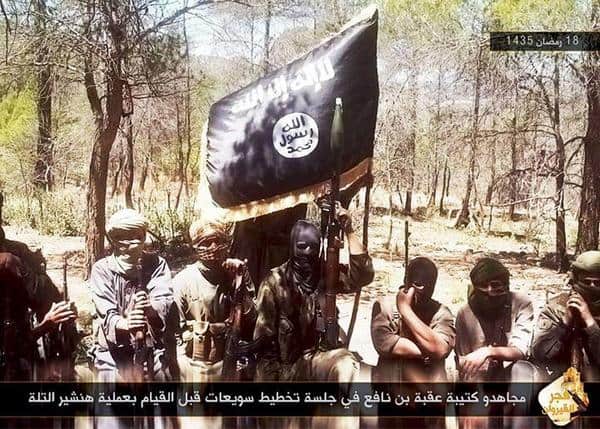
If confirmed, this would represent another major blow to al Qaeda’s Uqba bin Nafi Battalion.
-
US sanctions leaders of al Qaeda in Mali
Two leaders of al Qaeda’s Group for Support of Islam and Muslims (JNIM), a Moroccan national and a local Malian, were designated as terrorists today.

-
Al Qaeda group claims bombings in Tunisia
Al Qaeda’s Uqba bin Nafi Battalion claimed its first attack since October 2018.
-
AQIM official calls for sharia governance in Algeria
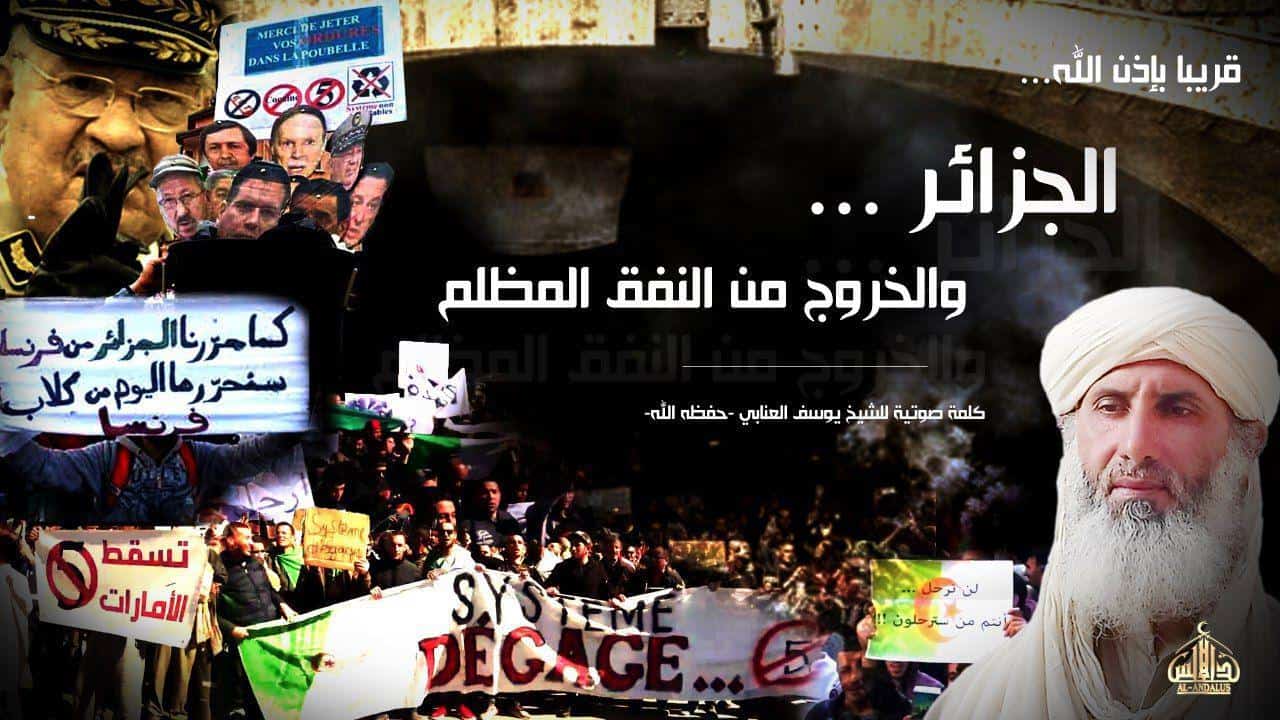
In a message released earlier this month, Abu Ubaydah Yusuf al-Anabi, a US-designated terrorist, called for sharia governance in Algeria. Al-Anabi is a senior Al Qaeda in the Islamic Maghreb religious figure and has led the group’s “Council of Notables.”
-
Jihadist leader in Mali denies reports of his death
Al Qaeda’s Group for Support of Islam and Muslims directly refutes France’s claiming of killing one of its co-founders and senior leaders, Amadou Kouffa.

-
French military claims senior JNIM leader killed
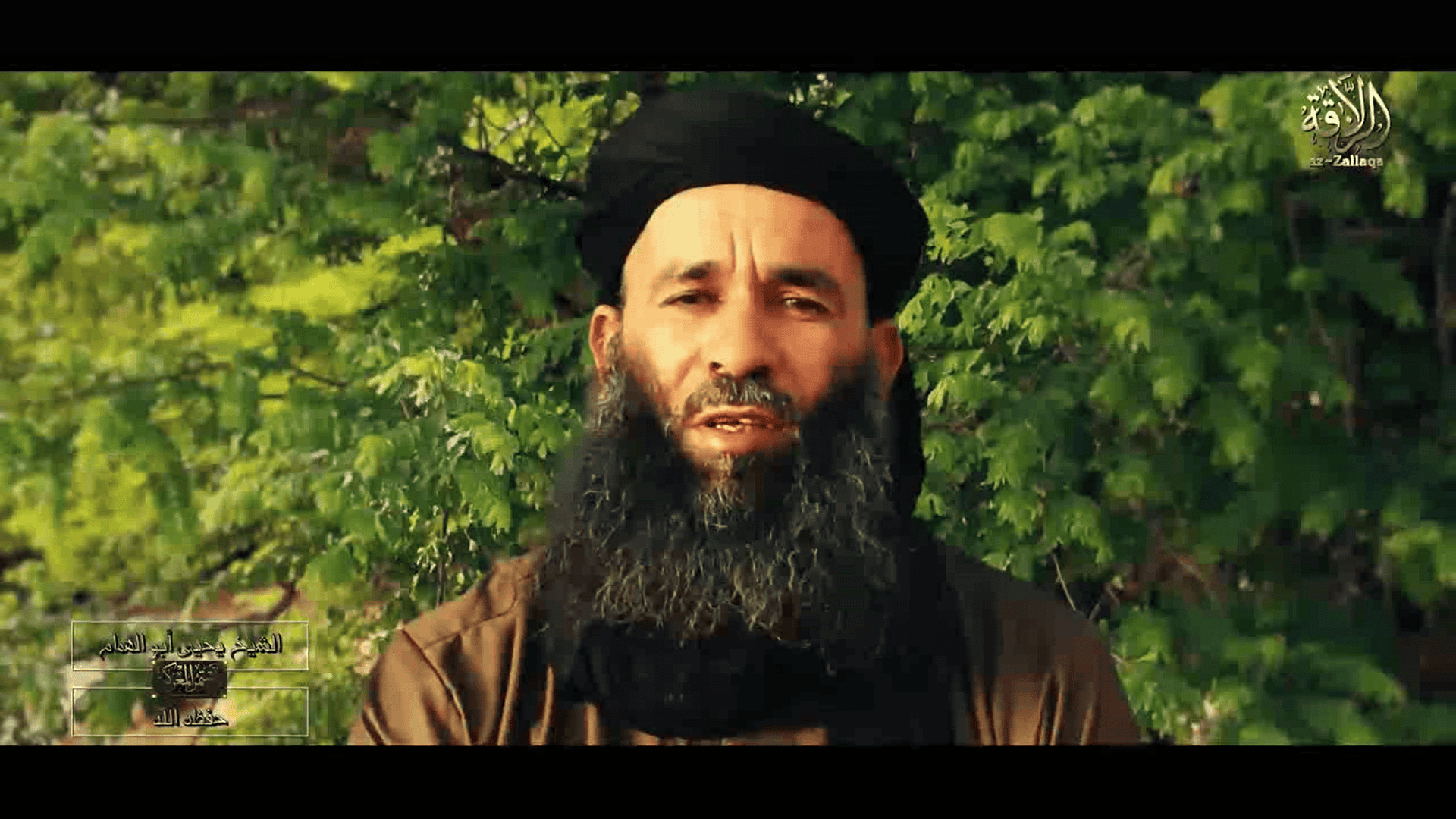
The claim has not been confirmed elsewhere, nor has JNIM commented on the event, but the French military has claimed a recent operation killed JNIM co-founder Yahya Abu al Hammam.
-
ODNI releases annual overview of Islamic State and al Qaeda networks
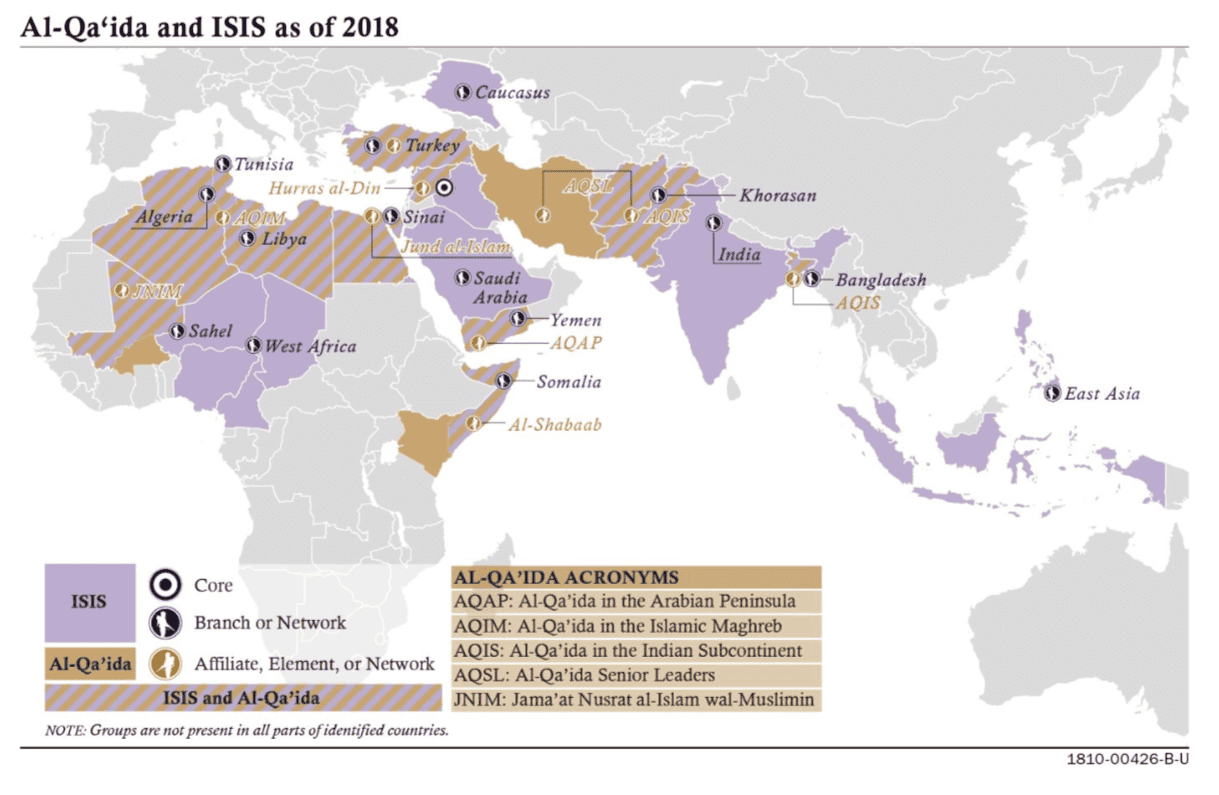
According to the Office of the Director of National Intelligence (ODNI), al Qaeda’s senior leaders are strengthening the al Qaeda “network’s global command structure.” Meanwhile, the Islamic State “still commands thousands of fighters in Iraq and Syria.” Both groups maintain worldwide networks or affiliates, branches, and supporters.
-
AQIM leader mixes populism with jihadism in criticism of France
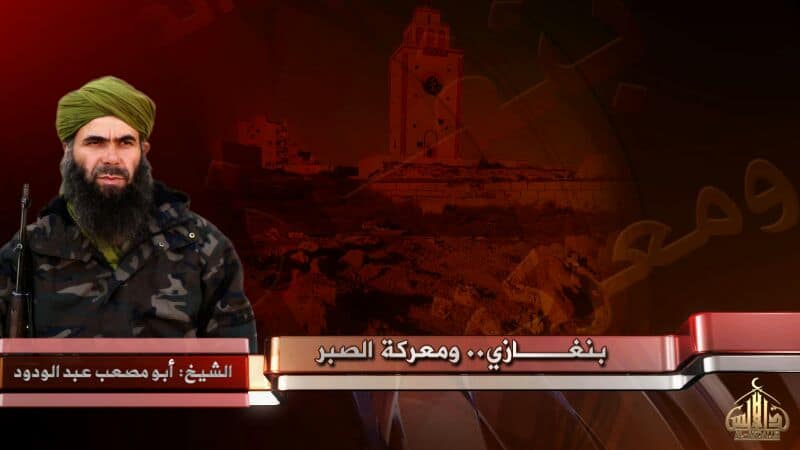
In a new audio message, Al Qaeda in the Islamic Maghreb’s emir, Abu Musab Abdel Wadoud, tries to capitalize on popular discontent in France. He fuses populist economic arguments with his jihadist ideology to critique France’s intervention in Africa.

-
AQIM claims Tuareg youth killed in US airstrike
Al Qaeda in the Islamic Maghreb has released a statement claiming that the victims of an American airstrike on Nov. 29 “were a group of Tuareg youth” and not members of the organization. US Africa Command previously said that 11 AQIM “terrorists” were killed and three vehicles destroyed in the “precision airstrike near Al Uwaynat, Libya.”
-
Al Qaeda branch claims IED attack on Tunisian soldiers
The IED claim is the group’s first since July and just the second attack claim of the year for the small Tunisian Al Qaeda wing.
-
JNIM portrays its fight as part of Al Qaeda’s global jihad
As JNIM rallies its members and supporters against France and Mali, it depicts the fight with the two countries as part of al Qaeda’s wider global jihad.

-
Al Qaeda is very much alive, and widely misunderstood
AL Qaeda’s operatives are fighting in more countries around the world today than was the case on 9/11. And its leaders still want to target the United States and its interest and allies. The war they started is far from over.