-
Yemen strikes wane, but AQAP still poses “a significant threat”
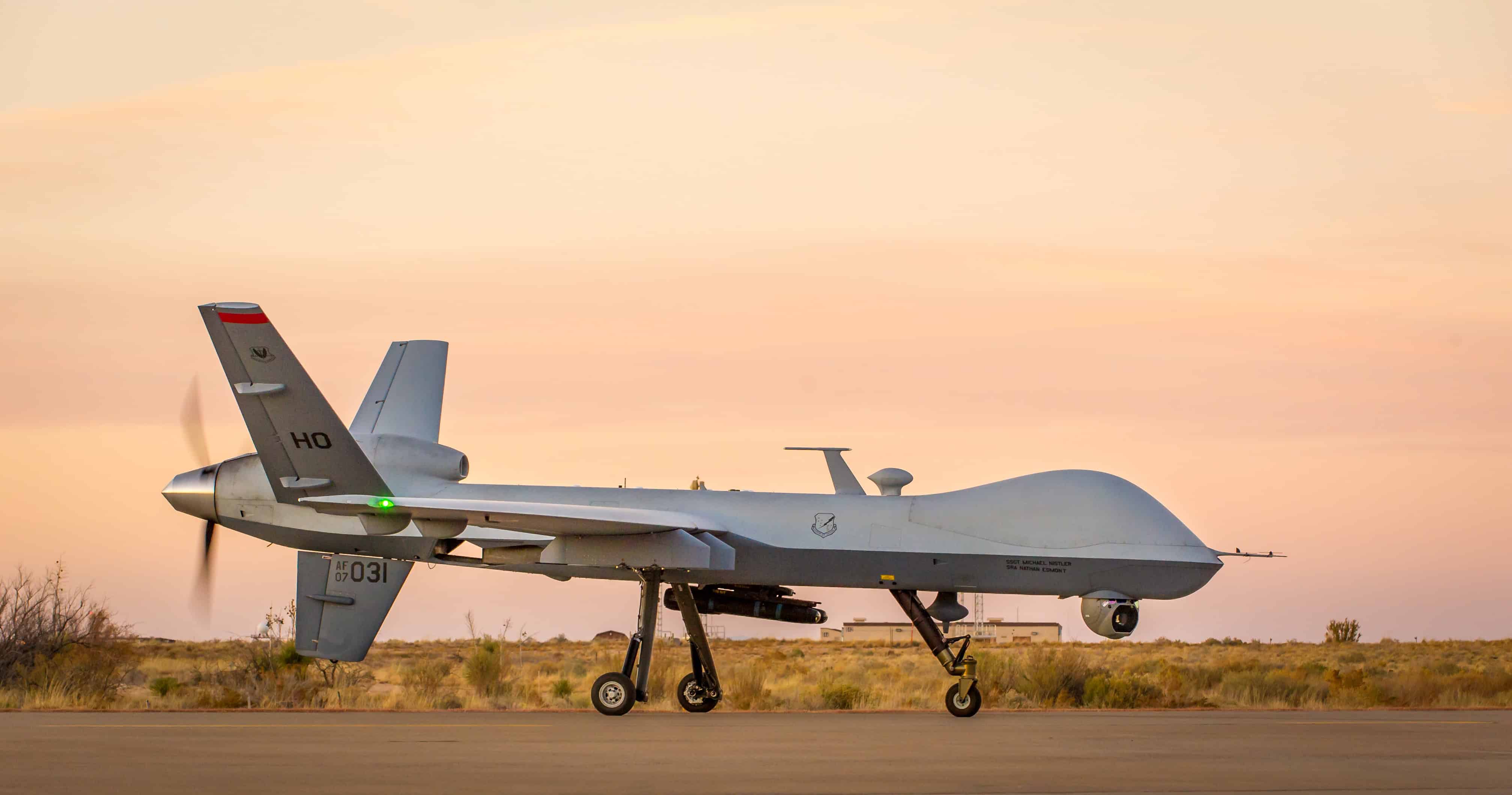
The United States has conducted 36 strikes in Yemen in 2018, roughly a quarter of last year’s record high of 131 strikes.
-
US offers reward for information on 2 senior AQAP leaders
The US State Department announced today that it is offering rewards for information on two senior AQAP leaders: Qasim al-Raymi and Khalid al-Batarfi. Both men attended al Qaeda’s training camps in pre-9/11 Afghanistan before assuming leadership roles in Yemen.

-
JNIM portrays its fight as part of Al Qaeda’s global jihad
As JNIM rallies its members and supporters against France and Mali, it depicts the fight with the two countries as part of al Qaeda’s wider global jihad.

-
Al Qaeda is very much alive, and widely misunderstood
AL Qaeda’s operatives are fighting in more countries around the world today than was the case on 9/11. And its leaders still want to target the United States and its interest and allies. The war they started is far from over.

-
AQAP claims Saudi spy network targeted its leaders
Al Qaeda in the Arabian Peninsula has released a new video that includes the testimony of several “spies” who have allegedly helped the Saudis and Americans hunt down the group’s members. There are reasons to be skeptical of AQAP’s claims, but the organization is clearly concerned that spies will do more damage to its hierarchy.

-
US conducts 6 strikes against Al Qaeda in Yemen
The United States has conducted a total of 34 strikes in Yemen in 2018, all of which targeted Al Qaeda barring one strike against the Islamic State in Jan. 2018. However the military is not likely to top last year’s high.
-
US Counterterrorism strikes: Tempo remains high in Somalia and Yemen, transparency improves
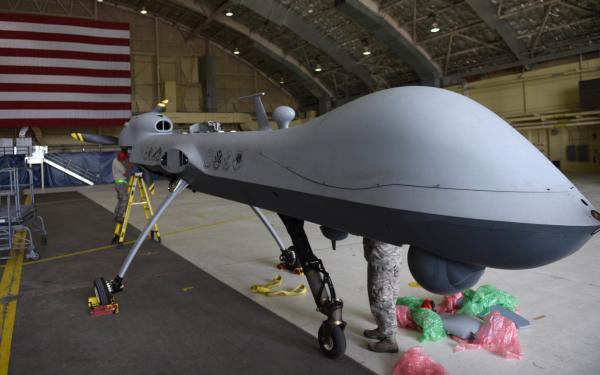
In 2017, LWJ reported unprecedented levels of airstrikes in Somalia and Yemen. Thus far in 2018, the United States has sustained its high strike tempo in Somalia and improved transparency on its air campaign in Yemen. Strikes in Pakistan have leveled off, however press restrictions make tracking operations there difficult. In Libya, the U.S. has targeted jihadists sparingly.
-
Analysis: AQAP remains under pressure
On May 23, Al-Badr Media Foundation announced its presence online, saying it will work to serve the interests of al Qaeda in the Arabian Peninsula (AQAP) and its supporters in several ways. AQAP remains under pressure and its media output has been degraded by a US-led campaign. Al-Badr is AQAP’s latest attempt to improve the group’s security measures and boost fighter morale.

-
US Military reviews possible civilian casualties in Yemen, Somalia
Two regional combatant commands acknowledged reports of civilian casualties in recent operations.

-
CENTCOM releases some Yemen strike information, but gaps remain
The US military has conducted 27 counterterrorism strikes in Yemen in 2018, but has only provided complete information on two. One of the strikes hit an AQAP training camp in Hadramout.
-
Analysis: Shabaab advertises its al Qaeda allegiance
Since late April, Shabaab has released a series of videos emphasizing its place in al Qaeda’s global network. Two of the videos were recorded by the group’s emir, Abu Ubaydah Ahmad Umar, a normally reclusive figure. Abu Ubaydah refers to the Taliban’s emir as the “Commander of the Faithful” and Ayman al Zawahiri as the “father-emir” while addressing the mujahideen in Syria and Yemen.

-
As Senate probes Yemen role, US quietly continues strikes
The military has not produced detailed press releases for any strikes this year, continuing 2017’s limited transparency.

-
Hamza bin Laden warns of Shiite expansion in the Middle East
In his latest message, Hamza bin Laden warns that Shiites are expanding throughout the Middle East and claims that the Saudi government is incapable of stopping them. Hamza calls upon Muslims to support the jihadists in Yemen. He also criticizes the relationship between the Saudis and the US.

-
LWJ Exclusive: US quietly continues Yemen air campaign
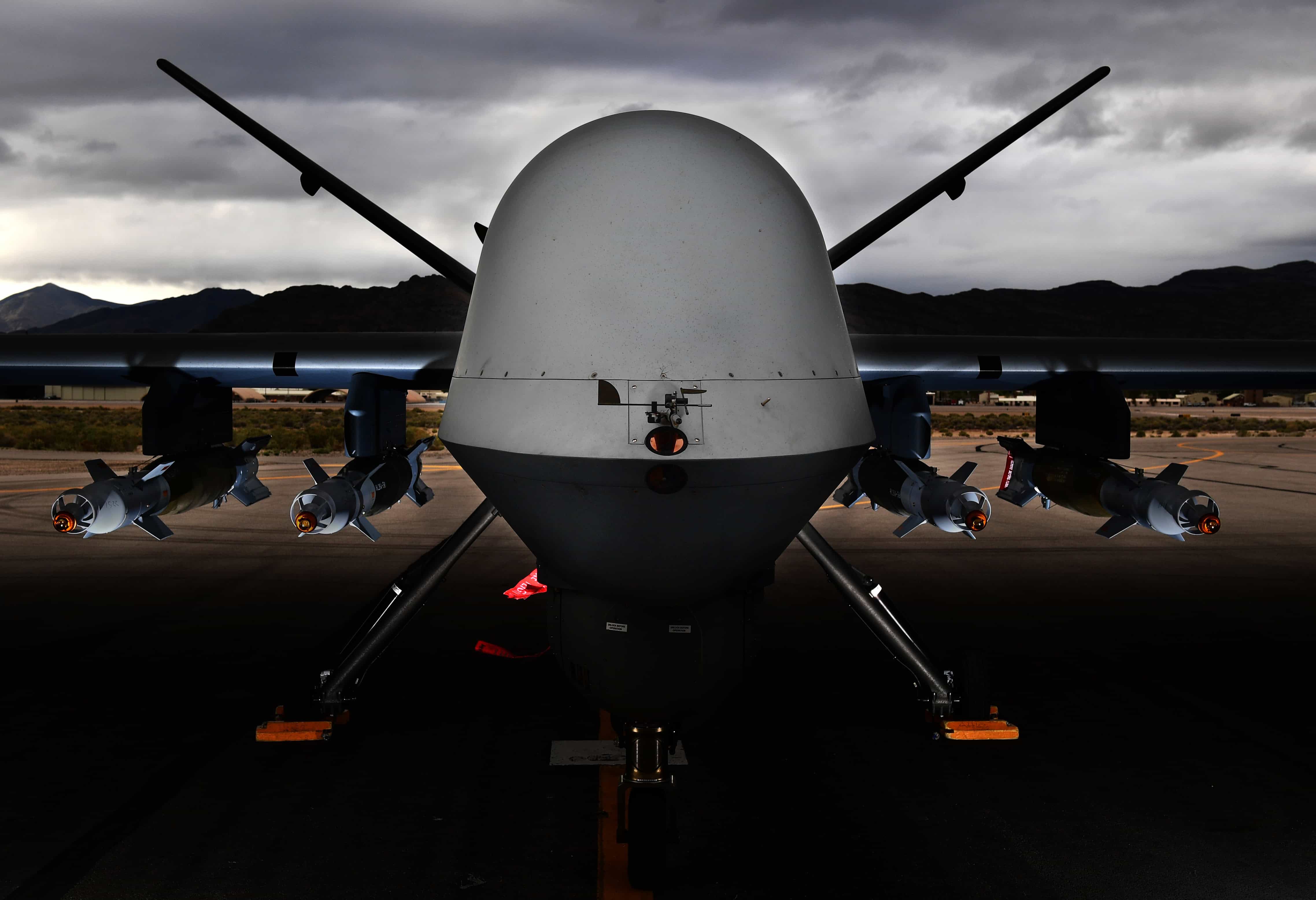
The US military has launched 22 airstrikes against al Qaeda int he Arabian Peninsula and the Islamic State’s Yemeni branch, a spokesman told FDD’s Long War Journal.
-
Senior AQAP leader added to US terror list by State Department
The State Department has added Khalid Batarfi, an al Qaeda veteran and senior al Qaeda in the Arabian Peninsula (AQAP) leader, to the US government’s list of specially designated global terrorists. Batarfi threatened the US and Jews in a video released by AQAP just yesterday.

-
Former Guantanamo detainee warns against spilling secrets
Ibrahim al Qosi, a former Guantanamo detainee, is one of three senior AQAP leaders featured in a video released this week titled, “Secrets, its Dangers and the Departure of the Best of Us.” The video is focused on the US drone campaign and the jihadists’ lapses in security.

-
US killed three ‘key’ AQAP leaders in Yemen
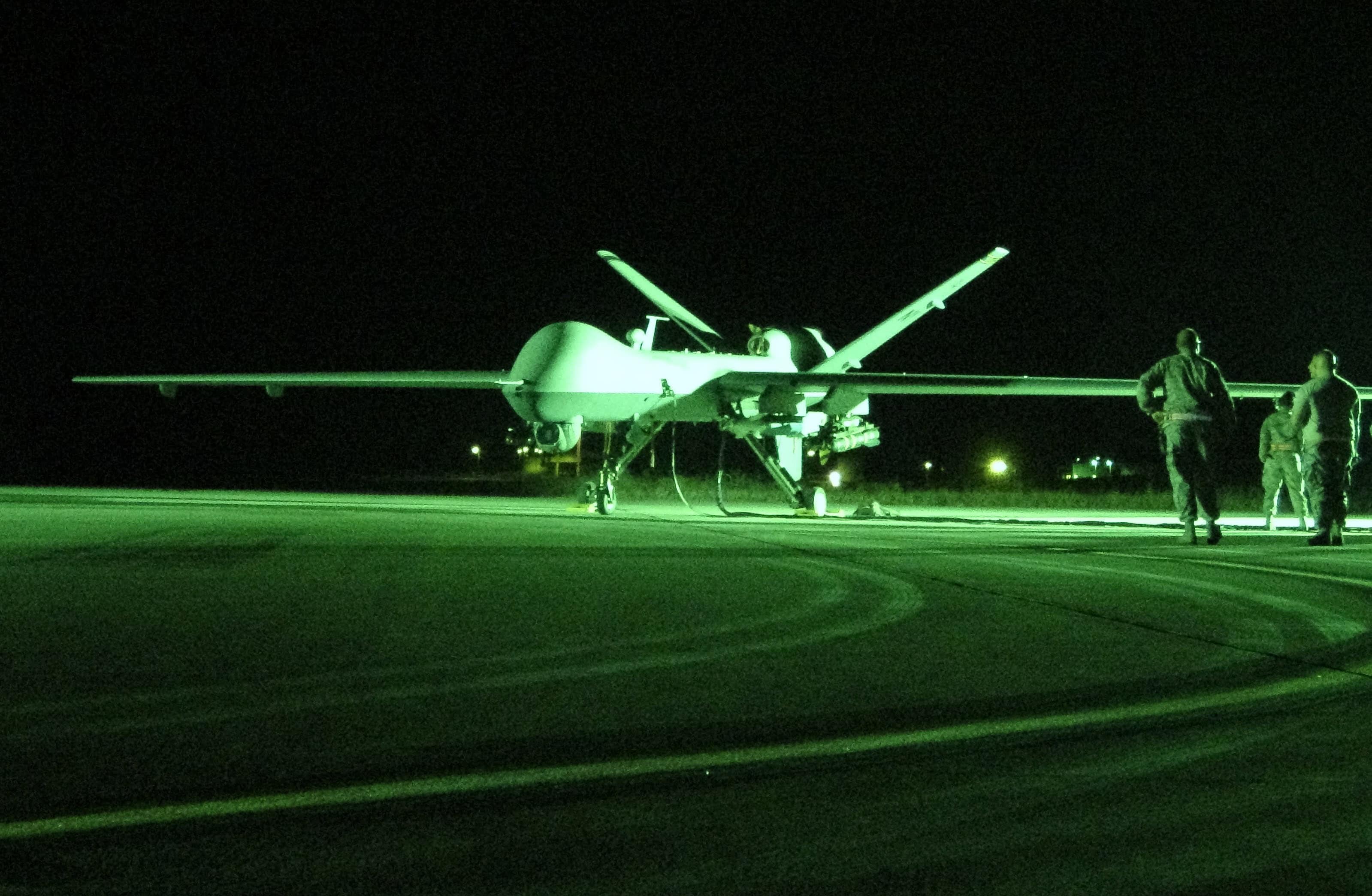
CENTCOM identified the AQAP operatives who were killed as “key Al Qaeda in the Arabian Peninsula leaders.” Their responsibilities included “external operations facilitator,” an operative who paves the way for attacks outside of Yemen, an arms facilitator, and a member of its proselytizing council.
-
AQAP propaganda official reportedly killed in US drone strike
Pro al Qaeda jihadists reported on social media that Abu Hajar al-Makki, an Al Qaeda in the Arabian Peninsula (AQAP) propaganda official, was killed in a US drone strike earlier this week. The US has been targeting AQAP’s propagandists throughout the year and has also done so in the past.

-
Al Qaeda seeks to incite violence after US recognizes Jerusalem as Israel’s capital
Al Qaeda’s general leadership and regional branches have released statements denouncing the US decision to recognize Jerusalem as Israel’s capital.
-
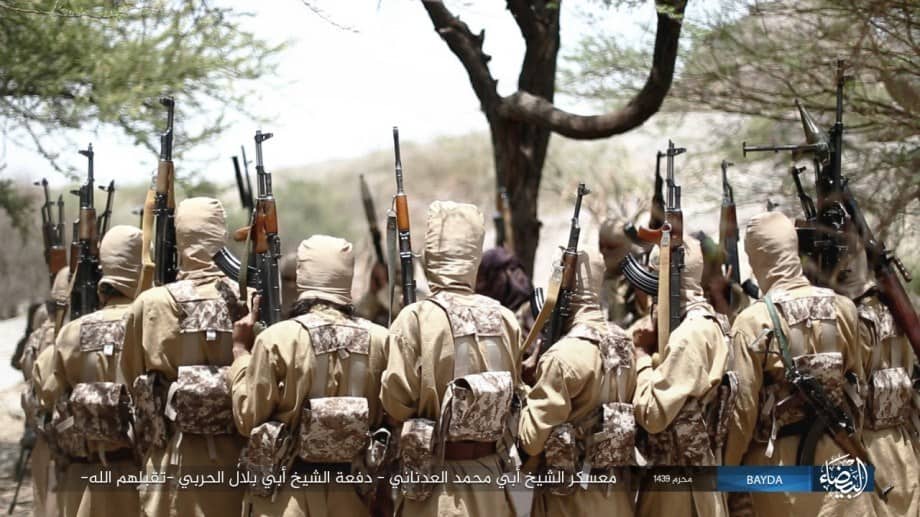
US and Gulf nations sanction 8 jihadists in Yemen
The US Treasury Department and several Gulf States announced today that eight jihadists in Yemen have been designated as terrorists. The newly-sanctioned terrorists serve either the Islamic State’s Yemeni branch, Al Qaeda in the Arabian Peninsula, or both.
-
US kills ‘dozens’ of Islamic State members in Yemen
The Pentagon announced today that “dozens” of Islamic State jihadists were killed during a strike on two training camps in Yemen. The Islamic State regularly advertises its presence in Yemen, including a camp named after the group’s deceased spokesman.

-
AQAP publishes guide for derailing trains in the US, Europe
The 17th edition of AQAP’s Inspire magazine provides a how-to guide for building a train derailment device. Al Qaeda has plotted against trains in the West in the past.

-
US kills AQAP provincial emir in Yemen airstrike
CENTCOM announced today that Abu Khattab al Awlaqi, al Qaeda in the Arabian Peninsula’s emir for the Shabwah province in Yemen, was killed along with two associates in a June 16 airstrike that targeted “terrorist compounds and attack networks in Yemen.”

-
The US Intelligence Community’s newest assessment of the jihadist threat
The Office of the Director of National Intelligence (ODNI) presented its written “Worldwide Threat Assessment” to the Senate last week. The analysis confirms that the Islamic State is capable of sustaining insurgencies in both Iraq and Syria, Afghan security continues to “deteriorate,” and al Qaeda remains a threat in several parts of the globe.

-
Hamza bin Laden offers ‘advice for martyrdom seekers in the West’
Hamza bin Laden, the son of Osama, has released a new audio message in which he provides “advice for martyrdom seekers in the West.” Hamza’s message was disseminated less than a week after Al Qaeda in the Arabian Peninsula leader Qasim al Raymi released a similar call for individual attacks in the West.

-
AQAP leader calls for ‘simple’ attacks in the West
In a short video released yesterday, Al Qaeda in the Arabian Peninsula’s (AQAP) leader, Qasim al Raymi, reiterated his group’s call for “lone mujahid” attacks in the West. AQAP was an early innovator of the concept of “individual jihad,” but has been eclipsed by its rivals in the Islamic State in recent years. Raymi is attempting to move AQAP back to the fore of the “lone mujahid” effort.

-
AQAP leader discusses complex war in Yemen
AQAP released a lengthy “dialogue” with its emir, Qasim al Raymi, on April 30. Raymi discusses the complex war inside Yemen, AQAP’s desire to focus on the Houthis and his group’s general approach to waging jihad. He also cites a text written by Ayman al Zawahiri to explain why AQAP cooperates with other Islamists inside Yemen.

-
Resolving the Conflict in Yemen: U.S. Interests, Risks, and Policy
On March 9, Thomas Joscelyn testified before the Senate Committee on Foreign Relations. The hearing, “Resolving the Conflict in Yemen: U.S. Interests, Risks, and Policy,” was called to explore the political dynamics of the ongoing war in Yemen, as well as the roles played by foreign actors and al Qaeda.

-
Former Guantanamo detainee killed in US air campaign in Yemen
The Pentagon announced today that a former Guantanamo detainee, Yasir al Silmi, was killed in a bombing on Mar. 2 in Yemen. Joint Task Force Guantanamo identified al Silmi, also known as Muhammad Yasir Ahmed Taher, as a “high” risk and warned that he would “engage in extremist activities upon release.” He was transferred to Yemen on Dec. 19, 2009.

-
Al Qaeda often agitated for Omar Abdel Rahman’s release from US prison
Al Qaeda agitated for Sheikh Omar Abdel Rahman’s release from a US prison for more than 20 years. Rahman, whose teachings had a significant influence on al Qaeda’s development, was convicted in 1995 of conspiring to attack several New York City landmarks.