-
UN finds ‘disturbing increase in violence’ following U.S.-Taliban deal
According to UNAMA, civilian casualties decreased during the first quarter of the year, as compared to similar timeframes in previous years. However, there was a “disturbing increase in violence” in Afghanistan following the U.S. agreement with the Taliban on Feb. 29. And the Taliban is the prime culprit with respect to civilian casualties.
-
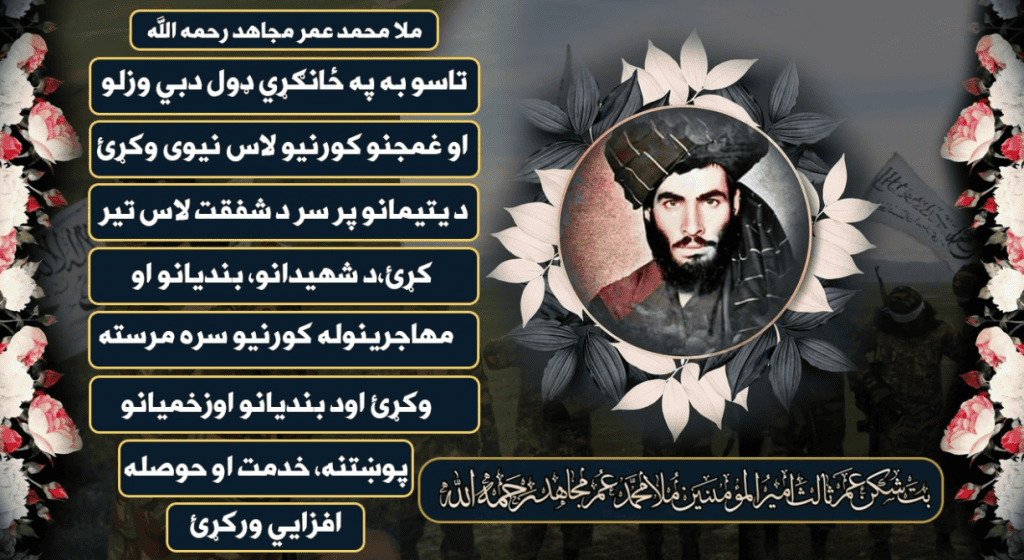
Taliban lauds Mullah Omar for defending Osama bin Laden after 9/11
As the U.S. is relying on the Taliban to keep Afghanistan from being a haven for terrorists in the wake of an agreement between the two parties, the Taliban lauds Mullah Omar’s defense of Osama bin Laden after Al Qaeda’s attack on the U.S. on Sept. 11, 2001.
-
Generation Jihad: Ep. 6 – Hezbollah’s Main Man in Iraq
Hosts Bill Roggio and Tom Joscelyn discuss Hezbollah’s influence in Iraq and the State Department’s decision to offer a $10 million reward for information concerning the group’s main man in the country.
-
Generation Jihad: Ep. 5 – Banned in Pakistan
Hosts Tom Joscelyn and Bill Roggio discuss how the Daniel Pearl affair highlights deeper problems within Pakistan. After all, FDD’s Long War Journal is banned in Pakistan, while many jihadists are not.
-
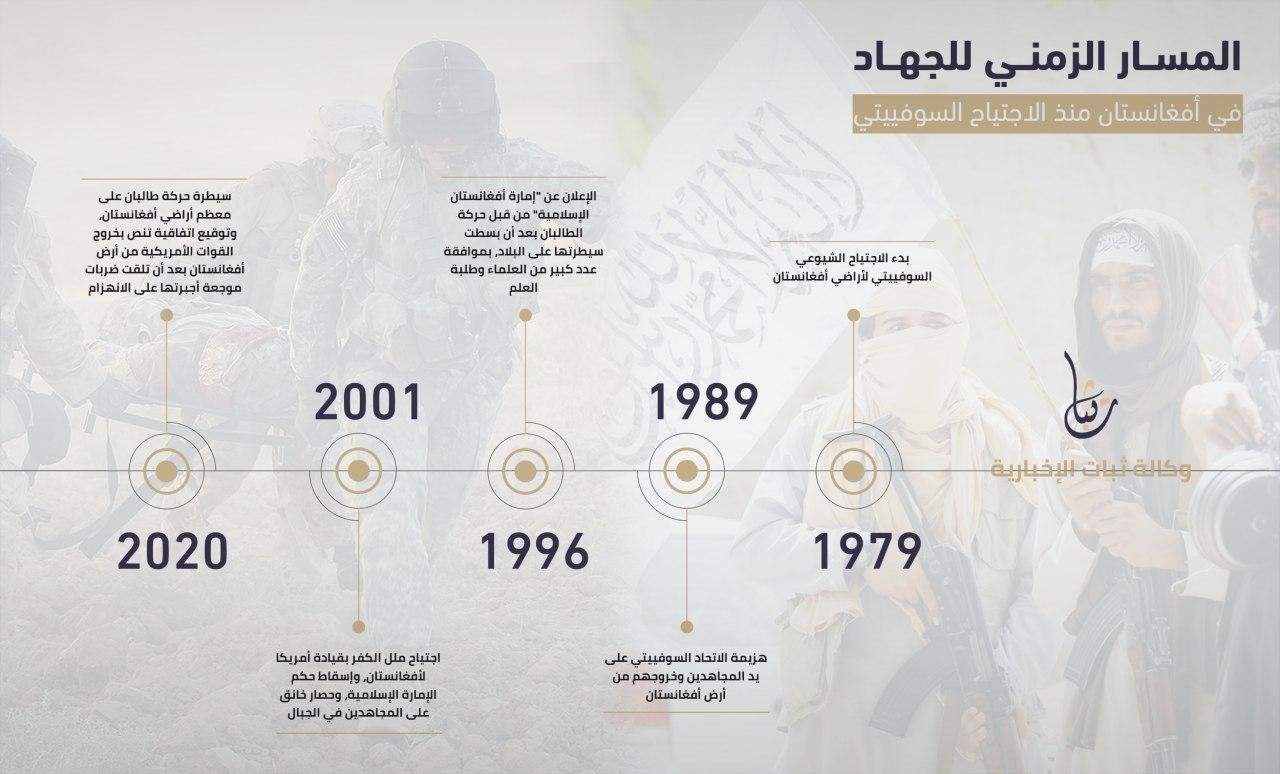
Al Qaeda-affiliated media shop promotes worldwide operations
Thabat, an al-Qaeda-affiliated media outfit, has released a series of infographics that are intended to highlight the group’s global reach and resiliency. The images trumpet a large number of purported attacks in Afghanistan, as well as America’s withdrawal from the country.
-
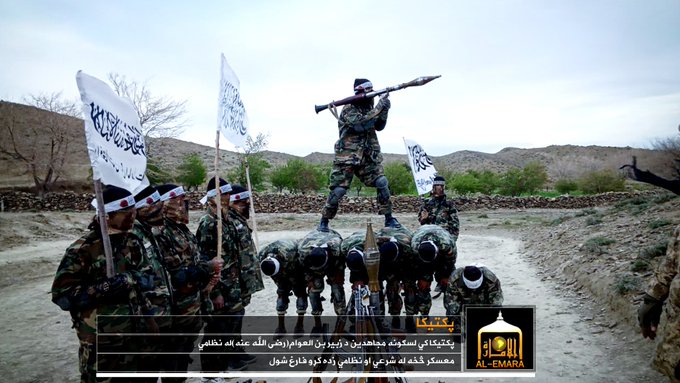
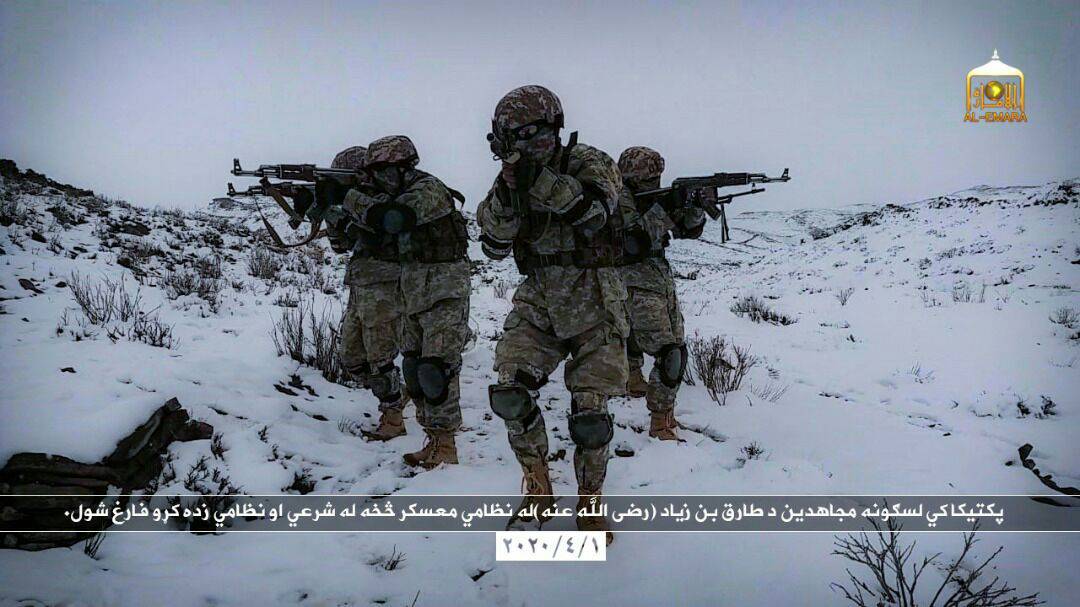
Taliban touts more elite ‘Red Unit’ fighter training on social media
The Taliban again highlighted the Red Unit, the group’s special operations unit that spearheads its assaults throughout Afghanistan.
-
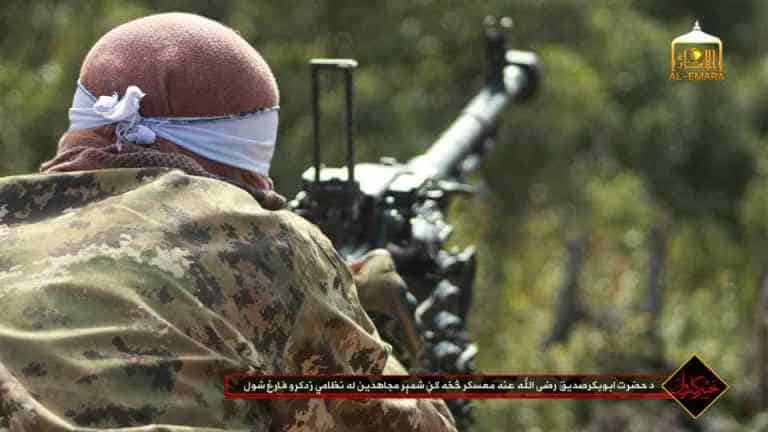
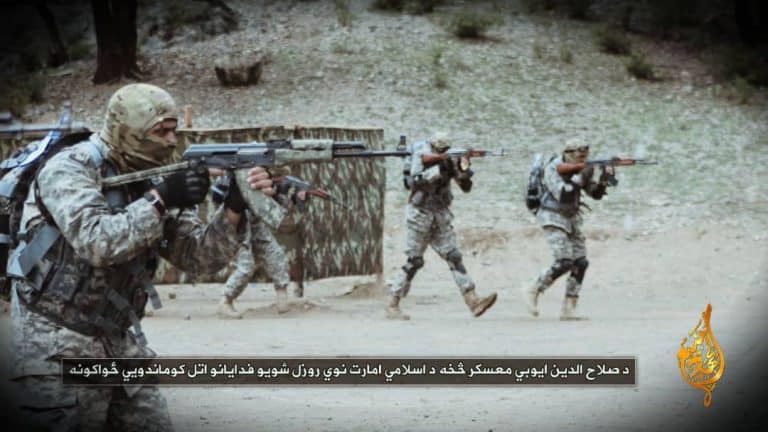
Taliban touts training camps ‘still going on’ that prepare fighters for ‘war’
As U.S. Secretary of State Mike Pompeo calls for the Taliban to honor a non-existent commitment to “reduce violence,” the Taliban continues to train for war.
-
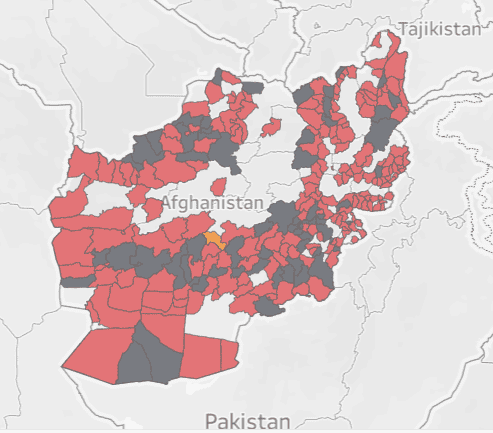
Northern Afghan district falls to the Taliban
The district Yamgan in in Badakhshan has been under siege for several months before falling to the Taliban today.
-
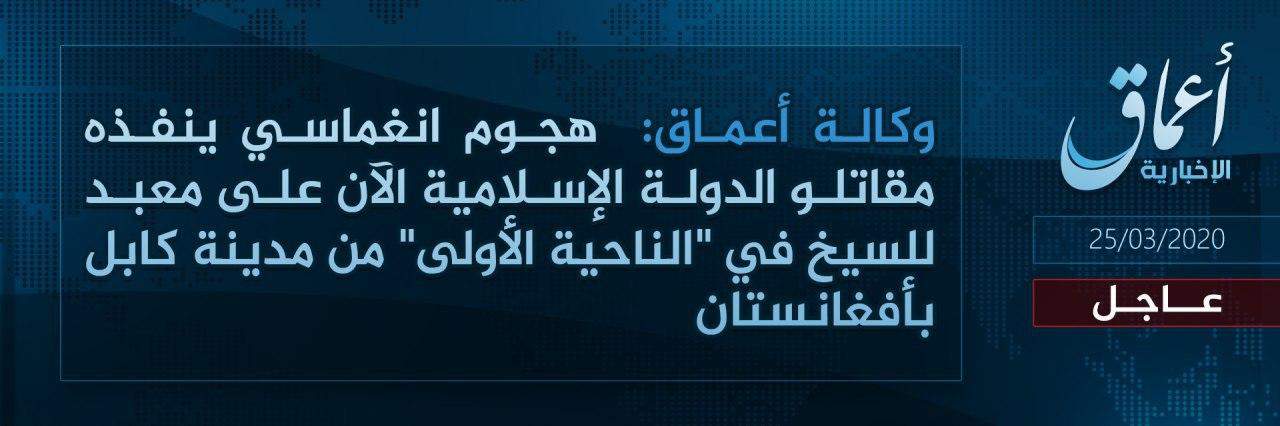
Islamic State claims assault on Sikh temple in Afghan capital
The Islamic State’s Khorasan arm claims its terrorist, Abu Khalid al-Hindi, carried out an assault on a Sikh temple in Kabul earlier today. Despite suffering setbacks in eastern Afghanistan, the group has conducted several attacks in the Afghan capital this year.
-
Generation Jihad: Ep. 2 – Wishcasting in Afghanistan
In a follow up to episode one, hosts Bill Roggio and Tom Joscelyn explain why wishful thinking in Afghanistan has led the U.S. to portray the Taliban as something it is not. True peace is not on the horizon.
-
Dozens of Afghan security personnel killed in Taliban insider attack
The deadly assault in Zabul takes place as U.S. military officials continue to ponder if the Taliban’s drumbeat of daily attacks is part of the group’s overall strategy or the efforts of a “splinter” cell.
-
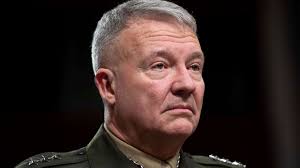
CENTCOM commander wrongly suggests ‘splinter’ Taliban group carrying out large number of attacks in Afghanistan
The U.S. military wonders if a “splinter” Taliban groups is responsible for attacks that are occurring in nearly every Afghan province. Meanwhile, the Taliban is claiming the attacks in its own name.
-
Generation Jihad: Ep. 1 – The U.S.-Taliban Withdrawal Deal
Hosts Bill Roggio and Tom Joscelyn review the U.S.-Taliban withdrawal agreement and why it isn’t a true peace deal.
-
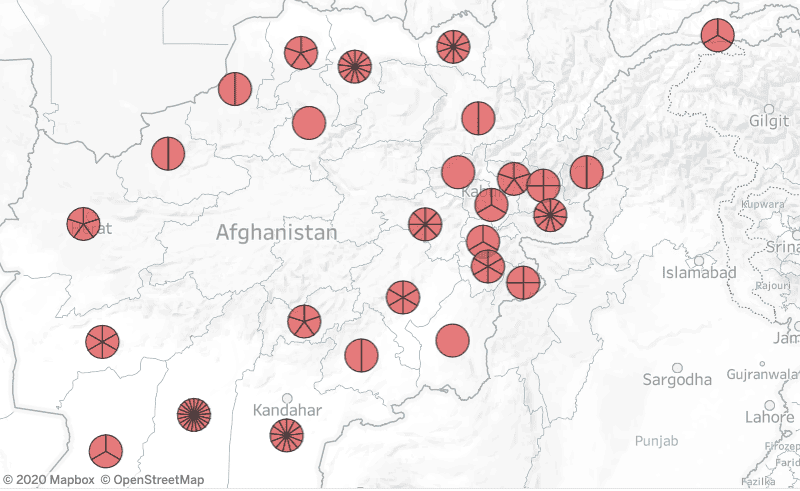
Since agreement with U.S., Taliban has attacked Afghan forces in 27 of 34 provinces
The Taliban has launched attacks in 27 of Afghanistan’s 34 provinces against Afghan security forces since it signed an agreement with the U.S. that ensures American troops withdraw from the country.
-
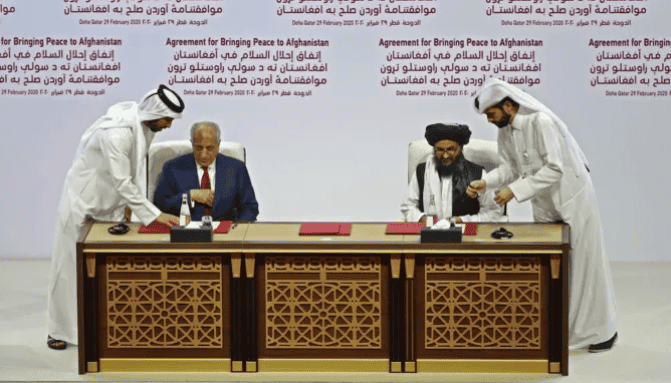
Taliban religious decree calls for its emir to rule ‘Islamic government’ in Afghanistan
In a religious ruling, the Taliban said it “shall continue waging armed jihad” until it establishes the Islamic Emirate of Afghanistan with its emir, Mullah Haibatullah Akhundzada, in charge.
-
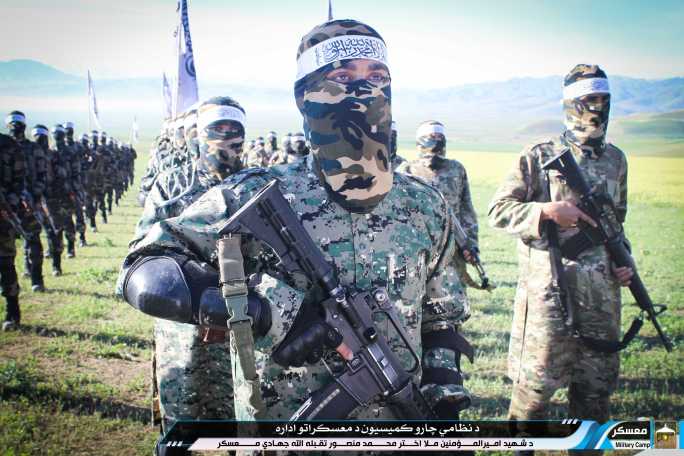
U.S. military perplexed by Taliban living up to letter of agreement
The agreement signed by the U.S. and the Taliban made no such stipulations that the Taliban must halt attacks on Afghan forces. Yet the U.S. military is surprised that the Taliban is striking Afghan forces.
-
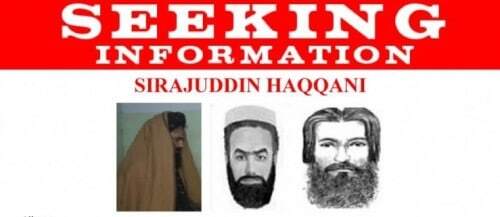
What you won’t learn from the NYT op-ed by the Taliban’s deputy leader
The author is a designated terrorist closely allied with al Qaeda. That’s not mentioned. Neither is al Qaeda.
-
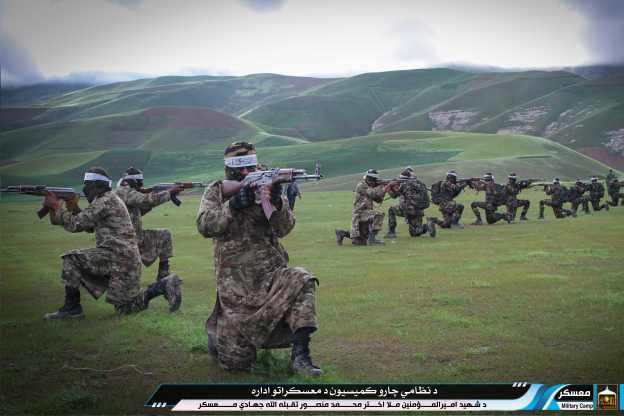
Taliban fighters train at Mullah Mansoor ‘Military Camp’
Taliban fighters are training in the open in a mountainous area that should be easily identified by the U.S. and Afghan militaries.
-
Taliban kidnaps American citizen as U.S. presses for ‘peace’
The kidnapping took place less than three months after the Taliban and the U.S. conducted a prisoner exchange that freed three senior Haqqani Network leaders and two America professors. The Haqqani Network is thought to be behind the latest kidnapping.
-
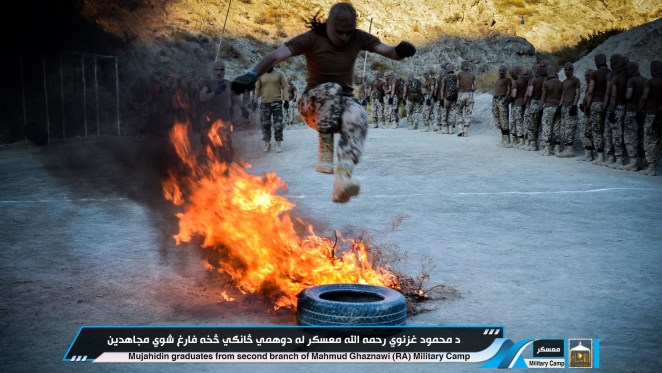
Taliban promotes ‘mujahideen’ graduates from one of its military training camps
The Mahmud Ghaznawi Military Camp. was previously identified by the Taliban as a training center for its “commandos.”
-
Taliban admits ‘peace’ negotiations with U.S. are merely means to withdraw ‘foreign forces’
The Taliban could not be more clear about its unwillingness to share power with the Afghan government. “They shall continue to remain an insignificant party when it comes to major issues,” the group said in an official statement.
-
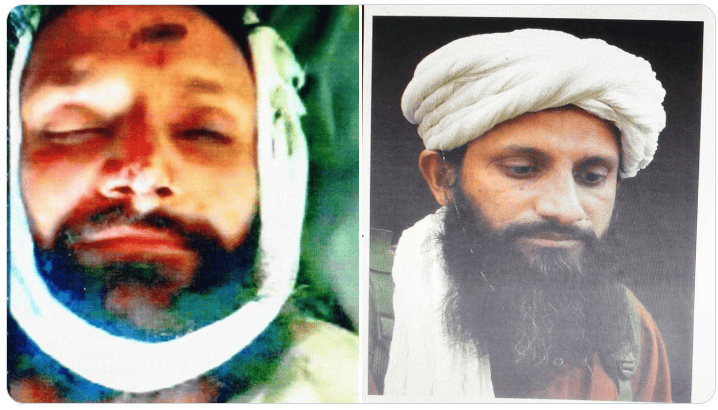
U.S. military buries press release that would announce killing of Al Qaeda in the Indian Subcontinent’s emir
The U.S. military has suppressed a press release announcing the death of Al Qaeda In the Indian Subcontinient’s emir for three months as his presence with the difficult. Asim Umar, his courrier to Ayman al Zawahiri, his staff, and even his wife were embedded with the Taliban in Helmand province when he was killed.
-
Federal lawsuits target both Iran and private firms for allegedly financing Taliban and Al-Qaeda operations that killed U.S. troops
More than 500 members of American military families, including over 100 Gold Star families, have filed two lawsuits: one against the Islamic Republic of Iran, and another against eight multinational companies that operate in Afghanistan.
-
Taliban kills 2 U.S. soldiers in IED attack
The Taliban claimed responsibility for an IED attack in the southern province of Kandahar earlier today that killed two U.S. soldiers and wounded two more.
-
Taliban says it ‘has no intention of declaring a ceasefire’
The Taliban has denied press reports, which it described as “false and baseless,” that it was on the cusp of declaring a ceasefire in Afghanistan.

-
Taliban launches suicide assault against Bagram Air Base as negotiations resume
The Taliban suicide assault takes place as the US and the Taliban have reopened negotiations that would allow the former to extricate itself from Afghanistan.
-
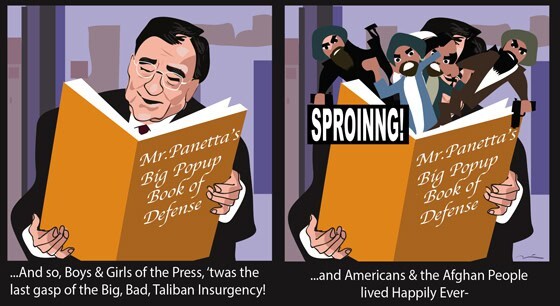
Analysis: How the U.S. arrived at this critical crossroads in Afghanistan
The decades of mistakes and deceit has led us to the brink of a major foreign policy failure. A peace deal will absolve the Taliban for its decades of steadfast alliance with al Qaeda.
-
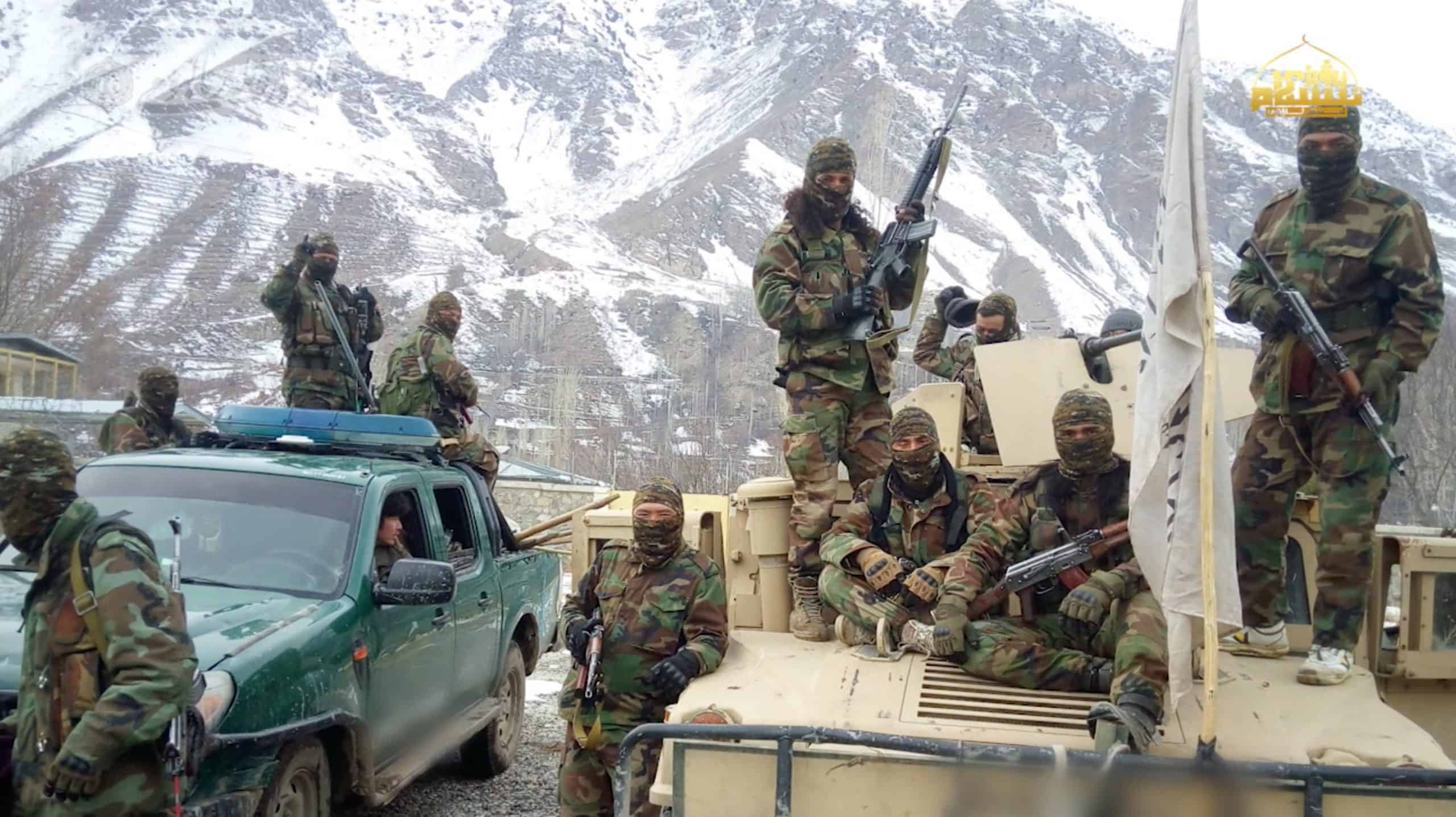
Turkistan Islamic Party touts captured equipment, training camp in Afghanistan
The video shows TIP’s men with captured Afghan military equipment, as well as recruits undergoing training.
-
3 senior Haqqani Network leaders to be freed in prisoner exchange
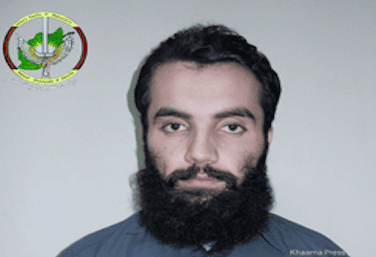
In exchange for two kidnapped U.S. and Australian professors, the Afghan government freed dangerous Taliban and Haqqani Network leaders Haji Malik Khan, Anas Haqqani, and Qari Abdul Rasheed Omari.
-
Taliban overruns district HQ in Zabul
Security in the southeastern Afghan province of Zabul continues to deteriorate as the Taliban presses it offensive there.