-
Pakistan: Friend or Foe in the Fight Against Terrorism?
Bill Roggio testifies before the House Committee on Foreign Affairs Subcommittee on Terrorism, Nonproliferation, and Trade, as well as the Subcommittee on Asia and the Pacific. The hearing is titled, “Pakistan: Friend or Foe in the Fight Against Terrorism?”
-
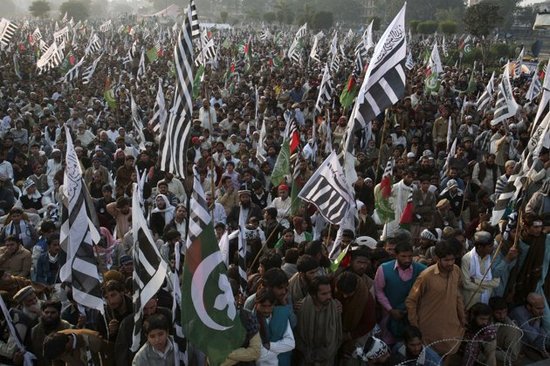
Pakistan condemns killing of Kashmiri terrorist military leader
Pakistan called the killing of Burhan Wani by Indian troops “deplorable and condemnable,” despite the fact that he was a known terrorist recruiter and military commander. This condemnation highlights Pakistan’s support for terrorist groups throughout the region.
-
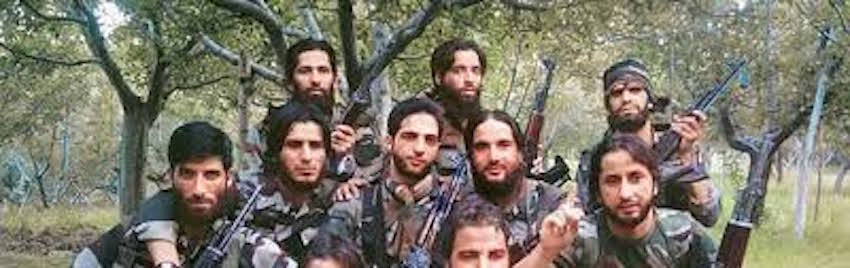
Osama bin Laden’s son says al Qaeda has grown despite 15 years of war
Al Qaeda has released a new audio message from Hamza bin Laden, Osama’s son and heir. The message was translated by the SITE Intelligence Group. Hamza argues that the number of “mujahideen” has grown dramatically around the globe despite the decade and a half of war that began on Sept. 11, 2001. Hamza also threatens revenge for his father’s death.

-
Obama backtracks on Afghanistan withdrawal, cites ‘precarious’ security situation
Despite admitting to a worsening security situation, Obama will withdraw 1,400 US troops from Afghanistan by the end of the year.
-
Taliban condemns suicide attack in Medina, Saudi Arabia
The Taliban’s condemnation is not surprising as it has relied on Saudi Arabia as a source for fundraising and other support to fuel the Afghan insurgency.
-
Taliban shows ‘Omar ibn Khattab’ training camp in Kunduz
The camp is named after the second Muslim caliph who was a companion to the Prophet Muhammad and who expanded the caliphate in the seventh century.

-
US government releases data on ‘counterterrorism strikes outside areas of active hostilities’
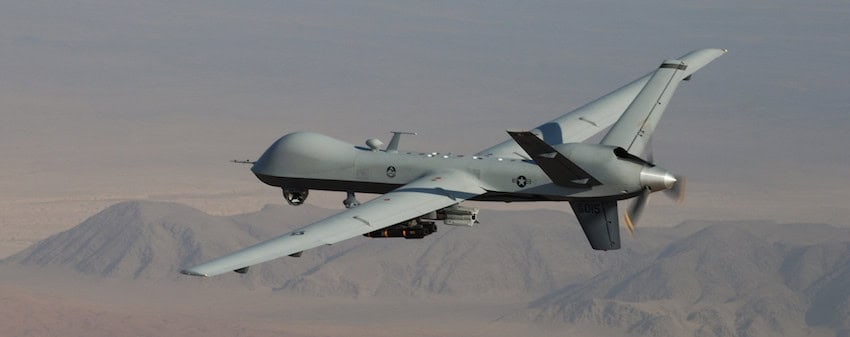
ODNI released some information on counterterrorism raids as part of an effort to provide more transparency on these operations. US intelligence claims that between 2,372 to 2,581 combatants and between 64 to 116 civilians were killed in 473 strikes in areas outside of Afghanistan, Iraq, and Syria since President Obama took office.
-
US adds Al Qaeda in the Indian Subcontinent, leader to terrorism list
The US government and intelligence services have consistently underestimated the strength of AQIS, which is an official branch of al Qaeda that is based in Afghanistan, Pakistan, India, and Bangladesh.
-
Taliban suicide bombers target police cadets, first responders in Kabul attack
At least 27 people are reported to have been killed in the twin bombings. The second suicide bomber targeted emergency personnel as they rendered aid to the victims of the first blast.
-
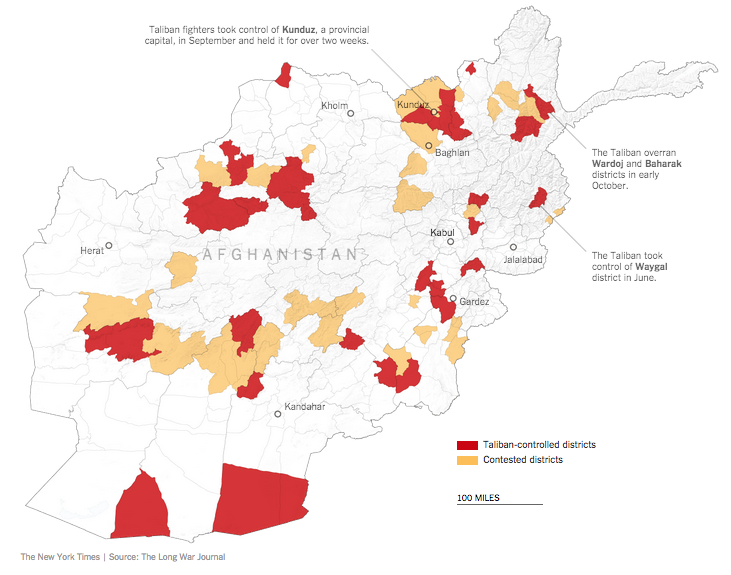
Afghan Ministry of Interior admits 9 districts under Taliban control
Taken on its own, the Ministry of Interior’s data on the number of districts ruled by the Taliban indicates that the security situation has worsened since the last time the government such disclosed information. The Long War Journal estimates that 39 districts are under Taliban control.
-
Hekmatyar withdraws from peace talks with Afghan government
Gulbuddin Hekmatyar, the leader of a Hezb-i-Islami faction, has toyed with the Afghan government in the past and withdrew from peace talks under similar circumstances.

-
Taliban denies Ghazni shadow governor killed in airstrike
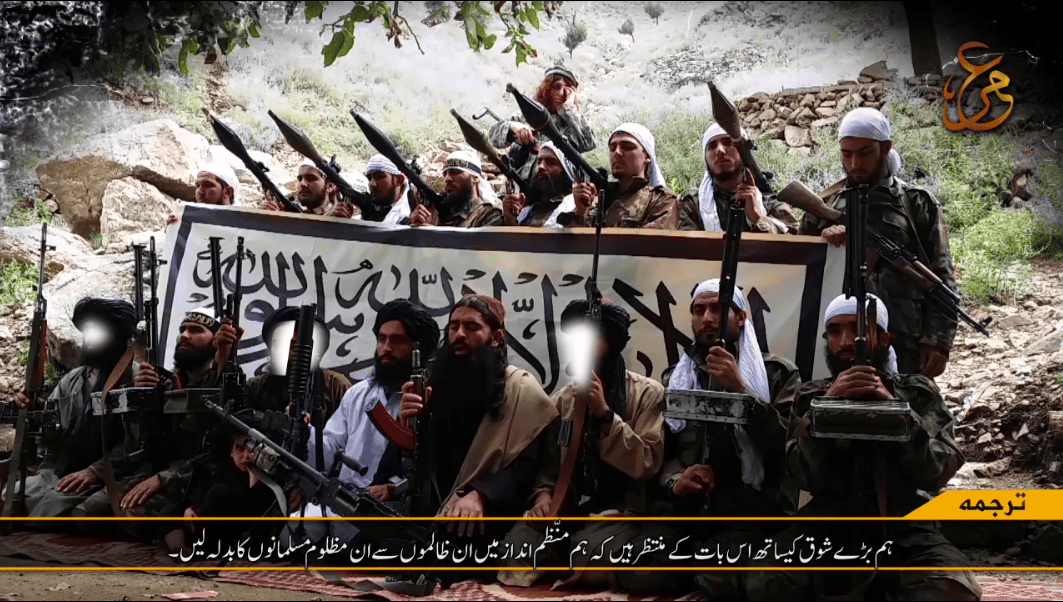
Last weekend, the Afghan Ministry of the Interior claimed that Mullah Mohammad Qasim and an undisclosed number of fighters were killed in an airstrike in the Aab Band district. A Taliban spokesman said Qasim is alive and well.
-
Targeting leaders won’t deter Taliban’s ‘jihad,’ group says
“History shows that such befallings have never weakened this Movement, but more often than not, has only strengthened their resolve,” the Taliban said in the wake of the US drone strike that killed its previous emir. The West has “failed to understand the psychology of the Taliban” and its desire for martyrdom.
-
Iran shuts down news site after reporting Taliban emir held talks with officials
The discussions reportedly centered around the Taliban’s commitment to preventing the Islamic State from expanding, “especially in Afghanistan’s northeastern border and the Afghanistan-Tajikistan border.” The Taliban and Iran have colluded since the US invasion of Afghanistan in 2001.
-
Taliban seizes a district in Uruzgan
The Taliban controls one of Uruzgan’s five districts, and contests the other four. The shadow governor for Uruzgan said in April his forces would emphasize complete control of the province.
-
Islamic Movement of Uzbekistan faction emerges after group’s collapse
After Usman Ghazi, the last emir of the Islamic Movement of Uzbekistan, joined the Islamic State’s Khorasan province, the group split in two and a core cadre remained loyal to the Taliban and al Qaeda.

-
Turkistan Islamic Party leader criticizes the Islamic State’s ‘illegitimate’ caliphate
The Turkistan Islamic Party released an audio message from its leader, Abdul Haq, on May 30. The message is the latest indication that Abdul Haq survived a US drone strike in 2010. The man identified as Haq blasts the Islamic State’s so-called caliphate and the Islamic Movement of Uzbekistan (IMU), which swore allegiance to Abu Bakr al Baghdadi in 2015. Haq claims the IMU has “disappeared” since.

-
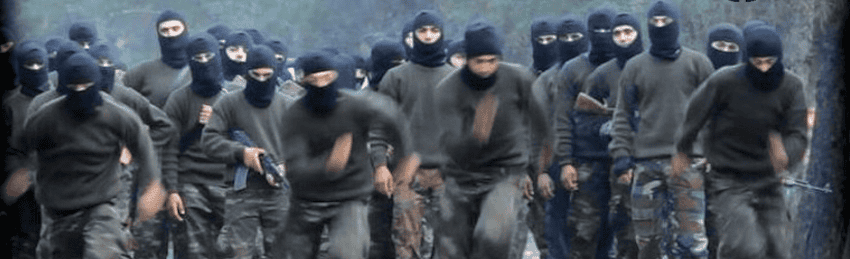
State notes ‘severely degraded’ al Qaeda operated large training camp in Afghanistan
The US government continues to underestimate al Qaeda’s strength in Afghanistan and Pakistan. State’s insistence that al Qaeda has been “severely degraded in the region” is at odds with recent evidence from Afghanistan and Pakistan.
-
Analysis: Iran has supported the Taliban’s insurgency since late 2001
Multiple reports say Taliban leader Mullah Mansour was killed earlier this month after he returned to Pakistani soil from Iran. While some have praised Iran for supposedly seeking stability inside Afghanistan, the Iranians have supported the Taliban’s insurgency since late 2001.

-
Taliban spokesman denies new emir rejected peace talks [updated]
Zabihullah Mujahid said that an audiotape attributed to Mullah Haibatullah in which he supposedly rejected peace talks was not authentic or official Taliban propaganda.

-
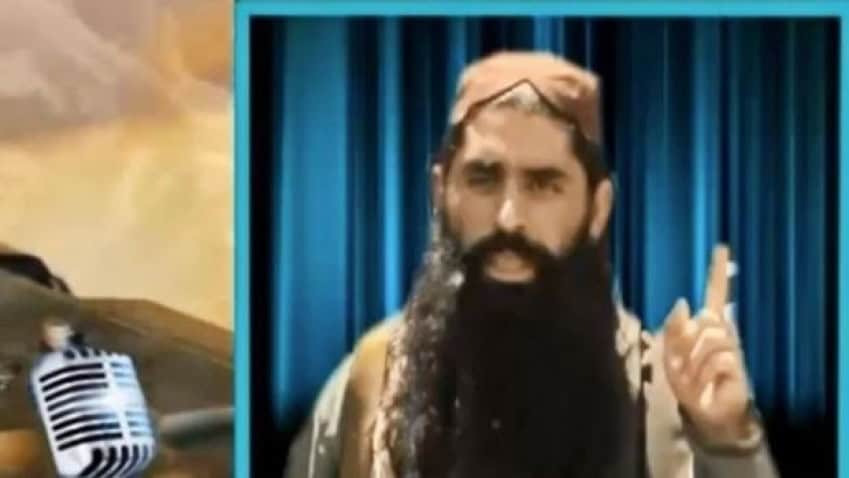
US lists 2 Pakistani jihadist groups as global terror organizations
Jamaat ul Dawa al Quran, which operates in Pakistan and Afghanistan, “has long-standing ties” with al Qaeda and Lashkar-e-Taiba, according to the State Department. The Tariq Gidar Group, which is “linked” to the Movement of the Taliban in Pakistan, has been behind some of the deadliest attacks inside Pakistan.
-
Pakistani Taliban faction mourns death of Mullah Mansour
“With regret the Muslim world has lost a great mentor,” Jamaat-ul-Ahrar spokesman Ihsannullah Ihsan said, referring to Mansour. He urged “the Mujahideen and all Muslims” not to grieve too long, and to “focus on fighting” their enemies.

-
Taliban names Mullah Haibatullah as new emir
Mullah Haibatullah Akhundzada, the group’s top judicial officer, is the Taliban’s new emir. Siraj Haqqani, the Taliban’s military commander, remains one of the Taliban’s top two deputies. Mullah Mohammad Yaqoub, Mullah Omar’s eldest son, has been elevated to serve as a deputy to Haibatullah.
-
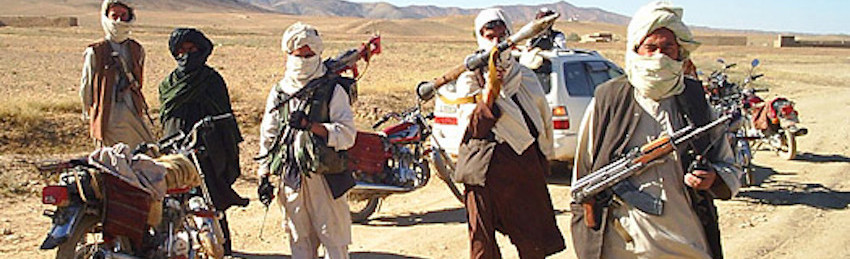
Baluchistan province is a primary hub for Afghan Taliban
Baluchistan province has long been a major hub for the Afghan Taliban, replete with training camps, madrassa, mosques, and command and control centers. If the US does decide to step up attacks against the Taliban in Baluchistan, there is no shortage of targets.
-
State Department refuses to admit that Mullah Mansour was killed inside Pakistan
“How could you fire something out of the sky and blow something up and kill people and not know what country it’s in? ,” a reporter responded incredulously to a State Department spokesman’s claim that the government didn’t know whether the US killed Taliban emir Mullah Mansour in Afghanistan or Pakistan.

-
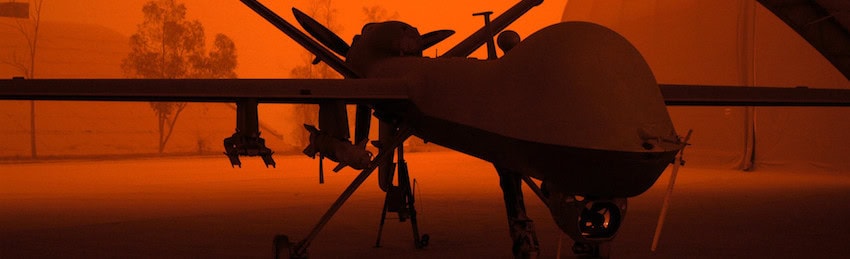
Pakistan protests US airstrike on Mansour as ‘a violation of sovereignty’
Pakistan has officially protested some US drone strikes in the past, typically when a so-called “good Taliban” leader is targeted. However Pakistan has occasional protested strikes that have targeted al Qaeda and the Movement of the Taliban in Pakistan.
-
US confirms Mansour killed, vows no change in combat strategy
The White House confirmed the death of Taliban emir Mullah Mansour today, two days after the group’s top leader was targeted in an unmanned airstrike in Baluchistan province.

-
Afghan intelligence agency says Taliban emir Mansour is dead
The National Directorate of Security claimed that Taliban Mullah Mansour died in yesterday’s airstrike but the US has yet to confirm his death.
-
US targeted Taliban emir Mullah Mansour in unprecedented Pakistan drone strike
Mullah Mansour was targeted in an airstrike in Baluchistan province. If Mansour is confirmed killed, one of his likely successors is Sirajuddin Haqqani, the leader of the Haqqani Network who is closely tied to al Qaeda.
-
Taliban offensive in north stresses Afghan military
Afghan forces have been stretched thin attempting to fight the Taliban on multiple fronts. Forces are often shifted from one theater to another to take back ground from the Taliban, but once the military pulls back, the areas fall back under Taliban control.