-
Taliban denies Afghanistan is a haven for terrorists
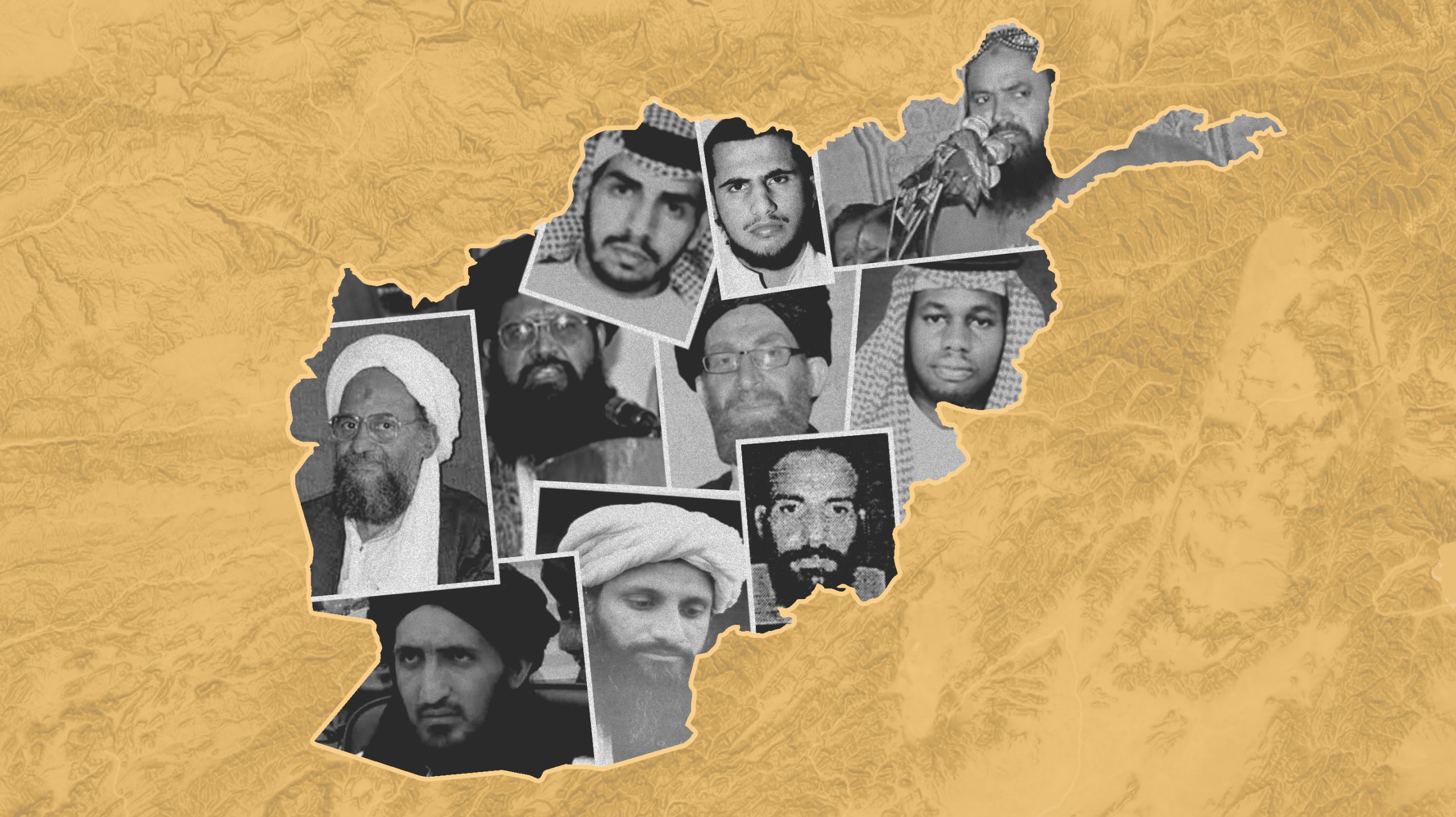
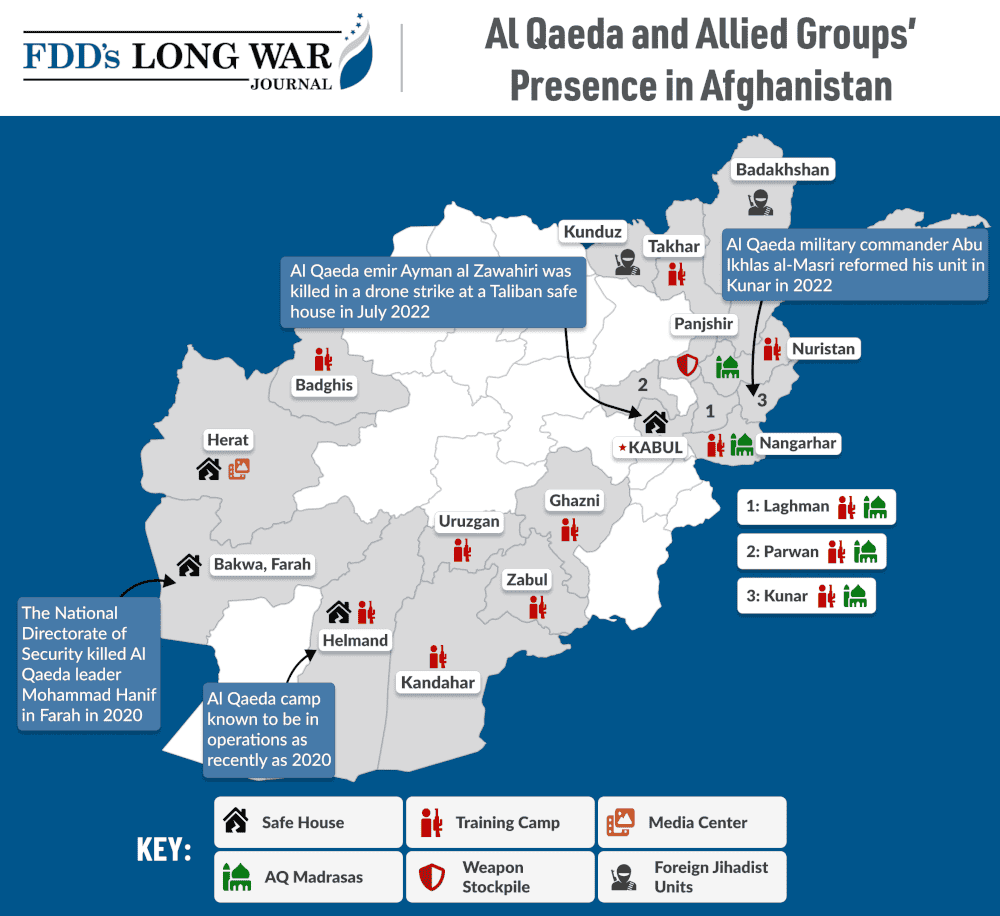
After US Congressman Bill Huizenga said, “Afghanistan has once again become a hotbed for terrorists looking for safe harbor,” the Taliban’s spokesman denied the presence of terrorist organizations despite evidence that Al Qaeda and other terror groups are operating in the country.
-
Israeli military focuses on next steps in Gaza campaign, reorganizes aid access
The Israel Defense Forces (IDF) is working to revise civilian access routes to humanitarian aid sites in Gaza, where the US-backed Gaza Humanitarian Foundation has distributed more than 51 million meals since it began operations on May 26. The four aid distribution sites in Gaza have faced challenges amid reports of clashes between the IDF and Gazans and other incidents. The IDF is now “installing directional and warning signs, opening additional access routes, establishing barriers and checkpoints to regulate vehicle movement.” The changes come amid reports of efforts to begin a new round of possible ceasefire talks and limited IDF…

-
Hamas places bounty on aid workers: GHF
The Gaza Humanitarian Foundation (GHF) stated that Hamas placed a bounty on its personnel, offering rewards to those who kill or injure members of the nonprofit organization. This development adds to the growing list of threats and acts of violence committed by Hamas and its affiliates against the GHF.

-
Generation Jihad | Damage Assessment: Iran’s Nuclear Program (featuring Andrea Stricker)
The US and Israel just hit Iran’s nuclear program hard — but how much damage did they really do? Bill is joined by his FDD colleague and nuclear expert Andrea Stricker to discuss what was destroyed, what might have survived, whether Tehran’s nuclear program is dead or just delayed — as well as the intelligence, the spin, and why the Mossad and IAEA may hold the real answers.

-
Hamas unit reportedly murders Palestinian, battles victim’s relatives at hospital
The Arrow Unit, a security force created by Hamas, has carried out beatings and executions against Palestinians who have allegedly committed a crime. However, growing reports and social media posts indicate that the group may have other motives besides acting as law enforcement.

-
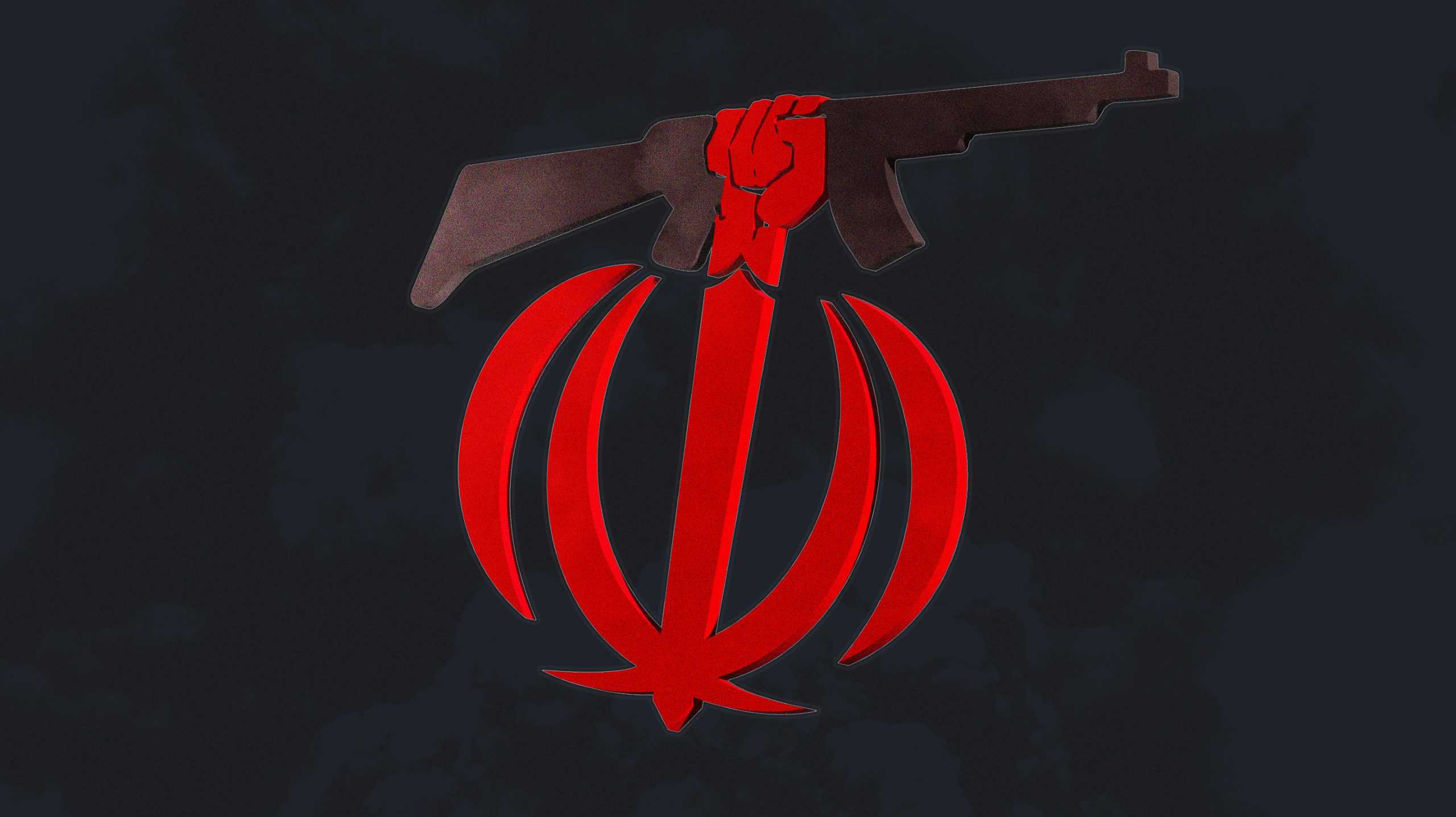
Analysis: Iran is severely weakened but remains a regional threat
In testimony to the Senate Armed Service Committee, incoming CENTCOM Commander Vice Admiral Charles B. Cooper II highlighted the nuclear, conventional, and asymmetrical threats posed by the Iranian regime. While Israel and the US focused their short campaign primarily on Iran’s nuclear program and ballistic missiles, large elements of Iran’s conventional assets survived unscathed.

-
Israel Defense Forces dismantle terror infrastructure in Gaza, 7 Israeli soldiers killed
Seven Israeli soldiers were killed in Gaza on June 24 when an explosive device detonated on their armored personnel carrier. The deaths come as Israel is shifting its focus from the 12-day battle with Iran back to fighting in Gaza. The IDF continued to find tunnels in the northern part of the territory and eliminate terrorists in clashes. Over 43 million meals have been distributed by the Gaza Humanitarian Foundation since May 26.

-
2 US Islamic State supporters arrested in June on terrorism charges
Over the last month, American law enforcement officials separately arrested two men from California and South Carolina on terrorism charges, documenting their alleged support for the Islamic State (IS). These arrests, combined with recent guilty pleas for an election-day terrorist plot from two other individuals, indicate the jihadist group’s staying power and continued ability to attract supporters.

-
Iranian drone and missile attacks against Israel: June 24, 2025
In the final hours before the ceasefire on June 24, Iran launched eight attacks on Israel, including a missile strike in Beersheva that killed four people. Since the war began, Iran has fired an estimated 591 missiles at Israel that killed 28 people and wounded 3,431.

-
Israel and Iran trade strikes, ceasefire goes into effect (June 24 updates)
Israel and Iran traded strikes hours before and after a ceasefire brokered by the US went into effect. President Donald Trump castigated both sides for violating the agreement, and a tentative truce has held since the rebuke.

-
Iraqi military bases targeted in overnight strikes
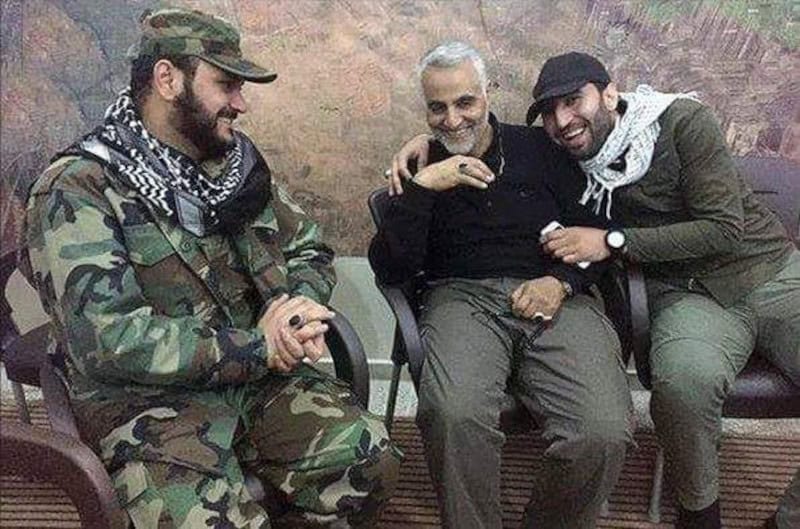
Suspected Iran-backed militias targeted bases in Iraq that are known to have housed US troops and contractors as the ceasefire between Iran and Israel took effect. The Trump administration did not respond to last night’s attacks or previous attacks against US forces in Iraq and Syria.
-
Generation Jihad | The very, very long war
Bill Roggio and Thomas Joscelyn unpack one of the most chaotic weekends in the post-9/11 war on terror: US forces’ strike on Iranian nuclear facilities, Tehran’s retaliation on CENTCOM’s forward base in Qatar, and Trump’s sudden ceasefire declaration.
-
Generation Jihad | The Pentagon’s plot twist
In a historic move following defanging efforts by the Israelis, the US dropped multiple massive ordnance penetrators (MOPs) on three nuclear facilities inside Iran this weekend. Tehran has just retaliated with strikes on the US base in Qatar. Bill Roggio and Brad Bowman discuss.
-
Iranian drone and missile attacks against Israel: June 23, 2025
Iran launched four attacks against Israel on June 23, 2025: one drone attack and three ballistic missile attacks, one of which occurred in three waves and consisted of 10–15 missiles. In total, Iran fired 11–16 ballistic missiles at Israel.
-
Trump announces ceasefire, Israel strikes Iranian regime’s repression apparatus (June 23 updates)
After nearly two weeks of high-intensity conflict, US President Donald Trump announced on June 23 that Israel and Iran had reached a ceasefire agreement. The announcement followed a flurry of kinetic activity: Iran launched missiles at the US Al Udeid Air Base in Qatar in response to American strikes on its nuclear infrastructure, while Israel escalated its air campaign against Iran, targeting missile systems and the regime’s core repression institutions.

-
Israel sees increasing success against Iranian drones, drone and missile attacks continue
Iran has launched over 1,000 drones at Israel, but Israel has succeeded in blunting most of the drone threat in 10 days of conflict. In addition, Iran has launched more than 450 ballistic missiles at Israel. More than 50 have landed, leading to at least 24 deaths and more than 2,800 injuries. Israel has begun reopening its airspace to flights that are repatriating tens of thousands of Israelis stranded abroad due to the conflict.

-
Iran launches missile attack on US base in Qatar
Iran’s Islamic Revolutionary Guard Corps (IRGC) attacked US forces at the Al Udeid Air Base in Qatar in response to the June 21 US airstrikes against three Iranian nuclear facilities.

-
Israeli operations in Lebanon against Hezbollah: June 16–22, 2025
Israel continued its operations in Lebanon between June 16 and June 22, 2025. The activities included several targeted assassinations of Hezbollah operatives and commanders, several airstrikes on Hezbollah assets, and one Israeli naval operation against one of the group’s outposts in south Lebanon.
-
Israel eliminates a key link between Hamas and Iran
Israel killed a key Islamic Revolutionary Guard Corps-Qods Force (IRGC-QF) official who coordinated between Iran, Hamas, and other members of the Iran-led Axis of Resistance. The elimination is among the most notable high-ranking Iranian military officials killed in the current war.

-
Analysis: How might Iran retaliate against the US?
Following US strikes on three nuclear sites, Tehran has threatened to target American bases in the Middle East, continue missile attacks on Israel, and close the Strait of Hormuz. Iran’s Islamic Revolutionary Guard Corps claims the strikes were anticipated, uranium was moved from Fordow in advance, and Iran is preparing for a potential six-month war.
-
Houthis repeat threats against US over strikes against Iran
The Houthis threatened to attack US forces after American strikes against Iran. A ceasefire has been in place between the US and the Houthis since May 6, following a seven-week campaign by US Central Command (CENTCOM) against the Yemeni terrorist group.

-
Iranian drone and missile attacks against Israel: June 22, 2025
Iran conducted four attacks against Israel on June 22, including a mid-size missile barrage launched shortly after the United States targeted several Iranian nuclear installations. The attacks caused significant damage in Tel Aviv and Central Israel but no deaths.
-
Israel targets IRGC officials, nuclear scientist, and missile bases in Iran (June 22–21 updates)
Over the past 72 hours, Israel has intensified its air campaign across Iran, striking missile and drone infrastructure in Esfahan, Bushehr, Ahvaz, Yazd, and Qom. Targets included the Imam Hossein missile base in Yazd, IRGC drone and air defense facilities, and the Shahid Mostafa Khomeini military base. Senior IRGC and IRGC-Qods Force commanders tied to weapons transfers, regional proxy coordination, and nuclear development were killed. Despite Tehran’s calls for retaliation, Hezbollah, Hamas, and other allied militias have mostly stayed out of the fight so far.

-
US strike inflicts “severe damage and destruction” on 3 Iranian nuclear facilities, CJCS Caine states
Operation Midnight Hammer, planned and practiced in near secrecy for several weeks, was “designed to severely degrade Iran’s nuclear weapons infrastructure,” Chairman of the Joint Chiefs of Staff General Dan Caine stated. The US Air Force hit the Iranian nuclear facilities at Fordow and Natanz with 14 Massive Ordnance Penetrators launched from B-2 bombers. Separately, a US Navy submarine struck the Esfahan site with “dozens” of cruise missiles.

-
US strikes Iranian nuclear facilities
Just two days after US President Donald Trump said he would decide about striking Iran’s nuclear program within two weeks, US B-2 bombers hit Iranian nuclear facilities in Fordow, Natanz, and Esfahan. Attacking the hardened Fordow facility via air is a mission only the US Air Force could execute.

-
Iranian drone and missile attacks against Israel: June 21, 2025
Iran’s drone and missile attacks on Israel continued on June 21, 2025, targeting several parts of Israeli territory. There was only one missile barrage from Iran. No Israeli fatalities were reported for the fifth day in a row of the war.
-
Israel reportedly eliminates nuclear scientist, expands messaging campaign (June 20 updates)
Israel expanded its campaign against Iran with strikes on Islamic Revolutionary Guard Corps (IRGC) sites, missile infrastructure, and nuclear-linked facilities, reportedly killing a nuclear scientist in Tehran. The Israel Defense Forces (IDF) framed the attacks as targeting the Iranian regime’s repression and appealing to public discontent. Talks between Iran and EU officials on June 20 brought no breakthrough, as Tehran ruled out abandoning uranium enrichment.

-
Iranian drone and missile attacks against Israel: June 20, 2025
Iran continued drone and missile attacks against Israel on June 20, 2025. Several missile impacts were recorded during the day, including one due to an Israeli interceptor system malfunction. The IDF estimates that it has struck two-thirds of Iran’s ballistic missile launchers.
-
Iranian-backed militias threaten US amid rising tensions in Iraq over Iran-Israel conflict
Tensions in Iraq have grown in the wake of the Israeli attack on Iran on June 12. Pro-Iranian Iraqi militias have increased their threats against US forces and held rallies against the US presence in Iraq. The Iraqi government has sent security forces to Nineveh Governorate to prevent the area from being used by militias to launch rockets. In addition, several drones launched by Iran have crashed in Iraq.

-
Israel targets nuclear sites, Iran appoints new officials (June 19 updates)
Israel has expanded its military campaign against Iran with targeted strikes on nuclear facilities, missile infrastructure, and security institutions. Leadership changes within Iran’s Islamic Revolutionary Guard Corps (IRGC) point to a tightening of internal control, while cyberattacks have disrupted Iran’s banking system and fueled public anxiety. Tehran’s threats toward US regional bases continue as Washington weighs possible military involvement.