-
Analysis: The ‘How’ over the ‘What:’ Israel’s dilemma beyond target selection in Iran
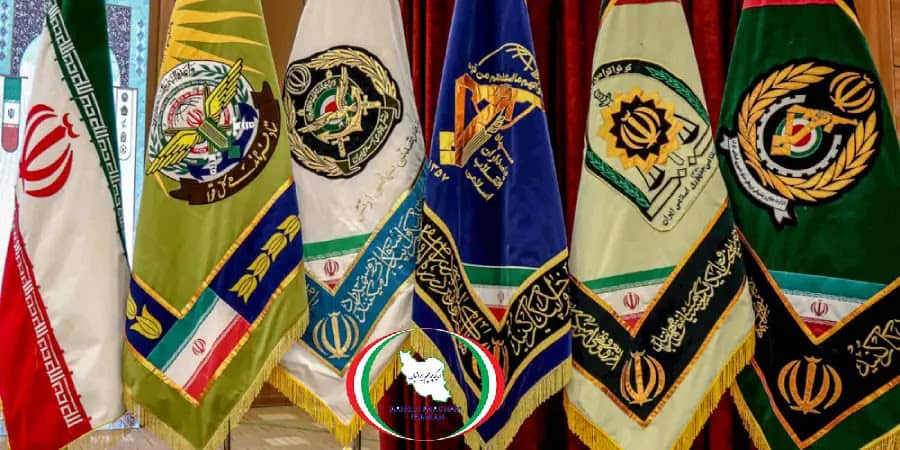
Israel’s war cabinet has reportedly agreed on what Iranian targets to strike, so the question now is what method it will employ to carry out the attacks to effectively deter Tehran without escalating into a full-scale war. In doing so, Israel has two choices: to either publicly humiliate the regime or launch a series of covert attacks, and the latter is less likely to warrant Tehran’s retaliation.
-
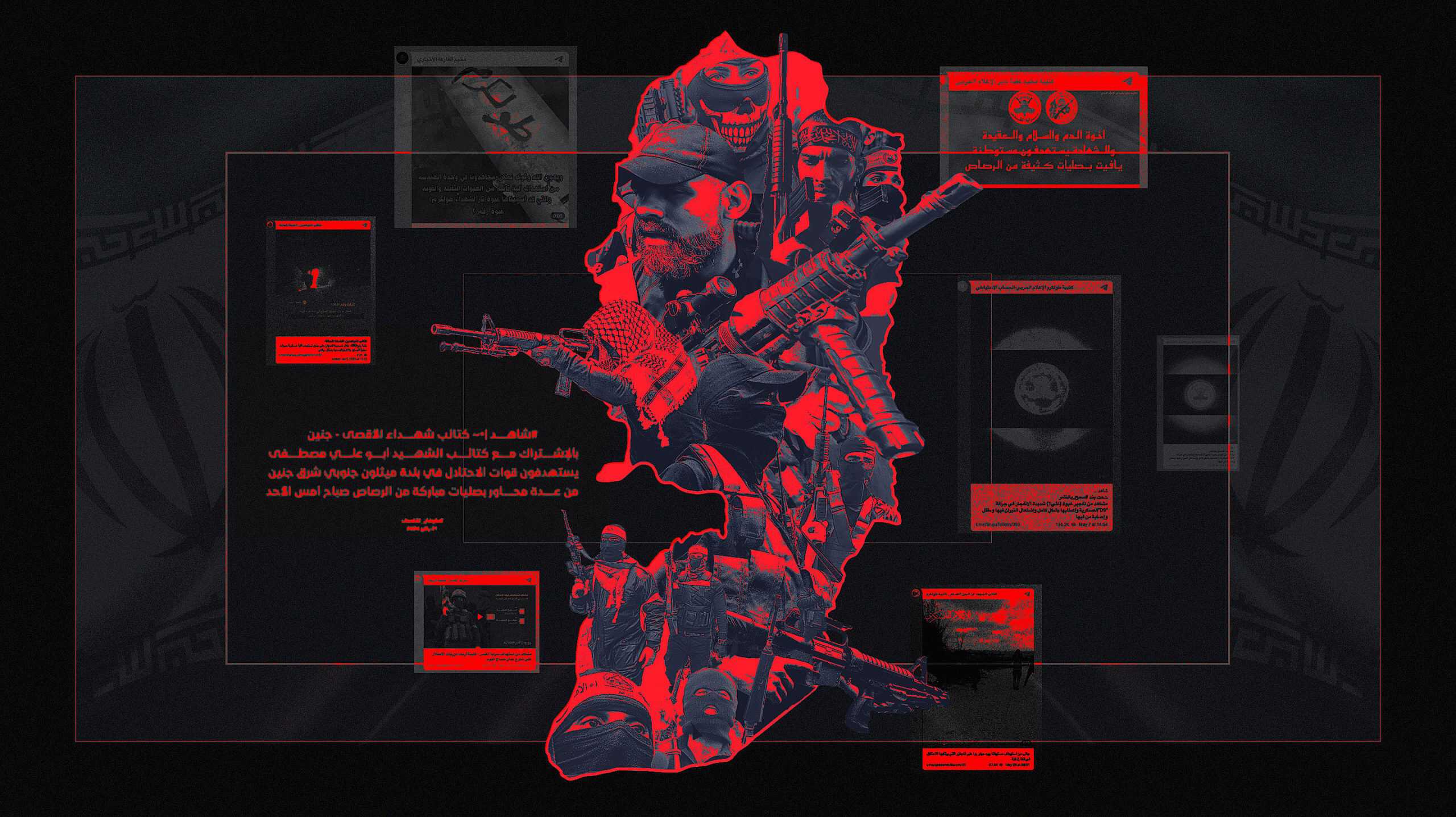
Analysis: The lights are still blinking red—Sunni Islamists and Iran are determined to attack the homeland
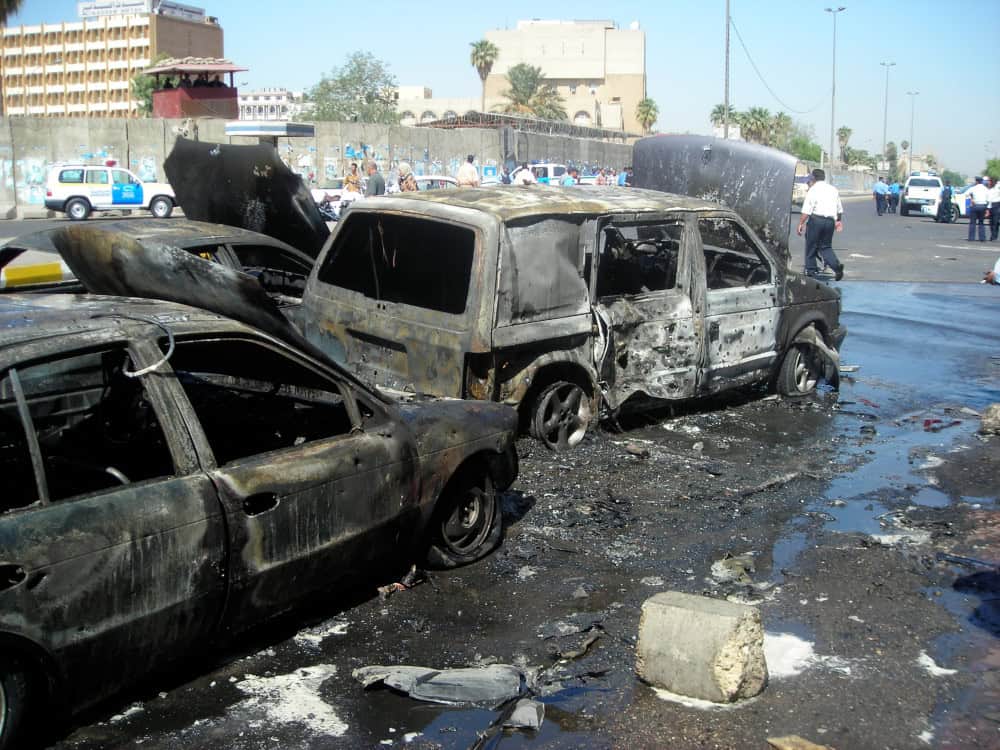
While the United States is focused on the election, the domestic terrorism warning signs are still blinking red. Over the last few months, the Department of Justice has indicted another Islamic State terrorist and uncovered an Iranian assassination plot against former President Donald Trump.
-
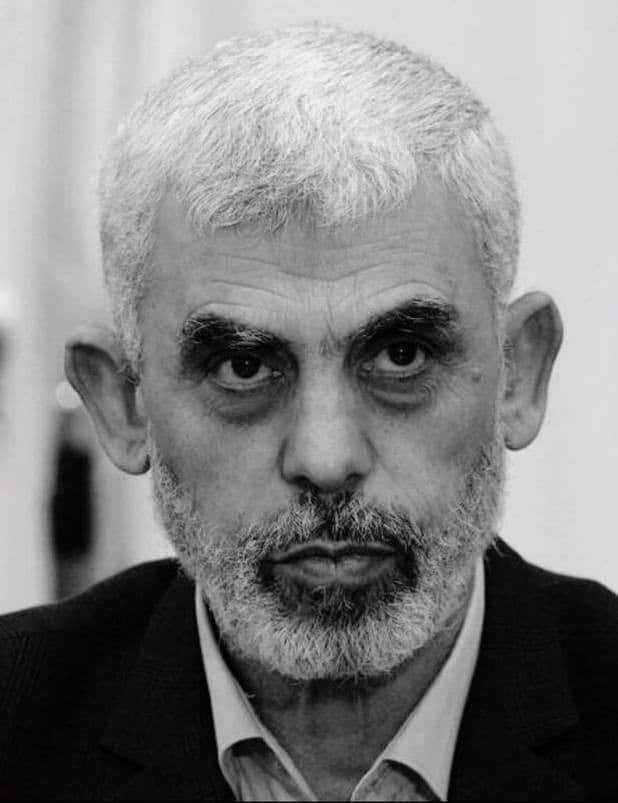
Israeli troops kill wanted Hamas leader Yahya Sinwar
Sinwar was the mastermind behind the October 7, 2023, assault on Israel and was perhaps the most wanted Hamas terrorist by Israel. A veteran of Hamas since the 1980s, Sinwar established the group’s security service and rose to lead Hamas in August 2024 after his predecessor was assassinated in Tehran, Iran.
-
IDF strikes 490 Hezbollah targets in ground and air operations
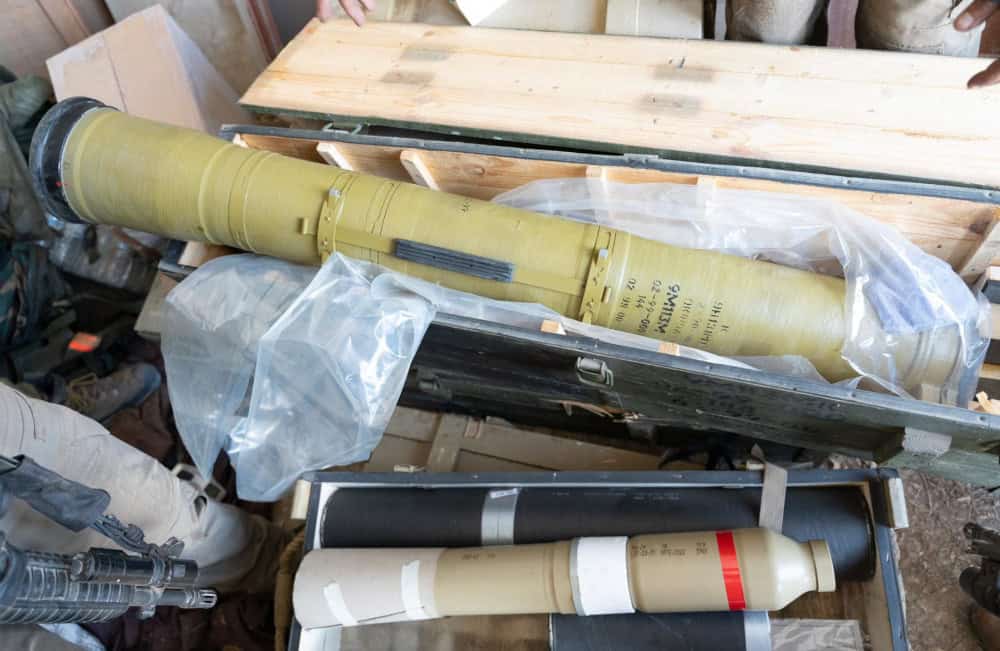
Israeli ground forces and aircraft struck hundreds of Hezbollah targets in southern Lebanon in three days of operations from October 14 to October 17. The Israel Defense Forces (IDF) estimates that 45 Hezbollah members were eliminated on October 17. Israeli ground forces also uncovered tunnels and numerous weapons and captured Hezbollah personnel in recent operations.
-
Generation Jihad Ep. 222 — Jihadist plots against the West
Bill and Will discuss plots to target Western assets both inside and outside of combat zones, from the foiled attack targeting a Taylor Swift concert in Europe to credible threats on President Trump’s life made by the Islamic Republic of Iran.
-
IDF pushes to weaken Hamas in north Gaza
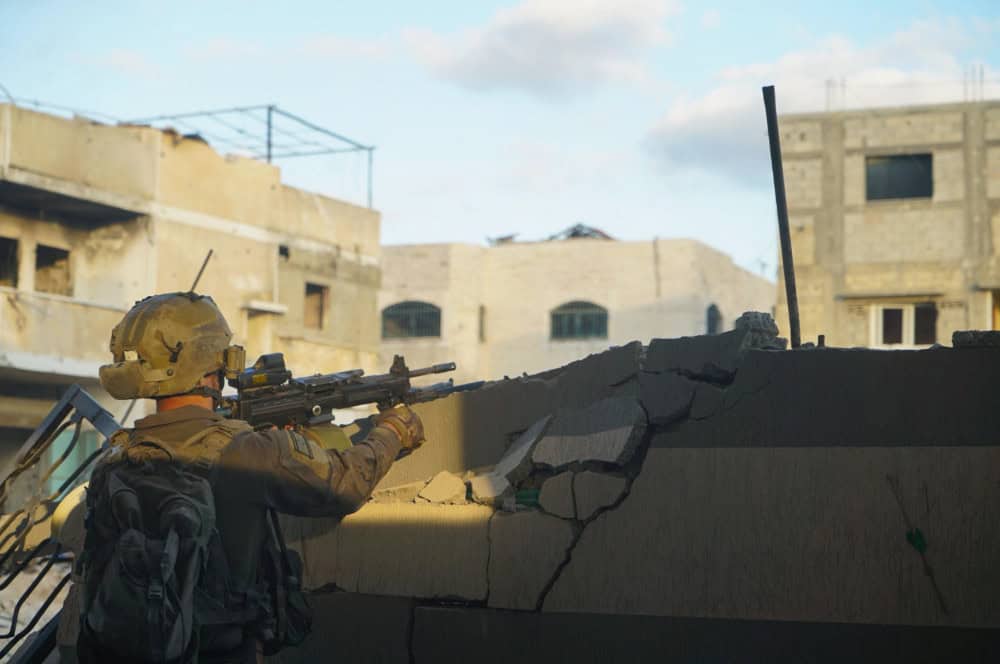
The 162nd Division of the Israel Defense Forces (IDF) has been fighting in Jabaliya in northern Gaza for 10 days and found weapons and explosives during the operation. There have also been clashes with terrorists, and Hamas fighters have been eliminated. The IDF transferred 30 trucks of humanitarian aid into northern Gaza amid concerns about civilians.
-
Analysis: ‘Axis of Resistance’ or ‘Axis of Espionage?’ Iran’s struggles to staff leadership
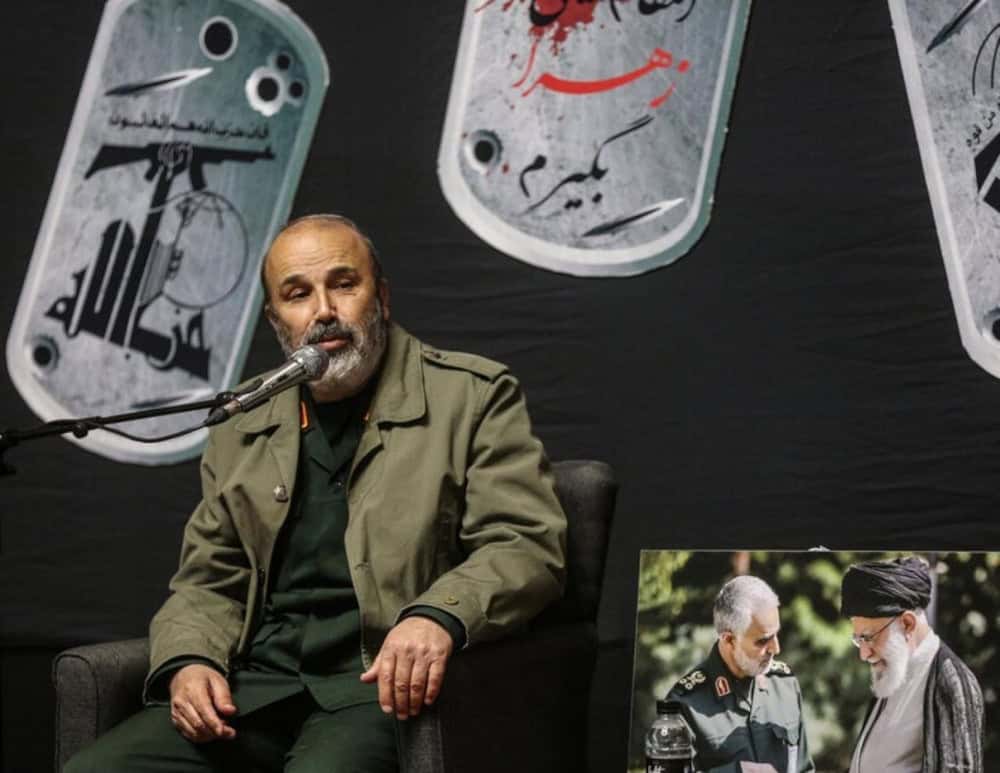
The appointment of Brigadier General Mohammad Reza Fallahzadeh as Hezbollah’s “supervisor” underscores the growing challenges faced by Iran and its proxies amid Israel’s military and intelligence operations. The inability to establish stable leadership within Hezbollah not only reflects Israel’s tactical successes but also reveals deep fractures within the Axis of Resistance. The heightened paranoia among Iranian leaders suggests a precarious future for the Islamic Republic’s efforts to maintain control over its oldest proxy.
-
Analysis: The road to the Third Lebanon War
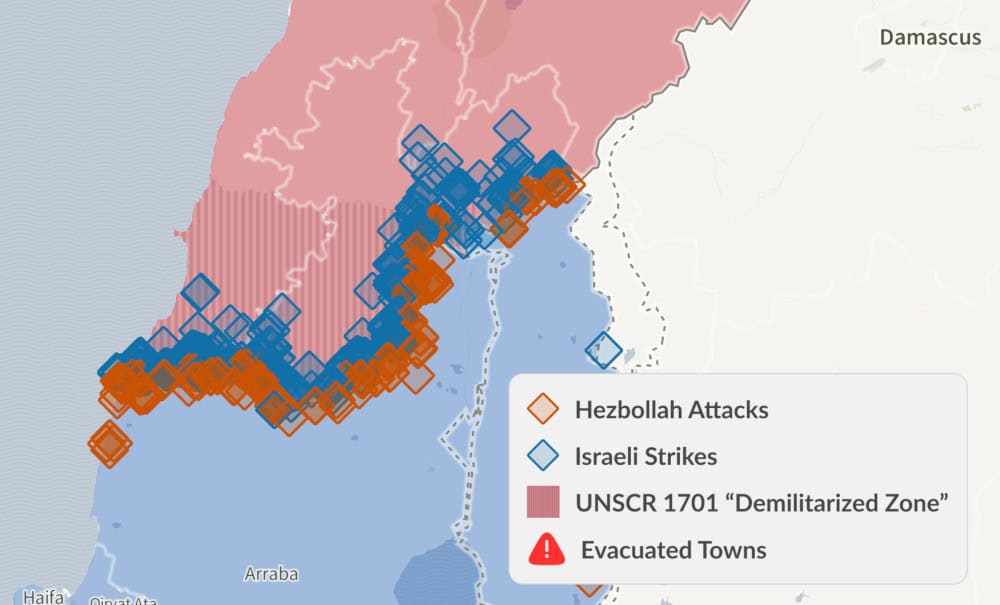
The conflict between Hezbollah and Israel that began on October 8, 2023, has evolved into a protracted war of attrition that neither side initially expected to last this long. Hezbollah’s goal was to support Gaza by diverting the Israelis’ attention and impacting their morale, but the group miscalculated Israel’s resolve, leading to an extended and more intense conflict.
-
Hezbollah drone strikes IDF base as Israeli forces uncover weapons in Lebanon
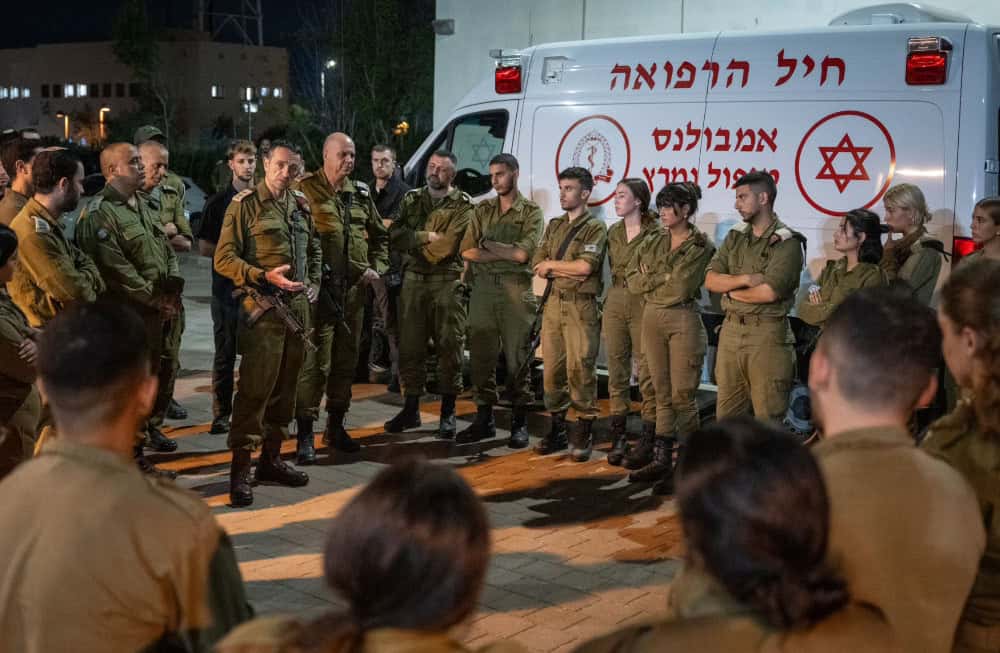
A Hezbollah kamikaze drone struck an IDF training base, killing four soldiers and wounding 60 others. Hezbollah has used more than 200 drones in attacks over the past year. IDF Chief of Staff Lieutenant General Herzi Halevi visited the site of the attack, and Israeli Defense Minister Yoav Gallant said, “We must investigate it, study the details, and implement lessons in a swift and professional manner.” Gallant also spoke with US Secretary of Defense Lloyd Austin and visited northern Israel to oversee operations against Hezbollah.
-
Hezbollah anti-tank and rocket fire strike northern Israel; Halevi visits Lebanon front
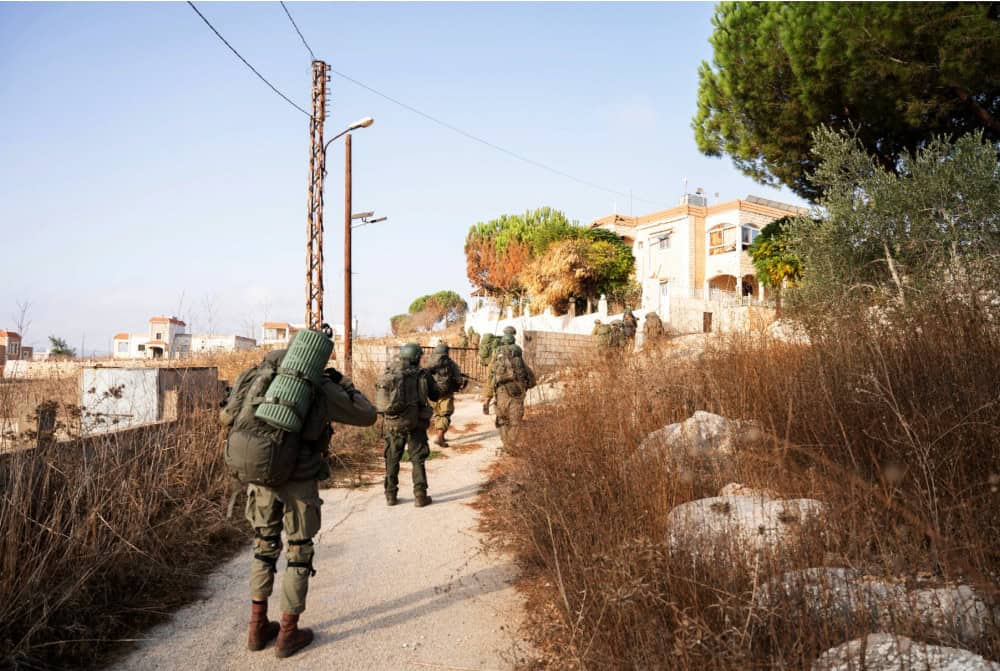
IDF Chief of Staff Lieutenant General Herzi Halevi visited Israeli forces operating in southern Lebanon on October 10. He reviewed how the IDF is operating against Hezbollah in Lebanese villages near the border from where Hezbollah has threatened Israel with rockets over the past year. The United Nations Interim Force in Lebanon (UNIFIL) said on October 11 that two of its peacekeepers were wounded in Lebanon. Hezbollah fired 190 projectiles into Israel on October 10.
-
Analysis: Awaiting Israel’s strike, Tehran pushes propaganda to cushion the blow
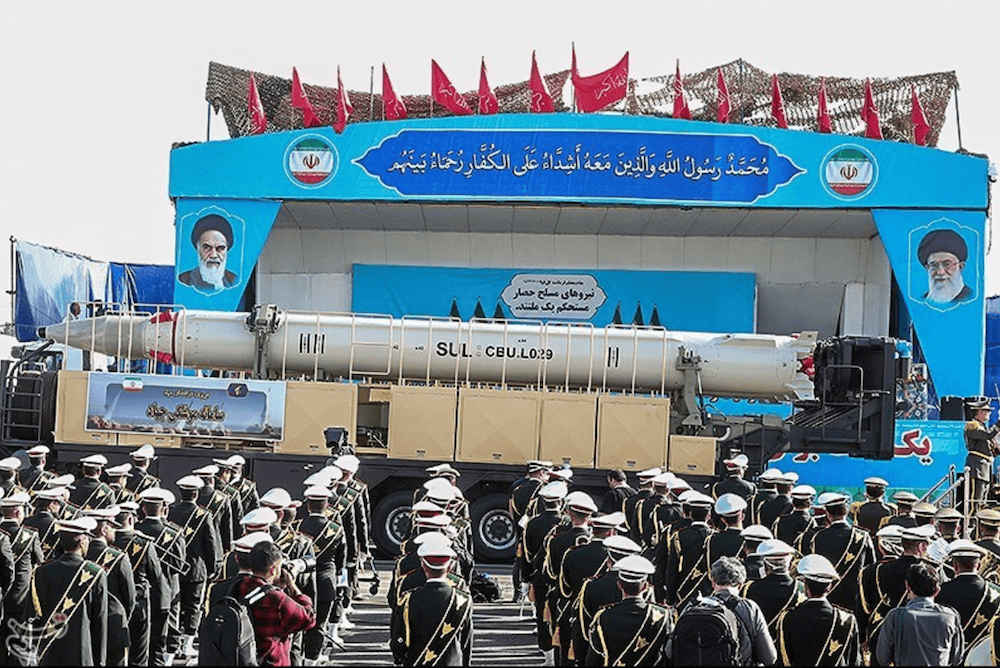
Iranian politicians, military officials, and media outlets are currently advancing a series of threats, half-truths, and outright lies in the service of softening the political blow that any Israeli strike could land while also raising military costs.
-
IDF targets Hezbollah command and control centers
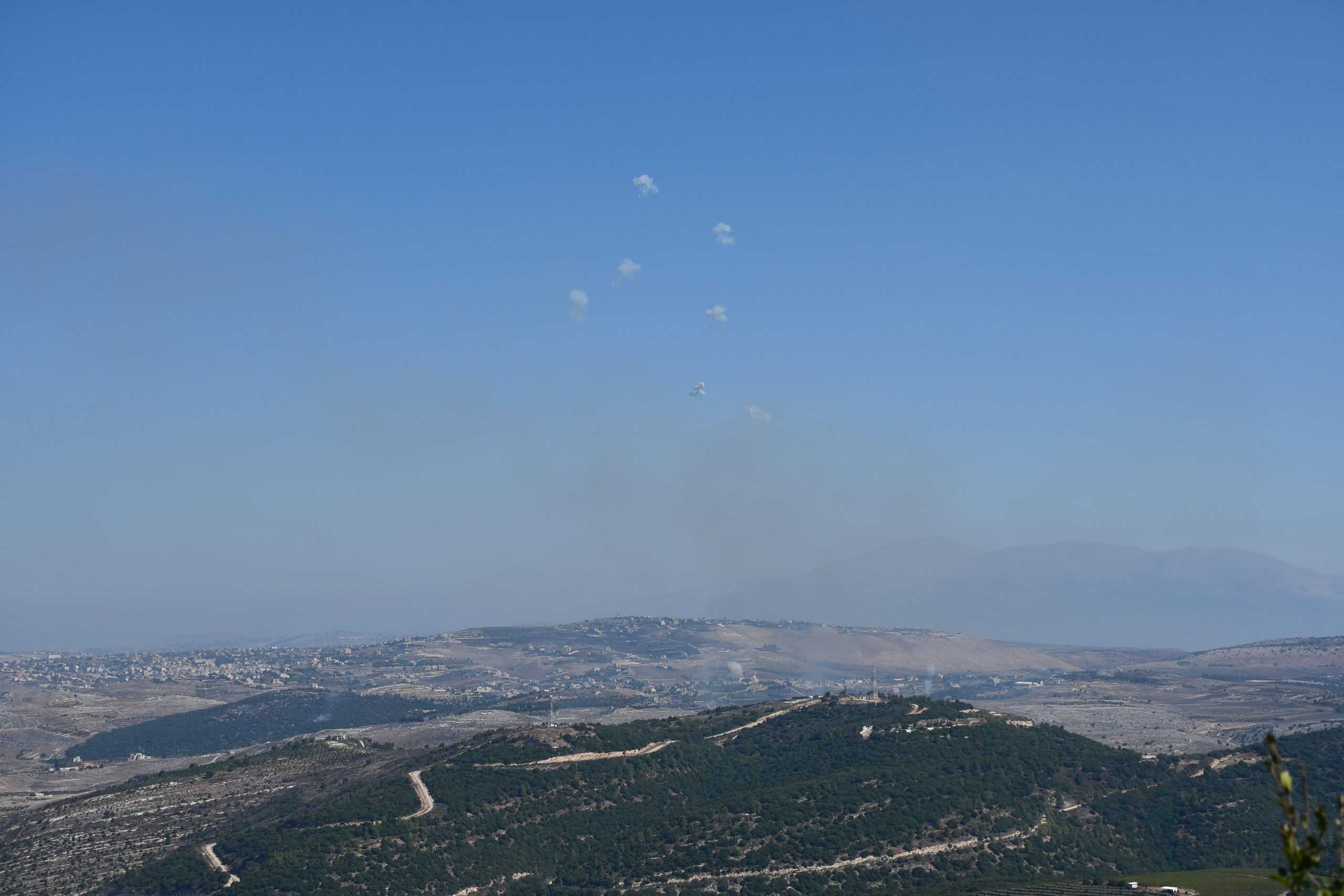
The IDF focused air strikes on Hezbollah command centers in southern Lebanon. The Israeli military estimated that it eliminated fifty Hezbollah terrorists, including six “senior commanders from Hezbollah’s southern front and the Radwan forces,” the IDF said on October 8. Hezbollah launched 220 rockets into Israel on October 9. Two Israelis were killed by Hezbollah rocket fire in the northern city of Kiryat Shmona. Israeli Prime Minister Benjamin Netanyahu spoke to US President Joe Biden about possible Israeli retaliation for Iran’s ballistic missile attack on Israel.
-
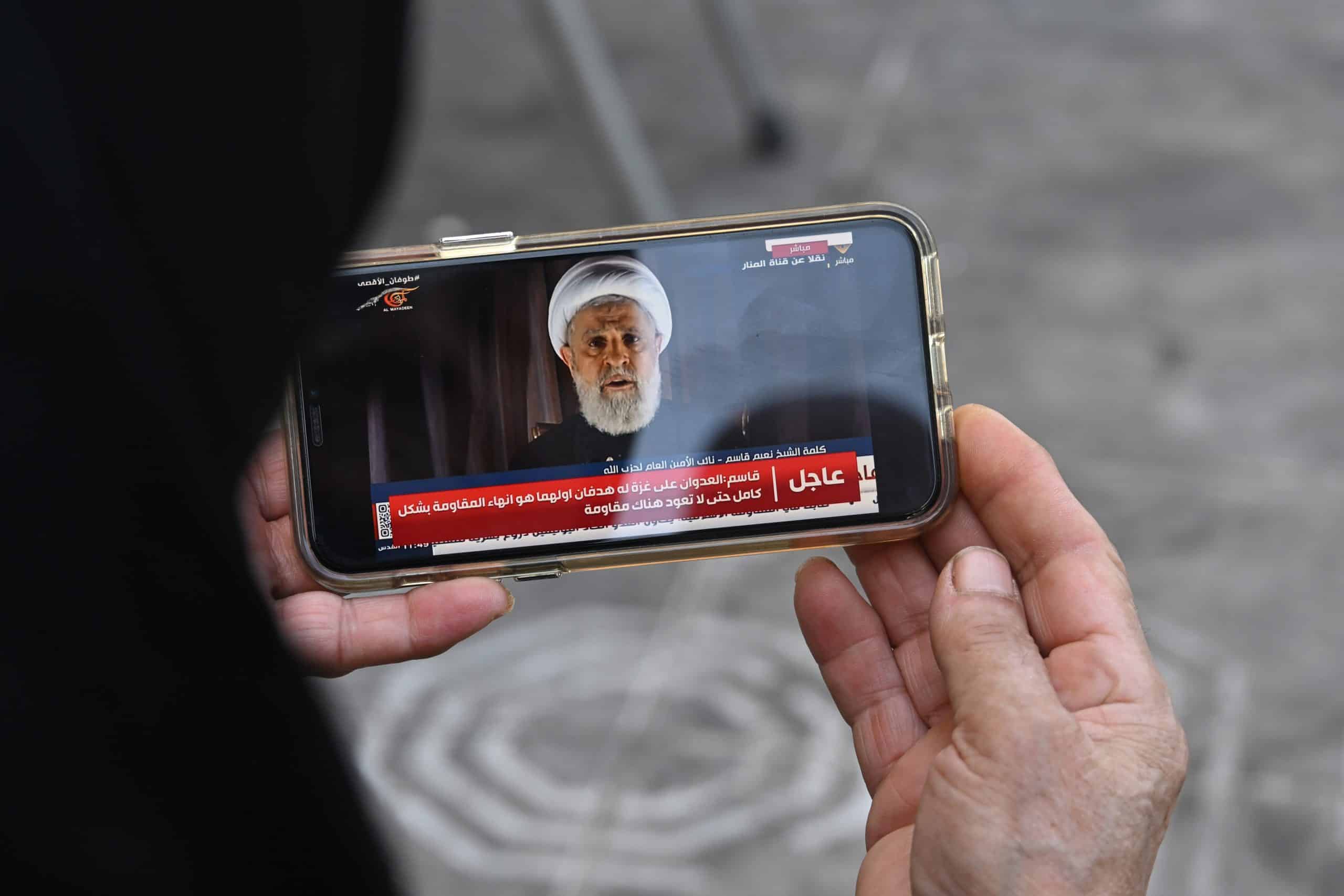
Naim Qassem: Hezbollah’s new and subdued voice
With Israel’s September 27 assassination of Secretary-General Hassan Nasrallah, Hezbollah’s voice has been subdued. But it has not, unfortunately, been entirely silenced. The mantle of Hezbollah’s spokesman is a heavy one to take up, made all the more difficult by Israel’s continued elimination of the group’s top leadership cadre. For now, however, Hezbollah seems to have settled on Nasrallah’s deputy, the soft-spoken philosopher-idealogue Naim Qassem. An intellectual, Qassem lacks any of the charisma or presence around which Nasrallah’s hold over Hezbollah’s flock and cult of personality were built – and therefore his ability to inspire and rouse the base remains…
-
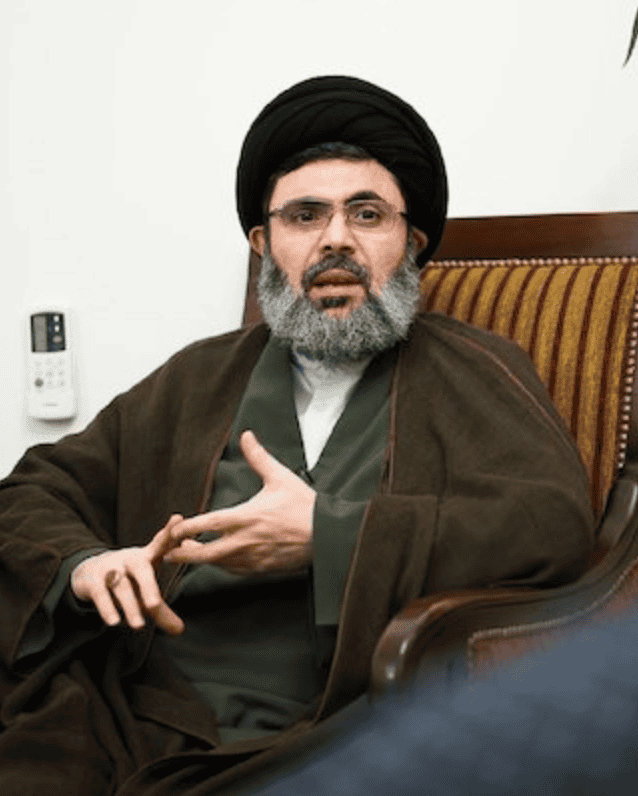
Israel eliminated Nasrallah’s successor
Israel announced that it killed Hashem Safieddine, the likely successor to Hezbollah’s longtime Secretary-General Hassan Nasrallah. Safieddine was a veteran Hezbollah leader, and the group has suffered significant losses to its leadership cadre.
-
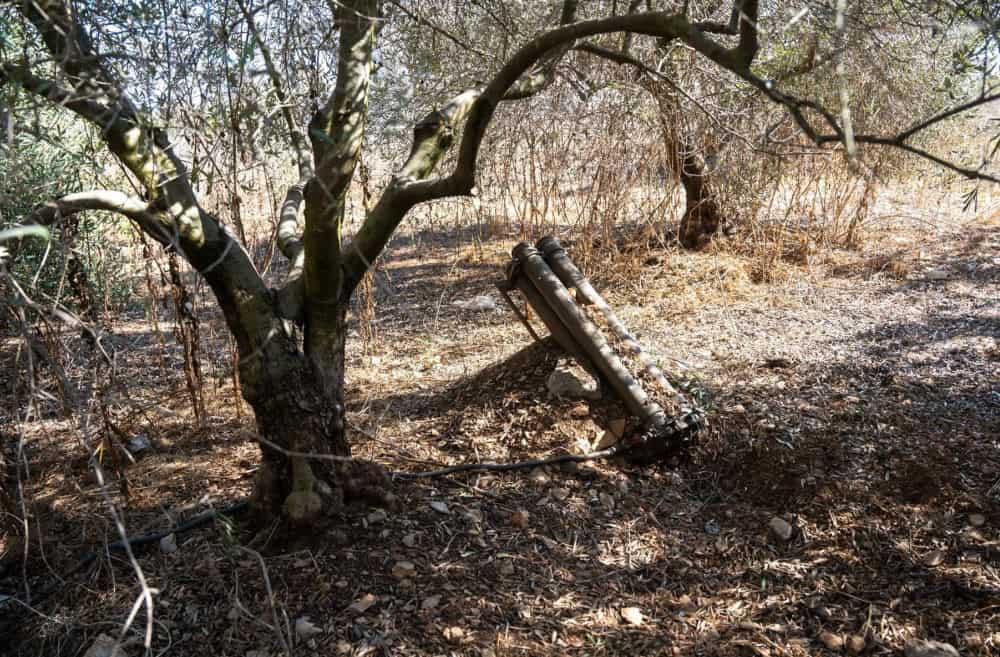
IDF locates Hezbollah tunnel and weapons as Lebanon operation expands
Hezbollah targeted Israel’s northern city of Haifa with rocket fire on October 8 after launching 190 rockets at Israel on October 7. The IDF continued to carry out operations in southern Lebanon. Israel’s Golani Brigade uncovered Hezbollah weapons in Maroun al-Ras. The IDF also dismantled a tunnel that stretched into Israel. Four IDF divisions are now operating in Lebanon.
-
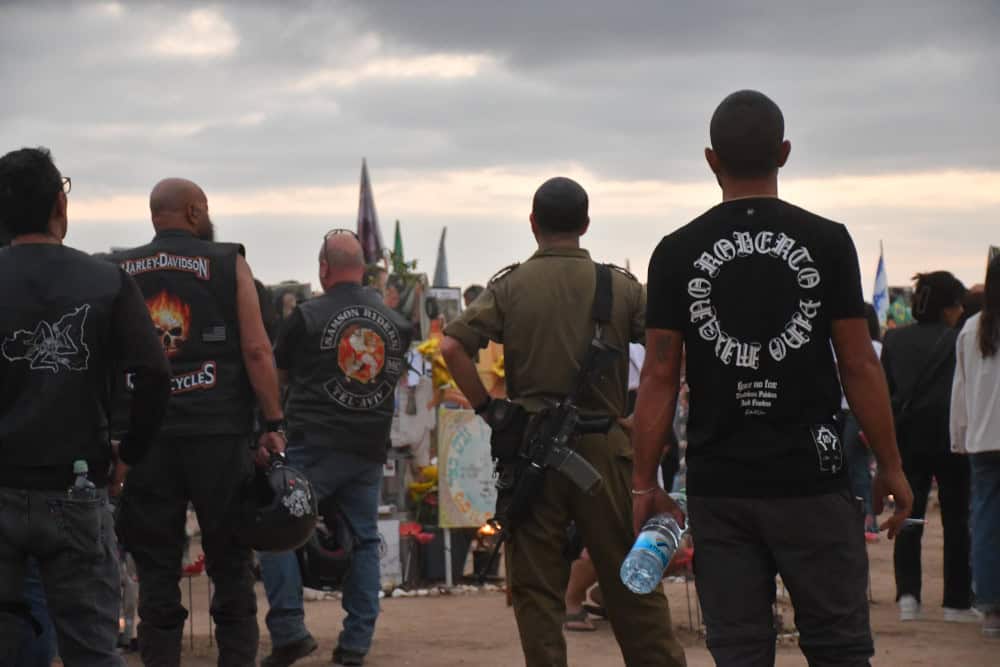
Israel faces attacks on multiple fronts on the anniversary of the October 7 attack
Israel commemorated the anniversary of the October 7 massacre as Hamas fired more than 135 rockets at southern and central Israel, Iraqi militias targeted Israel with drones, and the Houthis launched a long-range missile at central Israel. The IDF’s top general met with the head of US Central Command on October 6. A third IDF division began operations in Lebanon as the Israeli Air Force hit 120 Hezbollah targets.
-
Analysis: Iran threatens Israeli civil and nuclear infrastructure on October 7 anniversary
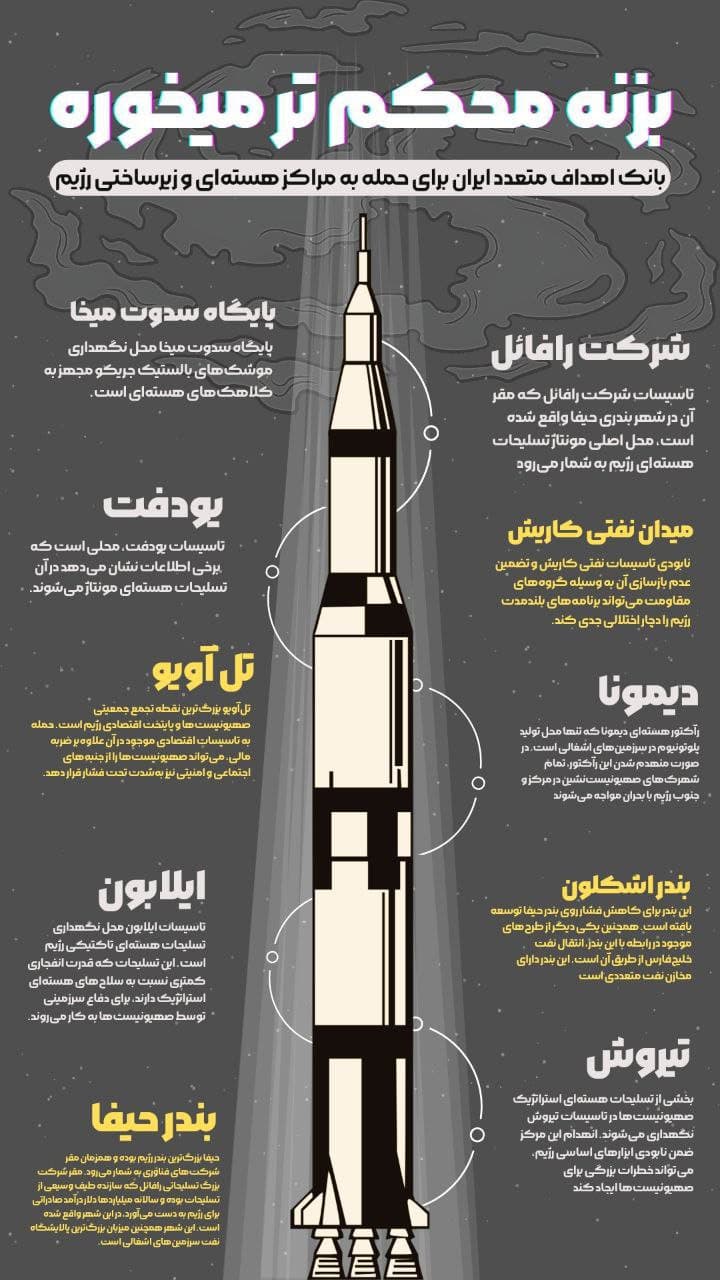
On the anniversary of the October 7 terrorist attack, the Islamic Republic has pledged to target Israeli cities and critical infrastructure while US and Israeli officials consider their options in response to Tehran’s second ballistic missile assault. With Israel’s air defense capabilities demonstrating superiority over Iranian missiles and the military setbacks suffered by the regime’s proxies, Tehran has increasingly diminished its leverage over Jerusalem. This shifting dynamic offers Israel a strategic opportunity to target the regime’s nuclear facilities, addressing the primary existential threat it faces.
-
IDF returns to northern Gaza’s Jabaliya neighborhood
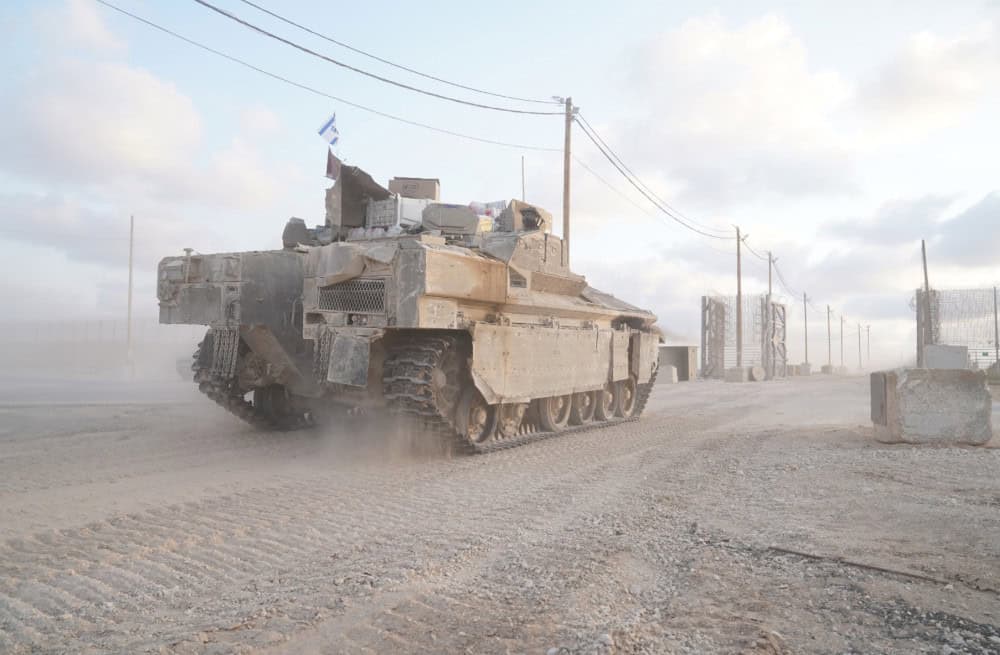
The Israel Defense Forces (IDF) launched a new operation in northern Gaza directed at Hamas terrorists in Jabliya, an area the IDF has cleared three times during the war. The new operation, launched as Israel prepares for the anniversary of the October 7 attack, began after the Israeli military detected evidence that Hamas was seeking to rebuild its forces there.
-
Analysis: The Houthis’ leadership structure
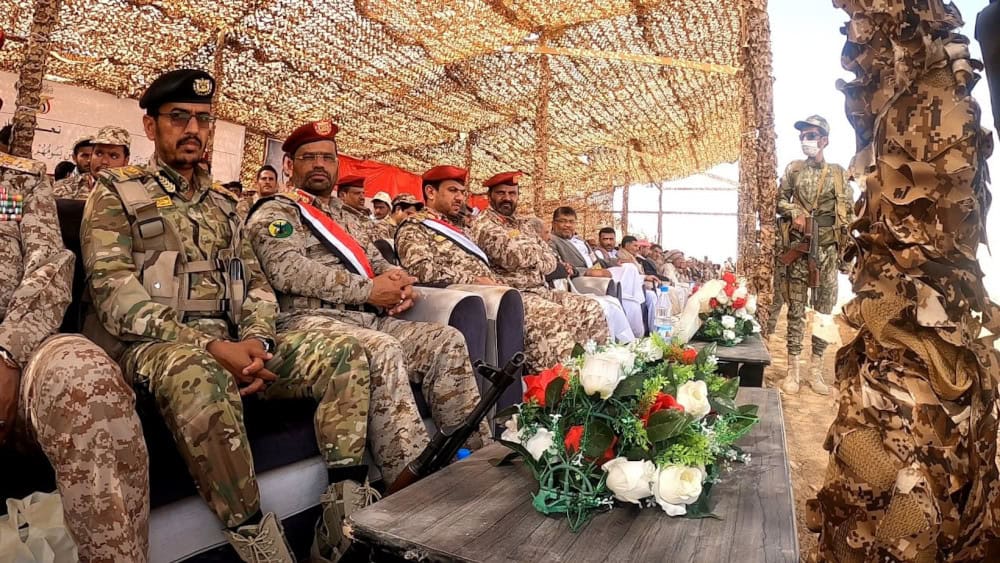
The Houthis in Yemen have an extensive leadership hierarchy. FDD’s Long War Journal lists some of the leaders of the organization, their roles, and if they have been sanctioned by the United States government.
-
IDF suffers first casualties in Lebanon as 2nd Division begins ops
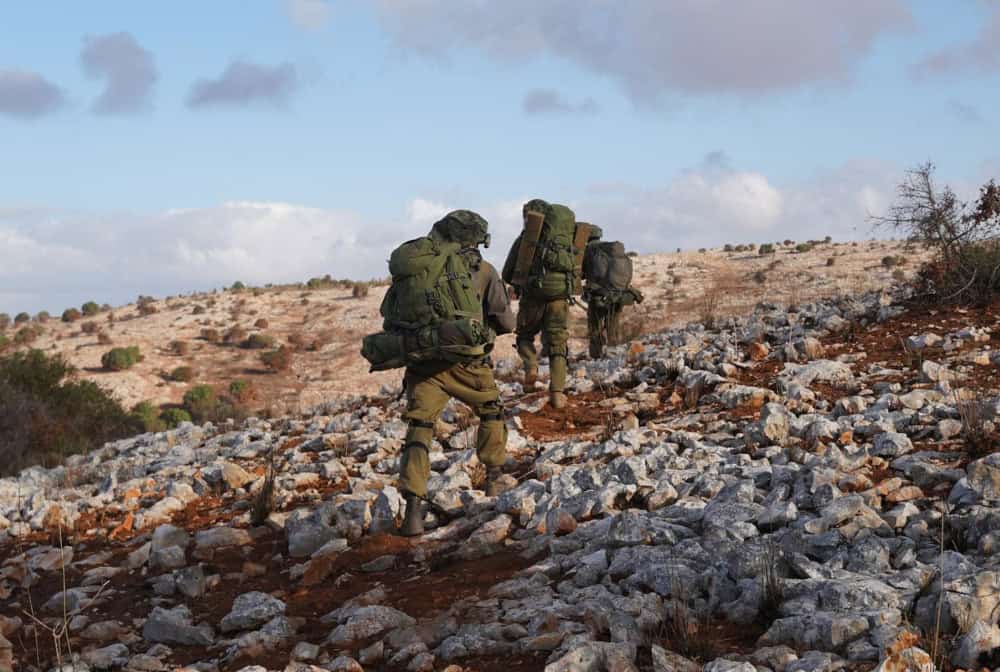
The Israeli military suffered its first casualties in southern Lebanon battles with Hezbollah on October 2. Eight soldiers were killed in one incident and a ninth in a second clash, according to Israel Defense Forces (IDF) reports from October 2 and October 3. The IDF struck approximately 200 Hezbollah targets and estimated it eliminated 60 of the group’s members. During the same two days, Hezbollah launched 360 projectiles at Israel. In addition, the IDF downed several drone threats off the coast. Two Israeli divisions, the 98th and the 36th, are now operating in southern Lebanon.
-
Analysis: The impact of Israeli operations on Hezbollah’s organizational structure
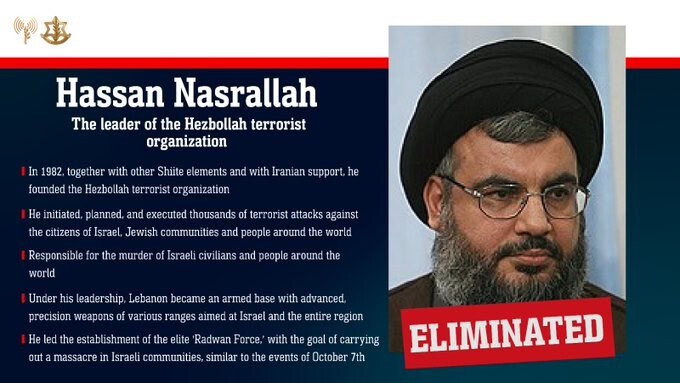
A breakdown of the Hezbollah officials Israel has assassinated, those who remain, and the impact on the organization and its durability.
-
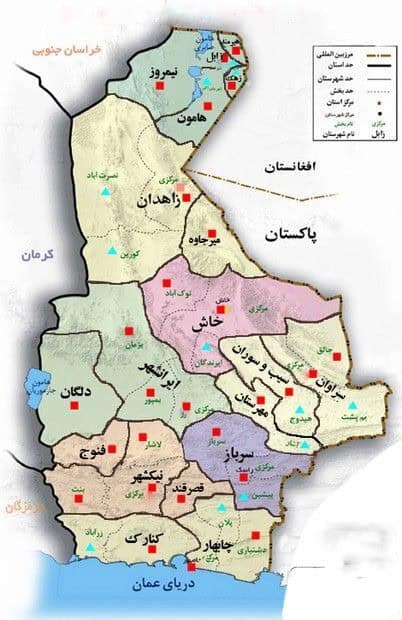
Jaish al-Adl claims responsibility for twin attacks in Iran’s Sistan and Baluchistan province
Jaish al-Adl claimed responsibility for twin attacks in Iran’s Sistan and Baluchistan province that killed IRGC members and local law enforcement personnel. The separatist group has intensified its attacks against regime targets recently, with one previous wave occurring in three cities.
-
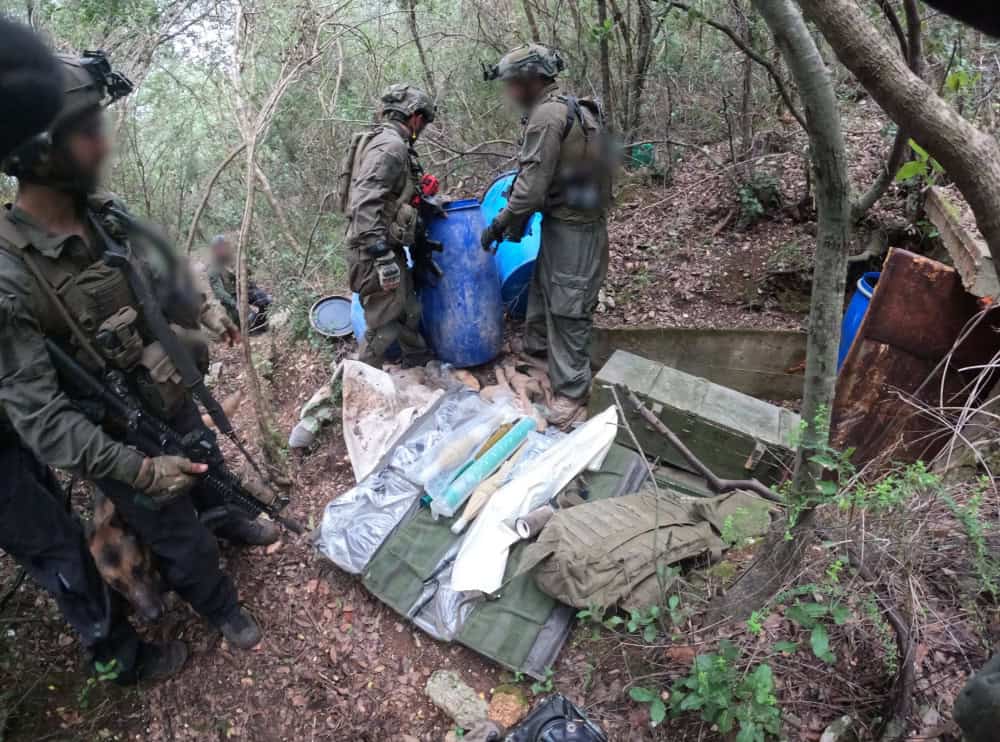
IDF begins Lebanon ground operation, Iran launches 180 ballistic missiles at Israel
The Israel Defense (IDF) Forces began a ground operation in southern Lebanon against Hezbollah, led by the IDF’s 98th Division. The IDF described the offensive as “localized, and targeted ground raids based on precise intelligence against Hezbollah terrorist targets and infrastructure in southern Lebanon.” Iran launched 180 ballistic missiles at Israel, while Hezbollah fired rocket barrages at northern and central Israel.
-
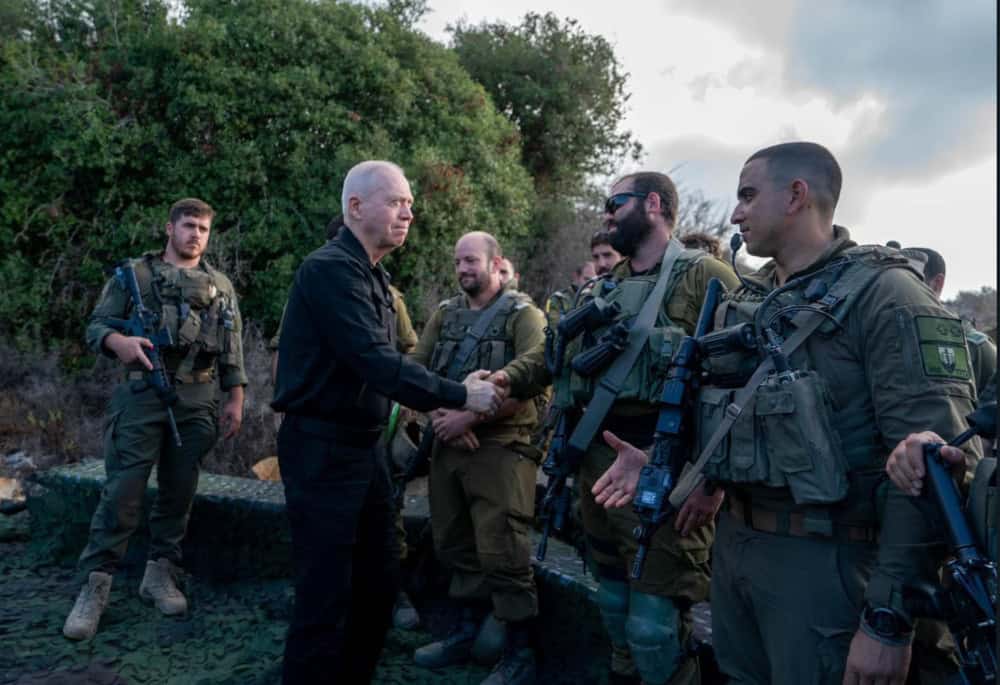
Israel’s defense minister meets IDF armored brigade in northern Israel as wider war looms
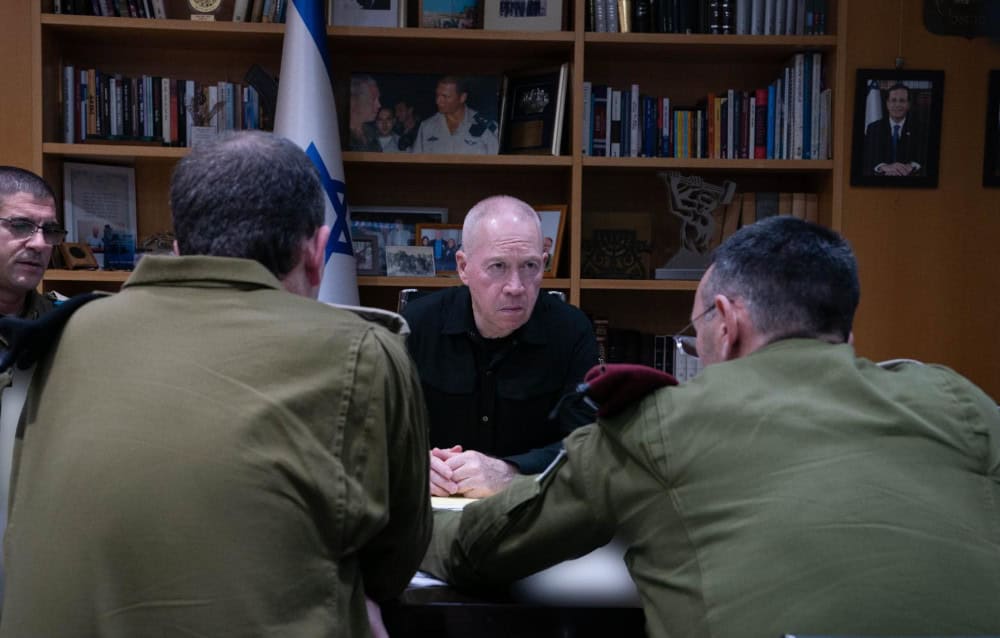
Israeli Defense Minister Yoav Gallant met with IDF troops from the 188th Armored Brigade. Israeli officials, such as Gallant, and senior commanders have been meeting with IDF troops deployed in the north over the past week, hinting that a ground operation could begin against Hezbollah.
-
Analysis: Bahraini militias eulogize slain Hezbollah leader
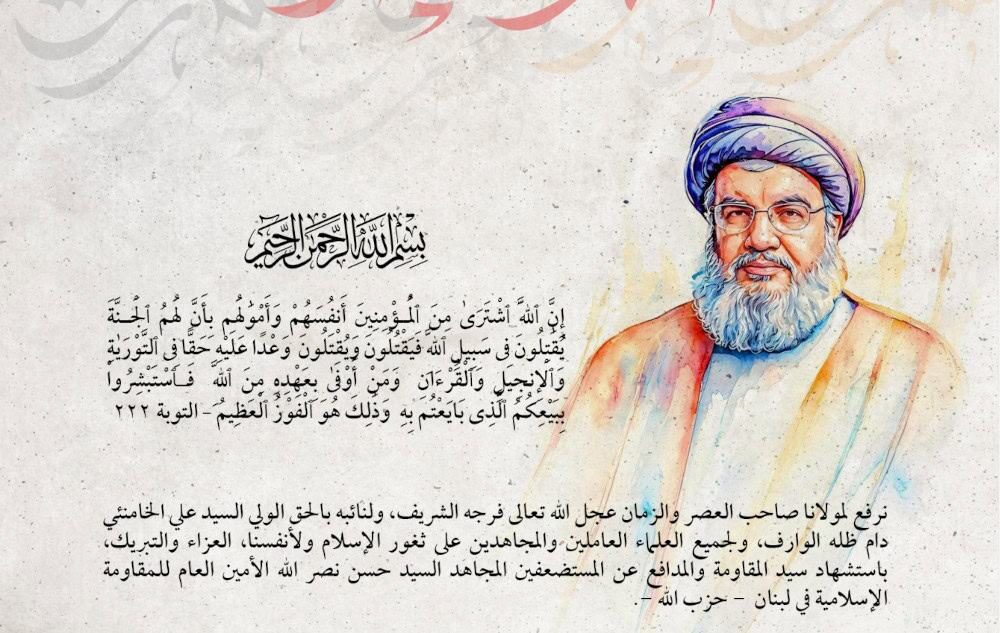
Saraya al-Ashtar and Saraya Wa’ad Allah, two Iranian-backed militias in Bahrain, issued a statement expressing condolences for the death of Hassan Nasrallah in an Israeli airstrike and calling for vengeance.
-
Israel strikes targets on multiple fronts
The IDF carried out airstrikes on the Iranian-backed Houthis in Hudaydah using dozens of aircraft. An Israeli missile ship intercepted a UAV launched at Israel, and Iranian-backed militias in Iraq took credit for the attack. Israeli forces in Gaza uncovered a tunnel. Hezbollah carried out numerous rocket attacks on Israel on September 29, and the IDF continued strikes on the terrorist group. The IDF confirmed that more than 20 Hezbollah members were eliminated in the September 27 strike which killed Hezbollah leader Hassan Nasrallah in Beirut.
-
Generation Jihad Ep. 217 — Today’s global jihadi threat
Bill is joined by friend of the show Edmund Fitton-Brown to discuss Edmund’s recent report for the Combating Terrorism Center at West Point, Commentary: The Global Jihadi Terror Threat in September 2024.
-
Hezbollah chief Hassan Nasrallah eliminated in Beirut airstrike
The Israeli military and Hezbollah have both acknowledged the death of Hassan Nasrallah following an Israeli airstrike in Beirut on Friday.
-
Generation Jihad Ep. 216 — After decades of f*cking around, did Hassan Nasrallah just find out?
Bill and show regular David Daoud are joined by their FDD colleague Ahmad Sharawi, making his overdue Generation Jihad debut amidst rumors that today’s Israeli strike in Beirut may have killed Hezbollah leader Hassan Nasrallah. They share what they know so far and unpack the known unknowns and the unknown unknowns.
-
Analysis: Erdogan’s private military company looks to raise an Islamist army
Turkish President Recep Tayyip Erdogan aims to play a central role in post-war Gaza. However, the West should closely scrutinize Turkey’s involvement, especially given Erdogan’s reliance on SADAT, Turkey’s premier private military company, and its Islamist ideology and ties to terrorist organizations.