-
Generation Jihad Ep. 231 — The next Trump administration and Iran
Bill and Benham unpack the dynamic landscape of American foreign policy towards Iran, specifically how the region’s latest turmoil might challenge the incoming Trump administration. They also discuss the challenges of domestic politics muddying foreign policy decisions, the future of American military presence in Iraq and Syria, and the need for a coherent strategy to address Iran’s nuclear ambitions.

-
Analysis: Naim Qassem commemorates 40 days since Hassan Nasrallah’s death
Naim Qassem delivered his second speech as Hezbollah’s secretary-general on the 40th day since Hassan Nasrallah’s passing. Qassem repeated many of the themes and claims from his previous speeches and stressed that Hezbollah will continue fighting.

-
Generation Jihad Ep. 230 — Trump 2.0 and foreign policy
Bill and Will unpack the implications of Trump’s win on the foreign and national security policies, particularly as they related to Ukraine, Israel, and Iran. They also analyze the second Trump administration’s potential strategies for addressing burden sharing amongst NATO members, the ongoing jihadist threat, and the challenges posed by China and North Korea.
-
1.1 million vaccines administered in Gaza via Israel-facilitated campaign
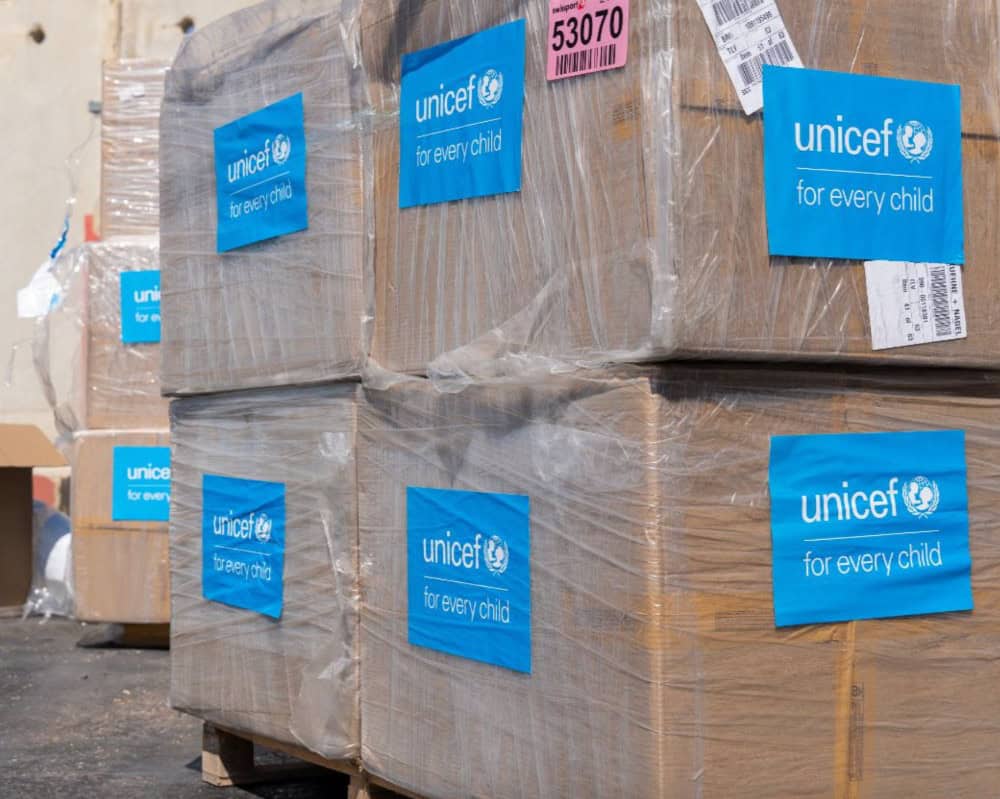
The IDF and COGAT facilitated the transfer of polio vaccines to Gaza over the last three months. The campaign, carried out with WHO and UNICEF, has now provided two rounds of vaccinations for around 550,000 children. In addition, the IDF 252nd Division wrapped up several months of control of the Netzarim Corridor and turned the area over to the 99th Division.
-
Israeli Prime Minister Netanyahu removes Defense Minister Gallant
Israeli Prime Minister Benjamin Netanyahu removed Israeli Defense Minister Yoav Gallant from office on November 5 after months of tension between the two men. The move comes as the Israel Defense Forces (IDF) continues to operate in Lebanon against Hezbollah, and Israel faces threats on multiple fronts. In Gaza, the IDF has eliminated approximately 1,000 terrorists and cleared a large area of northern Gaza of Hamas members.

-
Analysis: Hezbollah’s Unit 4400
Israel has focused on degrading Hezbollah’s Unit 4400, which is tasked with supplying the group with weapons and funds. Israel’s spate of attacks has impacted the unit’s ability to function and Hezbollah’s battle-readiness during the current campaign. However, it remains too soon to determine the long-term impact on Hezbollah’s organizational integrity.

-
Analysis: Israeli airstrikes hit Hezbollah’s intelligence branch in Syria
The Israel Defense Forces (IDF) conducted airstrikes targeting sites belonging to Hezbollah’s intelligence headquarters in Syria.

-
Generation Jihad Ep. 229 — Awaiting Iran’s response to Israel’s response to Iran, part VIII
Bill and Joe unpack the latest unfolding in the evolving conflict between Iran and Israel, particularly in light of recent retaliatory strikes by Israel and the anticipated Iranian response. They also discuss the current situation in the West Bank, Hezbollah’s operational status, and implications of tomorrow’s U.S. elections on regional stability and military strategies.
-
IDF strikes Hezbollah units as rocket and drone attacks continue
The Israel Defense Forces (IDF) downed seven drones between October 31 and November 1, including five launched from Iraq. On November 4, the IDF intercepted four drones launched from Lebanon and Iraq. Hezbollah fired more than 100 rockets and drones per day at Israel on November 2 and November 3, and the IDF struck several key Hezbollah commanders in southern Lebanon.

-
Analysis: Naim Qassem’s inaugural speech as Hezbollah’s new secretary-general
On October 30, Naim Qassem delivered his first speech as Hezbollah’s new secretary-general. Qassem stressed his intention to continue in Nasrallah’s footsteps and that Hezbollah would continue its war with Israel until a ceasefire was reached on the group’s terms.

-
Analysis: Spy surge: Tehran’s espionage strategy against Israel
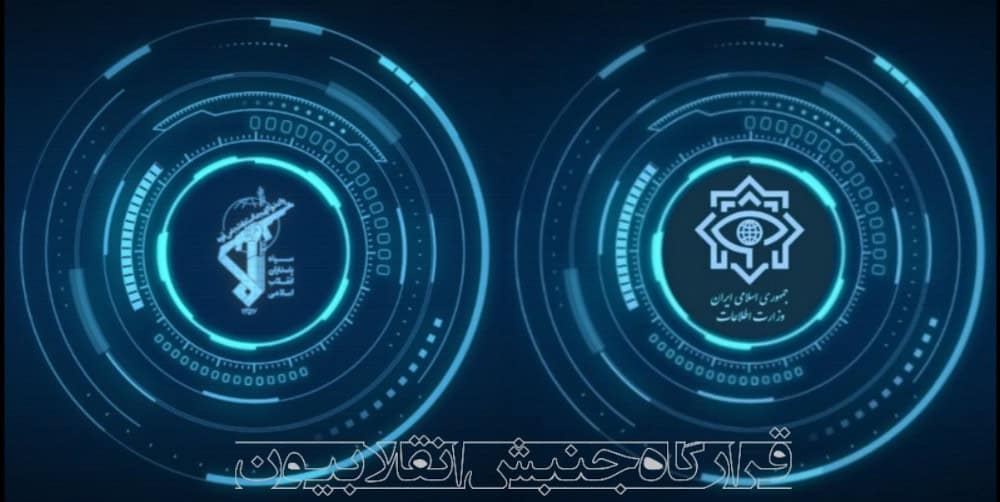
The Islamic Republic has accelerated its intelligence operations in Israel, with at least five spy rings uncovered in October alone. Between October 14 and 31, Israeli authorities arrested some 20 individuals who were operating on behalf of Iran. Led by the Islamic Revolutionary Guard Corps (IRGC) and Iran’s Ministry of Intelligence (MOI), Tehran’s multifaceted espionage strategy in Israel employs cyber warfare and direct human intelligence engagement.
-
7 Israelis killed by Hezbollah rocket fire as Israel hosts US envoys
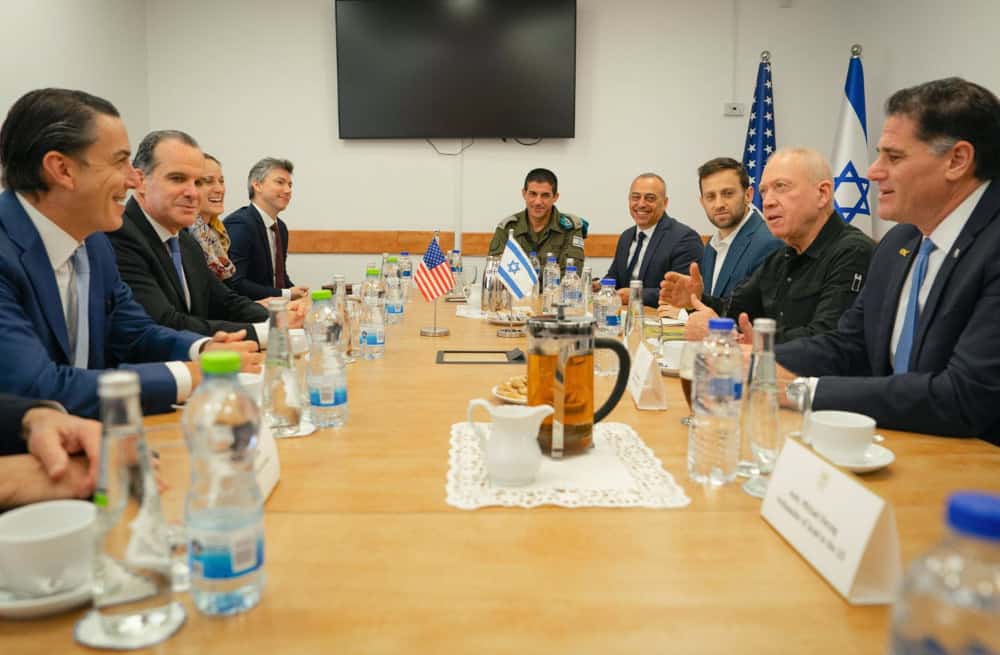
Seven Israelis were killed by Hezbollah rocket fire on October 31: five people in an agricultural area near Metula in northern Israel and two others while harvesting olives near Haifa. The IDF carried out airstrikes in Lebanon, targeting Hezbollah’s command and control and weapons storage facilities.
-
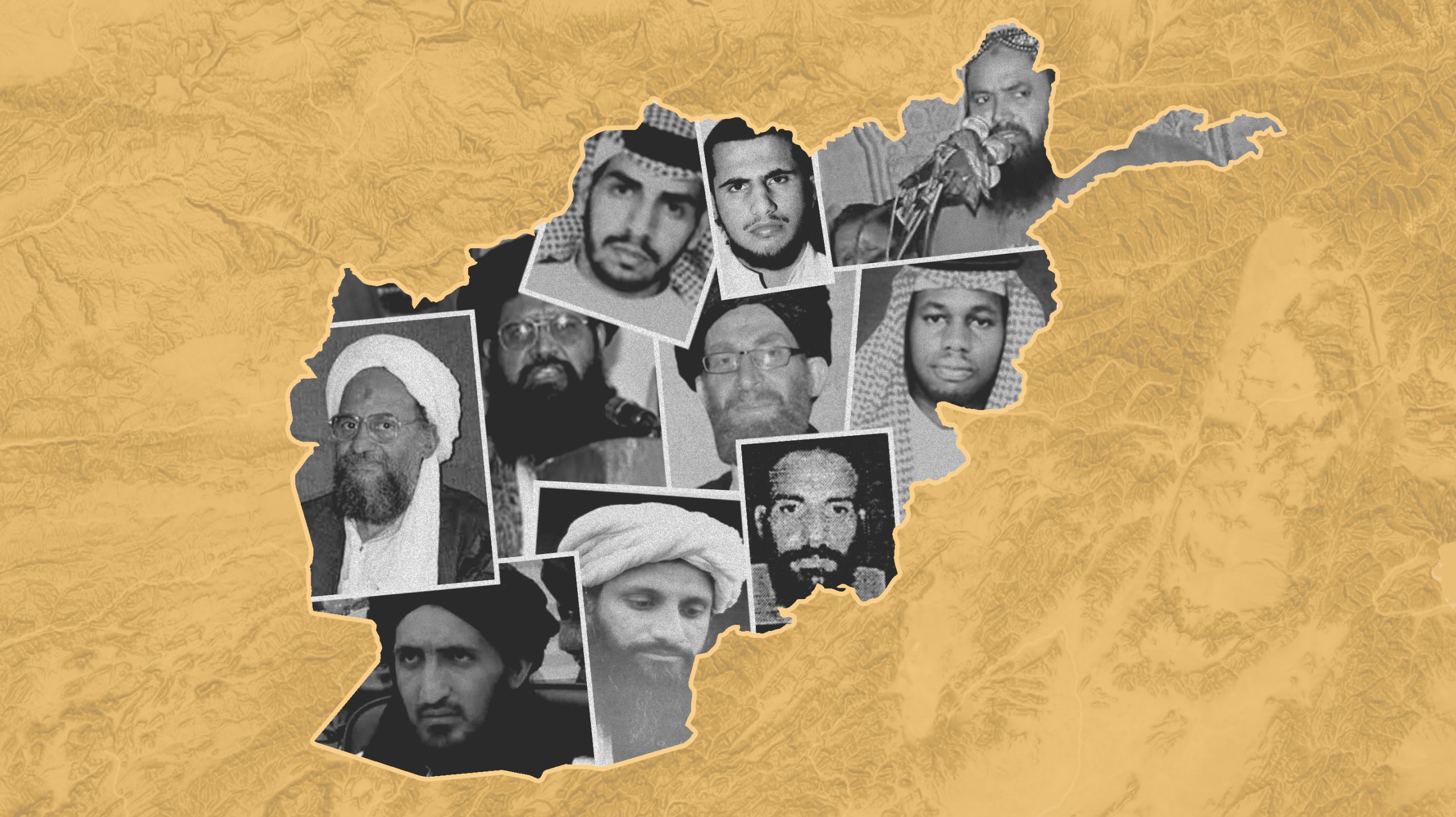
Generation Jihad Ep. 227 — Why Siraj Haqqani is not Afghanistan’s “Best Hope for Change” (CC: New York Times)
Last week, the New York Times ran an article(?) called “Is Afghanistan’s Most-Wanted Militant Now Its Best Hope for Change?” (spoiler: no) and with the subtitle: “Sirajuddin Haqqani has tried to remake himself from blood-soaked jihadist to pragmatic Taliban statesman. Western diplomats are shocked — and enticed.” Yes, really.
-
Israeli forces uncover Hezbollah bunkers and tunnels in southern Lebanon
Four Israel Defense Forces (IDF) divisions continued operations in southern Lebanon between October 27 and 29. The IDF found one Hezbollah facility that was 24 feet underground, while another stretched for more than a mile underground and “included food supplies, beds, storage cabinets, electrical power, and an arsenal of weapons.” The IDF also captured several Hezbollah members, including the commander of a local village.

-
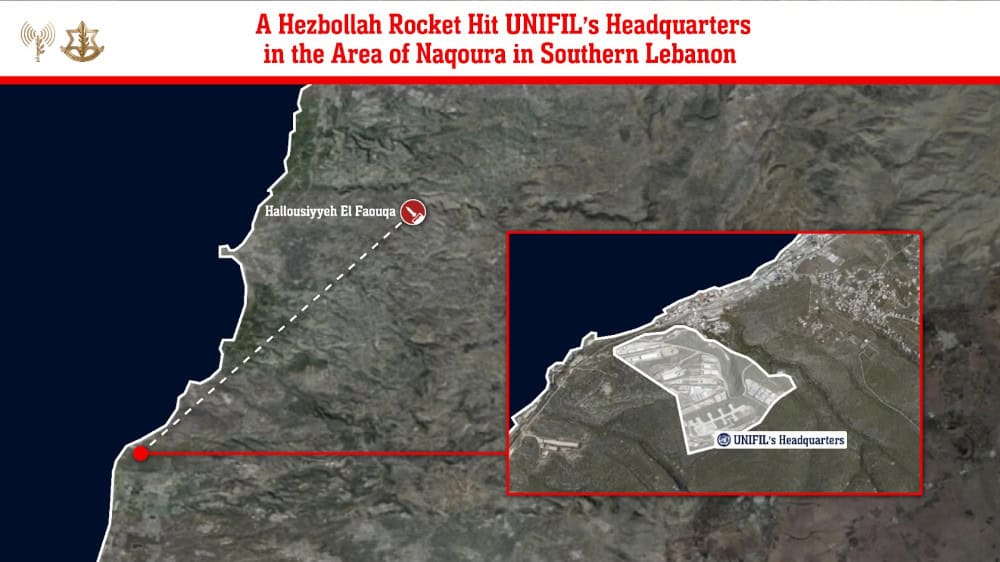
UNIFIL headquarters in Naqoura struck by Hezbollah rocket
Hezbollah rocket fire struck a United Nations Interim Force in Lebanon (UNIFIL) compound in Naqoura, Lebanon, wounding eight Austrian peacekeepers.
-
Analysis: Naim Qassem vows Hezbollah will continue fighting
Naim Qassem became Hezbollah’s new secretary-general on October 29. His last speech as the group’s deputy secretary-general, given two weeks earlier, indicates that Nasrallah’s successor intends to continue in his predecessor’s confrontational path.

-
Generation Jihad Ep. 226 — Israel’s retaliatory strikes in Iran
Bill, Joe, and Behnam unpack Israel’s retaliatory strikes on military targets in Iran, including the implications of Israeli strikes; the complexities of the Islamic Republic’s military strategies and challenges of disrupting its proxy networks; the broader geopolitical dynamics blanketing the Middle East — particularly the complexities of any regional military operations amidst ongoing geopolitical tensions between the U.S., Israel, and Iran; and the potential for Iran to accelerate its nuclear ambitions.
-
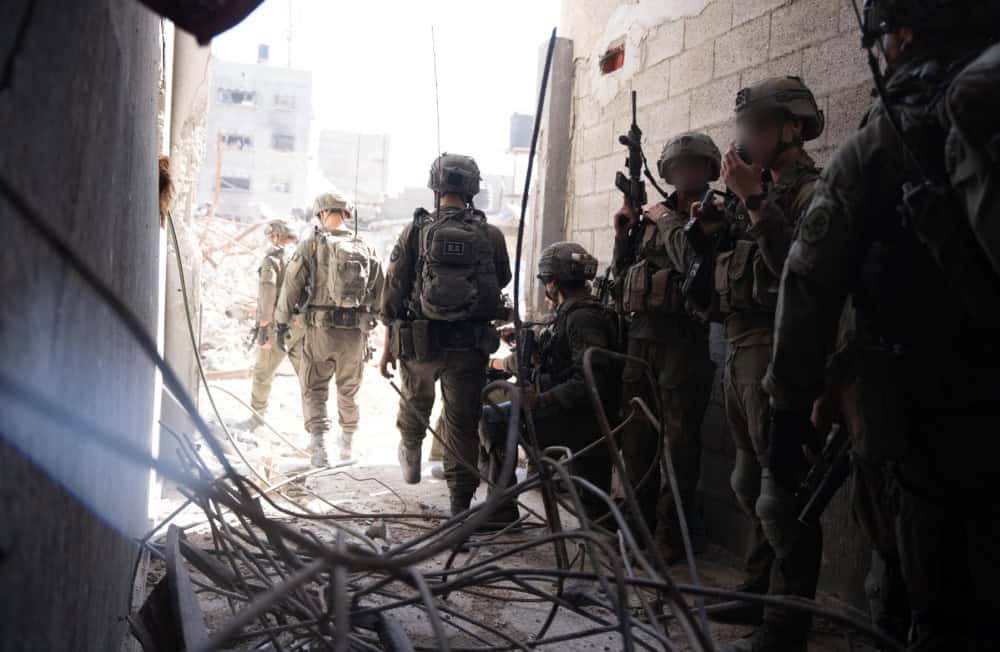
IDF clears hospital of terrorists in northern Gaza
The Israel Defense Forces (IDF) completed an operation in the Kamal Adwan Hospital in northern Gaza’s Jabaliya. During the raid, the Israeli military found weapons and detained 100 suspected terrorists. This is the third time the IDF has operated in Jabaliya to clear it of terrorists, and the second time it has raided the hospital and detained suspected militants.
-
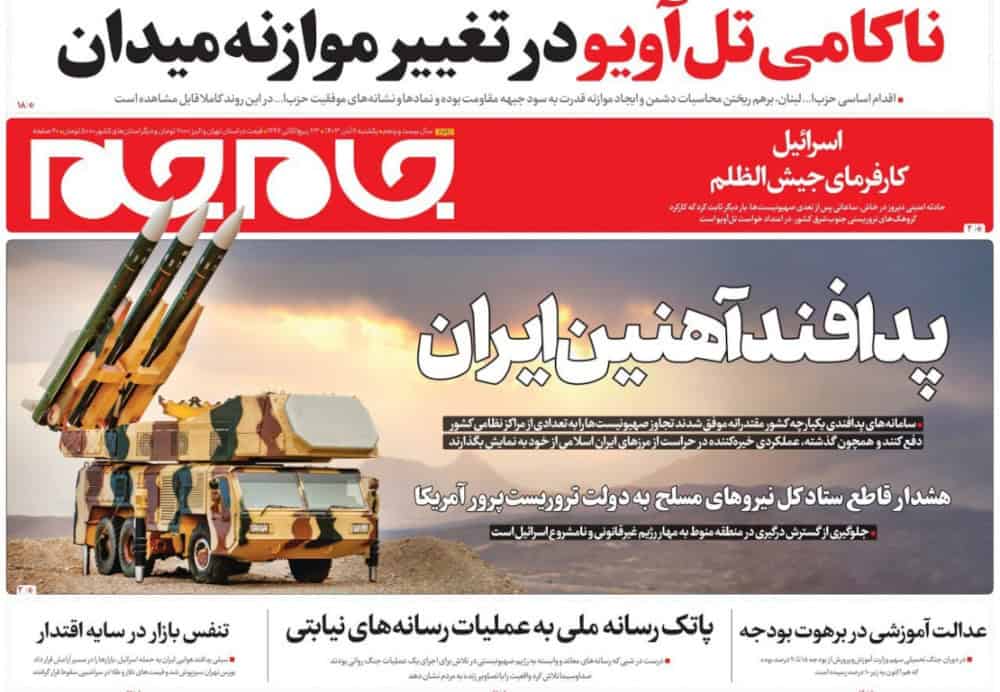
Analysis: Iran reacts to Israel’s direct retaliation
As Iran attempts to save face following Israel’s recent military strike, conflicting narratives about the imperative to respond are coming to the fore.
-
Israel launches retaliatory strikes against Iranian military facilities
Israeli fighter jets carried out airstrikes against military bases in Iran as a direct response to Iran’s ballistic missile attack on Israel on October 1. Waves of strikes eliminated radar and air defenses, followed by missile and drone bases, including production sites.

-
13 IDF soldiers killed on two fronts
The Israel Defense Forces (IDF) suffered losses in Lebanon and Gaza over two days of fighting. On October 24, the IDF announced the names of five fallen soldiers killed in Lebanon, and the Israeli military announced the names of eight more killed in Lebanon and Gaza on October 25. IDF Chief of Staff Lieutenant General Herzi Halevi visited troops in Jabaliya in northern Gaza, where he praised their determination in recent weeks of fighting Hamas.

-
Hezbollah continues to fire large barrages of rockets at Israel
Hezbollah launched a barrage of 50 rockets at northern Israel on October 24, targeting Israeli communities during the Simchat Torah holiday, after launching an estimated 135 projectiles into Israel the day before. On October 22, a total of 140 projectiles were launched. Israelis were injured in rocket attacks on October 23 and October 24. The IDF carried out airstrikes in Tyre and Beirut, and Israeli troops in southern Lebanon uncovered large amounts of Hezbollah weapons, including rifles, RPGs, mortars, and anti-tank missiles.

-
Analysis: Explaining UNSC Resolution 1701 and its relation to Resolution 1559
A specious argument fueled by DC-based Lebanese activists is gaining traction. It alleges that UN Security Council Resolution 1559 (2004) takes a stronger stance against Hezbollah than its successor, Resolution 1701, adopted after the 2006 Israel-Hezbollah War. This entire argument, however, rests on misinterpretations of Resolution 1701’s meaning and intent and demonstrates ignorance of international law.
-
Multi-front drone threats against Israel increase
Israel faces a rising drone threat from Iranian-backed proxies. On October 22, Israel confirmed that a drone attack on October 19 had struck a residence of Israeli Prime Minister Benjamin Netanyahu, and Hezbollah took responsibility for the attack. Hezbollah also killed four IDF soldiers and wounded 60 in an attack on an IDF training base on October 13. Israel’s Minister of Defense held a trial for defense companies to showcase technology to counter drone threats on October 14.

-
Israel executes waves of strikes on Hezbollah financial institution
The Israel Defense Forces (IDF) began waves of strikes on a financial organization it states has branches across Lebanon and is used to fund Hezbollah’s terror activities. An Israeli military assessment reports the IDF has hit 3,200 Hezbollah targets and killed seven of the group’s brigade commanders and 21 of its battalion commanders since the operation in Lebanon began almost a month ago.

-
Analysis: Leaks and spy rings merely delay the inevitable Israeli operation
Despite allegedly leaked documents from US agencies and Tehran’s ongoing intelligence operations aimed at disrupting an Israeli attack, Iran is bracing itself for an operation targeting its nuclear facilities. The situation has only intensified after Hezbollah’s botched attempt to assassinate Israeli Prime Minister Benjamin Netanyahu.

-
Generation Jihad Ep. 224 — Sinwar is dead. Hamas is not.
Bill and Joe discuss the death of Hamas leader Yahya Sinwar and its implications for Israeli strategy in the country’s ongoing defensive war in Gaza; for the Islamic Republic of Iran’s ongoing, multi-front war on Israel; and for already-tense U.S.-Israel relations.
-
Generation Jihad Ep. 223 — After Sinwar
Bill and Behnam discuss Israel’s targeted killing of top Hezbollah and Hamas leaders, including this week’s successful assassination of Hamas leader Yahya Sinwar.
-
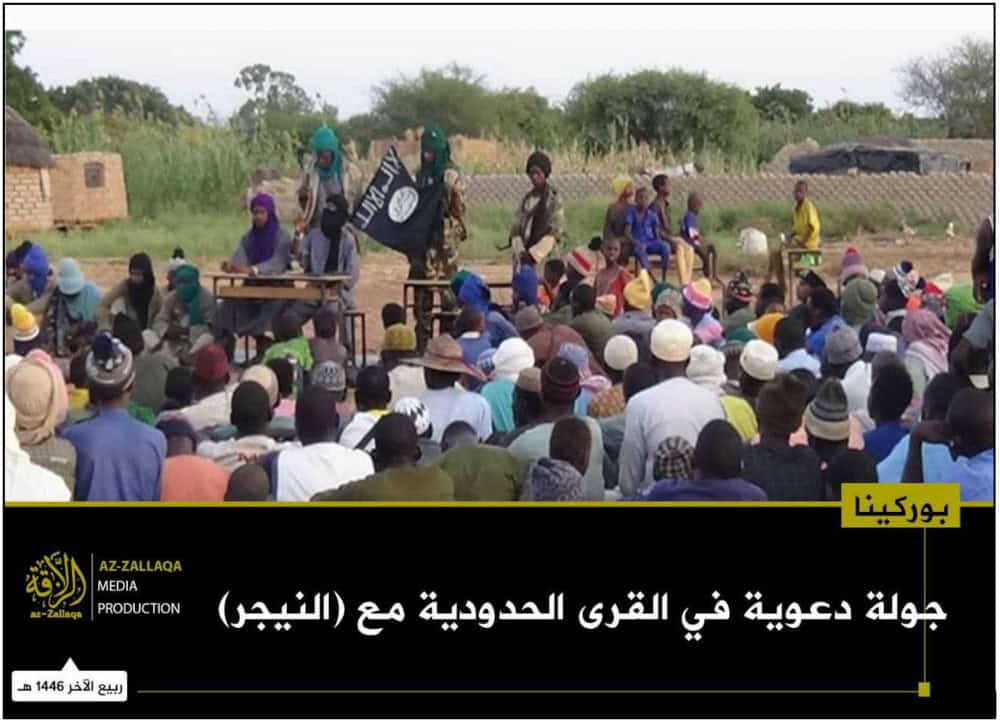
Analysis: Al Qaeda’s da’wah campaign in West Africa
The Group for Support of Islam and Muslims (JNIM), al Qaeda’s branch for West Africa, has publicized its da’wah (proselytizing) activities in local communities in Mali and Burkina Faso. Photos released by the group document its men delivering religious lectures to locals in the southern Mali region of Kayes and Burkina Faso along the border with Niger.
-
IDF releases details on clash that led to Hamas leader’s death
The IDF released new details on how its troops encountered Hamas leader Yahya Sinwar and several other Hamas members in southern Gaza on October 16. Israel’s defense minister called on Hamas to surrender and for Gazans to release the 101 hostages still held in captivity. The IDF continued operations in Jabaliya in northern Gaza.