-
Israel-Hezbollah ceasefire begins in Lebanon
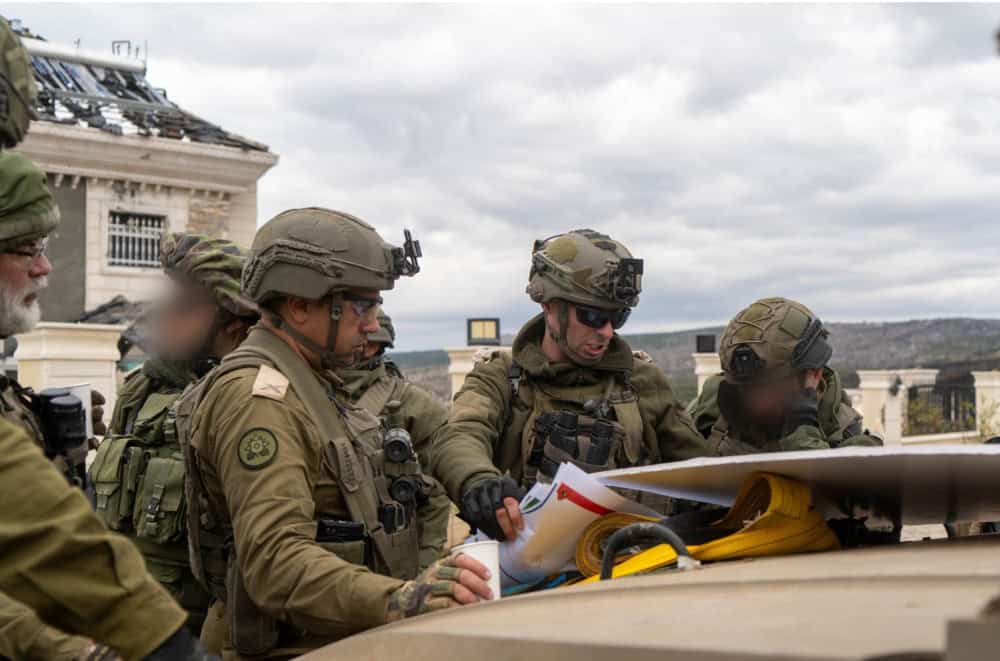
Israel agreed to a ceasefire on November 27 that ended the current fighting with Hezbollah. The agreement calls for Israel to conduct a phased withdrawal from southern Lebanon within the next 60 days. “The Government of Lebanon will prevent Hezbollah and all other armed groups in the territory of Lebanon from carrying out any operations against Israel, and Israel will not carry out any offensive military operations against Lebanese targets,” the ceasefire said. “The fundamental test of the ceasefire agreement taking shape along the Israel-Lebanon border will be in its full implementation, ensuring the security of all residents of the…
-
Analysis: Iran hails ceasefire as an opportunity to rebuild Hezbollah
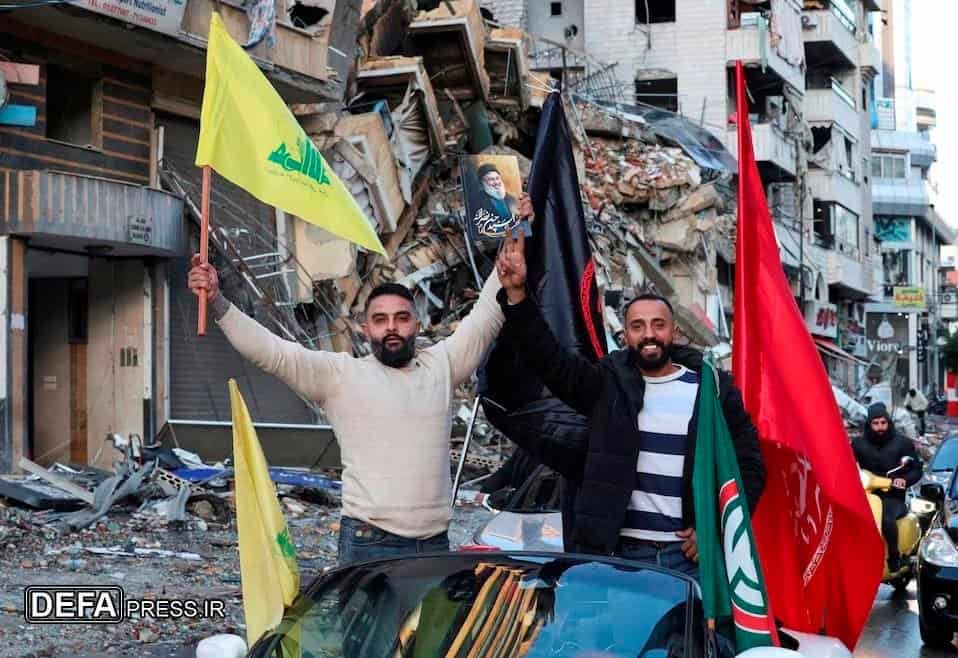
With Israel and Hamas having reached a ceasefire agreement, the rhetoric coming from Tehran is far from de-escalatory. Military and civilian officials within the Islamic Republic continue to underscore their commitment to rebuilding Hezbollah’s capabilities and have reiterated threats of launching a third phase of the “True Promise” operation against Israel.
-
Israel moves closer to a ceasefire in Lebanon
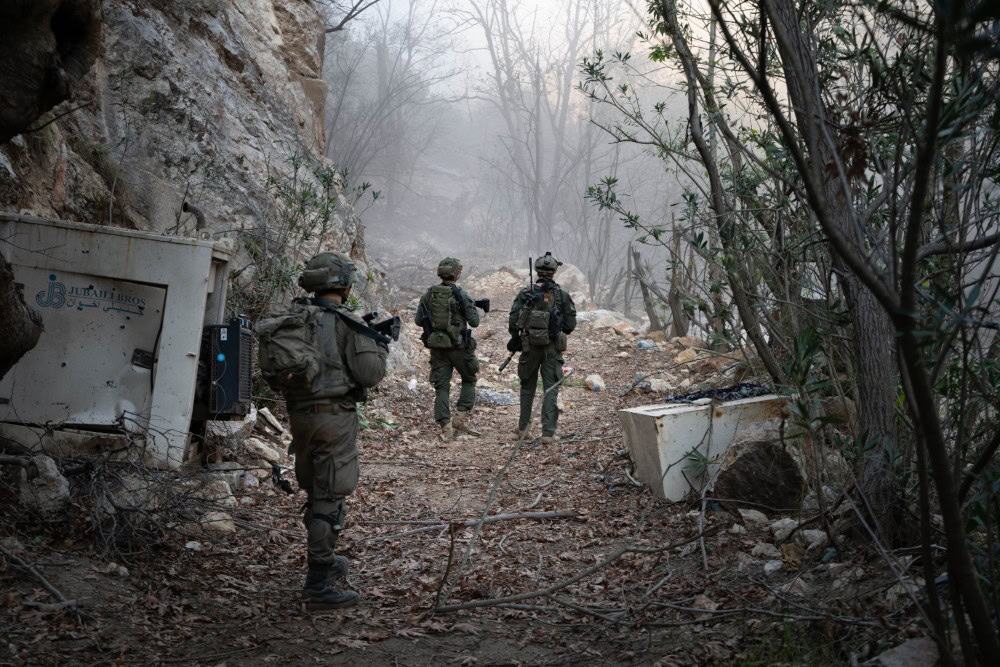
The Israel Defense Forces (IDF) carried out several rounds of airstrikes against Hezbollah targets in Beirut on November 26 ahead of a possible ceasefire expected to take effect on November 27. Israeli Prime Minister Benjamin Netanyahu promised Israelis that “we will achieve victory” and said the ceasefire would enable the IDF to “maintain full freedom of military action” if Hezbollah seeks to re-arm or return to threaten Israel near the border. Israeli units continued limited operations in southern Lebanon.
-
Amid ceasefire talks, Israel focuses on disrupting weapons smuggling to Hezbollah
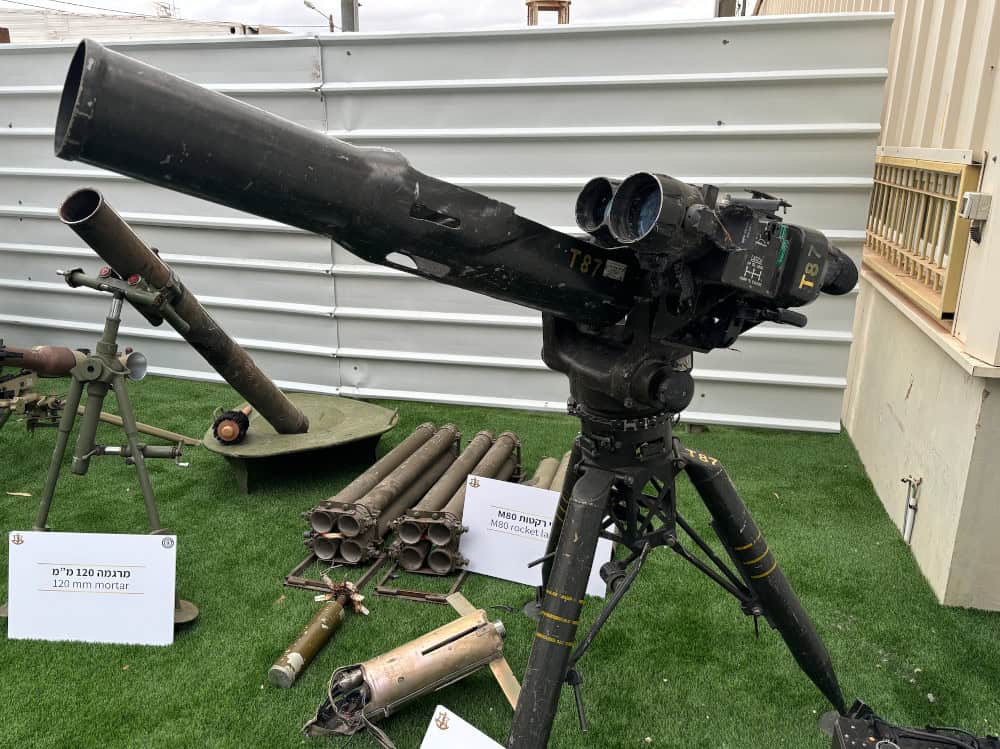
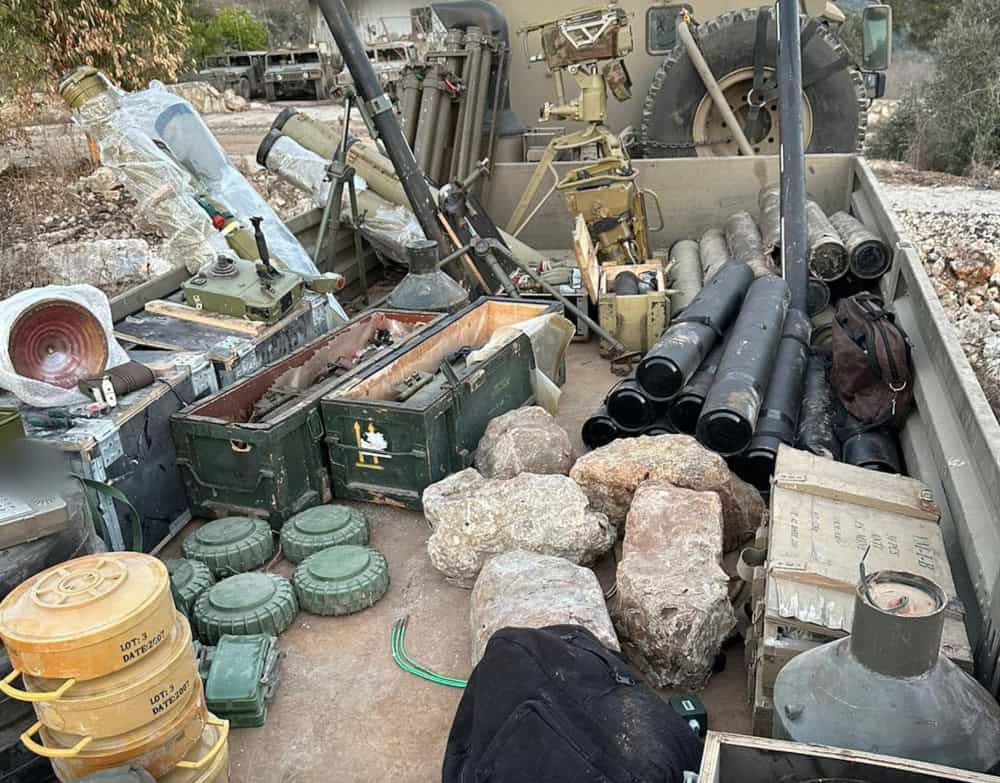
Hezbollah launched numerous barrages of rockets at Israel on November 26 as reports in Israel indicated a possible ceasefire might be agreed to this week. The IDF focused its attacks on Hezbollah’s weapons smuggling networks that stretch into Syria and are backed by Iran. In addition, the IDF showed off some of the vehicles and Iranian weapons it has seized in Lebanon.
-
Hezbollah targets central and northern Israel with multiple rocket attacks
Hezbollah launched numerous attacks on Israel on November 24 from the morning until the evening. The attacks included the use of long-range rockets targeting central Israel, and drones and shorter-range rockets targeting northern Israel. Rockets struck buildings in the Galilee, Haifa, and Petah Tikva northeast of Tel Aviv.
-
Israel kills wanted Hezbollah commander behind the establishment of Iraq’s Iran-backed militias
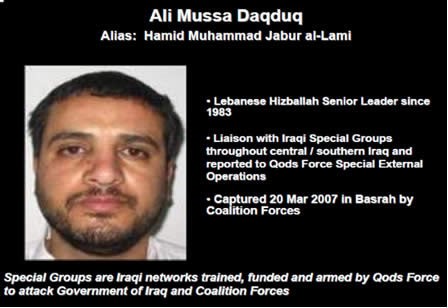
Ali Mousa Daqduq was one of the founders of Iraq’s Iran-backed militias that are responsible for killing over 600 American soldiers in Iraq. Daqduq was in US custody in 2007 before being handed over to the Iraqi government, which subsequently freed him in 2011. He returned to Hezbollah and served as deputy commander of the Radwan Force when he was killed.
-
Analysis: The Afghanistan Freedom Front Steps into the Spotlight
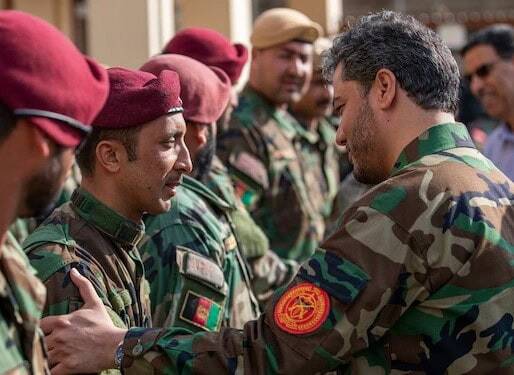
The Afghanistan Freedom Front (AFF), led by former Afghan Armed Forces Chief of General Staff Yasin Zia, is increasing the scope and lethality of its attacks. While the AFF is still in its infancy, Zia’s battlefield experience bodes well for its future.
-
IDF targets sites in Beirut as Hezbollah says it is ready for a “long battle”
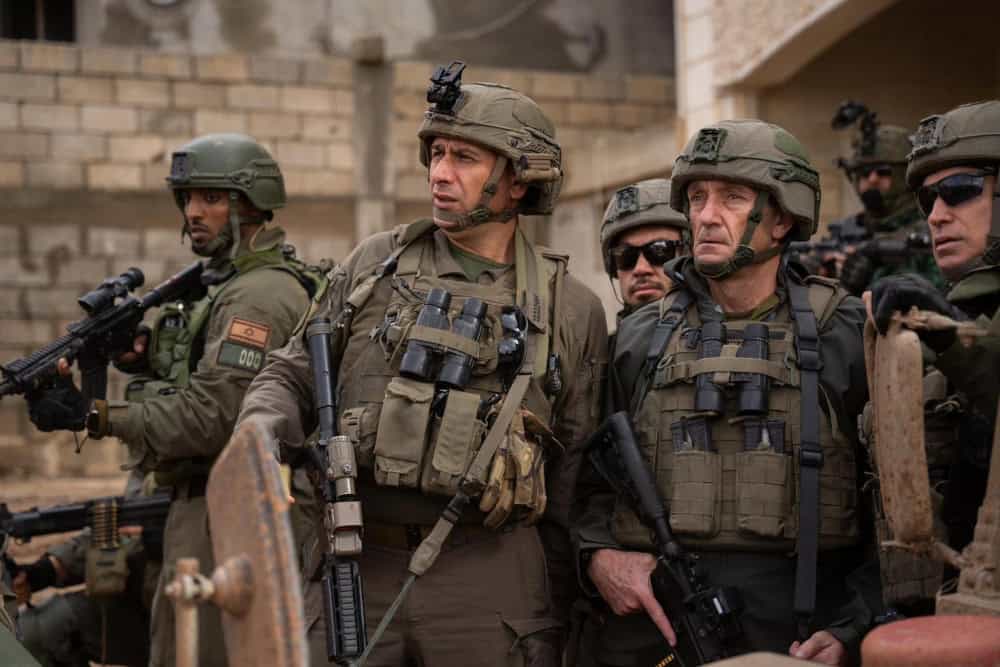
On November 21, the Israeli military said it conducted three rounds of strikes that were “directed toward Hezbollah terrorist infrastructure and are part of the IDF’s efforts to dismantle Hezbollah’s weapons production and storage capabilities.” IDF Chief of the General Staff Lieutenant General Herzi Halevi visited the 98th Division in Lebanon and discussed the importance Israel places on returning evacuated civilians to border communities. A clash near an archaeological site led to the death of a 71-year-old Israeli researcher who was also a major in the reserves.
-
Israeli Prime Minister Netanyahu visits Gaza’s Netzarim Corridor
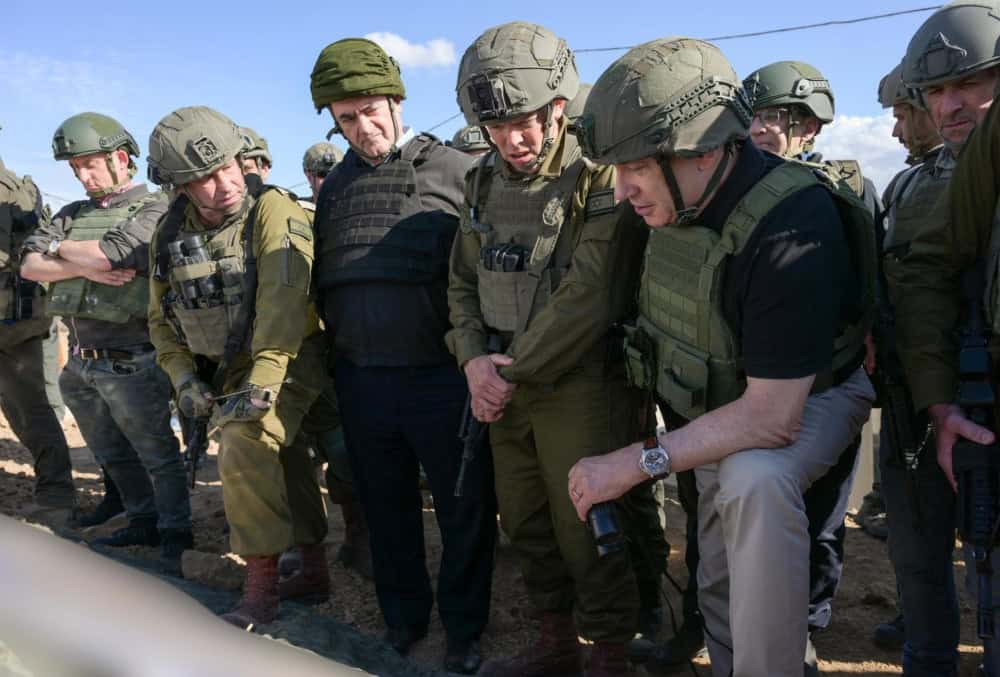
Israeli Prime Minister Benjamin Netanyahu visited Gaza’s Netzarim Corridor on November 19, accompanied by Israel Katz, Israel’s new defense minister. “Hamas will not rule in Gaza,” Netanyahu said. “We are eliminating its military capabilities in very impressive fashion. We are moving on to its governing abilities, and we are not yet done. Hamas will not be in Gaza.” The head of the Israeli Air Force also visited Gaza and met with commanders in Jabaliya. Seven IDF soldiers have fallen in northern Gaza over the last two weeks.
-
Generation Jihad Ep. 233 — Iran’s Expansionism and Alliances in the Region, Part XII
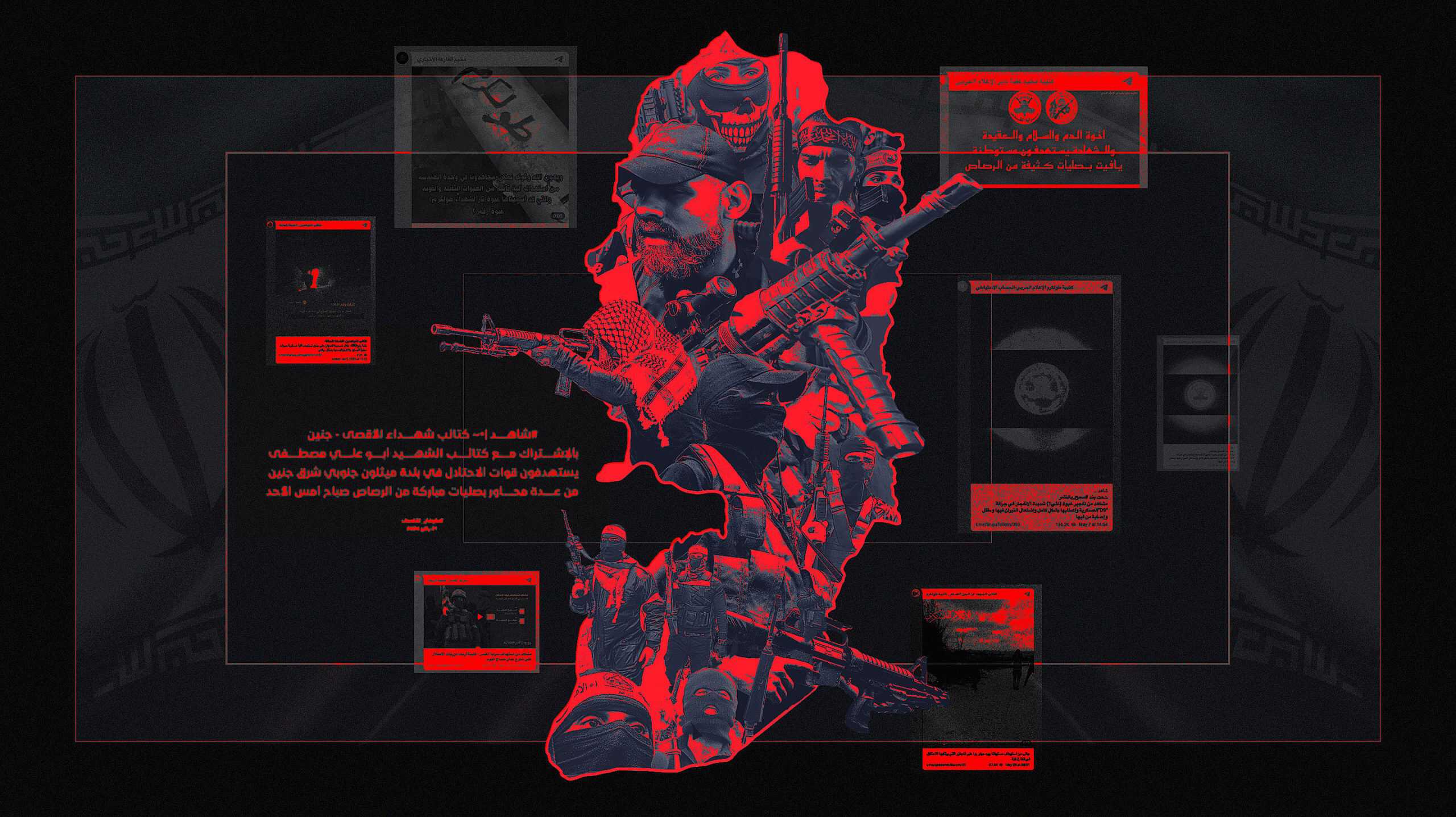
David Daoud and Ahmad Sharawi delve into the complexities of Palestinian Islamic Jihad’s religious identity, its relationship with Iran, how Iran uses segments within a society to infiltrate them, and the implications of this for Jordanian and other Sunni societies.
-
IDF expands Lebanon airstrikes and ground operations
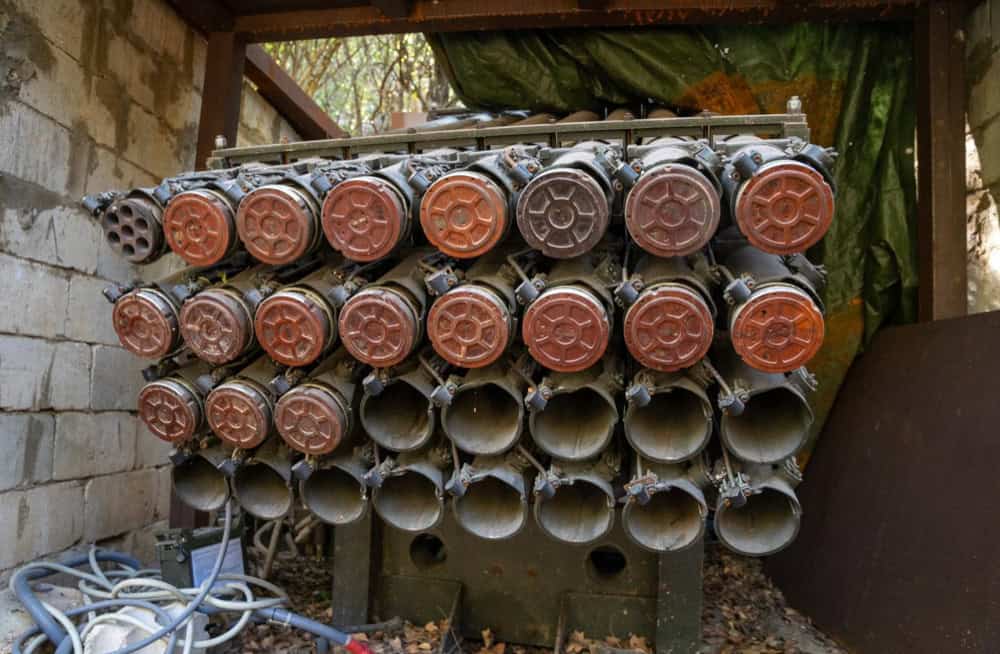
The Israel Defense Forces (IDF) expanded operations in Lebanon, committing several new units to the battle against Hezbollah and moving artillery into the country for the first time. In southern Lebanon, the IDF found rocket launchers with rockets ready to launch. Israel also increased precision airstrikes in Beirut, targeting terrorist infrastructure and eliminating Hezbollah spokesperson Mohammad Afif.
-
Israel increases airstrikes on targets in southern Beirut as Hezbollah rocket fire reduces
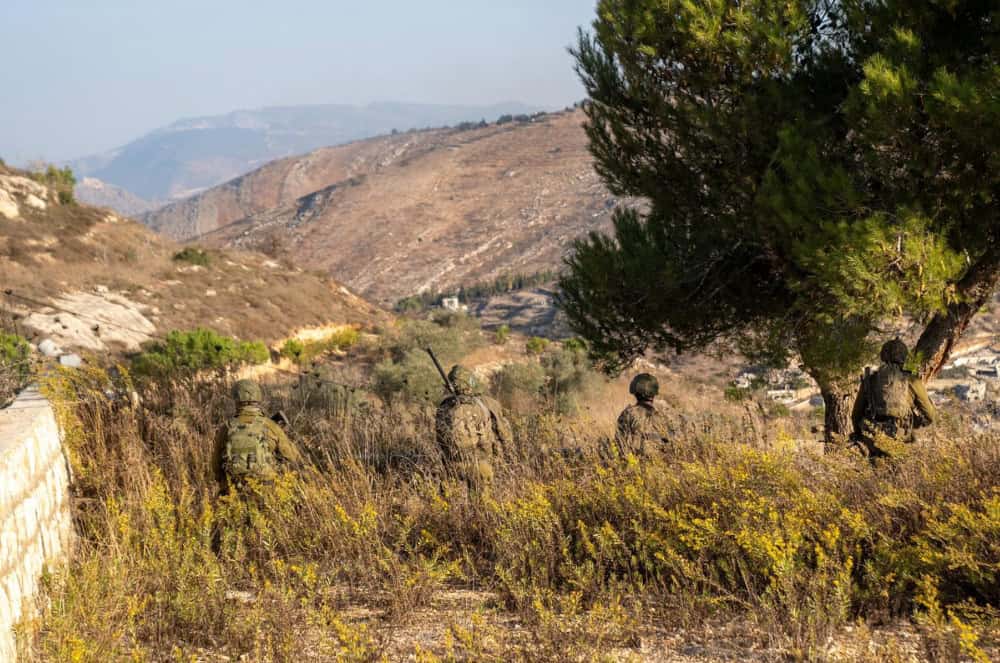
The Israeli military assesses that it has eliminated 2,250 Hezbollah operatives since the Israel Defense Forces (IDF) began the ground operation in southern Lebanon. Israel carried out several days of airstrikes targeting Hezbollah sites in Dahieh and other areas of southern Beirut between November 12 and 15. The IDF has uncovered numerous rocket launchers in Lebanon and targeted others that fired at Israel. Hezbollah rocket fire has decreased since November 11.
-
Analysis: Israel’s expanding efforts to disrupt Hezbollah’s supply chain
Israel’s recent kidnapping of a Lebanese naval officer, allegedly a senior official in Hezbollah’s small, elite naval unit, may have as much to do with disrupting Iranian attempts to resupply Hezbollah’s degraded arsenal by sea as it does with learning more about the secretive unit’s fighting capabilities.

-
IDF reports 6 Israeli soldiers killed in Lebanon
The Israel Defense Forces (IDF) released the names of six soldiers from the 51st Battalion of the Golani Infantry Brigade who were killed in southern Lebanon on November 13. The same battalion suffered heavy losses during Hamas’s attack on October 7, 2023. Hezbollah carried out attacks targeting central Israel on November 13, and Israel intercepted drones aimed at southern Israel on November 12 and 13. In addition, the Israeli Navy targeted a Hezbollah naval site.

-
IDF strikes Hezbollah in Beirut as the group increases rocket and drone attacks
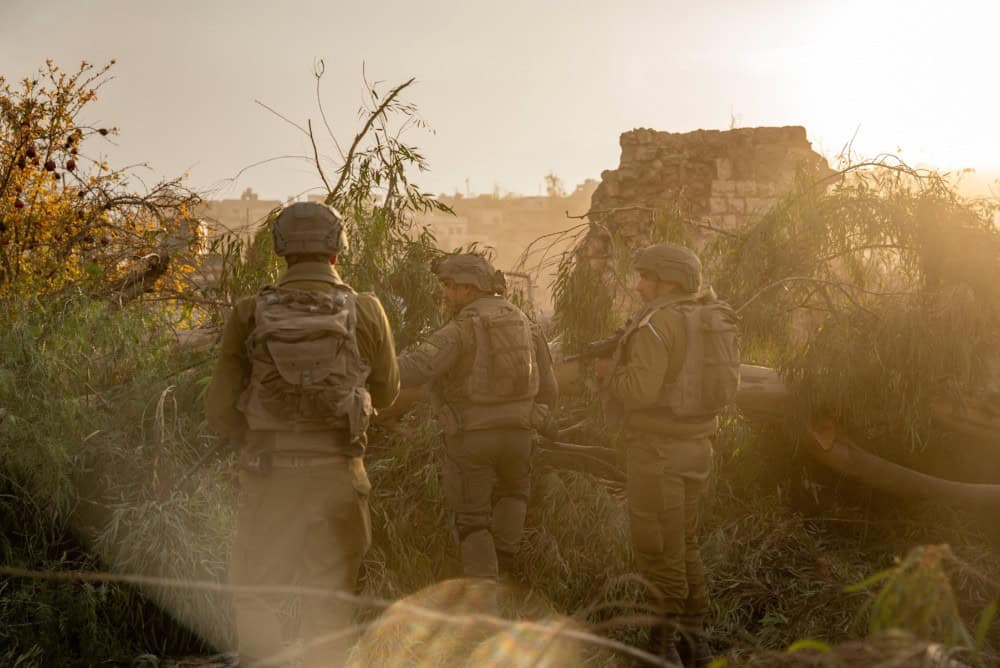
On November 12, the Israel Defense Forces (IDF) said the Israeli Air Force has “dismantled a majority of Hezbollah’s weapons storage and missile manufacturing facilities located under the Dahieh district” of Beirut. In southern Lebanon, the IDF found an underground compound and dismantled it by pouring concrete into its bunkers and tunnels. Hezbollah launched around 200 projectiles and numerous drone attacks on Israel on November 11.
-
Israel expands humanitarian area in Gaza, intercepts weapons smuggling
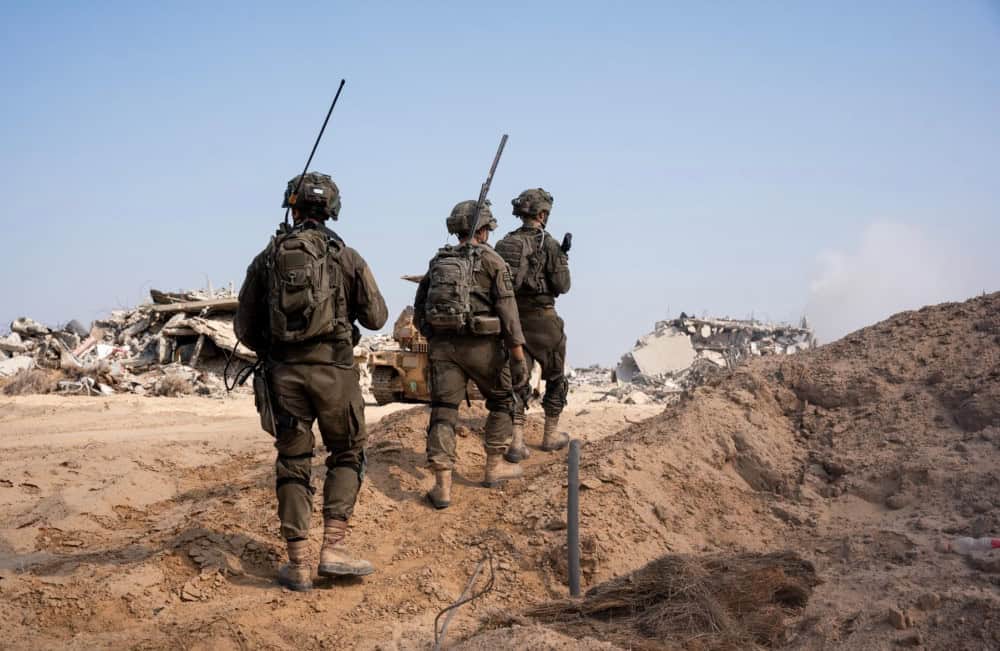
The Israel Defense Forces (IDF) continued operations against terrorists in Jabaliya and Beit Lahia in northern Gaza while facilitating humanitarian aid entering Beit Hanoun and Jabaliya. A total of 713 humanitarian aid trucks have entered Gaza’s north since the beginning of October. However, Israeli forces found ammunition during an inspection of a truck that was part of a convoy moving into the area. In southern Gaza, the IDF expanded the Mawasi humanitarian zone and is also preparing to open the Kissufim crossing.
-
Russia looks to encircle the eastern Ukrainian city of Kurakhove
Russian forces are currently focused on encircling the eastern city of Kurakhove. Their rate of advance has accelerated in recent weeks as Ukraine grapples with a manpower shortage.
-
IDF uncovers Hezbollah training facility near UNIFIL post
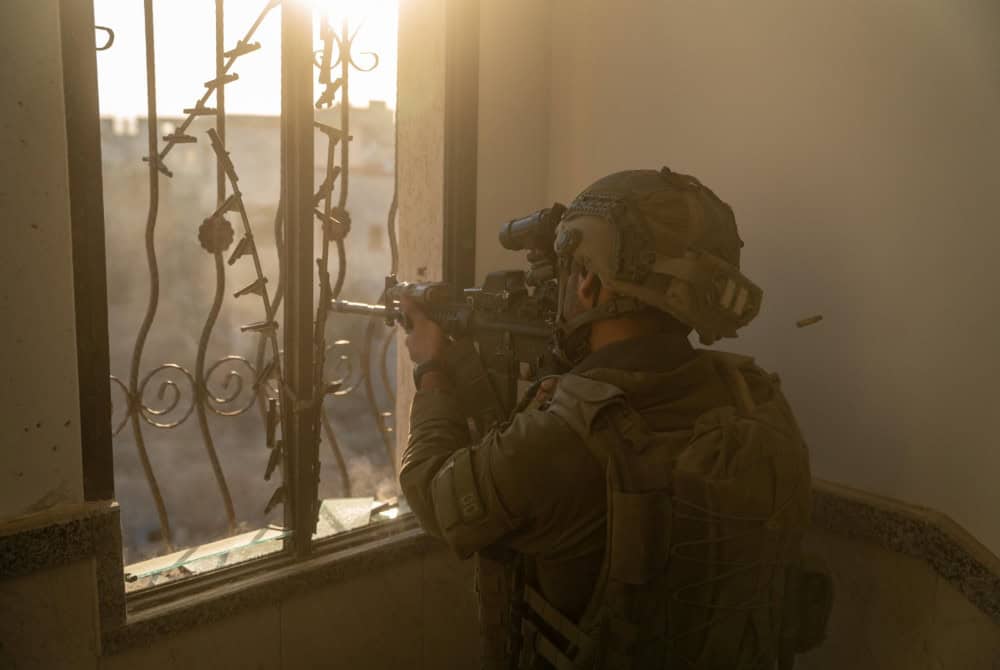
The Israel Defense Forces (IDF) uncovered a Hezbollah training site near a United Nations Interim Force in Lebanon (UNIFIL) base, the IDF said on November 8. The IDF also carried out airstrikes on Hezbollah terrorists in Baalbek in eastern Lebanon. Hezbollah fired around 400 rockets at Israel between November 5 and November 8, including long-range rockets that reached central Israel.
-
Generation Jihad Ep. 231 — The next Trump administration and Iran
Bill and Benham unpack the dynamic landscape of American foreign policy towards Iran, specifically how the region’s latest turmoil might challenge the incoming Trump administration. They also discuss the challenges of domestic politics muddying foreign policy decisions, the future of American military presence in Iraq and Syria, and the need for a coherent strategy to address Iran’s nuclear ambitions.
-
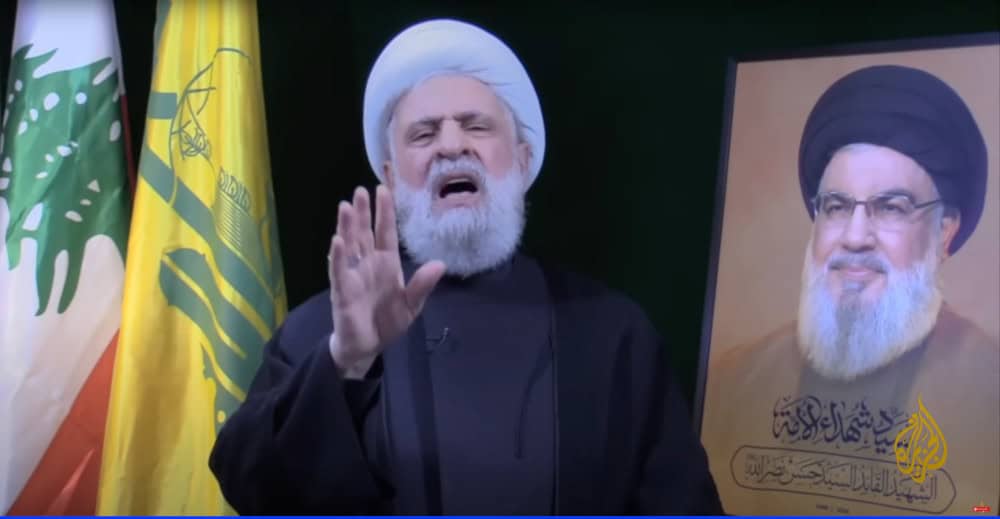
Analysis: Naim Qassem commemorates 40 days since Hassan Nasrallah’s death
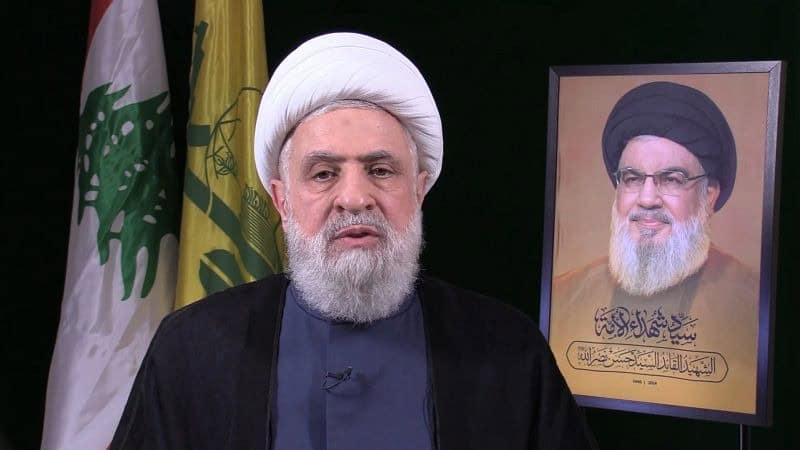
Naim Qassem delivered his second speech as Hezbollah’s secretary-general on the 40th day since Hassan Nasrallah’s passing. Qassem repeated many of the themes and claims from his previous speeches and stressed that Hezbollah will continue fighting.
-
Generation Jihad Ep. 230 — Trump 2.0 and foreign policy
Bill and Will unpack the implications of Trump’s win on the foreign and national security policies, particularly as they related to Ukraine, Israel, and Iran. They also analyze the second Trump administration’s potential strategies for addressing burden sharing amongst NATO members, the ongoing jihadist threat, and the challenges posed by China and North Korea.
-
1.1 million vaccines administered in Gaza via Israel-facilitated campaign
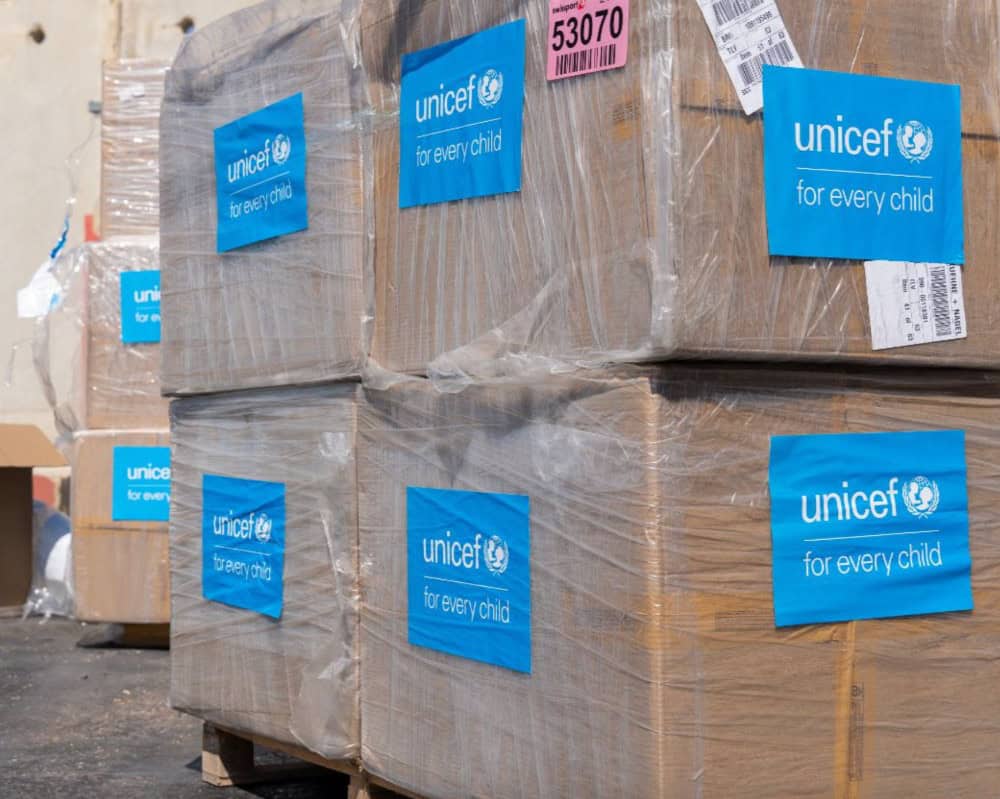
The IDF and COGAT facilitated the transfer of polio vaccines to Gaza over the last three months. The campaign, carried out with WHO and UNICEF, has now provided two rounds of vaccinations for around 550,000 children. In addition, the IDF 252nd Division wrapped up several months of control of the Netzarim Corridor and turned the area over to the 99th Division.
-
Israeli Prime Minister Netanyahu removes Defense Minister Gallant
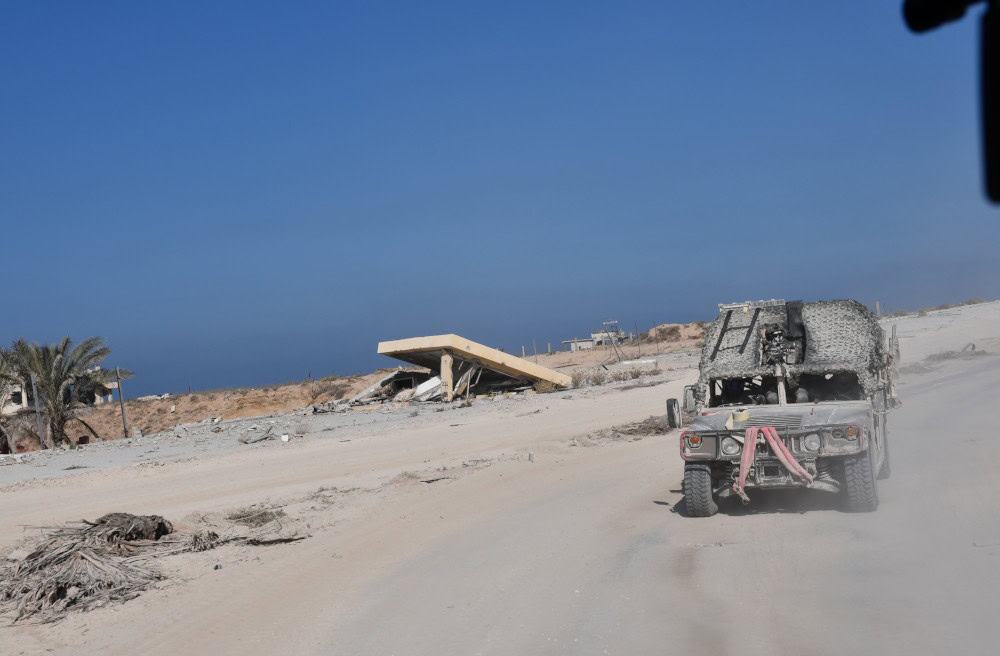
Israeli Prime Minister Benjamin Netanyahu removed Israeli Defense Minister Yoav Gallant from office on November 5 after months of tension between the two men. The move comes as the Israel Defense Forces (IDF) continues to operate in Lebanon against Hezbollah, and Israel faces threats on multiple fronts. In Gaza, the IDF has eliminated approximately 1,000 terrorists and cleared a large area of northern Gaza of Hamas members.
-
Analysis: Hezbollah’s Unit 4400
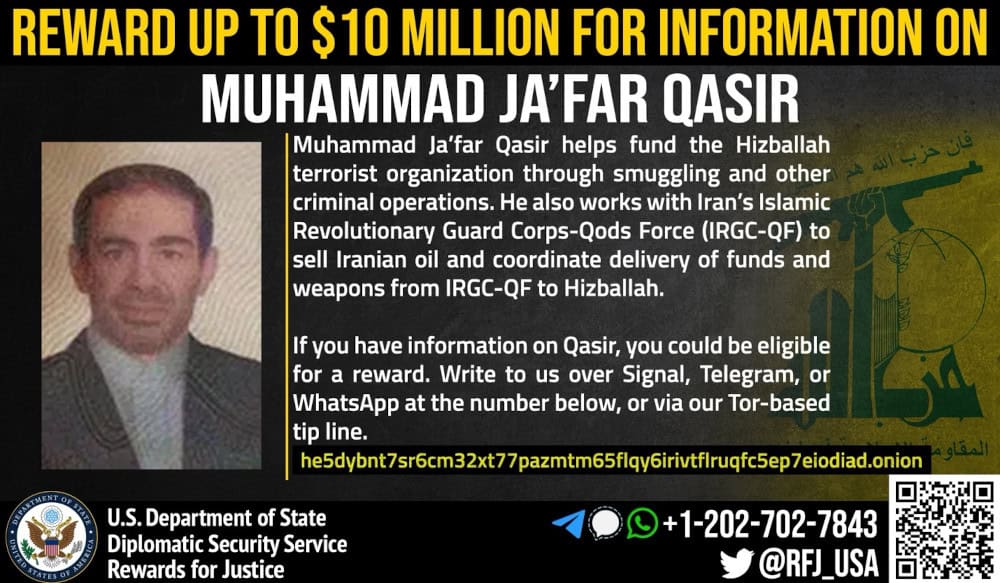
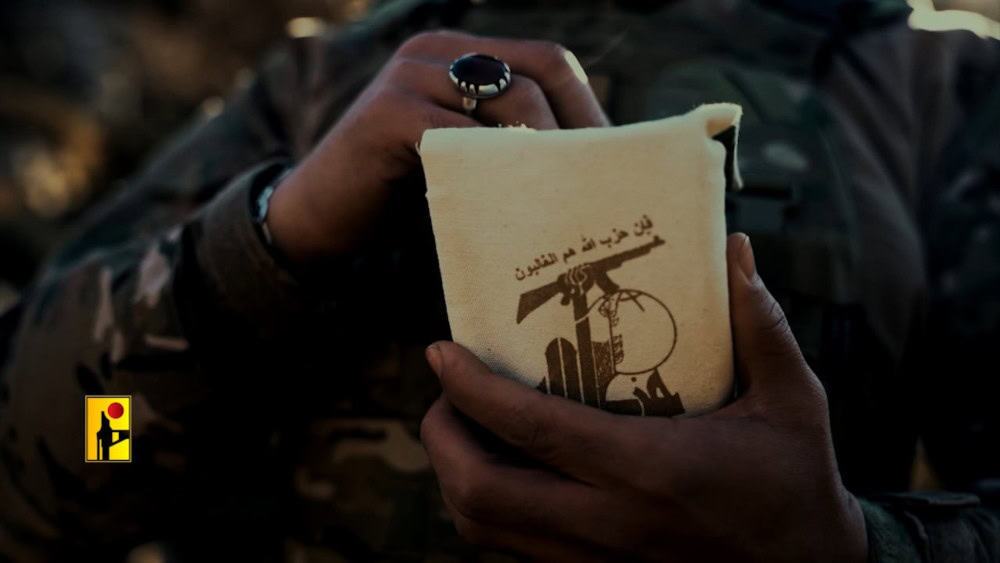
Israel has focused on degrading Hezbollah’s Unit 4400, which is tasked with supplying the group with weapons and funds. Israel’s spate of attacks has impacted the unit’s ability to function and Hezbollah’s battle-readiness during the current campaign. However, it remains too soon to determine the long-term impact on Hezbollah’s organizational integrity.
-
Analysis: Israeli airstrikes hit Hezbollah’s intelligence branch in Syria
The Israel Defense Forces (IDF) conducted airstrikes targeting sites belonging to Hezbollah’s intelligence headquarters in Syria.
-
Generation Jihad Ep. 229 — Awaiting Iran’s response to Israel’s response to Iran, part VIII
Bill and Joe unpack the latest unfolding in the evolving conflict between Iran and Israel, particularly in light of recent retaliatory strikes by Israel and the anticipated Iranian response. They also discuss the current situation in the West Bank, Hezbollah’s operational status, and implications of tomorrow’s U.S. elections on regional stability and military strategies.
-
IDF strikes Hezbollah units as rocket and drone attacks continue
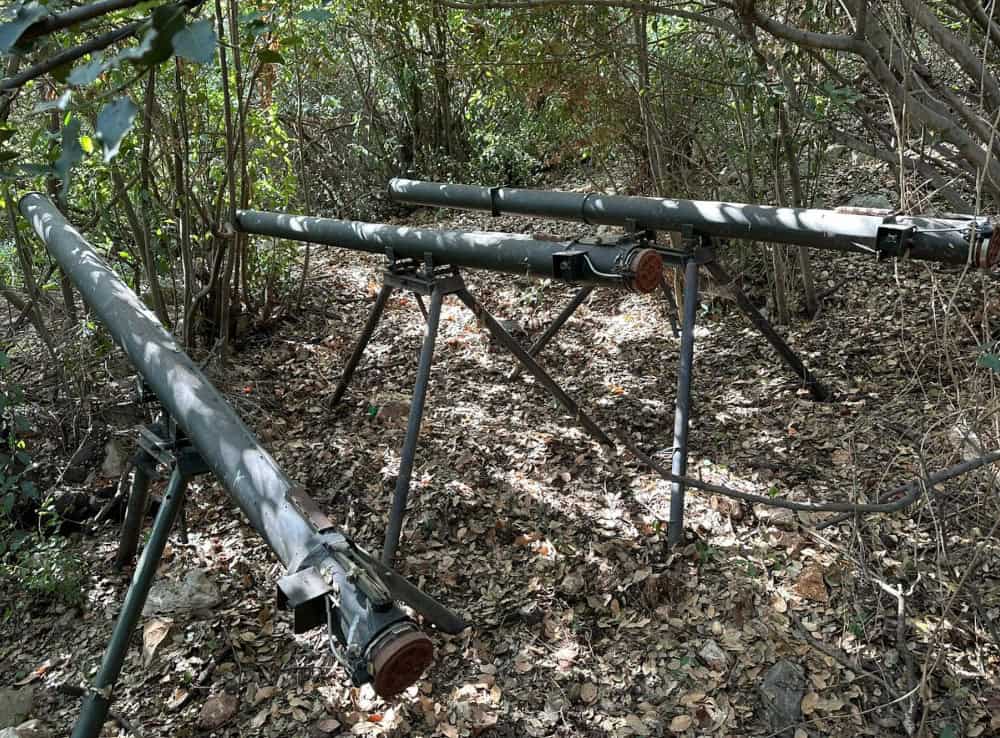
The Israel Defense Forces (IDF) downed seven drones between October 31 and November 1, including five launched from Iraq. On November 4, the IDF intercepted four drones launched from Lebanon and Iraq. Hezbollah fired more than 100 rockets and drones per day at Israel on November 2 and November 3, and the IDF struck several key Hezbollah commanders in southern Lebanon.
-
Analysis: Naim Qassem’s inaugural speech as Hezbollah’s new secretary-general
On October 30, Naim Qassem delivered his first speech as Hezbollah’s new secretary-general. Qassem stressed his intention to continue in Nasrallah’s footsteps and that Hezbollah would continue its war with Israel until a ceasefire was reached on the group’s terms.