-
IDF raids in Gaza capture terrorists and uncover weapons
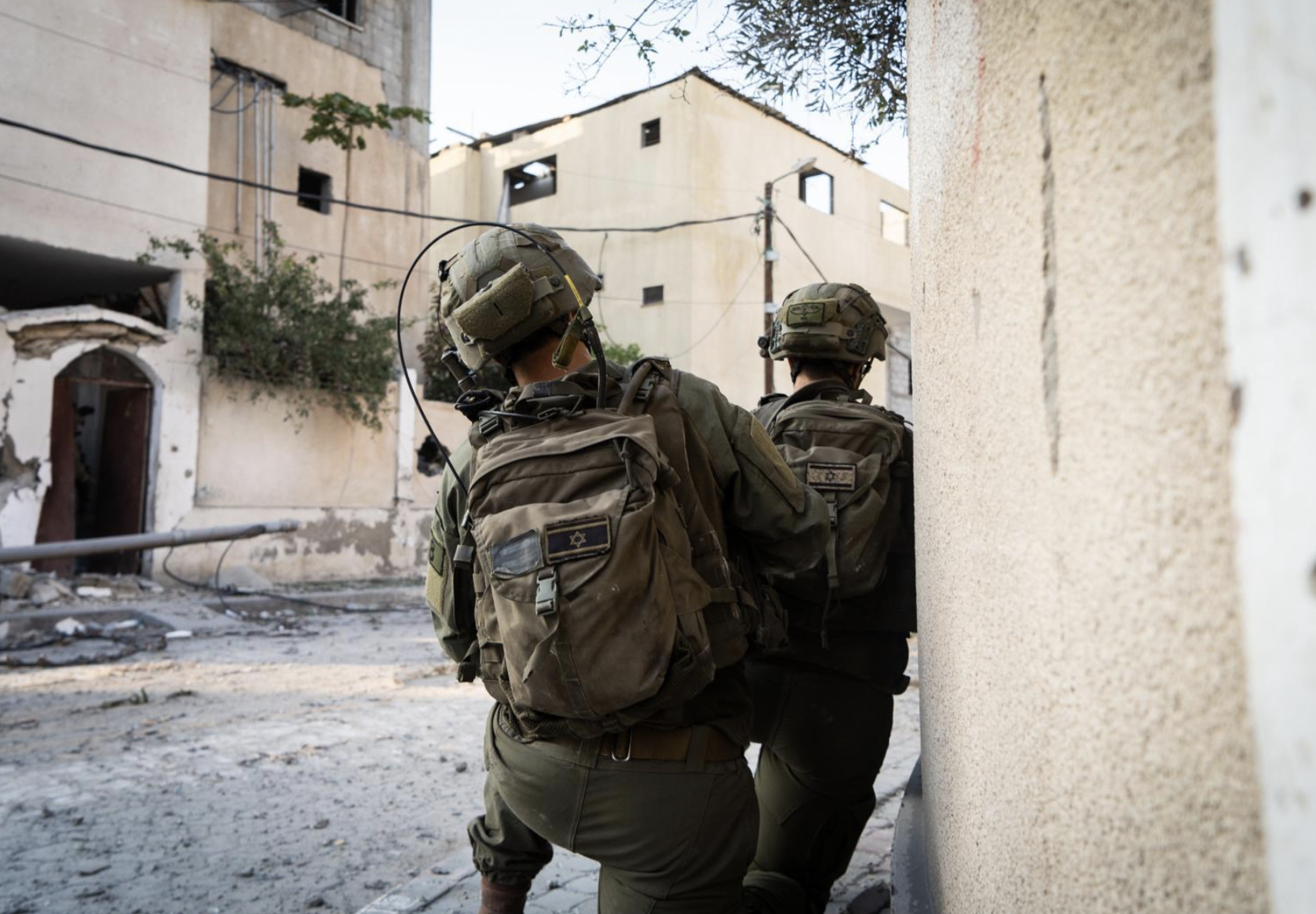
IDF forces have been operating in the Amal and Qarara neighborhoods of Khan Younis for one week and have found weapons and ammunition in addition to carrying out numerous airstrikes and eliminating suspected terrorists. This is a contrast to the IDF’s ongoing operation in and around the Shifa hospital complex. The multi-pronged offensive here may pave the way for future IDF operations in Rafah.
-
Ep. 154 — The Islamic Republic of Iran’s Axis of Resistance
Bill, co-host Behnam, and long-time friend of the show Edmund Fitton-Brown preview and share insights from a project they’ve been working on concerning the Islamic Republic of Iran’s axis of resistance. They discuss Tehran’s extensive track record of not playing by the rules — and not paying a price for it — as well as the origins of conflict between Iran and the West from before the 1979 revolution to tapping their regional proxies on and after October 7, 2023 to target Israeli and American interests in the Middle East — and everything in between.
-
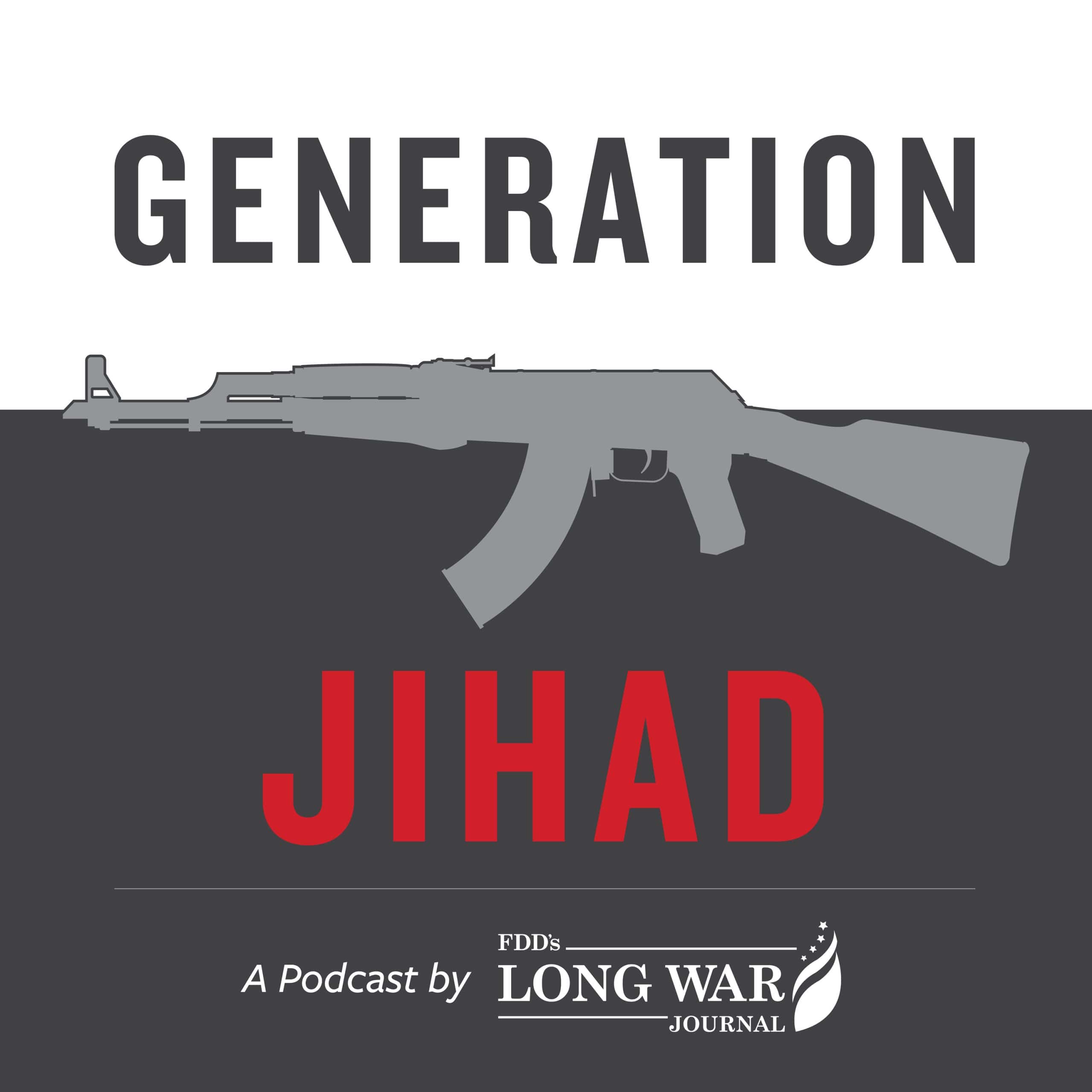
Training begins in northern Israel to prepare forces for “offensive plans”
The Israel Defense Forces conducted airstrikes inside Lebanon after Hezbollah carried out a rocket attack targeting Kiryat Shmona that killed one person. The IDF announced training for ground and air forces in northern Israel that will include “massive, long-range strikes, flying deep into enemy territory, and surprise exercises.”
-
Israel’s Minister of Defense in Washington for key meetings
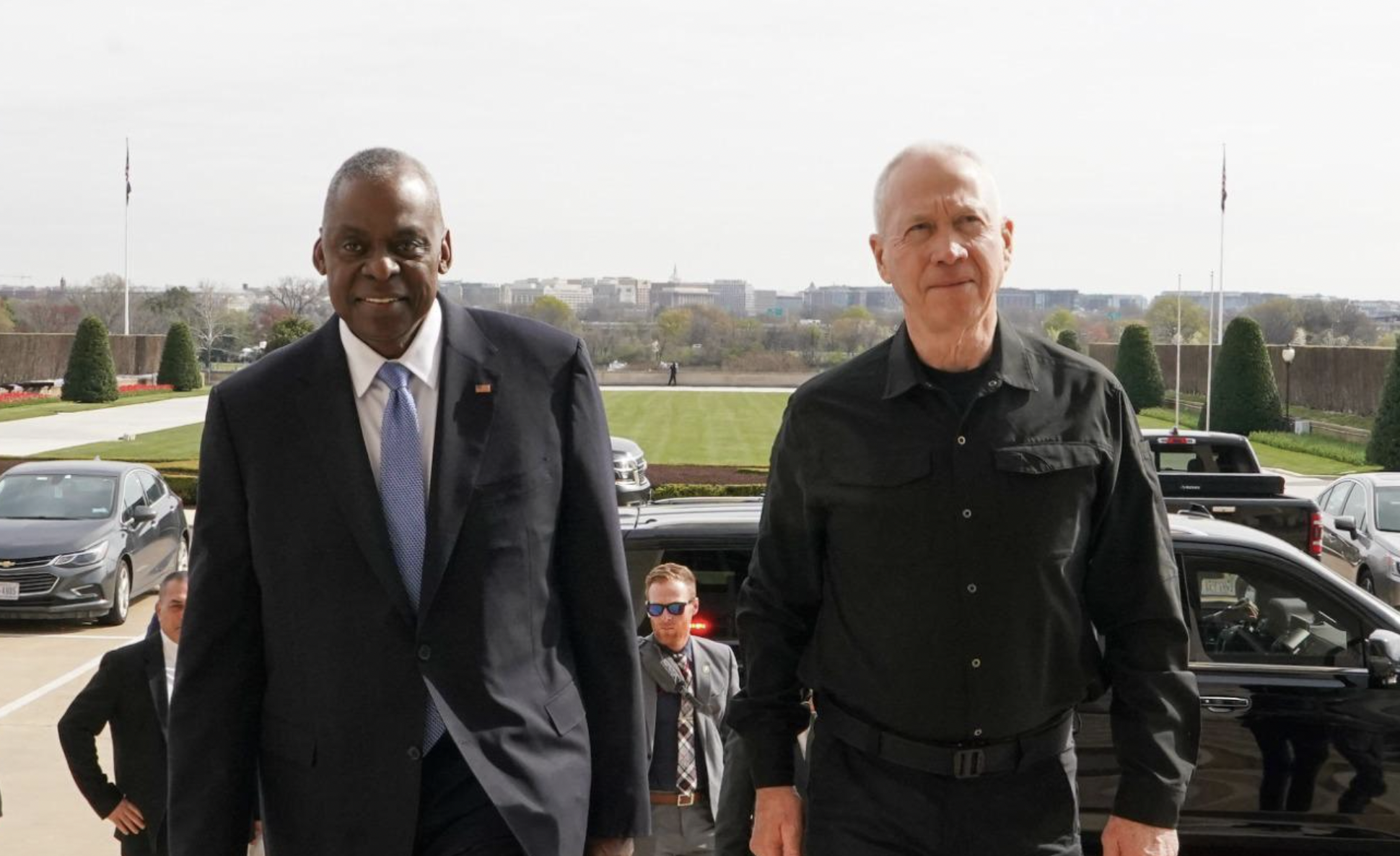
Israeli Minister of Defense Yoav Gallant is on a multi-day visit to Washington, D.C, where he has met with Secretary of State Antony Blinken, National Security Advisor Jake Sullivan and Secretary of Defense Lloyd Austin. Meanwhile, Israel conducted airstrikes deep in Lebanon in response to rocket fire from Hezbollah that targeted an IDF base on Mount Meron in northern Israel.
-
Hamas launches rockets at major Israeli cities
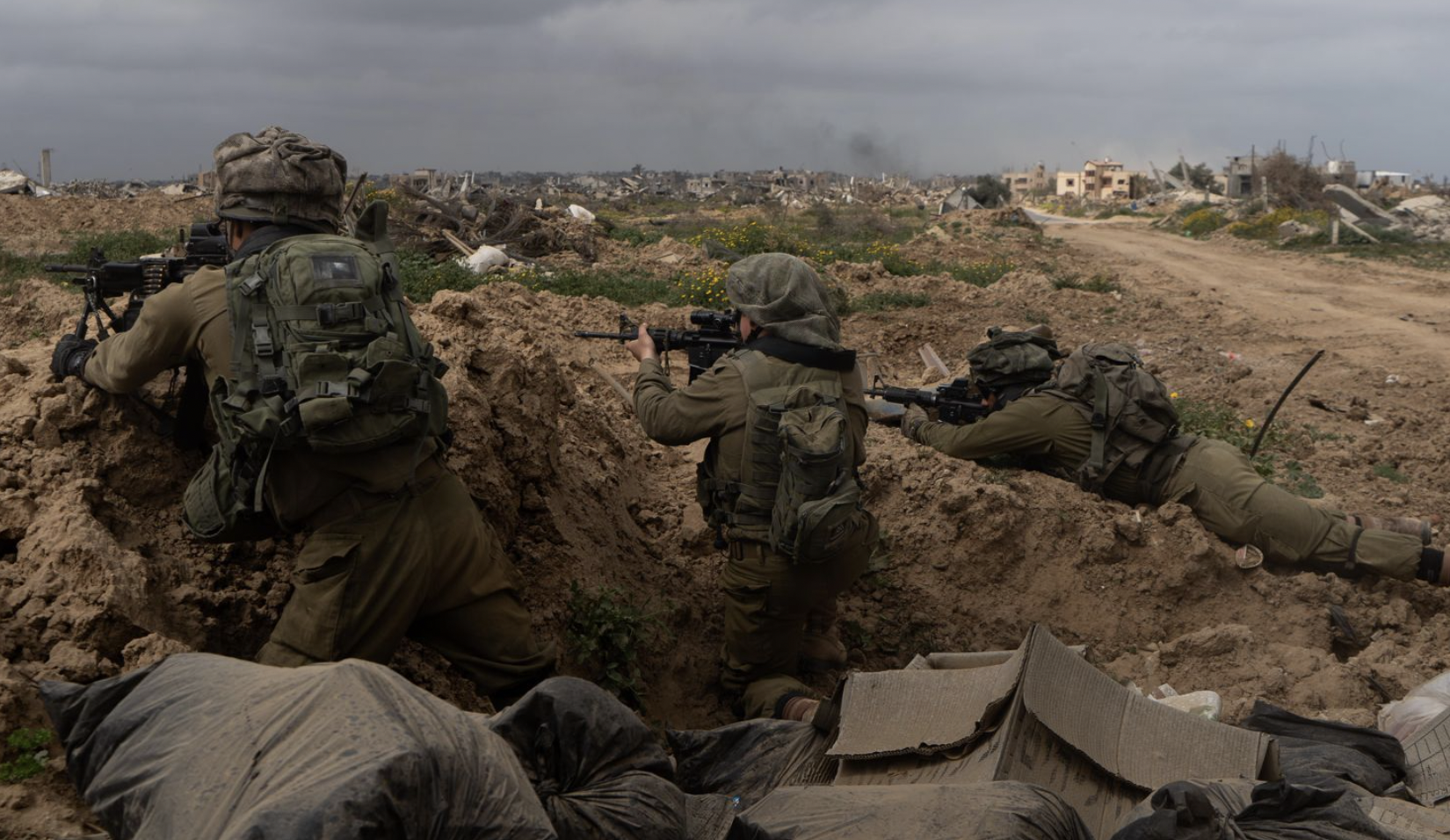
Hamas launches rockets at Ashdod and Ashkelon, two large Israeli coastal cities. The IDF says the rockets fired at Ashdod were fired from Deir al-Balah in central Gaza. The IDF continued to operate at Shifa hospital, detaining more terrorist suspects. In southern Gaza, Israeli forces struck dozens of targets.
-
Generation Jihad Ep. 153 — Why is the U.S. helping Hamas?
Bill and Joe catch up on a few important headlines related to Israel’s defensive war in Gaza, including U.S. claims that a senior leader of Hamas has been killed while Israel and Hamas have both remained mum; the Rafah operation hold-up; the ramifications of abstaining from the UN Security Council vote on a ceasefire and other recent actions by the U.S. that ultimately help Hamas.

-
Battle of Avdiivka: A Preliminary Analysis
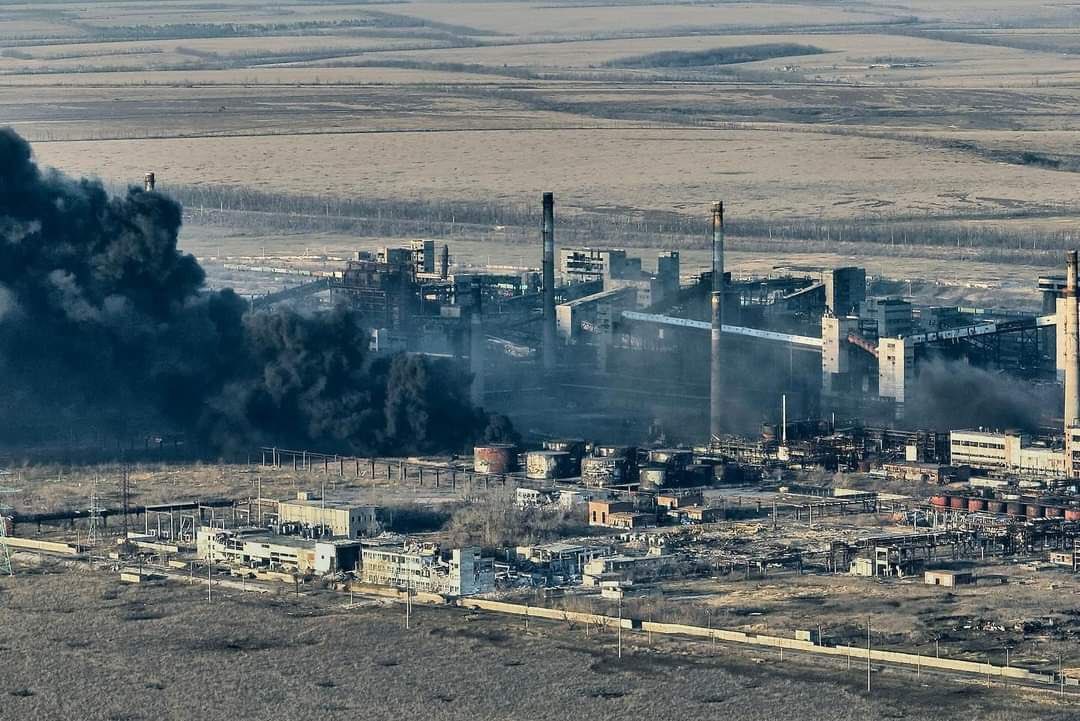
The battle was generally favorable for Ukraine, as it destroyed a lot of Russian combat power. But Ukraine waited too long to withdraw and failed to prepare a solid second line of defense.
-
Generation Jihad Ep. 152 — About that Afghanistan hearing yesterday…
Flying solo for this episode, Bill shares his thoughts on yesterday’s House Foreign Affairs Committee hearing with Generals Milley and McKenzie — including the questions they *should* have asked (but failed to).
-
Israel bulks northern defense with new mountain brigade amid ongoing Hezbollah threat
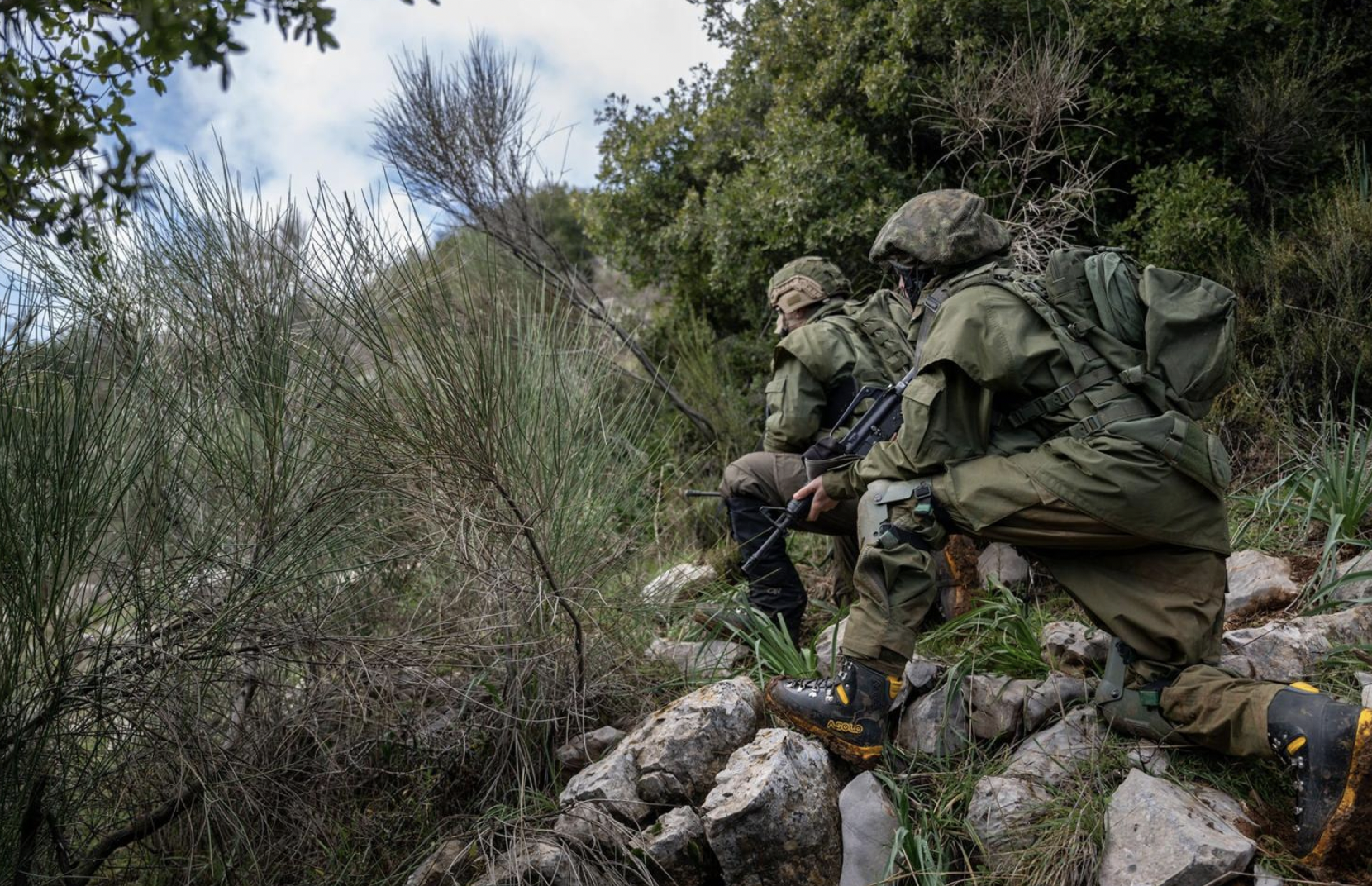
The Israel Defense Forces announced the creation of a new ‘mountain’ brigade that will focus on defending Israel’s Mount Dov and Mount Hermon on its northern border with Lebanon. The new unit is part of a reorganization in the IDF focused on bolstering defenses in the north amidst ongoing Hezbollah and other threats.
-
Israel warns Hezbollah as attacks continue in north
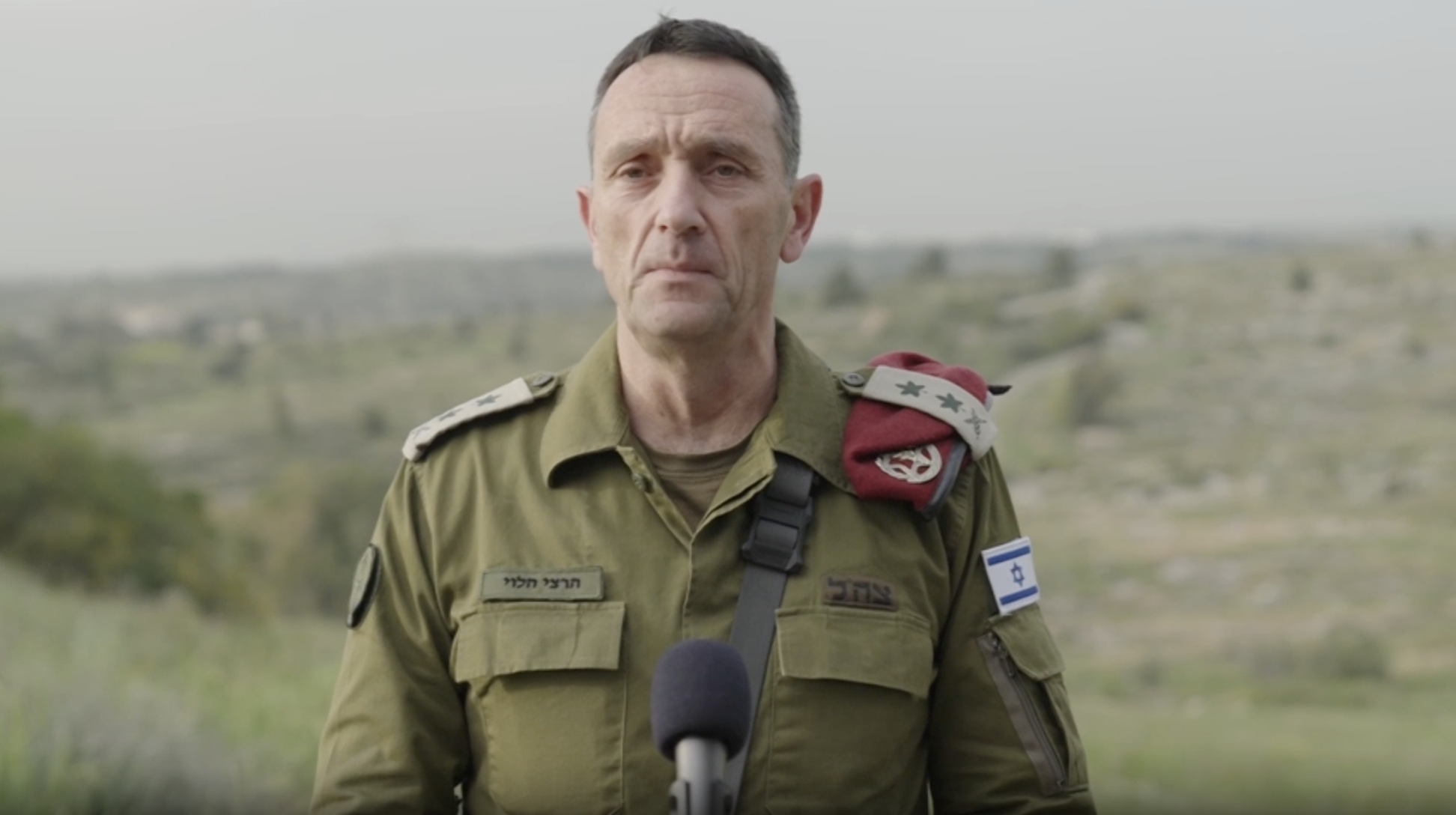
Israel responded to daily attacks by Hezbollah by targeting the group’s infrastructure using warplanes and artillery. Israeli Chief of Staff Herzi HaLevi said that Israel has damaged Hezbollah capabilities and that the Iranian-backed terrorist organization is paying a heavy price.
-
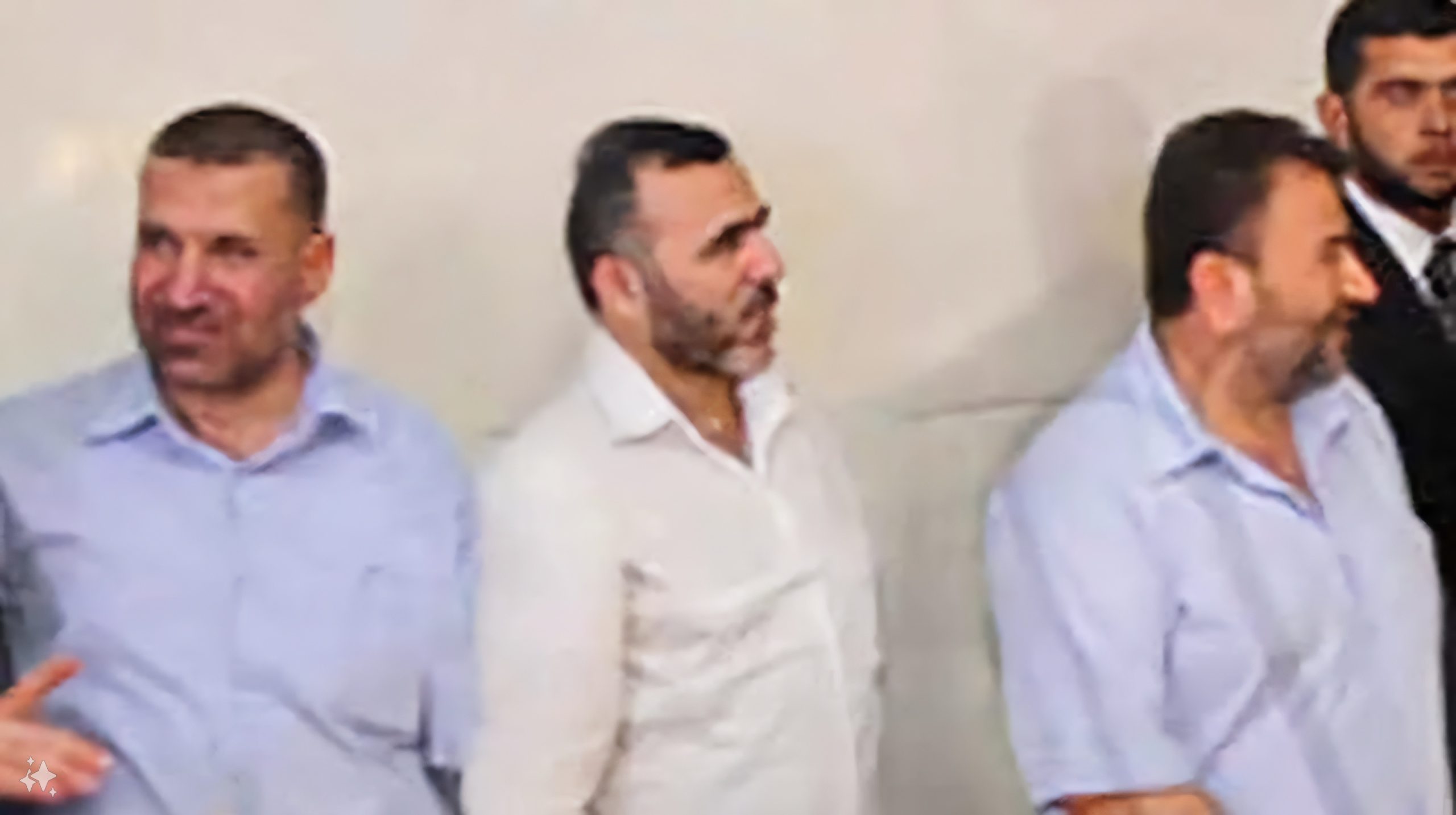
U.S. official confirms Israeli forces killed senior Hamas military leader Marwan Issa
The White House confirmed on Monday that Israel successfully targeted and eliminated senior Hamas figure Marwan Issa.
-
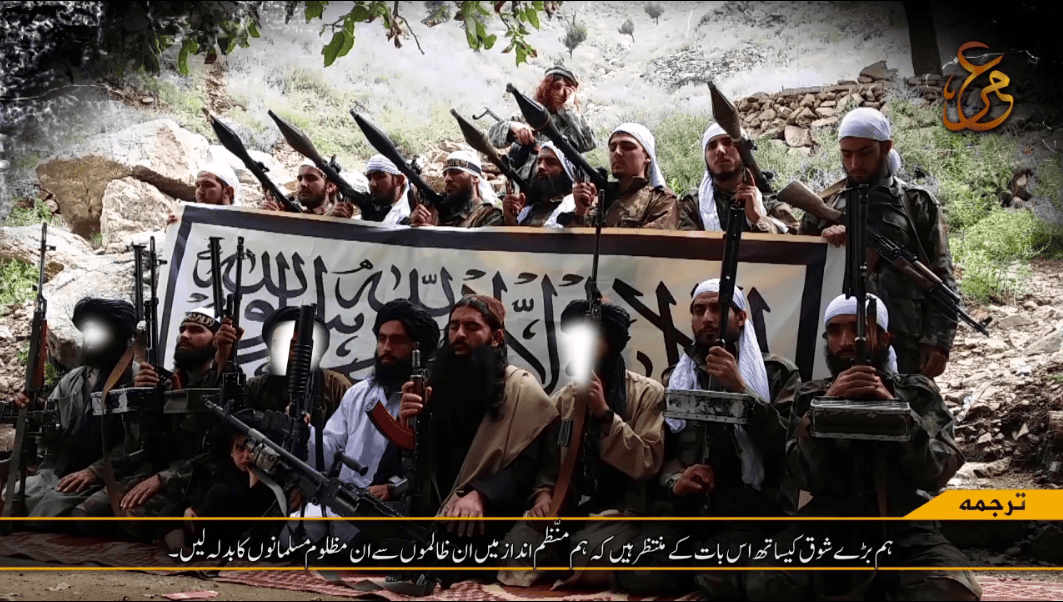
Pakistani military, Afghan Taliban exchange fire along the border
Whatever disputes the Pakistani state has with the Taliban, it is unlikely that its strategic depth with respect to India and strategic relations with the Taliban will be discarded for the lives of hundreds of Pakistani citizens.
-
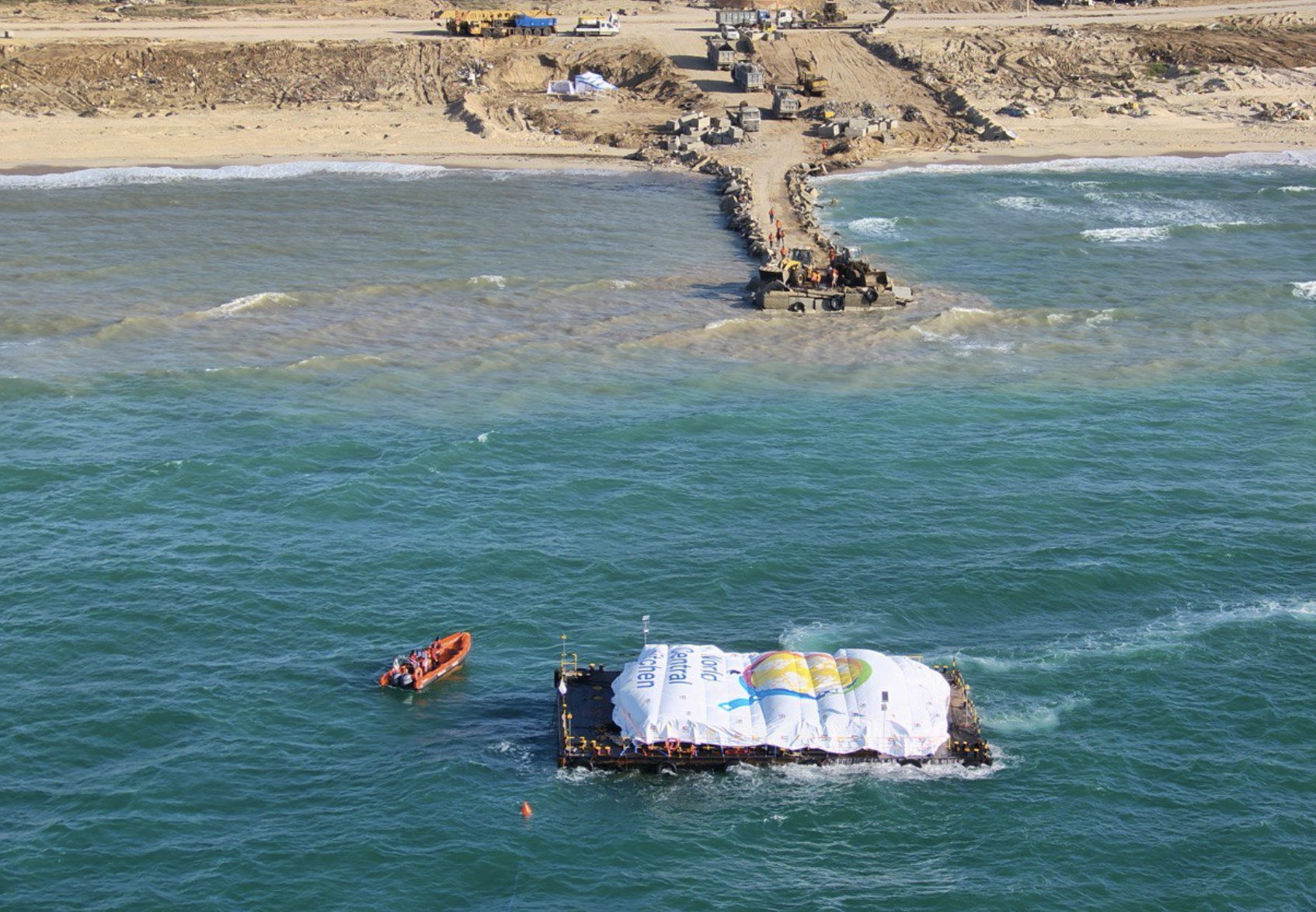
First maritime humanitarian aid delivery to Gaza
The first maritime shipment of aid was offloaded from a barge to trucks in Gaza on March 15, part of a wider effort to bring more humanitarian aid into Gaza in coordination with the Israel Defense Forces.
-
Generation Jihad Ep. 151 — They don’t pass out candy in war, but they do air-drop meals
Bill and Behnam catch up on recent headlines, including the statement made by a U.S. senator pushing for regime change (spoiler: he was not talking about Iran), reports of a high-level meeting between Iranian and Hezbollah officials, the Houthis continuing their maritime attacks, and more.
-
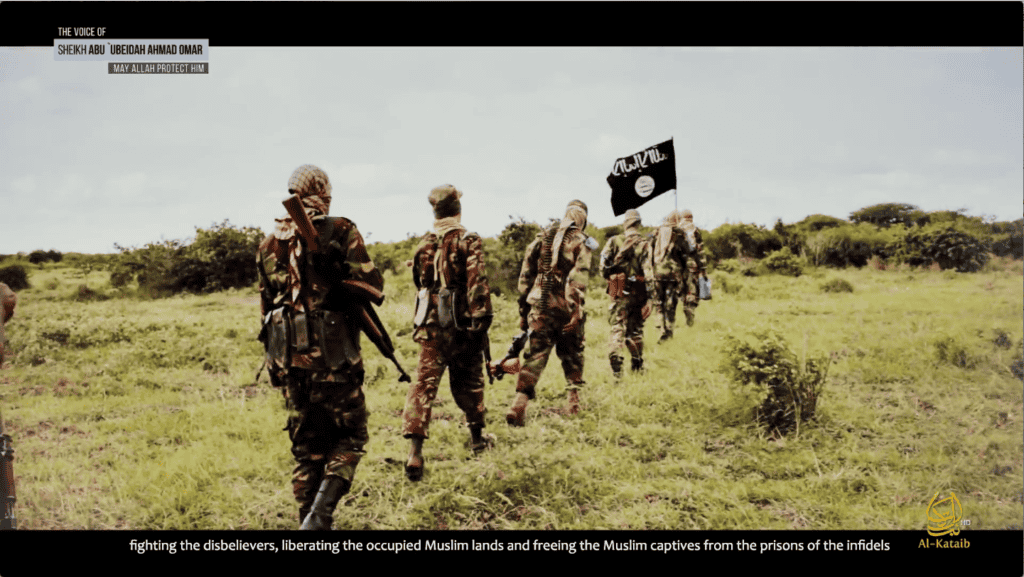
Shabaab retakes territory as the U.S. sanctions one of its money laundering networks
Shabaab continues to undo progress made against it in central Somalia; the United States continues to go after its financials and conducting periodic drone strikes against its forces.
-
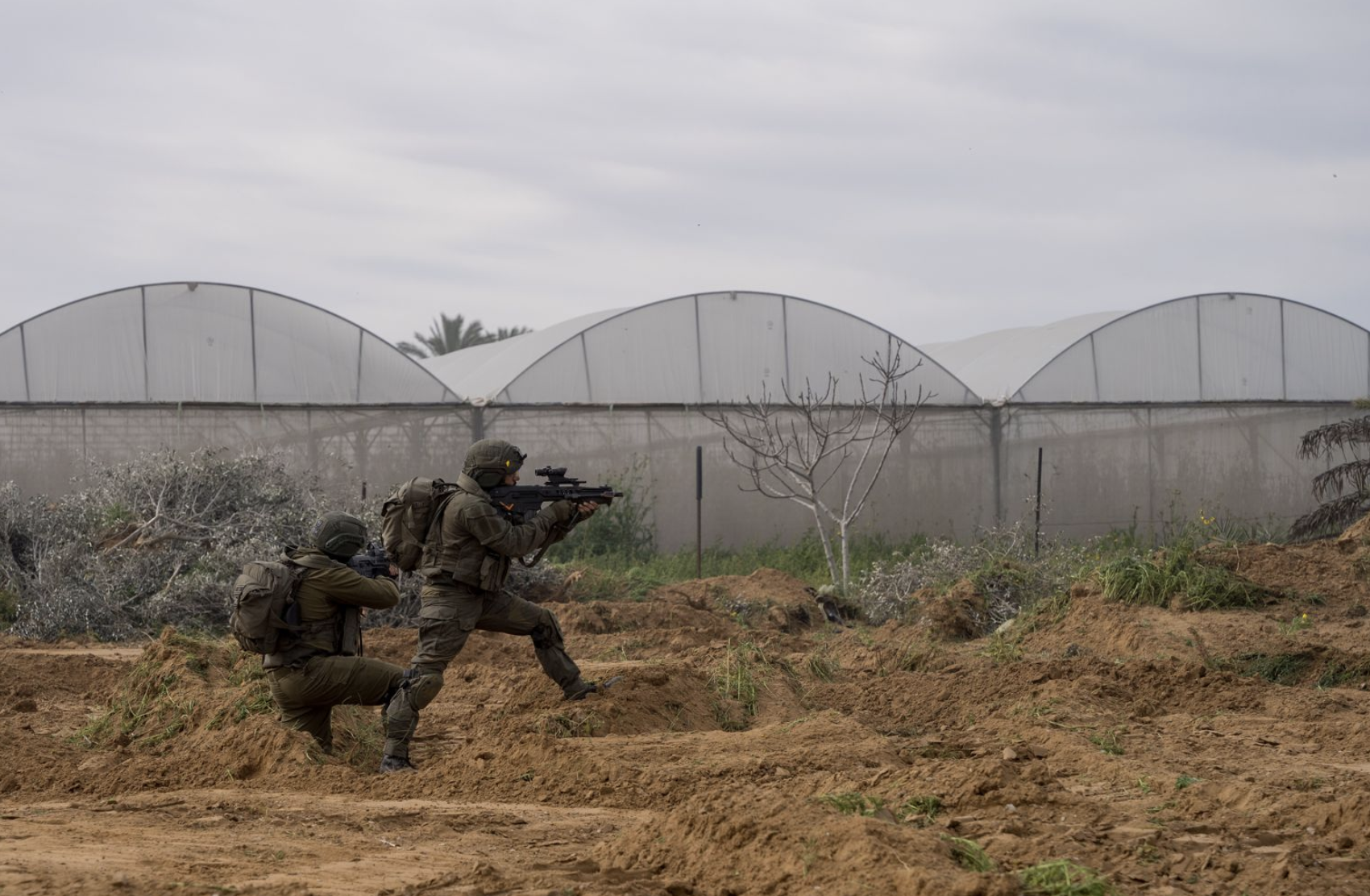
IDF targets Hamas leaders in Gaza
Israel targeted senior Hamas leaders, including Marwan Issa, the deputy of Mohammad Deif, in an airstrike overnight between March 10 and 11. Hamas continues to operate from the area of Nuseirat and other areas in the “central camps” area of Gaza, where the strike took place. Israel is still assessing the results of the strike, the IDF said on March 11.
-
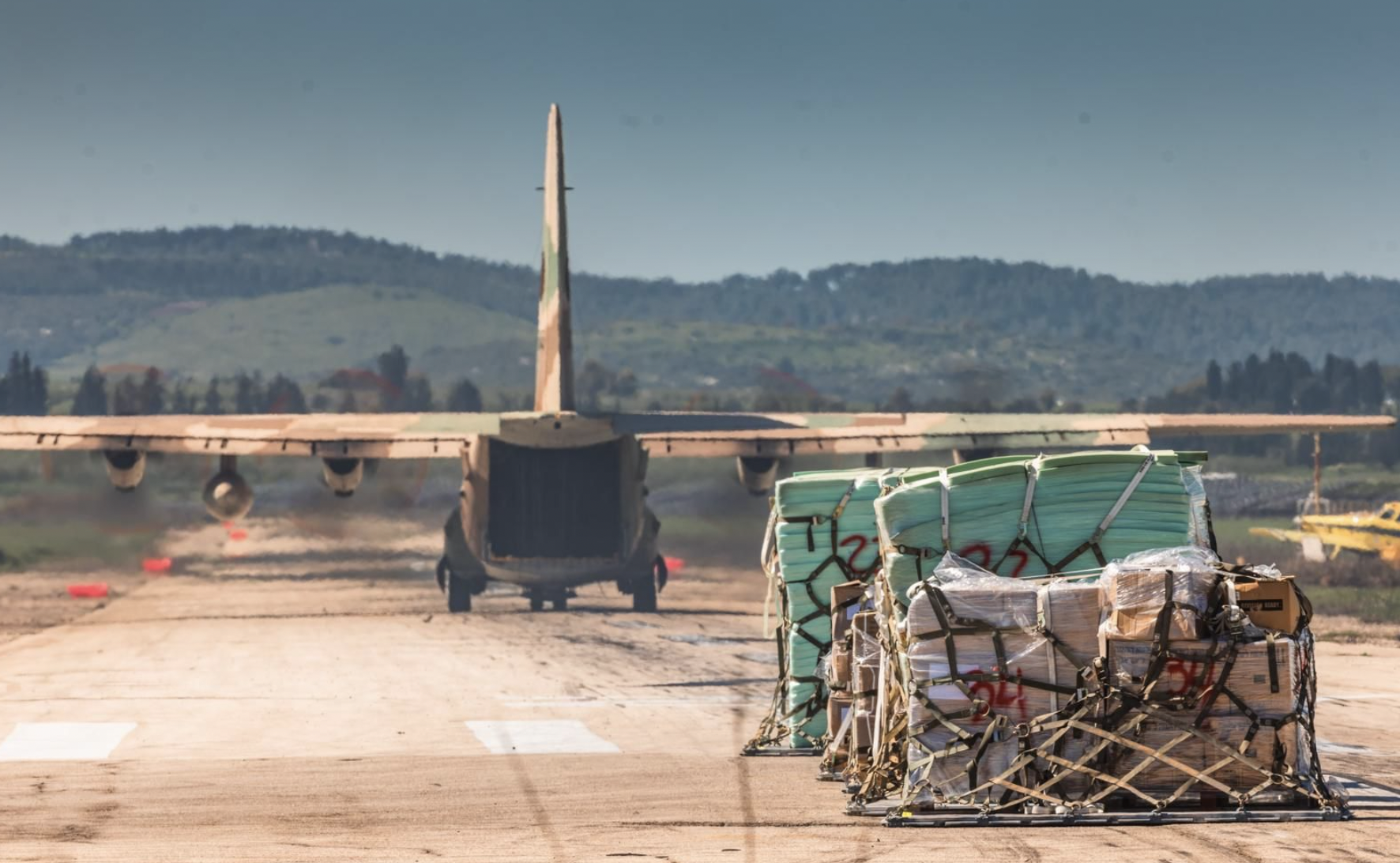
Israel targets Hezbollah drones
In addition to launching drone attacks, Hezbollah carried out dozens of missile attacks on Israel on March 10 and 11. The Israel Defense Forces responded by conducting airstrikes more than 80 miles inside Lebanon. The IDF practiced resupplying troops on the ground using C-130s.
-
Generation Jihad Ep. 150 — Red lines, ceasefires, and humanitarian aid piers
Bill and Joe unpack the undertaking of the pier to be built by the U.S. off the coast of Gaza for the purpose of distributing aid (but without boots on the ground?) including some of their general concerns like, “Who is the aid handed off to, Hamas? Who the hell is going to secure this thing?” They also discuss President Biden’s statement that Israel operating inside Rafah would be “a red line,” how Ramadan has started with no ceasefire in sight, and details surrounding a high-value target that Israel has gone after.
-
Al-Qaeda in the Arabian Peninsula names new emir; U.S. has $6 million bounty on his head
Al Qaeda in the Arabian Peninsula announced the sudden death of its previous emir, Khalid al-Batarfi, and named Sa’ad bin Atef al-Awlaki as his successor. The cause of Batarfi’s death is unknown.

-
Generation Jihad Ep. 149 — Welcome to Port Gaza?
David Daoud joins Bill to discuss President Biden’s announcement that the U.S. military will establish a functional port off the coast of Gaza for the purpose of distributing aid (what could possibly go wrong) as well as the state of Israel’s (increasingly multi-front) war.
-
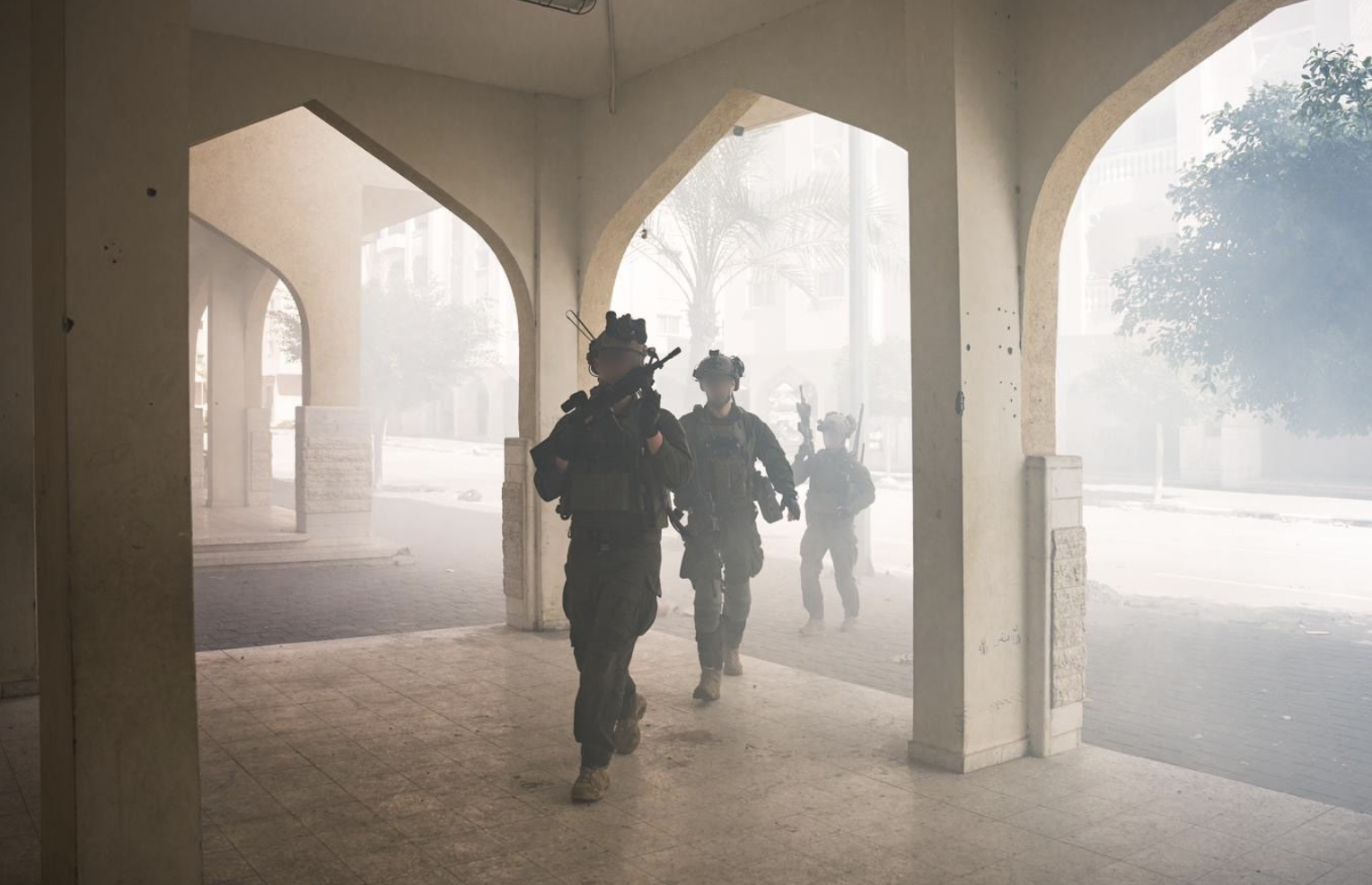
Israel vows to press on against Hamas as conflict faces new hurdles
Israeli Prime Minister Benjamin Netanyahu vowed that Israel will continue its operations against Hamas in Gaza, including in Rafah near the Egyptian border. The US is also considering plans to create a temporary port in Gaza in order to supply humanitarian aid.
-
An IDF raid in Gaza spotlights Israel’s new strategy
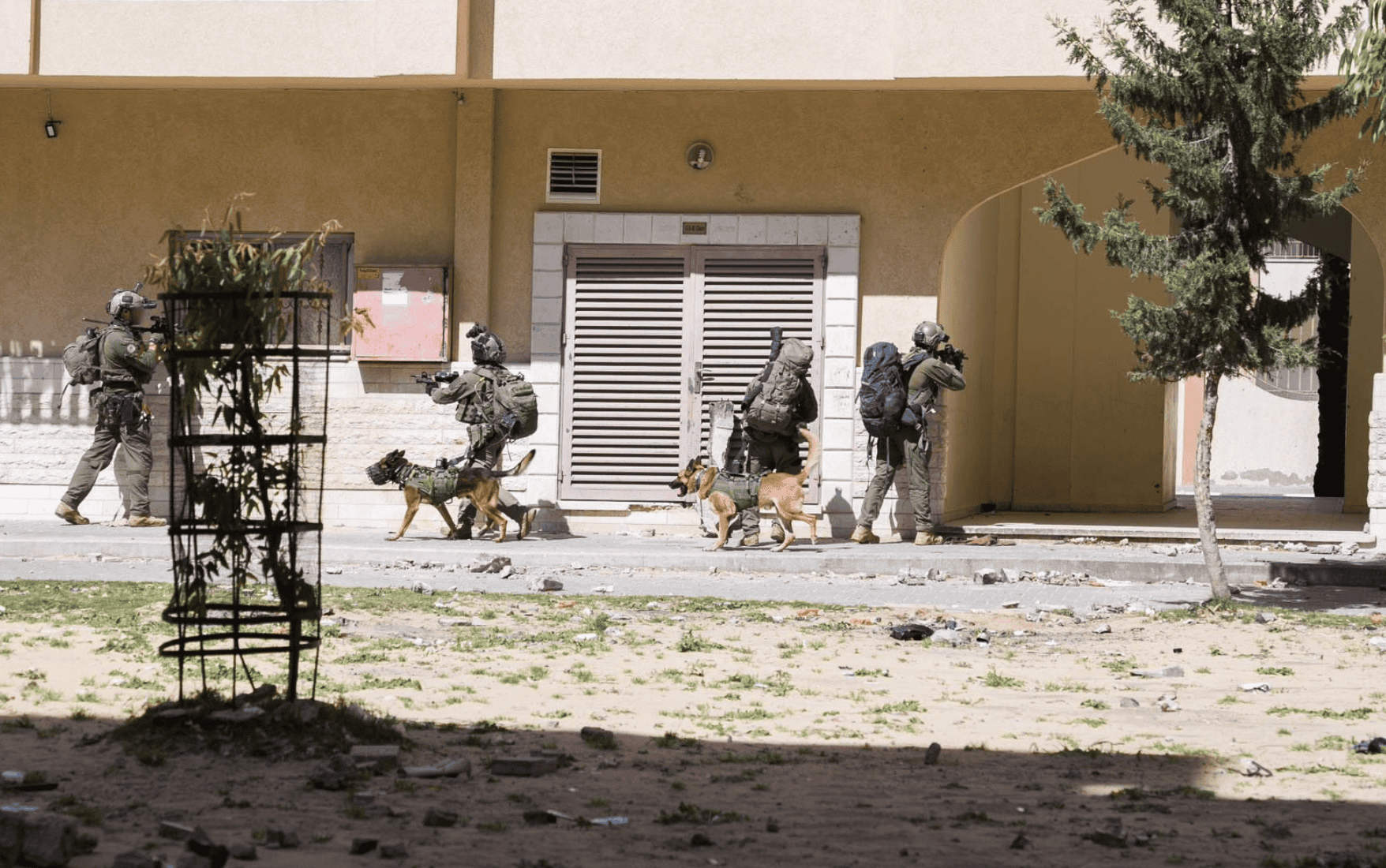
The Israel Defense Forces carried out an operation in the Hamad Towers area near Khan Younis and apprehended 250 terrorists. Weapons and terrorist infrastructure were found in the area. In northern Gaza, the IDF targeted Hamas in Beit Hanoun. These smaller, more precise operations illustrate Israel’s new tactics in Gaza.
-
Generation Jihad Ep. 148 — Ceasefire fallacies
Bill and Joe discuss Hezbollah continuing to turn up the heat at Israel’s northern border with an uptick in cross-border attacks amidst foreign fighters also emerging in Lebanon and while the U.S. increases its pressure on Israel to enter a ceasefire before Ramadan.
-
Hezbollah barrages of rockets target northern Israel
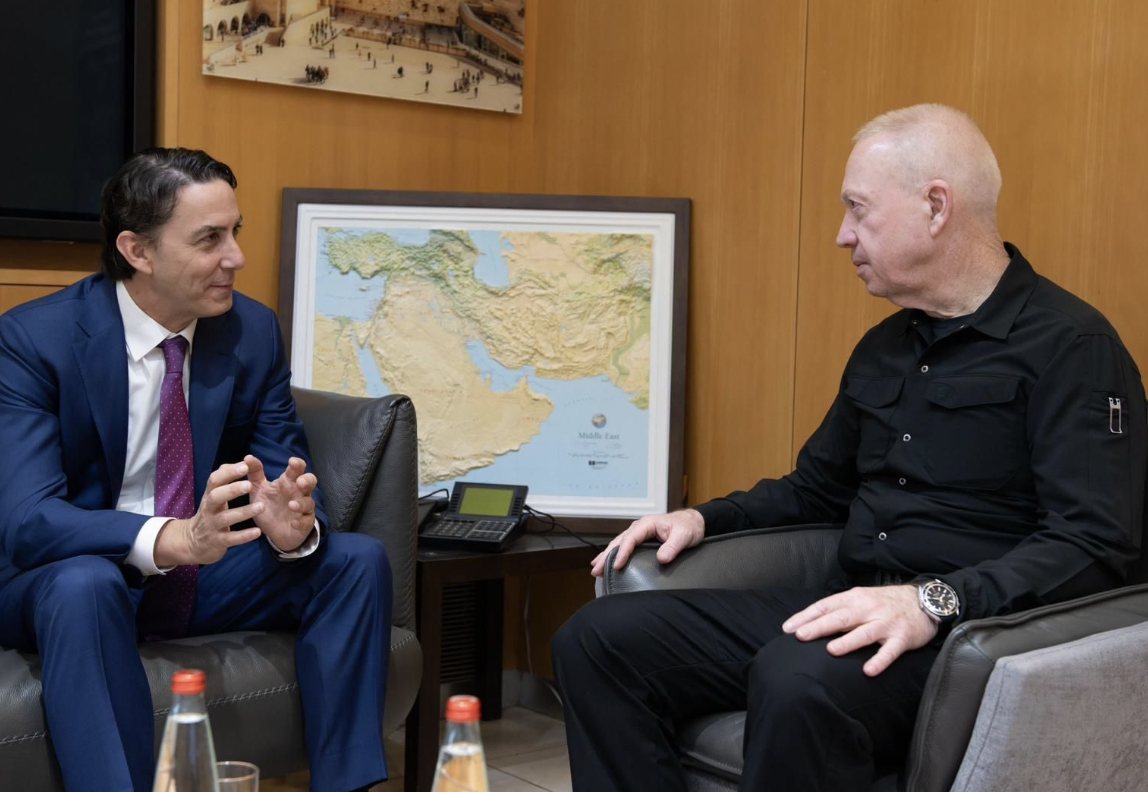
Hezbollah launched more than two dozen rockets at the northern Israeli city of Kiryat Shmona on March 5. The IDF retaliated with strikes on several Hezbollah sites in Lebanon. Israel’s Defense Minister Yoav Gallant met with US envoy Amos Hochstein.
-
Rocket fire by Hamas, Hezbollah targets Israel on two fronts
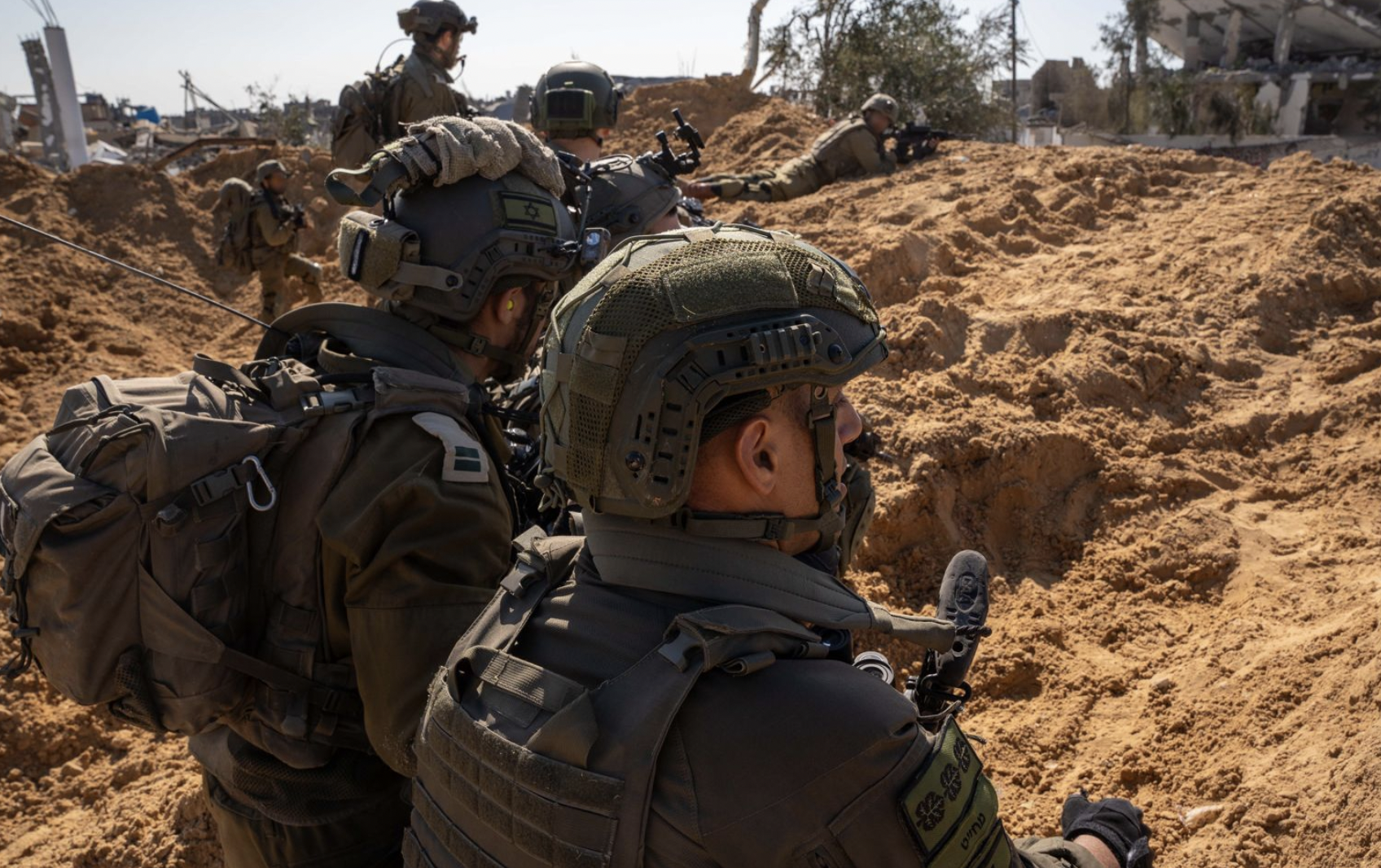
Hezbollah targeted a community in northern Israel, killing one person and wounding nine others. The IDF intercepted a drone launched from Lebanon, and the IDF retaliated for rocket attacks by Hezbollah. Sirens sounded in Sderot, a city on the Gaza border, one day after Israeli school children returned to school in the border community.
-
Foreign fighters are operating in Lebanon against Israel
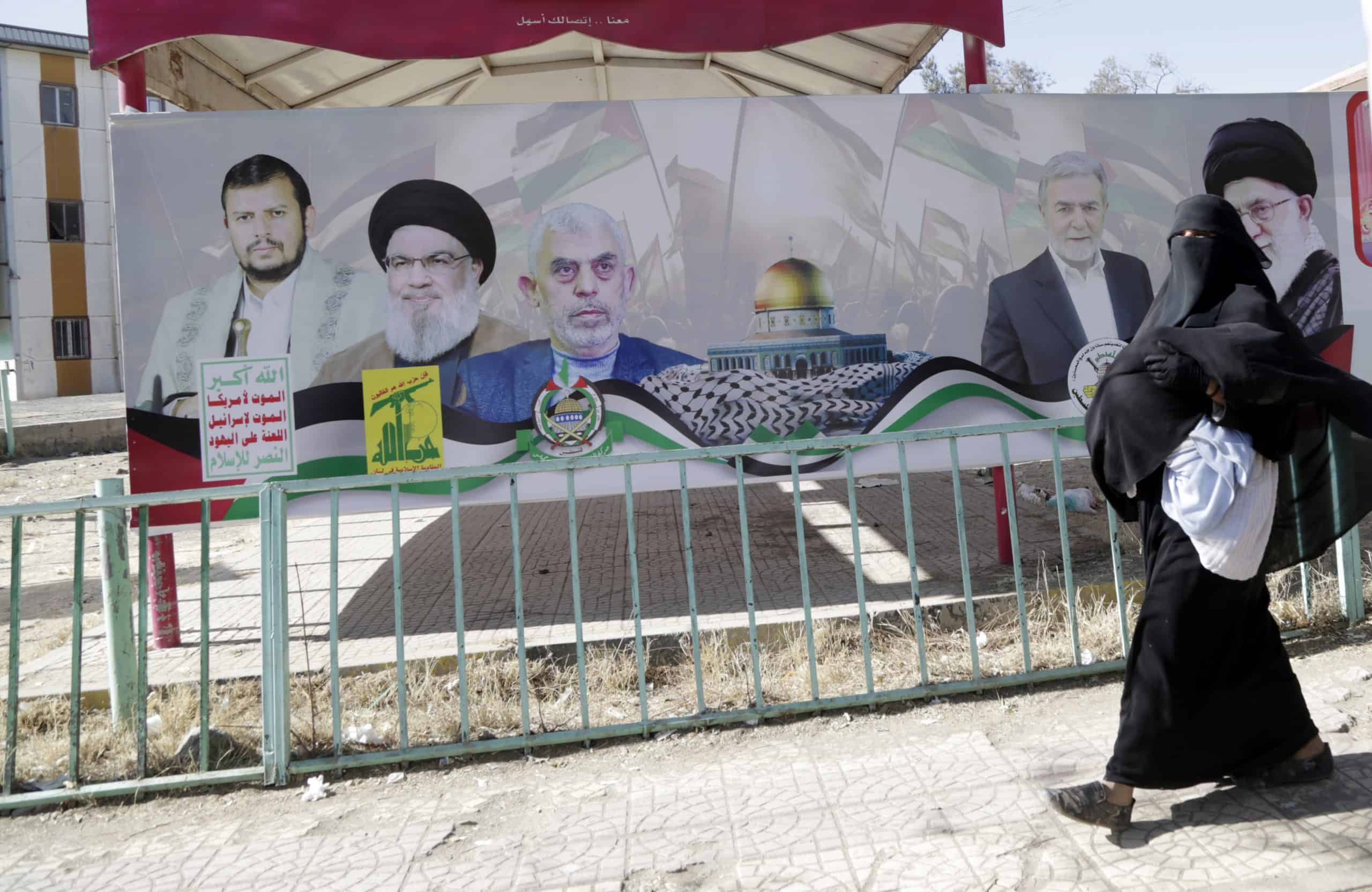
Evidence has emerged demonstrating that foreign fighters are operating in Lebanon against Israel.
-
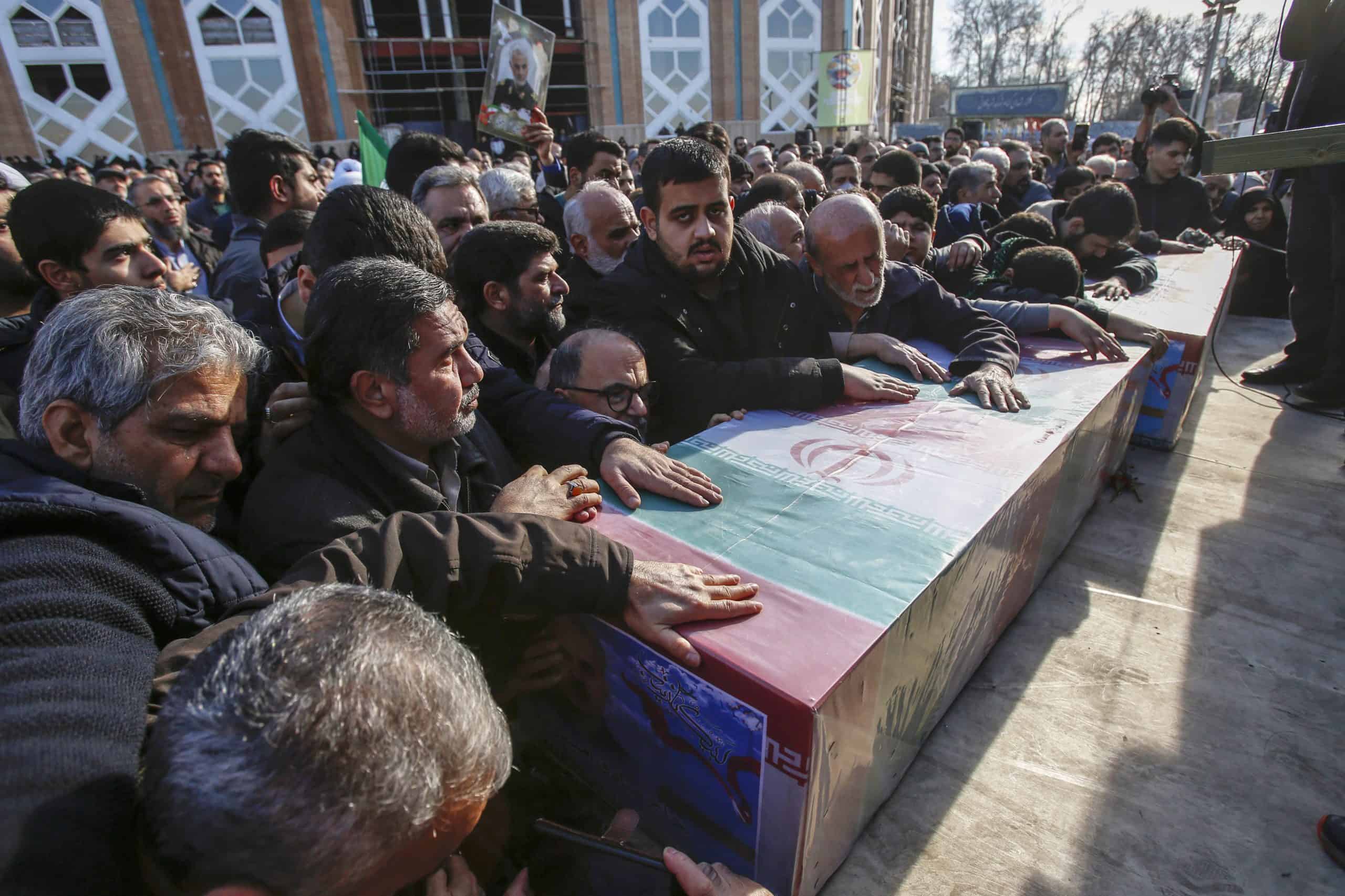
Reported Israeli airstrikes kill IRGC Navy advisor in Syria
Israel continues to attack IRGC advisor in Syria on almost a monthly base.
-
Generation Jihad Ep. 147 — Tehran slowly tightens its noose around the Middle East
Bill, Behnam and Joe discuss a few of this week’s biggest headlines including reports of Israel assassinating an IRGC advisor in Syria, escalation by Hezbollah at Israel’s northern border with Lebanon, and the results of Iran’s parliamentary elections.
-
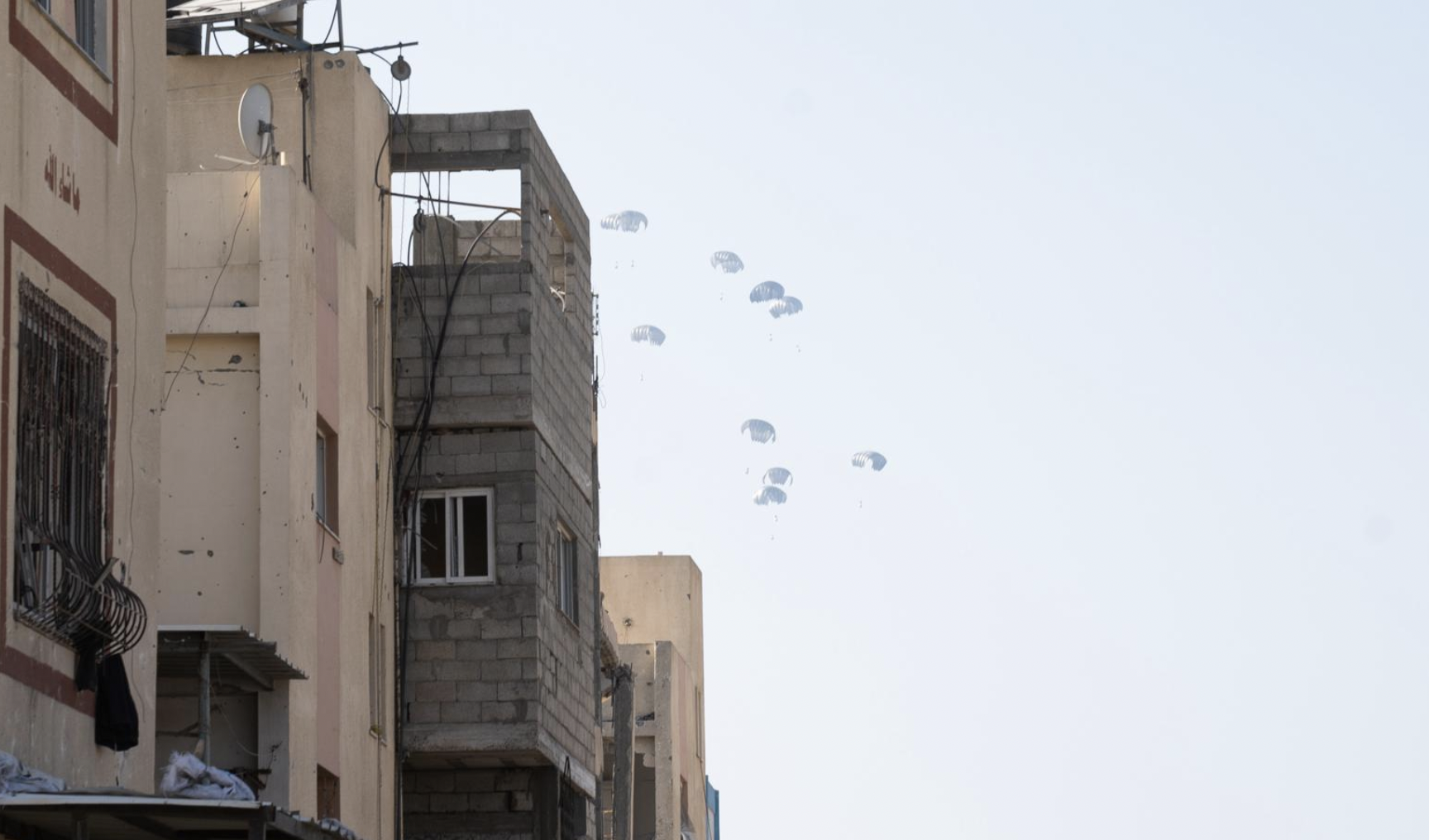
Airdrops increase in Gaza as new method to deliver aid
Israel is coordinating with Jordan, the UAE, France, Egypt and the US to have humanitarian aid airdropped into Gaza. Jordan has carried out numerous airdrops since the war began, with France and the UAE recently joining Jordan and the US and Canada considering additional participation. Israel has used airdrops to supply its troops in Gaza and drop leaflets that warn civilians of areas to avoid.
-
Israel rotates units as Khan Younis battles continue
Israeli forces continue to operate in the southern Gaza city of Khan Younis to dismantle terrorist infrastructure and search for terrorists. The IDF redeployed a paratrooper unit and is rotating new forces into the city. Although fighting has become less intense in the last month, terrorist threats continue with the IDF discovering weapons caches and uncovering other threats daily.