-
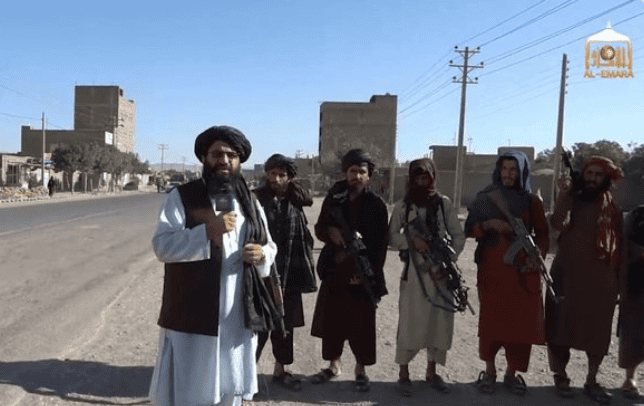
Al Qaeda praises Taliban’s ‘historic victory’ in Afghanistan
Al Qaeda’s central media arm, As Sahab, released a two-page statement praising the Taliban’s “historic victory” in Afghanistan. Al Qaeda fought alongside the Taliban to resurrect its Islamic Emirate of Afghanistan.
-
Osama bin Laden’s security chief triumphantly returns to hometown in Afghanistan
The video of Dr. Amin al Haq is evidence that Al Qaeda commanders now feel secure enough to appear publicly in a Taliban-controlled Afghanistan.

-
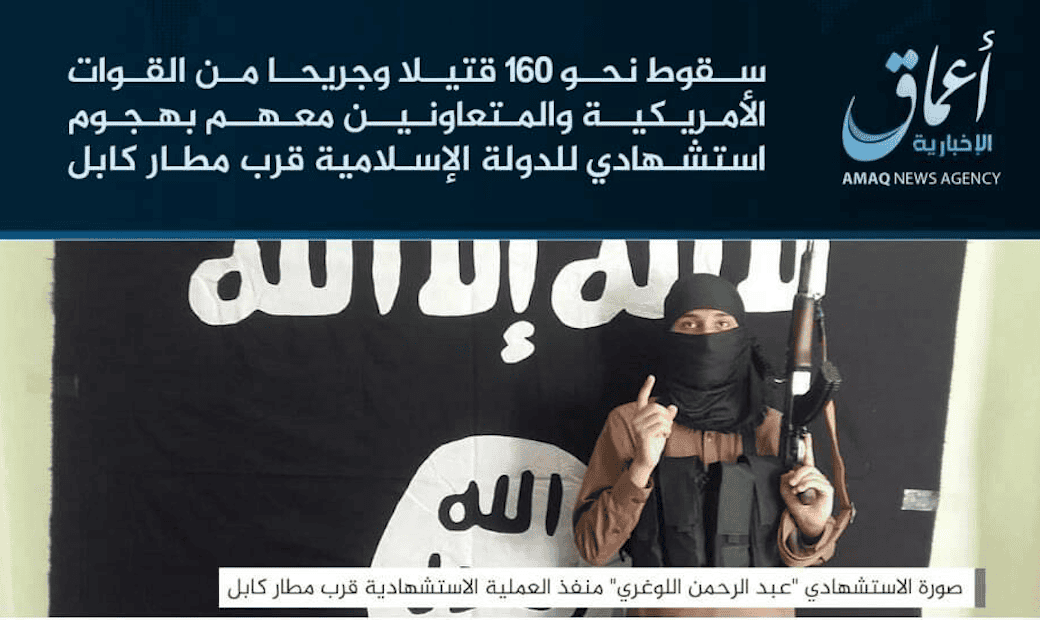
Islamic State claims responsibility for suicide bombing in Kabul
The Islamic State’s Khorasan province has claimed responsibility for a suicide bombing outside of the Kabul airport earlier today. 12 U.S. service members were killed and 15 others wounded in a pair of attacks inside the capital. Dozens of others were killed or wounded as well.
-
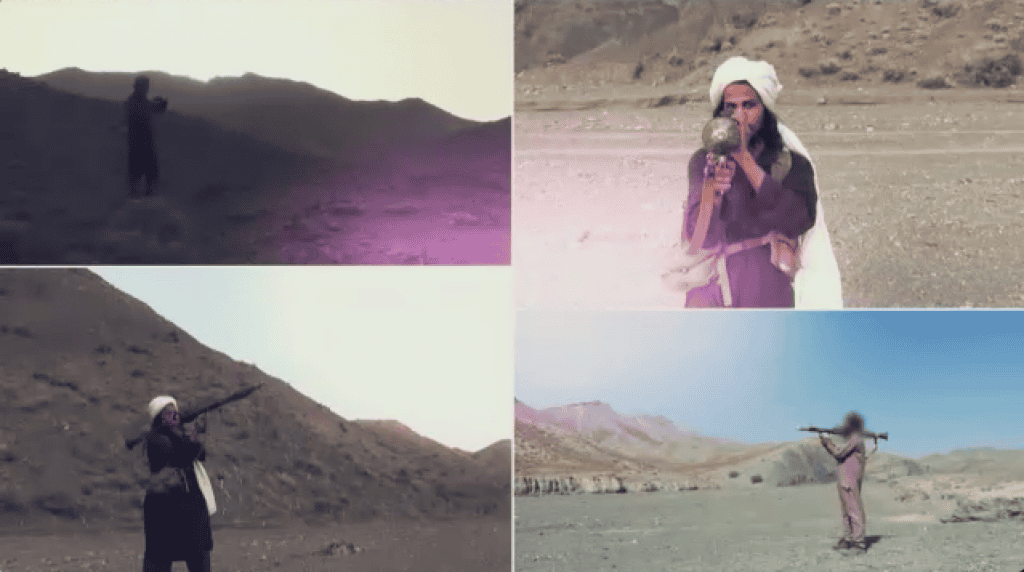
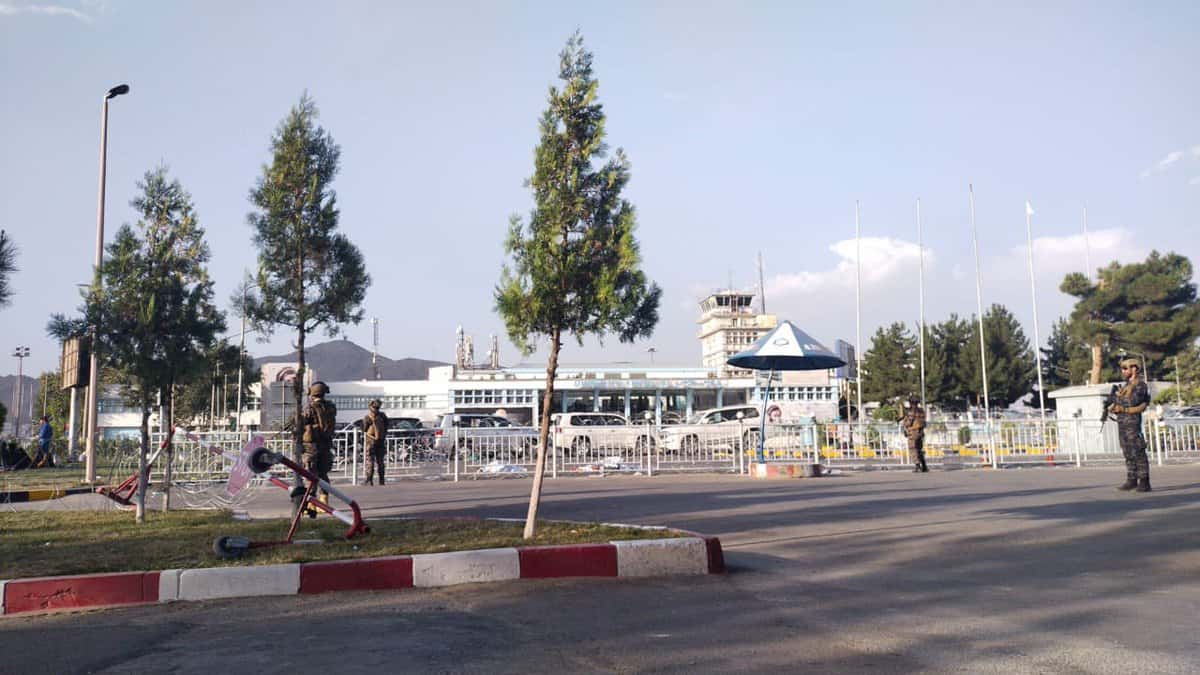
Taliban’s special forces outfit providing ‘security’ at Kabul airport
Taliban-affiliated social media accounts claim that men from the Badri 313 special forces unit are providing “security” at the Kabul airport. Badri 313 is responsible for some of the Taliban’s key battlefield successes and has also conducted complex suicide missions.
-
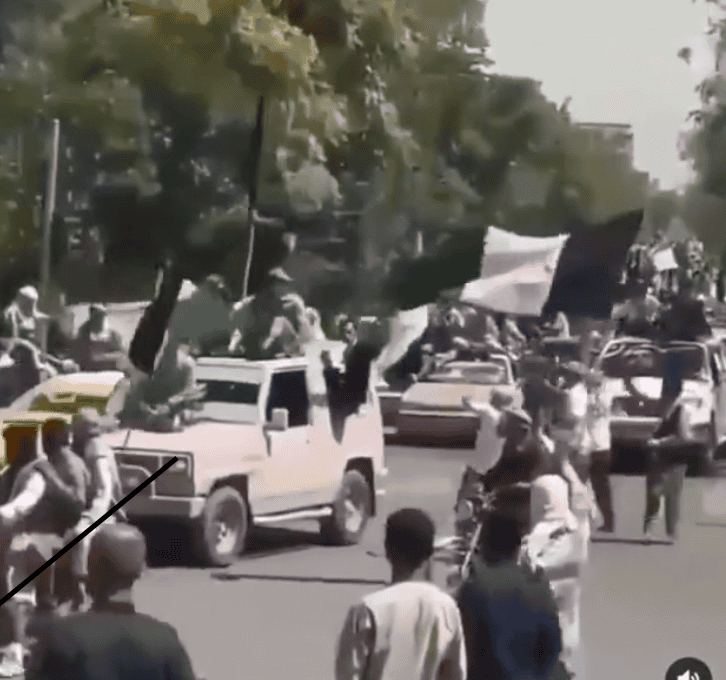
Anti-Taliban resistance makes modest gains outside Panjshir
While the Panjshir resistance’s odds remain long, it stands a chance to not only divert and disrupt Taliban operations but create a groundswell of interest that could lead to a larger campaign with more sustainable momentum.
-
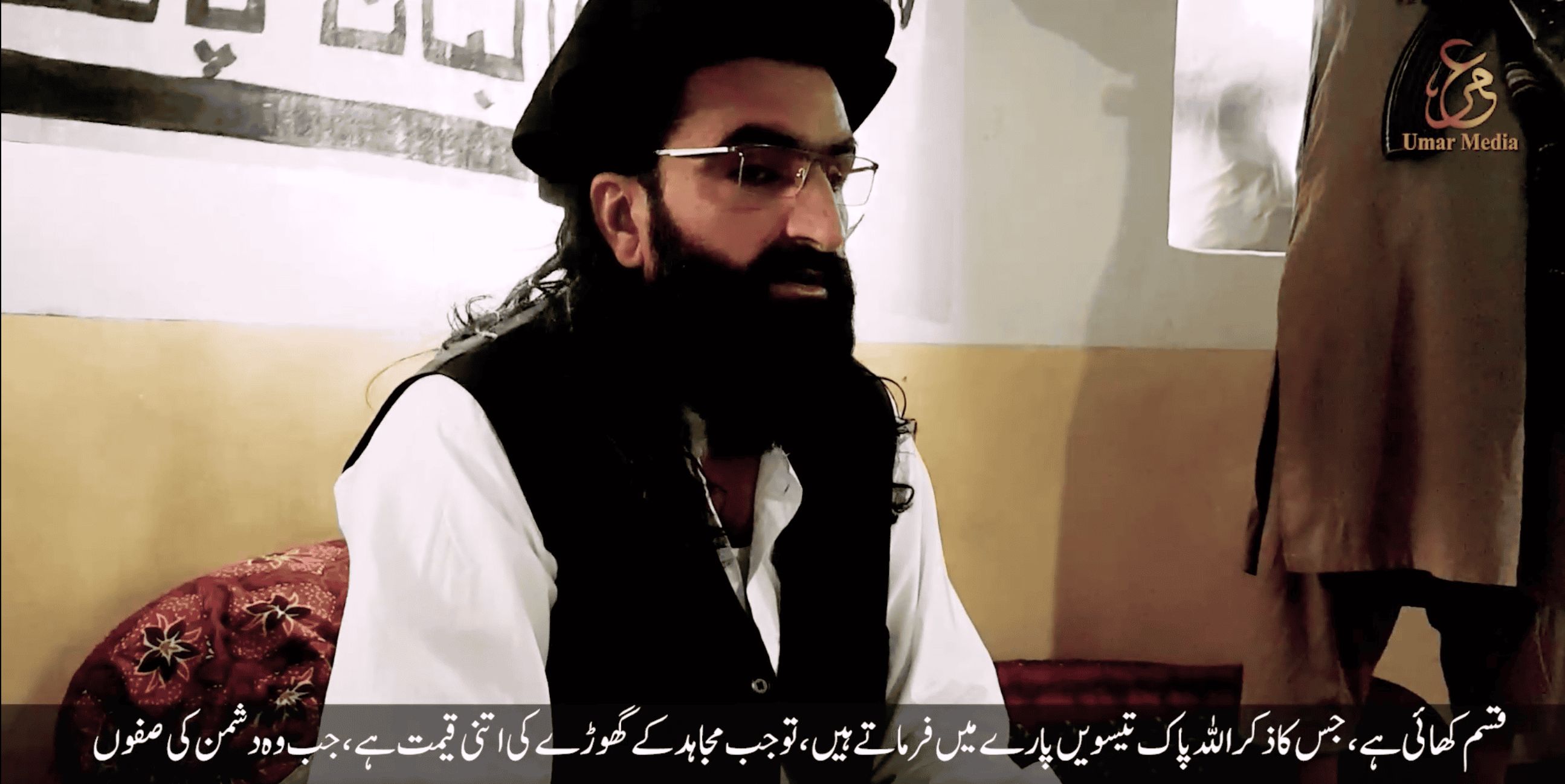
Pakistani Taliban’s emir renews allegiance to Afghan Taliban
Noor Wali Mehsud has renewed the TTP’s allegiance to the Taliban’s Islamic Emirate of Afghanistan in the wake of the jihadis’ victory. The Taliban has released numerous TTP and al Qaeda figures from the former government’s prisons in recent weeks, including Faqir Mohammed.
-
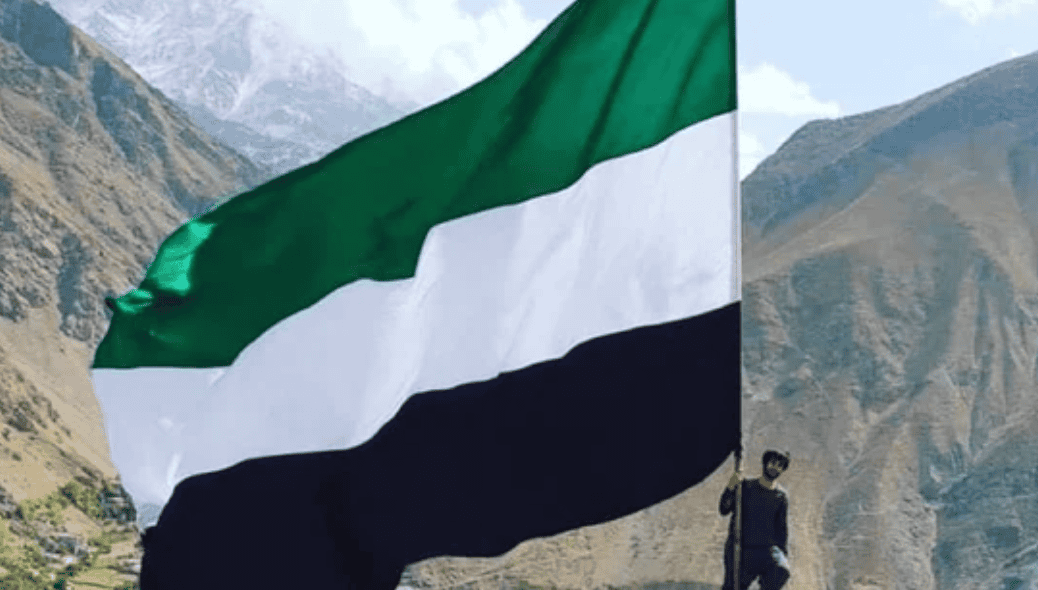
After fall of Kabul, resistance to Taliban emerges in Panjshir
Prospects for this resistance, lead by Amrullah Saleh, are dim. He has a formidable task ahead of him and his prospects are bleak. The Taliban will seek to crush this last bastion of resistance.
-
Ep. 55 — Afghanistan Falls
Hosts Tom Joscelyn and Bill Roggio discuss the need for accountability after 20 years of failures. Powered by RedCircle Take a look around the globe today and you’ll see jihadists fighting everywhere from West Africa to Southeast Asia. They aren’t the dominant force in all of those areas, or even most of them. But jihadism has mushroomed into a worldwide movement, with al-Qaeda, the Taliban, ISIS and other groups waging guerrilla warfare and launching terrorist attacks on a regular basis. Each week Generation Jihad brings you a new story focusing on jihadism around the globe. These stories will focus not…
-
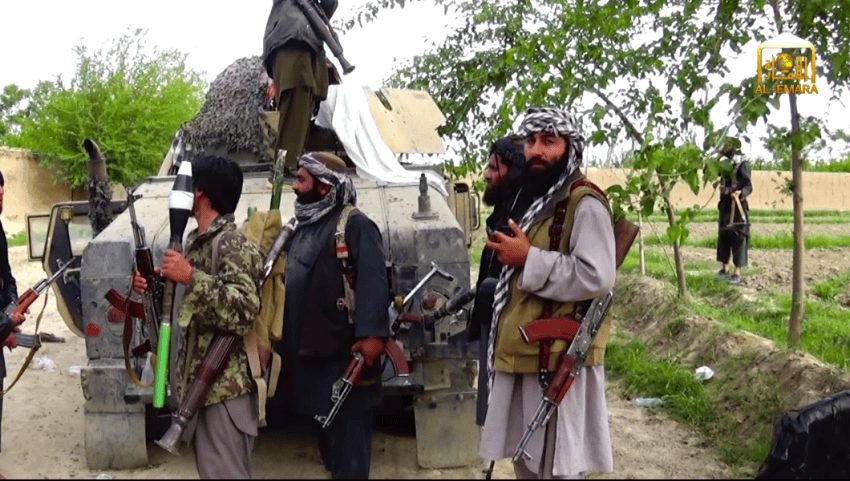
Taliban encircling Afghan capital Kabul, prepping final assault through east
The Taliban took control of the provinces of Paktika, Paktia, Faryab, Laghman, and Kunar today, as well as Mazar-i-Sharif, Afghanistan’s second largest city. It is consolidating its control of the east in preparation for its final assault on Kabul.
-
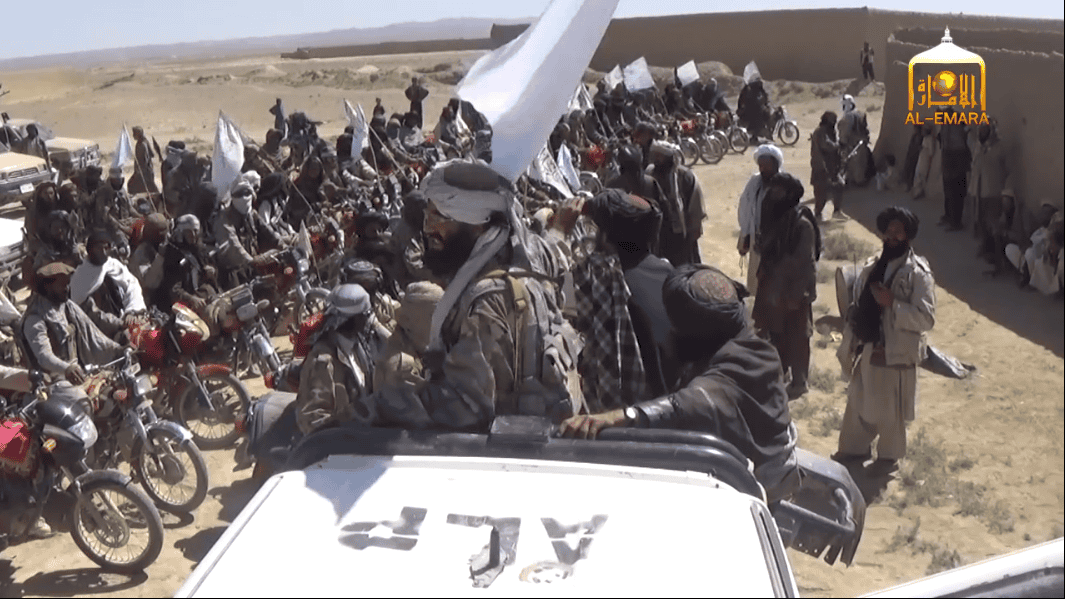
Afghan government on verge of collapse as Taliban capture 4 more cities
The Taliban seized control of four more provincial capitals, and cemented it control of the strategic south with the capture of Zabul and Uruzgan provinces. The road to Kabul is now open.
-
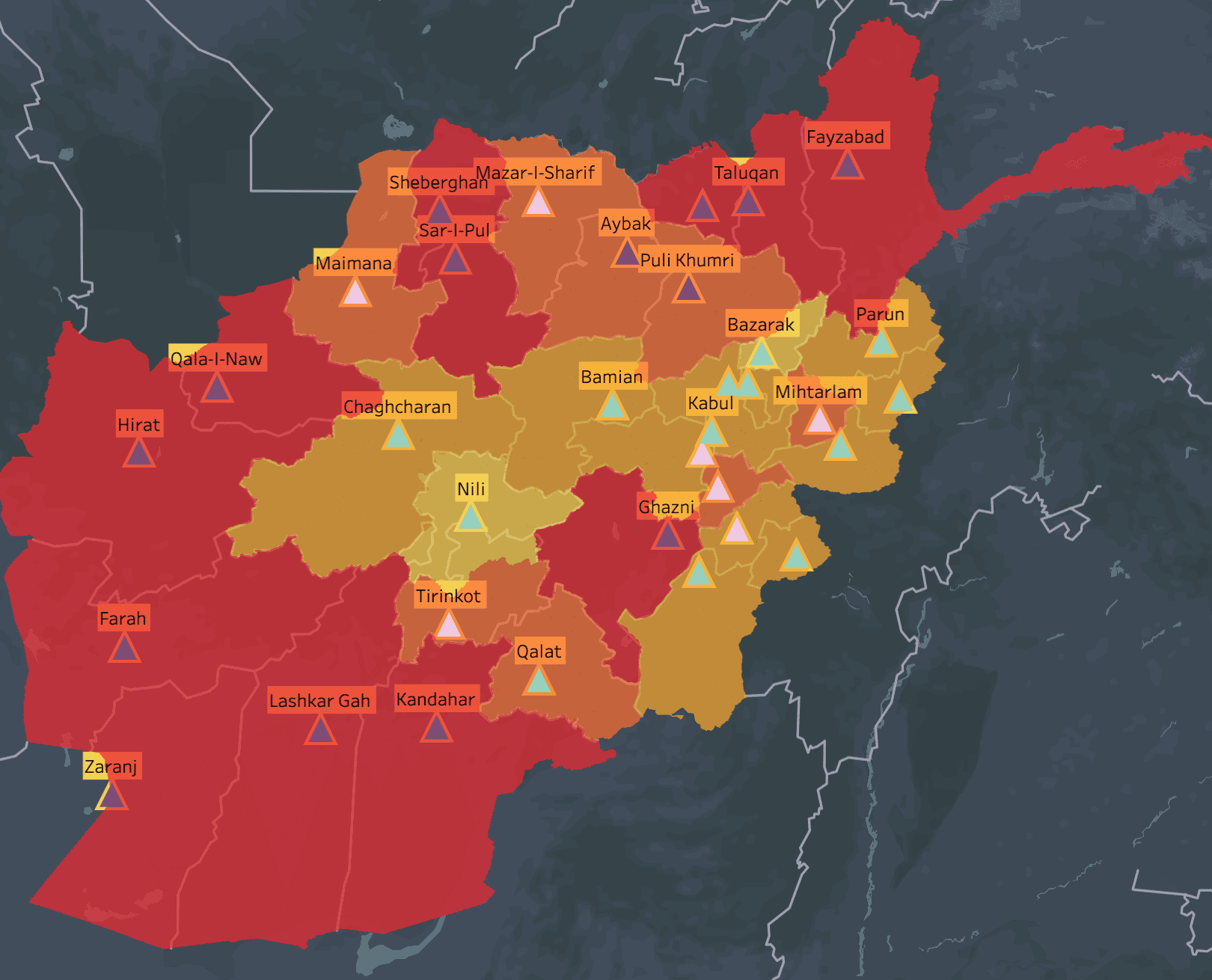
After lengthy siege, Lashkar Gah is taken by the Taliban
With Helmand and Kandahar provinces in the hands of the Taliban, the rest of the south will go under Taliban control in short order.
-
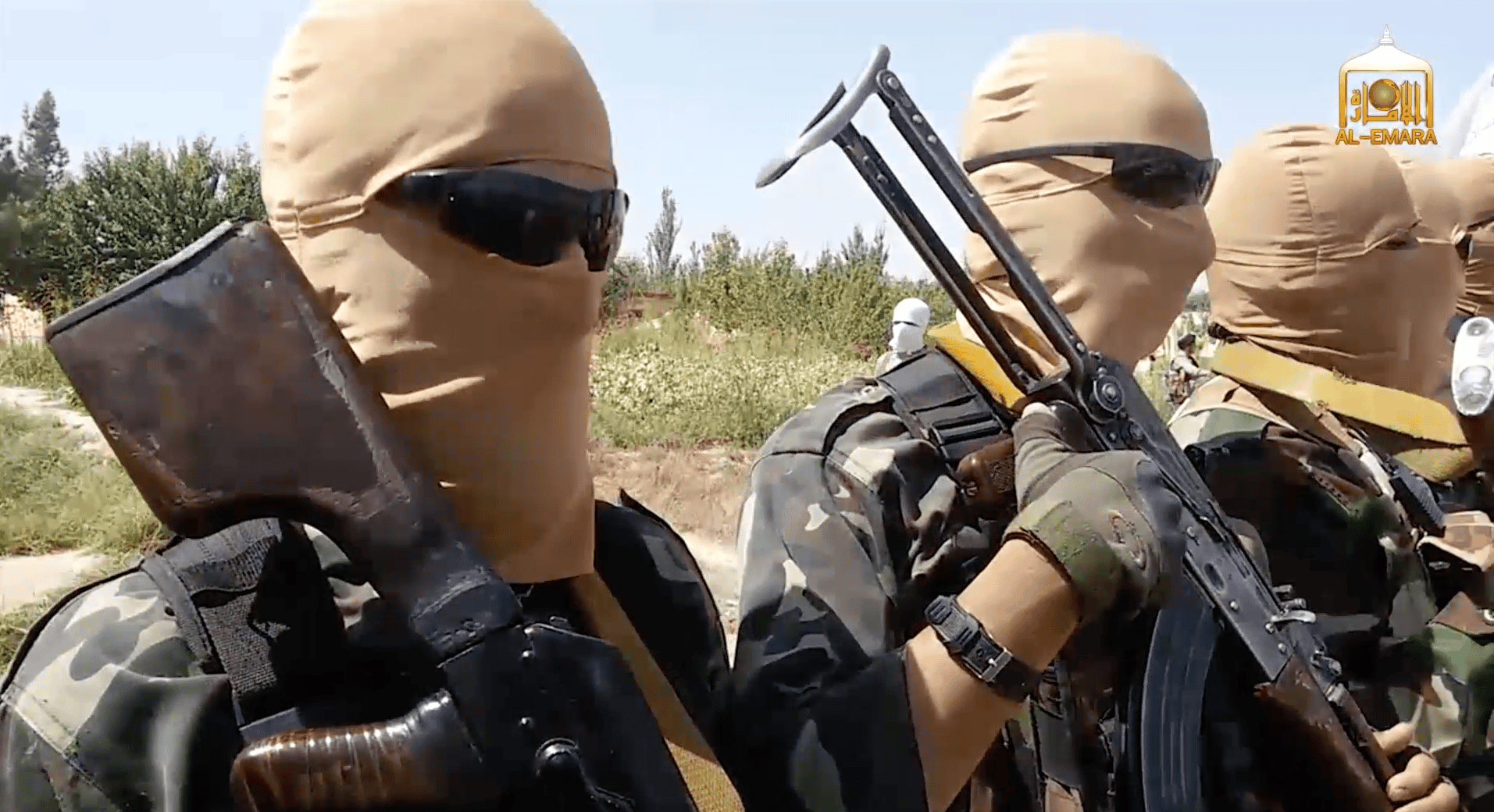
Kandahar City falls to the Taliban
Kandahar City, the country’s second largest city collapsed after Taliban forces besieged it for more than two months. It is the third major city to and the fourth provincial capital fall to the Taliban today.
-
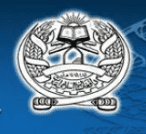
Taliban overrun Herat City, Qala-i-Naw
Herat City is the Taliban’s biggest victory since it began taking control of provincial capitals in late July. With the fall of Herat and Qala-i-Naw, the Taliban now fully controls the west.
-
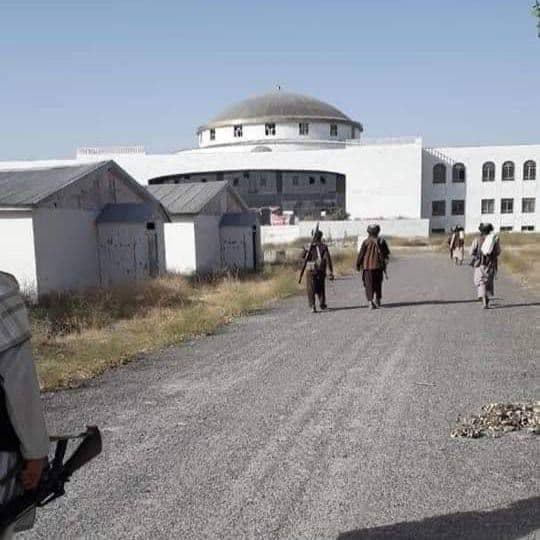
Ghazni City falls to the Taliban
Ghazni is the tenth Afghan provincial capital to fall to the Taliban in the past week. Al Qaeda has deep roots in Ghazni. Osama bin Laden identified the province as a key safe haven for his men.
-
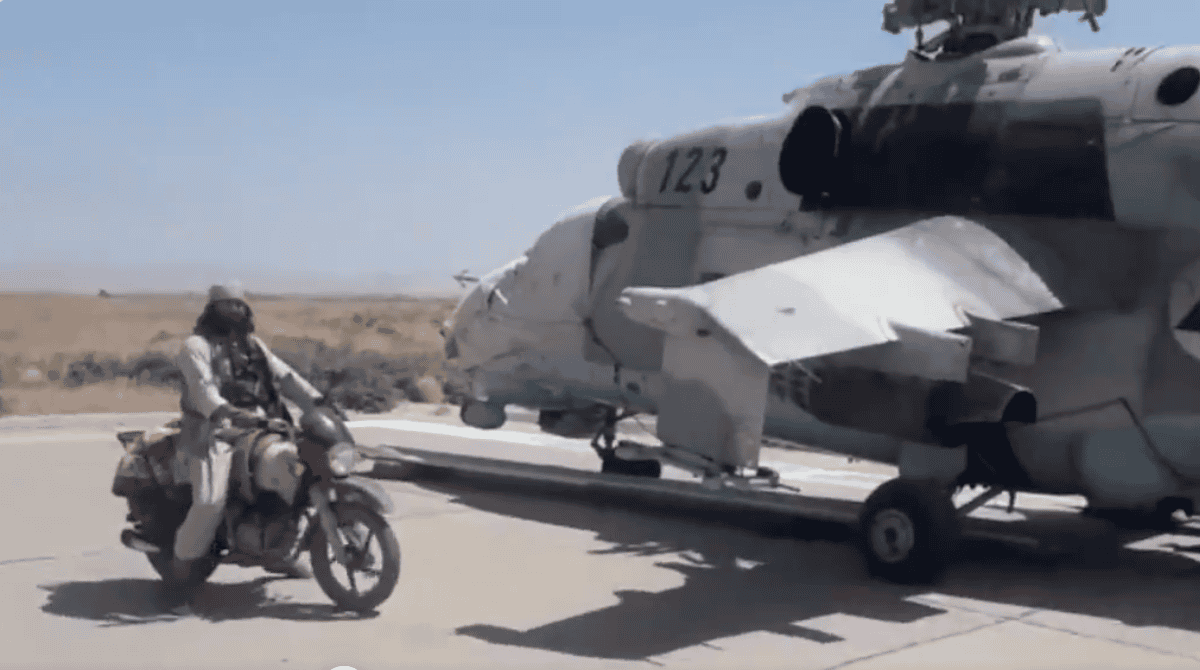
Taliban seizes Afghan Army corps headquarters, 2 northern airports
The Taliban seeks to consolidate recent gains in Kunduz and Jawzjan provinces, and deny the Afghan military the ability to counterattack
-
Analysis: Hezbollah’s Escalating Conflict with Israel
Israel finds itself in an escalation with Hezbollah after a string of rocket attacks from southern Lebanon.
-
Analysis: Somaliland’s lingering jihadi threat
Terrorists haven’t launched major attacks in Somaliland in more than a decade. However, this does not mean it doesn’t face any real threats from Shabaab or the Islamic State.

-
Former headquarters of Northern Alliance falls under Taliban control
The north, where many Afghan power brokers are base, is now in a state of general collapse. Seven of the nine northern provincial capitals are under Taliban control.
-
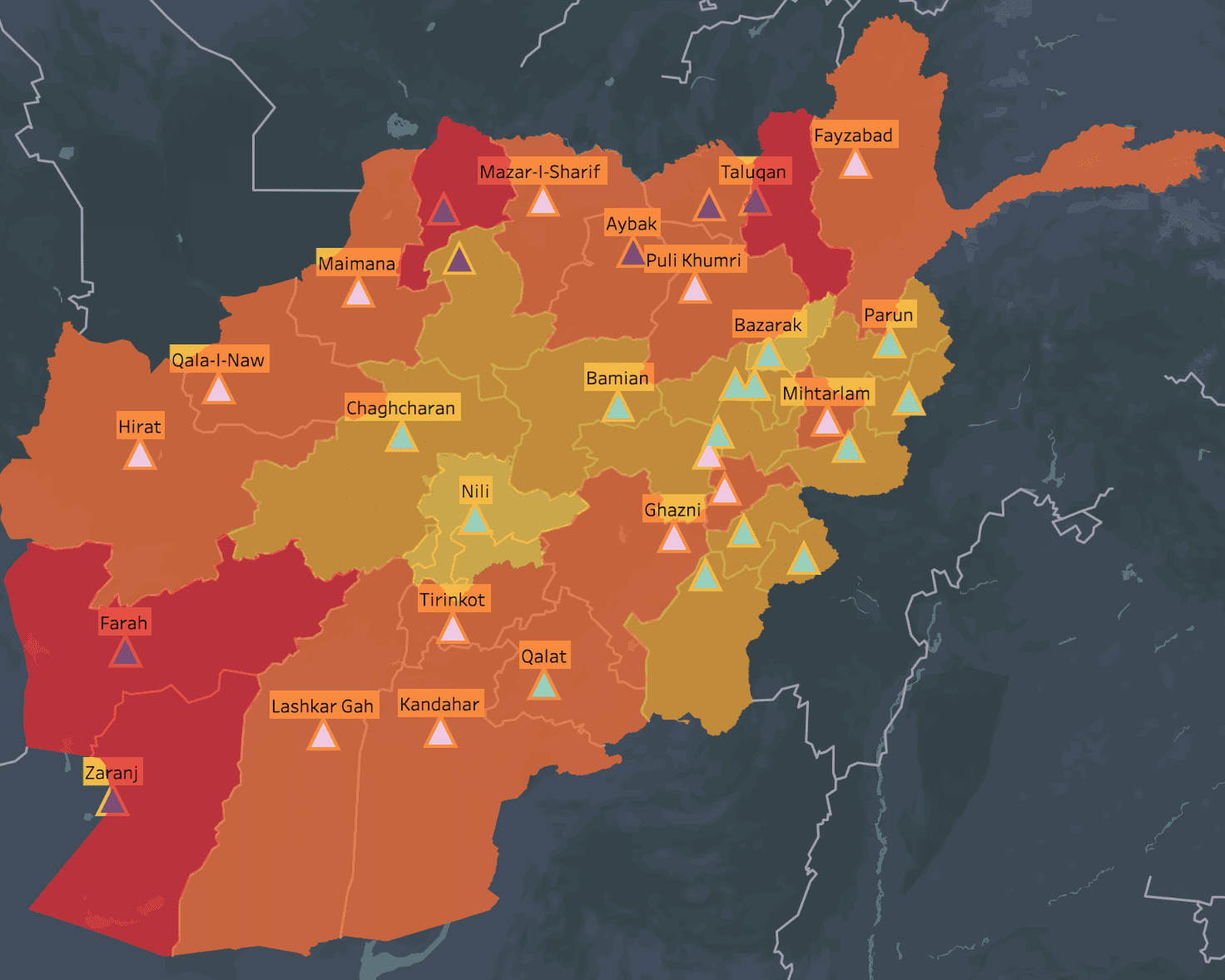
Farah City, Pul-i-Khumri fall to the Taliban
Eight of Afghanistan’s 34 provincial capitals have fallen to the Taliban in less than a week. The Taliban now fully controls four provinces; Farah, Jawzjan, Nimruz, and Takhar.
-
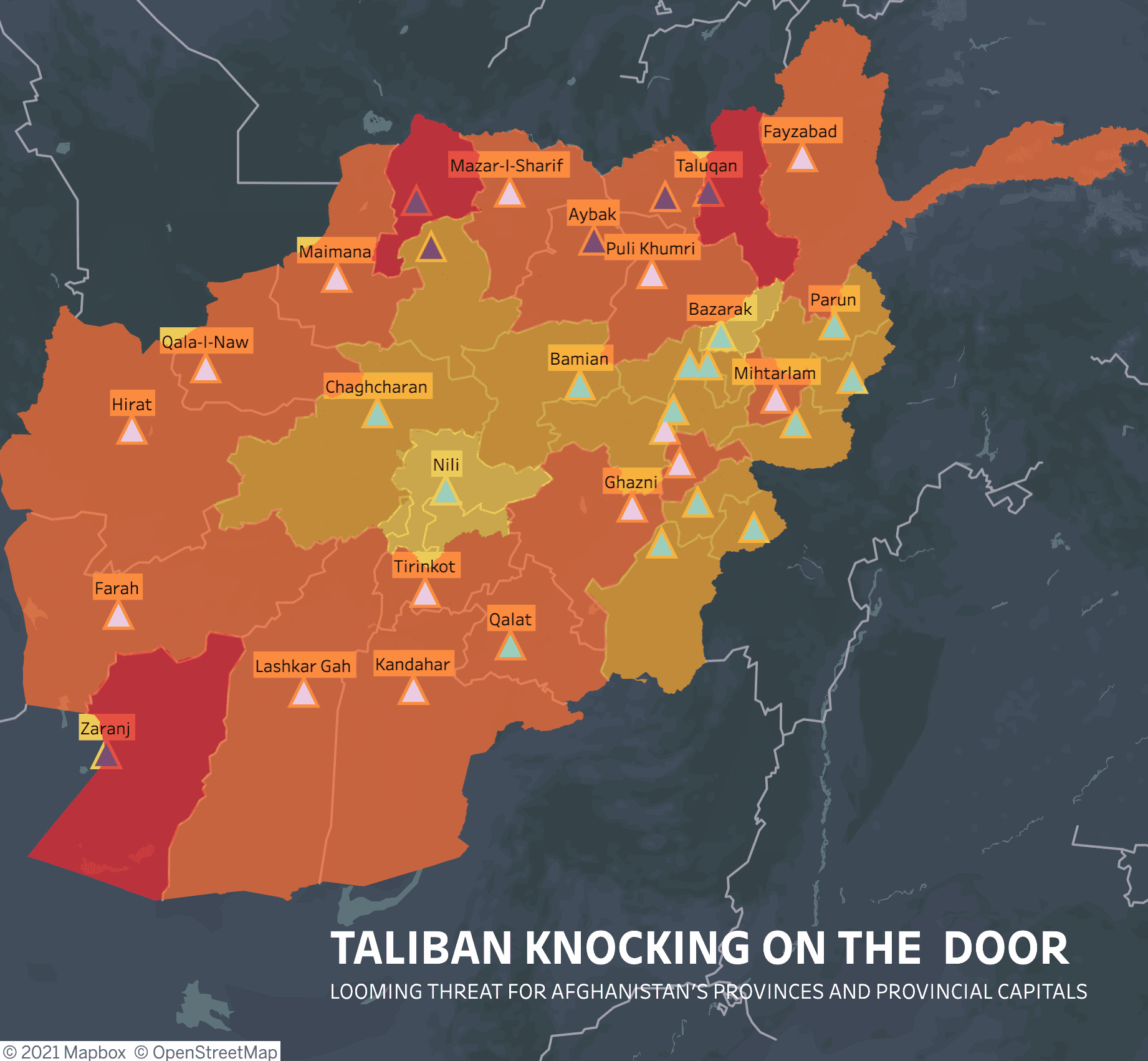
Fifth northern Afghan capital falls to the Taliban
The Taliban is sweeping up northern capitals. Aybak is the fifth northern capital to fall to the Taliban in three days, and and the sixth in four days.
-
Taliban takes control of Afghan provincial capitals of Kunduz, Sar-i-Pul and Taloqan
The Taliban took control of the provincial capitals of Kunduz and Sar-i-Pul cities, while Taloqan, the capital of Takhar, is under direct threat. Four provincial capitals have now fallen under Taliban control in the past three days.
-
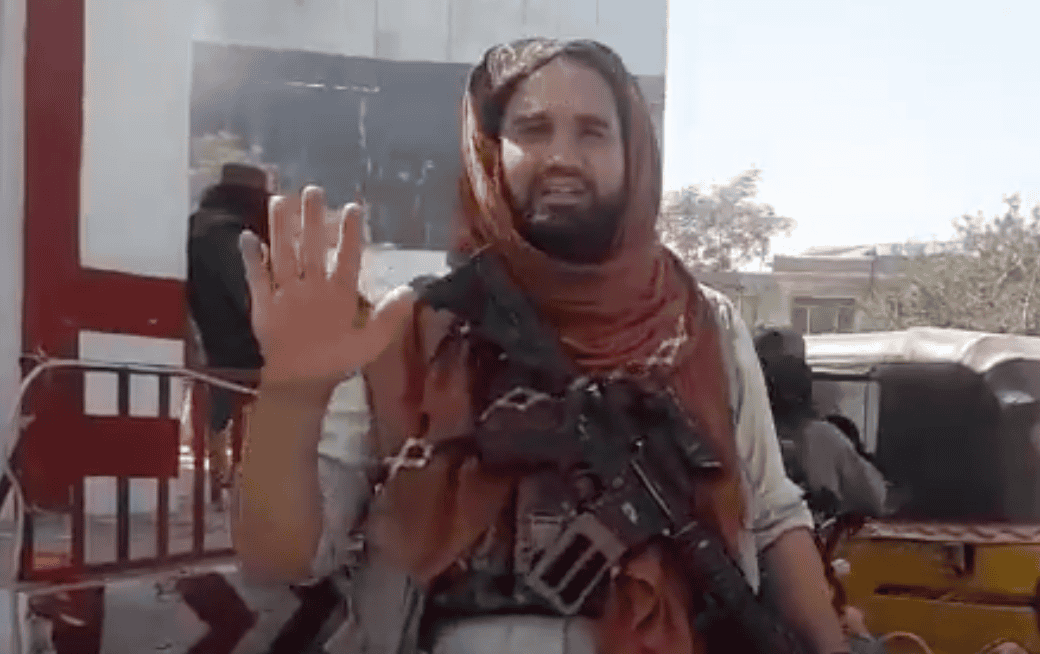
Taliban takes second provincial capital
Shibirghan, the capital of the northern province of Jawzjan and the home of warlord Marshall Abdul Rashid Dostum, fell to the Taliban today.
-
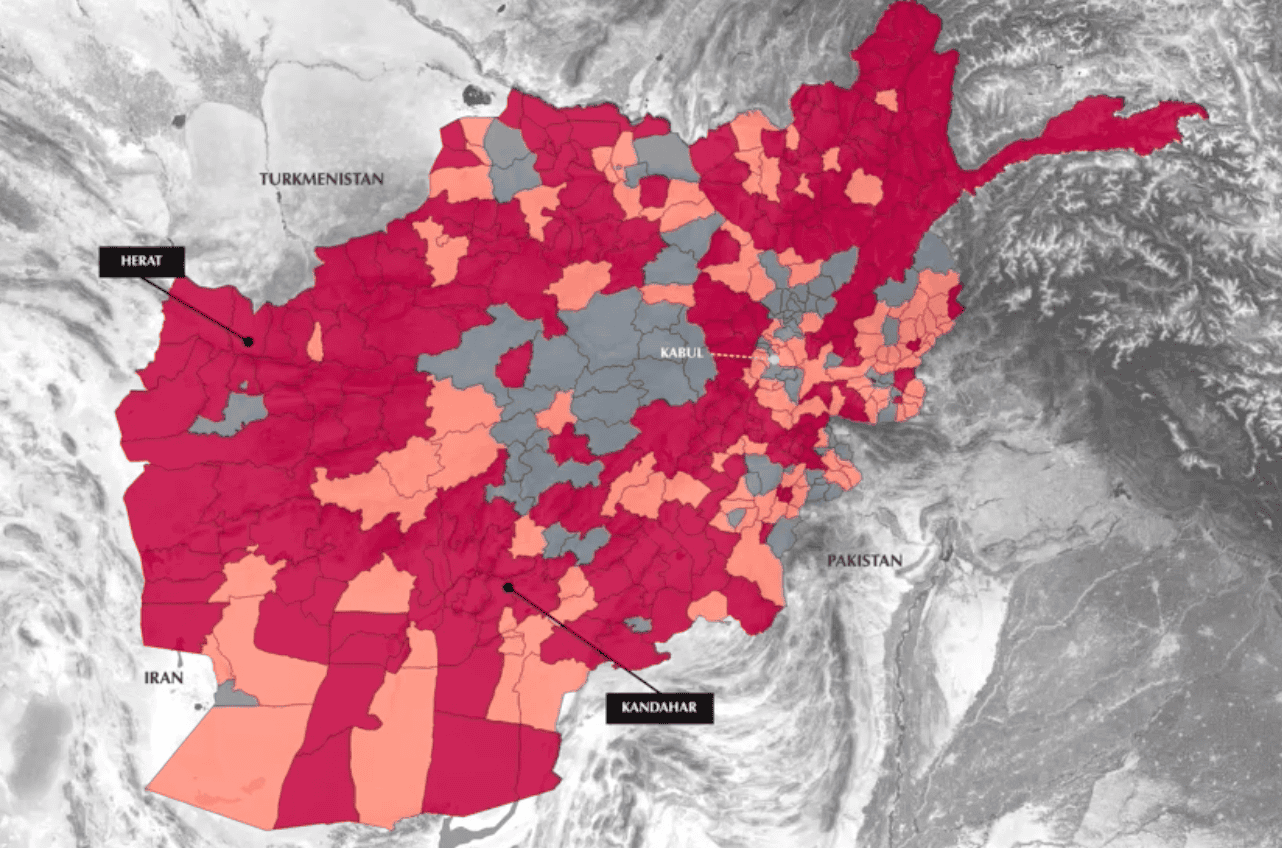
Taliban takes full control of Nimruz province, seizes capital
The Taliban took control of Zaranj, the capital of Nimruz province, without a fight. The western locale is the first provincial capital to fall under Taliban control since it launched its offensive across the country in May.
-
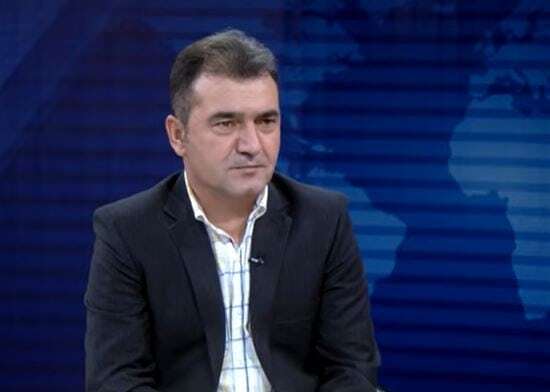
Taliban assassinates senior Afghan media official
The Taliban assassinated Dawa Khan Menapal, the head of the Afghan government’s information and media center. The group vowed to continue targeting officials in the Afghan capital after failing to kill the acting defense minister earlier this week.
-
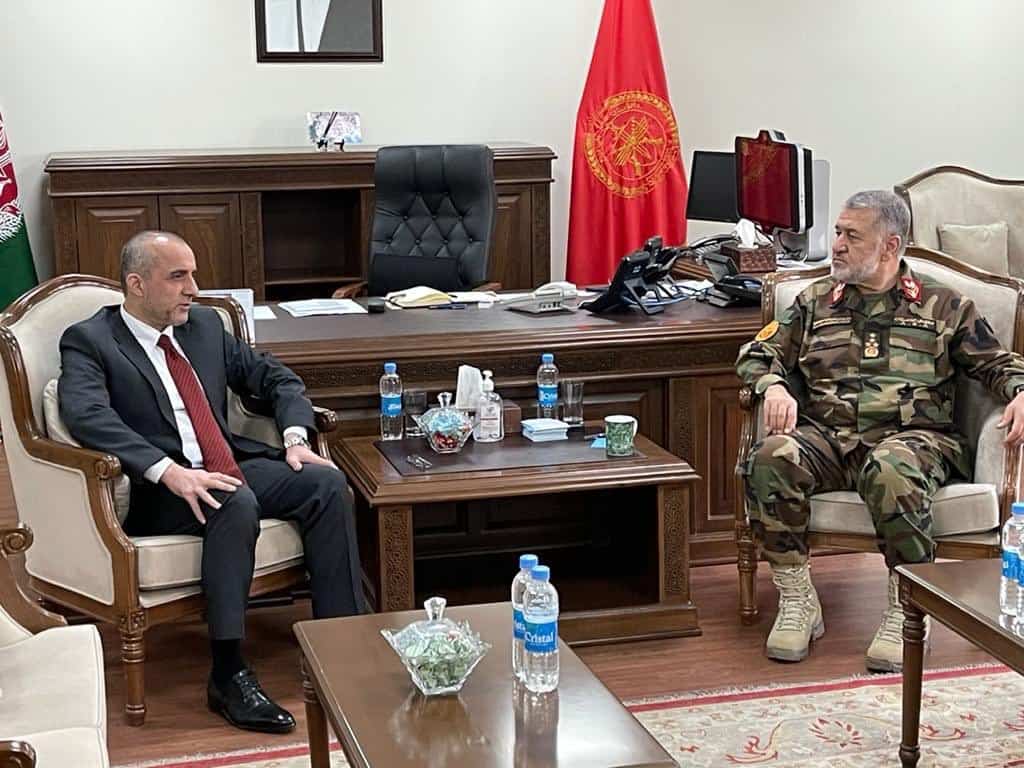
Taliban ‘martyrdom’ unit attacks Afghan defense minister’s home in Kabul
The Taliban’s martyrdom unit assaulted the home of Afghanistan’s acting Defense Minister, Bismillah Mohammadi, yesterday evening. Mohammadi survived the assassination attempt, but the Taliban vowed to continue targeting Afghan officials.
-
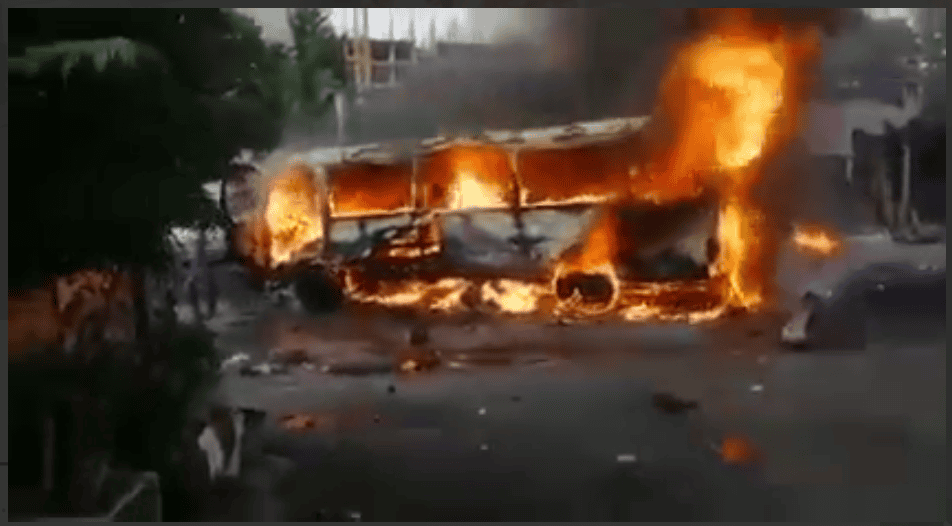
Al Qaeda group claims bus bombing in Damascus
Hurras al Din, an al Qaeda group in Syria, has claimed responsibility for a bus explosion in Damascus. The Syrian state-controlled media says the explosion was caused by a “short circuit” near the bus’s fuel tank.
-
Analysis: Iran escalates maritime conflict against Israel
Israel and its allies mull a response after an Iranian attack against an Israeli-operated ship off the coast of Oman.

-
Taliban, Afghan forces battle for control of Helmand’s capital
The Taliban has advanced on Lashkar Gah from the north and south, and is trying to squeeze Afghan forces in the city center. Lashkar Gah is in danger of falling to the Taliban.