-
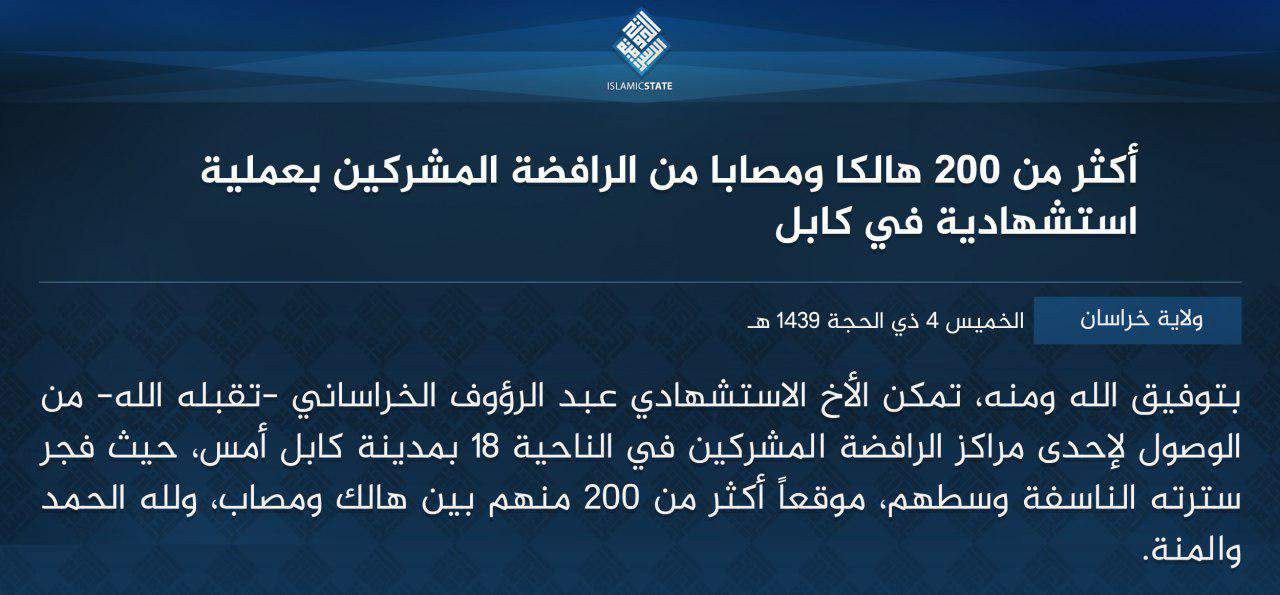
Islamic State claims deadly school bombing in Kabul
The Islamic State has claimed responsibility for a suicide bombing at a school in the Afghan capital yesterday. The so-called caliphate’s jihadists regularly target Shiite civilians in its “suicide and complex attacks.”
-
Taliban overruns another base in north as it withdraws from Ghazni City
The Taliban never slowed in launching numerous attacks across the country even as it committed significant resources to the fight in Ghazni.
-
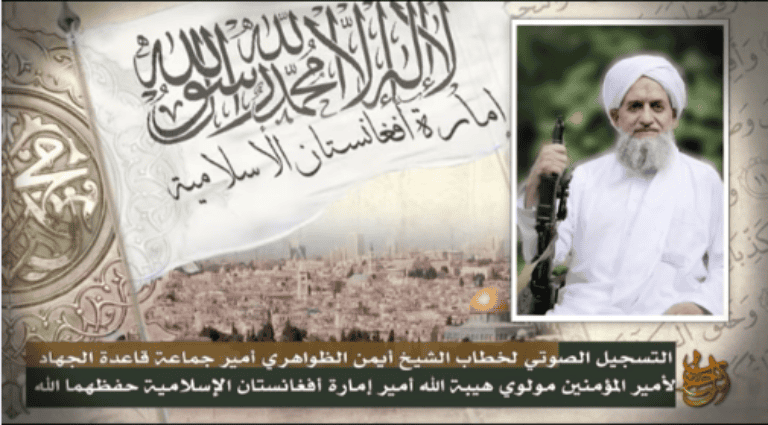
Al Qaeda’s alliance with the Taliban ‘remains firm,’ UN says
According to a new report published by the United Nations, al Qaeda’s “alliance with the Taliban and other terrorist groups in Afghanistan remains firm,” as al Qaeda and the Taliban are “closely allied.” Some of the UN’s Member States consider al Qaeda’s global network to be a bigger long-term threat than the Islamic State.
-
UN: Iran-based leaders ‘have grown more prominent’ in al Qaeda’s global network
A report by the United Nations includes new details concerning the dispute between Hay’at Tahrir al-Sham (HTS) and al Qaeda’s senior leaders, including the role played by two veteran operatives living in Iran. The UN’s member states say that HTS is still in “contact” with al Qaeda’s leadership despite their heated disagreements, and that al Qaeda has even reinforced HTS with “military and explosives experts” sent from Afghanistan.
-
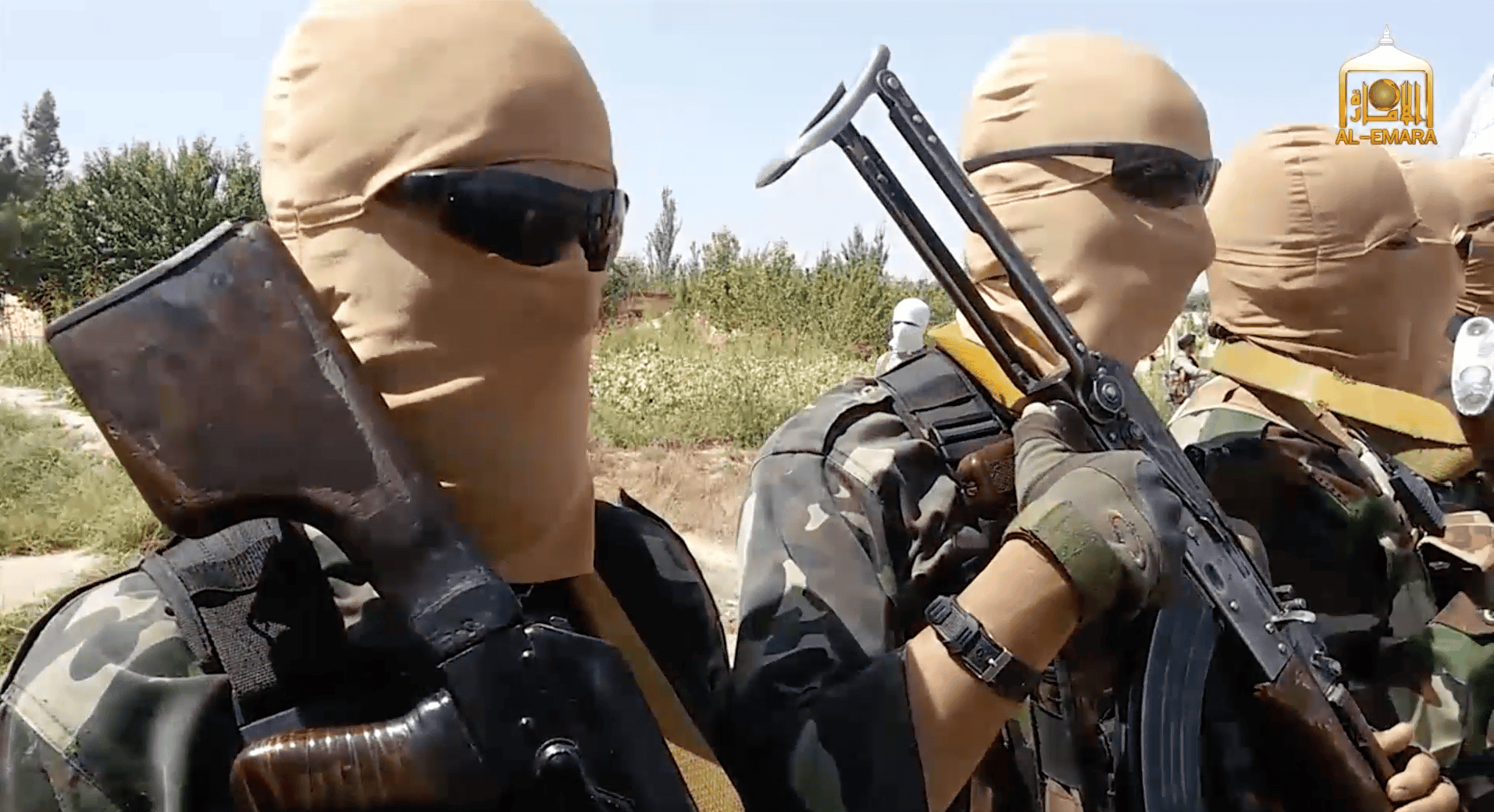
In Afghan north, soldiers surrender to Taliban after base is cut off
Forty-three soldiers were killed and 17 more were captured in the fighting that led up to the surrender. The Taliban is routinely outmatching Afghan forces in battles in remote districts.
-
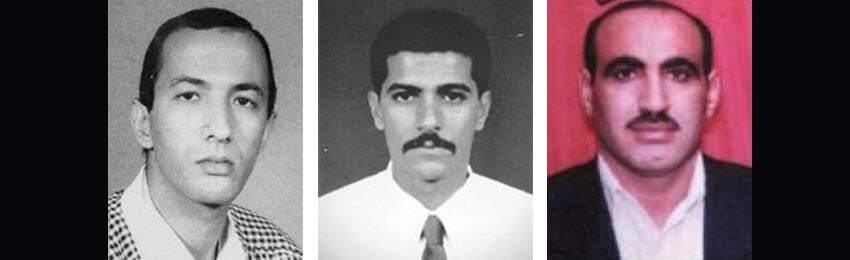
Analysis: 2 wanted al Qaeda leaders operate in Iran
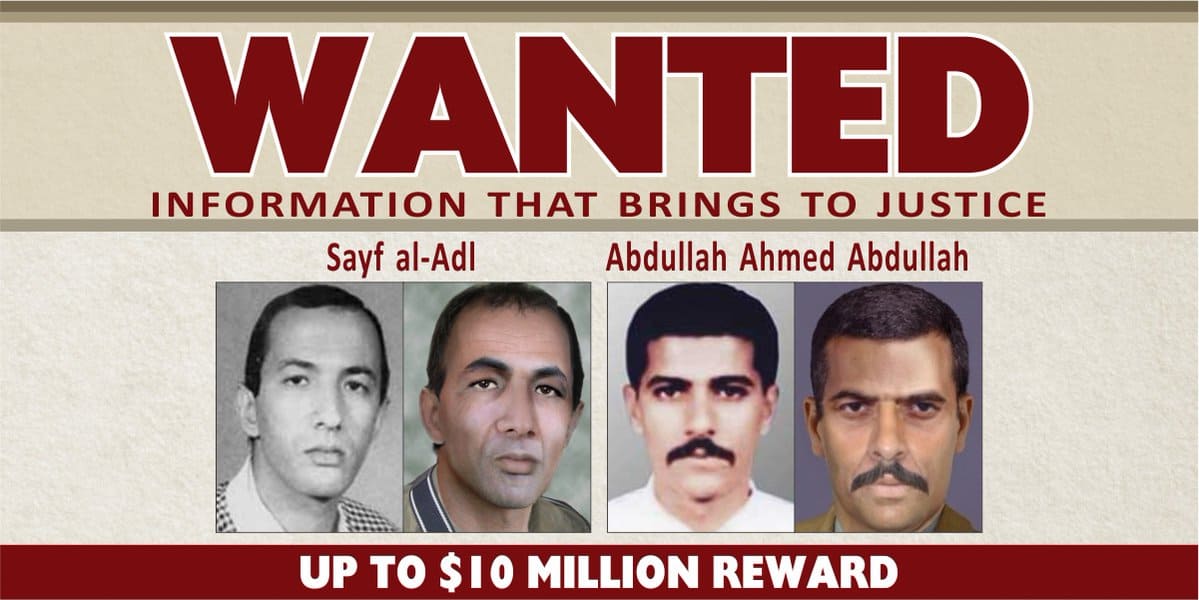
On Aug. 8, the State Department announced that it had increased its reward for information concerning the whereabouts of two veteran al Qaeda leaders: Abdullah Ahmed Abdullah and Saif al-Adel. Although State didn’t explain the move, there is evidence that the two al Qaeda managers were operating inside Iran as of 2017.
-
Resolute Support obscures status of 7 Ghazni districts as 3 more fall to Taliban
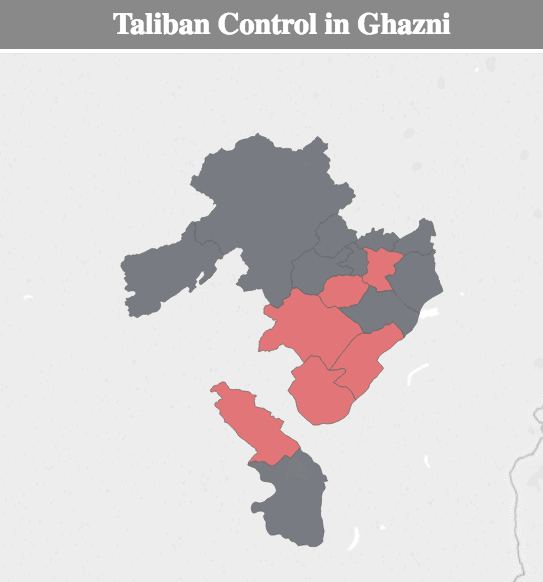
In addition to Ajristan and Khwaja Umar, the districts of Nawur, Jaghatu, and Deh Yak have fallen to the Taliban. Meanwhile, Resolute Support has intentionally misled the the public about the status of seven of Ghazni’s districts. Resolute Support claimed these districts were under government control; in reality the Taliban physically controlled the terrain while the Afghan government operated the government remotely from Ghazni City.
-
Foreign fighters involved in assault on Ghazni, Afghan defense minister says
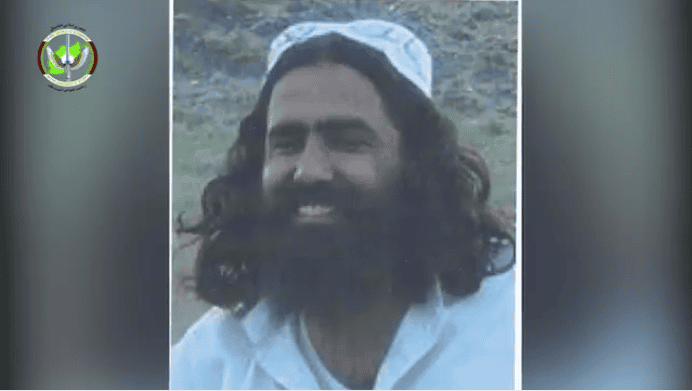
Al Qaeda has long operated in Ghazni province, the site of a large-scale Taliban offensive in recent days. In 2010, Osama bin Laden ordered his men to relocate from northern Pakistan into Ghazni and other Afghan provinces. Bin Laden’s lieutenant also wrote in mid-2010 that al Qaeda had “very strong military activity” in at least eight Afghan provinces, including Ghazni. More recently, American and Afghan forces have targeted al Qaeda operatives in the province.
-
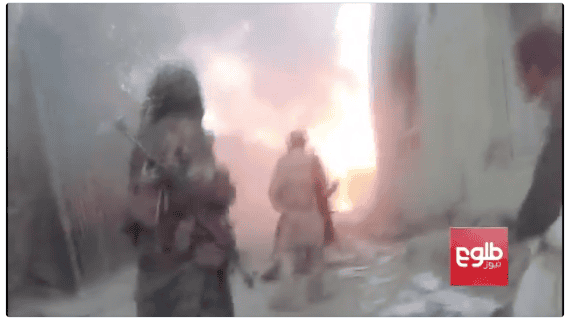
Video from Ghazni City shows Taliban on streets as buildings ablaze
Meanwhile, Resolute Support continues its claim Ghazni City is under Afghan control and uses Taliban body counts as a measure of success.
-
State designates Iran-based Bahraini militant as terrorist
This now makes two Iranian-based leaders of Bahraini militant group Saraya al Ashtar, or the Al Ashtar Brigades, to be designated as global terrorists by the US State Department.

-
Taliban seizes second district in Ghazni as provincial capital remains contested
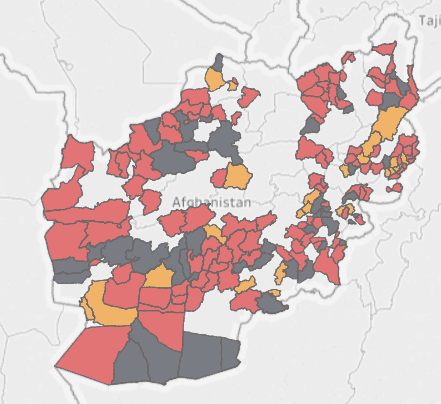
The current fighting in and around Ghazni City indicates that the Taliban has a detailed plan to tie up Afghan forces while attempting to seize the provincial capital. Additionally, the Taliban was able to mass its forces undetected; the Afghan military was clearly caught off guard and is struggling to get into the fight four days after the Taliban launched its attack.
-
Taliban routs Afghan Commandos while overrunning remote district in Ghazni
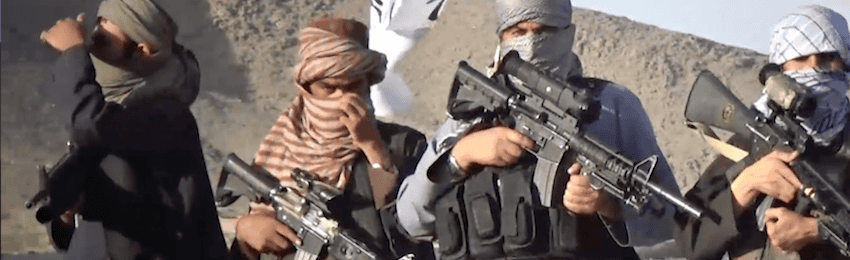
Between 40 and 100 Afghan Army Commandos are reported to have been killed as the Taliban overran Ajristan district in Ghazni province. As the Taliban overran Ajristan, battled for control of Ghazni City, and cut off the Kabul-Kandahar highway, it has demonstrated that it is able to effectively hit multiple locations at the same time.
-
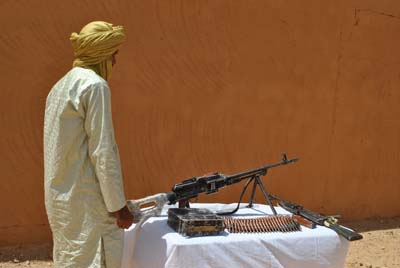
Veteran Malian jihadist surrenders to Algeria
Sultan Ould Bady, a veteran jihadist within various al Qaeda groups in Mali and later the Islamic State in the Greater Sahara, turned himself in to the Algerian military yesterday.
-
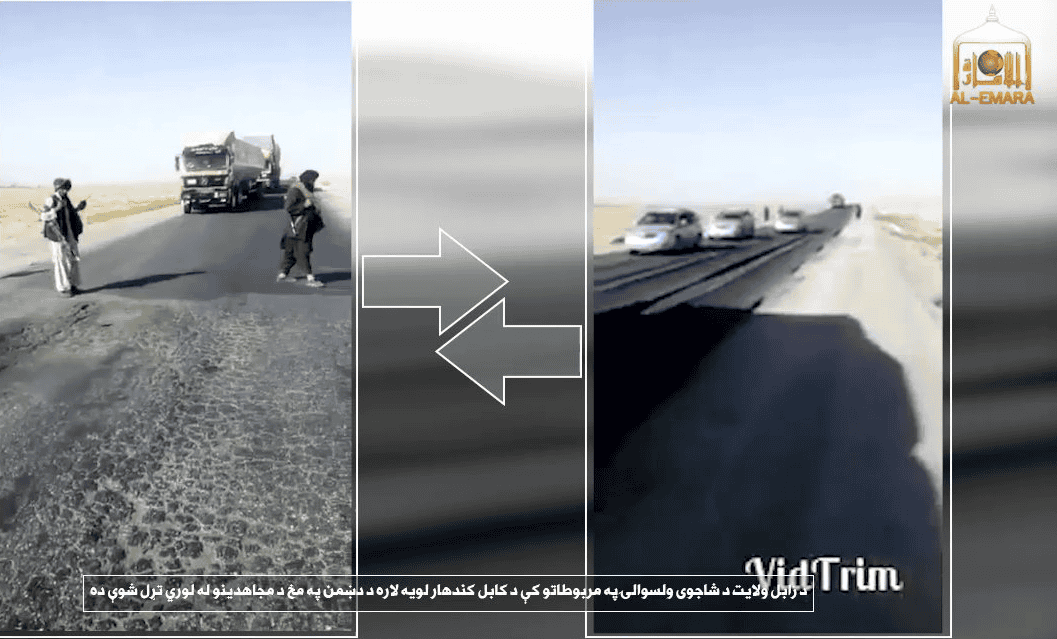
Ghazni City remains under assault, despite RS assurances
Resolute Support initially described the attack on Ghazni City as a “failed attempt” that would be used by the press to generate sensational headlines. Two days later, Afghan forces are still battling entrenched Taliban fighters inside the city, and the vital Kabul-Kandahar remains severed. Battles such as the one in Ghazni, reveal a disturbing pattern of misinformation and deception by Resolute Support when it comes to assessing and reporting on the Taliban’s attacks on major cities as well as its assaults on district centers.
-
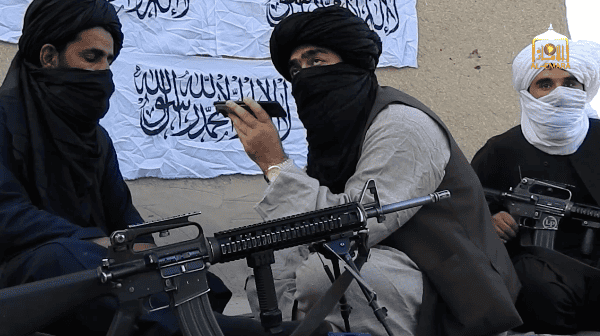
Ghazni City up for grabs after coordinated Taliban assault
Both the Afghan government (and Resolute Support) and the Taliban claim they control the city. The Afghan government and Resolute Support have proven unreliable in the past when it denied that the Taliban twice took control of Kunduz City, as well as Farah City earlier this year.
-
Did IRGC commander say Houthis were ordered to strike tankers?
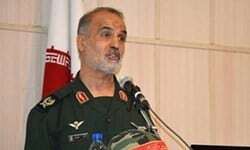
An Islamic Revolutionary Guard Corps (IRGC) commander confirmed for the first time that the Yemeni Ansar Allah (Houthis) struck targets following the IRGC’s order. The IRGC spokesman scrambled to deny the statements.
-
Shabaab claims deadly IED blast in Kenya
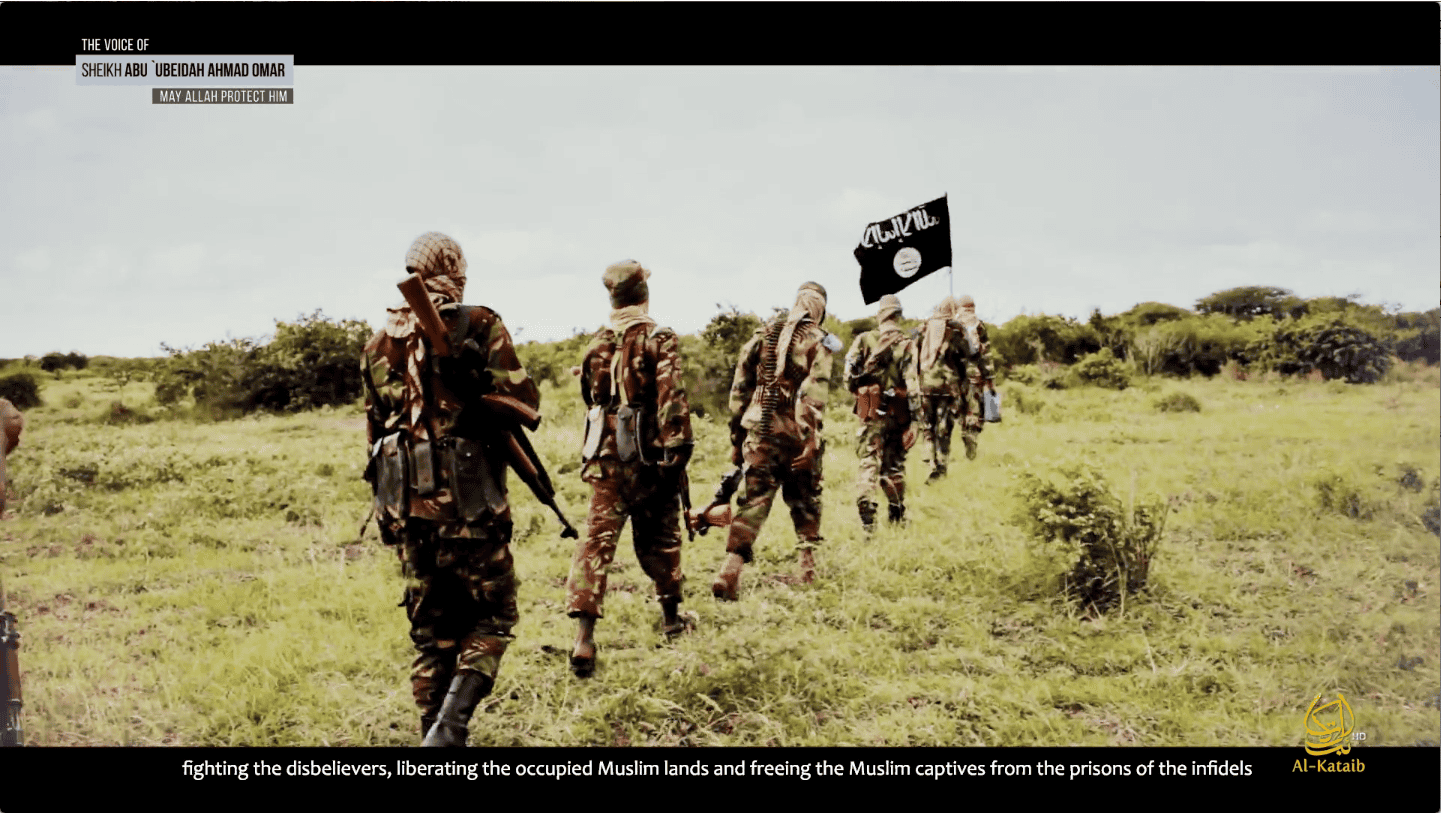
Shabaab continues to claim deadly attacks on Kenyan Defense Forces inside Kenya despite military operations against it.
-
Afghan forces target al Qaeda commanders in Helmand and Nangarhar
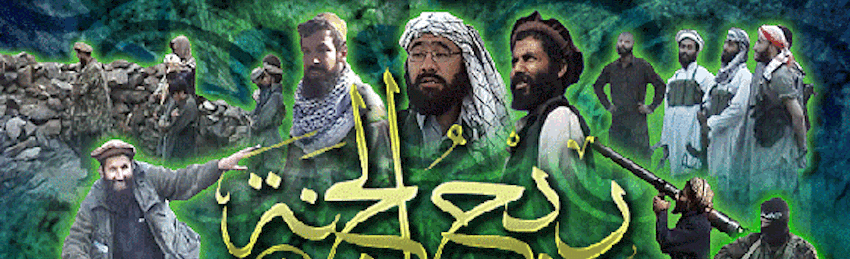
The raids in Helmand and Nangarhar indicate that al Qaeda’s leaders are not focused on its survival. Al Mesri was focused on manufacturing IEDs to support the Taliban’s insurgency in Helmand, while Rahmatullah and his cohorts were operating in Nangarhar’s provincial capital.
-
Taliban suicide bomber kills 3 Czech soldiers
The Taliban remains active in Parwan, where it contested five of the provinces 10 districts. One American and two Afghan soldiers were also wounded in the suicide attack.
-
Foreign Islamic State fighters captured by Taliban in Jawzjan
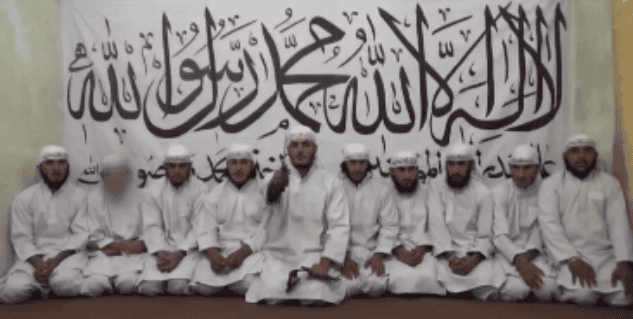
The video, which purports to show several foreign Islamic State militants surrendering to the Taliban, allows for a more detailed look at the composition of the group in northern Afghanistan.

-
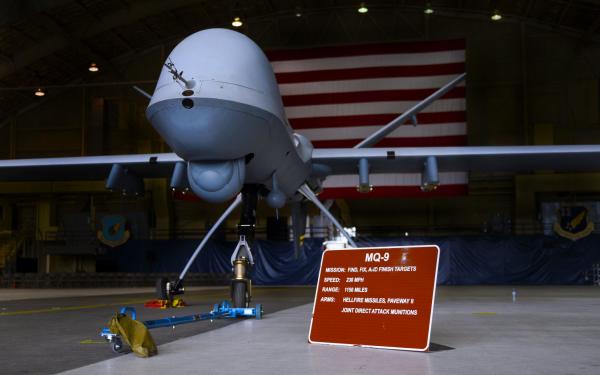
US airstrike hits Shabaab north of Mogadishu
AFRICOM noted that Shabaab, which is al Qaeda’s branch in East Africa, continues to maintain “training camps” and “safe havens throughout Somalia and the region.”
-
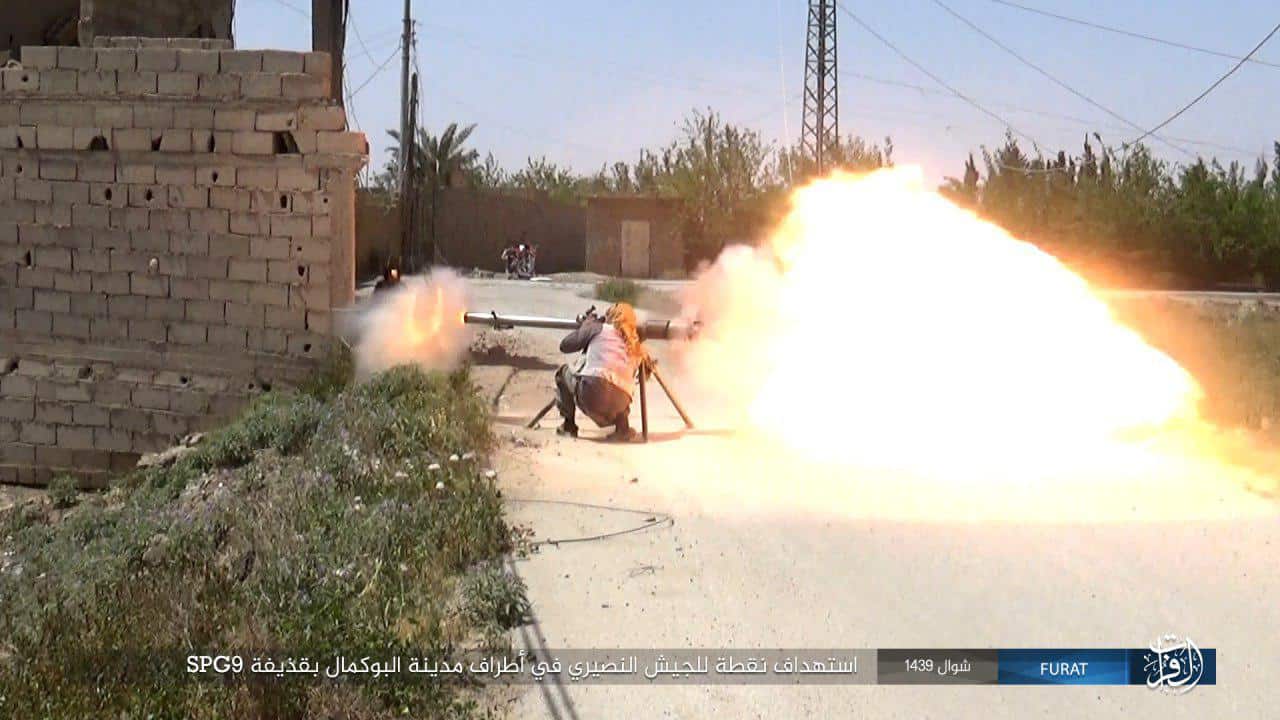
US has launched over 500 strikes against the Islamic State since May
The majority of coalition strikes over the past three months have been concentrated in Abu Kamal, a critical border crossing on the southern border between Iraq and Syria.
-
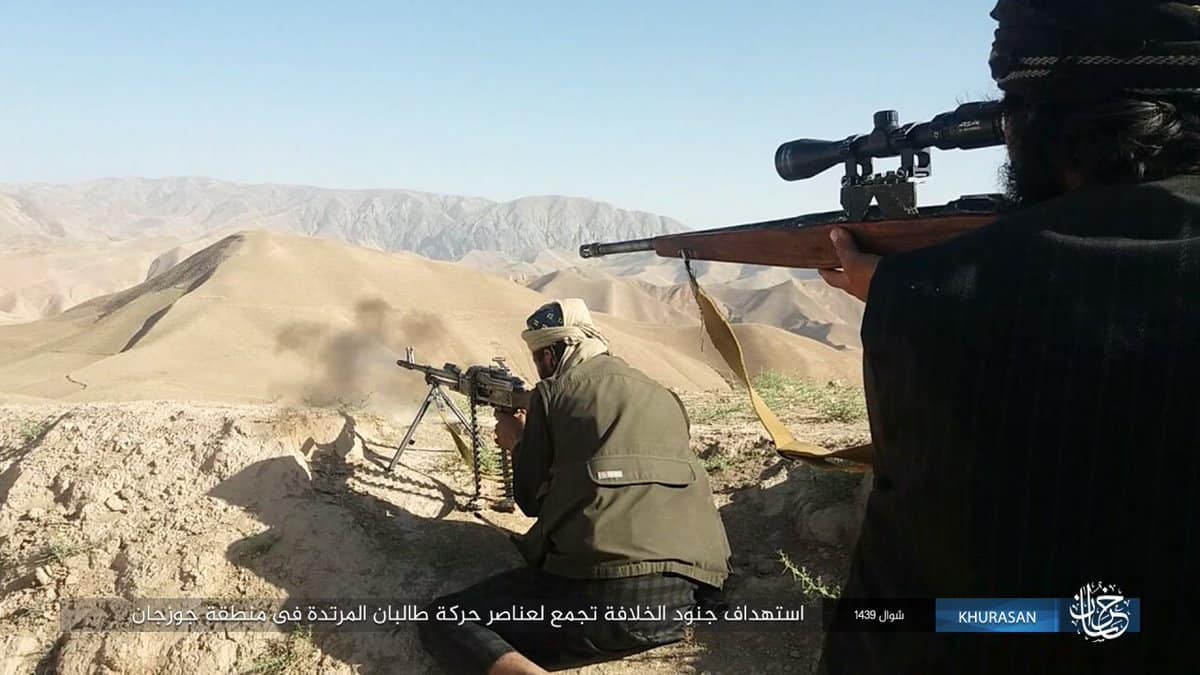
Taliban says Islamic State has been ‘completely defeated’ in Jawzjan
The complex Taliban operation that was designed to eject the Islamic State from Jawzjan highlights the Taliban’s ability to coordinate and mass for attacks in the Afghan north. However it is unlikely that the Islamic State has been “completely defeated” in the north.
-
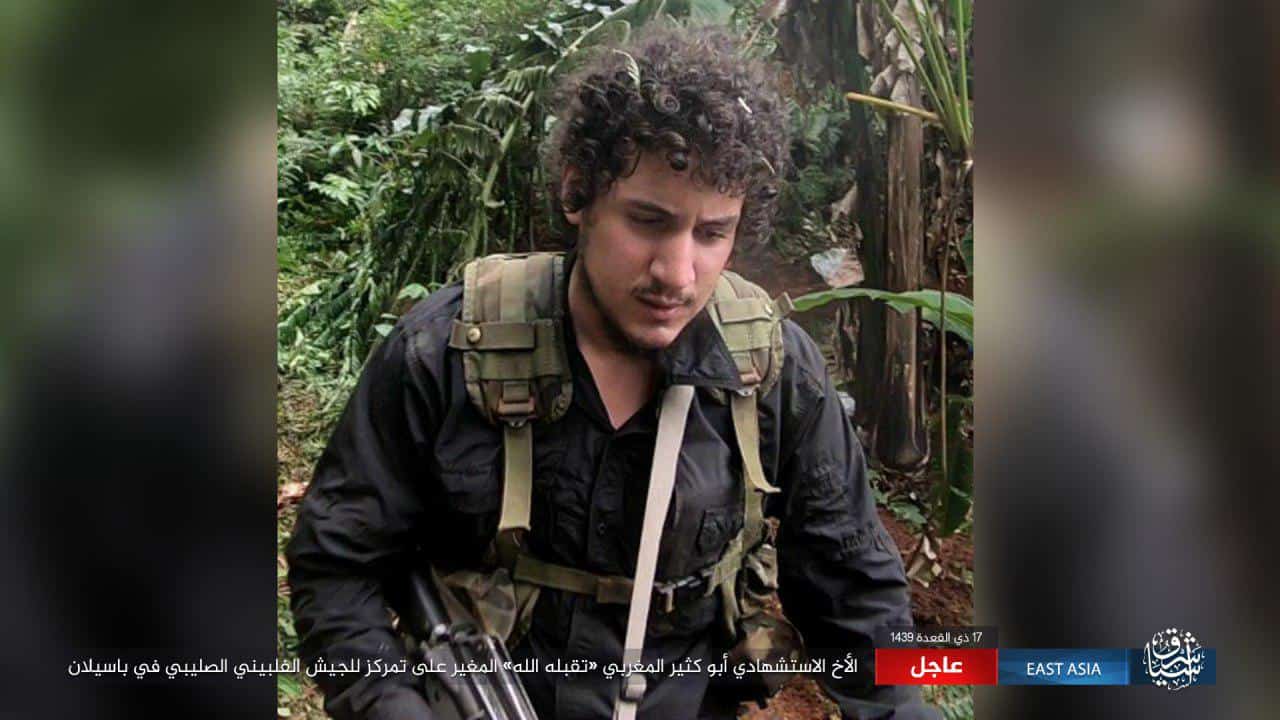
Islamic State claims foreign fighter bombed military checkpoint in the Philippines
The Islamic State has claimed responsibility for a suicide bombing at a military checkpoint in the Philippines earlier today. The bomber was identified as a foreign fighter known as Abu Kathir al-Maghrebi.
-
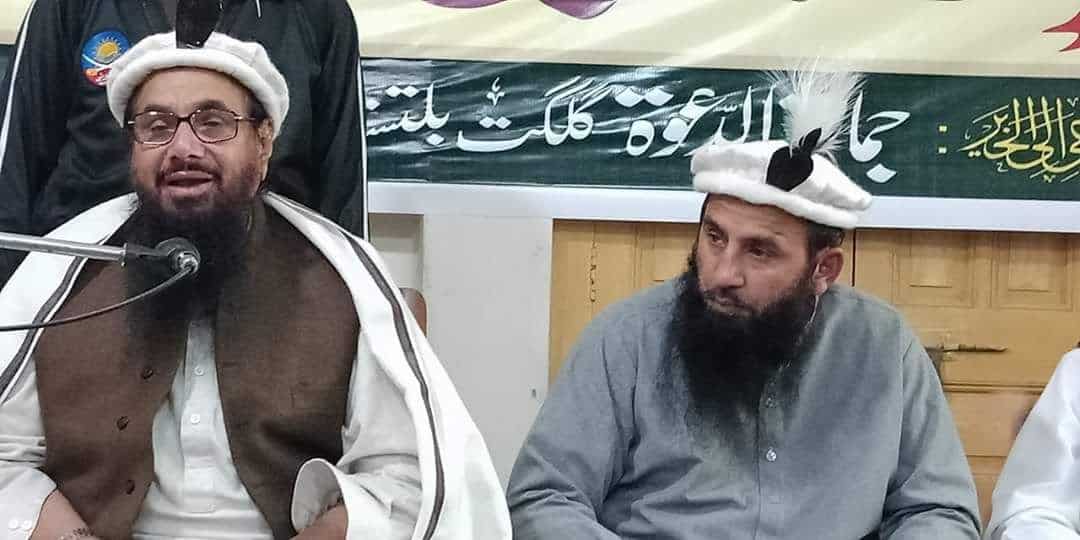
US designates 3 members of Lashkar-e-Tayyiba as terrorists
The US Treasury and State Departments designated three members of Lashkar-e-Tayyiba as terrorists today. One of them was captured in Iraq in 2004 and held for a decade before he was transferred to Pakistan and released. Another has raised funds to send to Syria.
-
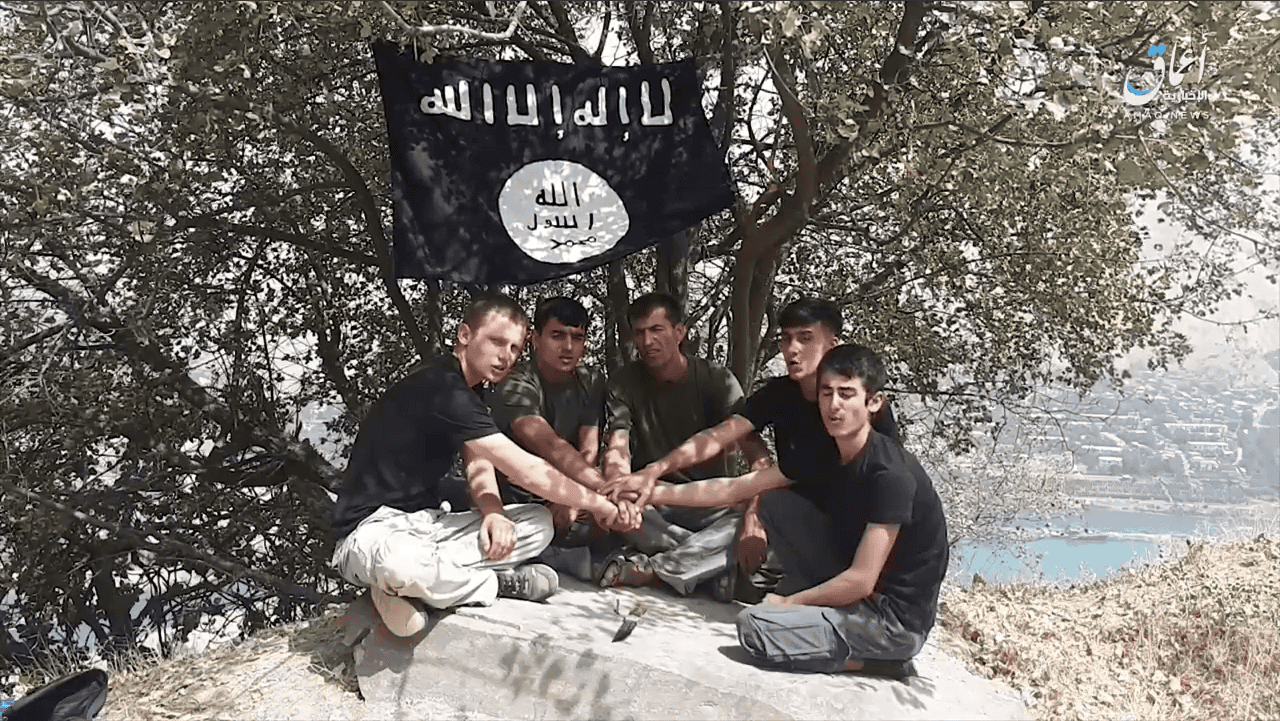
Assailants in Tajikistan swore allegiance to Baghdadi before attack
The Islamic State’s Amaq News Agency has released a short video allegedly showing five young jihadists swearing allegiance to Abu Bakr al-Baghdadi before they attacked cyclists in Tajikistan. The video is similar to a number of others released after small-scale attacks since mid-2016.
-
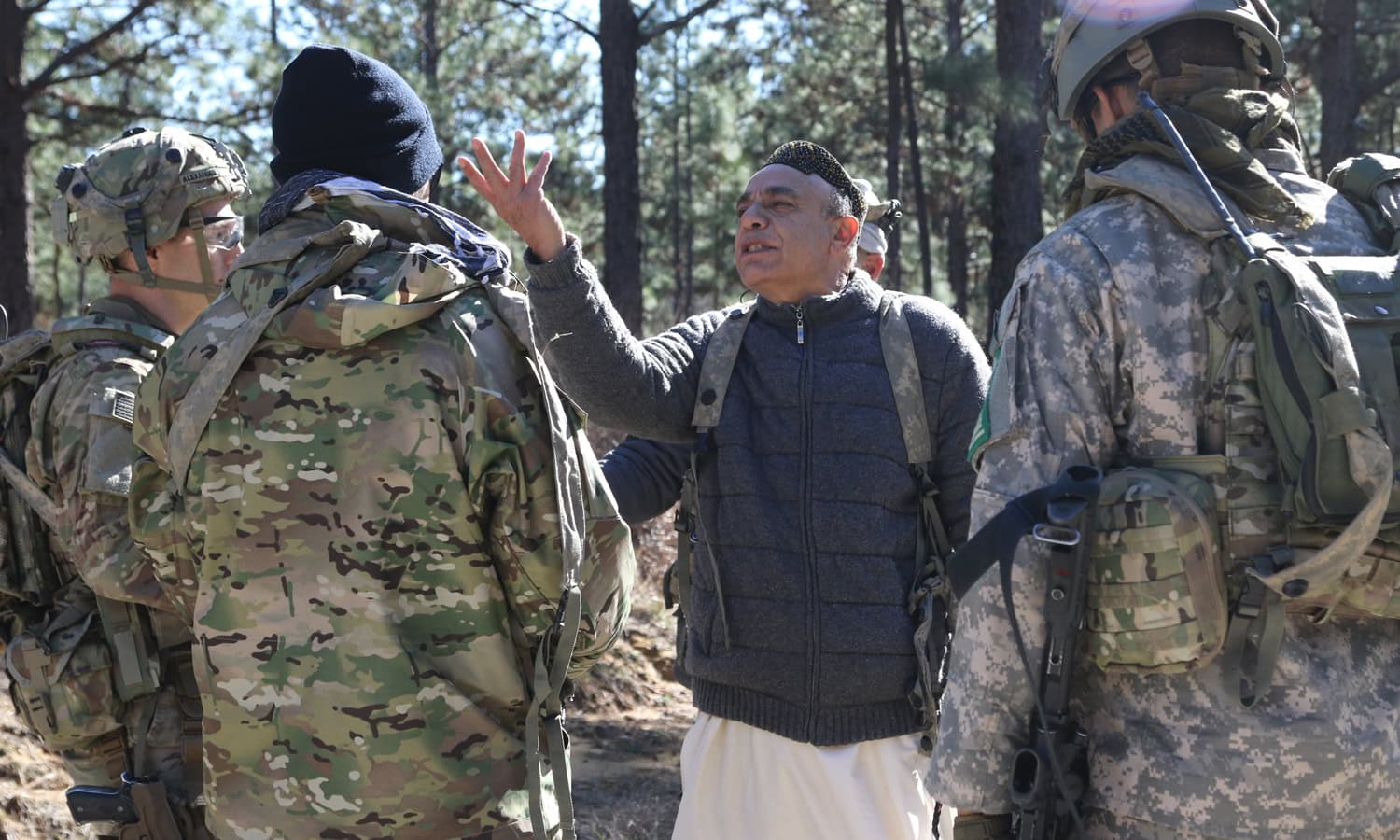
Resolute Support invents new terms to obfuscate Taliban control
Resolute Support continues to invent new terminology to obfuscate the extent of Taliban control in Afghanistan.
-
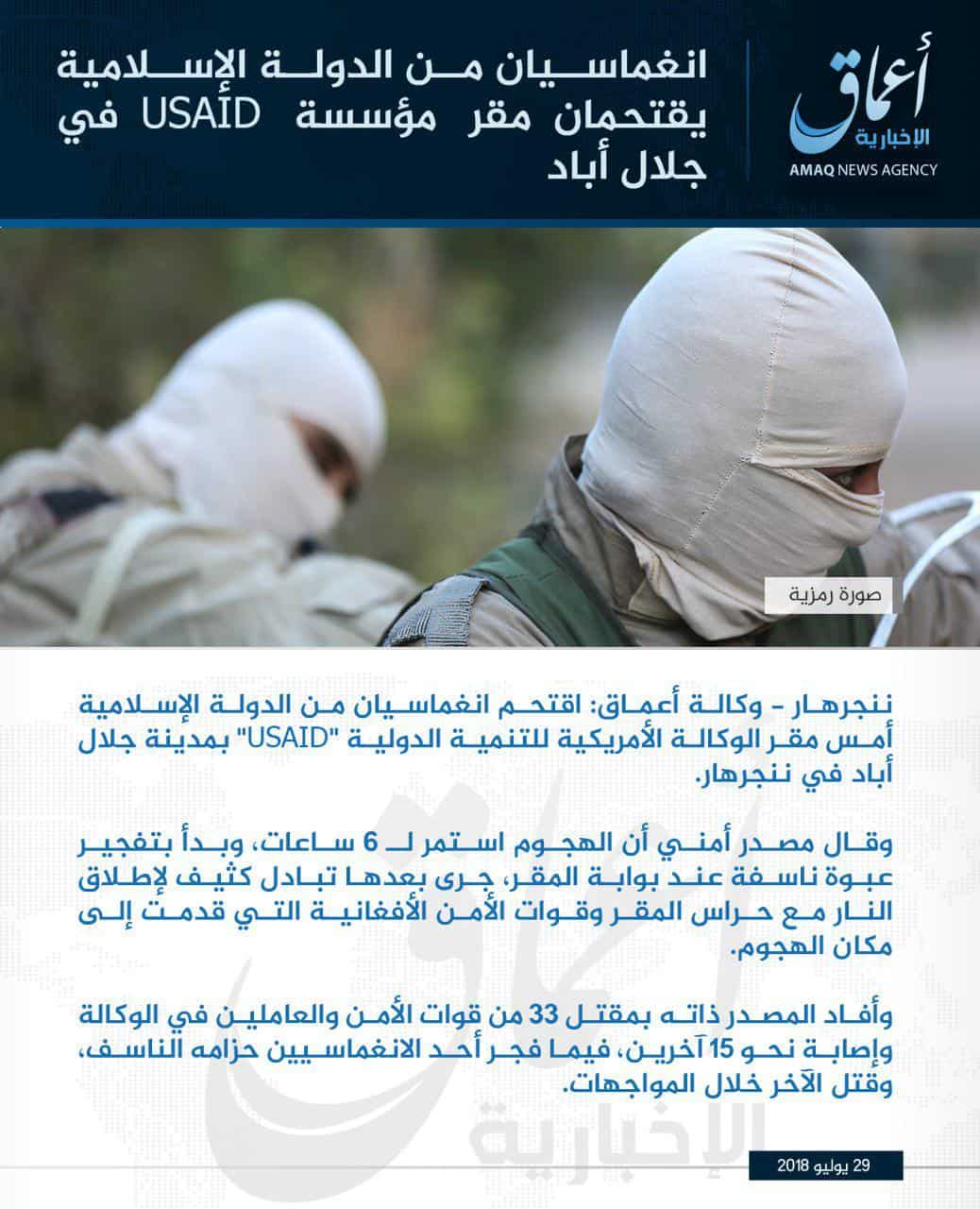
Raid on Afghan school for midwives ended after several hours
The Islamic State has claimed responsibility for an attack on a school for midwives in Jalalabad, Afghanistan yesterday, saying the target was a headquarters for USAID. Despite a focused, US-led counterterrorism campaign against Wilayah Khorasan in Nangarhar, the group retains an operational footprint in eastern Afghanistan.
-
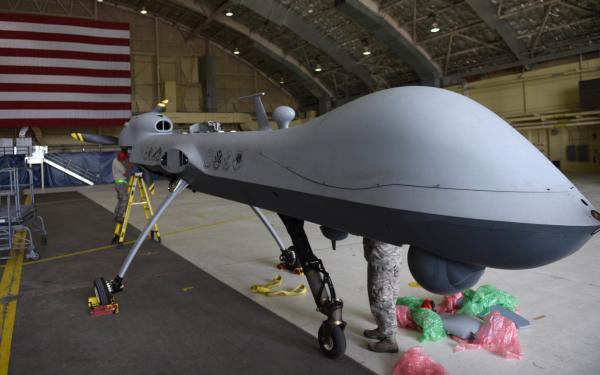
US Counterterrorism strikes: Tempo remains high in Somalia and Yemen, transparency improves
In 2017, LWJ reported unprecedented levels of airstrikes in Somalia and Yemen. Thus far in 2018, the United States has sustained its high strike tempo in Somalia and improved transparency on its air campaign in Yemen. Strikes in Pakistan have leveled off, however press restrictions make tracking operations there difficult. In Libya, the U.S. has targeted jihadists sparingly.
-
Taliban suicide bomber attacks Afghan intel officers in Kabul
The NDS unit that was hit is reportedly responsible for targeting Taliban units that operate in the contested provinces of Logar and Wardak, just south of Kabul.