-
Pentagon spokesperson doubles down on ‘desperate’ Taliban comment
Dana White also denied the Taliban has the initiative and touted the fact that all six Afghan Army corps are now on the offensive as a sign of success. Except all six army corps have been on the offensive since last fall, and security has continued to deteriorate.

-
Afghan military identifies 7 provincial capitals ‘under pressure’
The Ministry of Defense identified six of the seven provincial centers that are threatened by the Taliban as Farah City, Faizabad in Badakhshan, Tarin Kot in Uruzgan, Kunduz City, Maimana in Faryab, and Pul-i-Khumri in Baghlan. The seventh city is likely Ghazni City or Lashkar Gah.
-
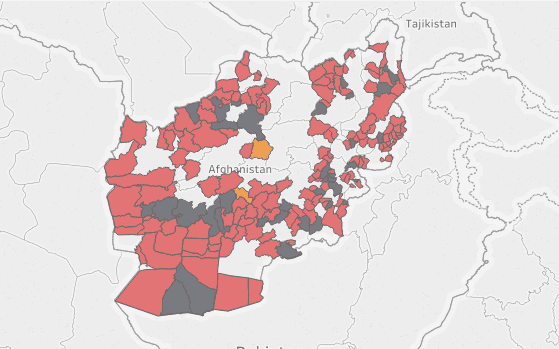
Taliban’s 2018 offensive encompasses all regions of Afghanistan
The Taliban appears to maintain the initiative throughout Afghanistan, while the Afghan military is forced to react to Taliban offensives, such as the latest incursion into Farah City.
-
State adds Islamic State in the Greater Sahara to terrorist list
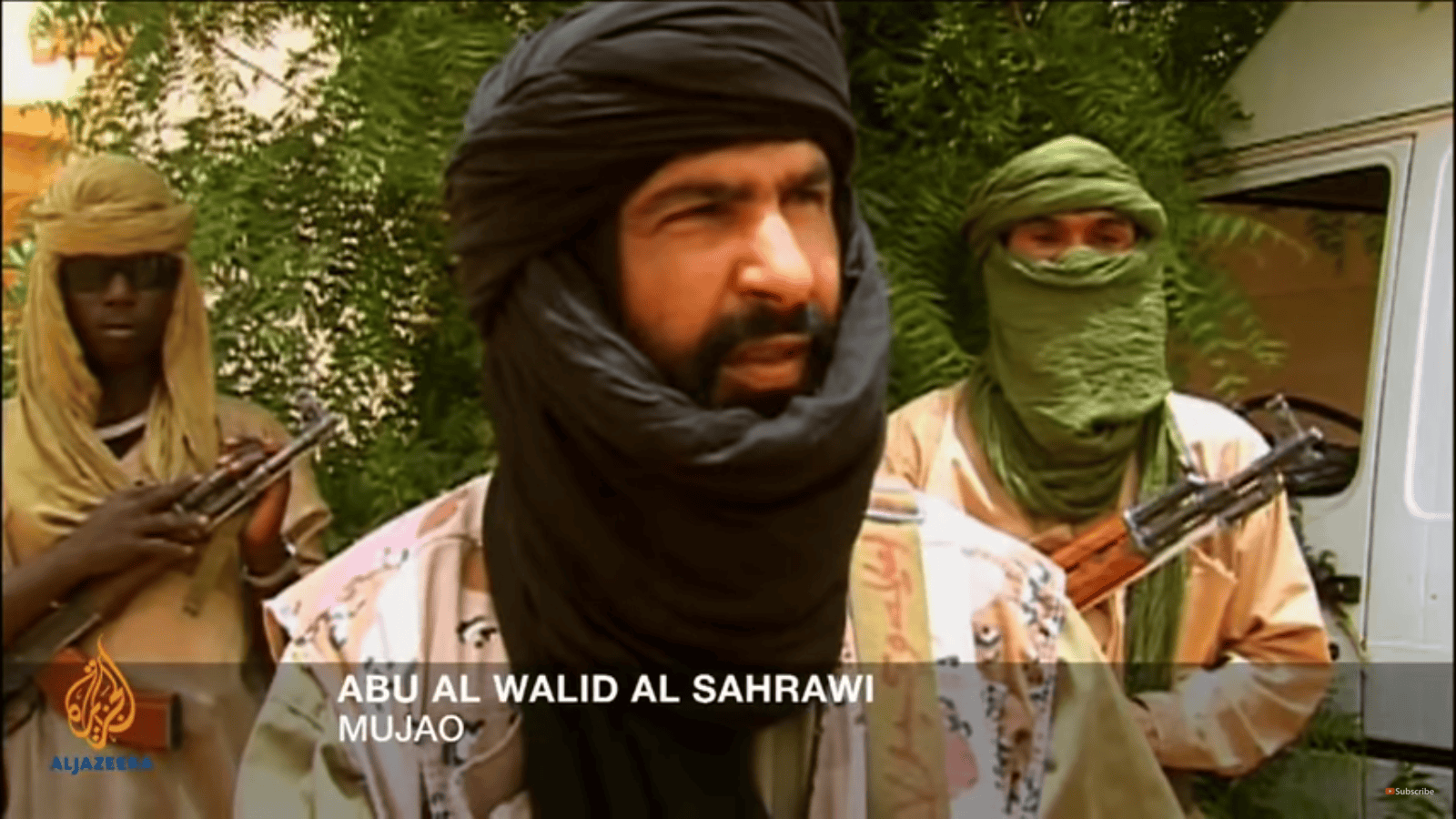
Months after killing four US Special Forces soldiers, the Islamic State in the Greater Sahara has been designated as a terrorist group by the US government. Its leader, Abu Walid al Sahrawi, was also designated today.
-
Taliban claims it seizes 2 Afghan districts
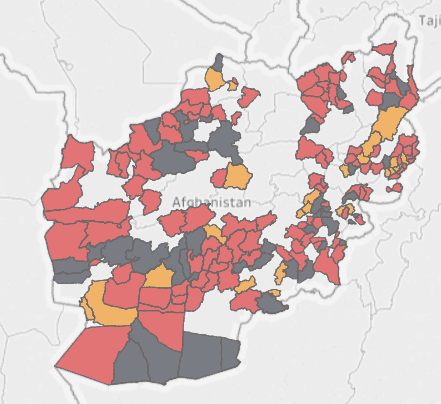
Taliban claimed it took control of two districts, one in Badghis province and another in Ghazni. The Taliban has overrun five districts since it announced the beginning of its 2018 offensive.
-
US military kills ‘dual-hatted’ AQIS leader in eastern Afghanistan
Hazrat Abbas served as a leader for both al Qaeda in the Indian Subcontinent and the Movement of the Taliban in Pakistan. AQIS was formed to unite disparate jihadist factions to fight under the banner of the Afghan Taliban.
-
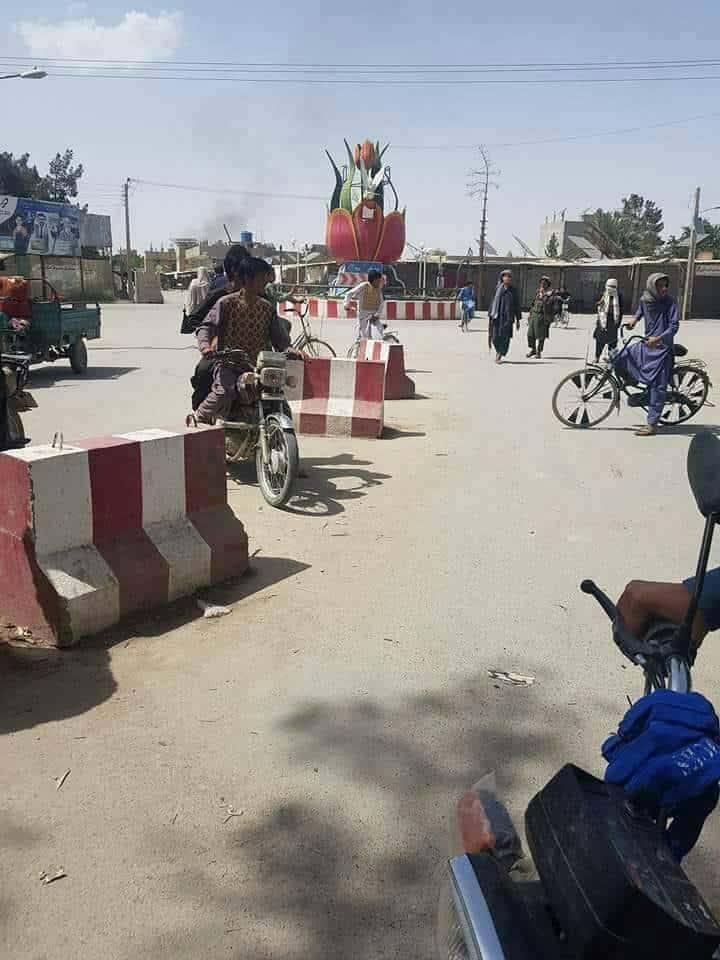
As Taliban enters Farah City, Resolute Support wrongly claims Afghan government is in control
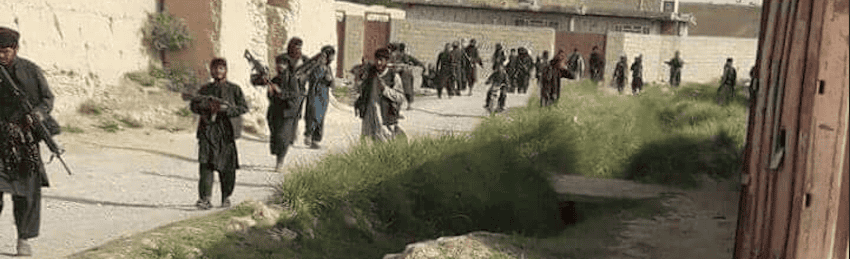
Video evidence emerging from the city shows Taliban fighters patrolling areas of the city, seizing weapons, and in control of government buildings.
-
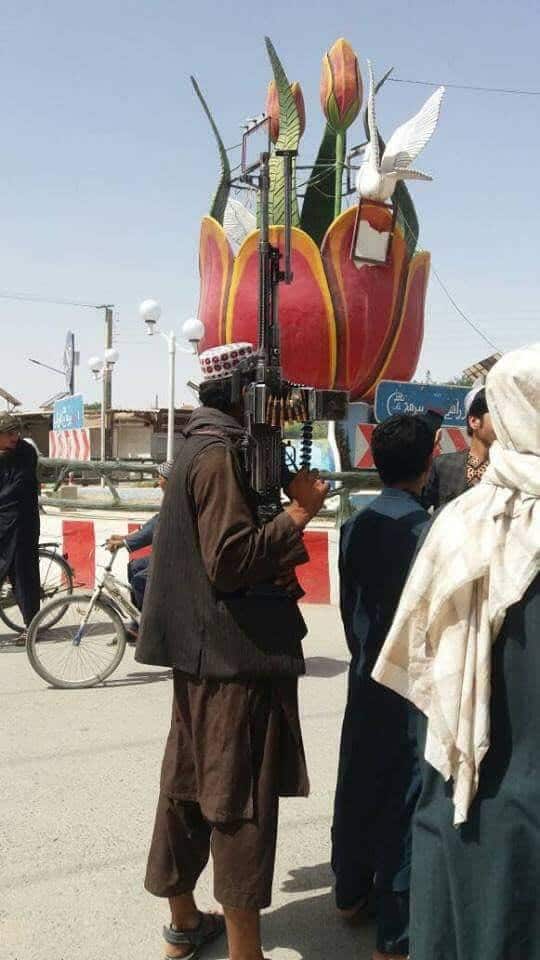
Taliban launches coordinated assault on Farah City
The assault on Farah City should put to rest claims by the US military that the Taliban is desperate and losing ground in Afghanistan. Farah has been under threat for months.
-
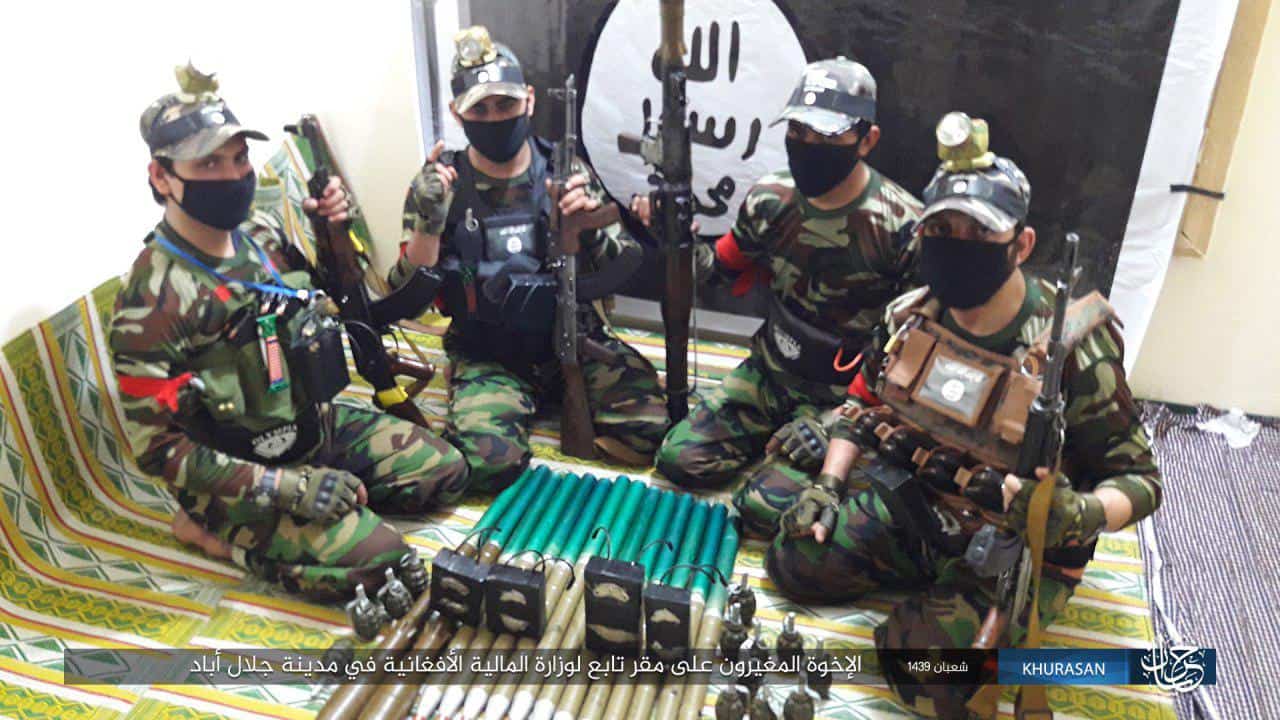
Islamic State suicide team strikes tax office in Jalalabad
At least nine people were killed and more than 30 more were wounded in the latest attack by the Islamic State’s branch in Afghanistan.
-
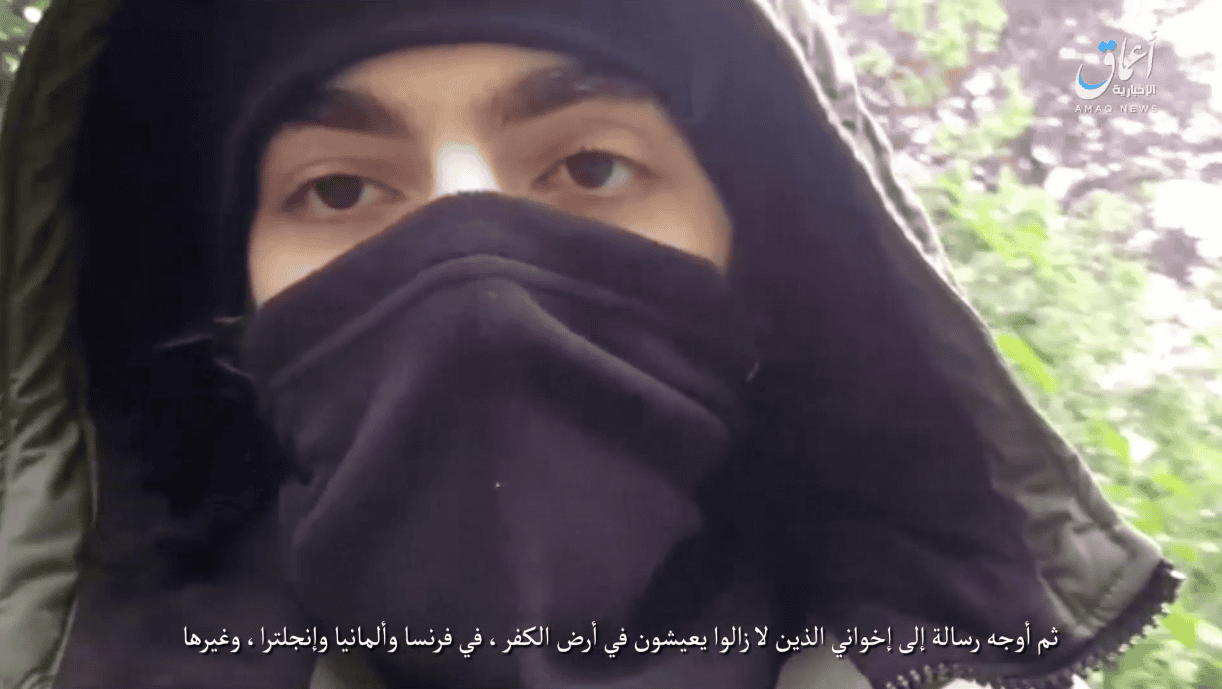
Paris knife terrorist swore allegiance to ISIS leader before attack
The Islamic State’s Amaq News Agency has released a video purportedly showing the young man who attacked several people with a knife in Paris yesterday. FDD’s Long War Journal cannot independently verify that the person shown was responsible for the knife attacks. However, the footage is similar to previous videos released by Amaq after a series of small-scale attacks in Europe since mid-2016.
-
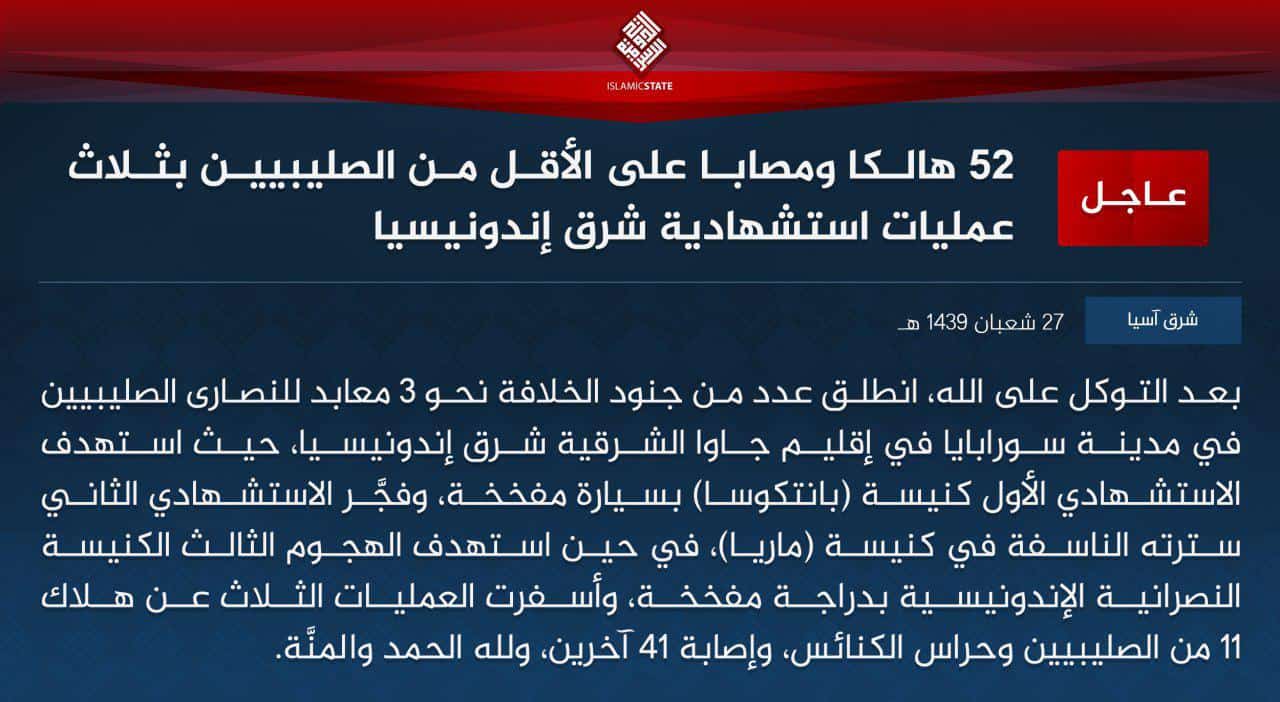
Authorities say ISIS-linked family conducted suicide bombings at Indonesian churches
According to authorities, an ISIS-linked family carried out suicide bombings at three churches in the Indonesian city of Surabaya earlier today. The bombings came just days after other ISIS-affiliated militants conducted a prison riot south of Jakarta. ISIS has long targeted Christians, among many others. The group previously ruled that suicide attacks aimed at churches were an acceptable way to attain “closeness to Allah.”
-
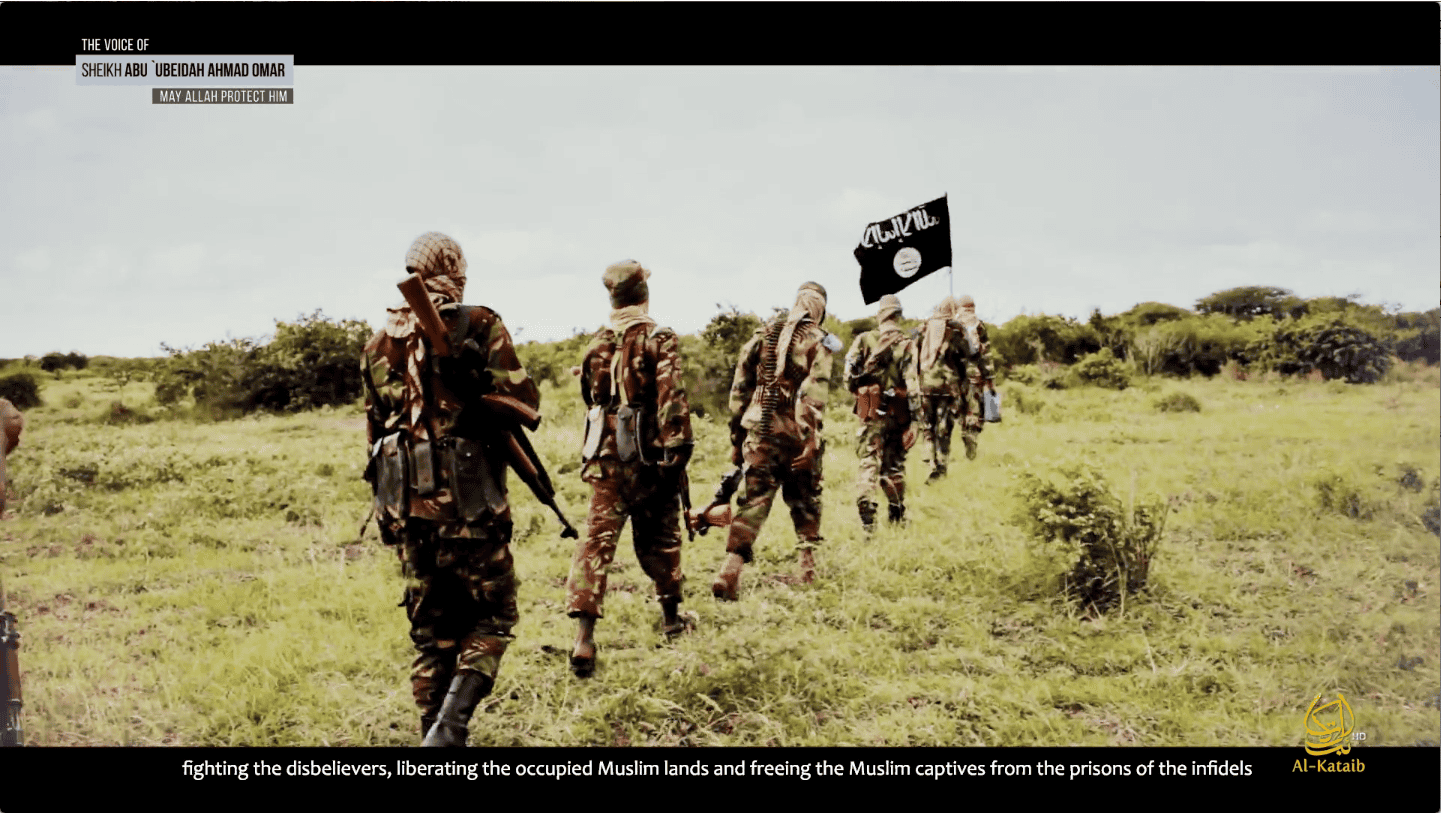
Analysis: Shabaab advertises its al Qaeda allegiance
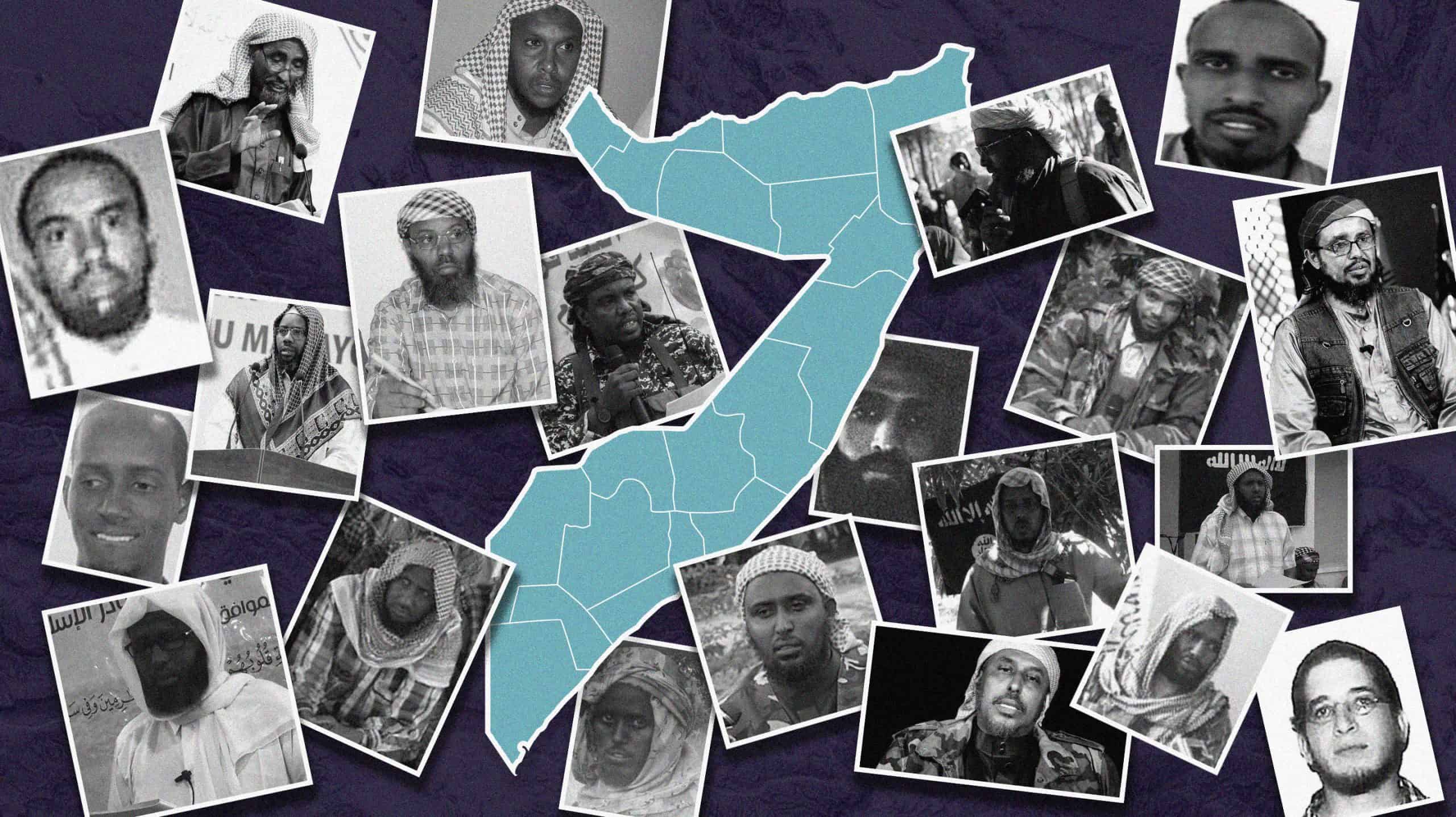
Since late April, Shabaab has released a series of videos emphasizing its place in al Qaeda’s global network. Two of the videos were recorded by the group’s emir, Abu Ubaydah Ahmad Umar, a normally reclusive figure. Abu Ubaydah refers to the Taliban’s emir as the “Commander of the Faithful” and Ayman al Zawahiri as the “father-emir” while addressing the mujahideen in Syria and Yemen.

-
Somali markets targeted in Shabaab explosions
Two busy markets in southern Somalia were targeted by deadly explosions this week, which left at least 14 people dead and many others wounded.
-
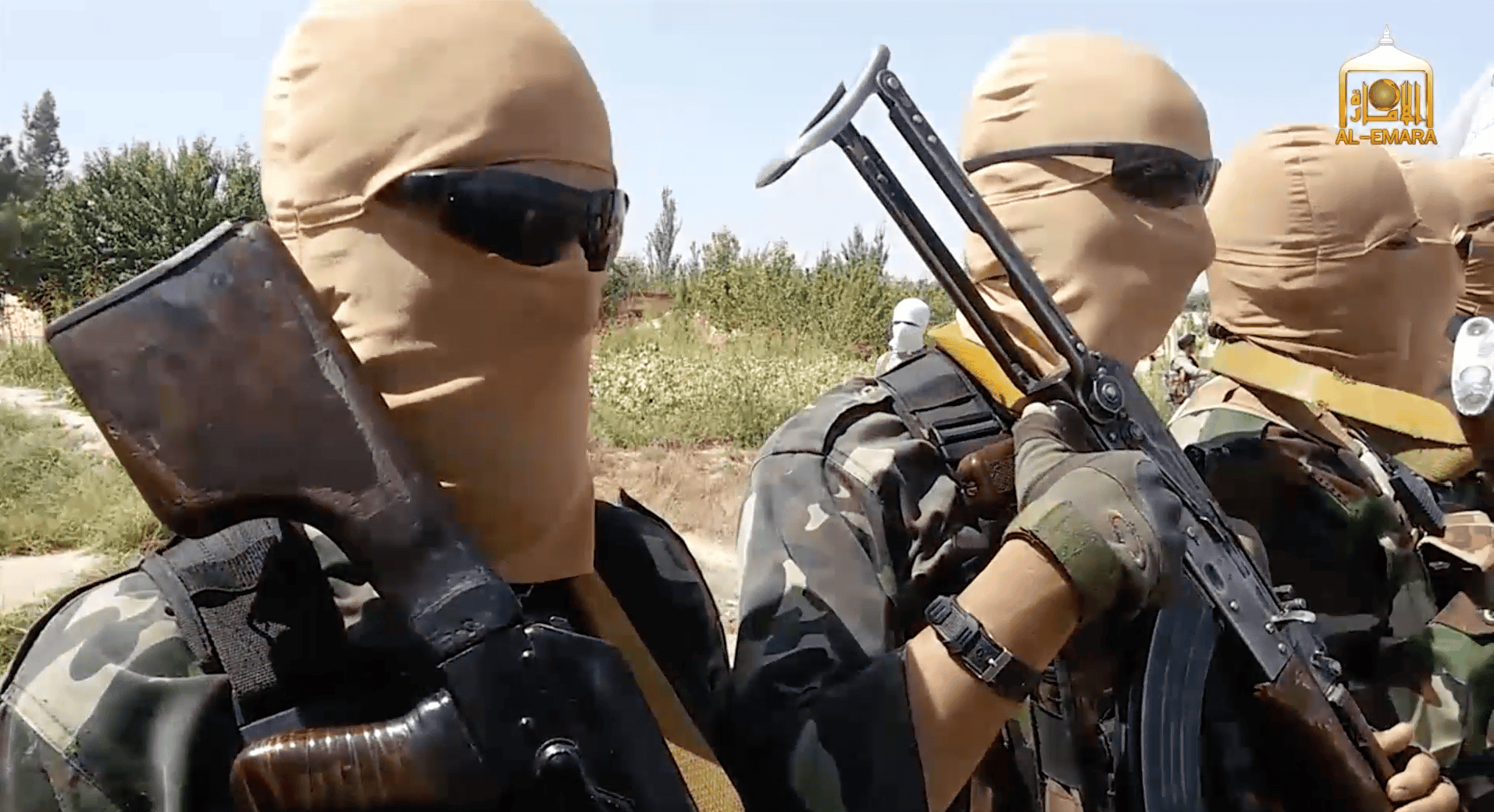
Taliban storms police bases in western Afghanistan
At least 42 Afghan police and soldiers were killed during Taliban attacks in the troubled district of Bala Buluk in Farah province. Security in Farah remains tenuous.
-
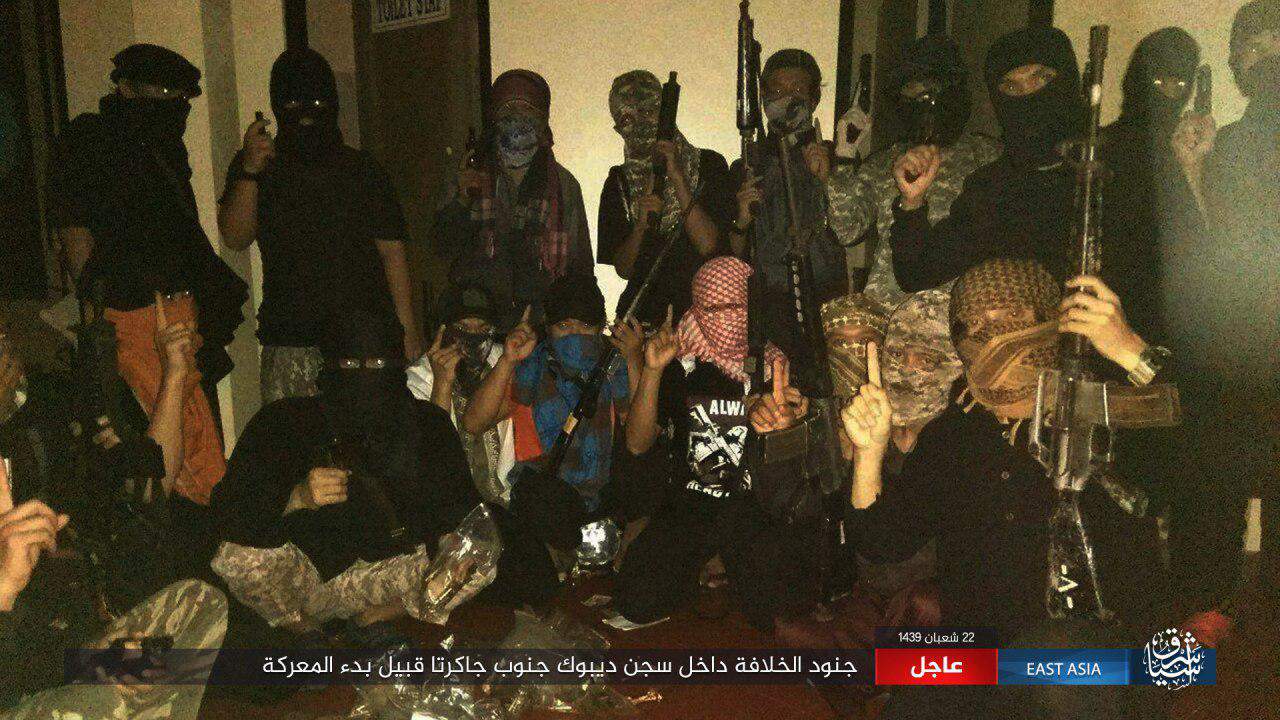
ISIS claims its ‘soldiers’ are responsible for prison riot in Indonesia
The Islamic State claims that its “soldiers” were responsible for a prison riot south of Jakarta, Indonesia yesterday. A police spokesman was quick to dismiss the group’s statements, images and a video purportedly shot at the scene. Instead, he blamed the clash on a fight over food.
-
Analysis: Islamic State ramps up attack claims in Somalia
The Islamic State has claimed several attacks inside Somalia in the past month, further outpacing the past two years in claimed attacks in the country. While the Islamic State has had a difficult time establishing a foothold inside the country, its claimed operations paints a picture of its areas of operation and types of operations it conducts.
-
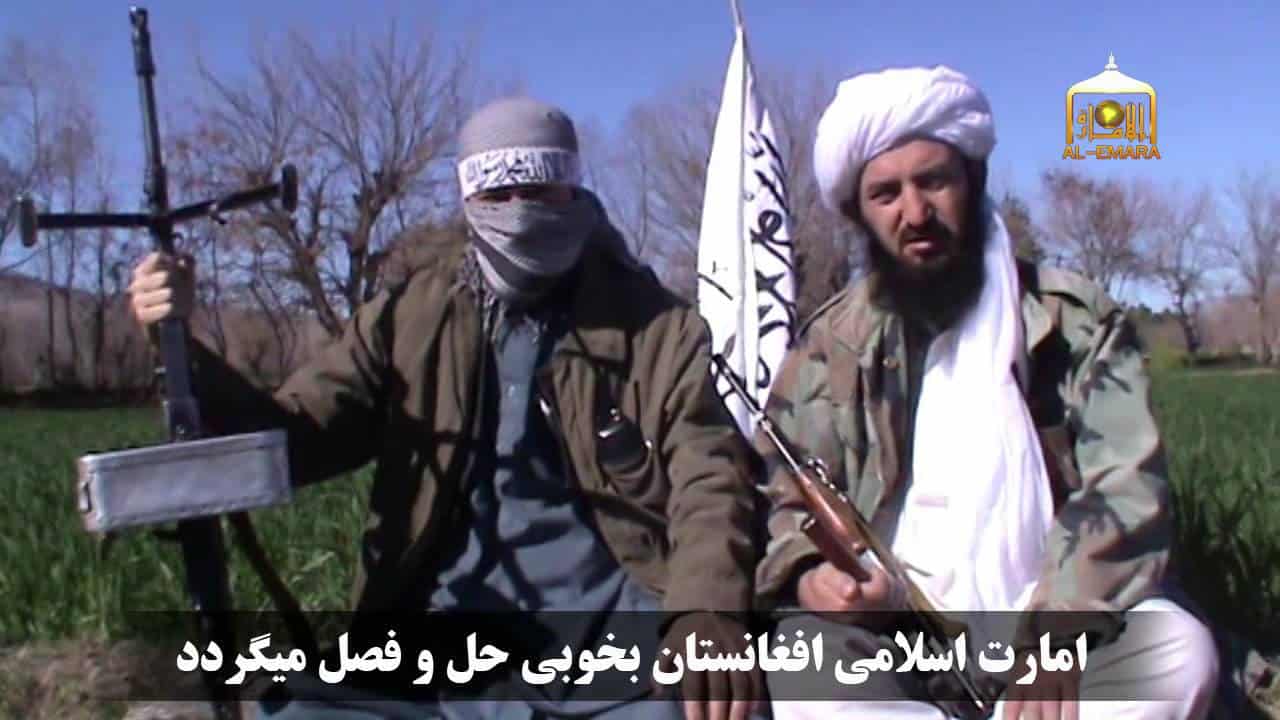
Taliban activity in Ghazni City highlights deteriorating security in Afghanistan
Resolute Support has classified the the capital of Ghazni province as government control, yet it is clearly contested, and has been for some time. In Ghazni city, the Taliban collects taxes, dispenses justice, kills security personnel, and lives openly in one neighborhood.
-
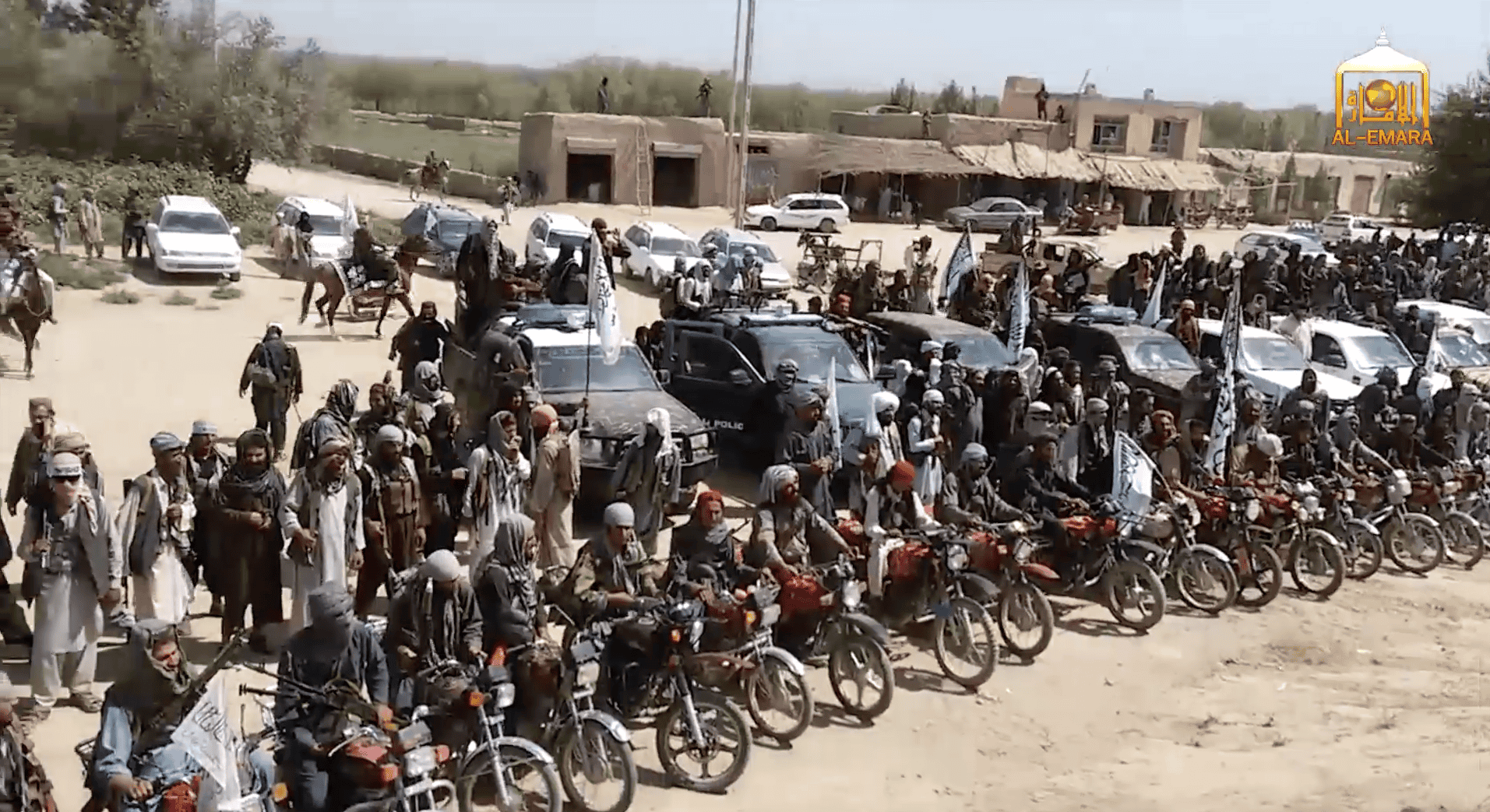
Taliban overruns another district in the Afghan north
The Taliban overran the district of Tala Wa Barfak in the northern Afghan provinces of Baghlan. Two others have been seized by the Taliban in the past two weeks.
-
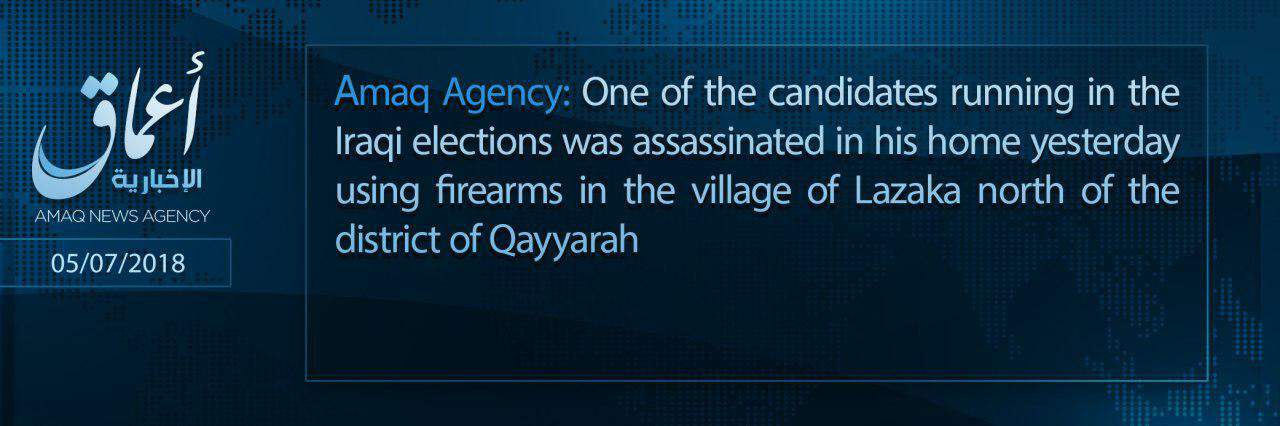
ISIS targets elections in Afghanistan, Iraq and Libya
Since late April, the Islamic State has claimed a string of operations targeting elections in Afghanistan, Iraq and Libya. The group’s spokesman, Abu al-Hasan al-Muhajir, threatened Iraq’s upcoming election on May 12 and the jihadists are carrying out operations accordingly.
-
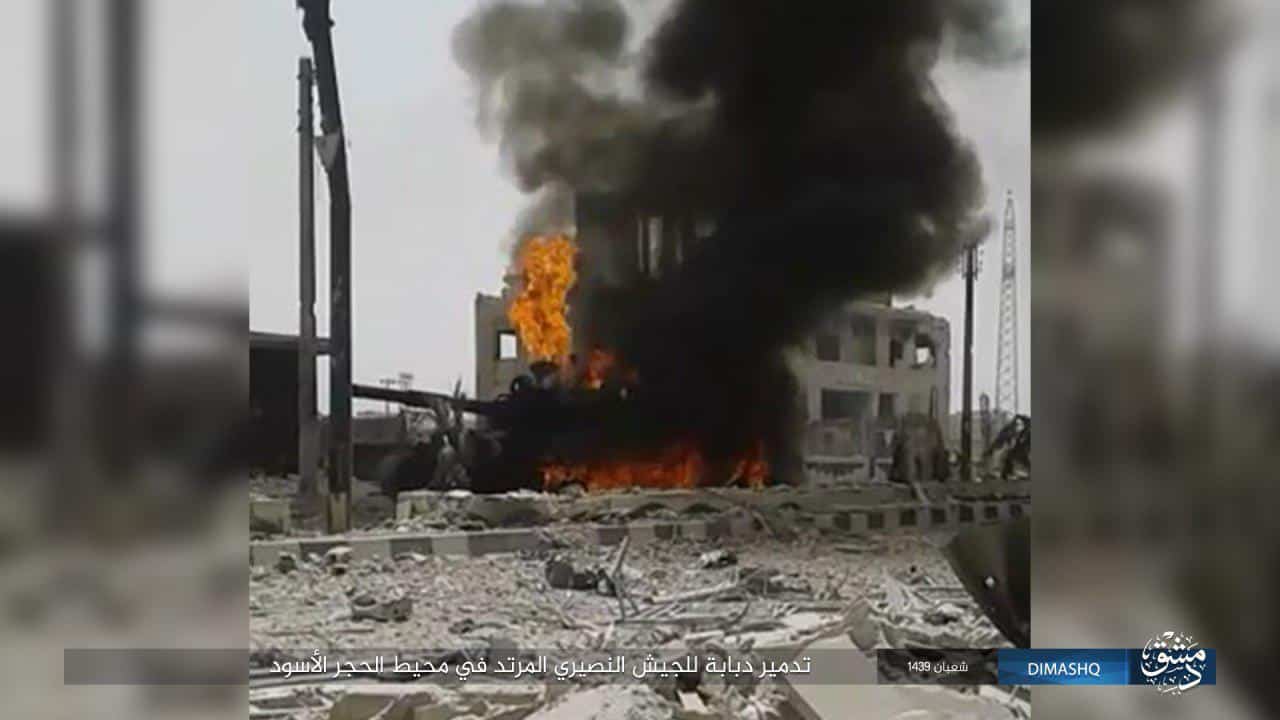
Islamic State continues to battle Assad regime, allies
Since mid-April, the Islamic State and the Assad regime have been engaged in an intense battle in the southern neighborhoods of Damascus. ISIS claims to have killed or wounded hundreds of Assad’s soldiers, but its figures cannot be independently verified. Meanwhile, the so-called caliphate continues to fight the Syrian government and its allies in other areas as well, including in eastern Syria.
-
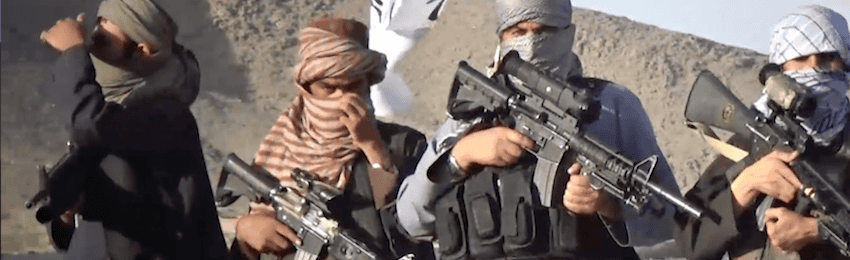
‘Desperate’ Taliban ‘has lost ground,’ Pentagon spokesperson wrongly claims
The Taliban is neither “desperate” nor is it “losing ground” in Afghanistan. Pollyanish press briefings cannot paper over the fact that things are currently not going well.
-
Afghan forces recapture northern district from Taliban
Afghan forces recaptured Kohistan district in the remote northern province of Badakhshan two days after it fell to the Taliban.
-
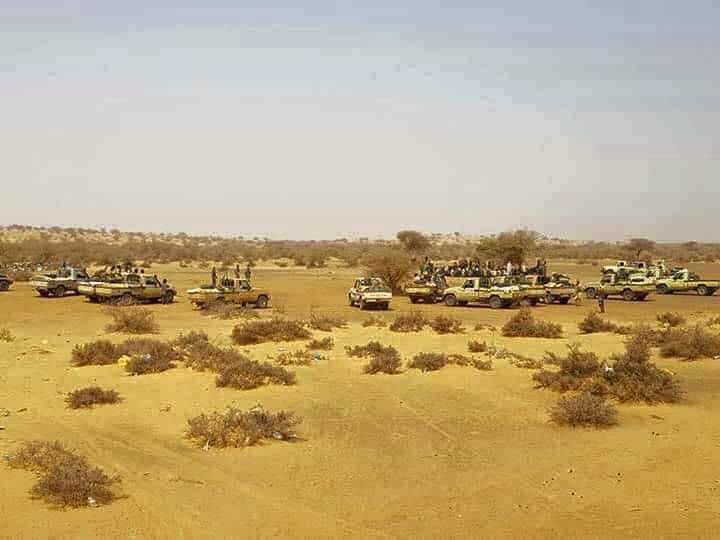
Analysis: Conflict within a conflict in Mali’s northern Menaka region
Intercommunal eye for an eye killings have been increasing in the past week with dozens of Tuaregs and Fulani being killed on both sides of the Mali-Niger border. The massacres come in the backdrop of ongoing counterterrorism operations against the Islamic State in the Greater Sahara.
-
Taliban overruns district center in northeastern Afghanistan
The Taliban overran the district of Kohistan in the remote northeastern province of Badakhshan last evening after laying siege to it for several days.
-
Hezbollah chief’s censored speech reaffirms group as Tehran’s arm in Lebanon
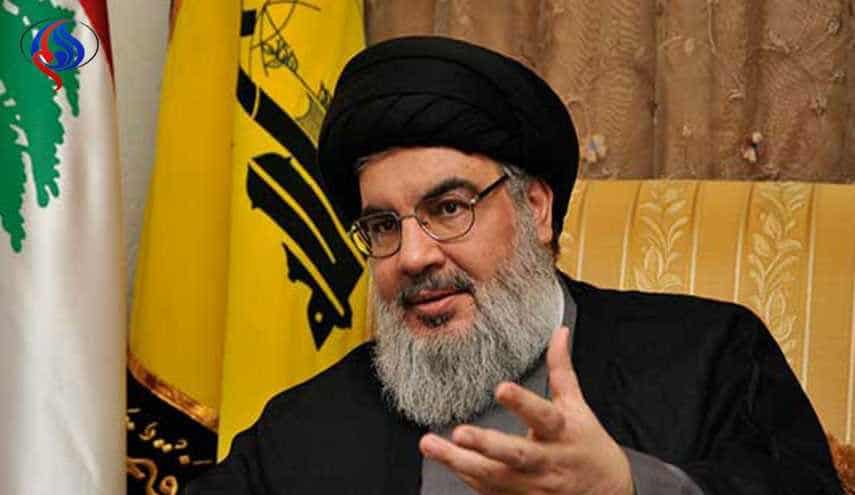
In March, a state-affiliated Iranian media outlets published a speech by Lebanese Hezbollah chief Hassan Nasrallah that it shouldn’t have. The speech, which was quickly retracted, was meant for internal distribution, thus making it a valuable document.
-
Taliban contests 2 new Afghan districts
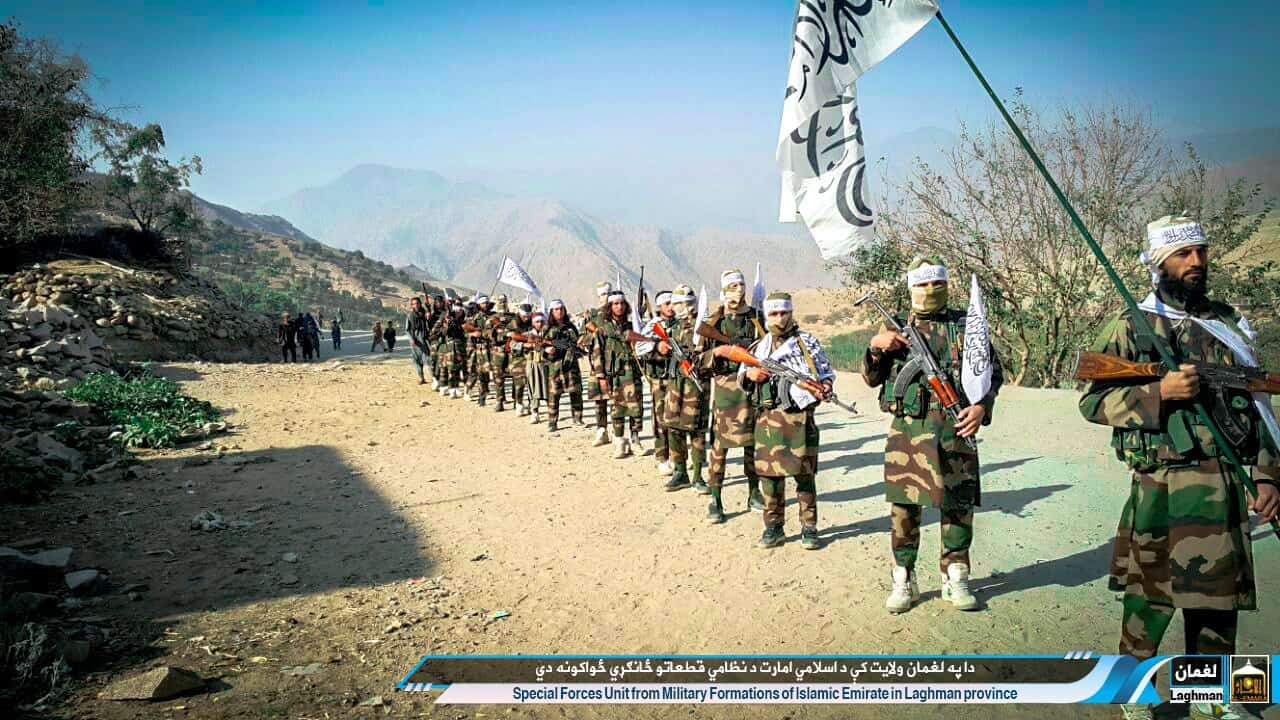
Two districts, one in Paktika and another in Badakhshan, that were previously assessed by Resolute Support as influenced by the government of Afghanistan are now at risk.
-
At least two dozen killed in Nigeria suicide bombings
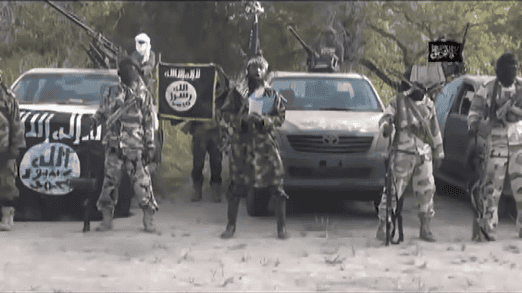
Yesterday’s suicide bombing continues to prove the residual threat of jihadist violence in northeastern Nigeria.
-
Mattis claims Taliban ‘cannot win at the ballot box’
Yet again, senior American officials display a stunning level of ignorance about the Islamic State and the Taliban. Elections are antithetical to jihadists’ belief of religious rule.
-
Taliban control of Afghan districts remains unchanged despite increased US military pressure
The Taliban continue to maintain its grip on half of Afghanistan despite US military’s reinvigorated effort to force the group from its strongholds.