-
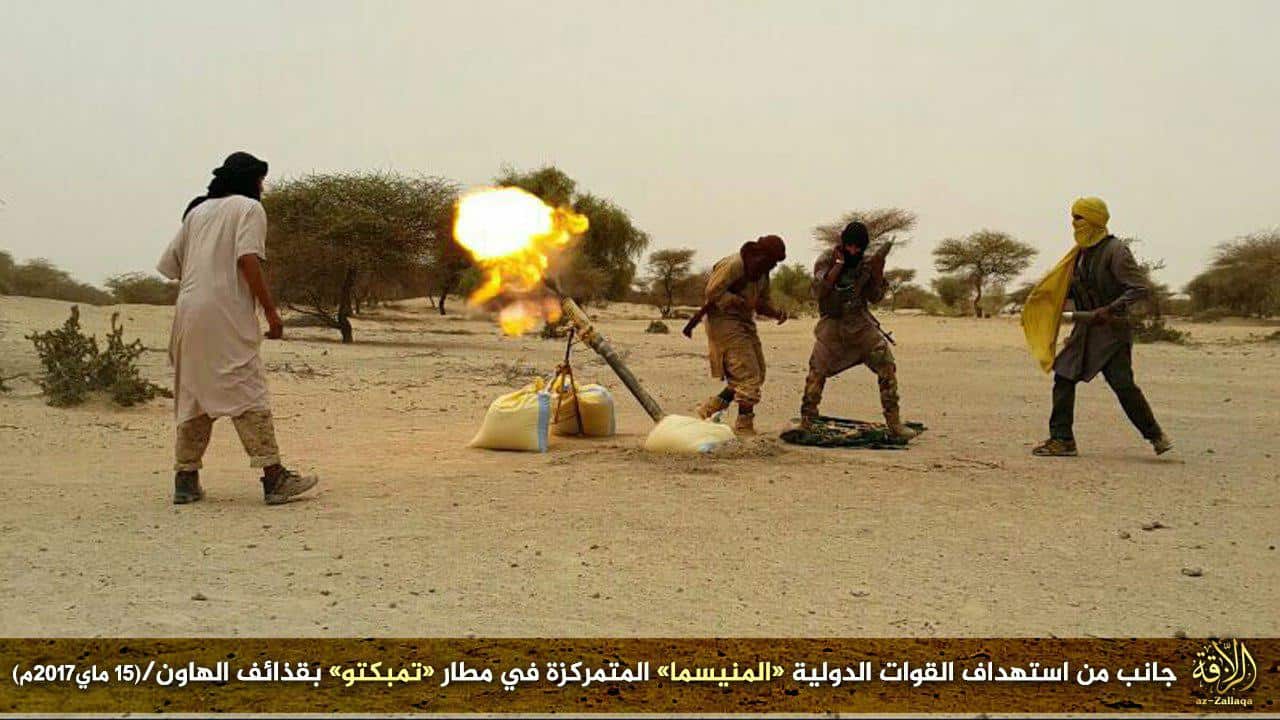
JNIM claims mortar barrage on UN forces in Timbuktu
Yesterday’s mortar barrage comes just a week after a similar incident left one UN peacekeeper dead. Al Qaeda’s forces in Mali continue to retain the ability to strike foreign forces across the country’s north.
-
Islamic State claims attack on National Radio Television of Afghanistan
A team of several jihadists raided the offices of National Radio Television of Afghanistan (RTA) in Jalalabad earlier today. At least several people were killed and many others wounded. The Islamic State claims two of its men detonated “explosive motorcycles” at the beginning of the operation.
-
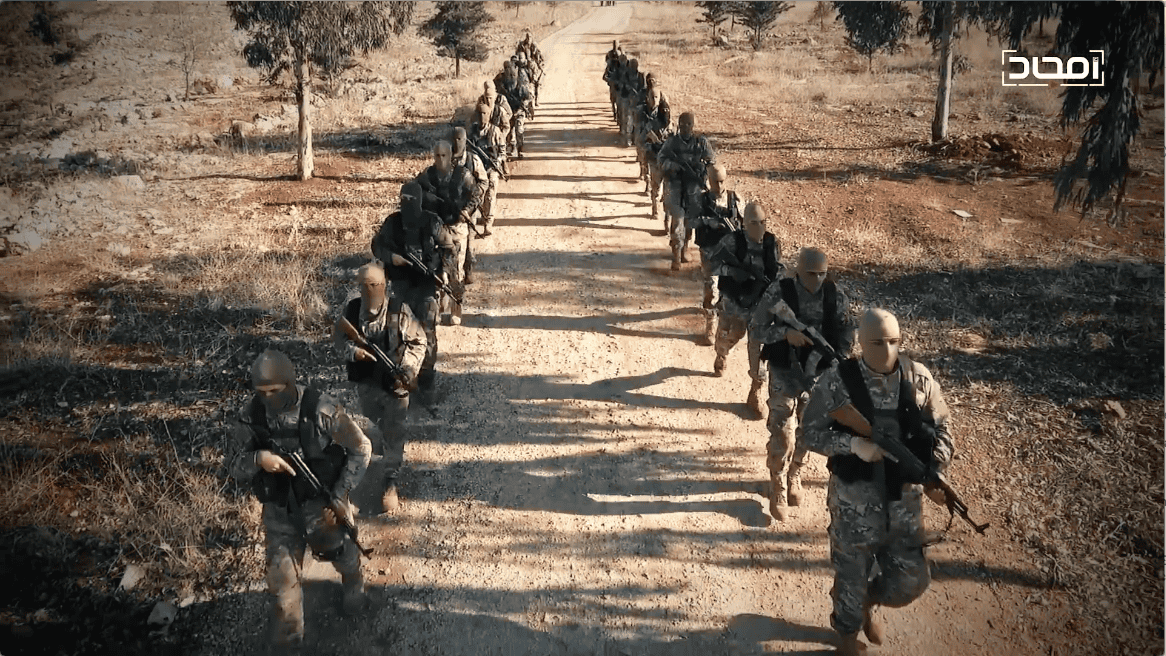
The US Intelligence Community’s newest assessment of the jihadist threat
The Office of the Director of National Intelligence (ODNI) presented its written “Worldwide Threat Assessment” to the Senate last week. The analysis confirms that the Islamic State is capable of sustaining insurgencies in both Iraq and Syria, Afghan security continues to “deteriorate,” and al Qaeda remains a threat in several parts of the globe.
-
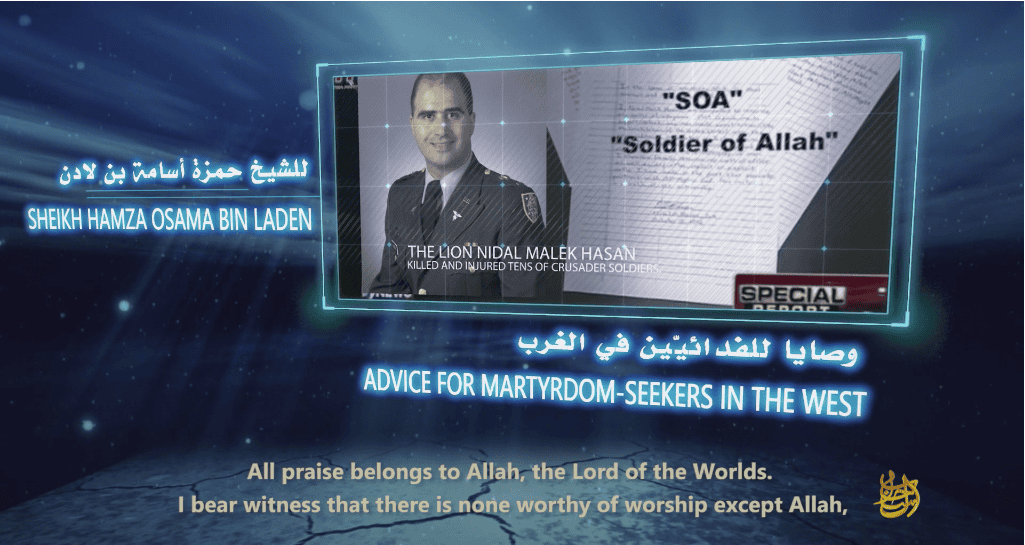
Hamza bin Laden offers ‘advice for martyrdom seekers in the West’
Hamza bin Laden, the son of Osama, has released a new audio message in which he provides “advice for martyrdom seekers in the West.” Hamza’s message was disseminated less than a week after Al Qaeda in the Arabian Peninsula leader Qasim al Raymi released a similar call for individual attacks in the West.
-
Islamic State’s Wilayah Khorasan bombs convoy carrying Pakistani politician
The Islamic State’s Wilayah Khorasan has claimed responsibility for a suicide bombing that targeted Maulana Abdul Ghafoor Haideri, the deputy chairman of Pakistan’s Senate. Haideri was injured. Dozens of others were also killed or wounded in the blast, which was launched in Pakistan’s Baluchistan province.

-
Treasury adds 3 JDQ leaders, charity to list of global terrorists
Jamaat ul Dawa al Quran is an excellent example of the complex and evolving network of jihadist groups that operate in the Afghanistan-Pakistan region. The three designated leaders have been tied to al Qaeda, the Taliban, Lashkar-e-Taiba, and the Islamic State.

-
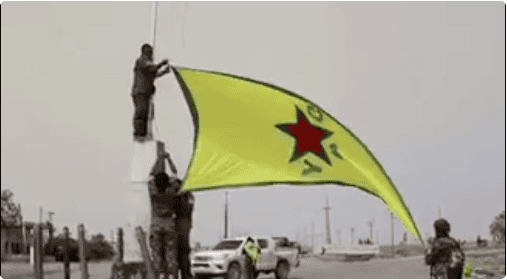
Tabqah, Syria liberated from the Islamic State
The city of Tabqah and the surrounding area have fallen to US-backed forces. The Islamic State had controlled the city, the Tabqah dam, and a military airbase in the area since 2013-2014. The battle for Tabqah, which began with a surprise attack on Mar. 22, is a key part of the strategy to capture the self-declared caliphate’s capital of Raqqa.
-
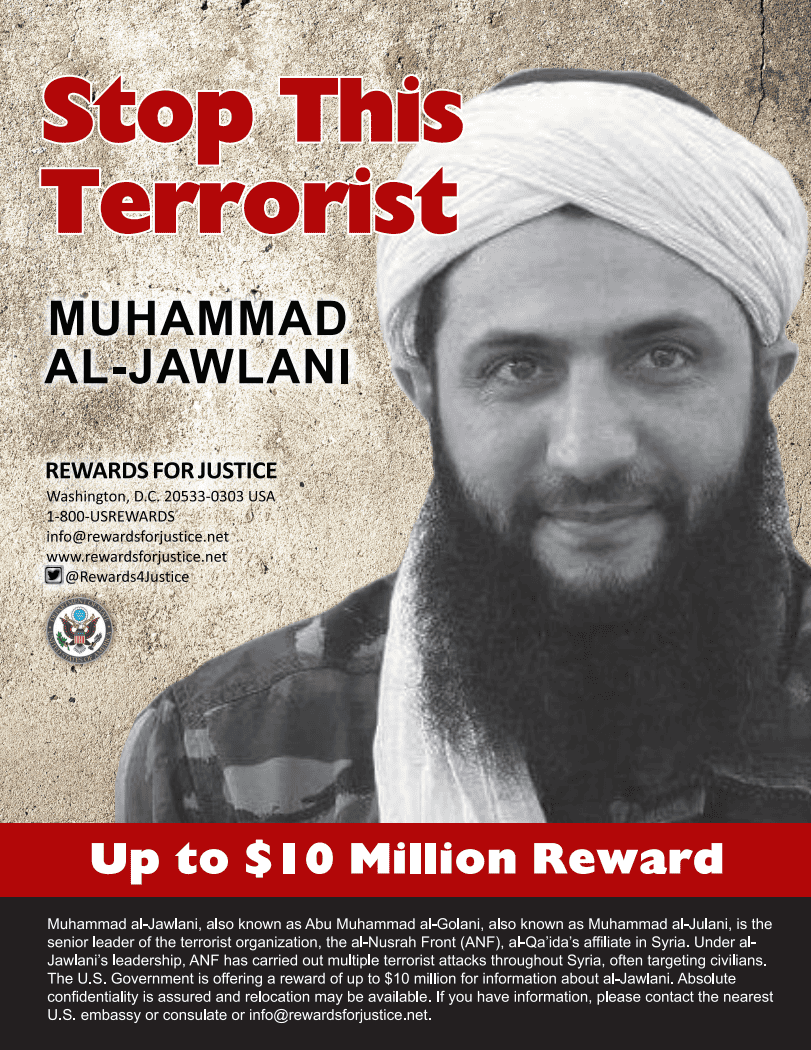
State offers $10 million for leader of ‘the Syria branch of al Qaeda’
The $10 million reward makes Julani one of the top five most wanted jihadist leaders in the world.
-
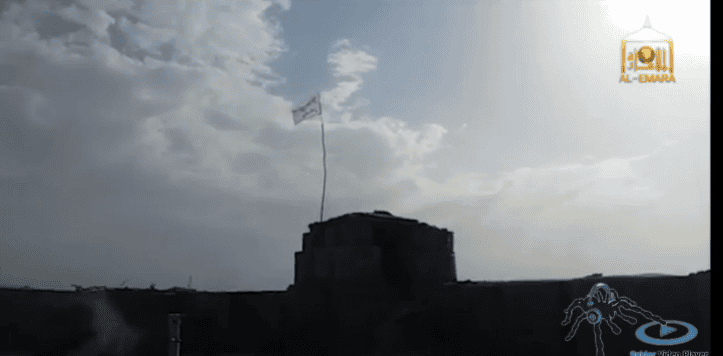
Taliban parades large convoy in Sangin
The Taliban video shows that more than a month after Afghan forces lost Sangin, and despite the relocation of the “new” district center just kilometers away, the Taliban can flaunt a large force with little fear of reprisal.

-
Taliban back on the offensive in Kunduz
The Taliban took Qala-i-Zal district and is threatening to seize Khanabad in its latest push to control the northern province of Kunduz.
-
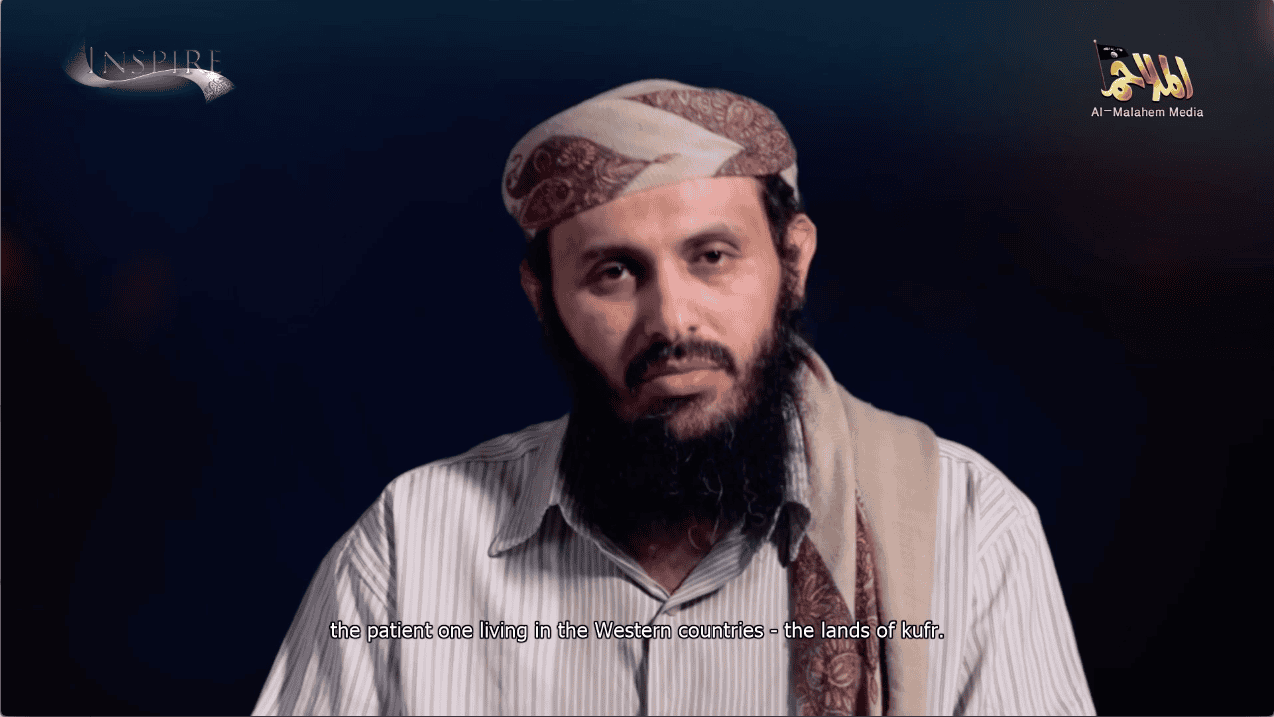
AQAP leader calls for ‘simple’ attacks in the West
In a short video released yesterday, Al Qaeda in the Arabian Peninsula’s (AQAP) leader, Qasim al Raymi, reiterated his group’s call for “lone mujahid” attacks in the West. AQAP was an early innovator of the concept of “individual jihad,” but has been eclipsed by its rivals in the Islamic State in recent years. Raymi is attempting to move AQAP back to the fore of the “lone mujahid” effort.
-
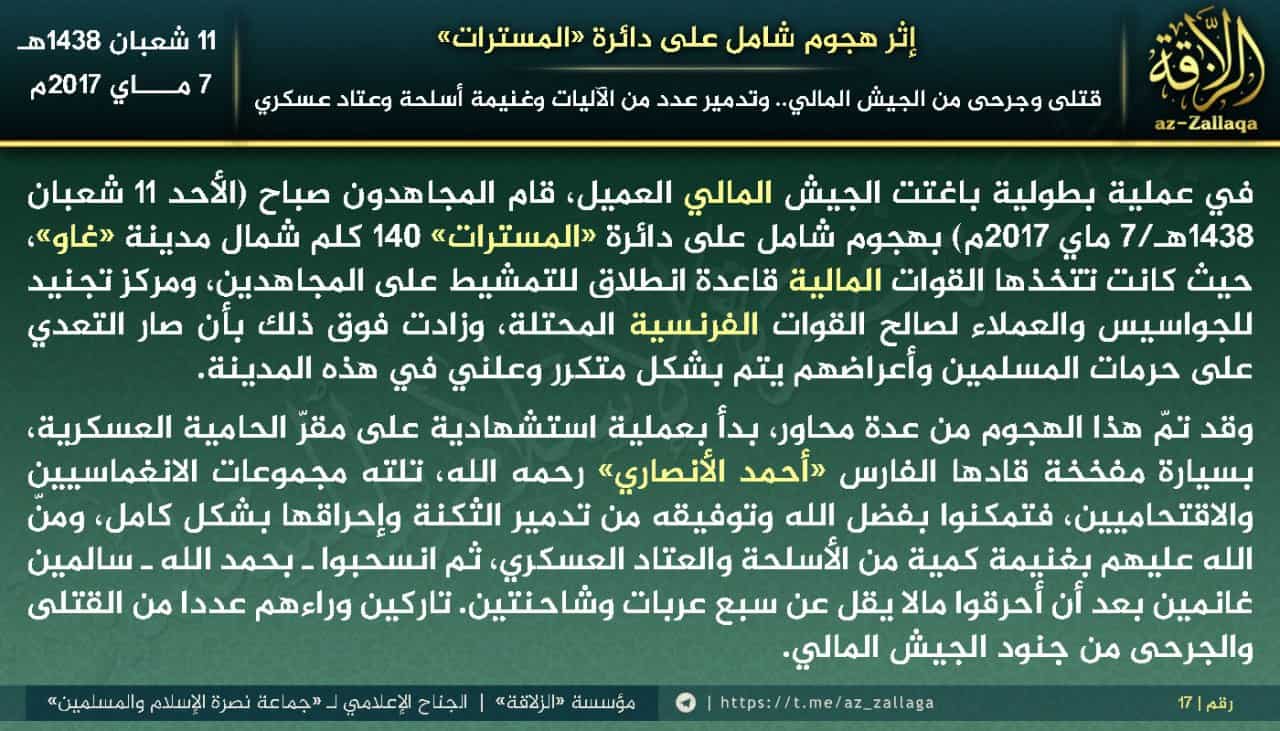
JNIM targets Malian base in suicide assault
The suicide assault left at least seven dead, another 17 wounded, and a further 16 missing. This comes just a week after another eight Malian troops were killed in an ambush in southern Mali.
-
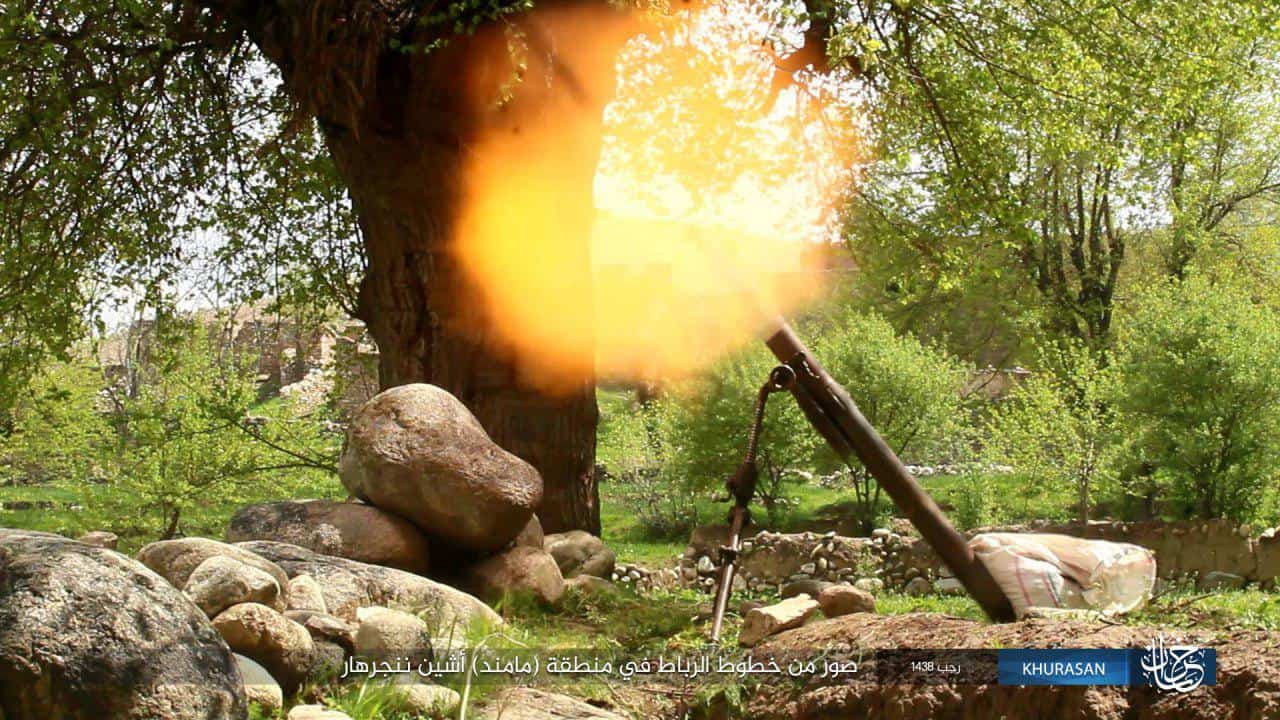
US: Emir of Islamic State’s Khorasan province killed in Apr. 27 raid
US Forces – Afghanistan released a statement today saying that Abdul Hasib’s death during a raid on Apr. 27 has been confirmed. Abdul Hasib was the emir of the Islamic State’s Wilayah Khorasan (or Khorasan province) and “directed” the Mar. 8 assault on a military hospital in Kabul.
-
US soldier killed battling al Qaeda’s branch in Somalia
Five weeks ago, the Trump administration loosened the rules to give the US military a freer hand in conducting operations against Shabaab.

-
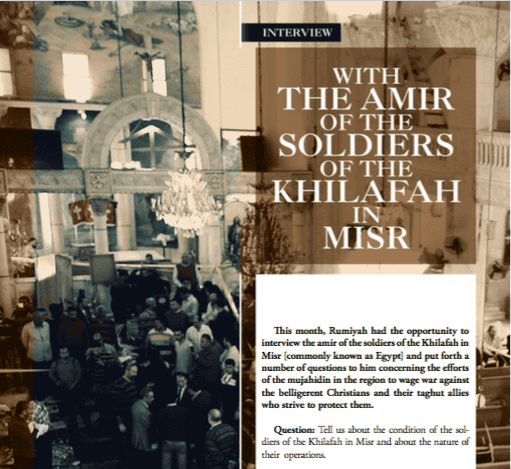
Islamic State leader in Egypt says church bombings aren’t popular
The ninth issue of the Islamic State’s Rumiyah (“Rome”) magazine features an interview with the group’s “emir” in Egypt. He concedes that the jihadists’ church bombings and ideology are not popular inside Egypt. Regardless, Rumiyah attempts to justify the Islamic State’s anti-Christian terror.
-
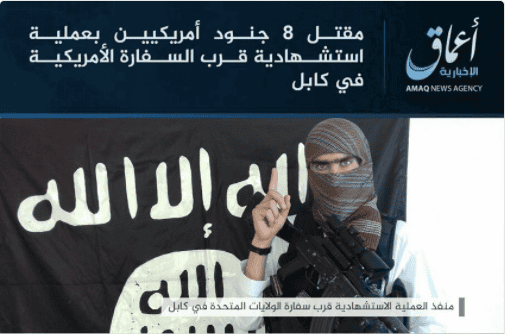
Islamic State suicide bomber strikes NATO convoy in Kabul
The Islamic State’s Wilayah Khorasan (or Khorasan “province”) has claimed responsibility for a bombing that killed at least eight civilians in Kabul, Afghanistan earlier today. The suicide attack targeted a NATO convoy that was driving near the US Embassy in Afghanistan’s capital. Three American servicemen were wounded in the blast.
-
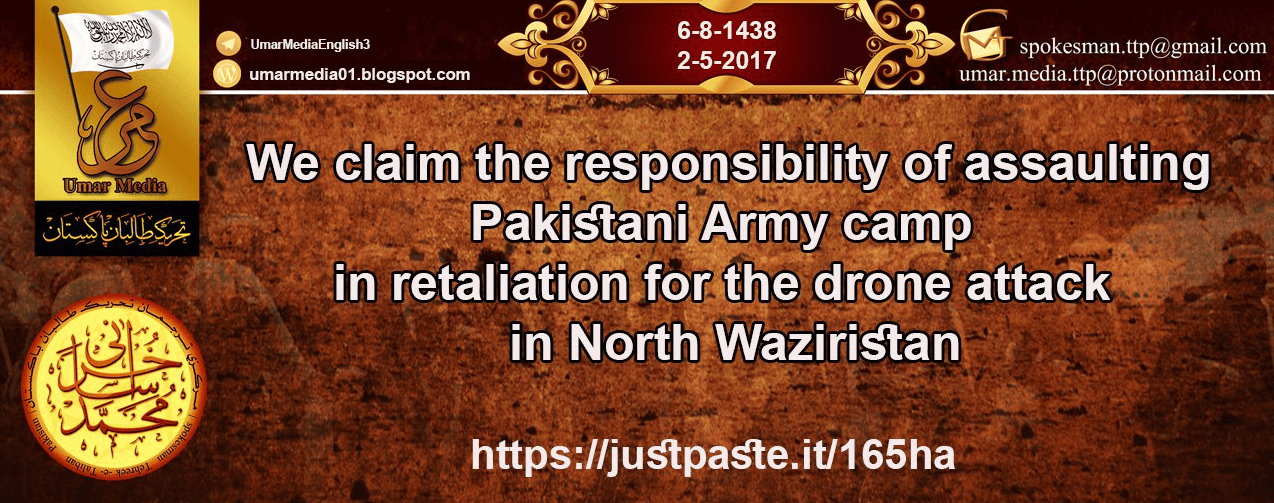
Pakistani Taliban retaliates for ‘the drone attack in North Waziristan’
Shawal is one of several areas in North Waziristan that the Pakistani military claimed it cleared after it launched an operation in 2014. However the fact that the TTP can organize 120 fighters and assault a base there indicates the area is all but cleared.
-
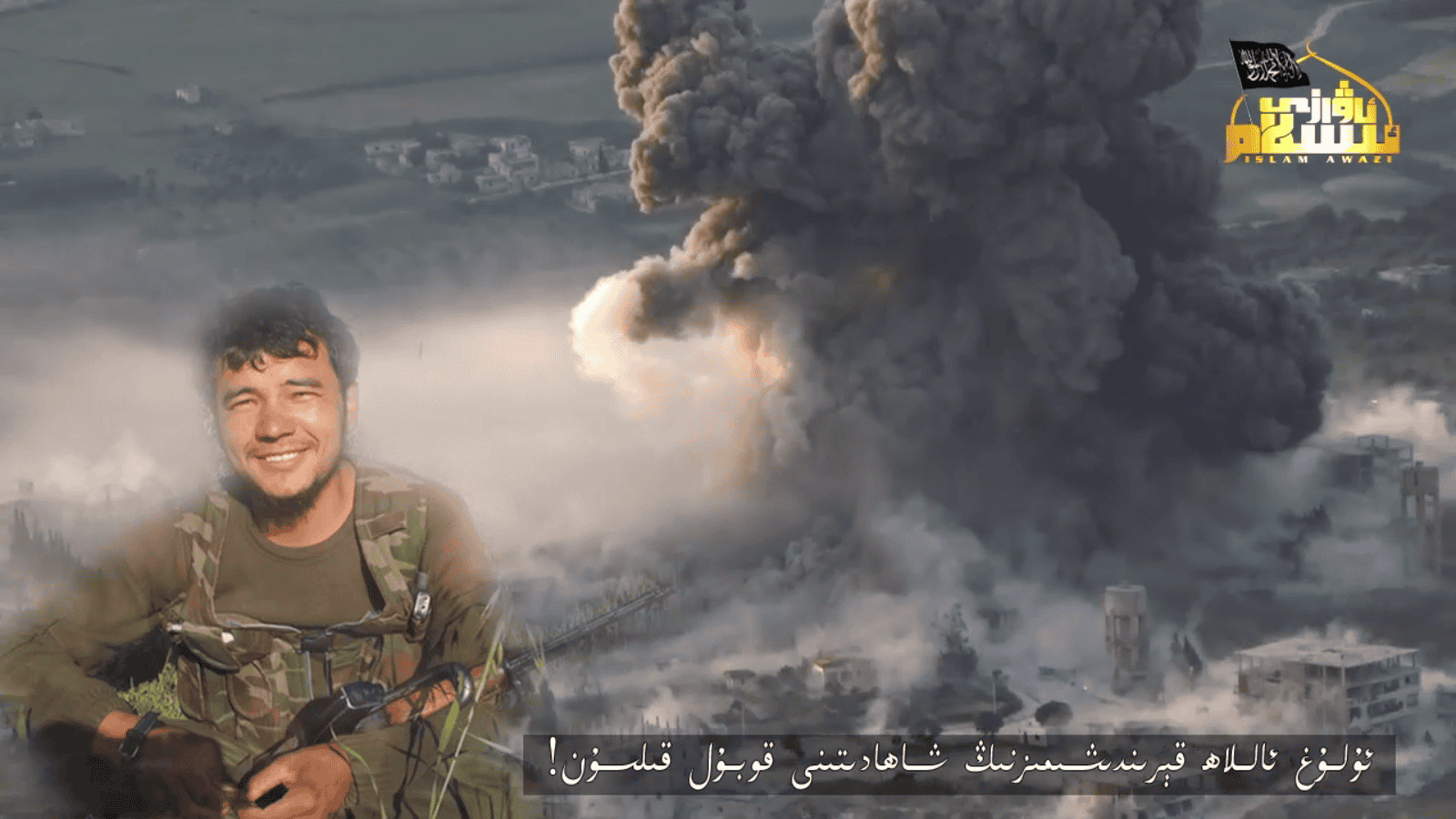
Suicide bombings detail Turkistan Islamic Party’s role in Syria
The suicide bombings show the Turkistan Islamic Party’s close battlefield integration with al Qaeda’s forces in Syria, as well as further highlighting its position within the overall al Qaeda network.
-
Iraqi al Qaeda leader reportedly killed in drone strike in Pakistan
An “important” al Qaeda figure, Abdul Raheem, was reportedly killed in a drone strike in the Datta Khel area of North Waziristan late last month. Al Qaeda and allied groups have sheltered in Datta Khel in the past. The Pakistani military claimed the area was cleared in Sept. 2014, but jihadists continue to operate there.
-
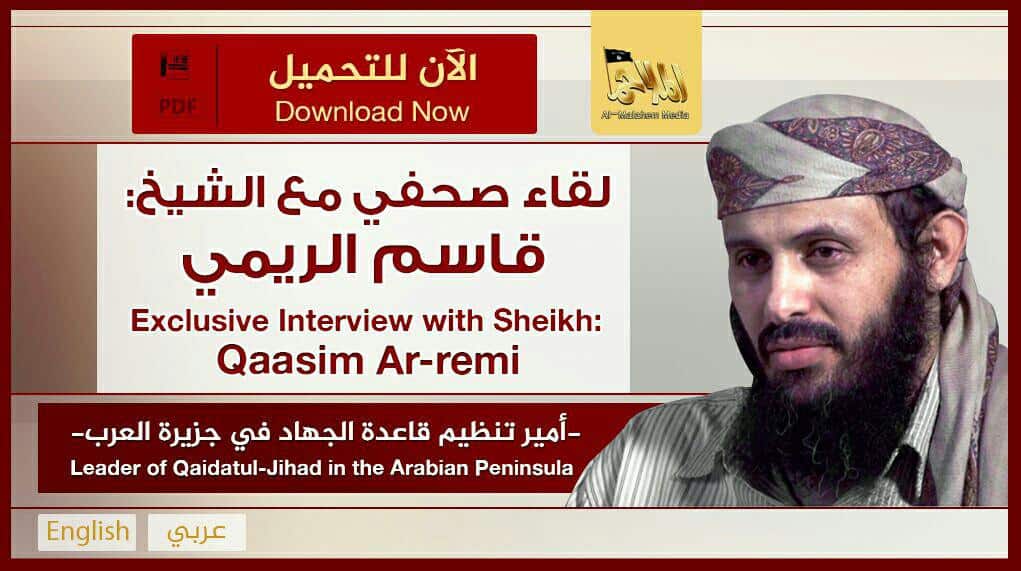
AQAP leader discusses complex war in Yemen
AQAP released a lengthy “dialogue” with its emir, Qasim al Raymi, on April 30. Raymi discusses the complex war inside Yemen, AQAP’s desire to focus on the Houthis and his group’s general approach to waging jihad. He also cites a text written by Ayman al Zawahiri to explain why AQAP cooperates with other Islamists inside Yemen.
-
Taliban and Islamic State clash in eastern Afghanistan
The Islamic State’s Wilayah Khorasan and the Taliban clashed in the Chaparhar district of Afghanistan’s eastern Nangarhar province earlier today. The two sides have battled each other in the area since 2015. Late last month, the Islamic State also fought with the Taliban in northern Afghanistan and assassinated a Taliban figure in Peshawar.
-
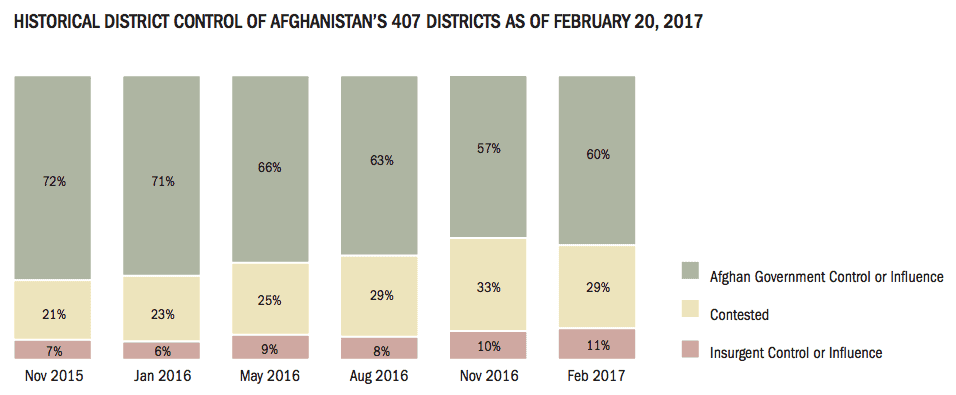
Taliban controls or contests 40 percent of Afghan districts: SIGAR
Both the Taliban and the Afghan government have slightly increased the number of Afghan districts under their control over the past three months, but the security situation remains virtually unchanged.