-
Ex-Guantanamo detainee allegedly led recruiting cell for the Islamic State
A former Guantanamo detainee named Hamed Abderrahaman Ahmed was arrested on Feb. 23 in Ceuta, a Spanish enclave in North Africa, for allegedly running a jihadist recruiting cell for the Islamic State. Spanish authorities also claim that he and others were willing to carry out a terrorist attack on Spanish soil. According to a leaked Joint Task Force Guantanamo threat assessment, Ahmed traveled through Iran to Afghanistan to receive training in al Qaeda’s camps in 2001.

-
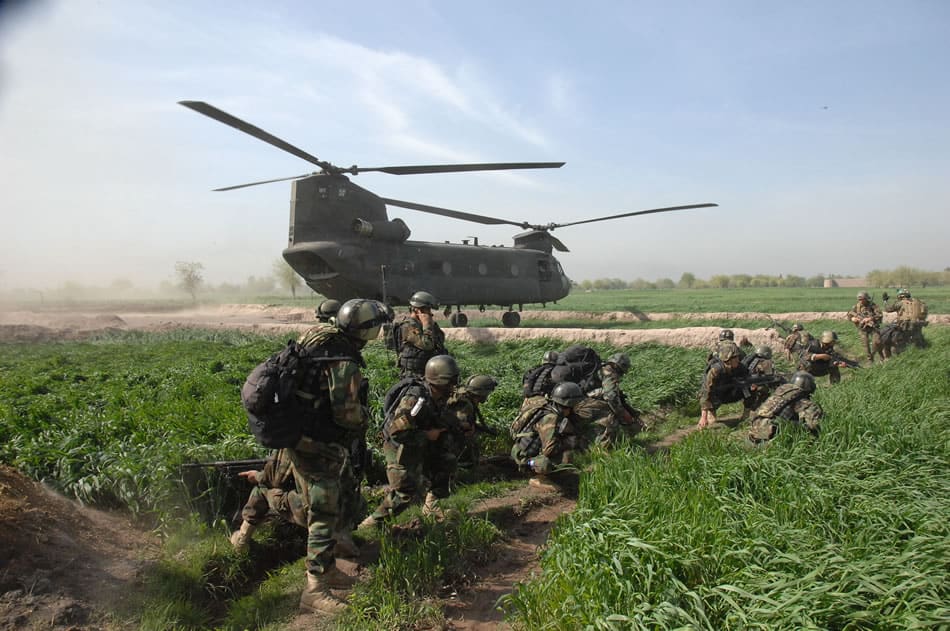
Afghan forces raid another Taliban ‘prison’ in Helmand
The presence of Taliban prisons in Helmand highlights the rapidly deteriorating security situation in Helmand, where Afghan forces are losing ground to the jihadist group.
-
Filipino forces kill 42 jihadists with Islamic State ties
The Philippines continue to face residual threats from jihadist groups, including several who have pledged allegiance to the Islamic State.
-
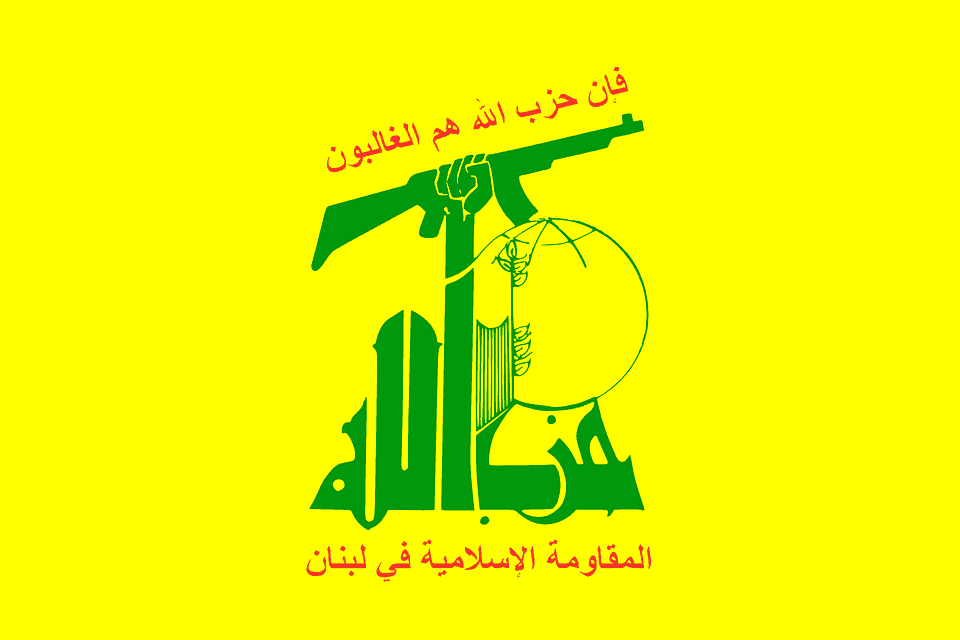
Saudi Arabia targets alleged Hezbollah procurement agents
All of the entities targeted by Saudi Arabia also stand accused by the U.S. of bolstering Hezbollah’s military influence, including in areas that could be used against Saudi Arabia or Saudi proxies in places such as Syria or Yemen.
-
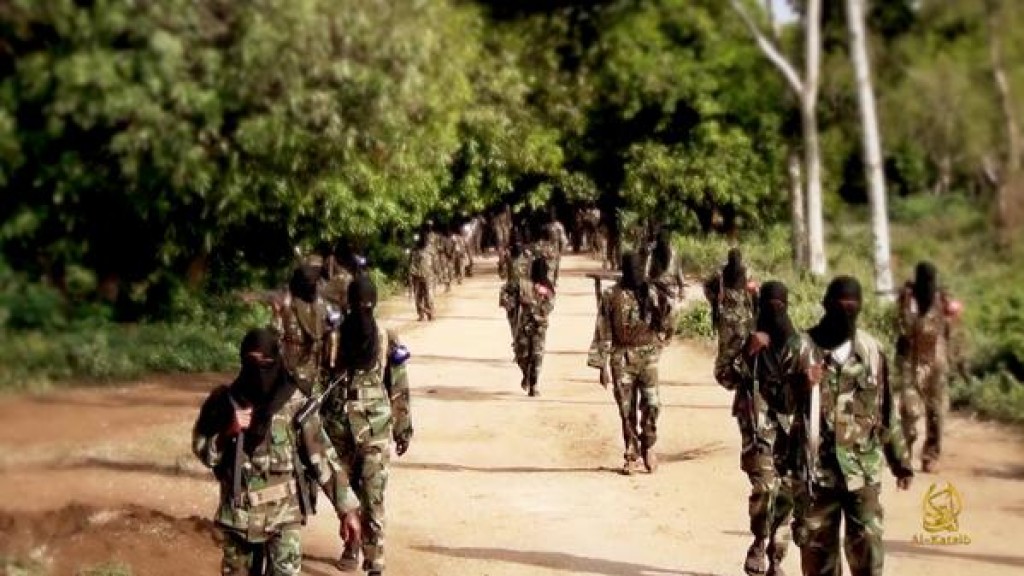
Shabaab suicide assault team strikes hotel in Mogadishu
The suicide assault was likely executed by the Abu Musab al Zarqawi Martyrdom Battalion. Shabaab routinely targets hotels in the Somali capital.
-
Pakistan is ‘very cooperative and very engaged in the fight against terrorism,’ Secretary Kerry tells Congress
“The government itself, the military has been very cooperative and very engaged in the fight against terrorism,” Secretary of State John Kerry told the Senate Foreign Relations Committee, despite Pakistan’s continuing support of the Taliban and other jihadist groups.

-
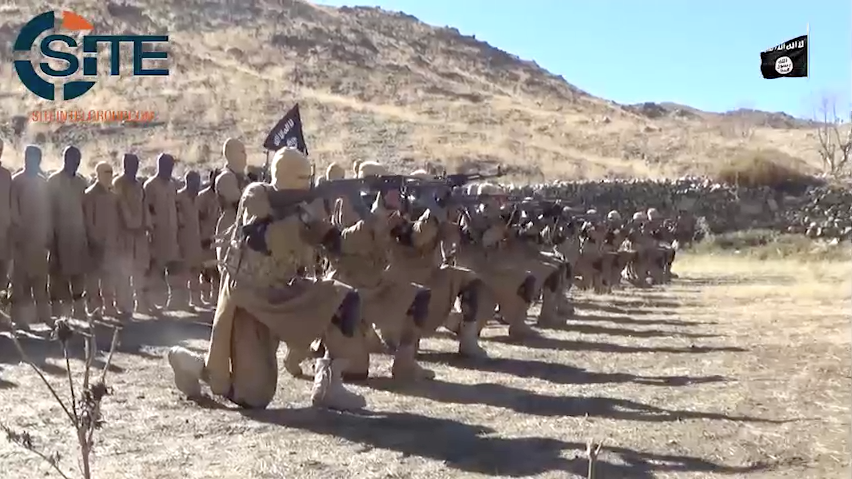
Islamic State ‘Khorasan province’ advertises training camp
The Islamic State promotes it capabilities as it continues to fight an uphill battle to gain supporters in Afghanistan and Pakistan, where the main Taliban factions and al Qaeda still have the upper hand.
-
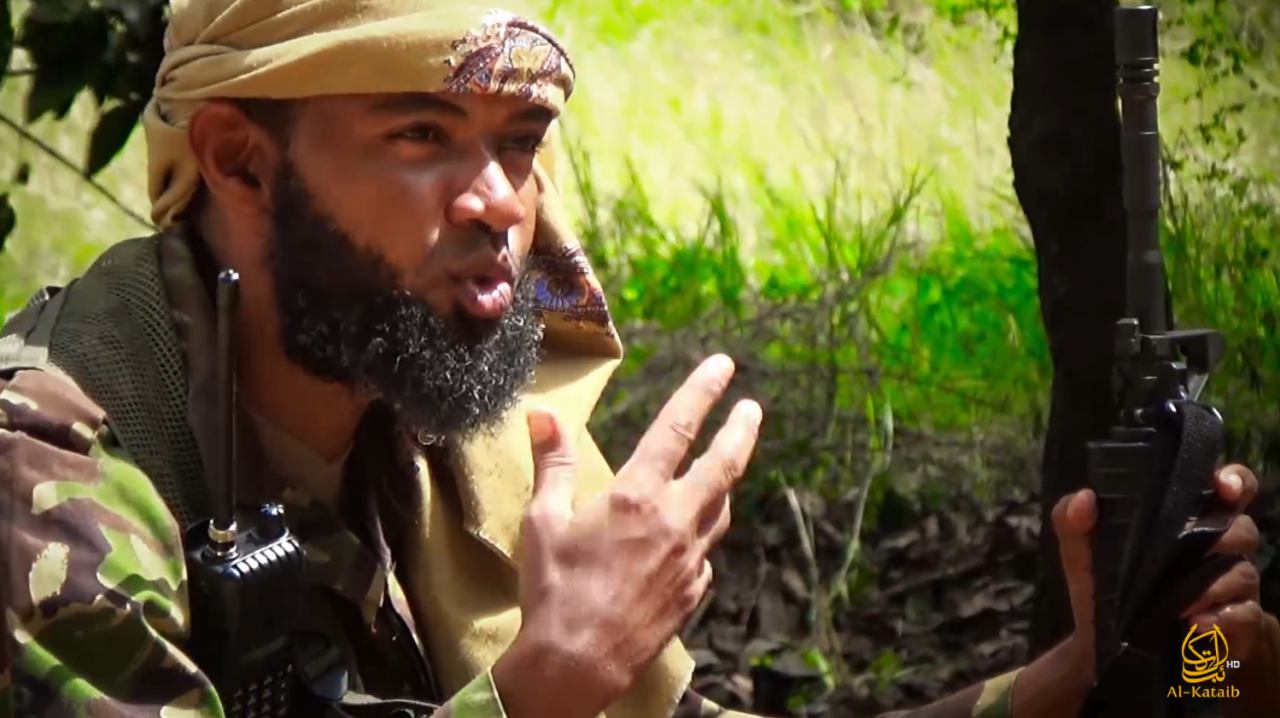
Shabaab threatens more attacks in Kenya
Shabaab’s leader in Kenya warns jihadists will turn the country’s flag red with “the blood that we will spill in Kenya.”
-
IRGC Saberin Special Forces at work in Syria
Iran’s Islamic Revolution Guard Corps mourns commandos from the “Saberin” killed in Syria. The Saberin is a unit modeled after Western special forces.
-
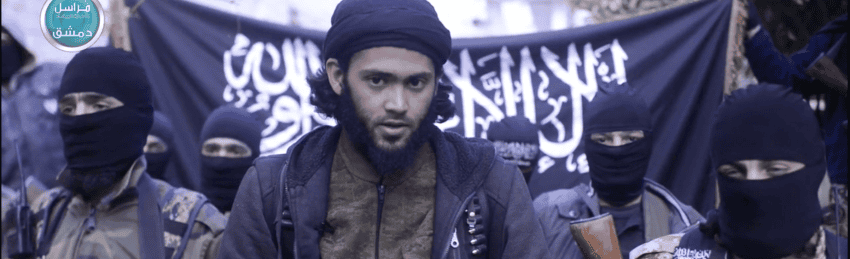
2 Damascus-based jihadist groups swear allegiance to Al Nusrah Front
Two small jihadist groups in Damascus, Ansar al Sharia and Al Muntasir Billah, have sworn allegiance to Al Nusrah Front, al Qaeda’s official branch in Syria. Several organizations have joined Al Nusrah since late last year.
-
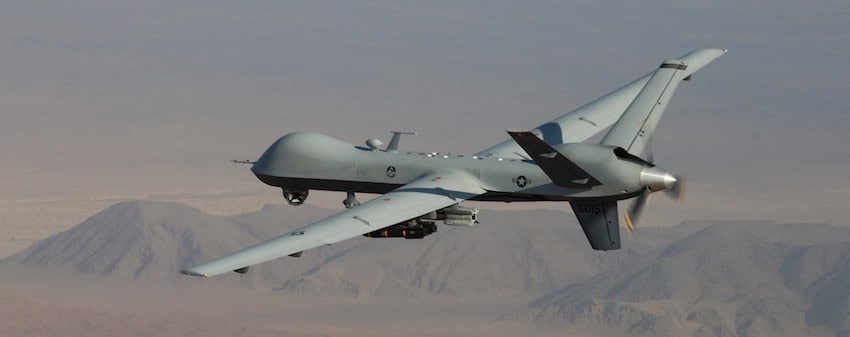
US drones target jihadist ‘hideouts’ in Pakistan’s tribal areas
The attack took place in the tribal agency of Kurram, where the al Qaeda-linked Haqqani Network is known to have moved its base of operations.
-
Afghan Army abandons another district in Helmand
In addition to Musa Qala, the Afghan National Army withdraw from its base in Now Zad. Afghan officials said both districts are now fully under the control of the Taliban.
-
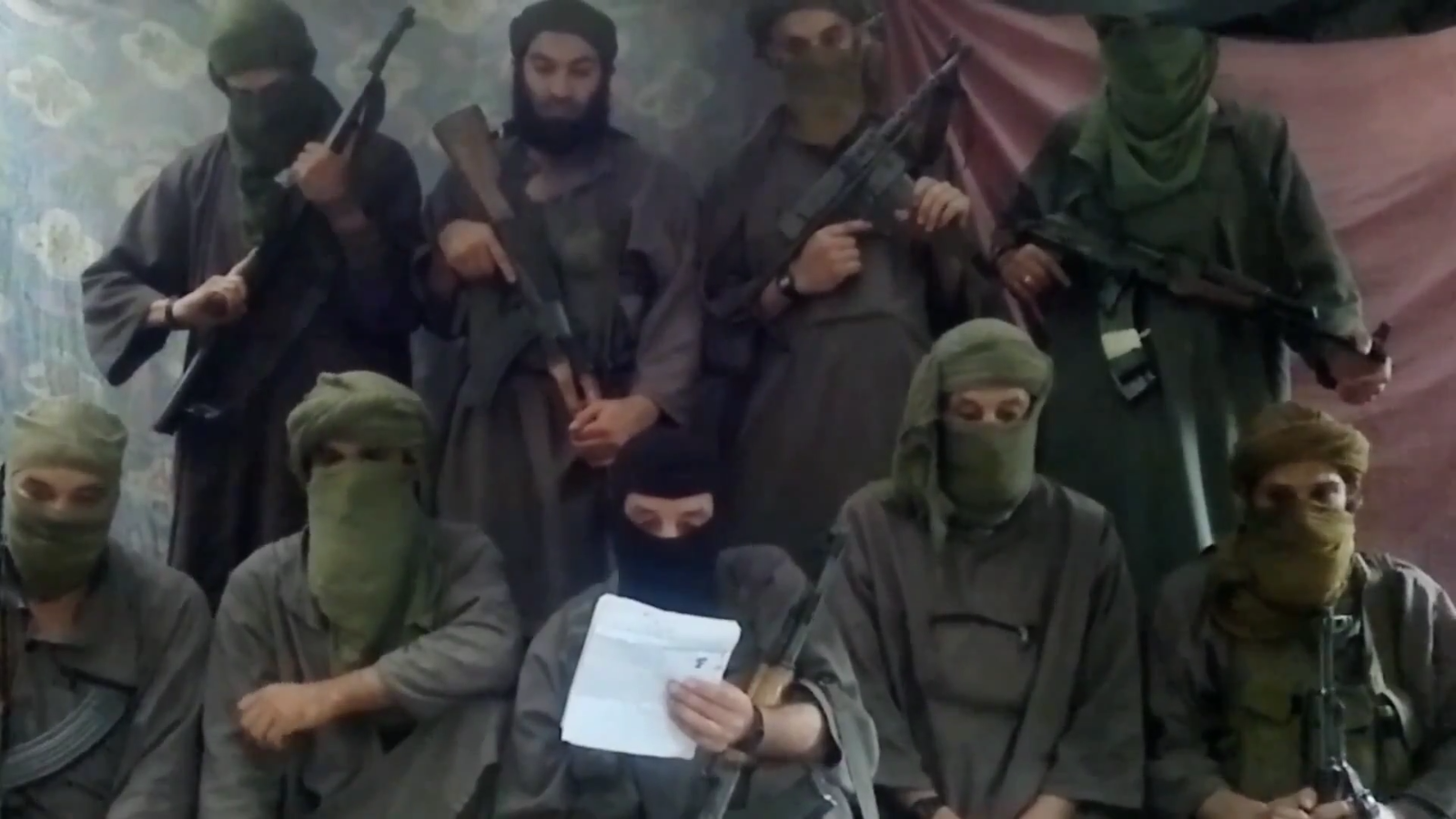
Islamic State claims killing Algerian soldiers
Despite facing a large crackdown from the Algerian military, the Islamic State’s branch still claims sporadic attacks in the country.
-
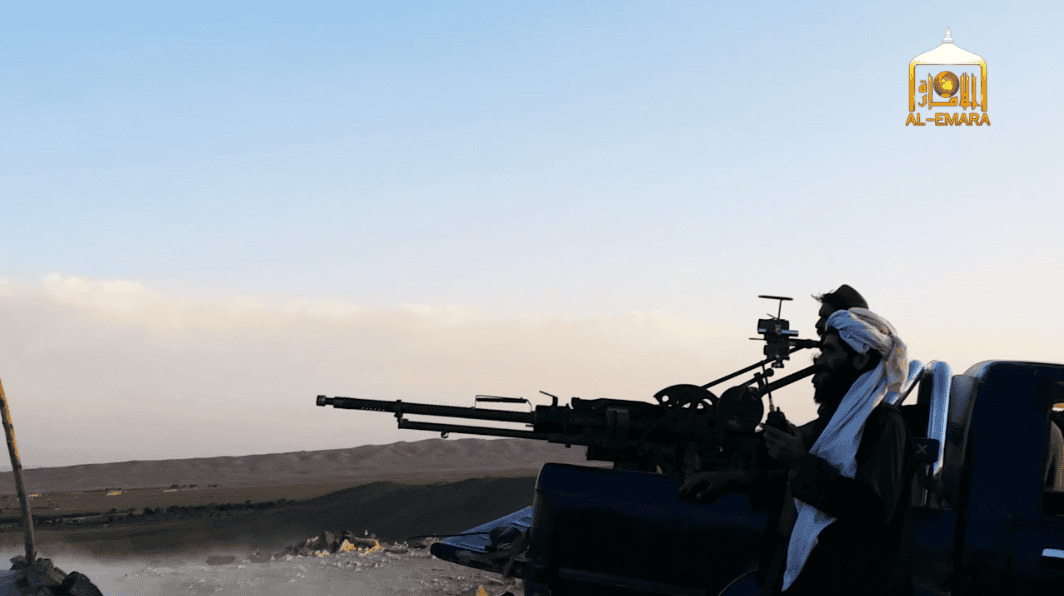
Afghan military abandons district in Helmand
The Afghan Army commander in charge of the fighting in Helmand characterized the Army’s withdrawal from Musa Qala as a redeployment of forces.
-
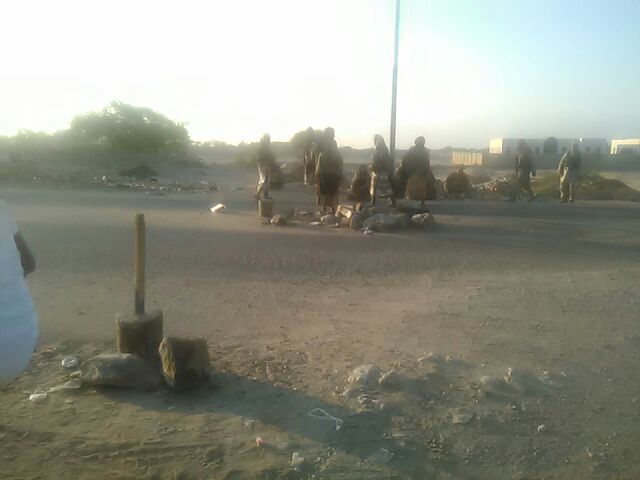
Another town in southern Yemen reportedly falls to AQAP
AQAP reportedly seized the southern Yemeni town of Ahwar earlier today. Press reports indicated that Ahwar was under the jihadists’ control earlier this month, but it appears operations were still ongoing at the time. The fog of war often makes it difficult to determined which towns and villages are truly in al Qaeda’s possession, but AQAP has begun to advertise its implementation of sharia law and provision of social services throughout southern Yemen.
-
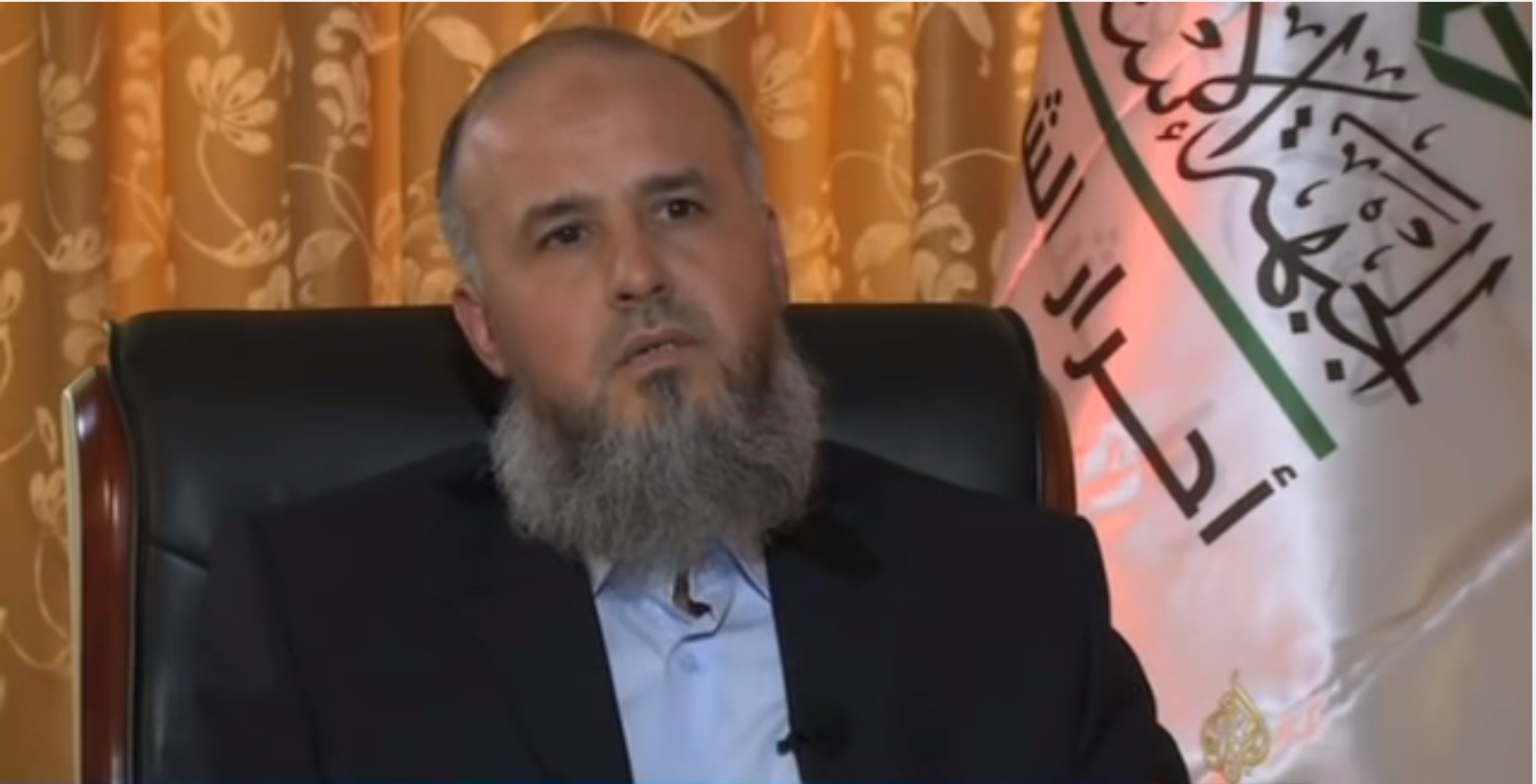
Aleppo-based rebel groups reportedly unite behind Ahrar al Sham’s former top leader
Several rebel groups in Syria’s Aleppo province have united under the leadership of Hashem al Sheikh, who was the emir of Ahrar al Sham from September 2014 to September 2015. The alliance doesn’t include Al Nusrah Front, al Qaeda’s official branch in Syria, but its constituents will almost certainly continue to cooperate with al Qaeda’s men.
-
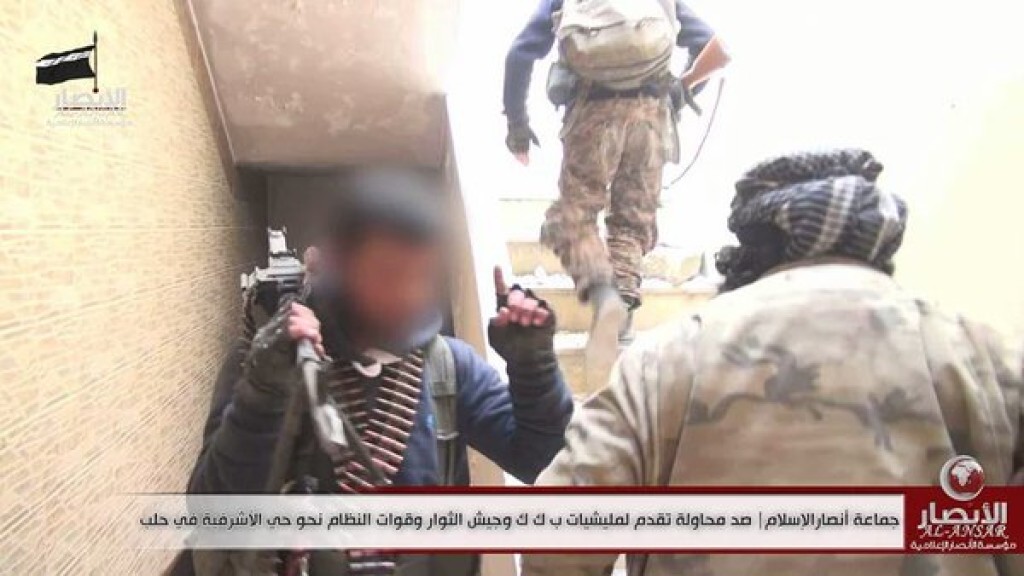
Ansar al Islam battles Kurds in Aleppo
Despite being forced largely underground in Iraq, Ansar al Islam continues to operate in Syria against regime and now Kurdish forces.
-
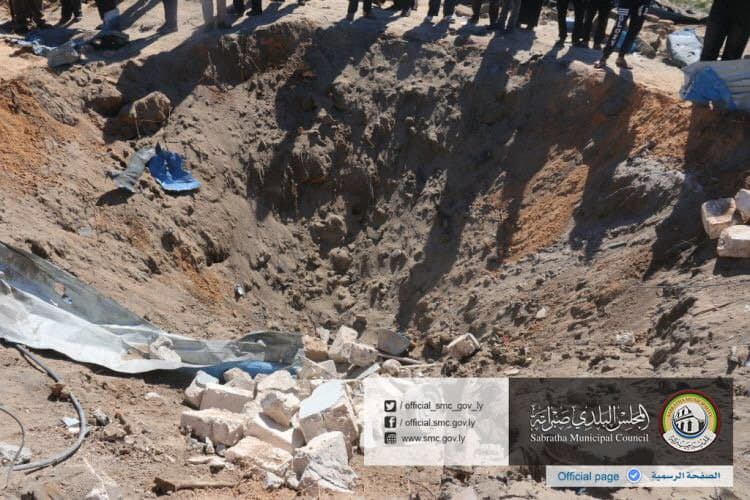
US airstrike targets Islamic State operative, training camp in Libya
The US launched an airstrike earlier today targeting a senior Islamic State facilitator who is suspected of being involved in two attacks on tourists in Tunisia. He may have also been plotting attacks against Western interests in the region.
-
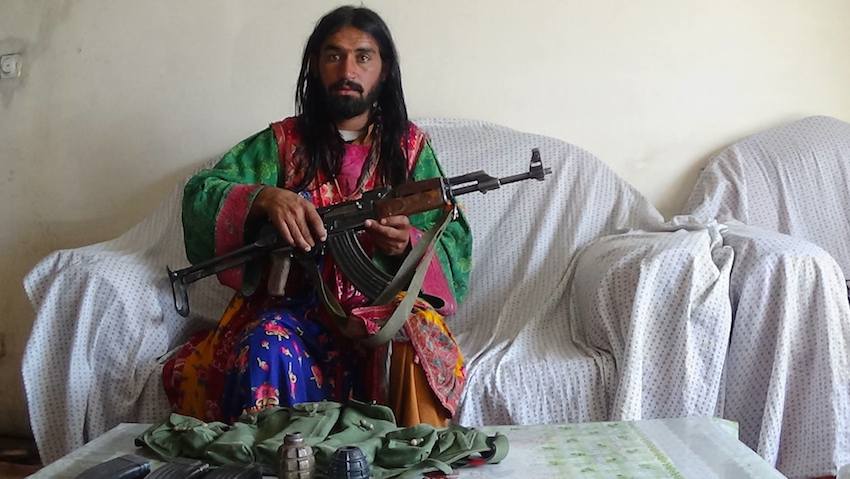
Afghan intel, Taliban spar over captured commander ‘dressed like a woman’
The government and the Taliban are waging an information war as security in Afghanistan continues to deteriorate.
-
Jund al Aqsa leaders join Al Nusrah Front
According to a statement published online, twelve senior figures in Jund al Aqsa have joined Al Nusrah Front, al Qaeda’s official branch in Syria. Jund al Aqsa has suffered from internal disputes for months and these disagreements likely led to the leaders’ announcement. Despite operating somewhat independently from Al Nusrah, the group has long been a front for senior al Qaeda operatives.

-
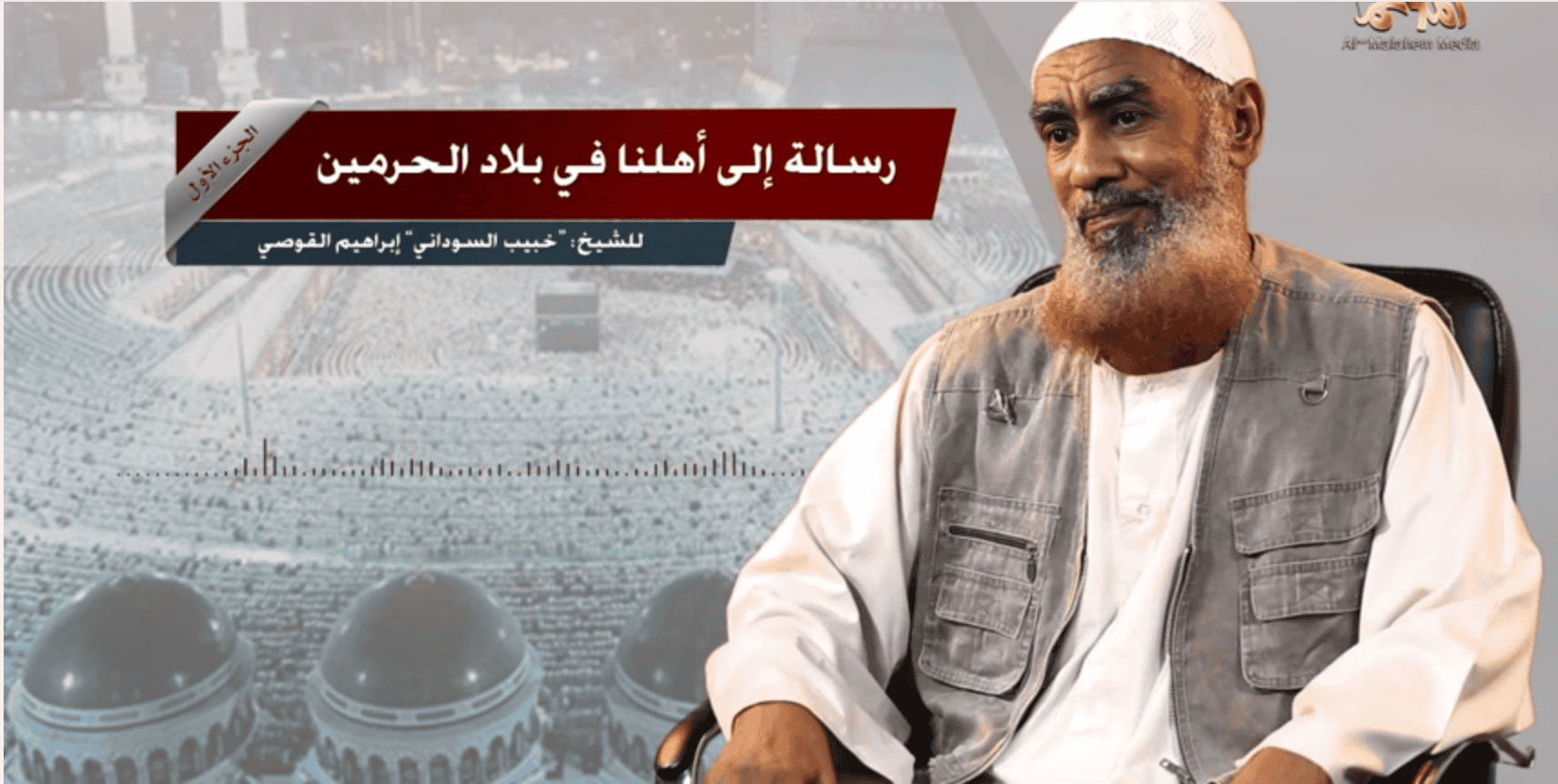
Ex-Guantanamo detainee prominently featured in al Qaeda propaganda
Al Qaeda in the Arabian Peninsula (AQAP) released a two-part lecture by ex-Guantanamo detainee Ibrahim al Qosi earlier this month. Qosi threatened the Saudi government and explained al Qaeda’s rationale for waging jihad in Arabia. Qosi has starred in several AQAP productions since the group revealed his leadership role in early December.
-
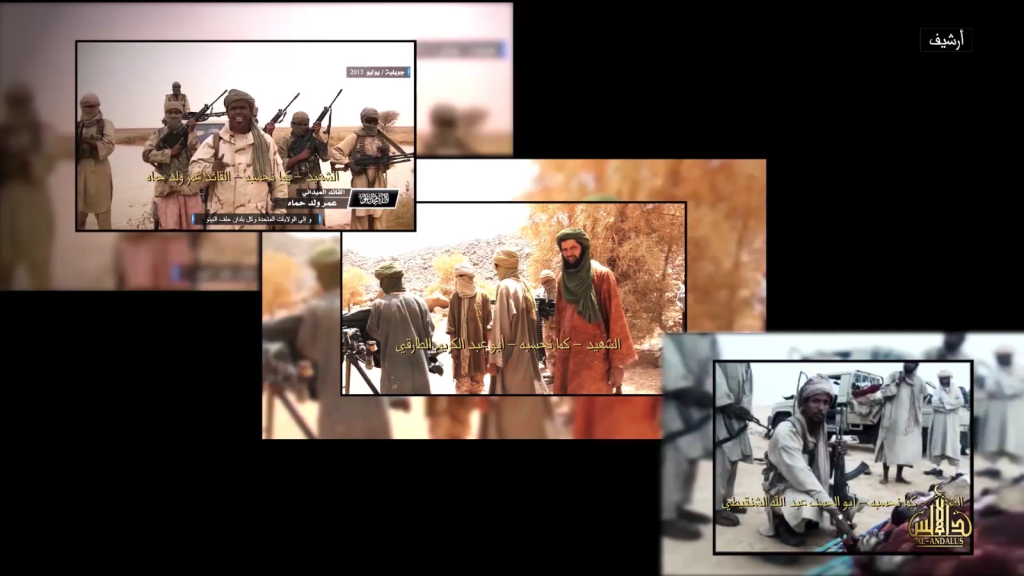
AQIM confirms death of former MUJAO spokesman
Despite having initially denied his death, AQIM finally confirms the death of one of its former spokesmen two years after his reported death.
-
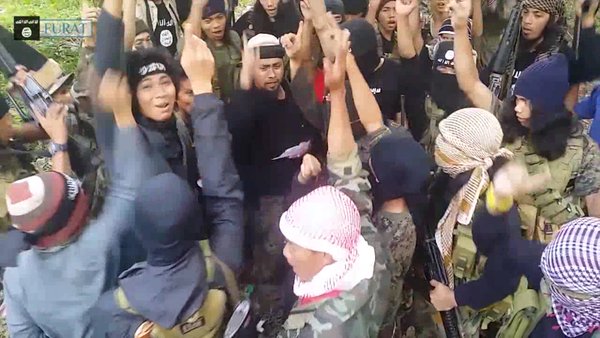
Philippines-based jihadist groups pledge allegiance to the Islamic State
While jihadist groups in the Philippines were thought to have pledged allegiance to the Islamic State since late 2014, a video released last month by Islamic State supporters in the country confirmed these speculations. In a video released a few days ago by an Islamic State media outlet, the jihadist group officially recognized the pledges.
-
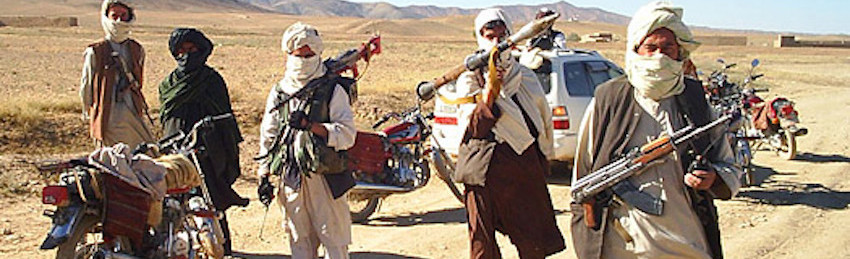
Taliban, Islamic State clash in eastern Afghanistan
The Taliban and al Qaeda have a vested interest in halting the spread of the Islamic State in Paktika, given the province’s importance to the two jihadist groups.
-
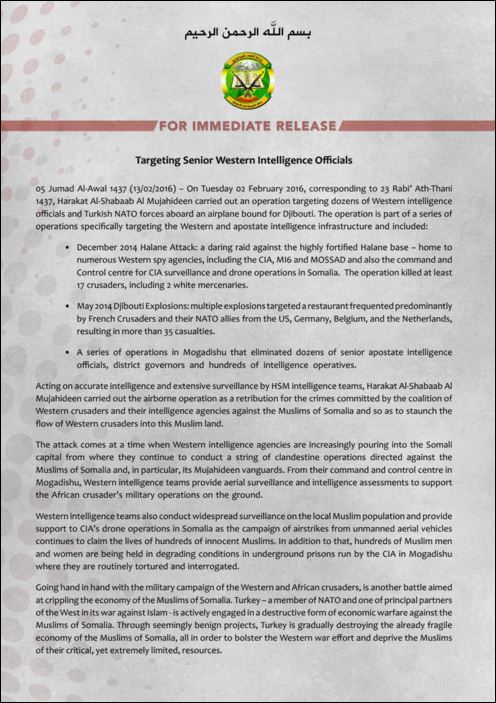
Shabaab claims ‘Western intelligence officials’ targeted in airliner bombing
Shabaab, al Qaeda’s official branch in East Africa, has issued a statement claiming responsibility for a failed airliner bombing on Feb. 2. The group portrays the bombing as part of its ongoing war with “Western and apostate intelligence” services, but doesn’t explain how its adversaries in the CIA and other spy agencies were specifically targeted.
-
The IRGC’s involvement in the battle for Aleppo
Iran’s Islamic Revolutionary Guard Corps has invested significant resources to prop up Bashar al Assad’s regime. Qods Force Commander Qassem Soleimani, who oversees all of the Shiite militias active in Syria, is directing operations in the battle of Aleppo.
-
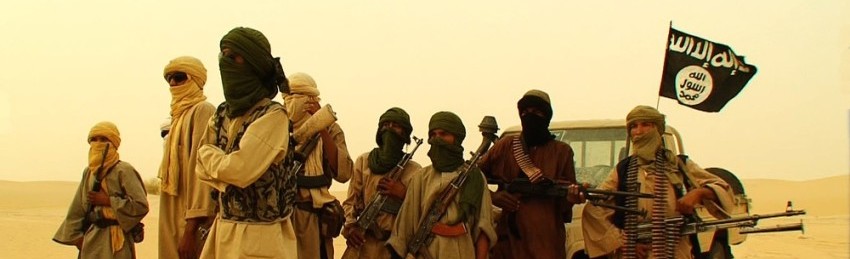
Jihadists launch assaults on UN, Malian forces in northern Mali
The UN’s mission in Mali continues to be one of the most dangerous peacekeeping operations in the world.
-
Treasury sanctions Islamic State oil and religious officials, facilitator in Gaza
The Treasury Department announced today that three Islamic State officials have been sanctioned. One is a senior official in the “caliphate’s” oil and gas division. A second was the deputy leader of the Mujahideen Shura Council in the Environs of Jerusalem before swearing allegiance to Abu Bakr al Baghdadi and agreeing to establish a foothold for the Islamic State in Gaza. The third is the group’s “chief religious advisor.”

-
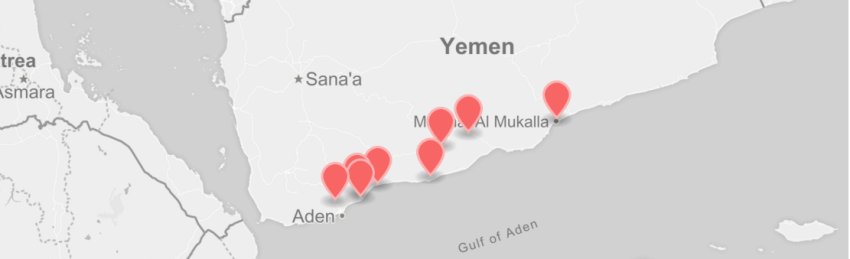
Al Qaeda seizes more territory in southern Yemen
Al Qaeda in the Arabian Peninsula expanded the territory under its sphere of influence after capturing five towns in southern Yemen over the past two weeks.
-
Treasury designates head of al Qaeda’s eastern zone in Afghanistan
Nayf Salam Muhammad Ujaym al Hababi, also known as Farouq al Qahtani, has been added to the US government’s list of specially designated global terrorists. Hababi, a senior al Qaeda leader, has been heavily involved in both the insurgency in Afghanistan and in plotting terrorist attacks in the West. He has also worked with the Taliban.