-
US citizen pleaded guilty to training with al Qaeda in Syria, plotting attack
The Department of Justice announced on June 29 that Abdirahman Sheik Mohamud pleaded guilty nearly two years ago to training with and fighting for Al Nusrah Front in Syria. Al Nusrah “instructed” Mohamud “to return to the US and commit an act of terrorism.” He admittedly planned to kill American “military officers or other government employees or people in uniform.”

-
US strikes al Qaeda’s ‘Khorasan Group’ in Syria
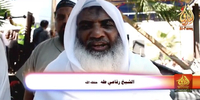
The US killed Rifai Ahmed Taha Musa in an airstrike this week. Musa first began working with Osama bin Laden and Ayman al Zawahiri in the 1980s and 1990s. US intelligence officials identified him as a key figure in al Qaeda’s so-called “Khorasan Group.” According to one of his former comrades, he was in Syria to promote unity between Al Nusrah Front and Ahrar al Sham.
-
US military confirms it killed senior al Qaeda strategist Sanafi al Nasr in airstrike in Syria
The Department of Defense confirmed that the senior al Qaeda strategist, who was dispatched years ago by al Qaeda from the Afghanistan-Pakistan region to Syria, was killed in an airstrike on Oct. 15. Nasr’s death is a blow to al Qaeda.

-
Jihadists claim senior al Qaeda strategist killed in Syria
Online jihadists are claiming that an al Qaeda leader known as Sanafi al Nasr has been killed in an airstrike in Syria. Nasr’s death is not confirmed and he has been reported dead before. The latest claims come from al Qaeda members who apparently knew Nasr and interacted with him online.
-
Pentagon confirms French al Qaeda member, Islamic State leader killed in airstrikes
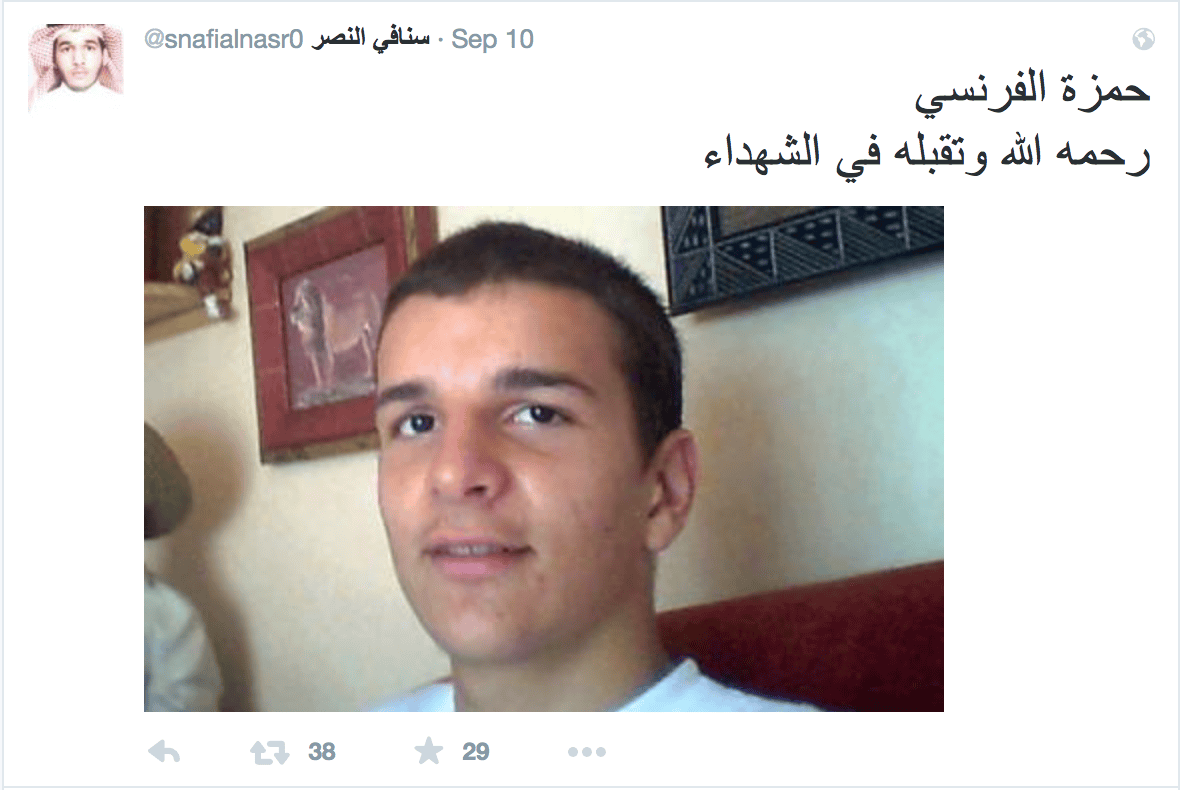
Pentagon press secretary Peter Cook told reporters today that David Drugeon, a French bombmaker who belonged to al Qaeda’s so-called “Khorasan Group,” and Abu Bakr al Turkmani, a senior Islamic State leader, have been killed in airstrikes. Drugeon was killed in July, while al Turkmani perished earlier this month.
-
Senior al Qaeda leader claims French bombmaker is dead
A senior al Qaeda leader known as Sanafi al Nasr recently claimed on his Twitter feed that David Drugeon, an alleged al Qaeda bombmaker from France, had been killed in Syria. But there are good reasons to take Nasr’s testimony with a grain of salt.
-
Pentagon says al Qaeda veteran killed in ‘kinetic strike’ in Syria
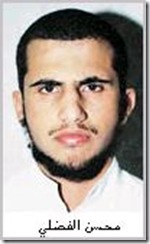
The Defense Department says that Muhsin al Fadhli was killed in an airstrike on July 8 in Syria. Al Fadhli was a leader in the so-called “Khorasan Group,” a cadre of al Qaeda veterans who have been plotting attacks agains the West. Prior to relocating to Syria, al Fadhli headed al Qaeda’s network inside Iran.
-
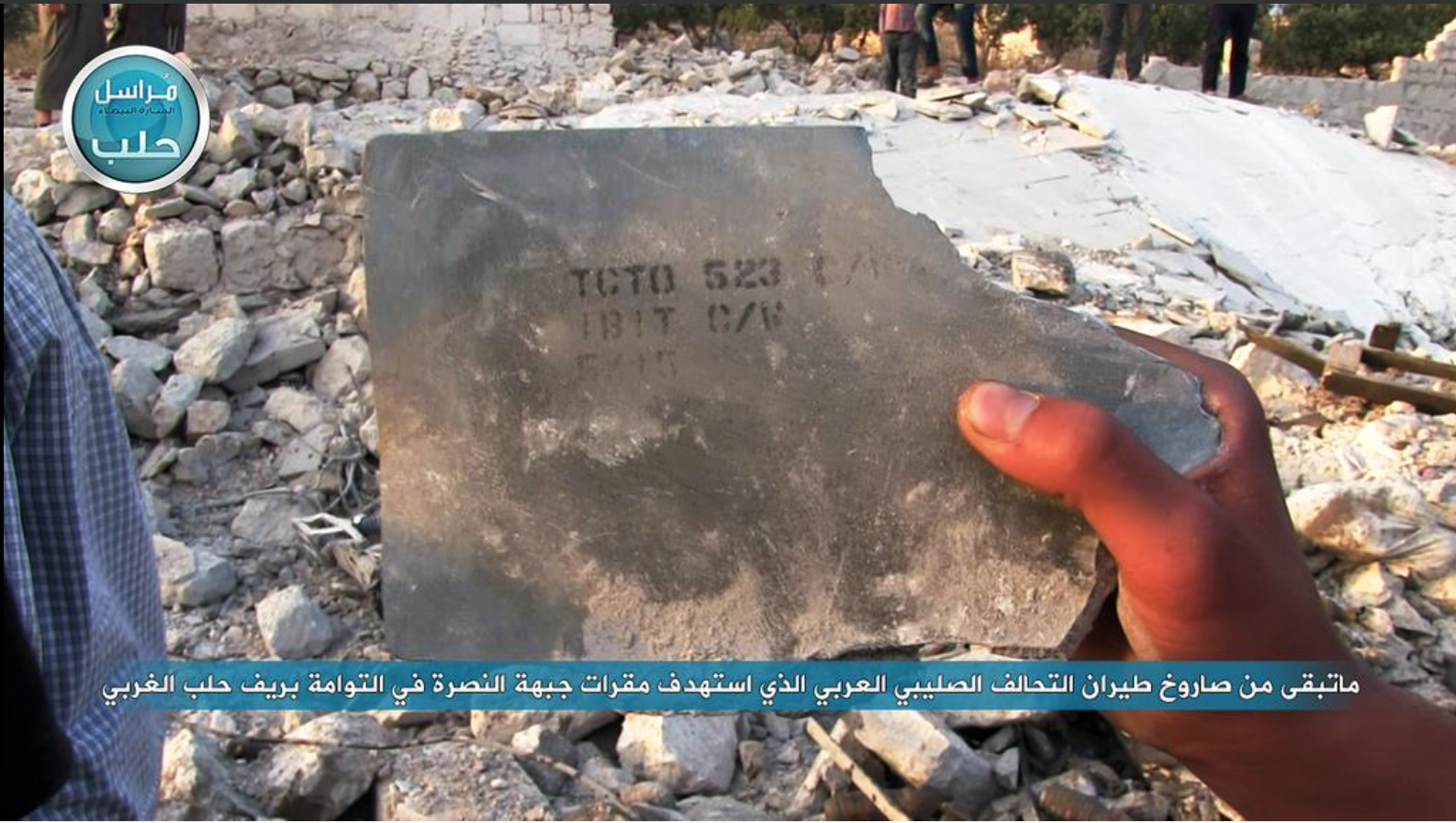
Coalition airstrikes kill 14 Al Nusrah Front members
The Al Nusrah Front, al Qaeda’s official branch in Syria, claims that 14 fighters were killed in recent coalition air strikes in Syria.
-
An al Qaeda front group in Syria
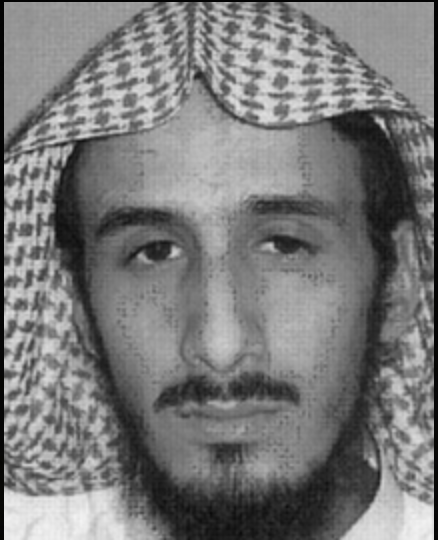
In a tweet last month, Jund al Aqsa, an al Qaeda-linked jihadist group in Syria, identified Adel Radi Saker al Wahabi al Harbi as its fallen military commander. Al Harbi was wanted by the US government, had previously served as the deputy leader of al Qaeda’s Iran network, and was a member of al Qaeda’s so-called “Khorasan Group.”
-
Analysis: DIA head warns al Qaeda in Syria may gain ground in 2015
Lieutenant General Vincent R. Stewart, the director of the DIA, testified before the House Armed Services Committee yesterday. Stewart warned that al Qaeda in Syria may gain ground in 2015, the Islamic State remains capable of launching offensive operations despite the coalition’s air campaign, and the Taliban-led insurgency has fought its opposition to a stalemate in Afghanistan.

-
Al Nusrah Front
MI5 chief warns that al Qaeda is plotting attack on Britain
-
Senior al Qaeda leader returns to Twitter, praises ‘martyrs’
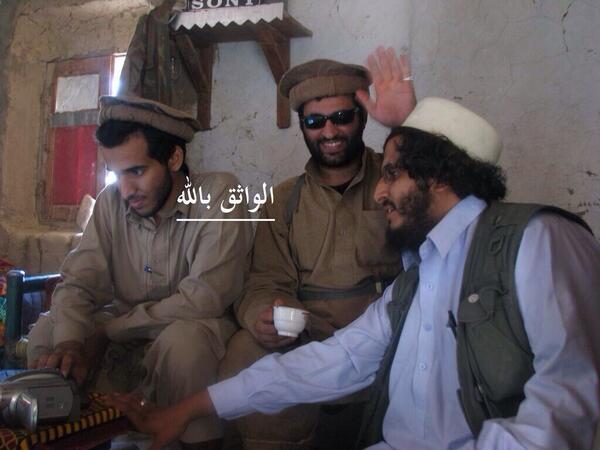
The al Qaeda leader known as Sanafi al Nasr praised al Qaeda’s “martyrs” on Twitter. Among them is Adnan al Shukrijumah, an al Qaeda operative charged with attacking the West. Nasr’s tweets also shed additional light on the identity of another terrorist reportedly killed earlier this month.
-
US airstrike hits al Qaeda’s local network in Syria
The latest attack “struck and destroyed a storage facility associated with the Khorasan Group.”
-
US airstrike targets al Qaeda in Syria
The US military’s airstrikes in Syria show that there is no firm dividing line between al Qaeda’s so-called Khorasan Group and the Al Nusrah Front, which is al Qaeda’s official branch in the country.
-
French defector David Drugeon, Ahrar al Sham allegedly targeted in Idlib strikes
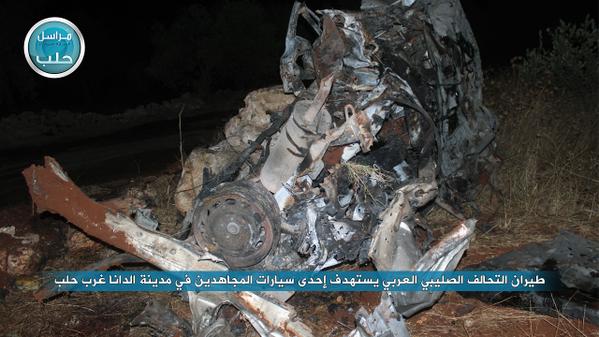
Video surfaced late last night showing a destroyed car in Samarda, Idlib. Activists on the scene reported that the car belonged to Al Nusrah Front.
-
Analysis: CENTCOM draws misleading line between Al Nusrah Front and Khorasan Group
CENTCOM denied that the five airstrikes on Nov. 5 targeted “the Nusrah Front as a whole” but instead were directed at the Khorasan Group. This is a distinction without difference, as the Khorasan Group is part of the Al Nusrah Front.
-
3 new jihadist training camps identified in Syria
Training camps run by the Al Nusrah Front, the Khorasan Group, and a Chechen-led group, Khalifat Jamaat, were identified in Syria. The Long War Journal has identified 42 jihadist training camps in Iraq and Syria.
-
Al Nusrah Front leader says Americans and Europeans will pay the ‘tax’ of war
Abu Muhammad al Julani seeks to undermine public support for airstrikes in Syria by arguing that citizens in the West, and not just their rulers, will pay the price for the war. Julani also discusses Al Nusrah’s fight against Hezbollah and urges jihadists not to join the West in the fight against the Islamic State.
-
Airstrikes in Syria continue to focus on Islamic State, not al Qaeda
Al Qaeda and its allies in Syria were struck by US warplanes on the first day, but have not been targeted since.
-
Al Nusrah Front trainer suspected of plotting against 2004 NATO summit killed in US airstrikes
One of the first reported casualties of the US-led bombing campaign earlier this week was an Al Nusrah Front commander known as Abu Yusuf al Turki. He had been training al Qaeda snipers in Syria. He was previously suspected of plotting to attack the 2004 NATO summit in Turkey.

-
Misunderstanding al Qaeda
The threat posed by al Qaeda remains today. The “Khorasan group” is merely al Qaeda in Syria.
-
US targets Islamic State in 21 strikes in Syria, Iraq
The most recent attacks did not hit the Khorasan group, al Qaeda’s leadership cadre inside Syria that is plotting to attack the West.
-
Al Nusrah Front posts photos showing aftermath of US bombings
The Al Nusrah Front, al Qaeda’s official branch in Syria, has posted a series of photos purportedly showing sites struck by the US.

-
CENTCOM videos show airstrikes on Islamic State facilities in Syria
The strikes against the Islamic State and al Qaeda in Syria were “organized in three waves.”
-
US air war against jihadists in Syria begins
Airstrikes targeted Islamic State command and control centers in Raqqah, the jihadist group’s de facto capital in eastern Syria, as well as arms caches, supply depots, and ground units near the Iraqi border. Also, the US hit al Qaeda’s Khorasan Group near Aleppo.