|
|
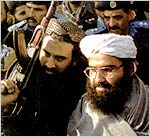
Maulana Masood Azhar, the leader of the Jaish-e-Mohammed (right). |
Pakistan has placed Masood Azhar, the founder and leader of the Jaish-e-Mohammed, under house arrest in the wake of mounting international pressure to act against terror groups involved with the Nov. 26 terror attacks in Mumbai, India.
Security forces have reportedly surrounded Azhar’s home in Bahawalpur and are preventing him from traveling. Azhar is one of an estimated 20 Pakistani terrorists wanted by India for their role in the Mumbai attacks.
Azhar is a long-time jihadi who trained at the same religious seminary as Afghanistan Taliban leader Mullah Omar. Azhar was released from an Indian jail in exchange for hostages held in an Indian Airlines flight hijacking in December 1999. Azhar’s brother, Mohammed Ibrahim Athar Alvi, took part in the hijacking.
Azhar established Jaish-e-Mohammed the next year as an offshoot of the Harkat-u-Ansar, one of many terror groups created with the help of Pakistan’s Inter-Service Intelligence agency to fight the Indians in India-occupied Kashmir.
Jaish-e-Mohammed was implicated along with the Lashkar-e-Taiba as being behind the Dec. 13, 2001, attack on the Indian Parliament building in New Delhi. In October 2001, the US added Jaish-e-Mohammed as a foreign terrorist organization. In 2002, Sheikh Ahmed Saeed Omar, a close associate of Azhar, was behind the kidnapping and murder of Wall Street Journal reporter Daniel Pearl.
Azhar has been in Pakistani detention at least two times in the past decade. He was briefly detained after the attack on the Indian Parliament in 2001, but was cleared of charges by a court in Lahore. Pakistani police detained Azhar after the 2003 assassination attempts against then-President Pervez Musharraf, but freed him months later.
India has demanded Pakistan turn over senior leaders of Lashkar-e-Taiba, Jaish-e-Mohammed, Hizb-ul-Mujahideen, and Harakat ul-Jihad-I-Islami. These terror groups receive backing from elements within Pakistan’s military and Inter-Services Intelligence agency.
But Pakistan’s foreign minister said the country will not turn over wanted terrorist leaders to India. Instead the men are to be tried in Pakistan if evidence of involvement in the Mumbai attacks is discovered.
“The arrests are being made for our own investigations. Even if allegations are proved against any suspect, he will not be handed over to India,” Foreign Minister Shah Mehmood Qureshi said. “We will proceed against those arrested under Pakistani laws.”
Pakistan’s foreign ministry also issued a demarche, or diplomatic rebuke, demanding the Indian government share information on the Mumbai investigation and requesting a joint investigation be conducted. “We require detailed information and evidence,” Qureshi said.
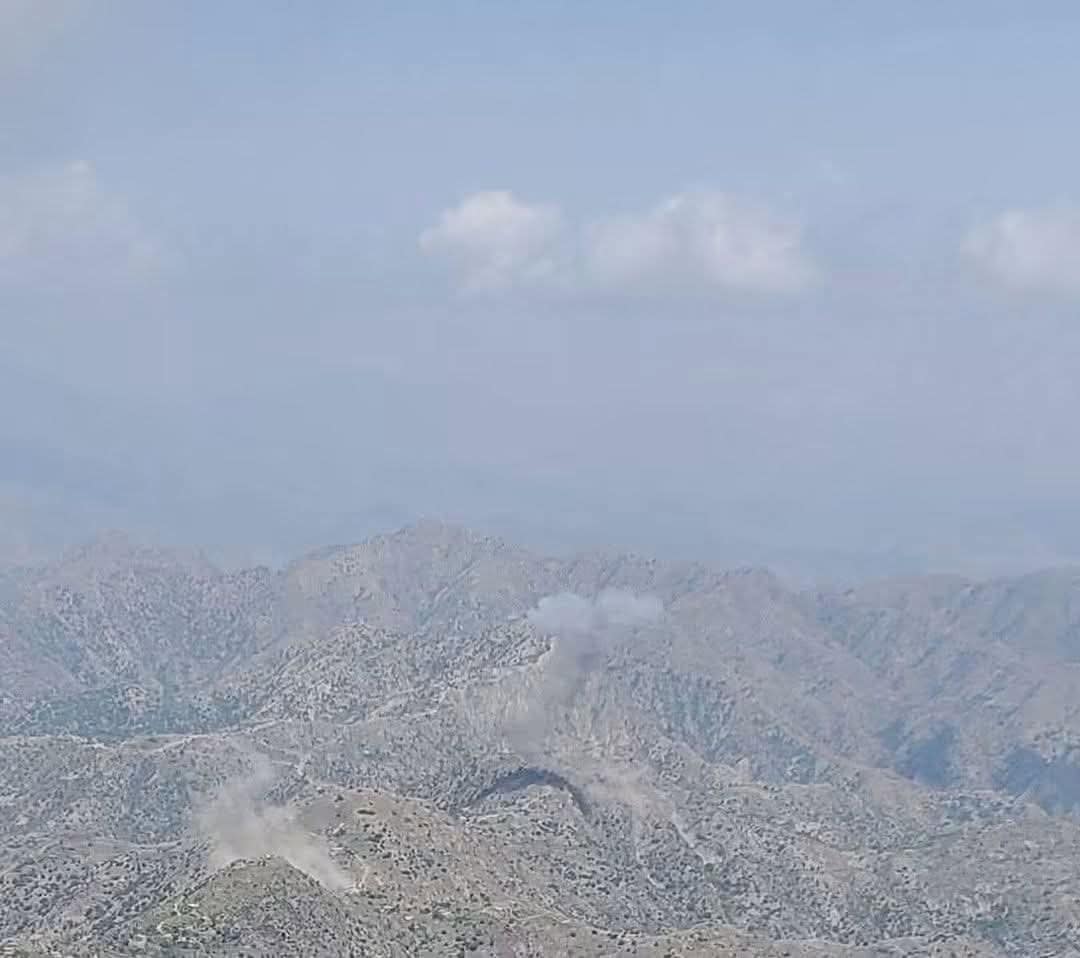
Yesterday, Pakistani forces targeted offices and camps in Muzaffarabad run by Lashkar-e-Taiba, the main terror group behind the Mumbai terror siege. At least nine operatives, including Zaki-ur Rehman Lakhvi, a senior Lashkar leader and one of the operational masterminds of the Mumbai attack, have been detained. According to one report, security forces clashed with Lashkar-e-Taiba fighters for over 90 minutes at the camp. An attack helicopter reportedly fired its guns during the battle.
Pakistani security officials said the operations against the Lashkar-e-Taiba and other groups would continue. “The operation is going on in Muzaffarabad and some other parts of the country and some arrests have been made, including a top man of Lashkar,” Inter-Services Public Relations Director General Major General Athar Abbas told Dawn. “We do not want to go into details of the operation because of certain reasons and sensitivity of the matter.” Raids have also been reported in the capital of Islamabad.
The operation is being led by Pakistan’s Inter-Service Intelligence agency, Abbas said, “in which not only army but all civil security agencies are taking part.”
For more on the ISI’s involvement with Pakistani terror groups, see