|
|
|
Map of ISAF Mission in Afghanistan. Click to Enlarge. |

The fighting in Afghanistan’s south has intensified over the past several months as the Taliban is attempting to gain control of districts prior to the onset of winter. Two of the main flashpoints in the south have been Kandahar and Helmand provinces, where the Taliban can draw on a measure of support from the Pashtun tribes and criminal gangs. The Taliban movement was born in Kandahar province, while Helmand has become the capital of the Taliban’s illegal poppy trade.
Kandahar
In Kandahar, a combined force of US, Canadian and Afghan troops have surrounded a formation of Taliban in the Arghandab district estimated at about 200 plus fighters. Fifty Taliban fighters have been killed during the past three days of fighting, while one Afghan soldier and three police were killed.
The Taliban have made a push to attack the Kandahar’s provincial capital after the death of Mullah Naqib. Naqib was the powerful and influential tribal leader of the Arghandab district who fought the Soviets during the 1980s. The district is “a key buffer zone between the urban areas under government control and the increasingly hostile districts to the north” of Kandahar City, the Globe and Mail reported at the time of Naqib’s death on October 13.
“His passing leaves a dangerous gap in Kandahar city’s defences,” the Globe and Mail noted. “Mullah Naqib protected Kandahar,” said Abdul Rahim Jan, a tribal elder from Panjwai, another Taliban hotspot. “This is a big loss. It’s like a thousand people died.”
The Taliban have been probing the Afghan and NATO defenses in Kandahar. On October 17, the Taliban “attacked a Coalition reconnaissance patrol using heavy machine guns, rocket propelled grenades and small arms fire,” lightly wounding nine soldiers. On October 27, Afghan and NATO forces battled the Taliban in the Shah Wali Kowt district.
http://canadianpress.google.com/article/ALeqM5iV9DEsV-taqwmYNWsAtQxGQjEV5g
Afghan and NATO forces have conducted several raids against the Taliban in Kandahar since the death of Naqib. The most high profile event resulted in the capture of three Pakistani Taliban “trainers” who were heading to Kandahar from Uruzgan. The Pakistanis, who hailed from Peshawar, “have been attempting to recruit new members to become suicide bombers.” On October 30, six Taliban were captured during an operation in Kandahar City, while another five were captured on October 23.
Helmand
|
|
|
Map of region of recent fighting in Helmand province. Click to view. |

Helmand province has been the scene of the largest battles in southern Afghanistan since the Taliban declared the start of its yearly “Spring Offensive.” The Taliban have launched assault after assault on Afghan and NATO forces operating in the Musa Qala, Kajaki, Nawzad and Sangin districts. Each attack has been beaten back, with the Taliban incurring casualties from the dozens to the hundreds.
The largest battle occurred on September 26, when Afghan Army soldiers, backed by advisors, killed 104 Taliban during a battle near Musa Qala Wadi. On October 19, twelve more Taliban were killed near Musa Qala. Another 36 Taliban were killed on October 20 near Musa Qala, and the last major battle occurred on October 27, when over 80 Taliban fighters were killed.
The Taliban appear to have fallen back on its safe haven in Musa Qala, while the Afghan government and NATO are working to turn a major player in the Taliban leadership. A report from the Telegraph indicates Afghan and NATO forces may have found a pro-Taliban commander and tribal leader who is willing to turn on the Taliban in Musa Qala.
Diplomats confirmed yesterday that Mullah Salaam was expected to change sides within days. He is a former Taliban corps commander and governor of Herat province under the government that fell in 2001.
Military sources said British forces in the province are “observing with interest” the potential deal in north Helmand, which echoes the efforts of US commanders in Iraq’s western province to split Sunni tribal leaders from their al-Qaeda allies.
The Afghan deal would see members of the Alizai tribe around the Taliban-held town of Musa Qala quit the insurgency and pledge support to the Afghan government. It would be the first time that the Kabul government and its Western allies have been able exploit tribal divisions that exist within the Taliban in southern Afghanistan.
Regions in Helmand province have been Taliban safe havens since the the British cut a deal with the Taliban, under the guise of dealing with the local tribes one year ago. The deal essentially signed over Musa Qala to the Taliban, much like the Pakistani government signed over multiple agencies in its tribal regions to the Taliban. U.S. commanders were furious over the agreement, and it is rumored the French threat to pull its special operations forces out of the south was due to British actions in Musa Qala.
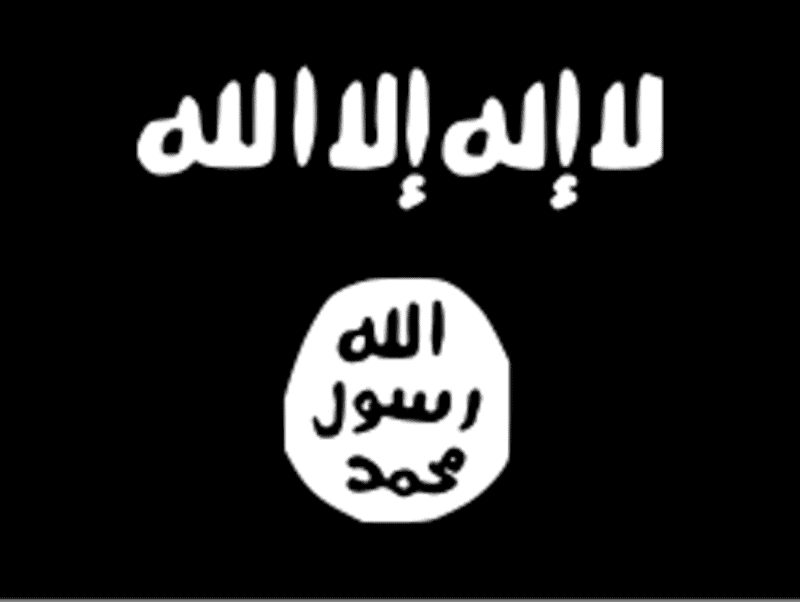
Just after the agreement was inked, the Taliban ran up its black flag over the Musa Qala district center, and fighting between the Taliban and Afghan and NATO forces has been intense. Over 250 Taliban have been killed during five intense ambushes on Afghan and NATO patrols, with few Afghan or NATO casualties. The Taliban lost 80 fighters in the latest attack. Three senior Taliban leaders — Mullah Dadullah, Mullah Berader, and Qari Faiz Mohammad — have been killed in strikes in Helmand province over the past several months.
From Pakistan
The fighting in southern and eastern Afghanistan spiked this year after the Pakistani government cut a series of peace deals with the Taliban and al Qaeda in the tribal agencies and settled districts of Pakistan’s Northwest Frontier Province. The Taliban also maintains significant bases and command and control facilities in Pakistan’s Baluchistan province.
NATO and Afghan forces are stretched thin in Afghanistan, while the Taliban maintains its safe havens across the border in Pakistan. NATO and Afghan forces will continue to fight a holding action in Afghanistan until the Taliban and al Qaeda are uprooted from their bases along the borders in Pakistan.