-
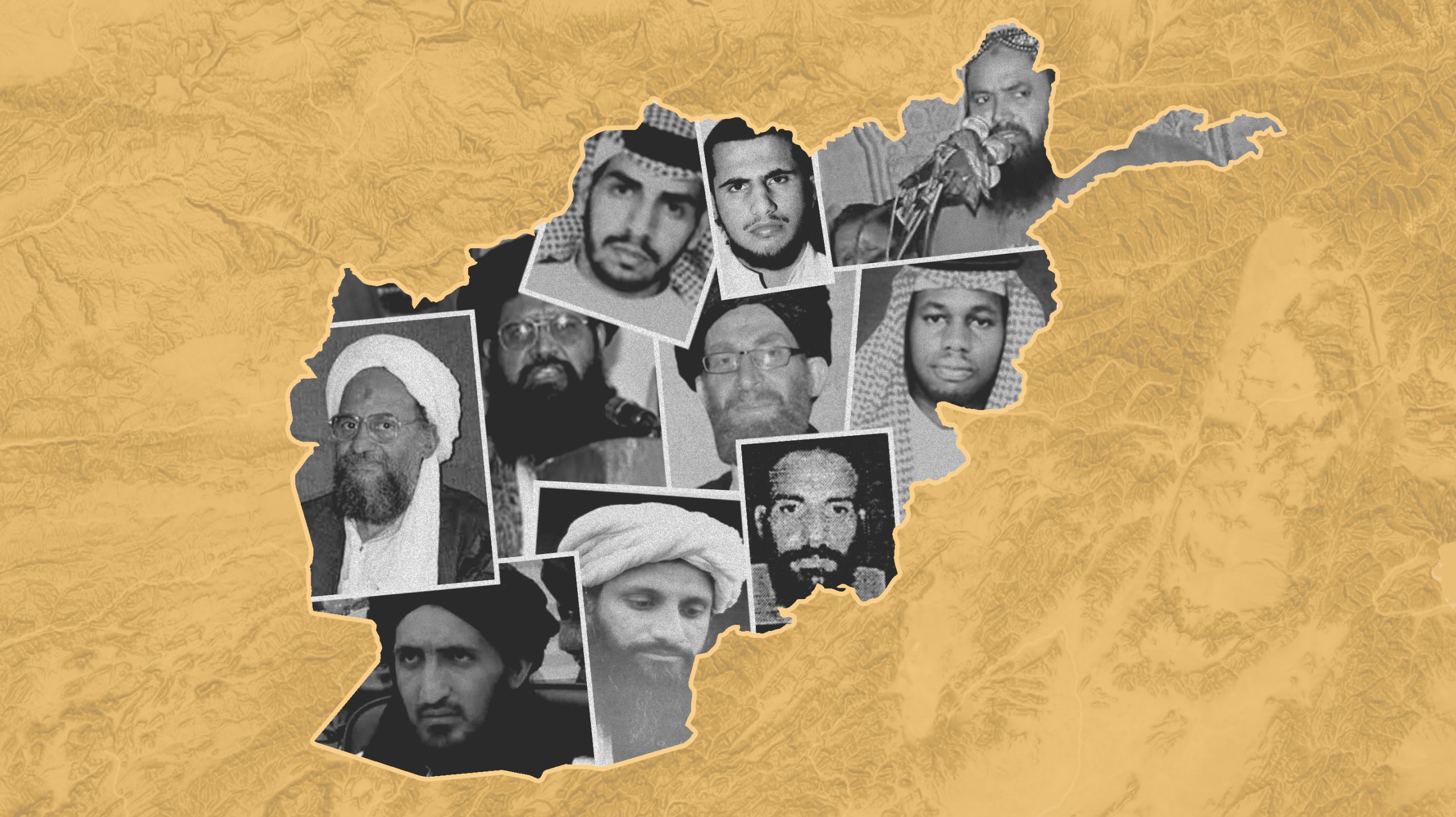
White House, Caracas release details on historic US-Venezuela oil deal
President Donald Trump announced on August 28 that the United States had reached a sweeping oil agreement with Venezuela that grants American interests majority control over more than 65 billion barrels of proven reserves. The US described the agreement as part of a 25-year strategy to expand US access to Venezuelan energy resources while building more secure and resilient supply chains in the Western Hemisphere.
-
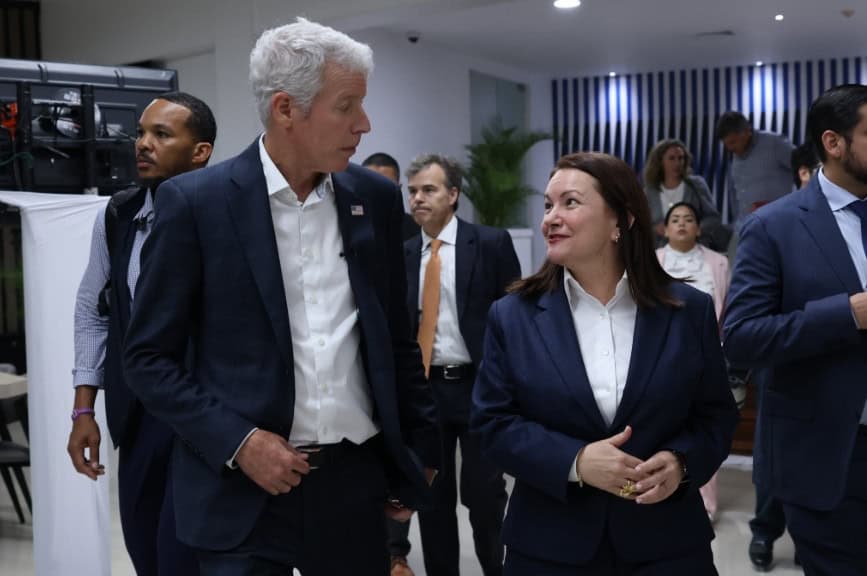
Venezuela continues difficult recovery from twin earthquakes as oil sales surge
Venezuela’s recovery from massive earthquakes on June 24 has become increasingly costly as the death toll has climbed, the extent of infrastructure damage has come into sharper focus, and reconstruction has placed additional strain on an already fragile economy. However, Caracas’ oil sector has also continued to expand.

-
Deadly earthquakes overwhelm Venezuela’s emergency response, stall political transition
Two earthquakes that hit north-central Venezuela on June 24 have killed at least 4,829 people, injured 16,740, and displaced approximately 18,000, according to government figures. The disaster has overwhelmed Venezuela’s emergency services and slowed political developments that had gained momentum following the American capture of former President Nicolás Maduro in January.
-
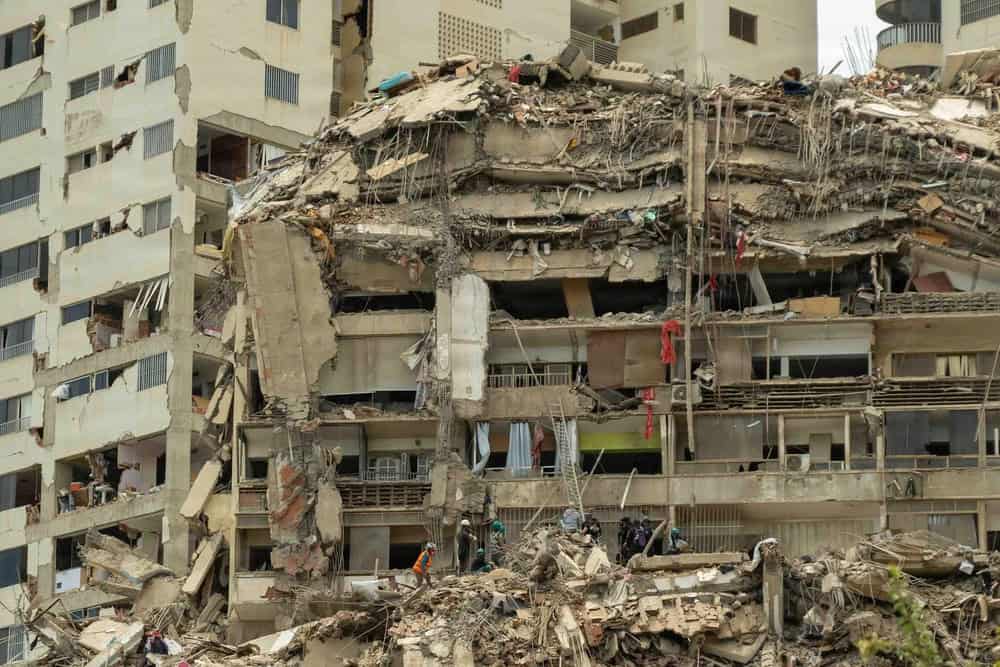
Venezuela reshuffles foreign relationships as oil production grows
As Nicolás Maduro’s foreign minister and vice president, interim Venezuelan President Delcy Rodríguez previously helped build Caracas’s ties to Russia, China, and other US adversaries. Despite Washington’s desire for Venezuela to now orient toward the West, Rodríguez is also courting middle powers that can give Caracas room to maneuver, an effort aided by Venezuela’s recovering oil economy.

-
Venezuelan president to end amnesty, hundreds of political prisoners still unreleased
Venezuelan Acting President Delcy Rodríguez Delcy Rodríguez said the country’s recent amnesty is ending as the NGO Foro Penal reports that 473 political prisoners remain in custody. In addition, Caracas is fast-tracking investment laws, opposition leader María Corina Machado plans to return to the country this year, and US Southern Command launched new a combat unit covering the Caribbean and Latin America.
-
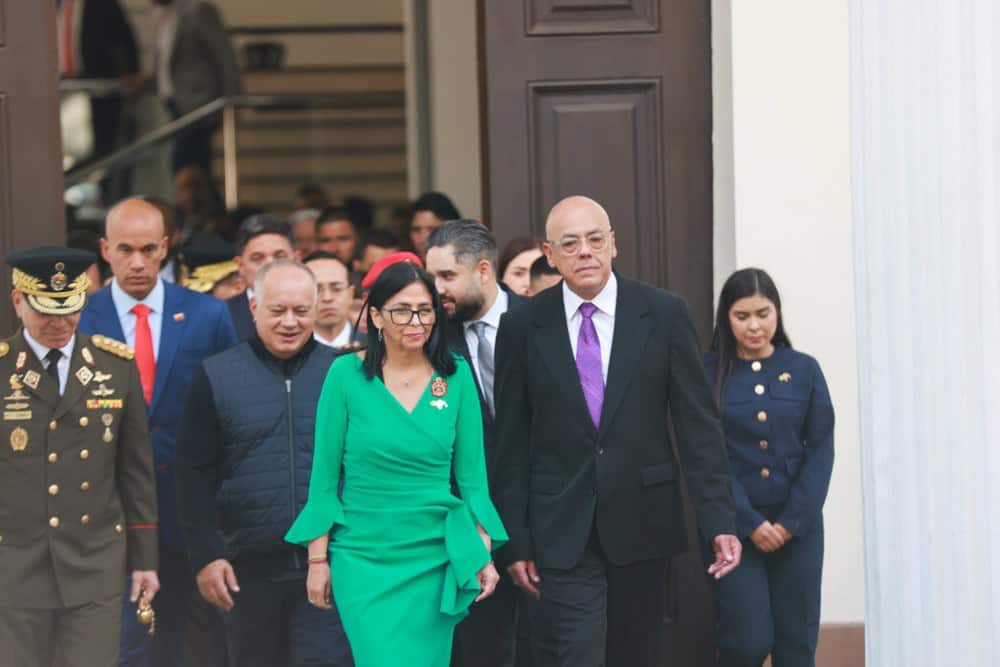
Interim Venezuelan president ousts defense chief as Washington makes limited progress in Caracas
On March 18, Venezuelan acting President Delcy Rodríguez removed longtime Defense Minister Vladimir Padrino López and installed Gustavo González López, followed by initiating a broad restructuring of the military’s top leadership. These moves unfolded alongside US-supported stabilization efforts and the passage of a February 20 amnesty law that has facilitated the release of dozens of political prisoners. Nevertheless, a UN fact-finding mission reported that the country’s repressive apparatus remains largely unchanged.

-
Kidnapping of opposition leader threatens US momentum in Venezuela
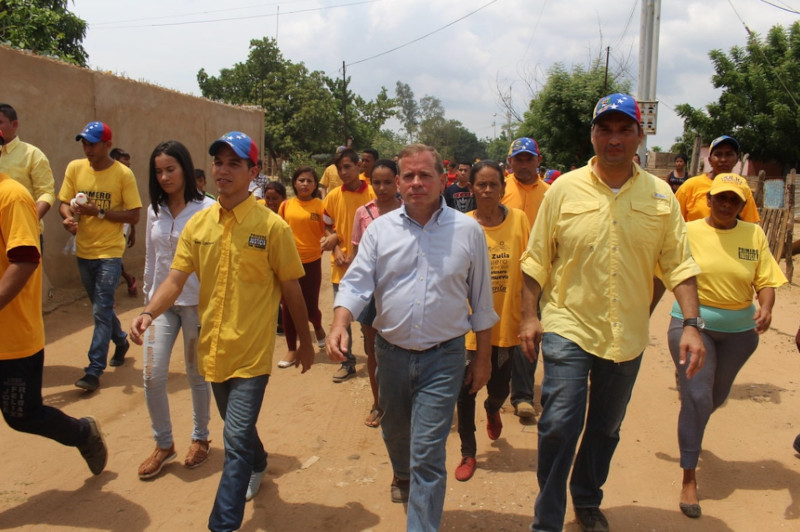
The kidnapping of Juan Pablo Guanipa on February 8 raised worries that Venezuela’s Maduro-era repression apparatus remains active, even as US and Venezuelan authorities moved forward on political and economic reforms. Among these developments were the passage of a hydrocarbons law that ended the state’s monopoly on the oil industry and corresponding US sanctions relief.
-
Turkey’s extensive ties with Venezuela bolstered Maduro’s regime despite sanctions and criminal activity
Turkish President Recep Tayyip Erdogan long served as a key external backer of Venezuelan leader Nicolas Maduro, providing diplomatic protection, economic engagement, and sanctions-evasion pathways that helped sustain Maduro’s regime amid international isolation. Following Maduro’s capture by US forces on January 3, Turkey’s past role as a potential haven and logistical lifeline may come under sharper scrutiny, though Erdogan has notably avoided public criticism of Washington.

-
US deploys carrier, issues airspace warning, seizes oil tanker in latest Caribbean escalations
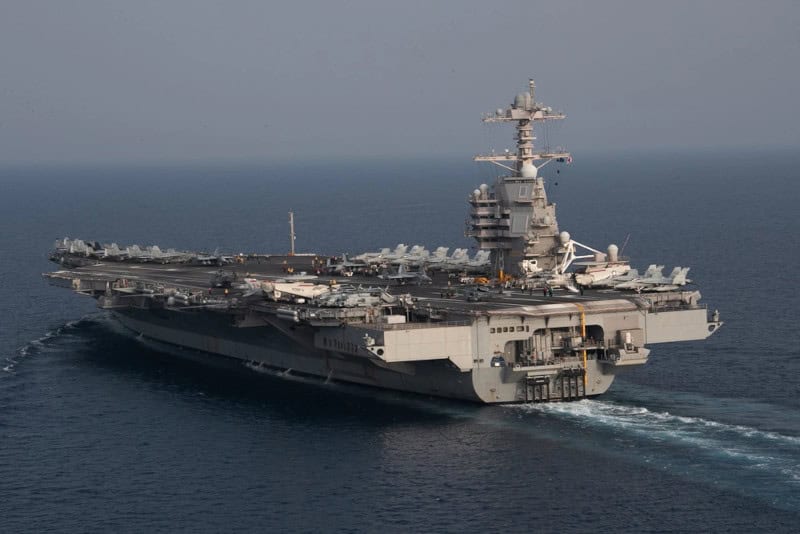
The United States has significantly escalated tensions with the regime of Venezuelan President Nicolas Maduro in recent weeks. After US Secretary of War Pete Hegseth announced “Operation Southern Spear” on November 13, the US sent the USS Gerald R. Ford Carrier Strike Group to the Caribbean. The US also captured a sanctioned Venezuelan oil tanker and issued a Notice to Air Missions cautioning that civilian aircraft face a “potentially hazardous situation” when flying over Venezuelan territory. In response to US strikes on speedboats allegedly operated by Venezuelan “narco-terrorists,” France and the UK have diplomatically challenged the US.
-
How Venezuela’s Maduro became Washington’s most persistent hemispheric adversary
US President Donald Trump has imposed unprecedented military pressure on Venezuela during his second term, including kinetic strikes on alleged drug speedboats. However, this largest buildup of American military power in the Caribbean since the Cuban Missile Crisis in 1962 didn’t happen in a vacuum. The US has applied various forms of pressure to counter the authoritarian turn of Venezuelan President Nicolás Maduro since he took power in 2013.