-
UN report: The jihad’s new center of gravity
Generation Jihad’s Bill Roggio and Edmund Fitton-Brown, FDD senior fellow and former coordinator of the UN Monitoring Team, unpack the new UN 1267 report on the global state of the Islamic State, Al Qaeda, and their affiliated groups.
-
Syria thwarts Hezbollah plot, vows at UN to fight terrorist groups
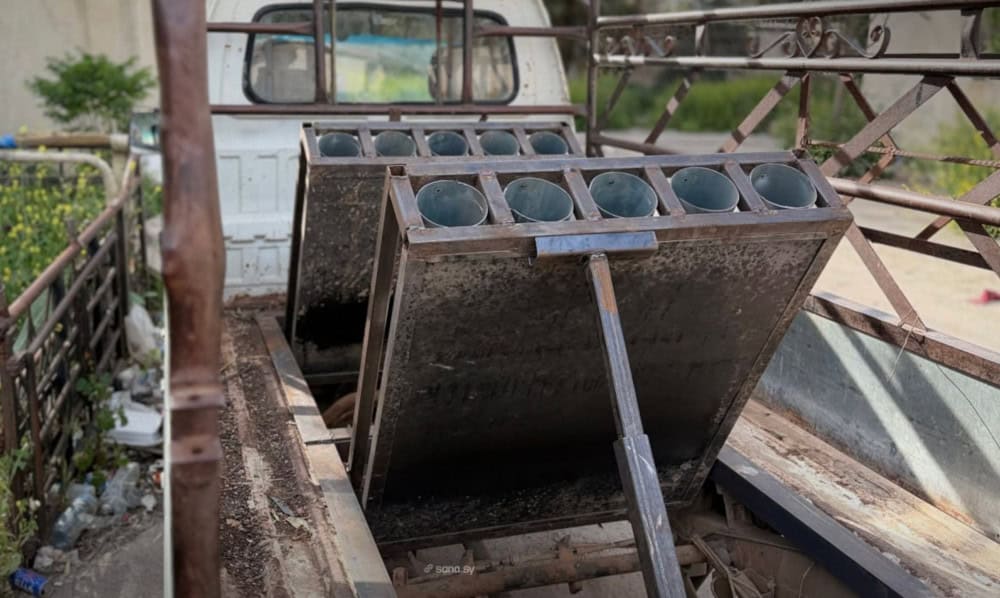
Syria says it disrupted a Hezbollah-linked plot and uncovered rockets near the Quneitra area of the Golan Heights. Officials also reported arrests tied to another terrorist cell, plus the seizure of 500,000 Captagon pills in a joint anti-smuggling operation with Iraq. At the United Nations, Syria pledged to continue counterterrorism operations, while criticizing Israeli actions in southern Syria.
-
Hamas rejects UNSC vote endorsing key aspects of 20-point plan for Gaza
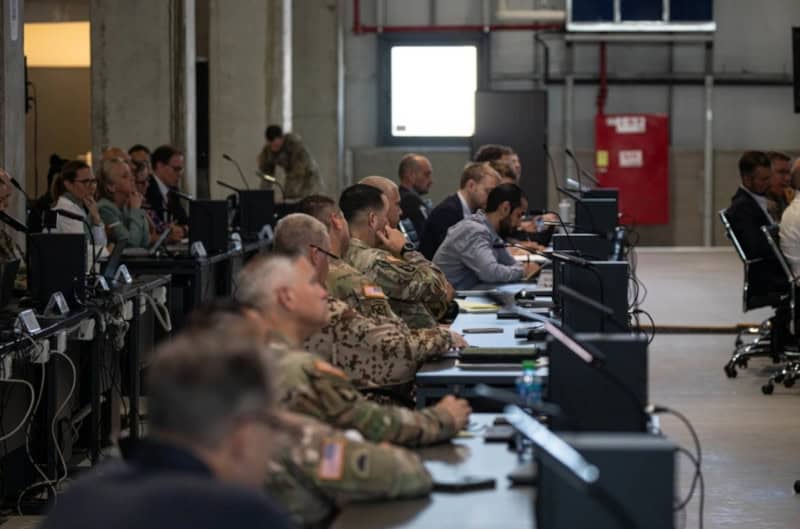
Hamas rejected UN Security Council Resolution 2803, which endorses US President Donald Trump’s 20-point peace plan, immediately after its passage. The resolution also called for the establishment of the Board of Peace that would temporarily govern Gaza and oversee the creation of an International Stabilization Force (ISF). Continued challenges to the establishment of an ISF and Hamas’s rejection of the resolution and refusal to disarm place the future of the peace plan in question.
-
US pushes for UN resolution on Gaza to support peace plan
The US is seeking a UN Security Council (UNSC) resolution on Gaza to bolster President Donald Trump’s peace plan. US Ambassador to the UN Mike Waltz convened a meeting on November 5 with 15 countries, 10 of which are elected members of the UNSC, noting that the effort was aimed at creating “real peace in the Middle East.” The resolution seeks to support the establishment of an international security force for Gaza, which will operate in conjunction with the Board of Peace envisioned by the ceasefire agreement reached in Egypt in October.

-
Analysis: Explaining UNSC Resolution 1701 and its relation to Resolution 1559
A specious argument fueled by DC-based Lebanese activists is gaining traction. It alleges that UN Security Council Resolution 1559 (2004) takes a stronger stance against Hezbollah than its successor, Resolution 1701, adopted after the 2006 Israel-Hezbollah War. This entire argument, however, rests on misinterpretations of Resolution 1701’s meaning and intent and demonstrates ignorance of international law.

-
Attack on UN base in Mali carried out according to Zawahiri’s guidelines, JNIM says
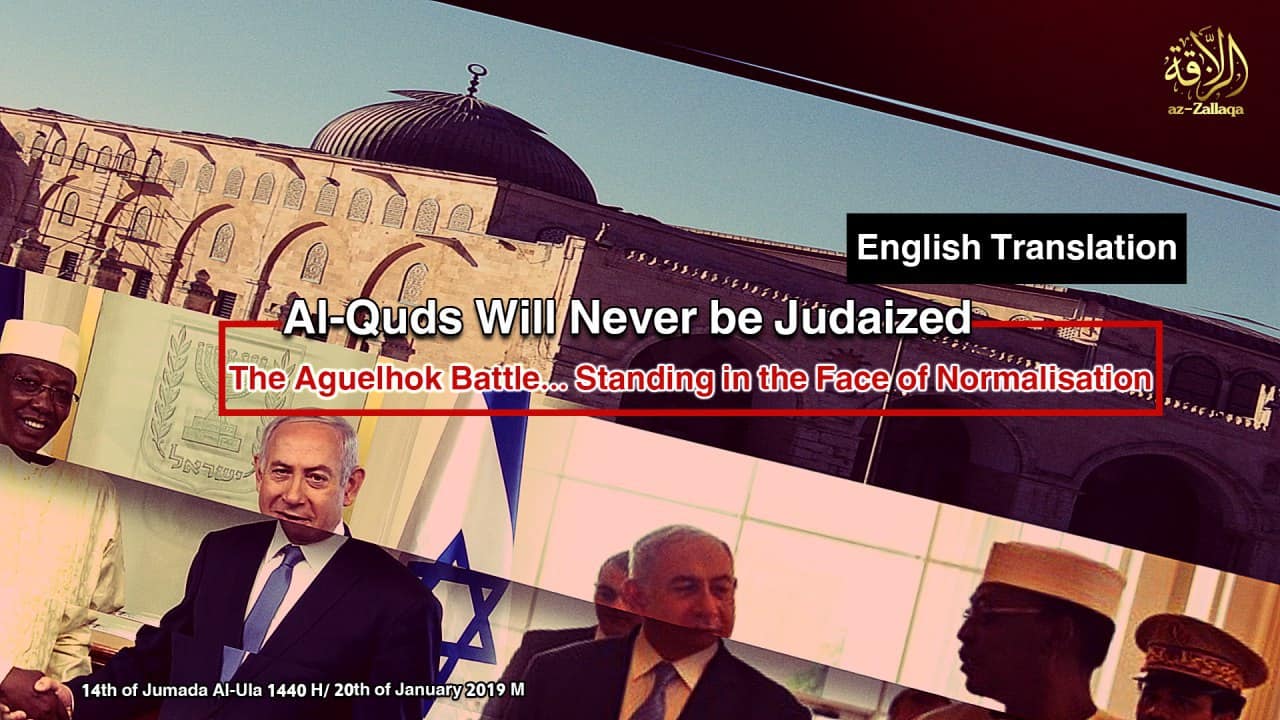
Al Qaeda’s branch in Mali attacked a UN base earlier today, killing at least ten peacekeepers from Chad. The group says that the assault was part of Ayman al-Zawahiri’s global campaign, which rejects the “normalization” of Israel. Israeli Prime Minister Benjamin Netanyahu also visited Chad today.
-
Analysis: Jihadist exploitation of communal violence in Mali
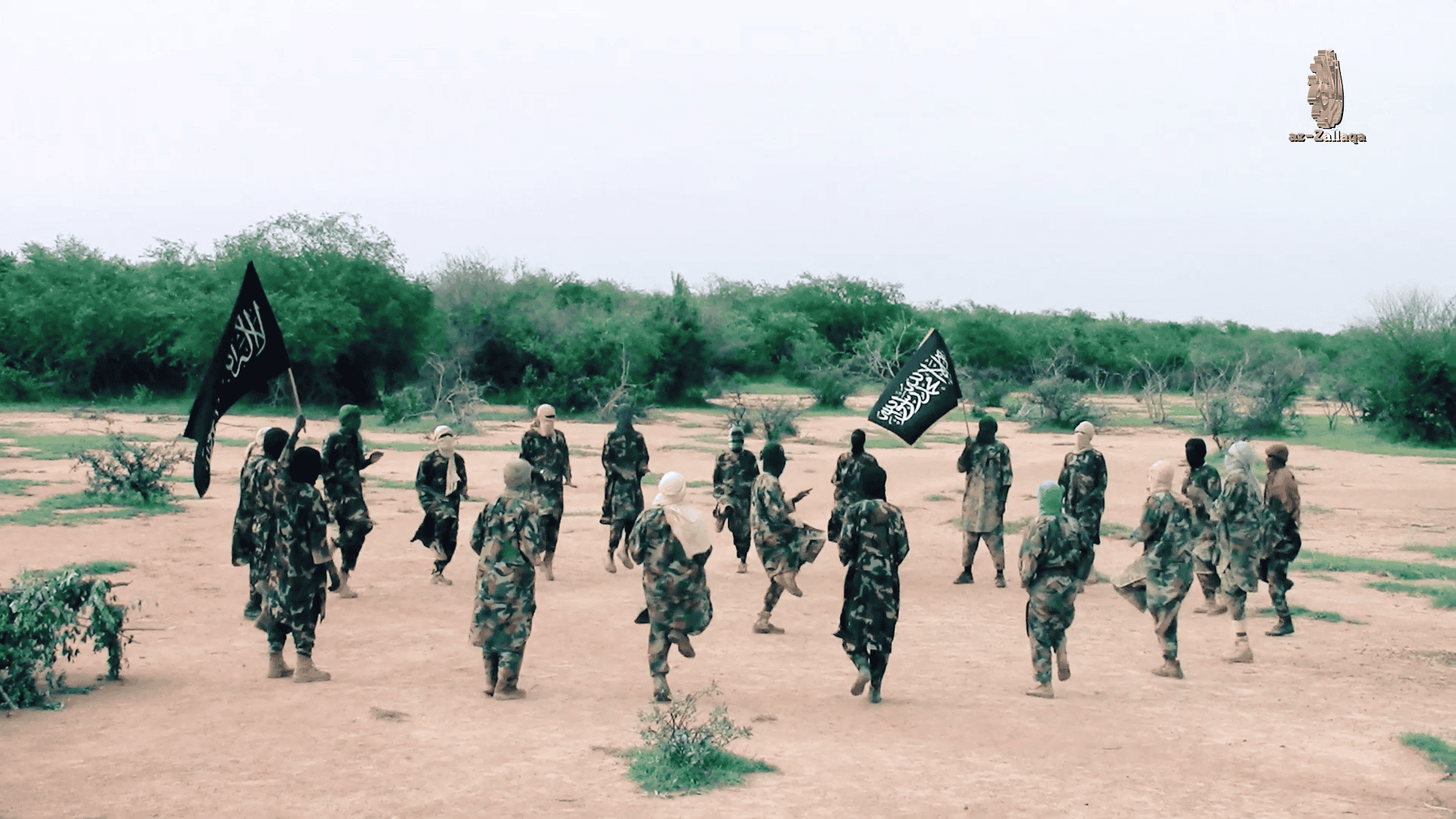
Rising communal violence in both northern and central Mali further weakens the already fragile state, which in turn, further helps jihadists exploit these problems for their own gain.
-
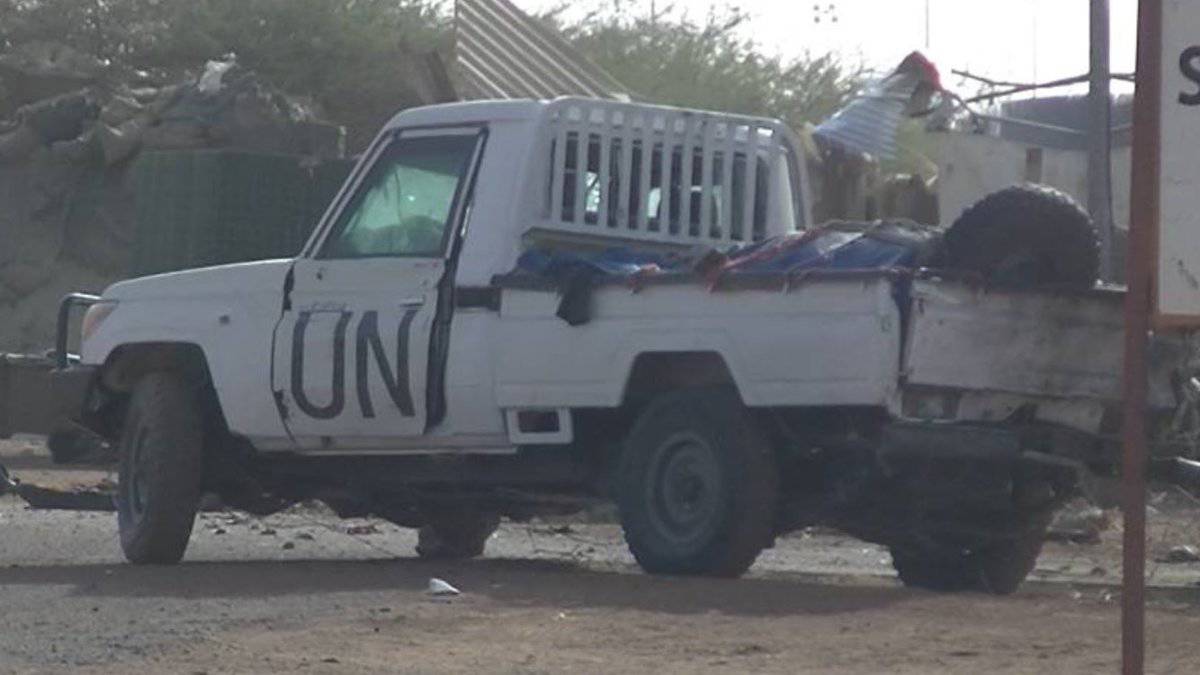
Al Qaeda’s JNIM claims suicide assault in Timbuktu
JNIM claims the brazen assault was in retaliation for the death of several of its commanders and fighters in recent French raids.
-
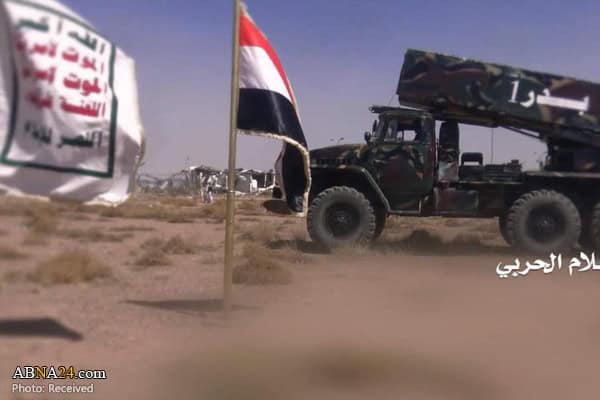
A peek inside Houthi Rebel’s recent missile strikes in Saudi Arabia
Pro-Houthi media outlets like Yemen News Agency (SABA) reported that at least three types of projectiles were fired into the Kingdom. They include the Burkan-2H, the Qaher-2M, and the Badr-1. Both the Burkan and the Qaher have been used multiple times in the Yemeni theater, while the Badr was only unveiled last week.
-
Analysis: Reported link between Houthi and Iranian ballistic missiles
At the strategic level, if Iran’s provision of ballistic missiles to the Houthi rebels is confirmed, it could be seen as an indicator Tehran’s increased tolerance for risk in a distant conflict theater, one which has sought to weaken Saudi Arabia by any means possible.
/assets/images/featured-image-default.jpg)
-
JNIM claims string of attacks across Mali
These assaults serve as a reminder of al Qaeda’s vast capabilities to strike across the region. This comes even with both a French counter-terrorism operation and a UN peacekeeping operation in Mali. Al Qaeda’s operational capacity in Mali and the wider West African region has largely remained intact.
-
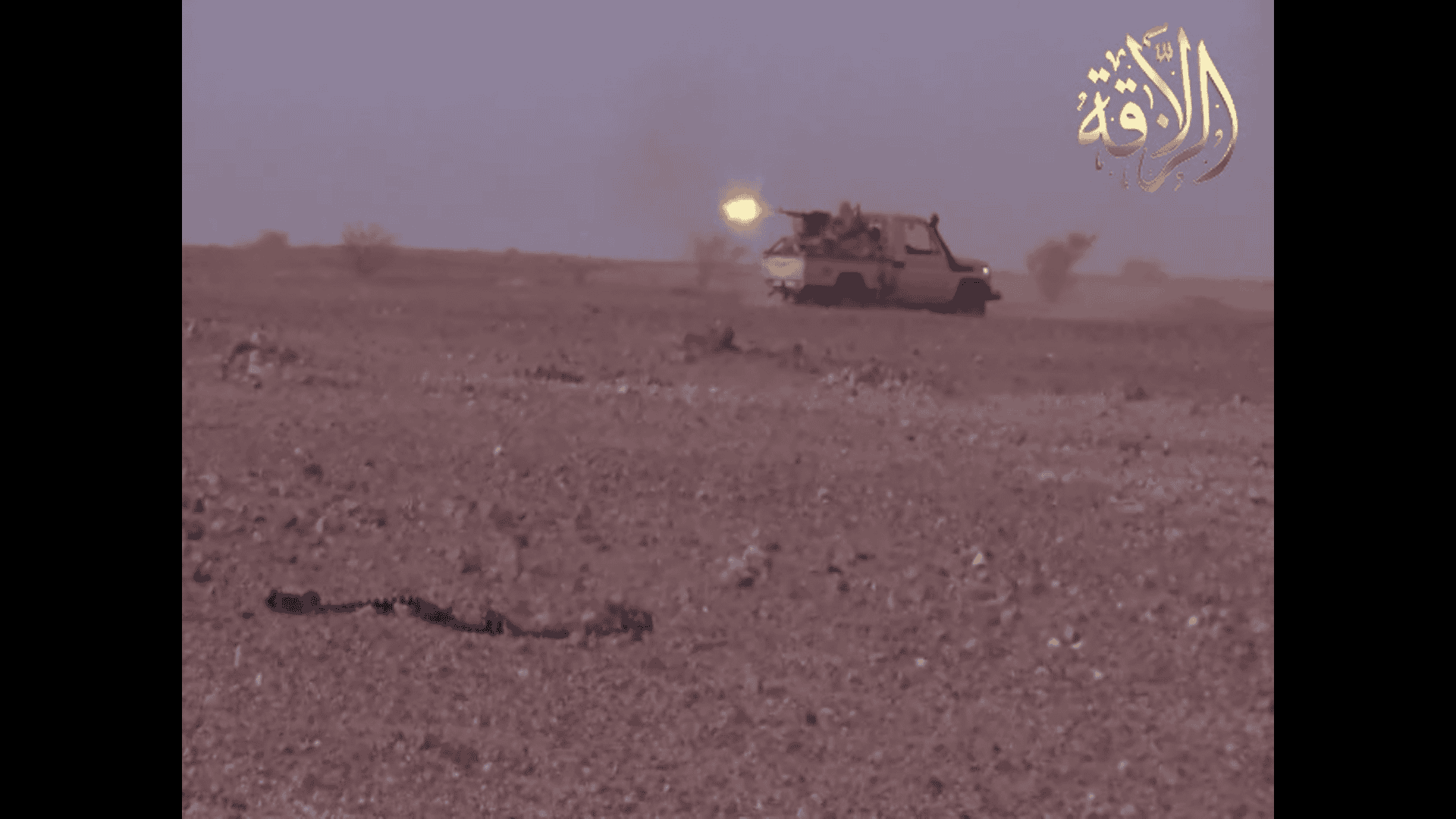
JNIM claims large assault in Kidal, Mali
After almost one month of media silence, al Qaeda’s JNIM returns to social media to claim responsibility for a complex assault on UN forces near the northern Malian city of Kidal.