-
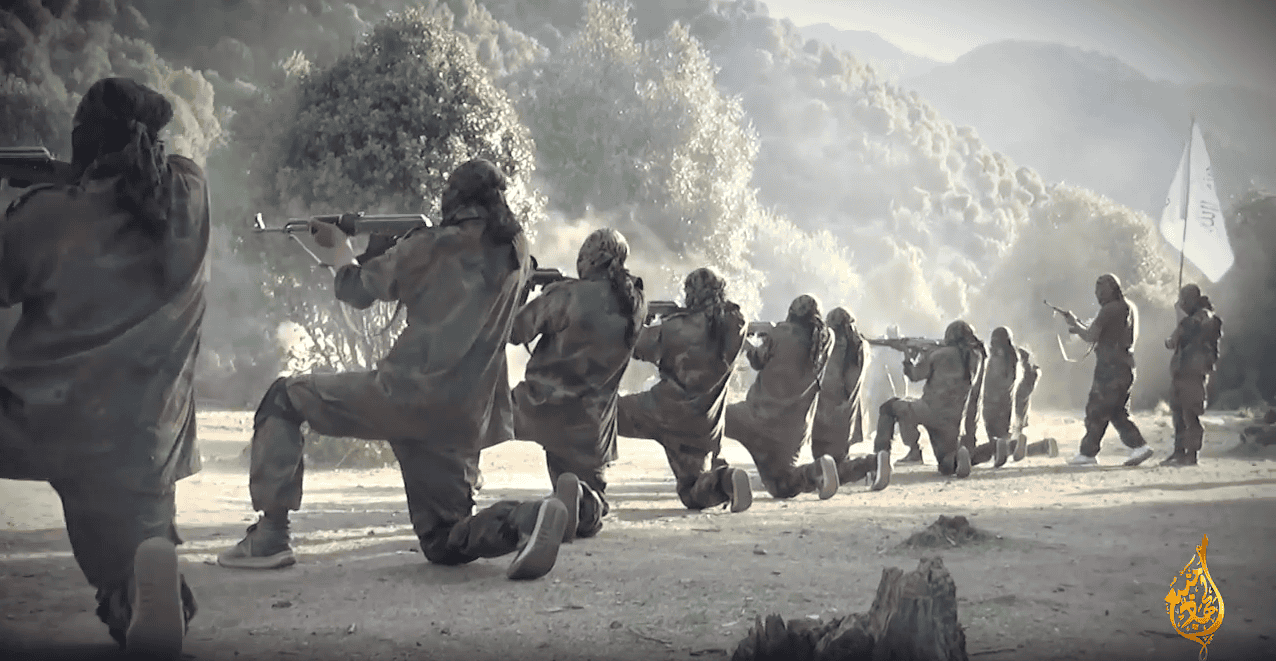
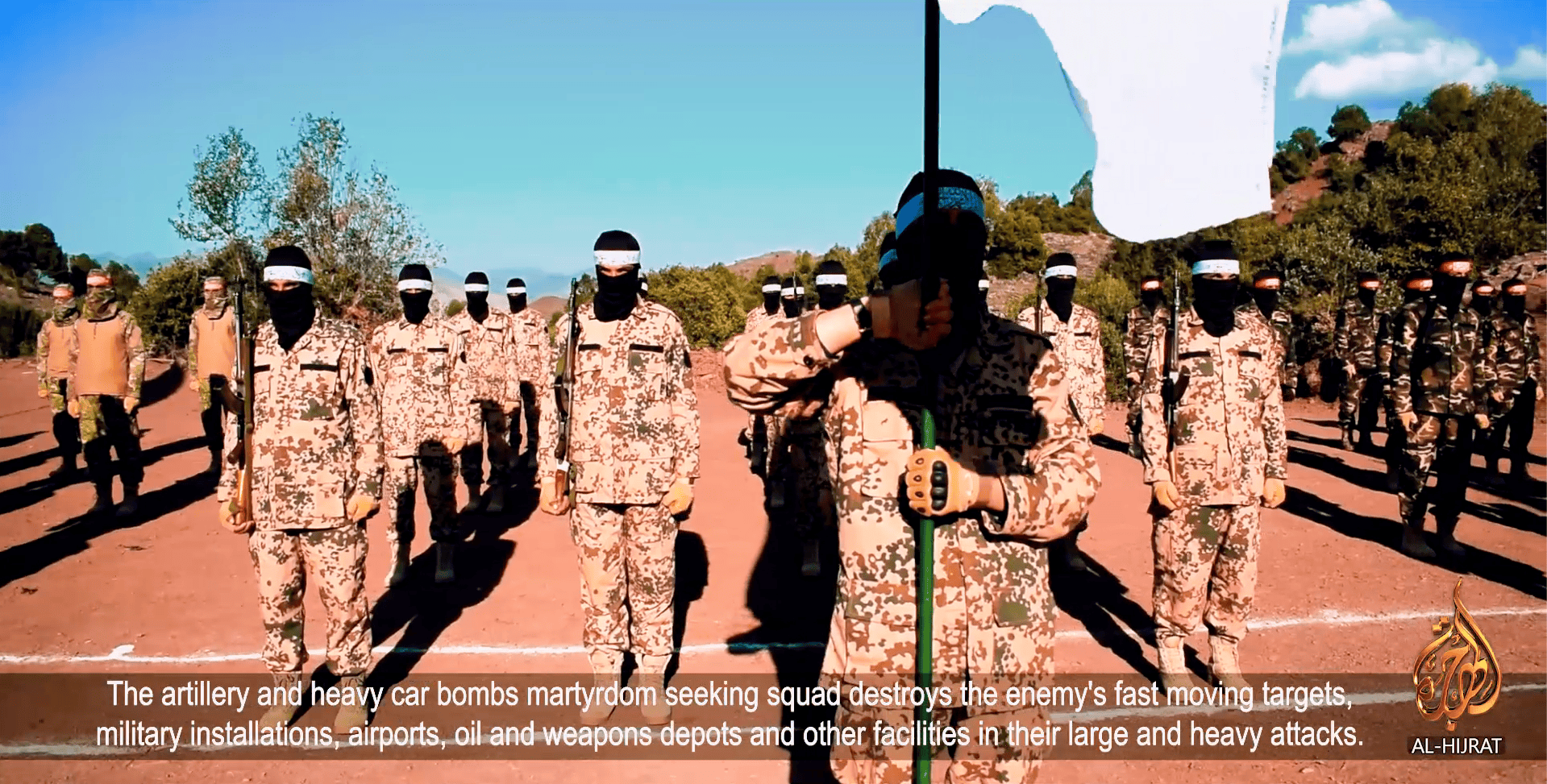
Taliban again promotes its Badakhshan training camp
The Taliban previously stated that the Abu Ubaidah Ibn Jarrah Training Center was located in Badakhshan province. Members of the Turkistan Islamic Party have trained at a Taliban camp in the province.
-
Taliban suicide bomber hits Afghan military convoy
The Taliban continues to use the signature terror tactic of Al Qaeda and other jihadist groups despite signing a deal with the U.S. that facilitates the withdrawal of American troops from the country.
-
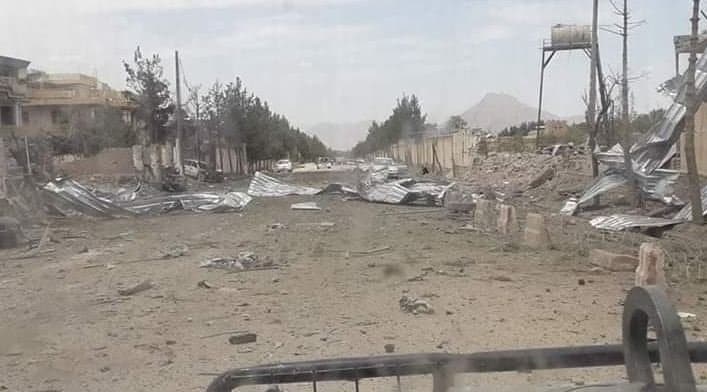
Taliban suicide team strikes NDS headquarters in Afghan city
The attack belies U.S. officials’ claims that the Taliban has not been fighting in Afghanistan’s cities.
-
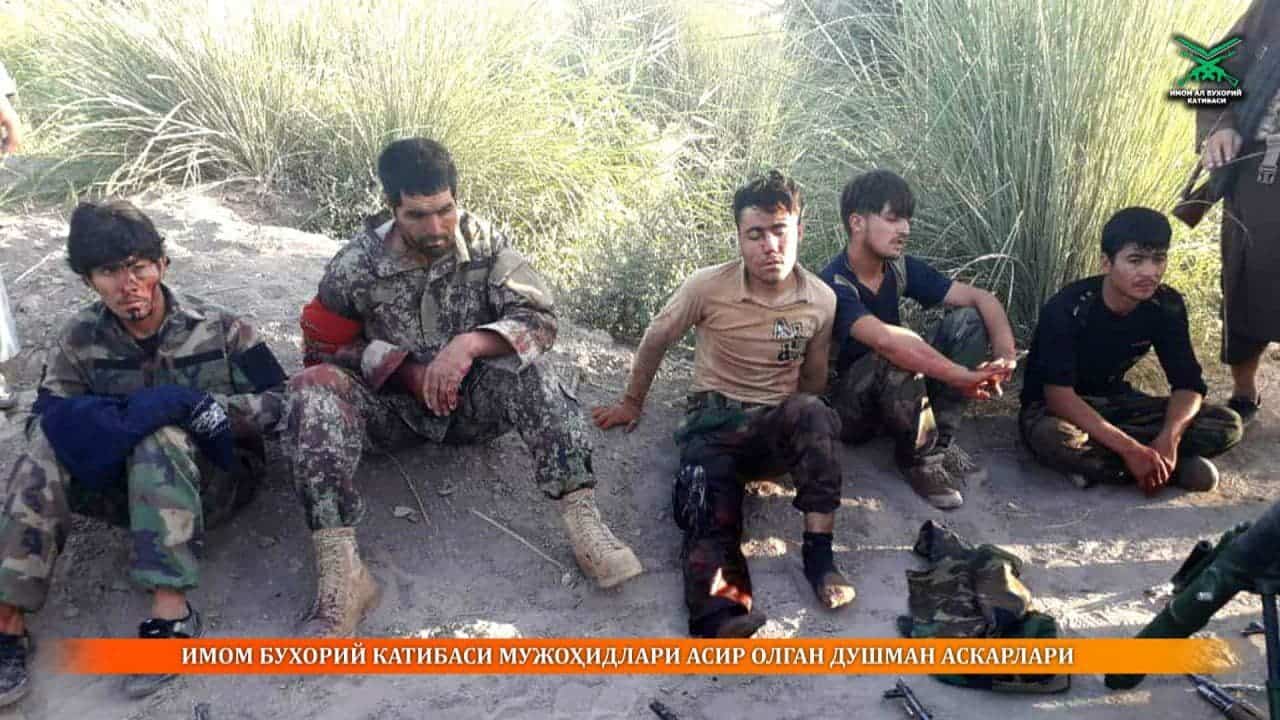
Taliban attempts to cover up images posted by an Uzbek jihadist group in Afghanistan
The Taliban denies that an Uzbek jihadist group, Katibat Imam al-Bukhari (KIB), operates in Afghanistan. The Taliban falsely asserts that photos recently posted by the KIB were “falsified by anti-peace circles.”
-
Uzbek jihadist group claims capture of Afghan militiamen
Katibat Imam al-Bukhari, a Taliban-loyal Uzbek group that operates in both Afghanistan and Syria, again promotes its Afghanistan operations. This comes as the Taliban has attempted to deny the presence of foreign fighters inside the country.
-
Taliban again denies Al Qaeda is in Afghanistan
This time, the Taliban denied a Department of Defense report that Al Qaeda in the Indian Subcontinent cooperates with the Taliban by claiming AQIS isn’t inside the country.

-
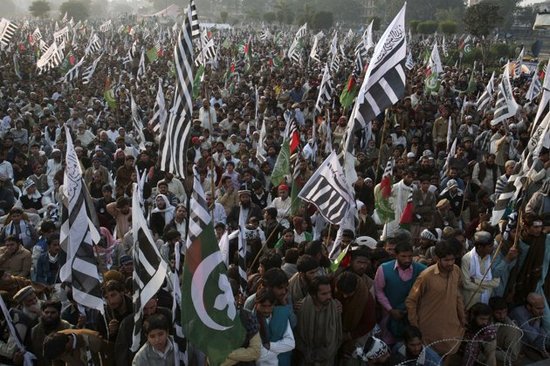
Pakistan a ‘safe haven’ for ‘terror groups’: U.S. State Department
Pakistan remains a “safe haven” for a host of regional terror groups, including the Afghan Taliban and its integral subgroup, the Al Qaeda linked Haqqani Network, according the the State Department’s newly released Country Reports on Terrorism 2019.
-
Analysis: Taliban is caught in a lie by denying Al Qaeda’s presence in Afghanistan
The Taliban’s denial of Al Qaeda’s presence in Afghanistan means that one of the two groups are not telling the truth. Either Al Qaeda has crafted an elaborate scheme to pretend it fights in Afghanistan alongside the Taliban, or the Taliban is lying, and Al Qaeda has fought there for decades and remains to this day.

-
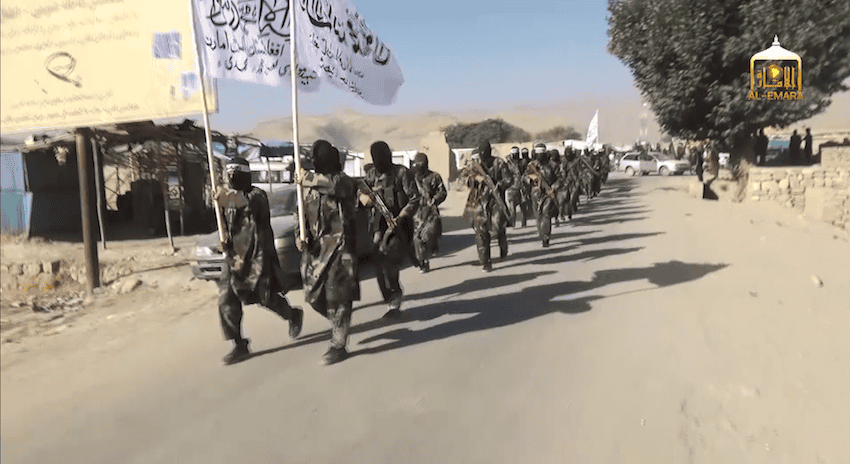
Taliban ramps up attacks after ending unilateral ceasefire
Over the past week, the Taliban has killed or wounded more than 420 Afghan security personnel during attacks across Afghanistan. This buries claims by Afghan officials who claimed the Taliban agreed to extend its Ei-ul-Fitr ceasefire.
-
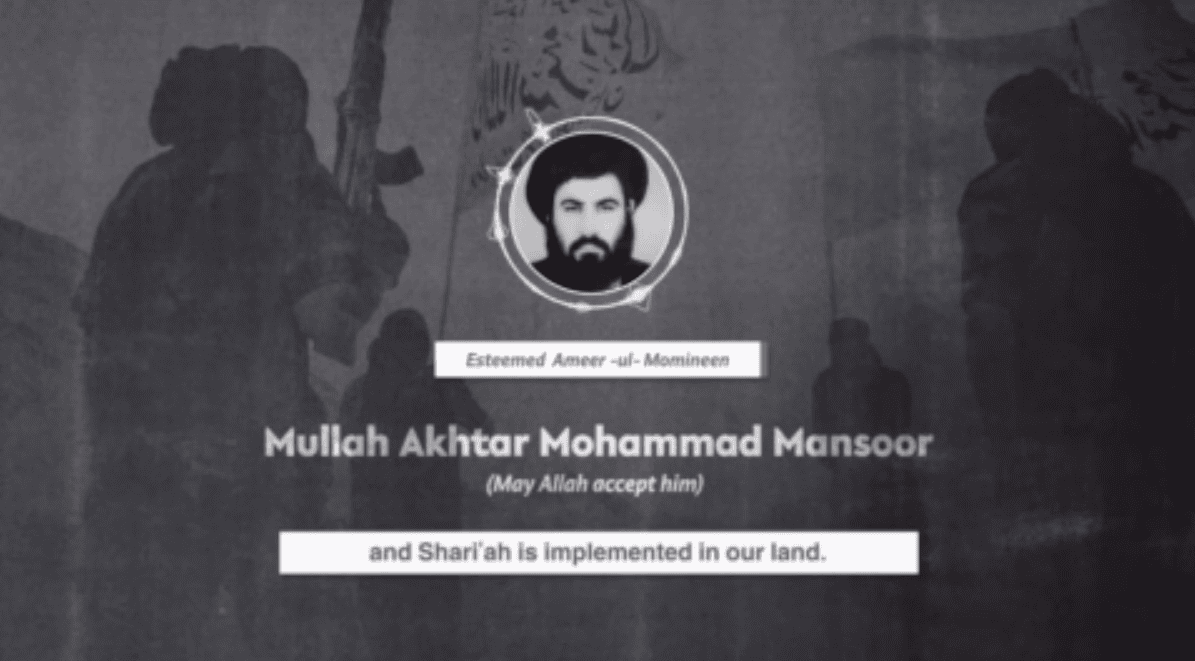
Taliban denounces ‘deviant beliefs,’ including ‘satanic western and disbelieving ideologies’
the Taliban continues to make it clear that it won’t accept anything less than a return of the Islamic Emirate of Afghanistan. In a recent video, it extols the virtues of jihad while it denounces “deviants … who who are trained in the poisonous deviant beliefs of atheism, communism, secularism, democracy, and other satanic western and disbelieving ideologies.”
-
Analysis: Taliban again denies presence of foreign fighters in Afghanistan
The Taliban’s statement should raise deep concerns with U.S. officials about the group’s reliability to be an effective counterterrorism partner against Al Qaeda and other terror groups.

-
U.N.: Thousands of Pakistanis fight in Afghanistan alongside the Taliban
Pakistan continues to play its double game by supporting terror groups. Thousands of Pakistanis, including fighters from the Pakistan state-sponsored Lashkar-e-Taiba and Jaish-e-Mohammed, as well as the Movement of the Taliban in Pakistan, continue to support the Taliban’s jihad against the Afghan government.
-
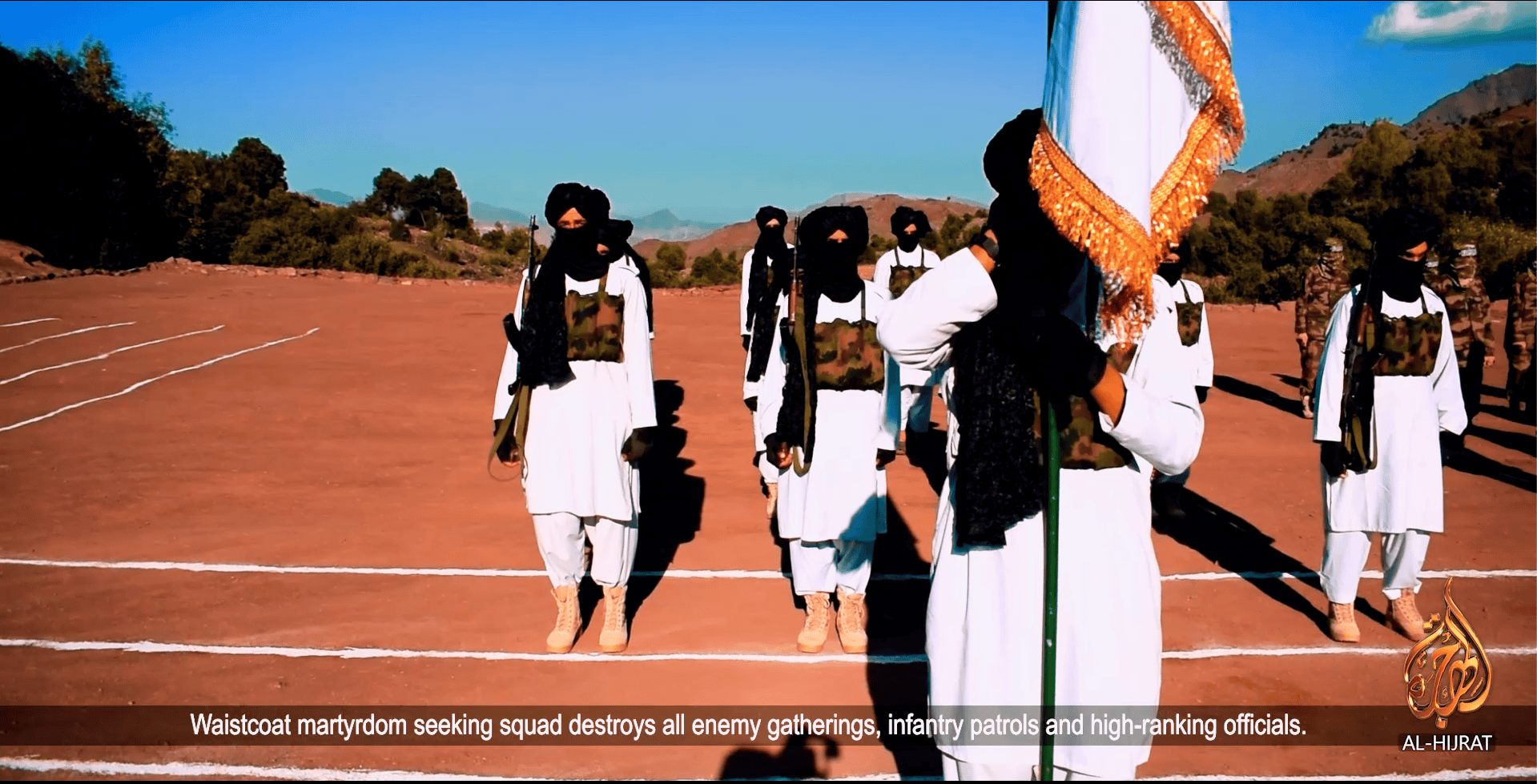
Top Taliban leaders celebrate suicide bombers
The Taliban’s two deputy emirs and the head of its political office lauded suicide bombers and other “martyrdom seekers” who are working to achieve the goal of the restoration of the Islamic Emirate of Afghanistan.
-
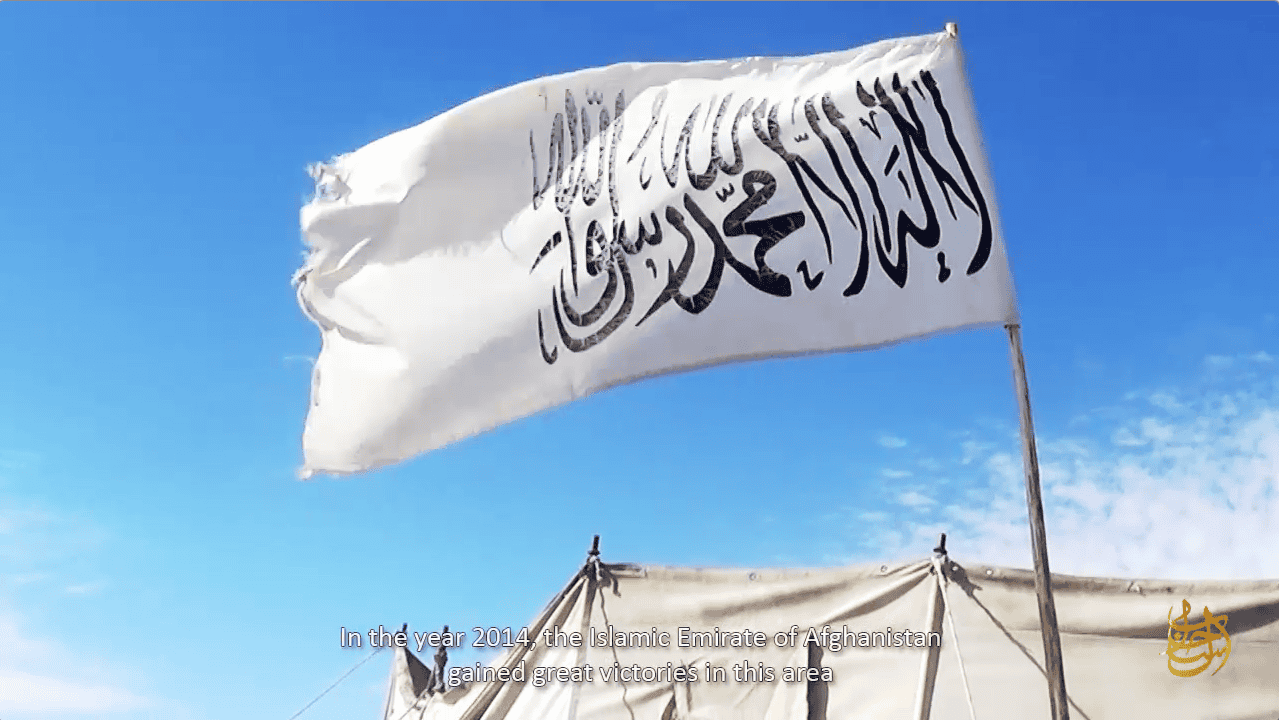
U.N.: Taliban “regularly consulted” with Al Qaeda throughout negotiations with U.S.
According to a new report by a UN monitoring team, the Taliban “regularly consulted with Al Qaeda during negotiations with the United States and offered guarantees that it would honor their historical ties.” The analysis contains numerous allegations of ongoing collusion between the Taliban and Al Qaeda.
-
Generation Jihad Ep. 11: An Al Qaeda Sleeper Agent in Pensacola
Hosts Bill Roggio and Tom Joscelyn discuss the FBI’s breakthrough in the investigation into the Dec. 6, 2019 shooting at Naval Air Station Pensacola.
-
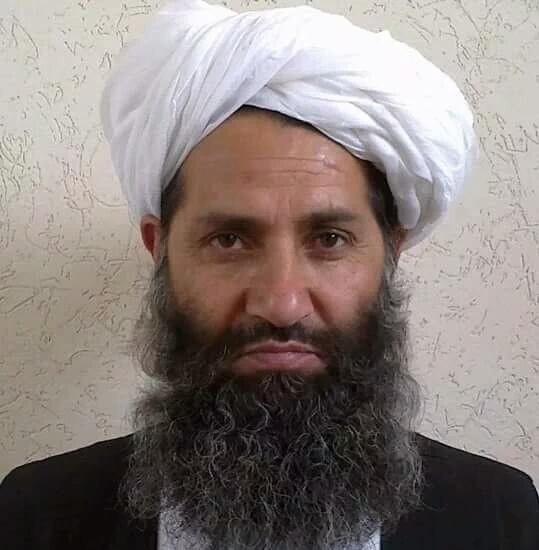
Taliban emir demands ‘Islamic government’ for Afghanistan
Mullah Haibatullah, the leader of the Afghan Taliban and its Islamic Emirate of Afghanistan, again called for the establishment of an “Islamic government” and the imposition of the group’s harsh versions of sharia.
-
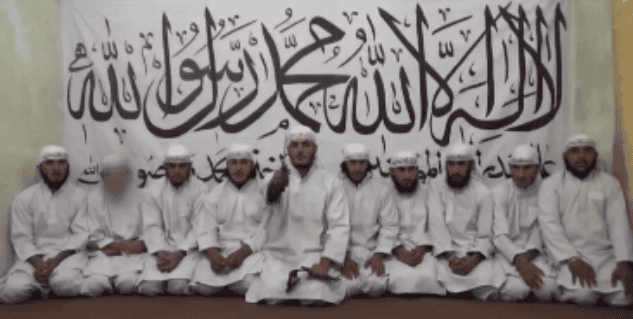
As Afghan Army resumes offensive operations, Taliban launches suicide attacks
The Afghan military waited only 10 weeks to drop “active defense” and resume offensive operations against the Taliban. The Taliban has responded by hitting Afghan security forces with suicide attacks.
-
Taliban destroys Afghan military outpost in Laghman
At least 27 Afghan soldiers were killed and nine more are missing during a Taliban attack on an Afghan National Army outposts in the eastern province of Laghman on May 10. Meanwhile, the U.S. military continues to call for the Taliban to reduce violence.
-
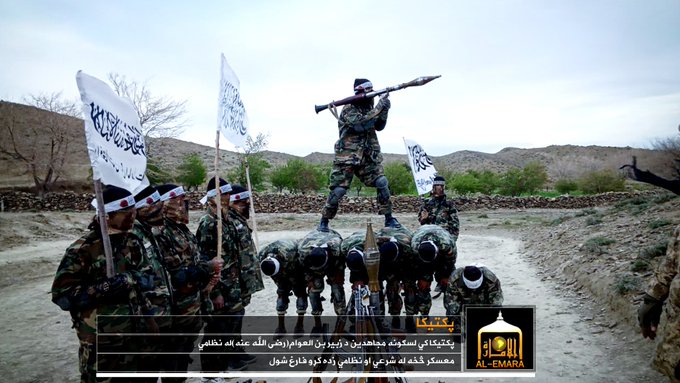
UN finds ‘disturbing increase in violence’ following U.S.-Taliban deal
According to UNAMA, civilian casualties decreased during the first quarter of the year, as compared to similar timeframes in previous years. However, there was a “disturbing increase in violence” in Afghanistan following the U.S. agreement with the Taliban on Feb. 29. And the Taliban is the prime culprit with respect to civilian casualties.
-
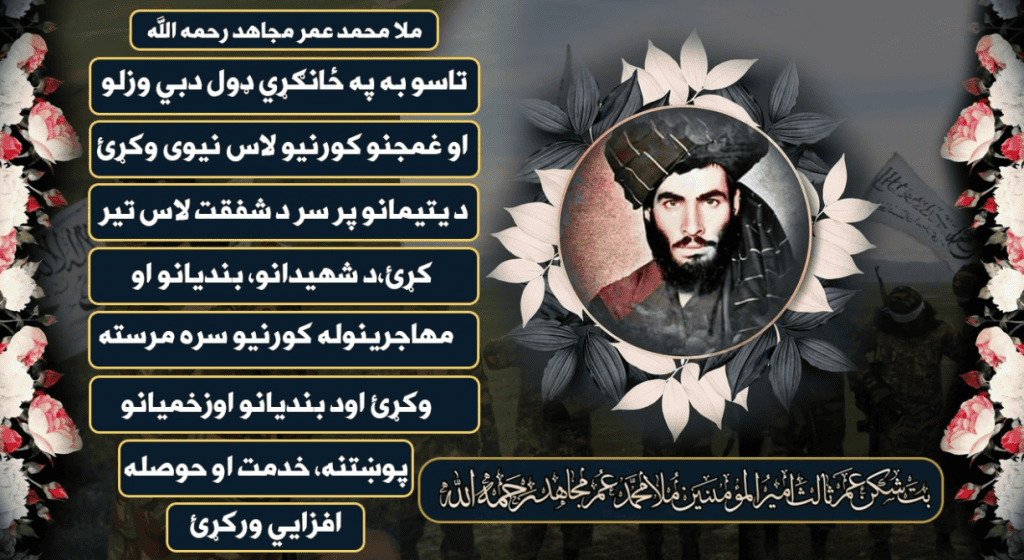
Taliban lauds Mullah Omar for defending Osama bin Laden after 9/11
As the U.S. is relying on the Taliban to keep Afghanistan from being a haven for terrorists in the wake of an agreement between the two parties, the Taliban lauds Mullah Omar’s defense of Osama bin Laden after Al Qaeda’s attack on the U.S. on Sept. 11, 2001.
-
Generation Jihad: Ep. 5 – Banned in Pakistan
Hosts Tom Joscelyn and Bill Roggio discuss how the Daniel Pearl affair highlights deeper problems within Pakistan. After all, FDD’s Long War Journal is banned in Pakistan, while many jihadists are not.
-
In tribute to Hakeemullah Mehsud, TTP exposes ties to Afghan Taliban, Al Qaeda
The Movement of the Taliban in Pakistan highlights the often overlooked relationship between the Afghan Taliban, its Pakistani brothers, and al Qaeda, and Pakistan’s complicity in propping up terror networks.

-
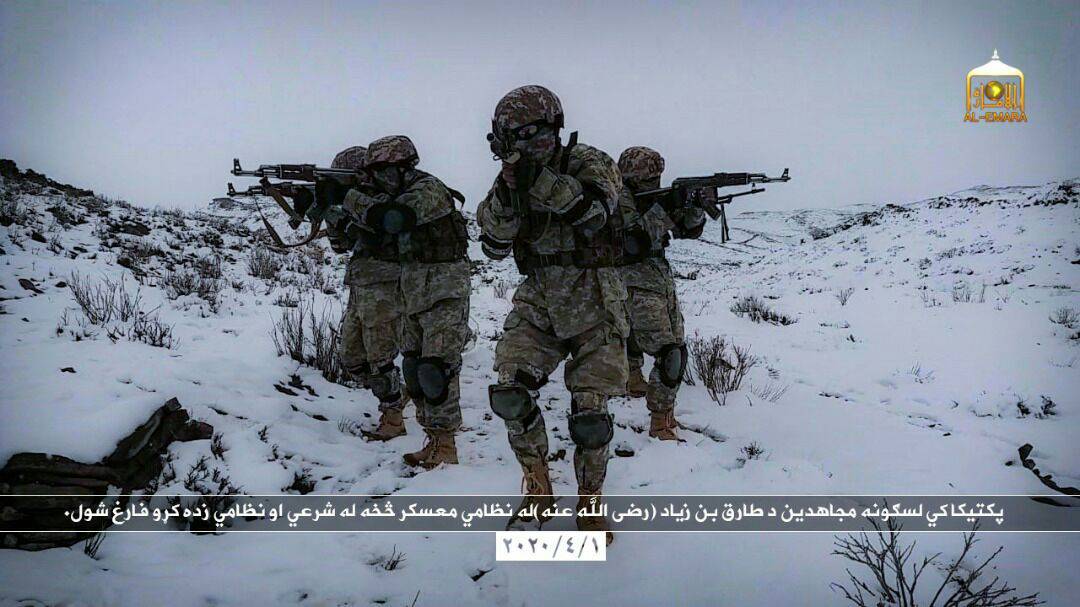
Taliban touts more elite ‘Red Unit’ fighter training on social media
The Taliban again highlighted the Red Unit, the group’s special operations unit that spearheads its assaults throughout Afghanistan.
-
Taliban touts training camps ‘still going on’ that prepare fighters for ‘war’
As U.S. Secretary of State Mike Pompeo calls for the Taliban to honor a non-existent commitment to “reduce violence,” the Taliban continues to train for war.

-
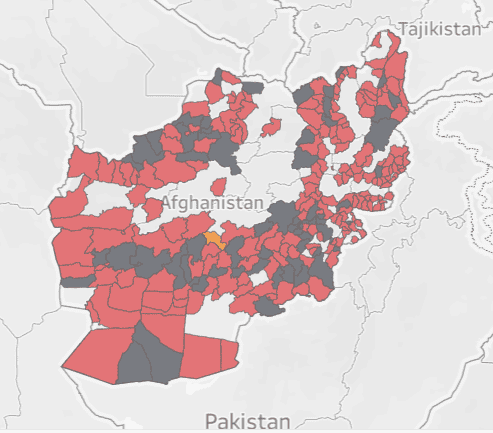
Northern Afghan district falls to the Taliban
The district Yamgan in in Badakhshan has been under siege for several months before falling to the Taliban today.
-
Taliban attacks against Afghan security forces continue unabated
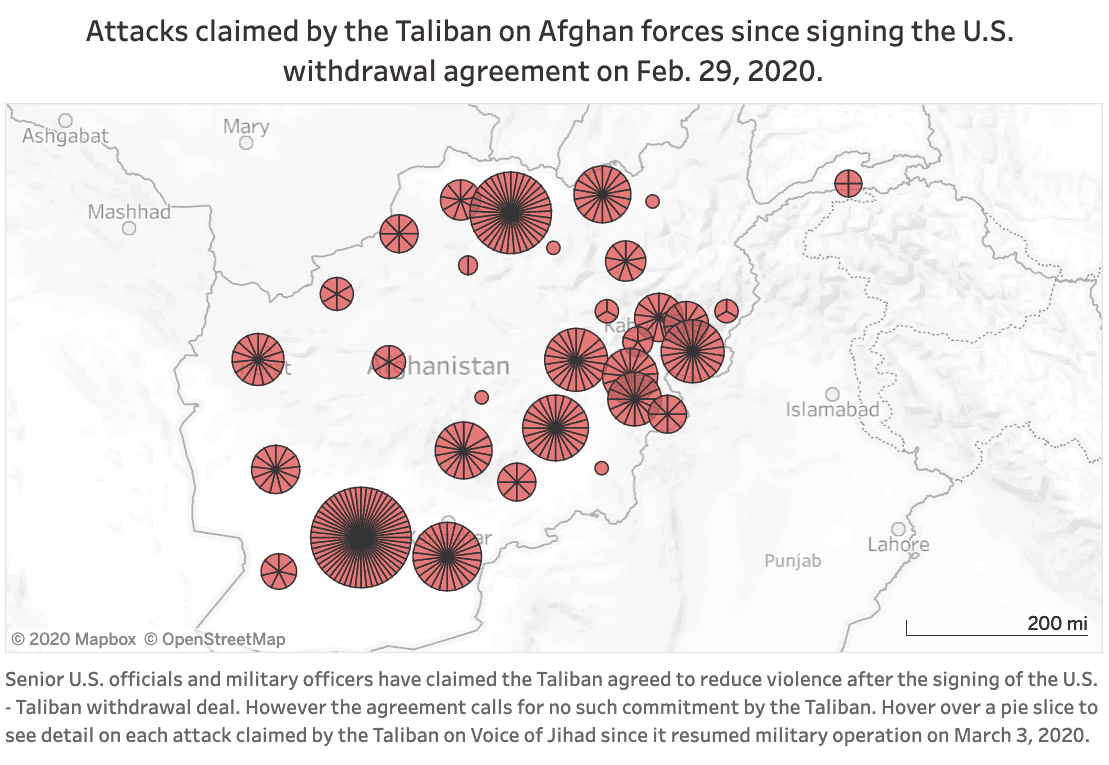
The Taliban has taken credit for 17 attacks per day against Afghan security forces. Despite promises from Secretary of State Mike Pompeo that the Taliban would “destroy” Al Qaeda, the Taliban has not lifted a finger against the group.
-
Generation Jihad: Ep. 2 – Wishcasting in Afghanistan
In a follow up to episode one, hosts Bill Roggio and Tom Joscelyn explain why wishful thinking in Afghanistan has led the U.S. to portray the Taliban as something it is not. True peace is not on the horizon.
-
Dozens of Afghan security personnel killed in Taliban insider attack
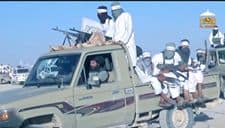
The deadly assault in Zabul takes place as U.S. military officials continue to ponder if the Taliban’s drumbeat of daily attacks is part of the group’s overall strategy or the efforts of a “splinter” cell.
-
CENTCOM commander wrongly suggests ‘splinter’ Taliban group carrying out large number of attacks in Afghanistan
The U.S. military wonders if a “splinter” Taliban groups is responsible for attacks that are occurring in nearly every Afghan province. Meanwhile, the Taliban is claiming the attacks in its own name.

-
Generation Jihad: Ep. 1 – The U.S.-Taliban Withdrawal Deal
Hosts Bill Roggio and Tom Joscelyn review the U.S.-Taliban withdrawal agreement and why it isn’t a true peace deal.