-
CENTCOM strikes Iran as Tehran condemns US sanctions waiver revocation
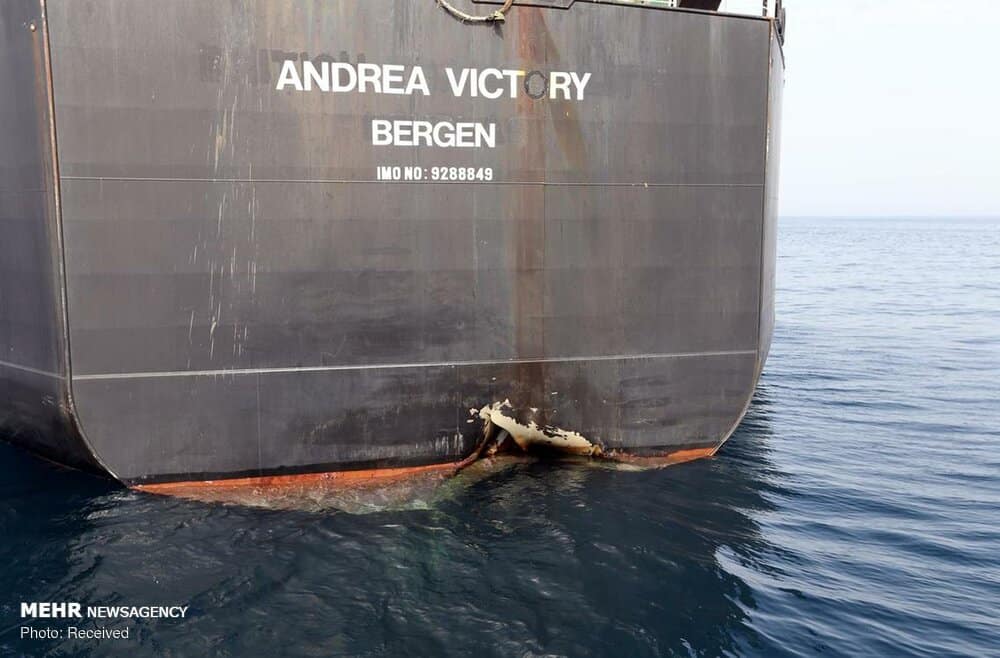
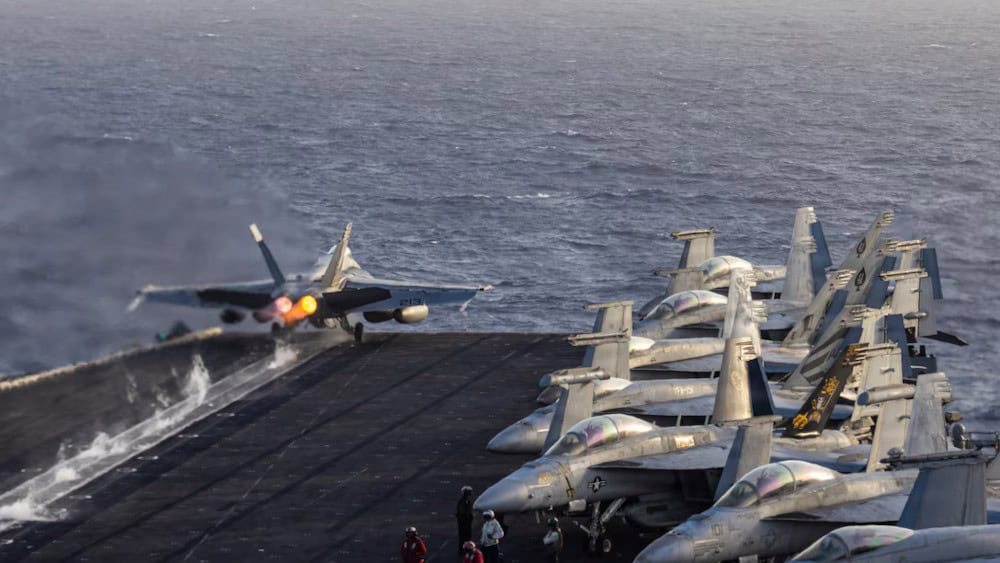
The Memorandum of Understanding between the US and Iran faced its most significant test yet on July 7 after Iran attacked commercial shipping in the Strait of Hormuz. Washington responded with a new round of military strikes and sharply narrowed its oil sanctions waiver, with both sides accusing each other of violating the agreement.
-
Generation Jihad | Gridlock at the Strait
The world’s most vital trade artery is under siege. As the US launches “Project Freedom” to break the Iranian blockade of the Strait of Hormuz, global shipping remains in a chokehold. This week, Bill Roggio sits down with shipping expert Sal Mercogliano to break down the stalemate, the dual blockade, and the massive economic ripple effects threatening the global supply chain.

-
Generation Jihad | Strait Strategy
Tehran is shifting the battlefield from missiles to markets, turning the Strait of Hormuz into leverage and testing whether Washington will trade long-term strategy for short-term relief. Bill Roggio and Behnam Ben Taleblu discuss.
-
Iran claims strike on US warship as US attempts to reopen Strait of Hormuz
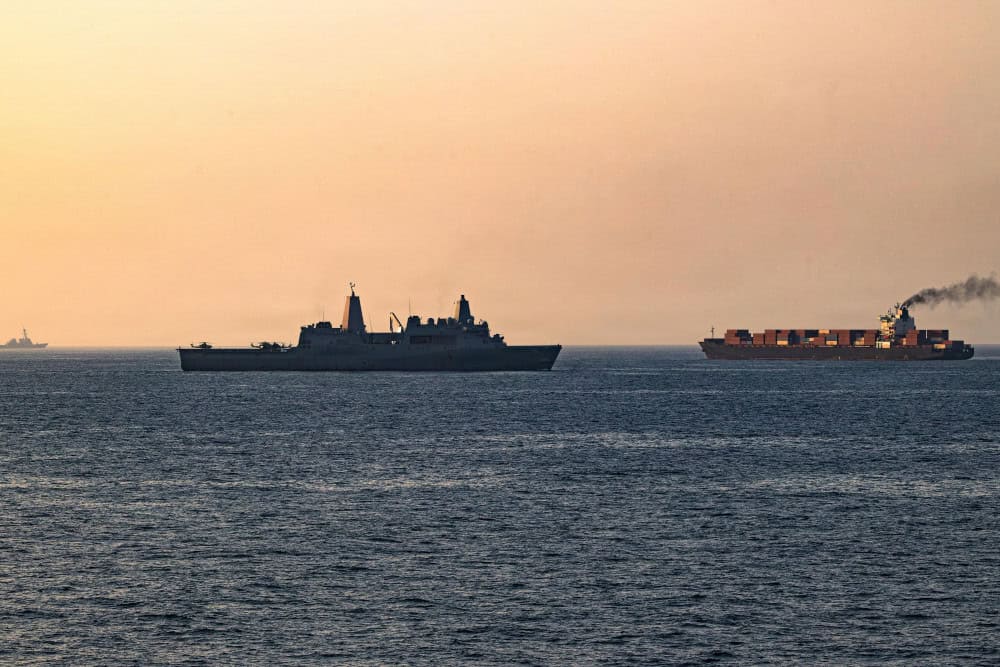
CENTCOM denied Iranian claims that a US warship was struck on the same day the US announced “Project Freedom,” an effort to “restore freedom of navigation for commercial shipping through the Strait of Hormuz.”
-
Iran attacks vessels in Hormuz, avoids concrete stance on ceasefire extension
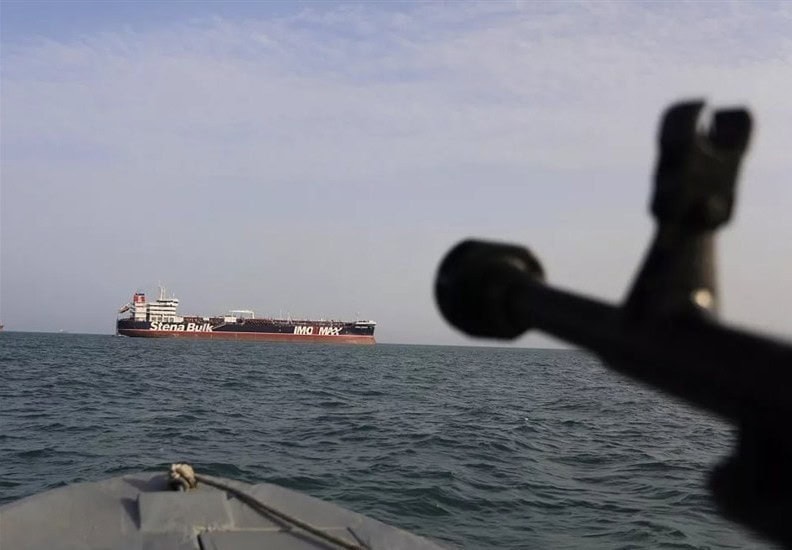
Tehran has refused to take an official position after US President Donald Trump’s announcement of an extension of the US ceasefire with Iran, while conditioning further negotiations on the lifting of the US naval blockade. Iran’s Islamic Revolutionary Guard Corps also threatened regional oil and digital infrastructure and attacked ships in the Strait of Hormuz.
-
Generation Jihad | Battle for the Strait
FDD Senior Fellow Edmund Fitton-Brown joins Bill Roggio to assess the current state of the Iran War. From the dual blockade in the Strait of Hormuz to the failed peace negotiations, they consider: Why did Pakistan step up as mediator? Can Tehran stretch the Houthis for even more leverage in the Red Sea? Has the war pushed the Gulf States closer together?
-
Analysis: Why seizing Iran’s Kharg Island could be a trap of America’s own making
A US effort to seize Kharg Island, the Islamic Republic’s critical economic hub, would be a high-risk operation that would likely entail significant costs for little gain. Kharg is much more likely to become a liability than an asset, drawing the Trump administration closer to the war of attrition it is trying to avoid.
-
Generation Jihad | The Hormuz Shake(down)
Bill Roggio sits down with shipping expert Sal Mercogliano to break down Tehran’s latest act of war: turning the world’s most critical shipping chokepoint into leverage.
-
Making sense of Iranian escalation
Should Iran have taken the decision to attack civilian vessels that carry oil, it could represent one way to do damage to global oil shipments without inviting massive retaliation. Such a move would be consistent with Iran’s highly graduated approach to escalation and desire to respond to the Trump administration’s maximum pressure campaign.