-
Fighting in Yemen escalates, raising concern of a return to civil war
The Houthis launched drone and missile attacks on Yemeni forces and civilian infrastructure across three of Yemen’s governorates on August 6. The attacks have escalated fighting in the country while the Iran-backed terror group is simultaneously targeting Saudi Arabia and ships in the Red Sea.

-
Saudi Arabia and Houthis trade attacks over restarting direct flights between Yemen and Iran
The Houthis and Iran attempted to resume direct flights between Tehran and Sanaa, the Houthi-controlled capital of Yemen, in early July. On July 14, Saudi Arabia struck Sanaa International Airport to prevent one such flight, prompting the Houthis to launch missiles at Saudi Arabia in response.

-
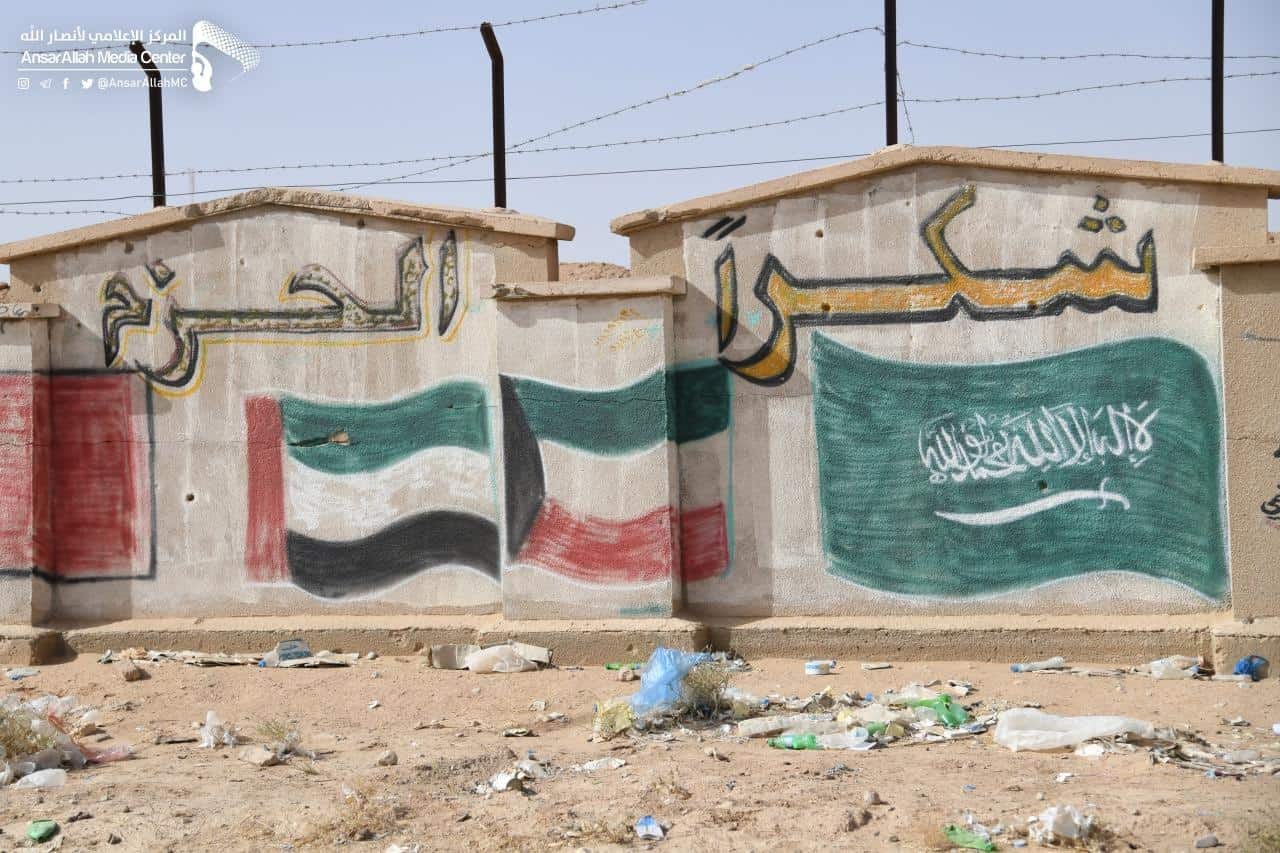
Houthis report capture of province bordering Saudi Arabia
The capture of large parts of al Jawf allows the Houthis to focus on neighboring Ma’rib, where the internationally recognized Hadi government contests for power in the north.
-
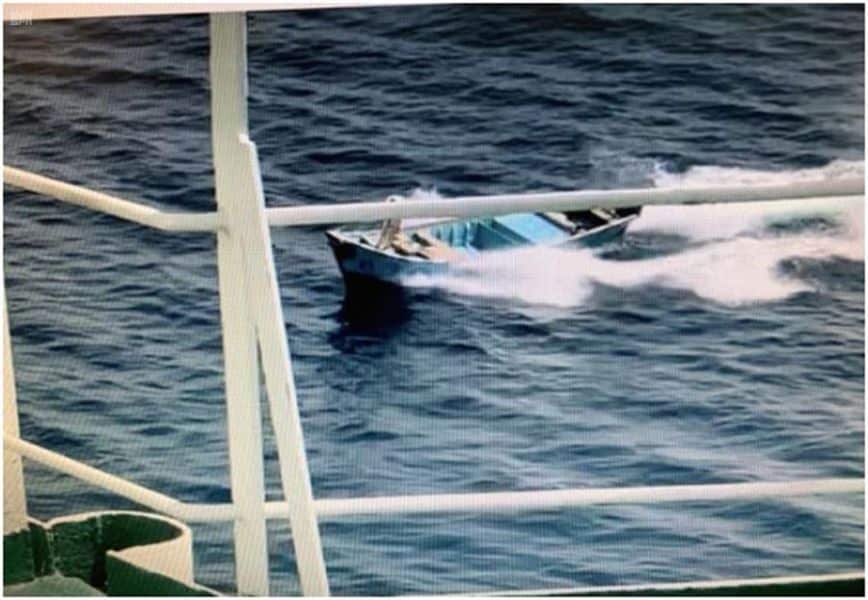
Houthis increase use of suicide drone boats in recent weeks
Not only have the Houthis utilized this tactic more in recent weeks, but the insurgency has also exported the drones to the Arabian Sea.
-
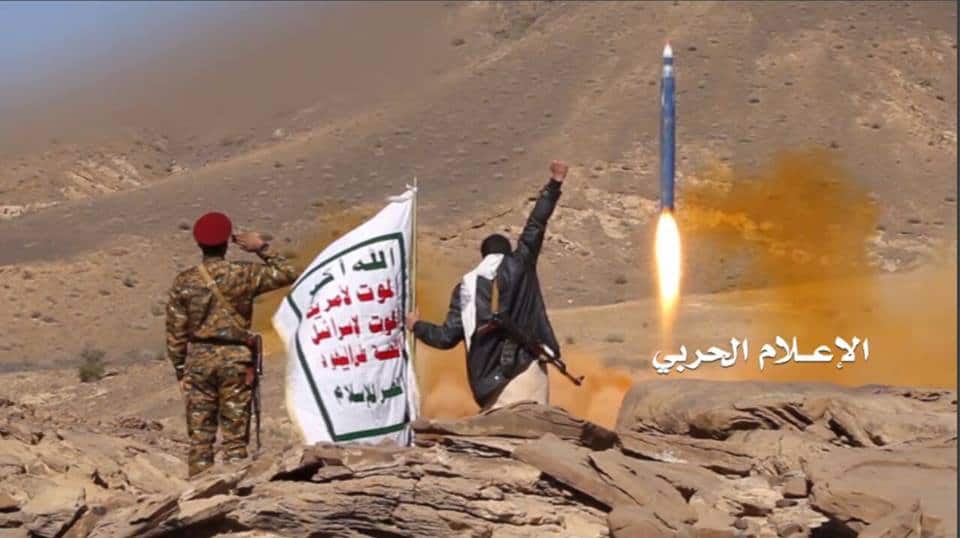
Houthis kill over 100 Yemeni soldiers in missile, drone attack on base
The strike is one of the deadliest attacks in the conflict since 2014.
-
Analysis: Houthi drone strikes in Saudi Arabia and Yemen
Beginning last year, the Houthis have launched dozens of drone strikes inside Saudi Arabia and Yemen. FDD’s Long War Journal has mapped these strikes.

-
Analysis: Houthi missiles against the Saudi-led coalition
Since 2015, the Houthi insurgents in Yemen have launched a myriad of ballistic missiles into Saudi Arabia, the United Arab Emirates, and at various sites across Yemen. FDD’s Long War Journal has mapped these missile launches.
-
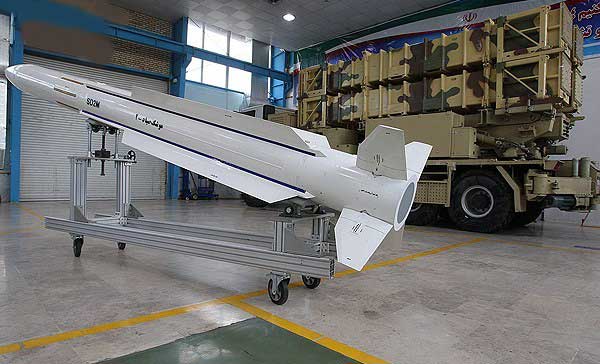
Analysis: An Iranian SAM in the Arabian Peninsula
Last week, the Saudi Arabian embassy in Washington D.C. released a nine-page primer on Iran’s continued support to Yemen’s Houthi rebels. Buried within the same document was photographic evidence of Saudi Arabia’s latest charge against Iran: the provision of the Sayyad-2C surface-to-air missile (SAM) to Houthi rebels.
-
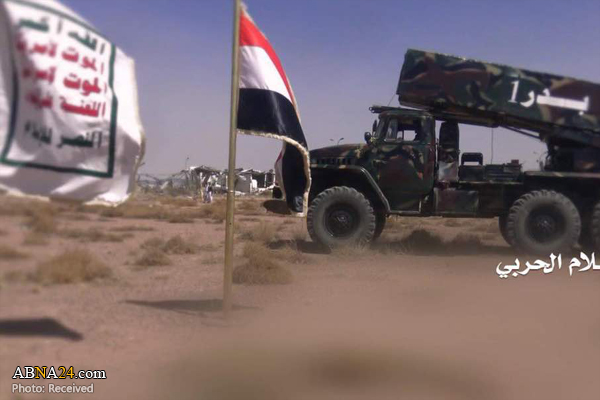
A peek inside Houthi Rebel’s recent missile strikes in Saudi Arabia
Pro-Houthi media outlets like Yemen News Agency (SABA) reported that at least three types of projectiles were fired into the Kingdom. They include the Burkan-2H, the Qaher-2M, and the Badr-1. Both the Burkan and the Qaher have been used multiple times in the Yemeni theater, while the Badr was only unveiled last week.
-
Analysis: Reading Tehran’s security establishment on the strike in Sanaa
A deeper look at a recent airstrike in Sanaa by the Saudi-led military coalition, where Iranian security elites display a penchant for narrative, a circumscription of their own support for the war, as well the traditional blaming of the United States. In so doing, light is shed on how these security planners see their regional rivalries.

-
US strikes three radar sites in Houthi-controlled part of Yemen
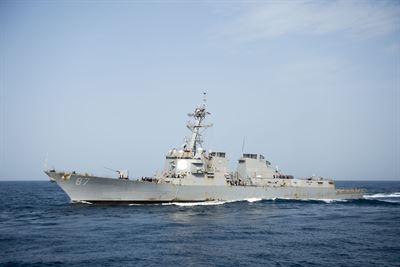
The US military launched missile strikes on three radar sites in a Houthi-controlled area of Yemen. The strikes came in response to two attacks on the USS Mason earlier this week. The Houthis’ insurgency in Yemen is backed by Iran and has greatly complicated US counterterrorism efforts.