-
Sudanese Armed Forces gains in civil war force strategic adjustment from paramilitia rival
The Sudanese military’s recapture of the Al Sadarat highway marks its most significant success against the Rapid Support Forces (RSF) in the fourth year of the Sudanese civil war. However, the RSF’s shift toward tribal mobilization and the growing role of foreign-backed drone warfare suggest the conflict’s broader cycle of adaptation and attrition will continue.

-
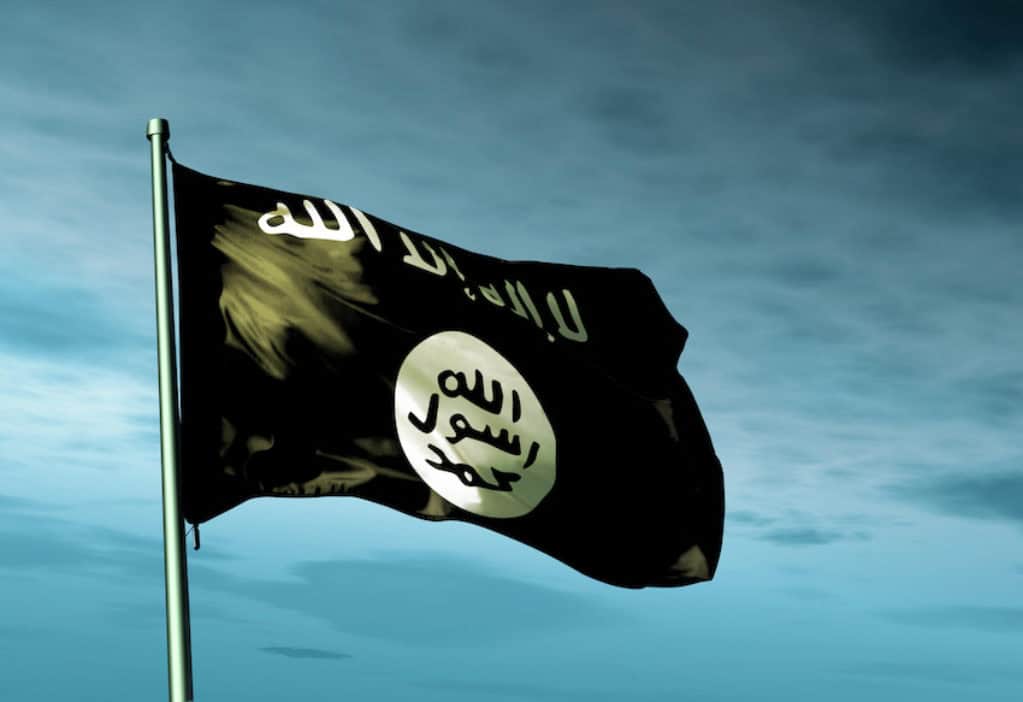
Analysis: Islamic State redoubles call for jihad in Sudan, urges foreign fighters to migrate
For the second time this year, the Islamic State explicitly called for its supporters and other Muslims to take up arms in Sudan under its name. Simultaneously, it urged foreign fighters, particularly from North Africa, to travel to the country to partake in this jihad.
-
RSF seizes El Fasher, forcing Sudanese Armed Forces withdrawal
After 18 months under siege, El Fasher, the capital of Sudan’s North Darfur State, has fallen to the Rapid Support Forces (RSF). The victory leaves the RSF in control of the entire Darfur region and raises alarms over ethnic cleansing and Sudan’s potential partition.

-
Sudan army chief appoints prime minister, allied militia retakes West Kordofan from RSF
Sudan’s army chief has appointed the country’s first prime minister since the outbreak of civil war in April 2023, signaling a possible shift toward restoring civilian governance. The announcement comes amid major battlefield gains by the Sudanese Armed Forces and their allied militia, the Sudanese Joint Forces, which have recently retaken key territories from the Rapid Support Forces.

-
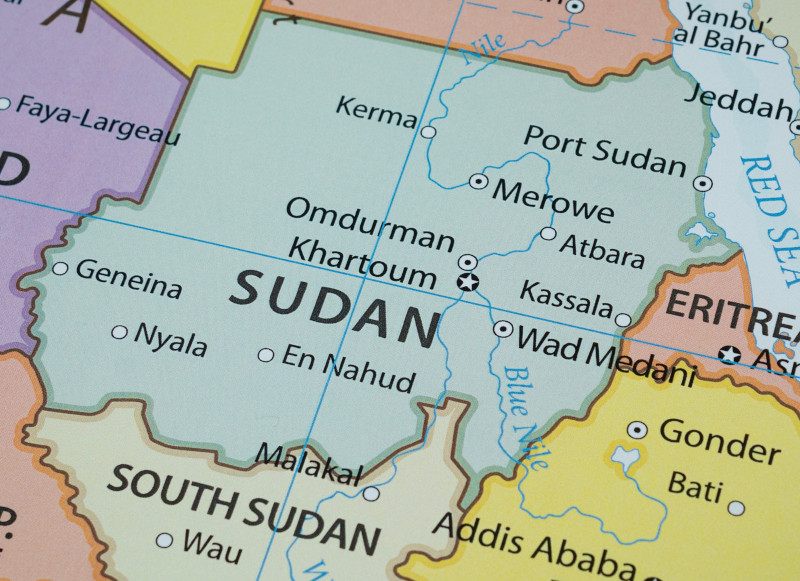
Sudanese Armed Forces retake Khartoum from Rapid Support Forces
The Sudanese Armed Forces announced the recapture of Khartoum from the Rapid Support Forces (RSF) after nearly two years of civil war. The RSF is now on the defensive after losing access to key supply lines, and the US-designated militia is seeking to consolidate control of other areas in an effort to regroup.
-
Analysis: Islamic State calls for jihad in Sudan
In its weekly Al Naba newsletter, the Islamic State made its most explicit call for jihad inside Sudan, referring to opposing sides of the country’s brutal civil war as infidels. Both the Islamic State and Al Qaeda have now called on Muslims in Sudan to take up arms for their respective organizations.