-
Iran’s “New” Land-Attack Cruise Missile In Context
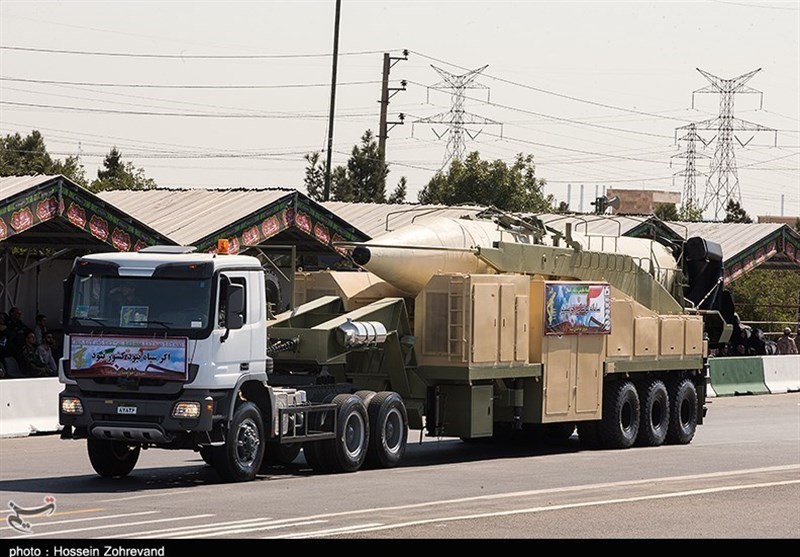
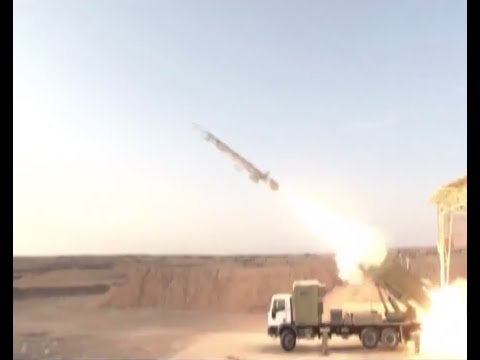
An overemphasis by the West on seeking to check Tehran’s ballistic missile program has led to inattention to Iran’s cruise missile capabilities and intentions. Over the weekend, Iran unveiled and test-launched a “new” land-attack cruise missile, dubbed the Hoveizah, days in advance of the Islamic Republic’s 40th anniversary.
-
Analysis: Iranian Missile Strikes Against Kurdish Dissidents in Iraq
Iran’s willingness to resort to tactical SRBM launches against regional targets warrants a larger discussion about the country’s missile power and escalation dynamics. It also requires an accurate assessment of what occurred on the ground against Iranian Kurds in Iraq and in the media space on this issue since September 8.
-
Analysis: An Iranian SAM in the Arabian Peninsula
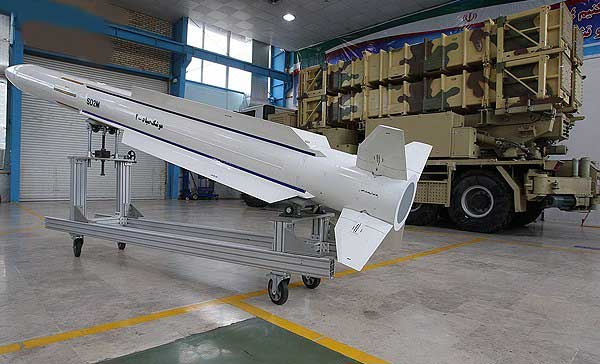
Last week, the Saudi Arabian embassy in Washington D.C. released a nine-page primer on Iran’s continued support to Yemen’s Houthi rebels. Buried within the same document was photographic evidence of Saudi Arabia’s latest charge against Iran: the provision of the Sayyad-2C surface-to-air missile (SAM) to Houthi rebels.
-
A peek inside Houthi Rebel’s recent missile strikes in Saudi Arabia
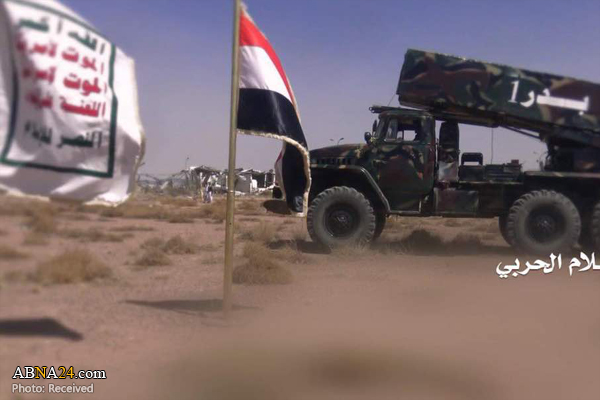
Pro-Houthi media outlets like Yemen News Agency (SABA) reported that at least three types of projectiles were fired into the Kingdom. They include the Burkan-2H, the Qaher-2M, and the Badr-1. Both the Burkan and the Qaher have been used multiple times in the Yemeni theater, while the Badr was only unveiled last week.
-
Analysis: Reported link between Houthi and Iranian ballistic missiles
At the strategic level, if Iran’s provision of ballistic missiles to the Houthi rebels is confirmed, it could be seen as an indicator Tehran’s increased tolerance for risk in a distant conflict theater, one which has sought to weaken Saudi Arabia by any means possible.
-
FAQ after allegations of another ballistic missile test by Tehran
Getting the right answers on allegations surrounding an alleged Iranian ballistic missile launch requires asking the right questions. The following eight questions make sense of the English and Persian language news reporting surrounding the Khorramshahr ballistic missile.