-
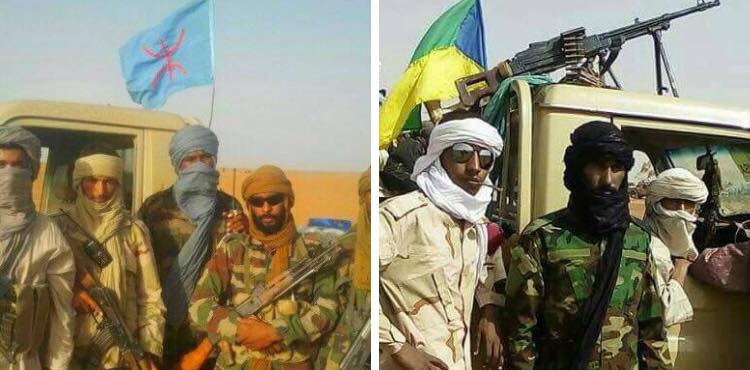
Tuareg militias again clash with Islamic State-loyal militants in northern Mali
The recent battle comes less two weeks after the Tuareg militias last clashed with militants from the so-called Islamic State in the Greater Sahara.
-
JNIM confirms deaths of co-founder, senior leaders in French raids
The death of Hasan al Ansari and five other senior leaders of JNIM was used as justification for JNIM’s terrorist attacks in Burkina Faso on Friday.
-
Al Qaeda branch in Mali claims Burkina Faso attacks
According to a Mauritanian website that often publishes claims from jihadists, al Qaeda’s Group for Support of Islam and Muslims (JNIM) claimed yesterday’s terrorist attacks in the Burkinabe capital. JNIM later officially claimed the attacks via its Telegram channel.

-
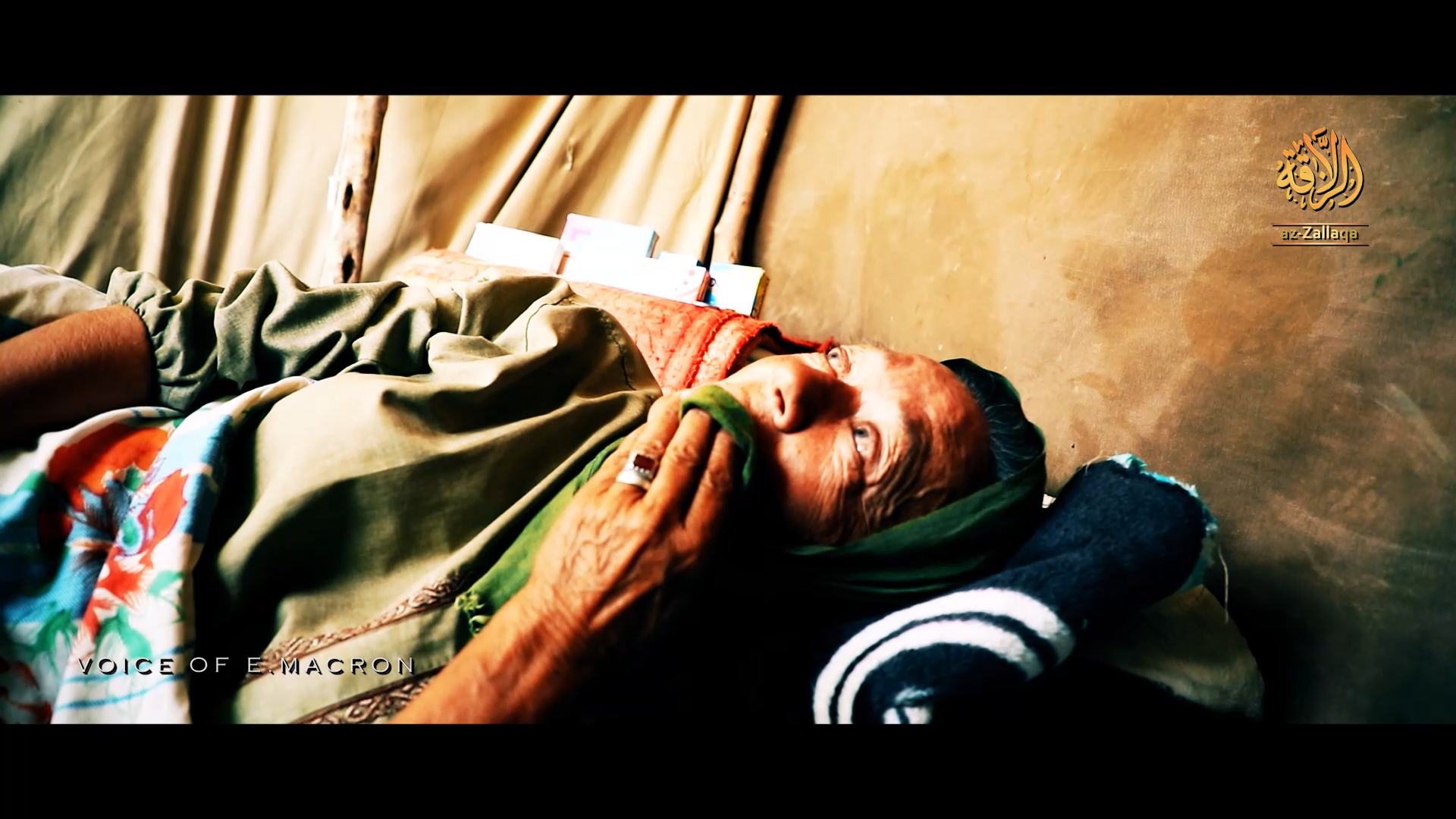
JNIM releases proof-of-life video for French hostage
The video of Sophie Petronin is similar to January’s proof-of-life video for another JNIM hostage, Gloria Cecilia Narvaez.
-
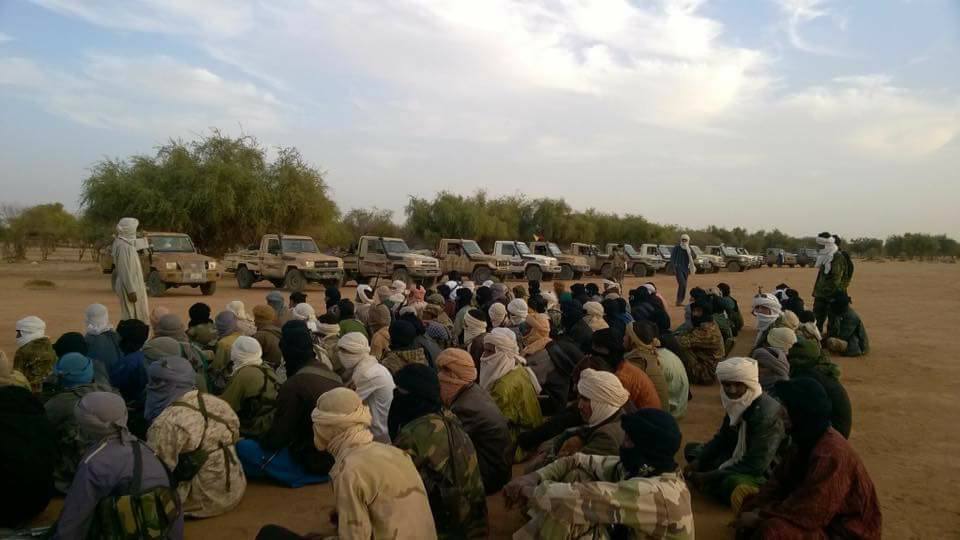
Tuareg militias battle Islamic State-loyal militants in northern Mali
The operations, which occurred alongside French special forces, were to reportedly kill or capture Abu Walid al Sahrawi, the leader of the so-called Islamic State in the Greater Sahara.
-
French soldiers killed by IED in northern Mali
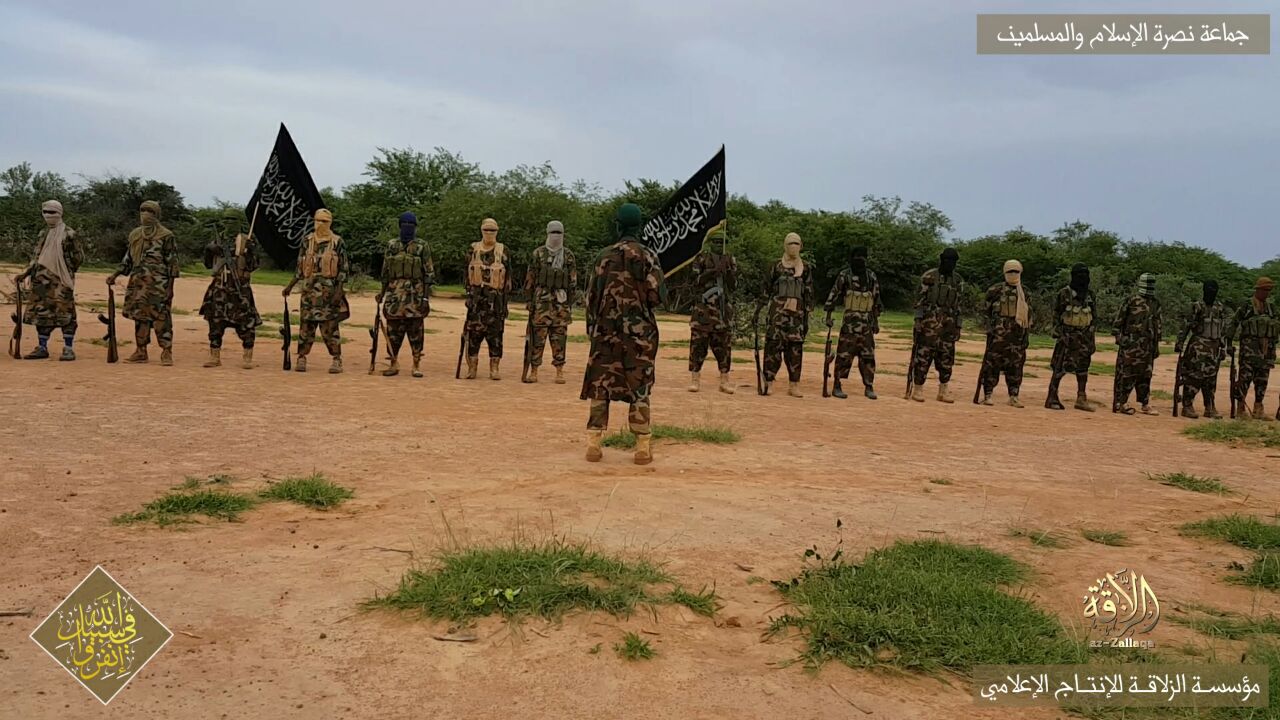
The deadly IED blast comes just a week after major French raids on JNIM positions and leaders near the borders with Algeria.
-
State Department designates Burkinabe jihadist group Ansaroul Islam
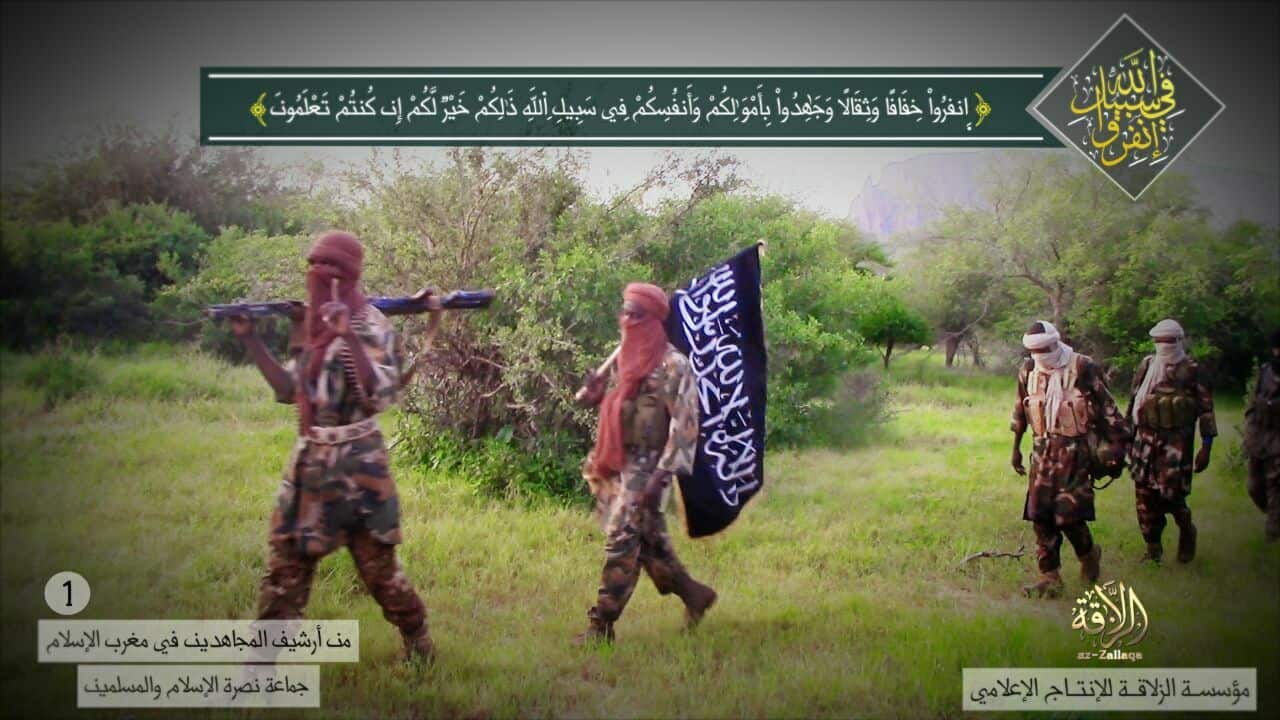
The State Department has designated Ansaroul Islam, a Burkinabe jihadist group affiliated with al Qaeda’s network in Mali, as a terrorist organization. FDD’s Long War Journal has tracked the rise of the group since its founding in late 2016.
-
20 jihadists killed or captured in French raids in northern Mali
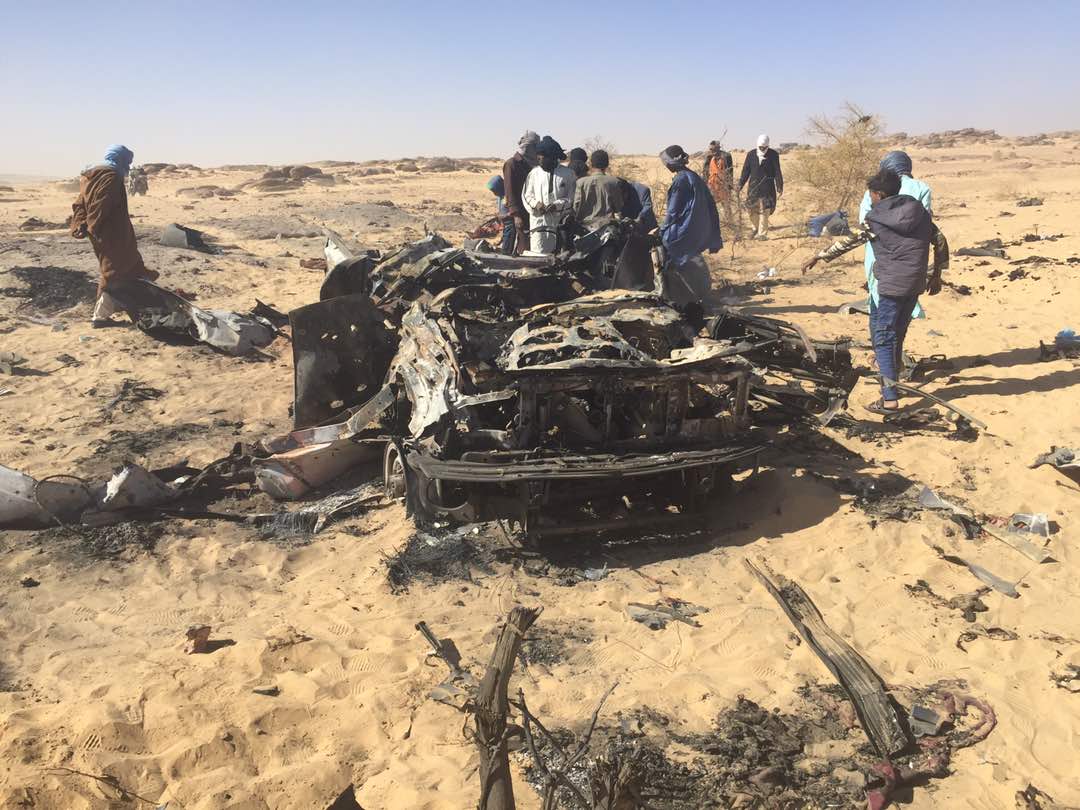
French forces conducted near simultaneous raids and airstrikes on three jihadist targets belonging to al Qaeda’s Group for Support of Islam and Muslims (JNIM).
-
JNIM directs hostage video towards Pope Francis
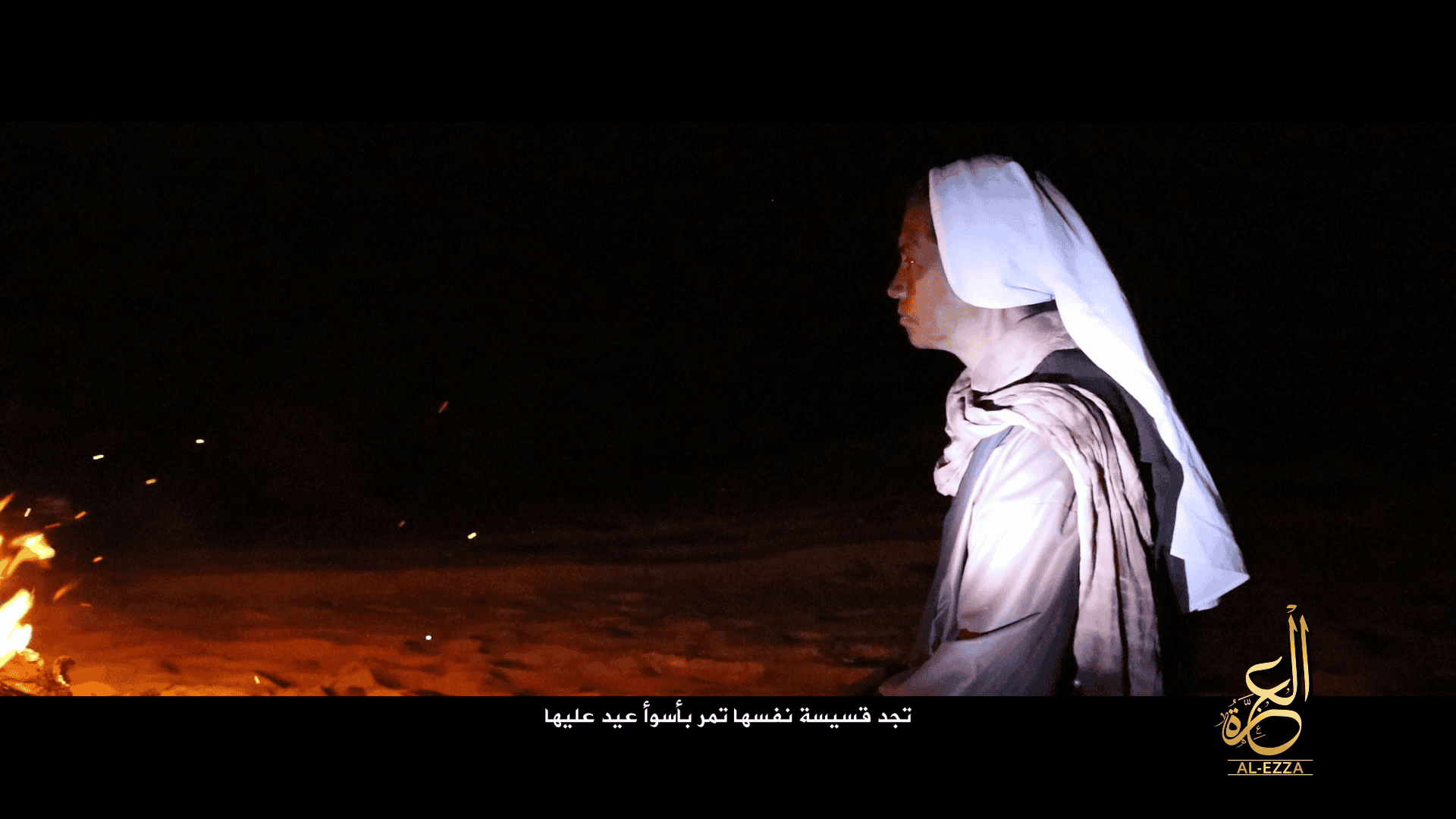
The video acts as a proof-of-life video for Gloria Narvaez, a Colombian nun kidnapped in southern Mali last year. She was last seen in a video released in July 2017.
-
Al Qaeda maintains operational tempo in West Africa in 2017
At least 276 attacks in Mali and its neighboring countries were linked al Qaeda in 2017. This includes a significant shift of violence to central Mali, as well as northern Burkina Faso.
-
Understanding al Qaeda through the massive trove of Osama bin Laden’s files
On Nov. 17, The Foundation for Defense of Democracies and FDD’s Long War Journal held an event to discuss the findings from the recently released documents from Osama bin Laden’s compound.

-
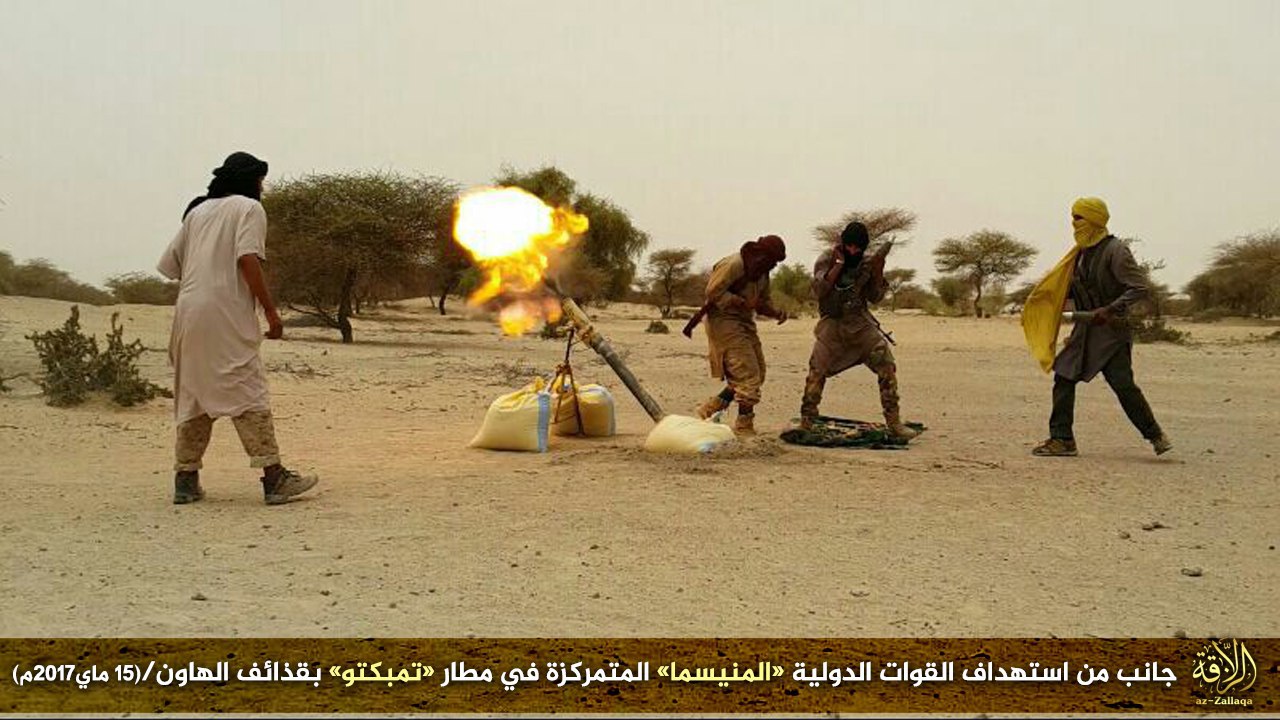
November one of the most active periods of 2017 in terrorist hotbed Mali
Al Qaeda’s JNIM remains a potent threat to both Malian and UN forces inside Mali. In addition, Ansaroul Islam, a Burkinabe jihadist group linked to JNIM, continues to terrorize Burkina Faso’s northern Sahel region.
-
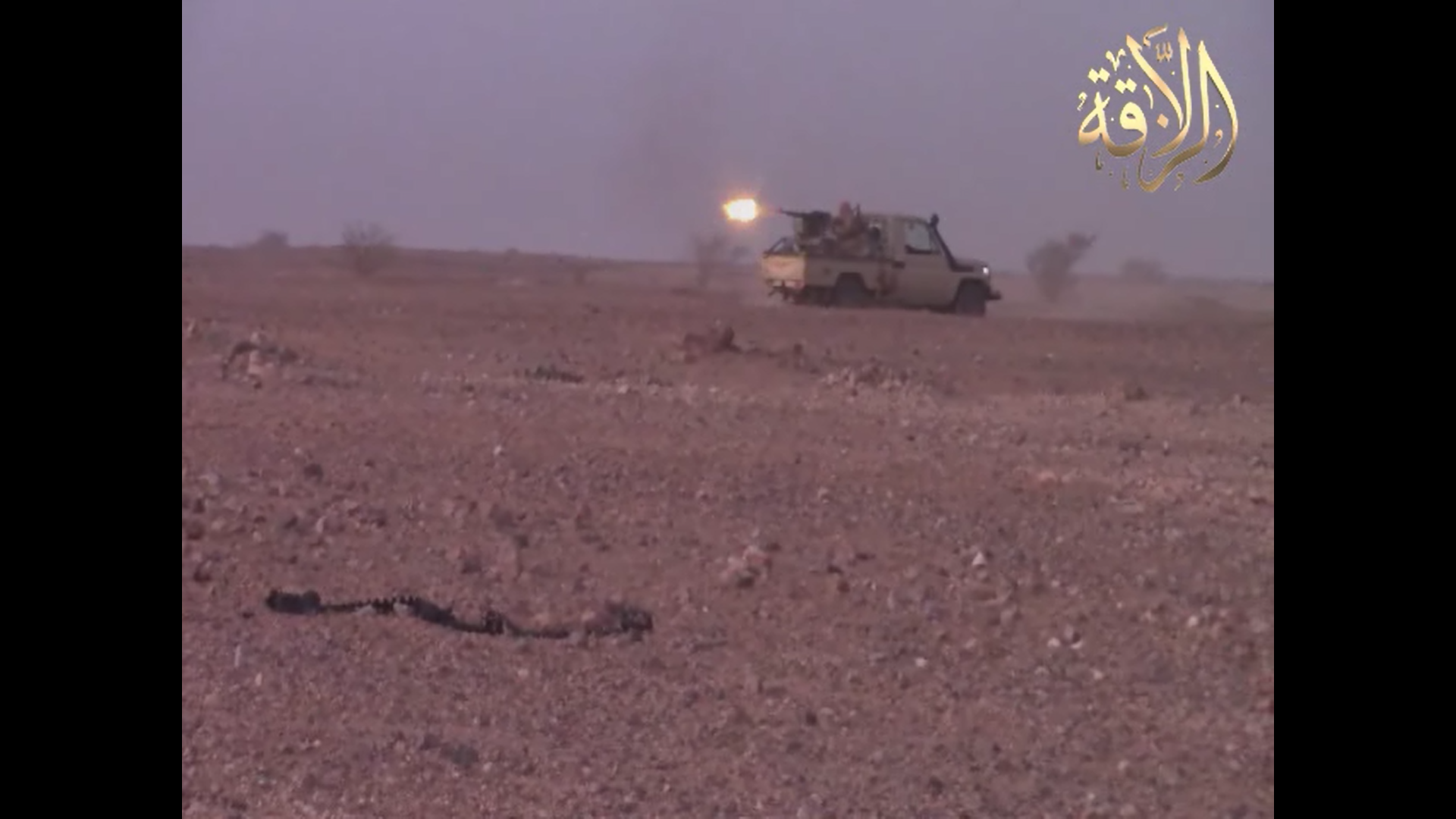
JNIM claims string of attacks across Mali
These assaults serve as a reminder of al Qaeda’s vast capabilities to strike across the region. This comes even with both a French counter-terrorism operation and a UN peacekeeping operation in Mali. Al Qaeda’s operational capacity in Mali and the wider West African region has largely remained intact.
-
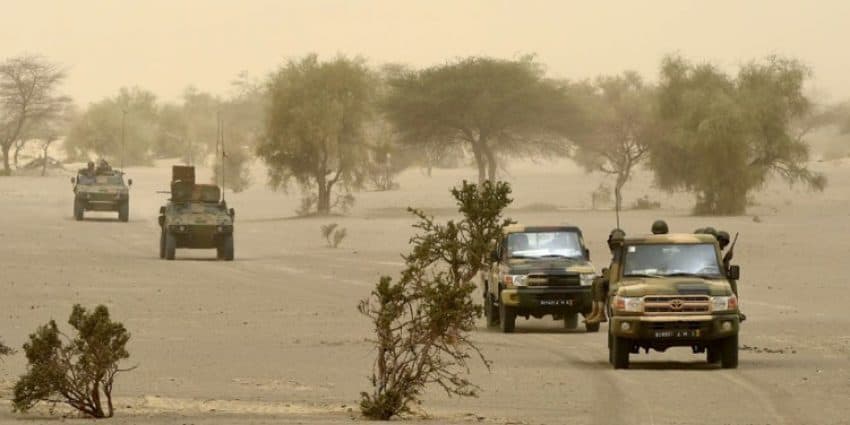
US Special Forces troops killed during joint patrol in Niger
US AFRICOM has confirmed that three US Special Forces troops have been killed in an ambush near Mali. The three are the first American soldiers to die in combat in the country.
-
Analysis: Jihadist attacks on the rise in northern Burkina Faso
The attacks represent a significant increase in jihadist attacks in northern Burkina Faso. In addition, the use of improvised explosive devices, previously unknown to the country, is on the rise.
-
JNIM claims large assault in Kidal, Mali
After almost one month of media silence, al Qaeda’s JNIM returns to social media to claim responsibility for a complex assault on UN forces near the northern Malian city of Kidal.
-
Jihadists strike across West Africa
Suspected jihadists laid siege to a popular restaurant with Westerners in the capital of Burkina Faso. Two UN bases were also attacked by jihadists in Mali.

-
JNIM claims series of attacks on French forces in Mali
The al Qaeda group continues to target French forces in northern Mali, as well as conduct attacks on Malian and UN troops elsewhere in the country.
-
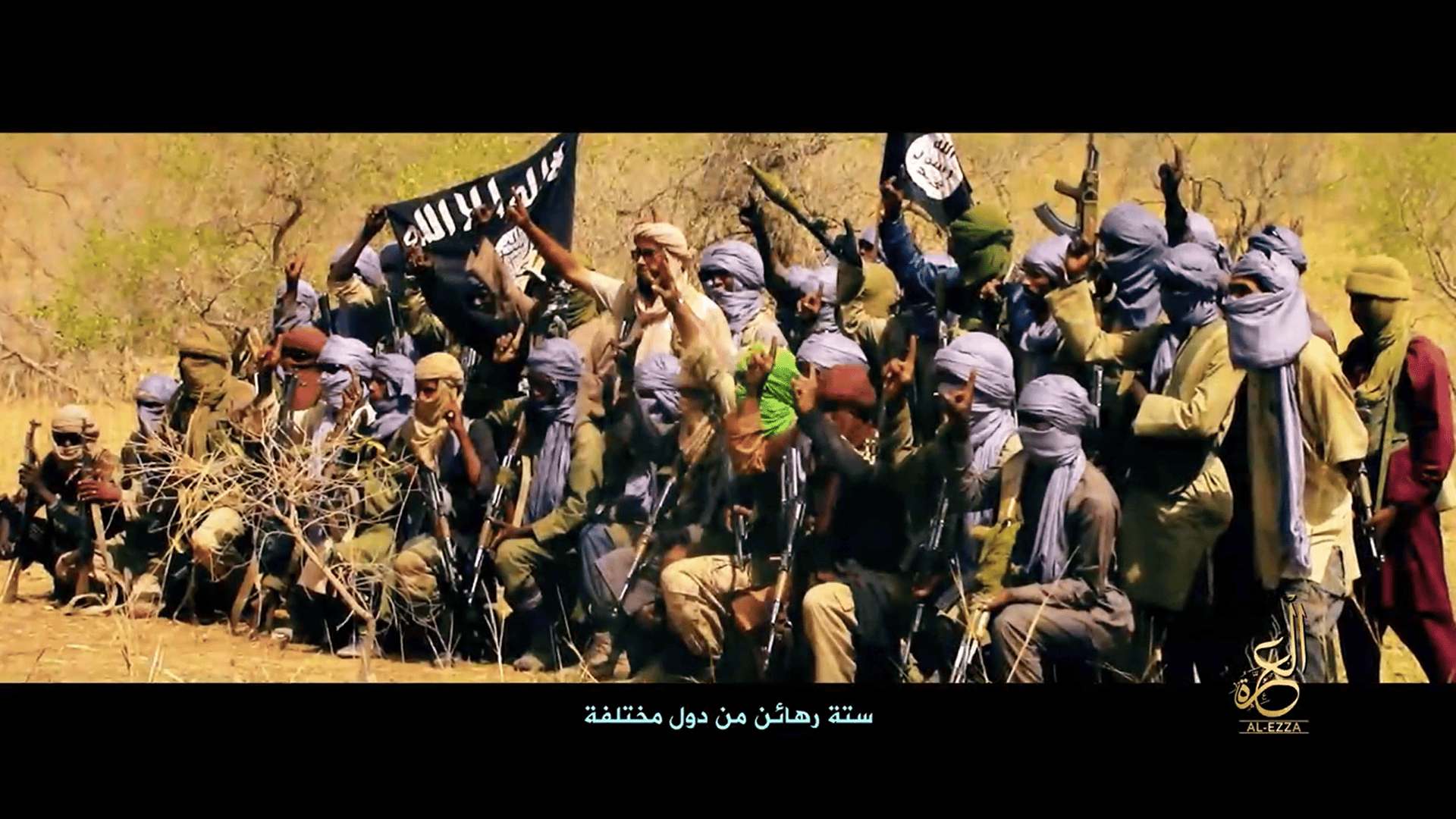
Al Qaeda video shows its hostages in northern Mali
The video serves as both a warning to foreigners and foreign governments in Mali, as well as a proof of life video for each of the six foreign hostages currently held by JNIM in Mali.
-
Swedish hostage released after 6 years’ captivity by al Qaeda in Mali
Johan Gustafsson was reportedly released by al Qaeda militants in Mali and has arrived back in Sweden. Another person abducted alongside him, South African Stephen Malcolm, remains in captivity.

-
Al Qaeda group claims assault near Mali capital
Yesterdays assault near Bamako is yet another instance of the jihadist group targeting popular resorts in West Africa.
-
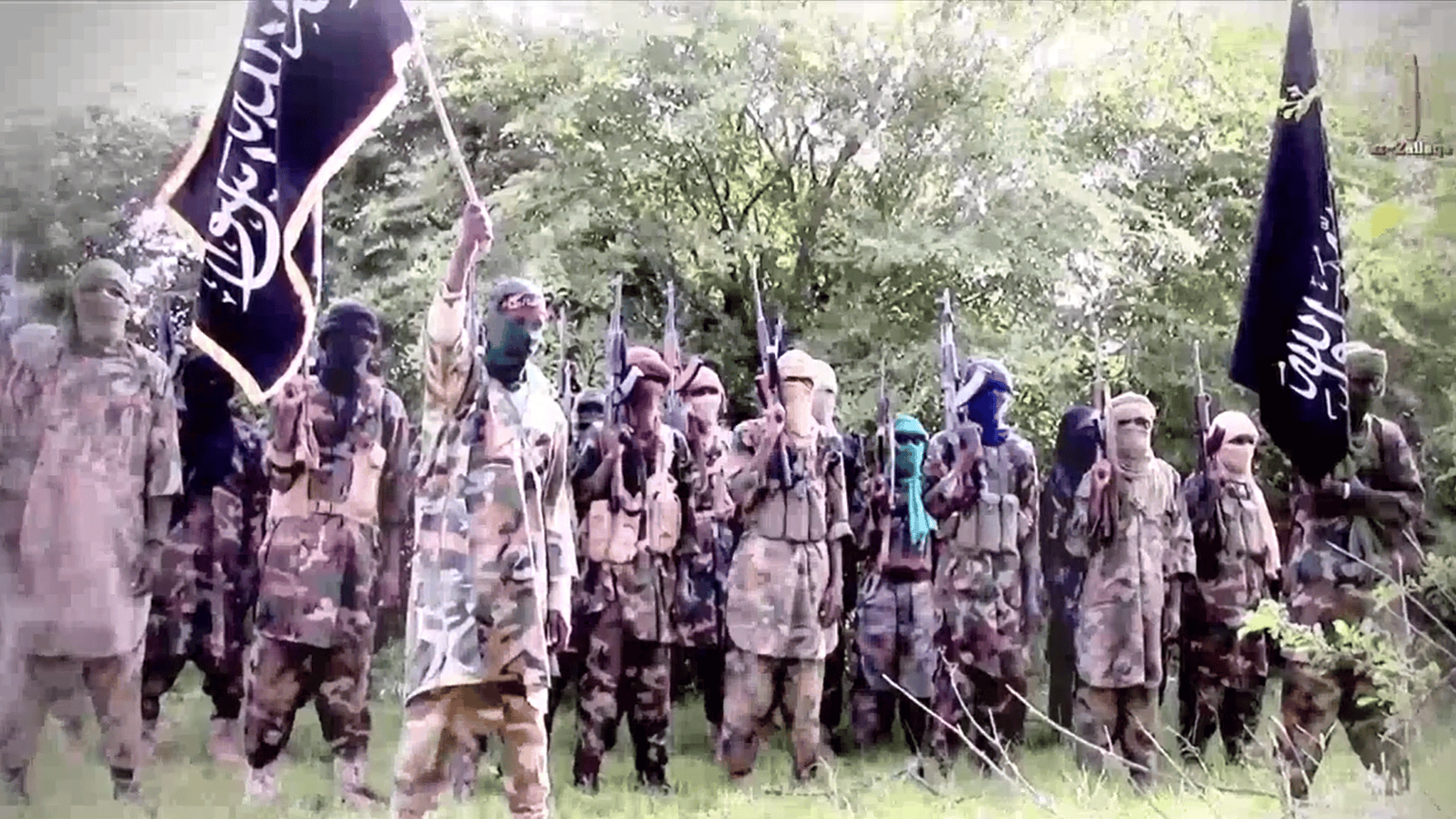
New JNIM video details deadly raid in southern Mali
The raid, which occurred last year, was a joint operation that included several al Qaeda groups in Mali. The video is likely meant to show that the raid was a precursor to the merger that would from the Group for Support of Islam and Muslims (JNIM).
-
Over 100 Al Qaeda-linked attacks in West Africa so far in 2017
Al Qaeda’s newly formed entity, the Group for Support of Islam and Muslims, have perpetrated a multitude of attacks in Mali and elsewhere in West Africa this year. This represents a major security threat for the region.
-
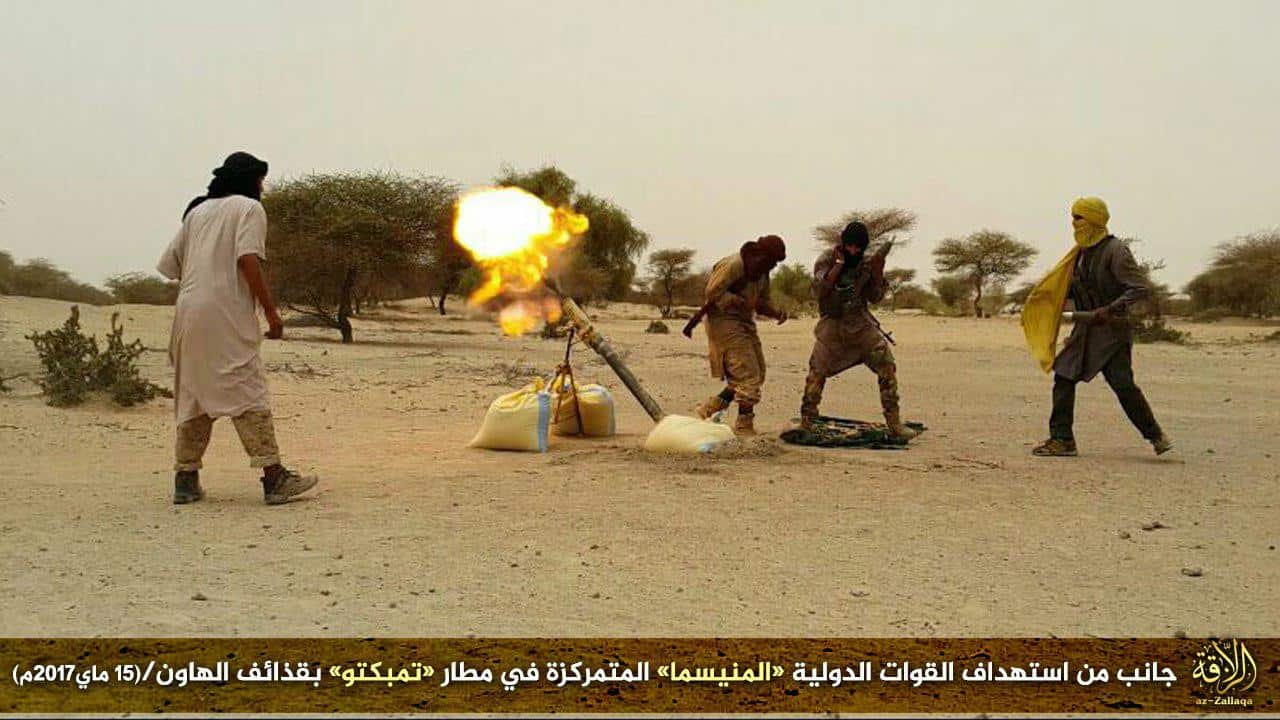
JNIM claims mortar barrage on UN forces in Timbuktu
Yesterday’s mortar barrage comes just a week after a similar incident left one UN peacekeeper dead. Al Qaeda’s forces in Mali continue to retain the ability to strike foreign forces across the country’s north.
-
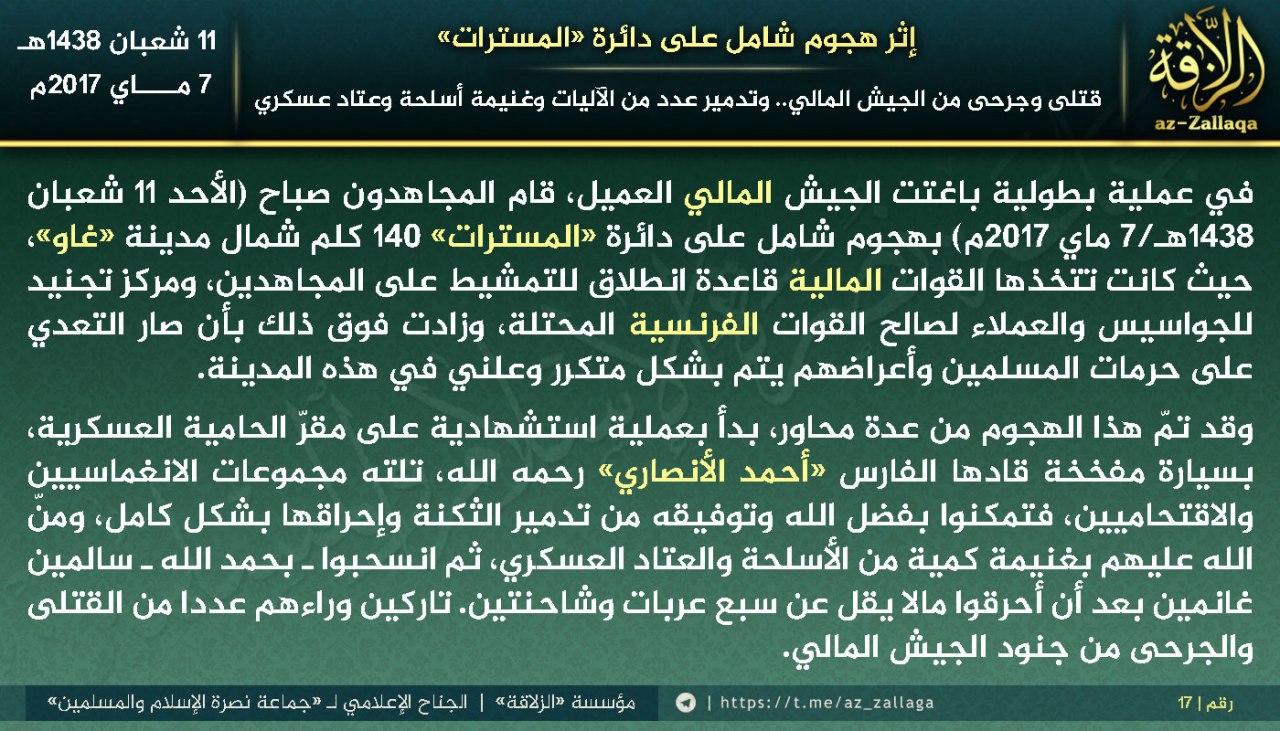
JNIM targets Malian base in suicide assault
The suicide assault left at least seven dead, another 17 wounded, and a further 16 missing. This comes just a week after another eight Malian troops were killed in an ambush in southern Mali.
-
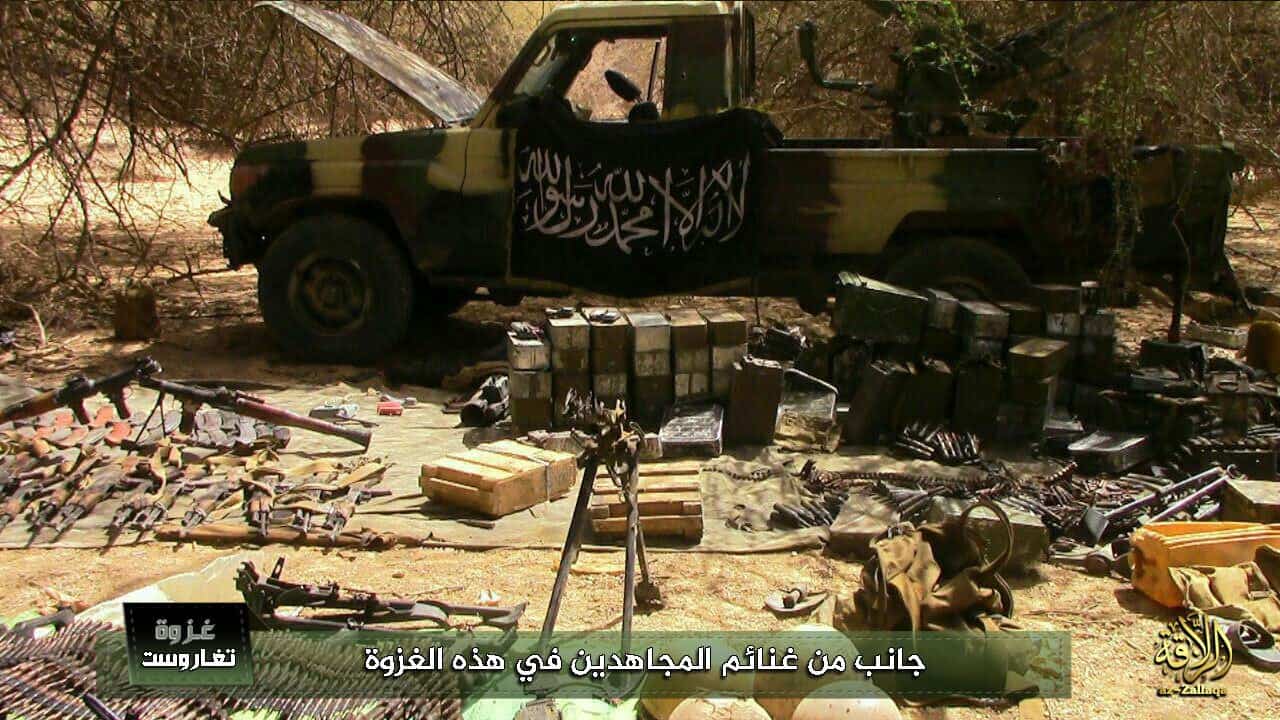
JNIM shows spoils from deadly assault near Timbuktu
The photos confirm the report released last week that while it withdrew from a Malian base after French intervention, it captured large amounts of weapons and equipment.
-
JNIM claims number of attacks across Mali
The attacks targeted Malian troops, UN peacekeepers, and Bambara militiamen. In one coordinated assault in the Timbuktu region, it also clashed with French forces.
-
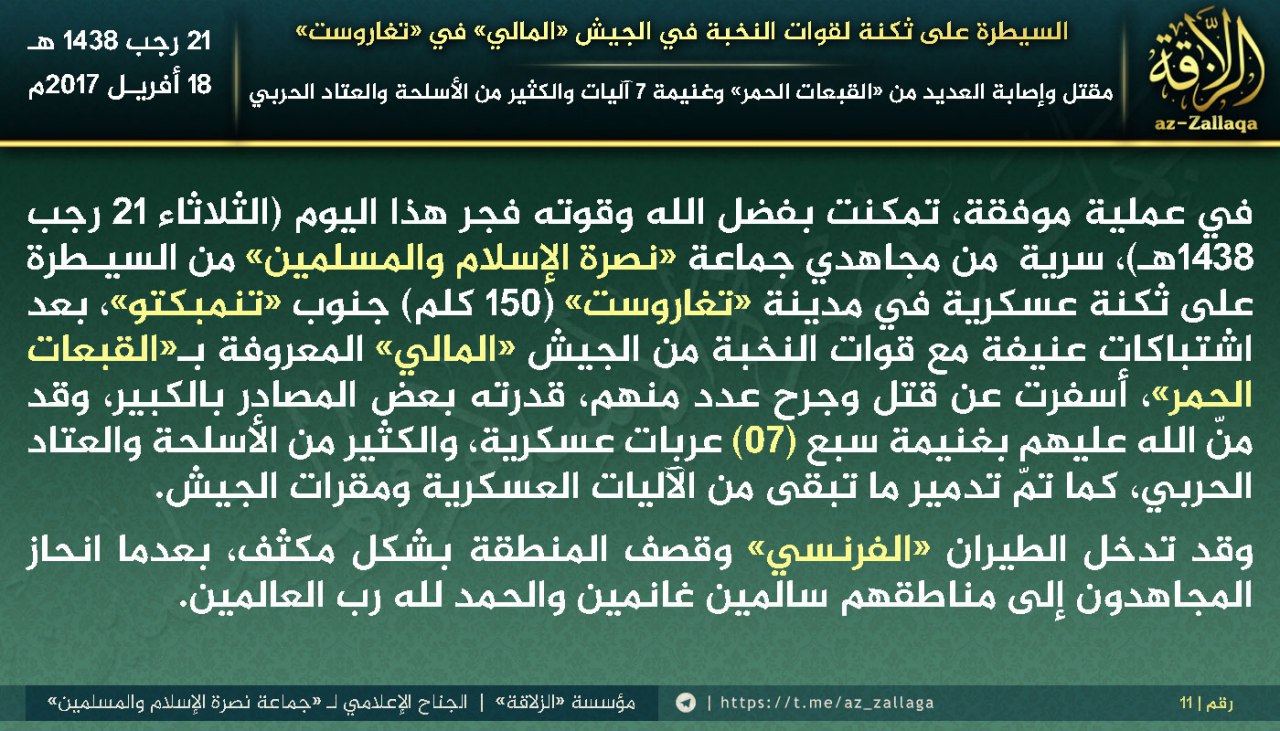
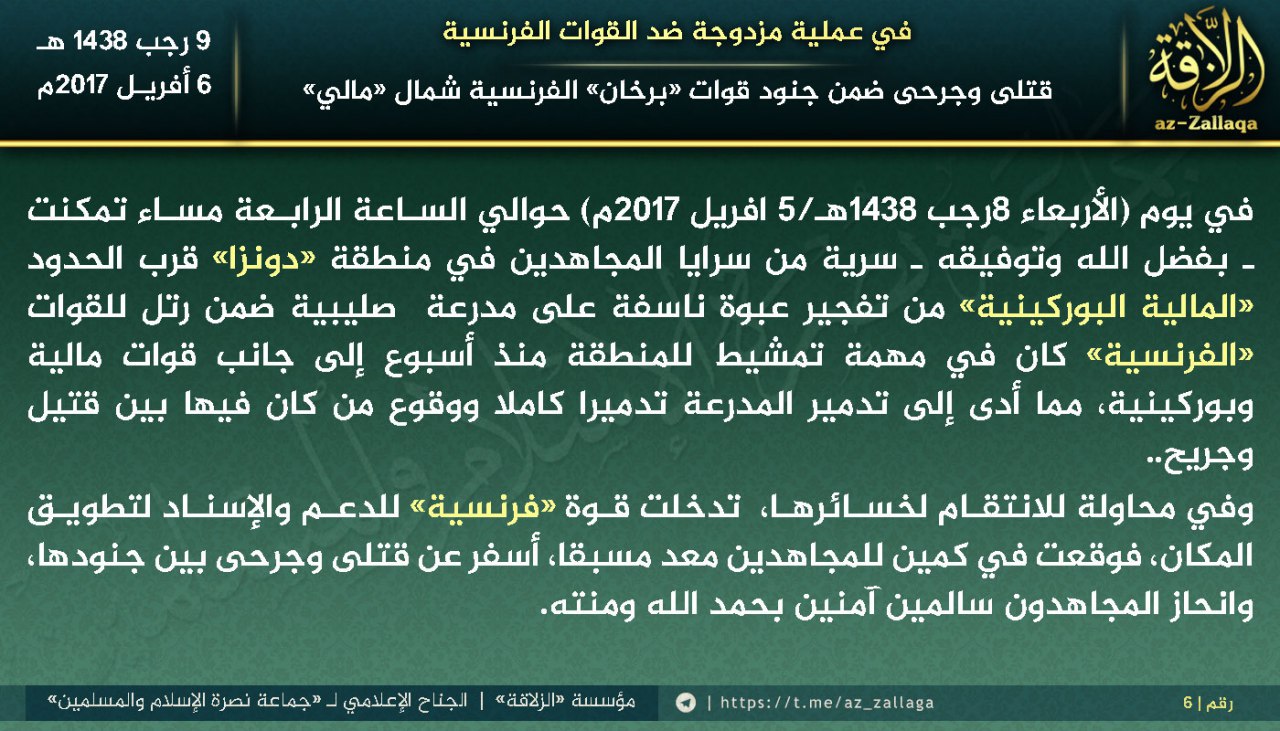
JNIM claims ambush on French troops in Mali
The Group for Support of Islam and Muslims (JNIM), al Qaeda’s new group in West Africa, claimed an ambush on French troops in central Mali near the borders with Burkina Faso. Additionally, it also claimed launching Grad rockets into a French base in northern Mali.
-
Al Qaeda entity involved in communal violence in central Mali
The Group for the Support of Islam and Muslims, al Qaeda’s newly formed entity in West Africa, claimed a series of attacks today. One claim discussed its role in the recent communal violence between Fulani herders and Bambara farmers in central Mali.
-
Analysis: Merger of al Qaeda groups threatens security in West Africa
Earlier this month, four al Qaeda groups in West Africa merged to form the “Group for the Support of Islam and Muslims.” Its constituent organizations launched more than 250 attacks across the region in 2016, a significant increase in the jihadists’ operational tempo from the previous year.