-
Islamic State kills almost 100 soldiers in Niger
Over the last month, the jihadist group has killed at least 174 Nigerien soldiers in three separate attacks.

-
Islamic State kills dozens of soldiers in Niger
The Islamic State continues to make inroads in the Sahel, conducting several high-profile raids in the border region between Mali and Niger.

-
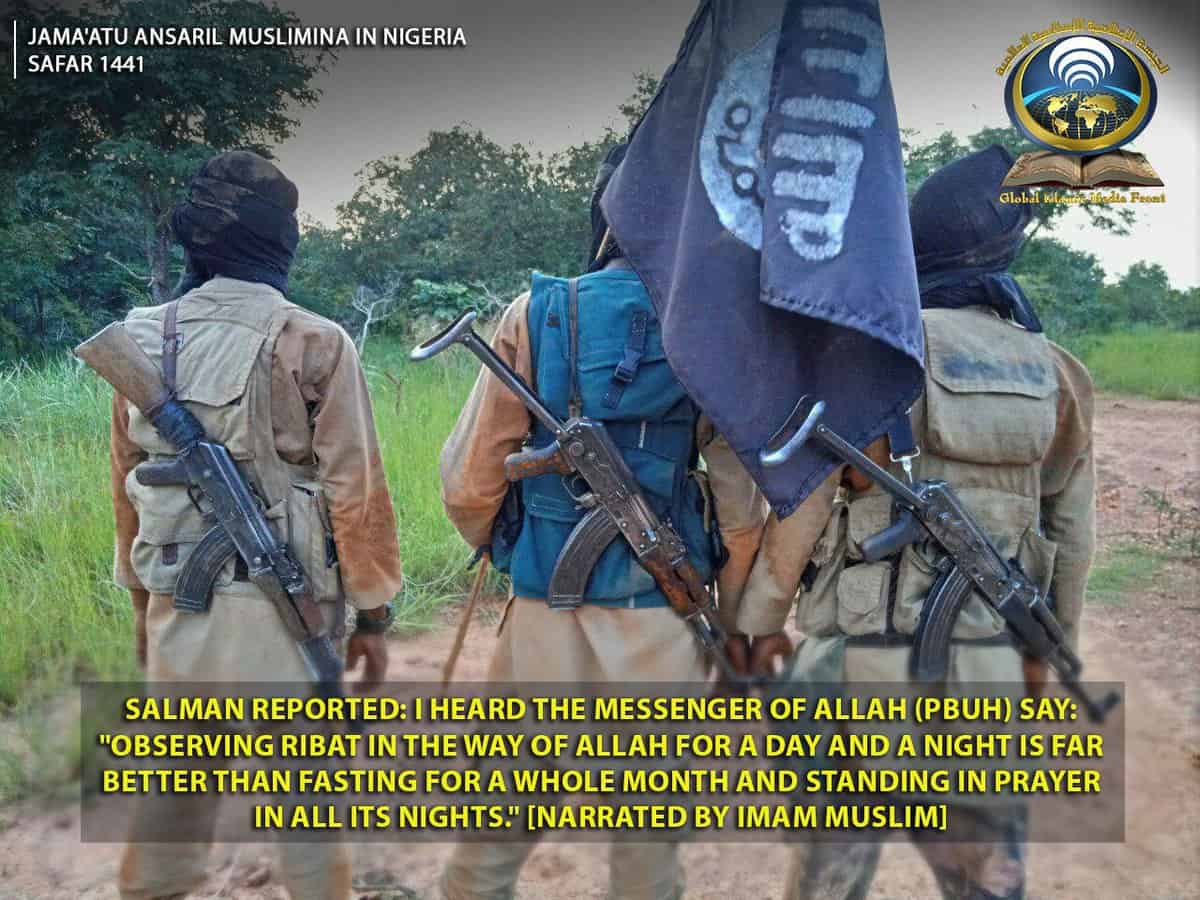
Al Qaeda-linked group reappears in Nigeria
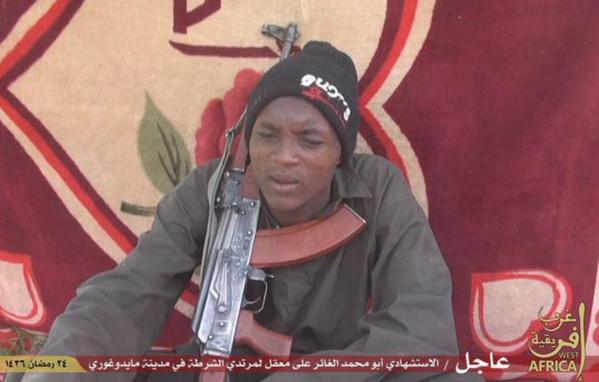
The photo marks the first sign of life for the group since 2017 and the first official publication since 2015.
-
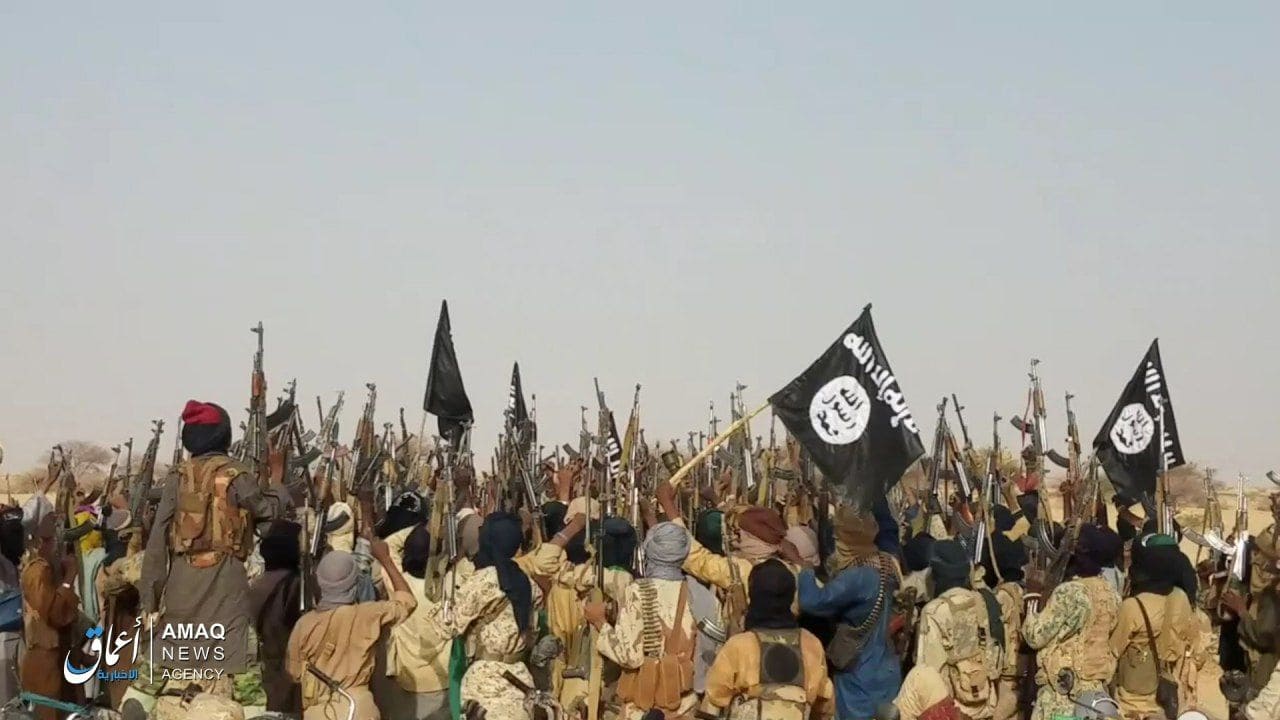
Al Qaeda, Islamic State report attacks in Burkina Faso
Both groups have claimed deadly assaults in Burkina Faso, playing into the already perilous security situation in the country.
-
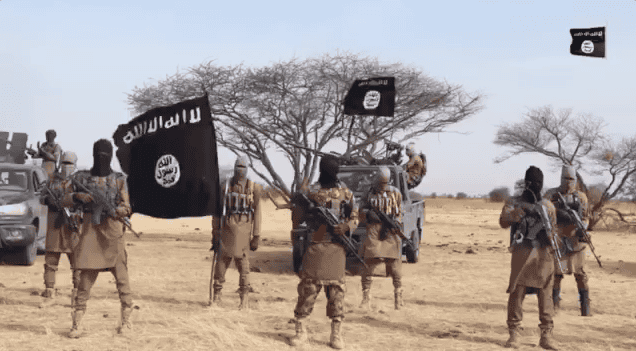
Jihadists in West Africa renew allegiance to Abu Bakr al-Baghdadi
On June 15, the Islamic State’s West Africa province released a video featuring a masked jihadist known as Abu Salmah al-Mangawi. Along with foot soldiers in Burkina Faso and Mali, al-Mangawi renewed his pledge of allegiance to Abu Bakr al-Baghdadi.
-
Deadly Niger ambush claimed by the Islamic State
The jihadist group also claimed an assault on a high-security prison near the capital of Niamey.
-
Thousands flee Islamic State West Africa offensive in northeast Nigeria
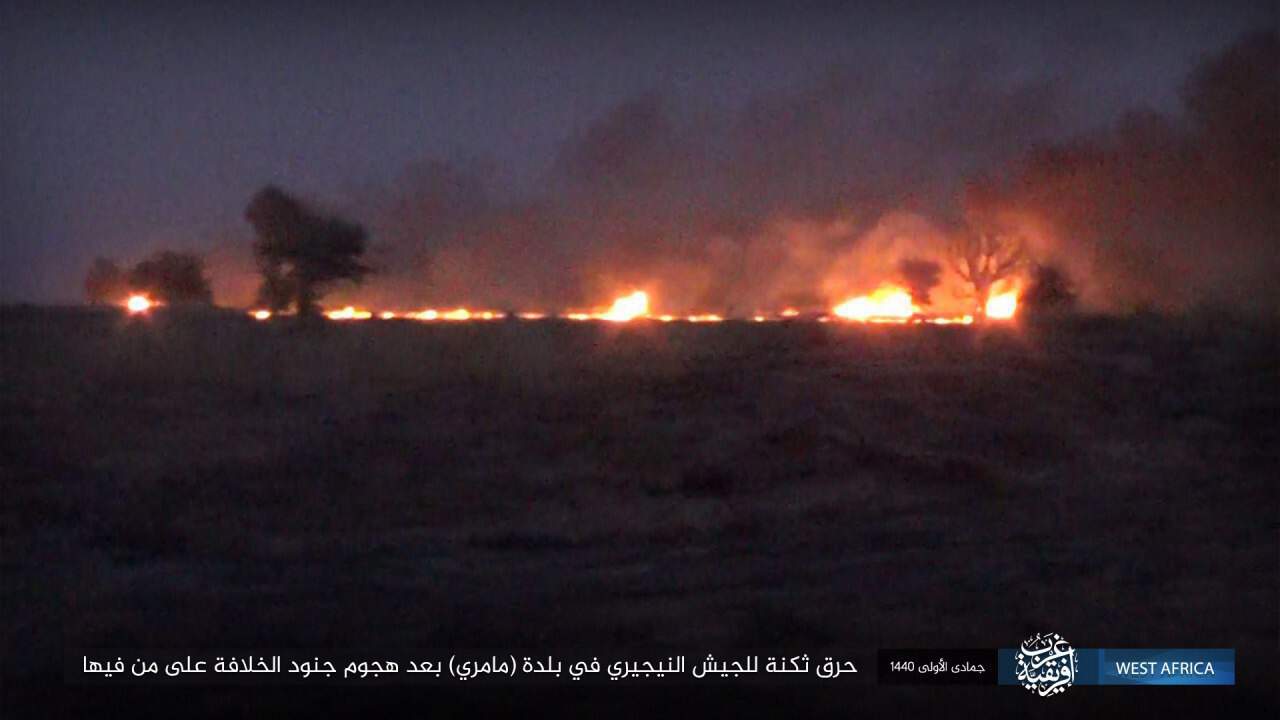
Islamic State West Africa has forced thousands of civilians to flee Rann after raiding and ransacking the makeshift town in northeastern Nigeria. The assault in Rann is part of a broader ISWA offensive in the region.
-
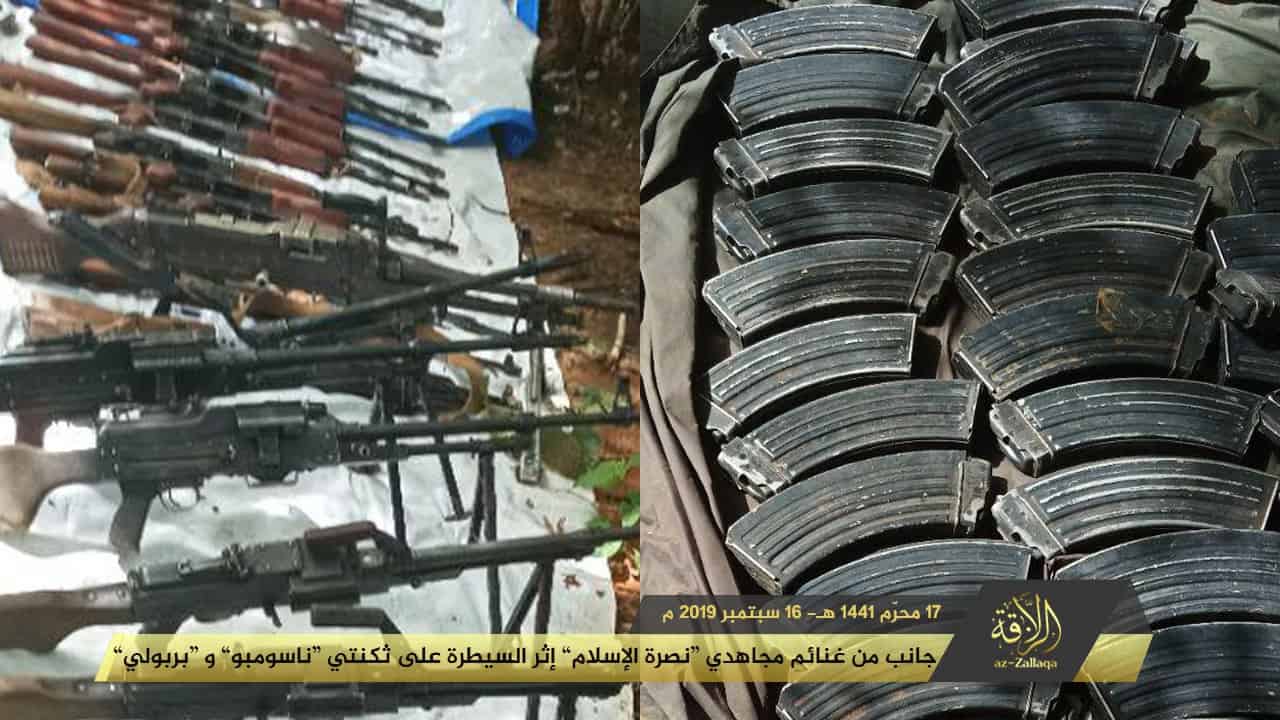
Islamic State arm reportedly seizes Nigerian town
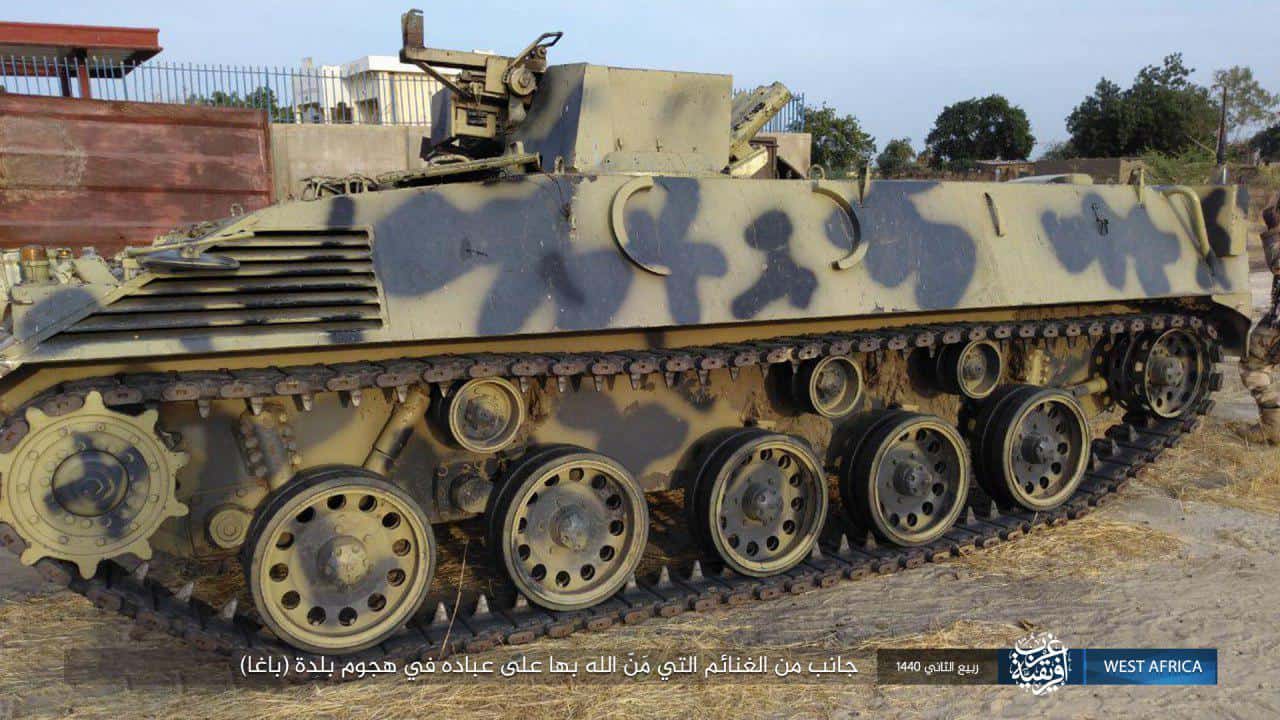
Islamic State West Africa reportedly seized the town of Baga in northeastern Nigeria earlier this week. The Nigerian military downplayed the jihadis’ advances, but it appears that ISWA seized the town, at least temporarily. And ISWA documented its spoils in a series of images released today.
-
Islamic State continues its rampage in northeastern Nigeria
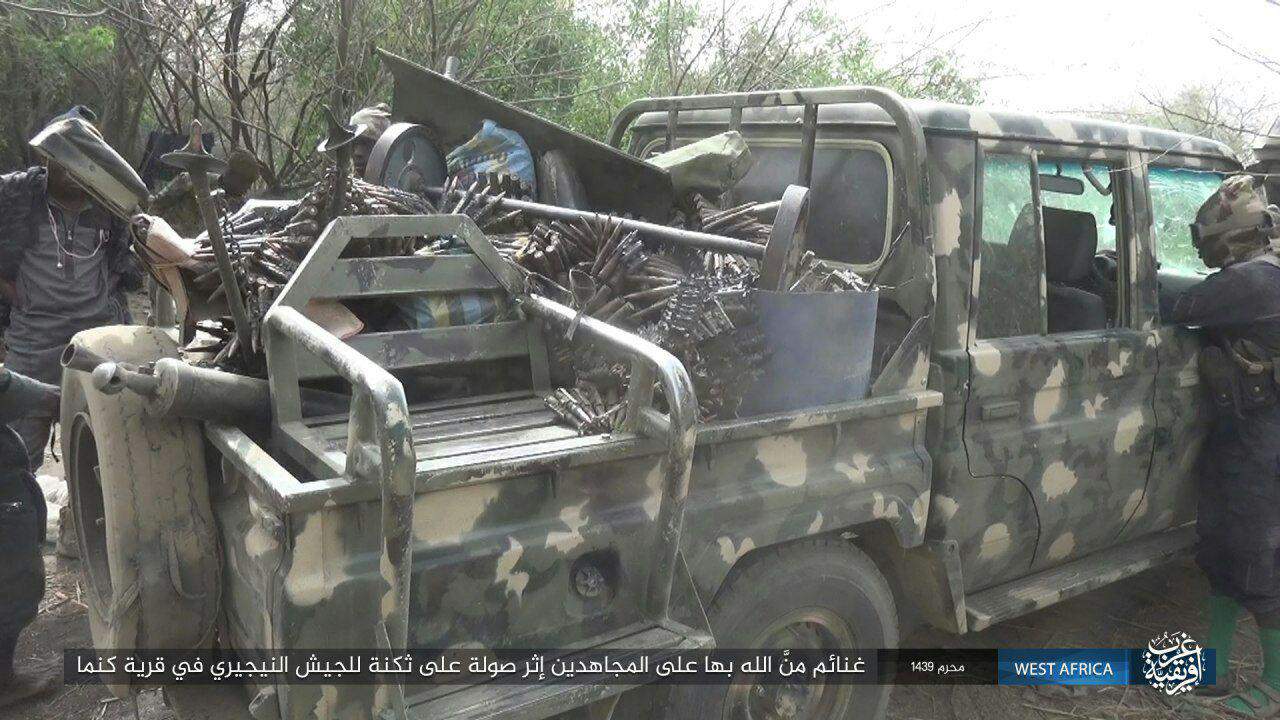
The Islamic State West Africa is progressing in its violent campaign against the Nigerian state in the northeast, as it continues to claim victories against the military.
-
Islamic State claims control over village in northeast Nigeria
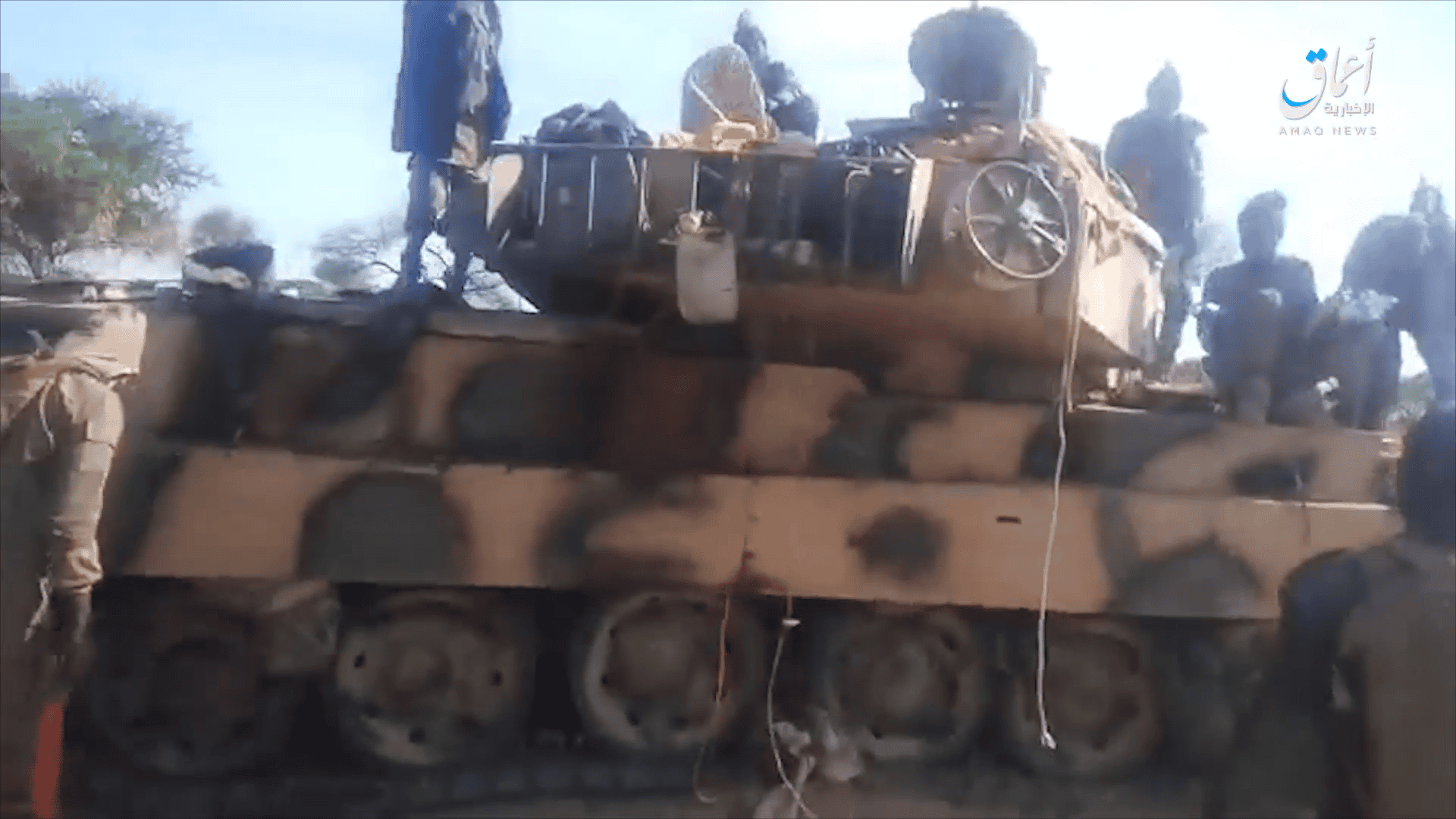
ISWA continues to defy announcements by the Nigerian government of its defeat.
-
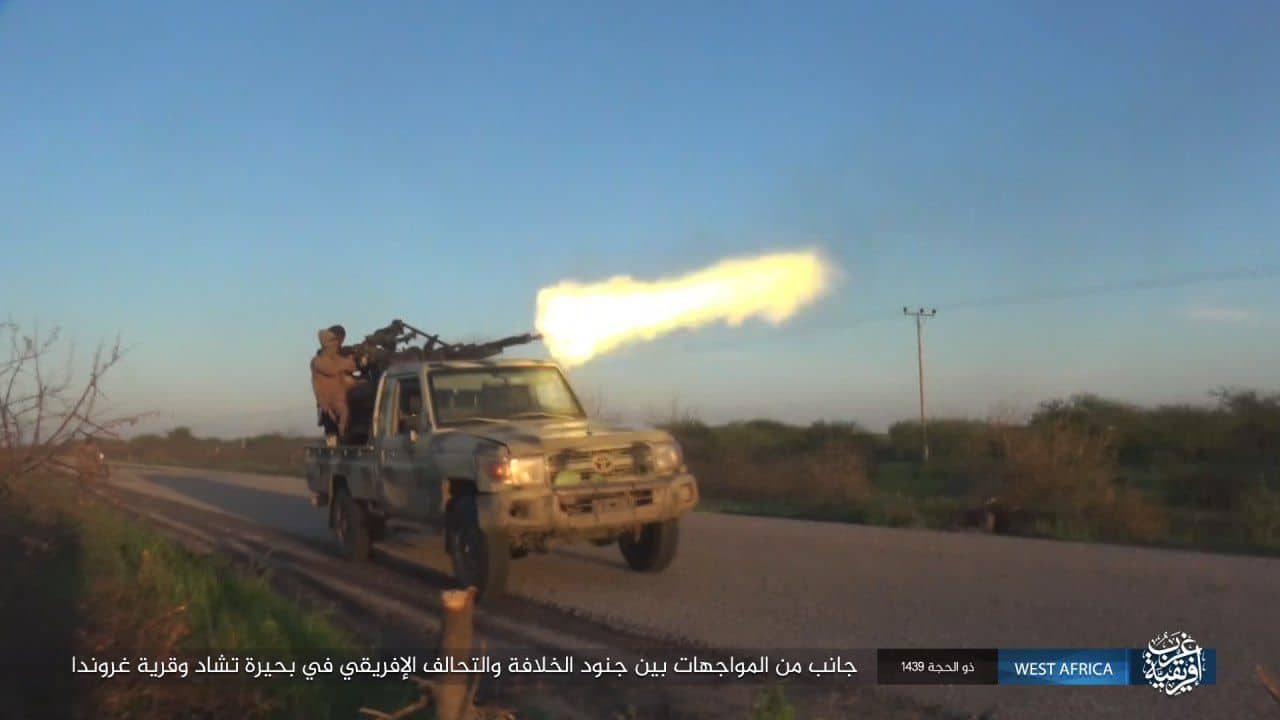
Islamic State releases photos from deadly raid on military base near Lake Chad
The Islamic State’s West African province has gone on a recent spate of assaults on military bases in northeastern Nigeria.
-
More female suicide bombers target Niger mosque
Three suicide bombers, including two girls, targeted a mosque and a Quranic school in Diffa, Niger, on Monday. The three are believed to have been sent by Abubakr Shekau’s Boko Haram faction.

-
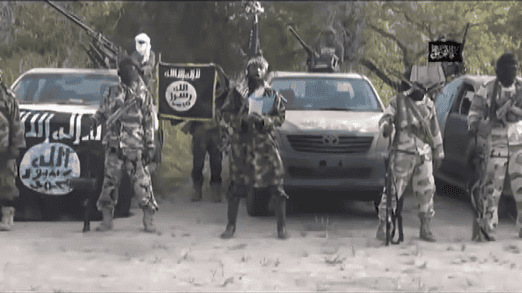
At least two dozen killed in Nigeria suicide bombings
Yesterday’s suicide bombing continues to prove the residual threat of jihadist violence in northeastern Nigeria.
-
State Department designates 7 ISIS-affiliated groups as terrorist organizations
The State Department announced today announced today that seven ISIS-affiliated groups have been designated as terrorist organizations. Underscoring the so-called caliphate’s growth outside of Iraq and Syria, the move targets ISIS affiliates in Bangladesh, Egypt, the Philippines, Somalia, Tunisia and West Africa. Two ISIS leaders in Africa were named as specially designated global terrorists as well.
-
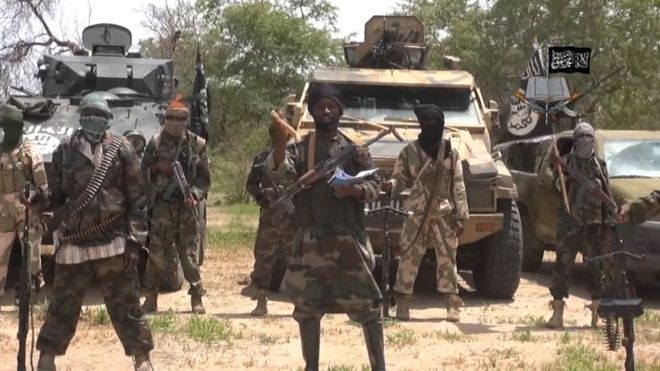
Scores dead in suicide bombing at Nigerian mosque
At least 50 people were killed by a suicide bomber during morning prayers at a local mosque in northeastern Nigeria. No group has claimed the attack, but it fits with the modus operandi of that of Abubakr Shekau’s faction.
-
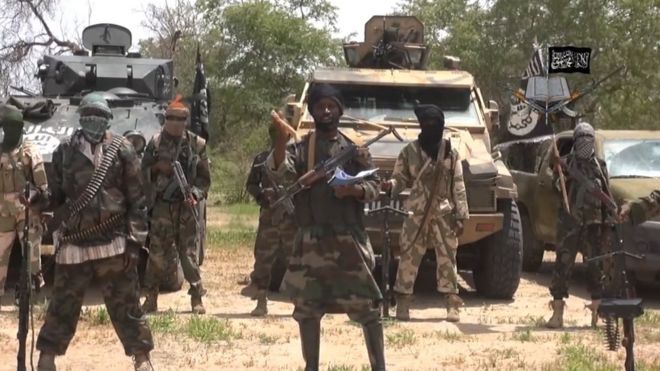
West Africa hit with spate of suicide bombings
At least a dozen females and another five males have been used in suicide attacks so far this month. The rate of which females are used in this tactic remain on pace to quadruple in 2017 compared to last year.
-
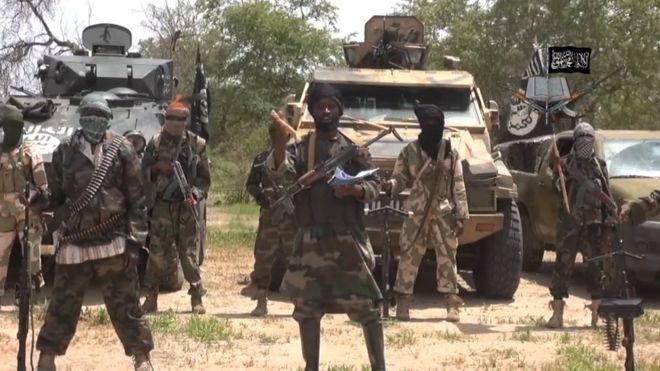
Female suicide bomber attacks in West Africa on pace to quadruple in 2017
Despite a relative lull in the use of females in suicide bombings in 2016 compared to 2015, West Africa is currently seeing a significant uptick in the use of females so far in 2017.
-
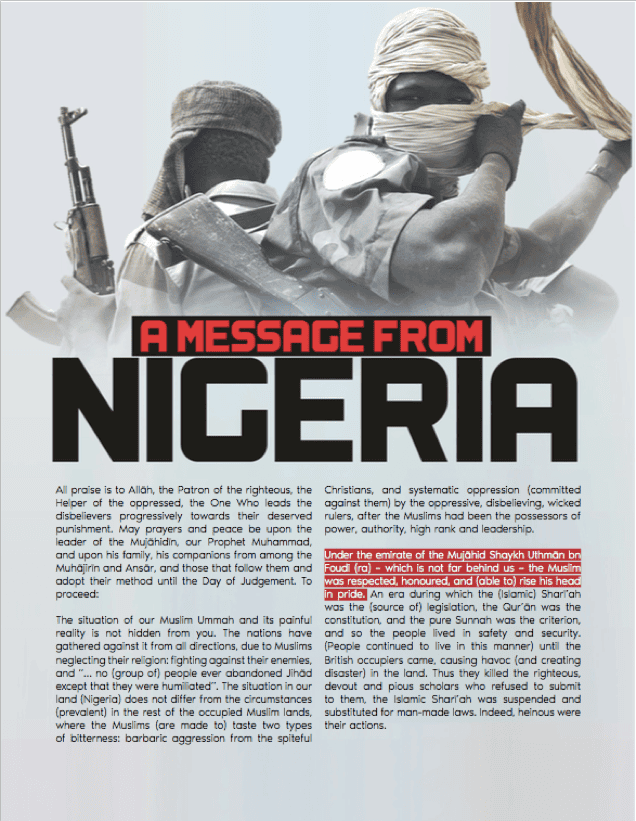
Osama bin Laden’s files: AQIM commander recommended training Boko Haram’s members
A letter recovered in Osama bin Laden’s compound reveals that a senior AQIM commander recommended that his group train Boko Haram’s forces. Other official sources confirm that AQIM did provide the training and also groomed part of Boko Haram’s leadership. However, one of the Boko Haram leaders identified in the letter later cofounded a splinter group known as Ansaru, which rejects Boko Haram’s policies. Ansaru has been supported by AQIM.
-
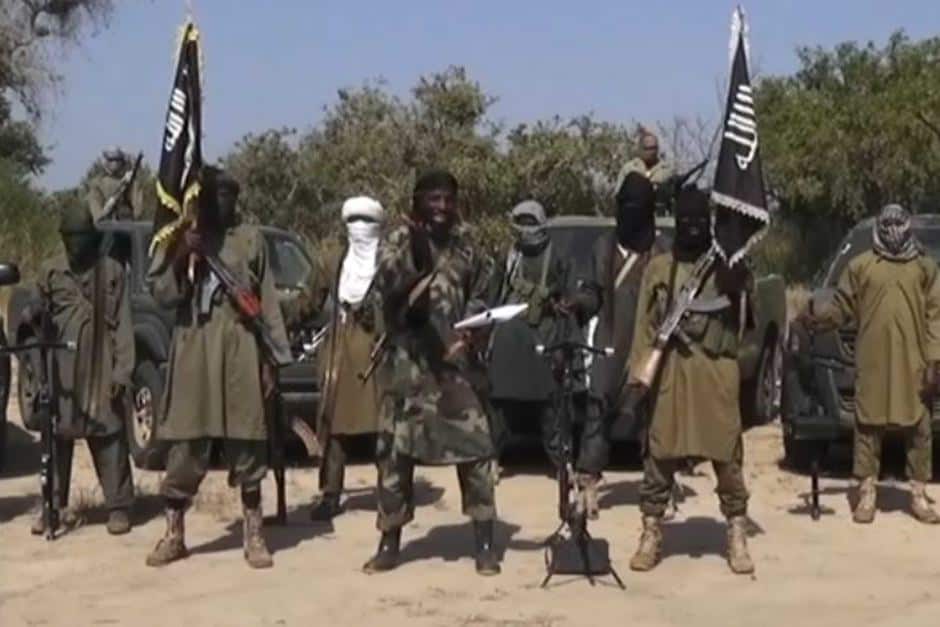
Young female suicide bombers strike in northeast Nigeria
Women and girls continue to be utilized by the Islamic State West Africa (formerly known as Boko Haram). At least 123 suicide bombings involving females have been recorded in data compiled by FDD’s Long War Journal.
-
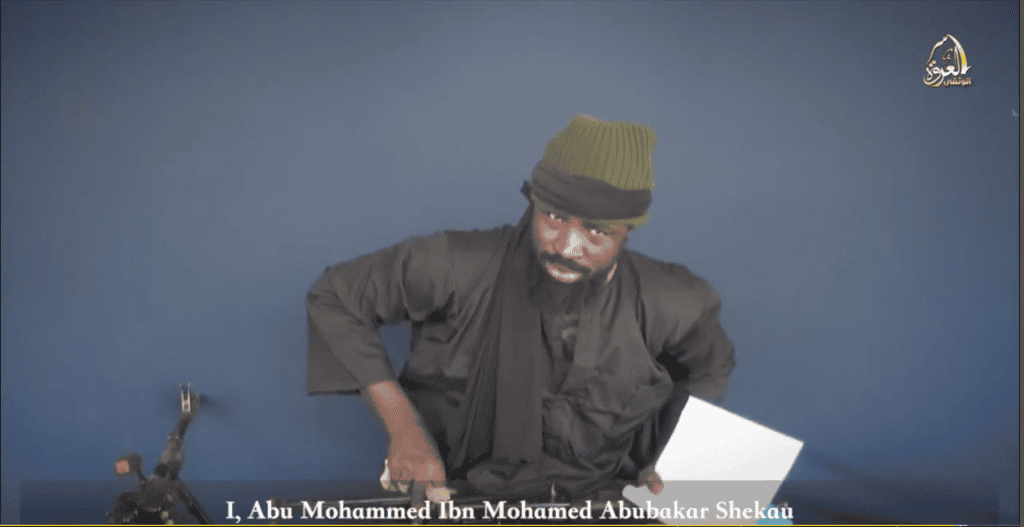
Jihadists argue over leadership of Islamic State’s West Africa province
The Islamic State has named a new wali (governor) for its “province” in West Africa. The move prompted a reply from Abu Bakr Shekau, the longtime leader of Boko Haram who became the wali after announcing his allegiance to Abu Bakr al Baghdadi last year. The SITE Intelligence group translated the Islamic State’s announcement and Shekau’s response.
-
Islamic State claims suicide bombing in Maiduguri
Despite being pushed back in several places of northeastern Nigeria, the attack still proves that the Islamic State West Africa, formerly known as Boko Haram, can still strike in heavily guarded areas.
-
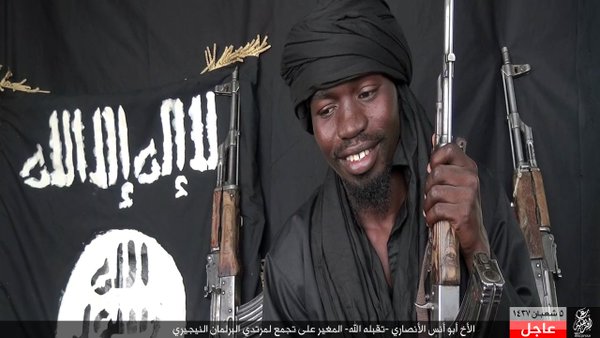
Islamic State West Africa reaffirms loyalty to al Baghdadi
The jihadist group also implies that its leader, Abubakar Shekau, is still alive and leading the Islamic State West Africa after rumors of his demise.
-
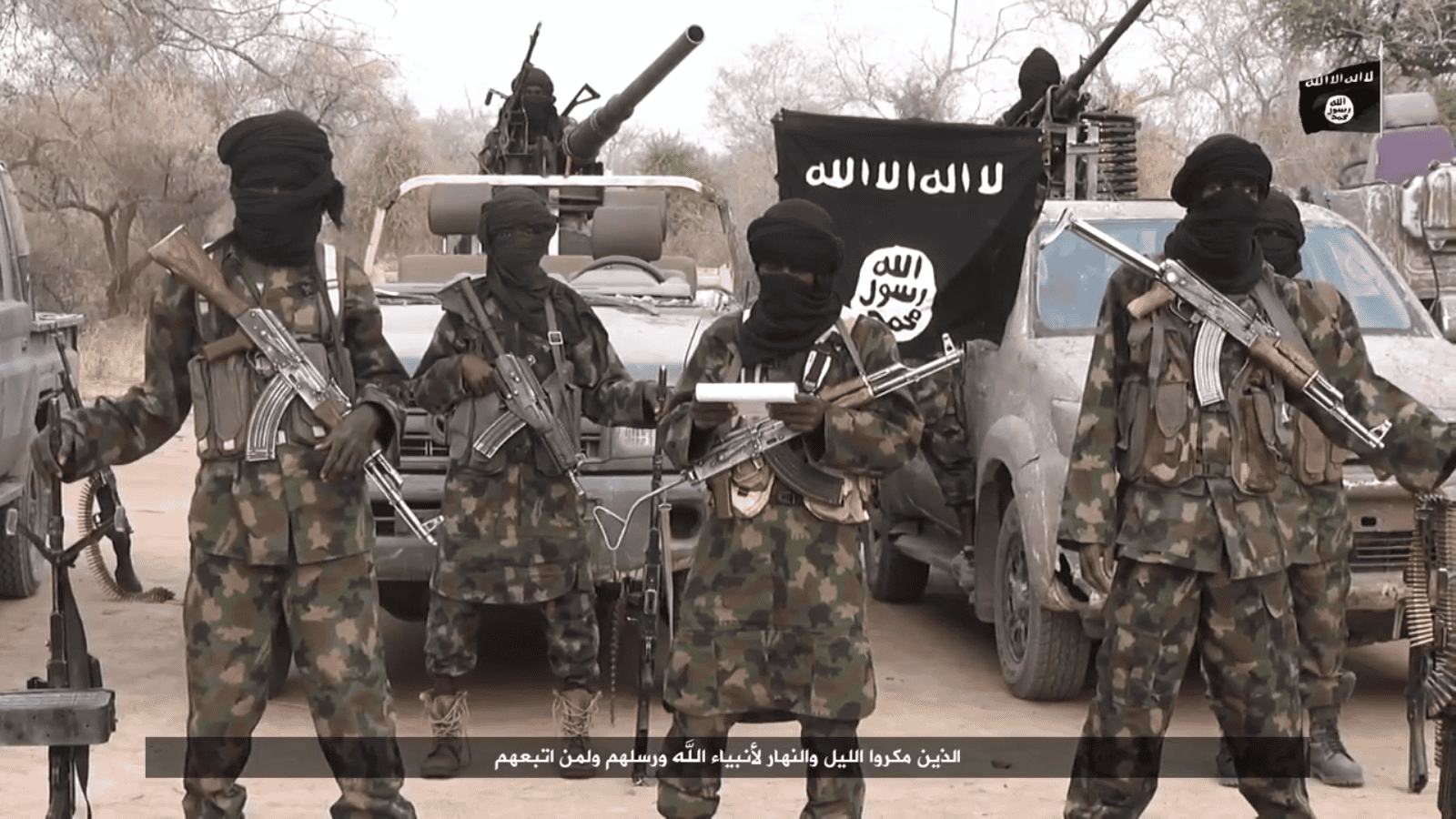
Over 100 female suicide bombers used in West Africa since June 2014
As the jihadist group continues its rampage in northeastern Nigeria and into neighboring states, the Islamic State’s West African province continues to utilize women and girls as suicide bombers. The use of females makes it easier for the jihadist group to conduct these attacks.
/assets/images/featured-image-default.jpg)
-
Islamic State West Africa launches coordinated assaults in northeast Nigeria
The coordinated assaults are likely intended to show that the jihadist group is still able to mount such attacks, despite some claims to the contrary.
-
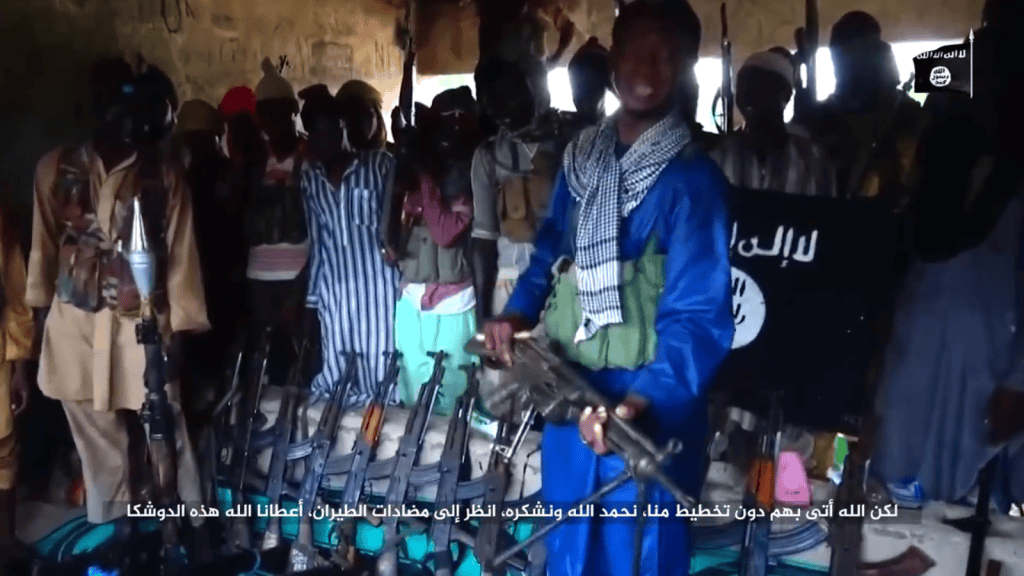
Islamic State West Africa targets Nigerian army in new video
The video showing an attack on Nigerian troops in Borno state was released as the jihadist group killed over 30 in suicide attacks in neighboring Chad.
-
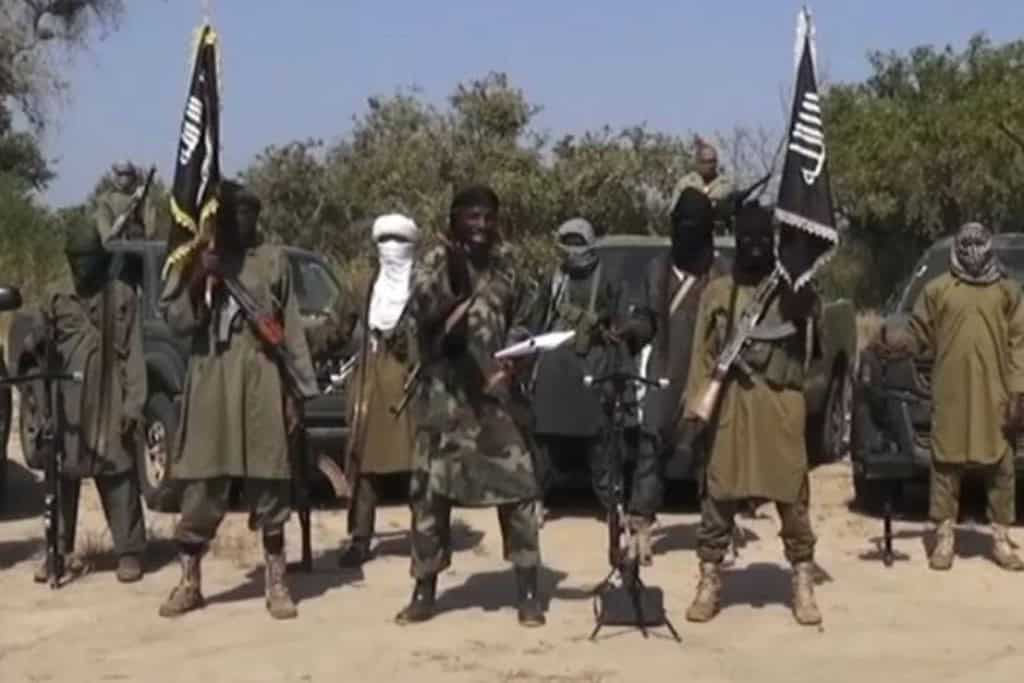
5 female suicide bombers strike in Nigeria
The Islamic State West Africa has routinely used women and girls to execute suicide attacks in the region. The group has deployed at least 52 female suicide bombers since June 2014. It is likely some of these women and girls were kidnapped and indoctrinated to conduct attacks.
-
The Islamic State West Africa continues to utilize women as suicide bombers
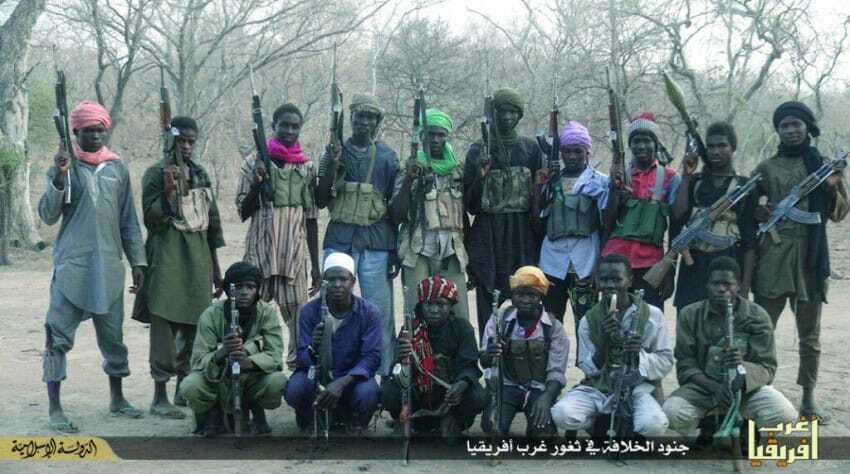
The group, formerly known as Boko Haram, has used at least 47 women as suicide bombers since June 2014.
-
Suicide bombers kill over 30 in Cameroon and Nigeria
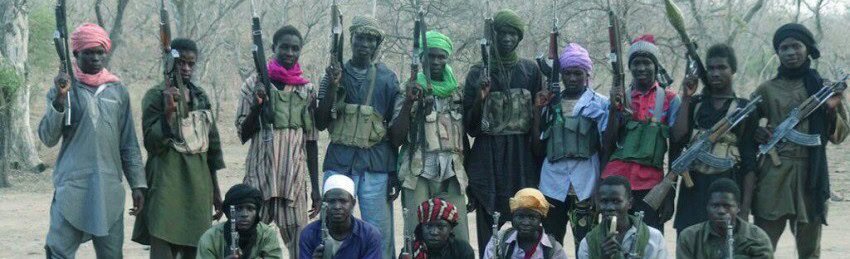
At least seven suicide attacks perpetrated by the Islamic State West Africa (formerly known as Boko Haram) in the last three weeks have been conducted by women.
-
Teenage suicide bombers kill more than 20 in northern Cameroon
The Islamic State West Africa (formerly known as Boko Haram) has utilized dozens of women and girls as suicide bombers over the last two years.
-
Burka-clad male suicide bomber strikes in Chad capital
The attack in N’Djamena is the third in Chad in less than a month. Boko Haram, which now refers to itself as the Islamic State’s West African province, continues to pose a significant threat to regional security despite losing ground in Nigeria.