-
Analysis: Hezbollah Secretary-General Naim Qassem’s Quds Day speeches
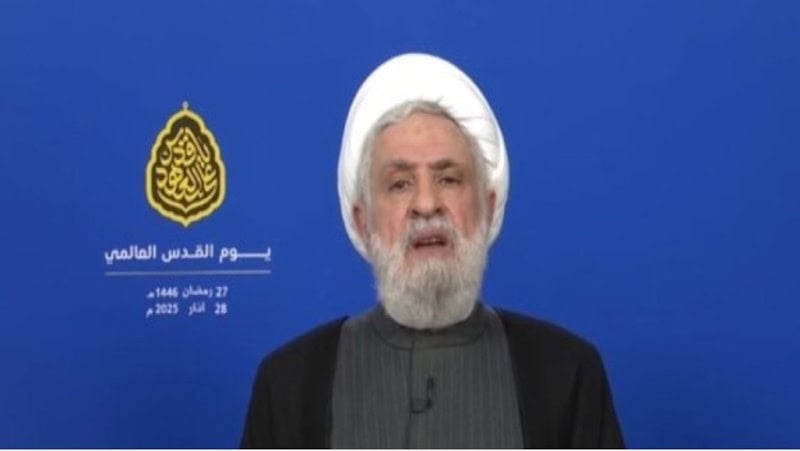
Naim Qassem delivered two speeches last week to mark Quds Day that touched on similar themes, including Hezbollah’s alleged victory in the recent war with Israel. Qassem also vowed Hezbollah would not disarm and cryptically threatened to resume attacking Israel if Israeli operations in Lebanon continued.
-
Israeli airstrike in Beirut kills Hezbollah commander, operative
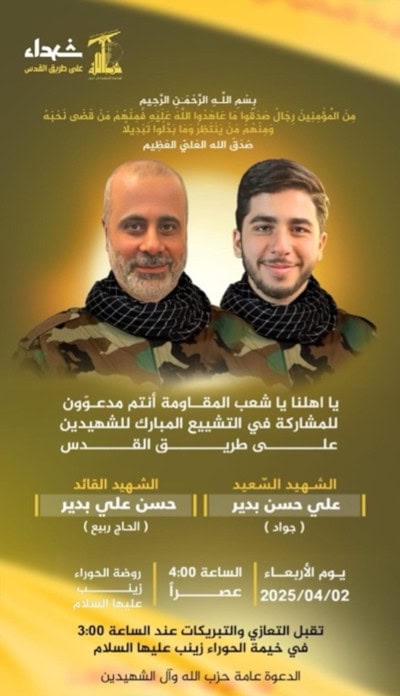
The Israel Defense Forces conducted an airstrike in the Dahiyeh suburb of Beirut, the second in two weeks and since the November 27 ceasefire, that killed Hezbollah commander Hassan Badeer, his son (another Hezbollah member), and two others. Israel said Badeer was helping Hamas plan an imminent attack against Israeli civilians.
-
Israeli operations in Lebanon against Hezbollah: March 24–March 31
Israeli operations in Lebanon continued on a near-daily basis last week. On Friday, Israel struck in Dahiyeh, Beirut for the first time since the November 27 ceasefire, destroying a Hezbollah drone storage facility. Lebanese officials made equivocal statements on reining in Hezbollah.
-
Israeli operations in Lebanon against Hezbollah: March 18–March 23
Israel conducted a series of operations in Lebanon between March 18 and March 23, targeting Hezbollah personnel and assets. On Saturday, in response to rocket fire from Lebanon, Israel launched its most expansive series of attacks in Lebanon since the November 27 ceasefire went into effect.
-
IDF operations in Lebanon and Hezbollah casualty announcements over the past week
Israel conducted several military operations in Lebanon between March 13 and 17, 2025. The operations targeted Hezbollah activity, operatives, and infrastructure. Hezbollah announced the deaths of five of its fighters last week without directly specifying the cause.
-
Israeli airstrikes target Hezbollah assets and personnel in south Lebanon
Israel conducted two sets of airstrikes in south Lebanon on March 11 that targeted Hezbollah operatives. The first targeted a senior Hezbollah aerial defense operative, whose fate remains unknown. The second set of strikes targeted Hezbollah members in south Lebanon. Hezbollah-affiliated media announced two of the group’s fighters were killed.
-
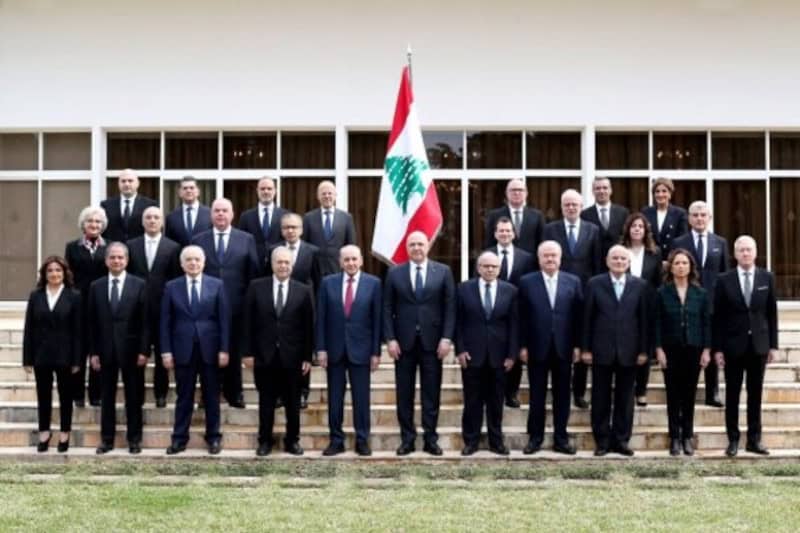
Analysis: Lebanon’s new government, the absent “resistance” Clause, and Hezbollah’s fate
A review of the new Lebanese government’s policy statement reveals some positive changes from the positions of previous governments regarding the official posture on Hezbollah and its arms. Nevertheless, the statement contains subtle but significant loopholes that Hezbollah can exploit to ensure its survival and eventual regeneration.
-
Analysis: A comparison of IDF and LAF activities in Lebanon post-November 27 ceasefire
A comparison of actions by the Israel Defense Forces (IDF) and Lebanese Armed Forces (LAF) in Lebanon after the ceasefire on November 27, 2024, demonstrates that the Lebanese have not taken significant action against Hezbollah.
-
Israel assassinates commander of Hezbollah Radwan Force’s seaborne forces
Israel assassinated Khodr Hashem, the commander of Hezbollah’s Radwan Force’s seaborn forces, in south Lebanon. Hashem was involved in armed activities and maritime weapons smuggling to Hezbollah before and after the November 27, 2024, Lebanon-Israel ceasefire agreement, activities which constituted a violation of the deal.

-
Israel strikes Hezbollah targets in Lebanon as ceasefire continues
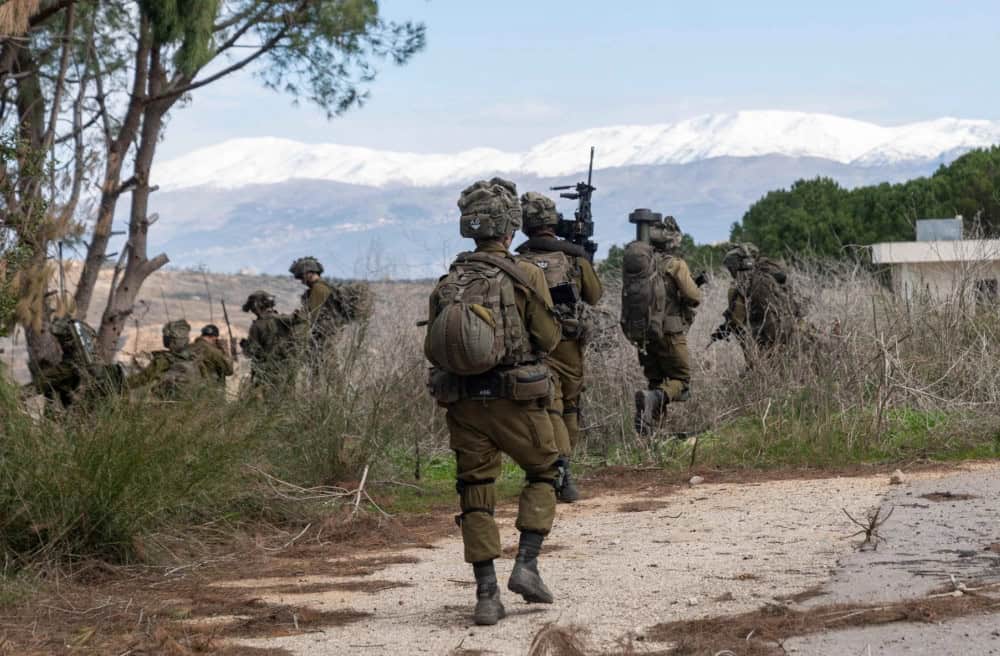
Israel faces continued threats in Lebanon despite the recent ceasefire, which approaches the important milestone of its first 60 days. On January 13, the Israel Defense Forces (IDF) carried out strikes on several Hezbollah targets, “including a rocket launcher site, a military site, and routes along the Syria-Lebanon border used to smuggle weapons to Hezbollah.” Israeli troops also continued searching for weapons and dismantling terrorist infrastructure in southern Lebanon.
-
Analysis: Lebanon’s Mahan Air theater was meant to cover ceasefire deal non-performance
Lebanon did not thoroughly inspect a Mahan Air Flight suspected of carrying funds for Hezbollah. It engaged in an act of theater to deny Israel justification to resume fighting the group in light of Beirut’s failure to implement its obligations under the November 27, 2024, ceasefire agreement.

-
Israeli forces in southern Lebanon dismantle more Hezbollah sites
The Israel Defense Forces (IDF) continue to search for and uncover Hezbollah munitions and terrorist infrastructure in southern Lebanon. IDF forces found weapons, explosives, and a tunnel in the fourth week of December. Israel is aiming to fulfill its mission against these threats before troops withdraw from southern Lebanon over the next three weeks in compliance with the Israel-Lebanon ceasefire. Hezbollah has warned that it will respond to Israel if the ceasefire’s terms are violated.

-
Israeli defense minister vows to prevent Hezbollah’s return to the border
Israeli Minister of Defense Israel Katz went to southern Lebanon on December 22 and vowed that Hezbollah would not be permitted to return to the border area. He met with the commanders of the IDF’s 91st Division and 188th Armored Brigade. The 188th has continued to uncover terrorist infrastructure and weapons in southern Lebanon.

-
Hezbollah and Israel conduct attacks as ceasefire at risk
The Israel Defense Forces (IDF) carried out strikes against Hezbollah on December 2, five days after a ceasefire began on November 27. Hezbollah launched mortars toward Mount Dov in northern Israel. The IDF has carried out daily strikes on Hezbollah, including the group’s rocket launchers and vehicles, since the ceasefire, accusing the group of violating the terms of the agreement.