-
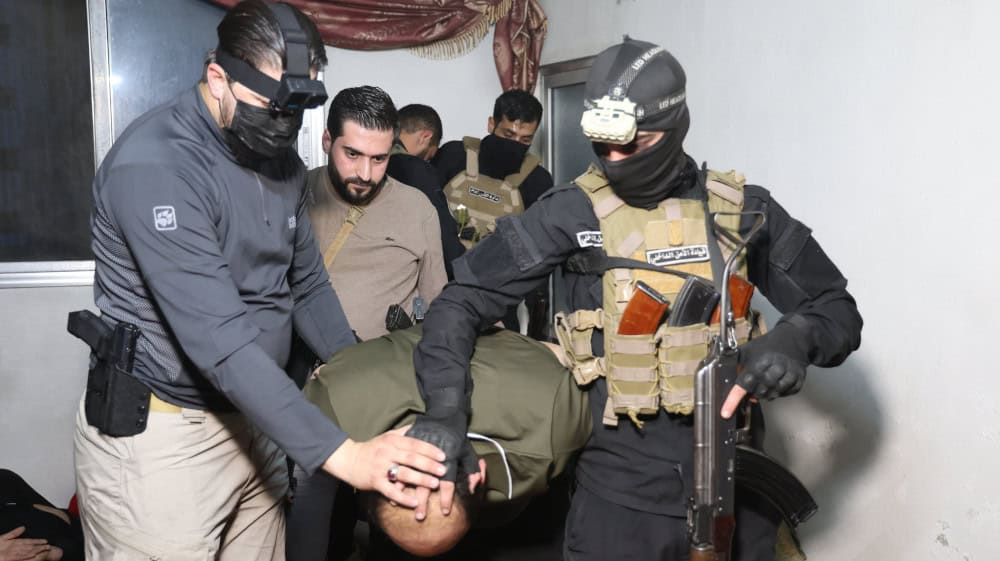
Syria reports neutralizing Hezbollah plot to assassinate senior officials
On May 5, Syrian authorities said that security forces dismantled a Hezbollah-linked militant network operating across multiple governorates, arresting 11 operatives, seizing weapons, and foiling planned assassinations.
-
Syria thwarts Hezbollah plot, vows at UN to fight terrorist groups
Syria says it disrupted a Hezbollah-linked plot and uncovered rockets near the Quneitra area of the Golan Heights. Officials also reported arrests tied to another terrorist cell, plus the seizure of 500,000 Captagon pills in a joint anti-smuggling operation with Iraq. At the United Nations, Syria pledged to continue counterterrorism operations, while criticizing Israeli actions in southern Syria.

-
Analysis: The road to the latest Lebanon ceasefire
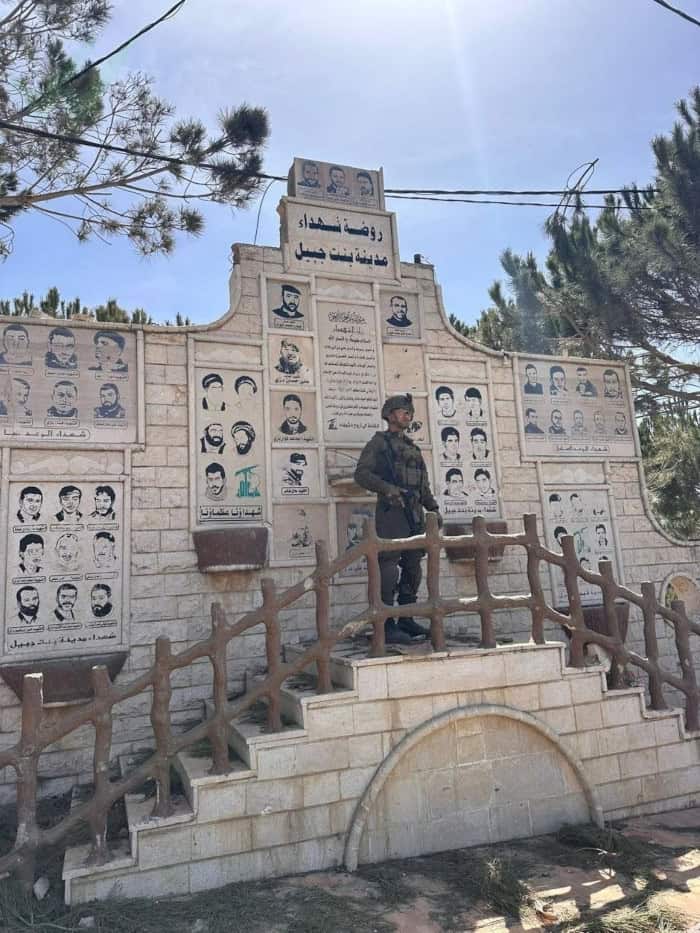
Iran has consistently sought to link its ceasefire with the United States to a concurrent cessation of hostilities in Lebanon. Tehran’s goal is to save Hezbollah, regardless of its stated aim of sparing Lebanon additional suffering. Iran, therefore, pressed the matter again as Hezbollah was on the cusp of losing the critical town of Bint Jbeil. A ceasefire in Lebanon went into effect on April 16.
-
Iraqi fundraising drives linked to militias channel support to Iran and Hezbollah
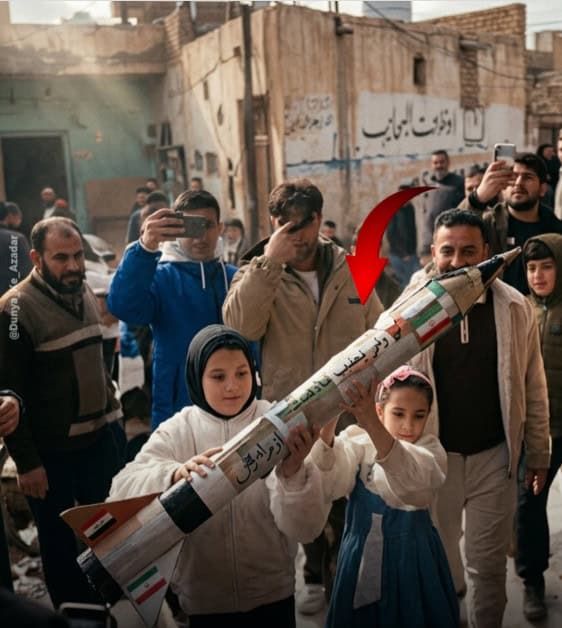
Efforts described by Iran-backed Iraqi militias as humanitarian campaigns increasingly show signs of serving as a parallel financial pipeline that also fuels Iran’s current war effort and regional proxy network. Across Iraq, groups aligned with Tehran are mobilizing donation drives framed as a religious obligation and in wartime solidarity.
-
A breakdown of Israel’s heavy bombardment of Beirut on April 8
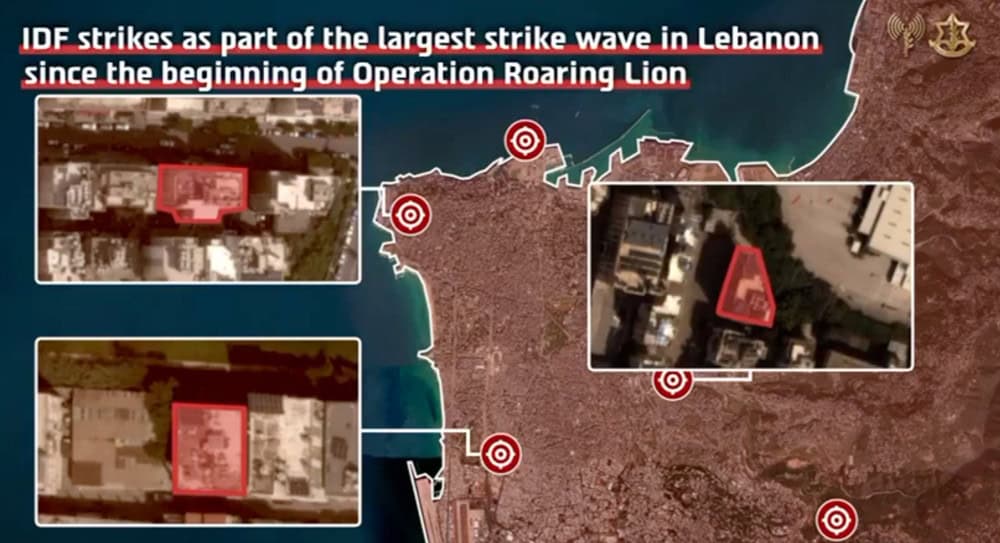
On April 8, Israel launched its most intense aerial blitz in Lebanon since the war with Hezbollah restarted. The strikes were particularly deadly in Beirut, where the Israeli military struck targets both in the suburb of Dahiyeh and, in a rare occurrence, the heart of the Lebanese capital. Israel alleges that Hezbollah operatives had moved northward out of the group’s Dahiyeh nerve center into the city.
-
Generation Jihad | Ceasefire or Long Game
FDD Senior Fellow David Daoud and Bill Roggio examine the recent and fragile ceasefire in the ongoing Iran war. Will the fighting in southern Lebanon between Israel and Hezbollah break the peace, and has the Iranian resistance movement missed a golden opportunity?

-
Analysis: Israeli goals in Lebanon war shift from imminently disarming Hezbollah to reestablishing South Lebanon Security Zone
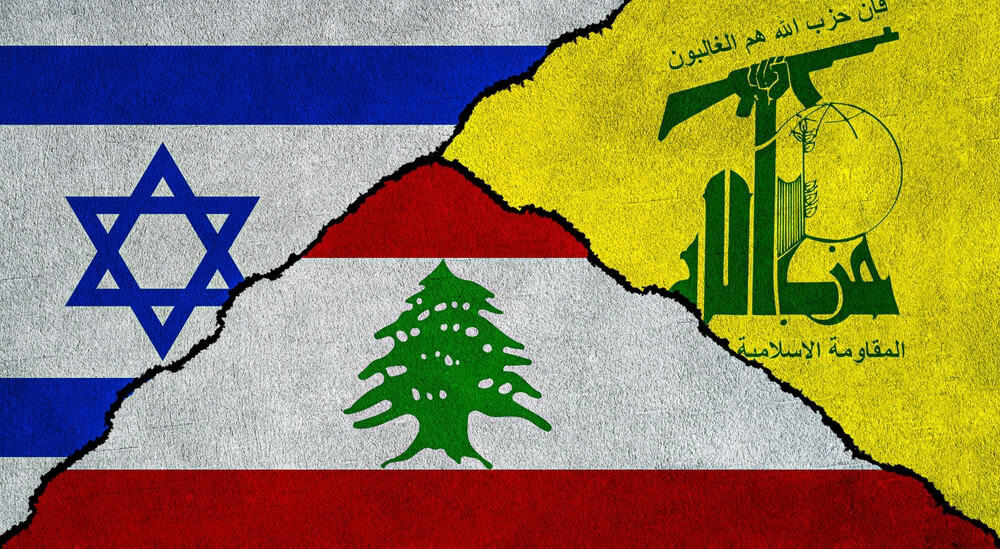
The renewed conflict in Lebanon has settled into a static pattern, despite remaining intense. Israel has narrowed its immediate war aims, while Lebanon remains unable to restrain Hezbollah, which remains defiant. This dynamic of impasse has led the international community to effectively tolerate the situation in Lebanon.
-
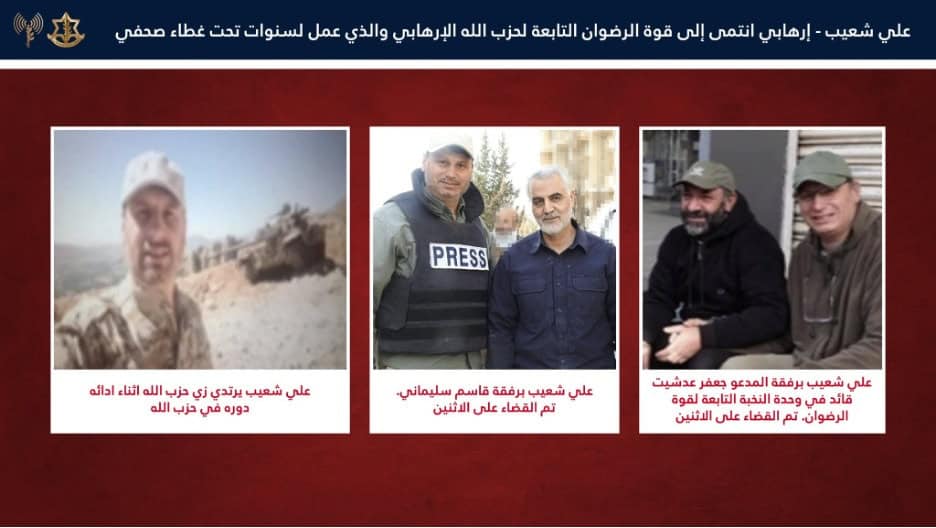
Israel kills Al Manar employee Ali Shuaib, says he was a Hezbollah military operative
Israel targeted and killed Ali Shuaib, an employee of the Hezbollah TV station Al Manar, and two others who worked for the pro-Hezbollah Al Mayadeen channel. The Israel Defense Forces claimed Shuaib was a Hezbollah Radwan Force operative using his journalistic credentials to monitor Israeli troop movements.
-
Lebanon declares Iranian ambassador-designate ‘persona non grata’ before Iranian missile explodes over Lebanese airspace
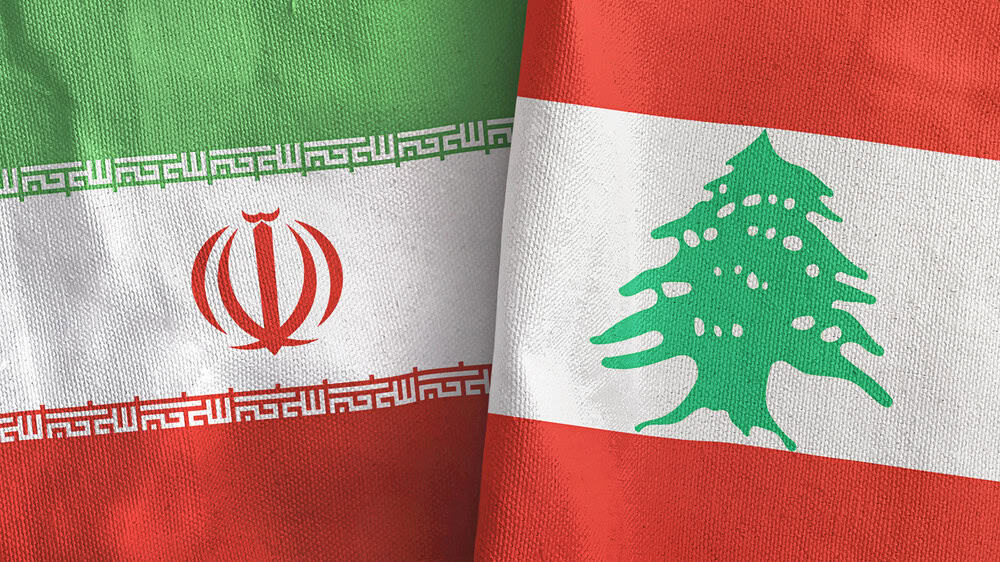
An Iranian ballistic missile exploded in Lebanese airspace shortly after Lebanese Foreign Minister Youssef Raggi declared Tehran’s ambassador-designate in the country “persona non grata.” Official silence, coupled with Lebanese reporting that the missile was targeting an American asset in Lebanon, led to speculation that Iran considered Raggi’s move significant and was retaliating for it. However, subsequent reporting and a Lebanese Armed Forces investigation revealed that the missile’s target was outside Lebanon.
-
Kuwait and UAE report disrupting domestic Hezbollah cells
Kuwaiti and UAE authorities stated that they discovered and arrested terror cells linked to Hezbollah operating in their countries. The Lebanese group denied the allegations, insisting that it does not have operatives in the Gulf states.
-
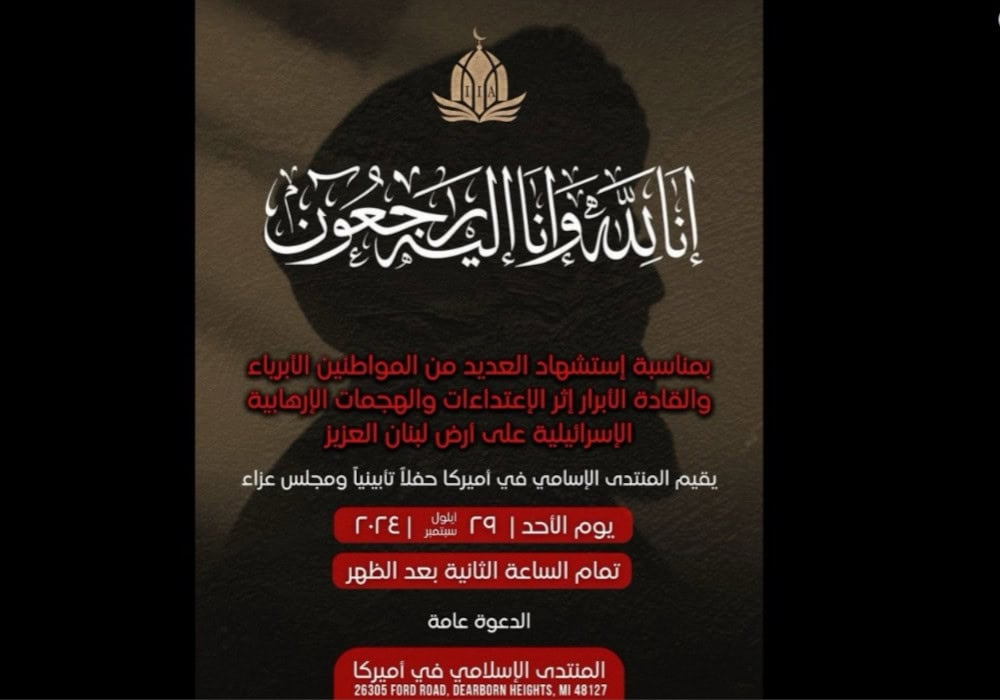
Analysis: West Bloomfield terror attack highlights Hezbollah connections within Shiite Lebanese community in US
Last week, Ayman Mohamad Ghazali, a Lebanese-US dual national, rammed his car into the entrance of Temple Israel, a synagogue in West Bloomfield, Indiana. Ghazali had familial connections to Hezbollah, and evidence shows multiple connections to the US-designated terrorist group among Shiite Lebanese expatriates, including open support for Hezbollah by some individuals within these communities.
-
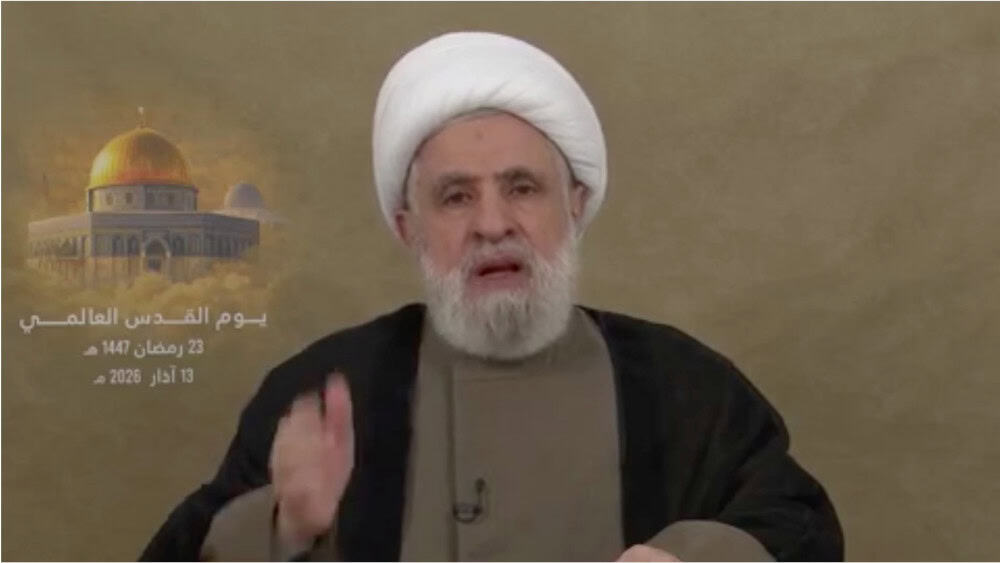
Analysis: Naim Qassem says Hezbollah will continue fighting Israel, frames war as defense of Lebanon
Hezbollah Secretary-General Naim Qassem gave his second speech regarding the renewed war with Israel, once again arguing that his group was the victim of aggression and not the aggressor. He said that Hezbollah is fighting a war of self-defense on behalf of Lebanon and stressed that it would continue fighting until it secures adequate concessions from Israel.
-
Analysis: Lebanon war intensifies as IDF strikes harder and Hezbollah escalates attacks
The renewed Lebanon war shows no sign of abating. Lebanon has yet to match its stern pronouncements on Hezbollah with equally tough enforcement, with the Lebanese military openly defying Beirut’s orders to disarm the group. Hezbollah has expressed its commitment to continue fighting in deed and word, including by pledging loyalty to Iran’s new supreme leader. Israel has responded by intensifying its operations as part of what it expects to be a long war against Hezbollah.
-
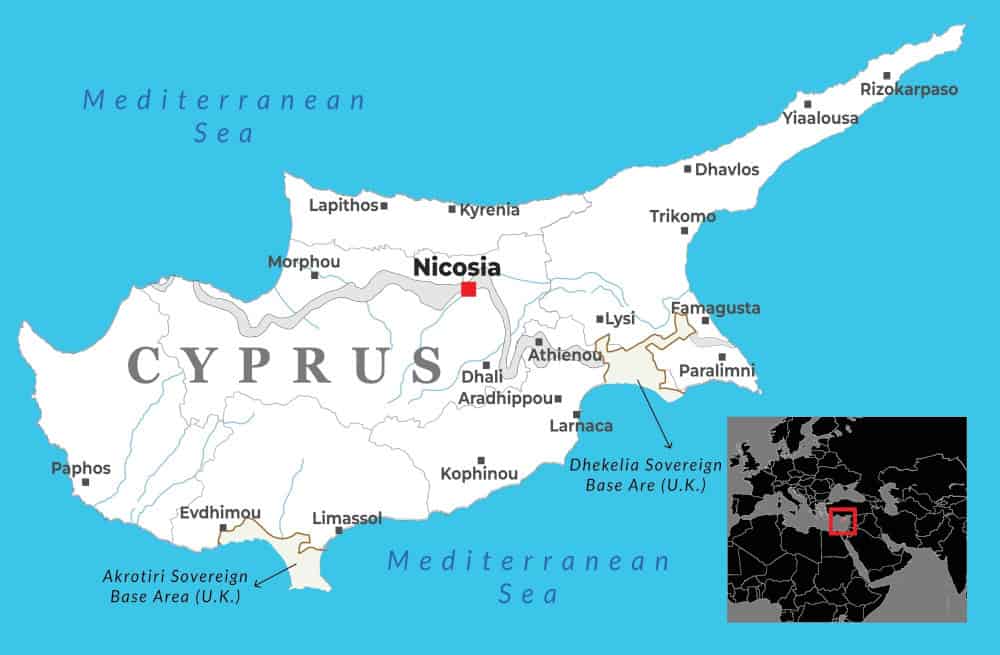
Cypriot, Lebanese officials blame Hezbollah for drone attacks on UK base in Cyprus; IRGC responsibility also possible
On March 1, a loitering munition struck the Royal Air Force (RAF) base in Akrotiri. Cypriot officials, followed by their Lebanese counterparts, accused Hezbollah of responsibility. The group’s leadership has threatened to target Cyprus in the past if it facilitated a war effort against the interests of the Iran-led Axis of Resistance. However, Iranian Islamic Revolutionary Guard Corps (IRGC) agents operating from Lebanon could have also carried out the attack.
-
Rockets target US Embassy in Baghdad after Iraqi Shiite militia group issues threat over war in Lebanon
The day before an attack on the US Embassy on March 7, the Coordination Committee of the Iraqi Resistance had issued a statement warning that continued strikes on Beirut’s Dahiyeh area would elicit attacks against embassies and oil companies in the region. The ultimatum follows repeated Israeli strikes against Hezbollah infrastructure and personnel in Beirut’s southern suburbs after Hezbollah entered the war on March 2.
-
Analysis: Israel strikes over 500 targets in Lebanon, issues evac orders in renewed war with Hezbollah (March 2–6)
The November 27, 2024, ceasefire agreement in Lebanon has officially ended. Israel and Hezbollah are now reengaged in a full conflict after the group attacked Israeli territory on March 2. The Israelis have responded ferociously, targeting large swathes of Lebanon and promising that their campaign will continue until Hezbollah’s destruction.
-
Analysis: Hezbollah leader vows to fight until the end in renewed war with Israel
Hezbollah Secretary-General Naim Qassem addressed Hezbollah’s latest war with Israel on Monday night, insisting that his group had fire rockets at Israel in defense of Lebanon, preempting a premeditated “war of extermination.” Qassem insisted that Hezbollah would not surrender its arms and vowed to continue fighting until achieving either victory in battle or martyrdom.

-
Israeli operations in Lebanon against Hezbollah: February 23–March 1, 2026
Israel continued military operations in Lebanon between February 23 and March 1, 2026. Israeli activities last week, the last days of which coincided with the onset of the joint US-Israeli operation against the Islamic Republic of Iran, were concentrated on policing activities but included airstrikes on Hezbollah’s assets deeper into Lebanon.
-
US State Department orders non-emergency personnel to depart from Beirut embassy
The US State Department ordered the departure of all non-emergency government personnel from the US Embassy in Beirut, along with their family members. Many media outlets tied this to rising US regional tensions with Iran. A Lebanese media outlet suggested it was in response to threats to the embassy from Hezbollah.

-
Israeli operations in Lebanon against Hezbollah: February 16–22, 2026
Israel continued military operations in Lebanon between February 16 and February 22, 2026. Israeli activities last week were relatively more intense than in preceding weeks and included attacks on Hezbollah assets deep inside Lebanon, some of which the group reportedly intended to use against Israel in the event of a US conflict with Iran.
-
Israeli operations in Lebanon against Hezbollah: February 9–15, 2026
Israel continued military operations in Lebanon between February 9 and February 15, 2026. Israeli activities last week were concentrated in south Lebanon and consisted largely of policing activity, maintaining the reduced intensity of previous weeks.
-
Analysis: US Treasury sanctions Hezbollah front designed to insulate terror group’s gold reserves
Earlier this week, the US Treasury Department sanctioned Jood SARL, a gold exchange recently established in Lebanon, declaring it a front for the US-sanctioned Hezbollah financial institution Al Qard al Hassan (AQAH). For years, AQAH has acted as Hezbollah’s shadow bank, using its legal status as a charitable institution to elude banking regulations, oversight, and compliance. However, based on corporate records, it appears that Treasury did not designate some of Jood SARL’s shareholders and managers.
-
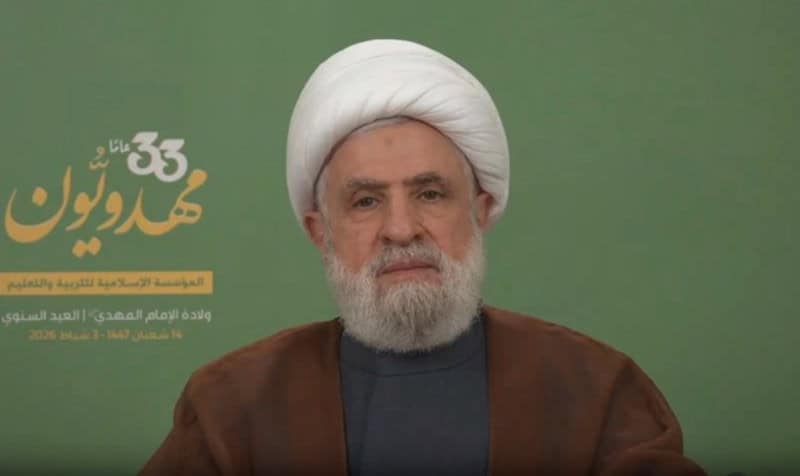
Analysis: Naim Qassem delivers defiant speech to mark anniversary of Mahdi Schools
Naim Qassem marked the 33rd anniversary of the Mahdi Schools System with a defiant speech that said Iran was divinely promised a momentous victory over the United States and Israel. He also stressed that Hezbollah would not disarm, and its patient path of choosing even death over surrender would guarantee Lebanon’s eventual victory over Israel.
-
Reports: Hezbollah detains Lebanese security personnel seeking to inspect suspicious cargo
Lebanese media reports claim that Hezbollah sought to smuggle weapons from the remnants of its arsenal in Syria to Dahiyeh in Lebanon. The weapons, transported in two vehicles, were detected by suspicious Lebanese authorities. However, the reports claim that Hezbollah temporarily detained a Lebanese officer and only handed over the vehicles for inspection after emptying them of their cargo.

-
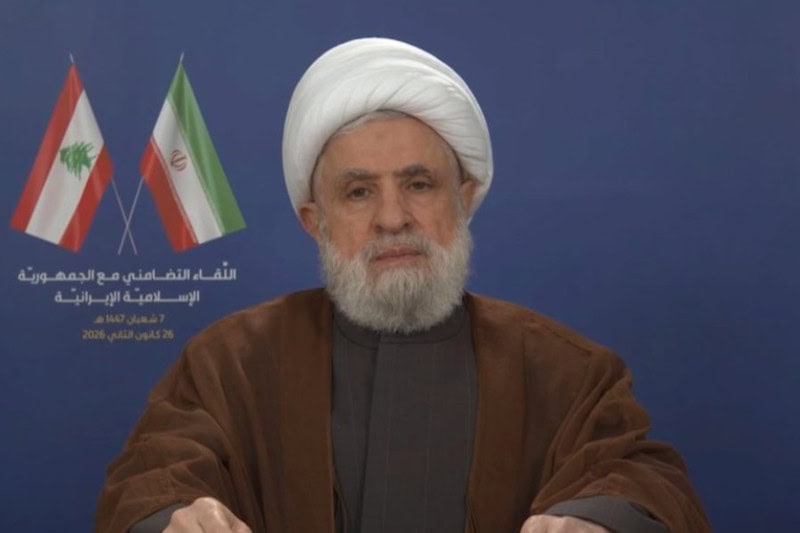
Analysis: Hezbollah: We will not remain neutral if Islamic Republic endangered
Hezbollah has yet to deploy operatives to protect the Islamic Republic of Iran’s regime from ongoing protests. However, the group has stated that it will not remain neutral if the United States or Israel attack the Tehran regime and threaten its existence. Hezbollah also claims the current Iranian authorities actually enjoy widespread domestic support and that calls for regime change are being instigated by Washington and Jerusalem.
-
Israeli operations in Lebanon against Hezbollah: January 19–25, 2026
Israel continued military operations in Lebanon between January 19 and January 25, 2026. Israeli operations last week targeted Hezbollah assets and personnel both north and south of the Litani River.
-
IDF details role and methods of Hezbollah’s local liaison operatives
The Israel Defense Forces (IDF) recently assassinated a Hezbollah local liaison officer in south Lebanon and has now explained the alleged function of these operatives during the group’s regeneration efforts, including how they cultivate relationships with Lebanese civilians.

-
Israeli operations in Lebanon against Hezbollah: January 12–18, 2026
Israel continued military operations in Lebanon between January 12 and January 18, 2026. Israeli activities were largely concentrated north of the Litani River, with mainly policing activities occurring south of the waterway.
-
Israeli operations in Lebanon against Hezbollah: January 5–11, 2026
Israel continued military operations in Lebanon between January 5 and January 11. Israel Defense Forces activities included strikes on Hezbollah assets and personnel, including targets involved in the group’s regeneration efforts south of the Litani River after the Lebanese Armed Forces had certified taking control of the area.
-
Israeli operations in Lebanon against Hezbollah: December 29, 2025–January 4, 2026
Israel continued military operations in Lebanon between December 29, 2025, and January 4, 2026. Israeli activities included strikes on Hezbollah assets and personnel north and south of the Litani River.