-
IDF shifts forces on Lebanon and Syria borders
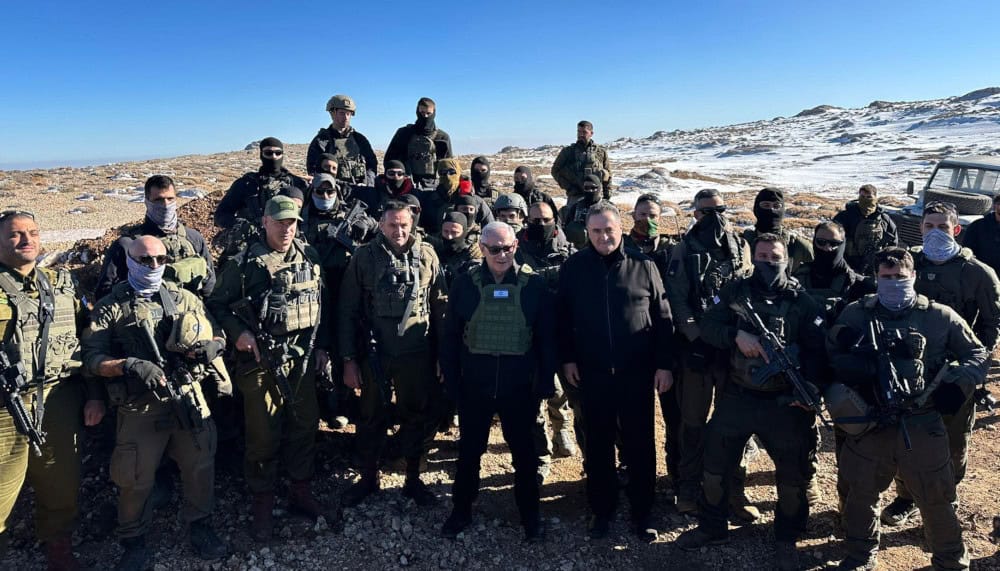
Israeli Prime Minister Benjamin Netanyahu and Defense Minister Israel Katz visited the peak of Mount Hermon on December 17. The IDF seized the peak in the wake of the fall of the Syrian regime of Bashar al Assad on December 8. “The IDF is here to protect the communities of the Golan Heights and the citizens of the State of Israel from any threat, from the most important place where it is possible to do so,” Katz said. The IDF is preparing to remain in areas that were previously a buffer zone between Israeli and Syrian forces along the border.
-
Israel moves forces into buffer zone with Syria as Assad regime falls
On December 8, Syria’s Assad regime fell from power, and Israeli Prime Minister Benjamin Netanyahu journeyed to the Golan Heights. “This is a historic day for the Middle East. The collapse of the Assad regime, the tyranny in Damascus, offers great opportunity but also is fraught with significant dangers,” Netanyahu said. Israel sent additional troops to the Golan on December 7 and conducted training to confront the developments in Syria. The IDF also seized part of the Syrian side of Mount Hermon, part of a buffer zone between Israel and Syria.

-
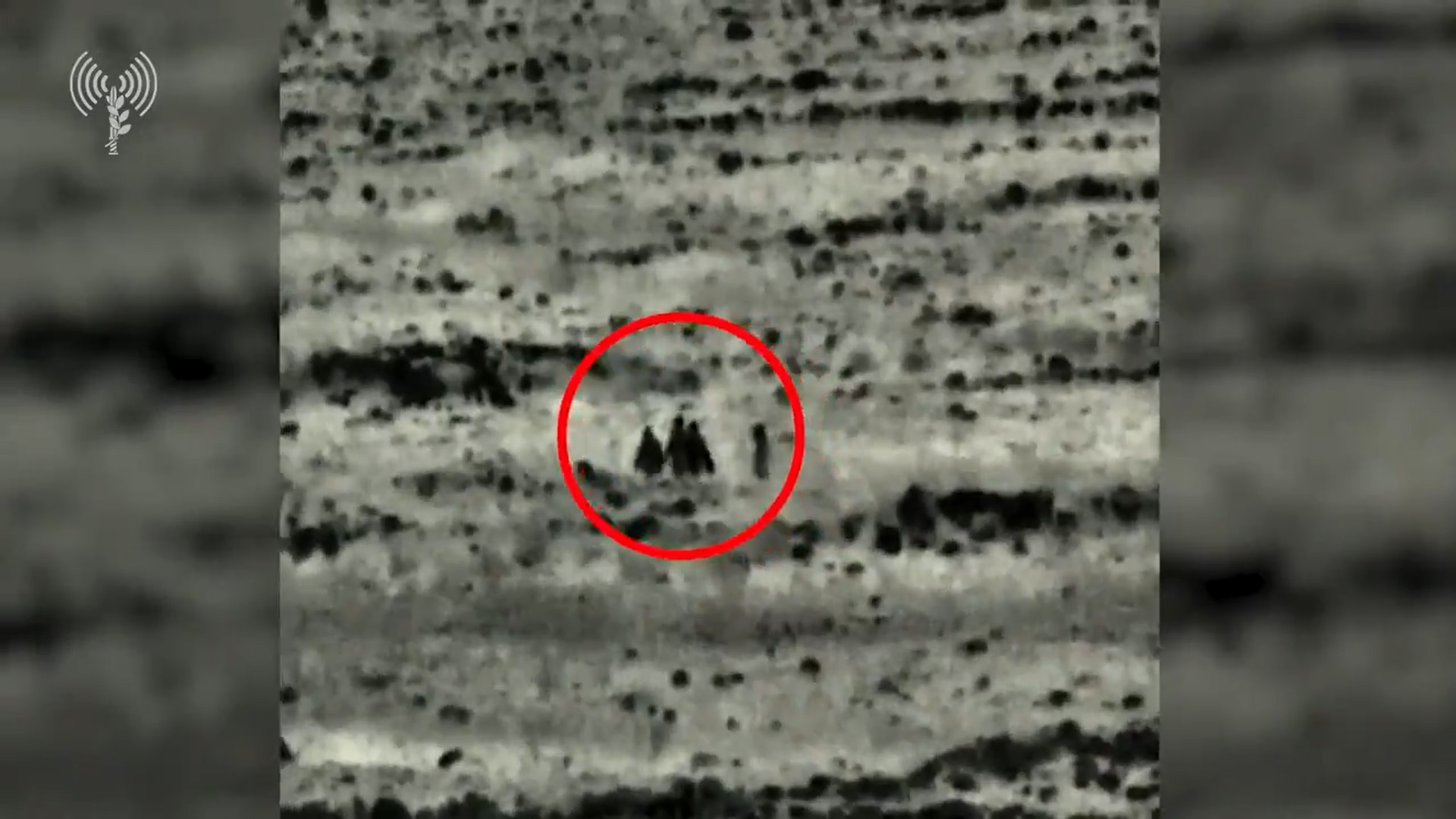
Attack reportedly foiled at Syria-Golan border
Several militants identified along the Syrian-Golan border Sunday evening were killed as they attempted to plant a bomb at the security fence.
-
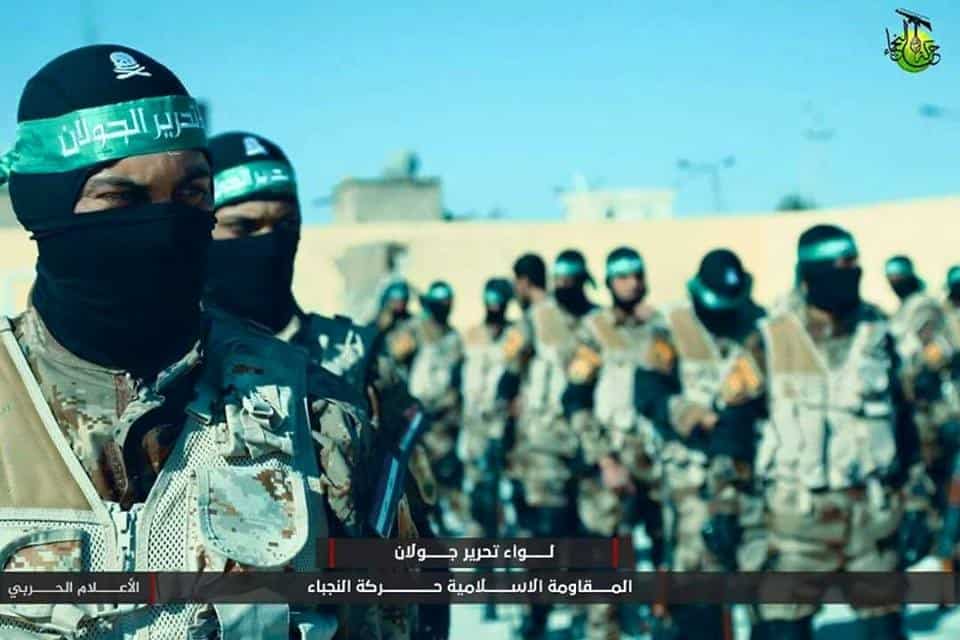
IRGC-controlled Iraqi militia forms ‘Golan Liberation Brigade’
The Iranian-backed Iraqi militia Harakat al Nujaba this week announced the formation of its “Golan Liberation Brigade.” This announcement reflects Tehran’s post-Aleppo priorities in southern Syria: sustain ideological commitment to fighting Israel while planning to pose militarythreat to the the Jewish state from the Golan Heights. The Islamic Republic is also sending signal to Arab states that are in talks with Israel over a military coalition against Tehran’s influence.
-
Al Nusrah Front announces detention of 45 UN peacekeepers
The Al Nusrah Front, al Qaeda’s official branch in Syria, has announced its responsibility for the detention of 45 UN peacekeepers in Syria. The group claims its actions are justified because the UN supposedly works “against Muslims.”