-
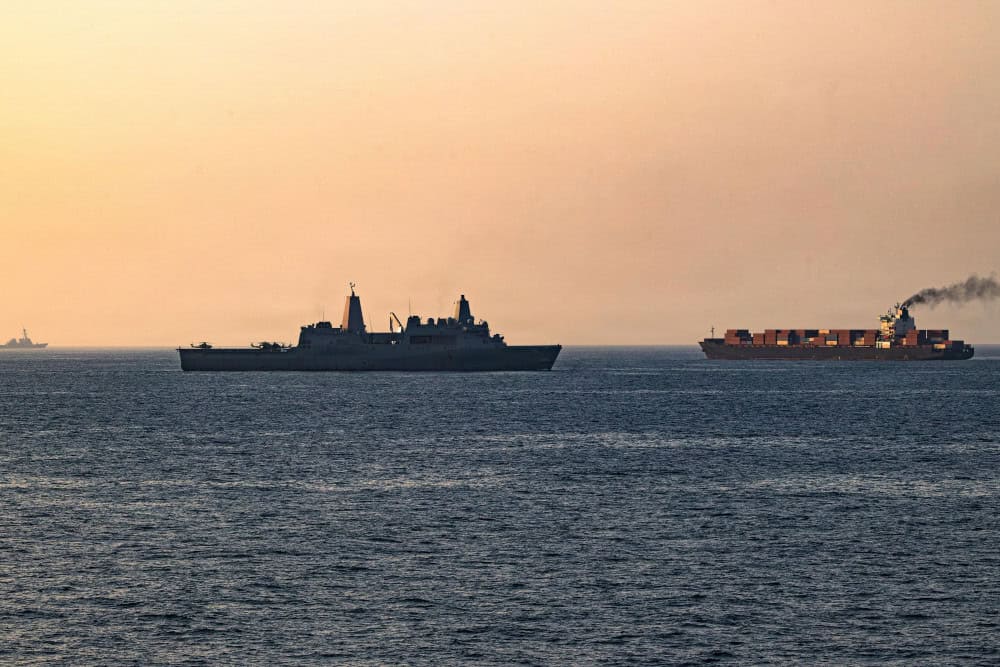
Iran claims strike on US warship as US attempts to reopen Strait of Hormuz
CENTCOM denied Iranian claims that a US warship was struck on the same day the US announced “Project Freedom,” an effort to “restore freedom of navigation for commercial shipping through the Strait of Hormuz.”
-
Iran-backed Iraqi militias claim downing of US aircraft, US says not due to ‘hostile fire’
The Islamic Resistance in Iraq, a front organization for Iranian-backed militias, claimed to have shot down a US Air Force KC-135 Stratotanker over western Iraq but provided no evidence. US Central Command denied that the aircraft was shot down, and reports indicated that it had collided with another US warplane.

-
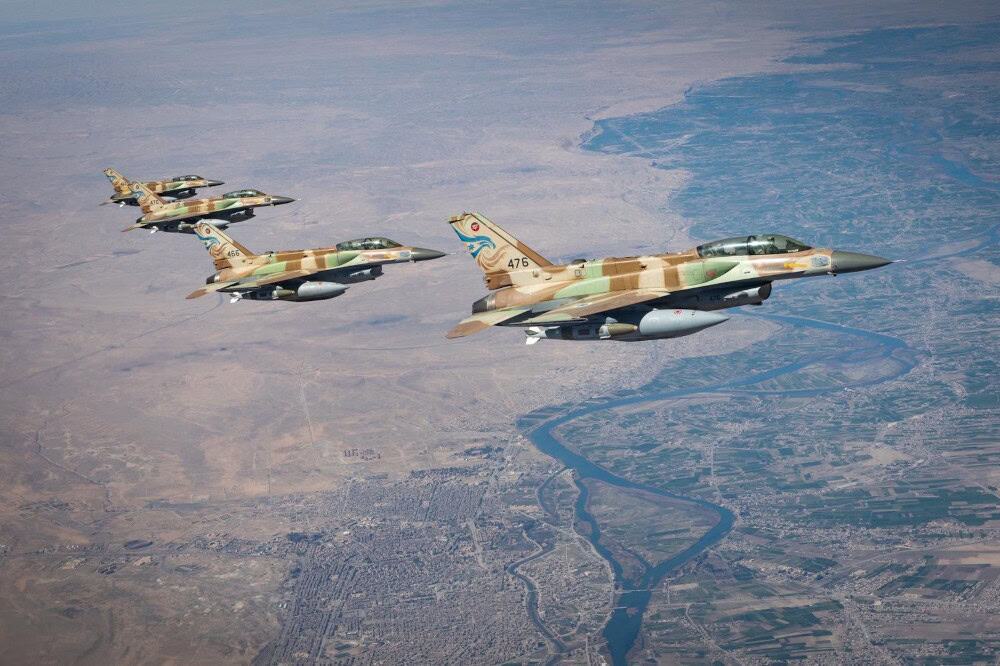
US and Israel establish air superiority, focus strikes on Iranian military sites and ‘regime pillars’ (March 4–5)
On March 4 and 5, the United States and Israel continued attacks against elements of the Islamic Republic’s military assets, including its missile and naval threat capacity, as well as its repression apparatus. The countries also declared air superiority over Iran and signaled the beginning of a new phase of the operation.
-
Iraqi Shiite militias claim attacks on US bases
Iraqi militias backed by Iran have continued to fire drones and missiles at American bases in Iraq and in the region. Both the Islamic Resistance in Iraq and Saraya Awliya al Dam have claimed responsibility for the strikes. Collectively, the groups have claimed dozens of operations against American bases since March 1.

-
Syrian government and SDF continue transition, US strikes Islamic State and withdraws from Tanf
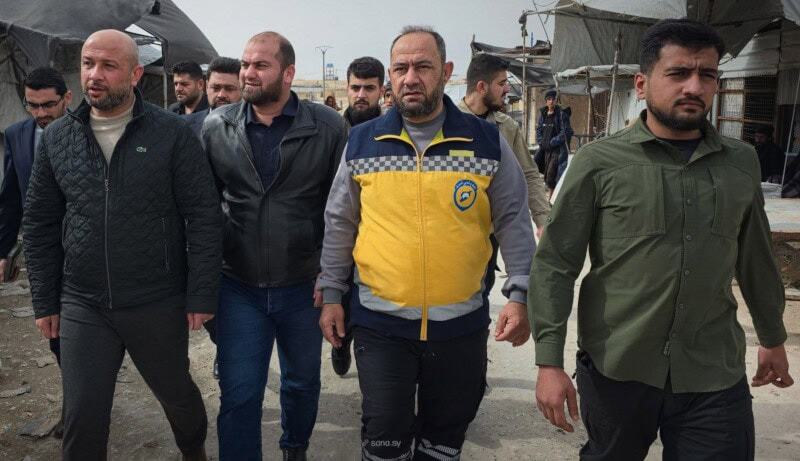
The Syrian government and the Syrian Democratic Forces (SDF) have continued implementing a January transition agreement. US Central Command has maintained pressure on the Islamic State with airstrikes and withdrew from the Tanf garrison in southern Syria. Damascus is assuming control of Islamic State detention sites in the eastern part of the country. Senior US, Syrian, and SDF officials met in Munich to discuss integration, the ceasefire implementation, and safeguarding rights amid Syria’s changing security landscape.
-
5,000 Islamic State detainees transferred to Iraq from Syria, will face investigations
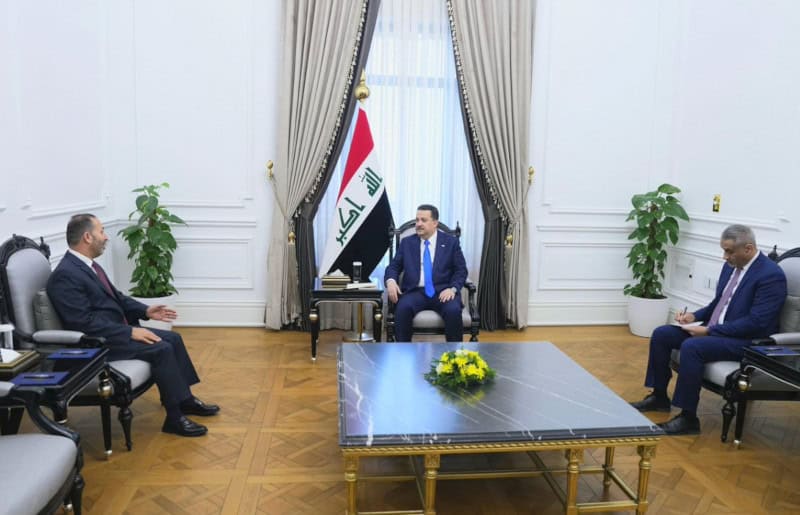
Around 5,000 Islamic State detainees have been transferred from Syria to Iraq under a US-facilitated mission that began in late January, following security shifts in eastern Syria. The number of detainees transferred is expected to reach up to 7,000. Iraqi officials say the transfers may conclude by February 12 and that the detainees will face investigation and prosecution. Iraq has stressed it will not become a permanent repository for foreign fighters and has urged countries to repatriate their citizens now in Iraqi custody.
-
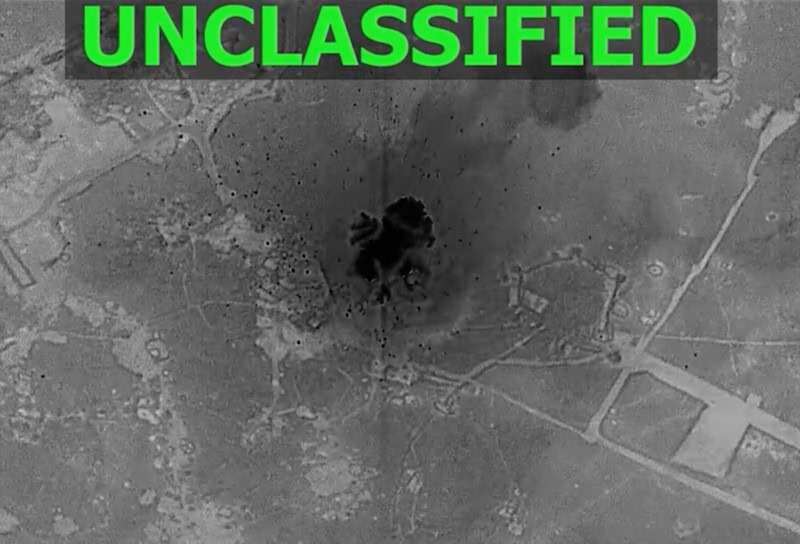
US military strikes Islamic State in Syria
US Central Command stated that the strikes were in “direct response to the deadly ISIS [Islamic State] attack on U.S. and Syrian forces in Palmyra, Syria, on Dec. 13, 2025.” However, the Islamic State has not claimed credit for that attack, which was carried out by a member of the Syrian security forces that are largely comprised of Al Qaeda’s former branch in Syria and Al Qaeda-allied groups.
-
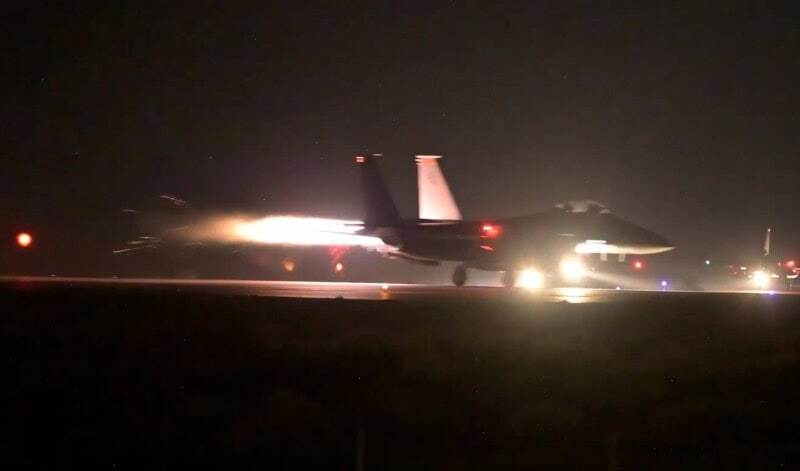
US launches widespread airstrikes against Islamic State in Syria after deadly Palmyra attack
On December 19, US Central Command announced that US forces conducted “a large-scale strike against ISIS infrastructure and weapons sites in Syria.” Al Arabiya reported that the United States hit “70 ISIS targets in sites in central Syria.”
-
US highlights anti-Islamic State operations after soldiers killed in Syria
US Central Command (CENTCOM) published new data in the wake of the killing of two American soldiers and an interpreter in Syria on December 13, showing that US and partner forces have carried out 80 operations in the country since July 2025. “We will continue to work closely with our Syrian partners to hunt down ISIS networks and prevent their resurgence,” Admiral Brad Cooper, the head of CENTCOM, said. There have also been several security operations in Syria and Iraq conducted by Syrian and Iraqi security forces in the wake of the attack.
-
3 Americans killed, 3 injured in Islamic State ambush attack in Palmyra, Syria
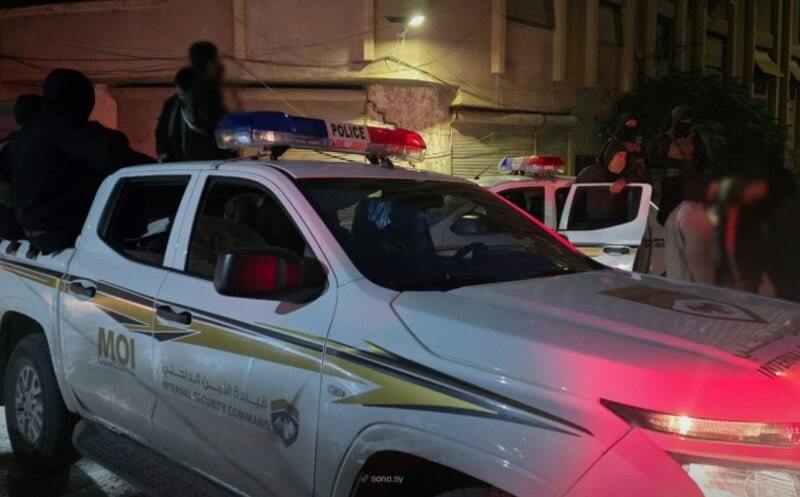
US Central Command announced that “two U.S. service members and one U.S. civilian were killed, and three service members were injured, as a result of an ambush by a lone [Islamic State] gunman in Syria.” A Syrian government official confirmed reports that the attacker was a member of the government’s security forces, stating that he had been under investigation and may have had “extremist ideas.”
-
US Central Command opens Civil-Military Coordination Center in Israel to back Gaza deal
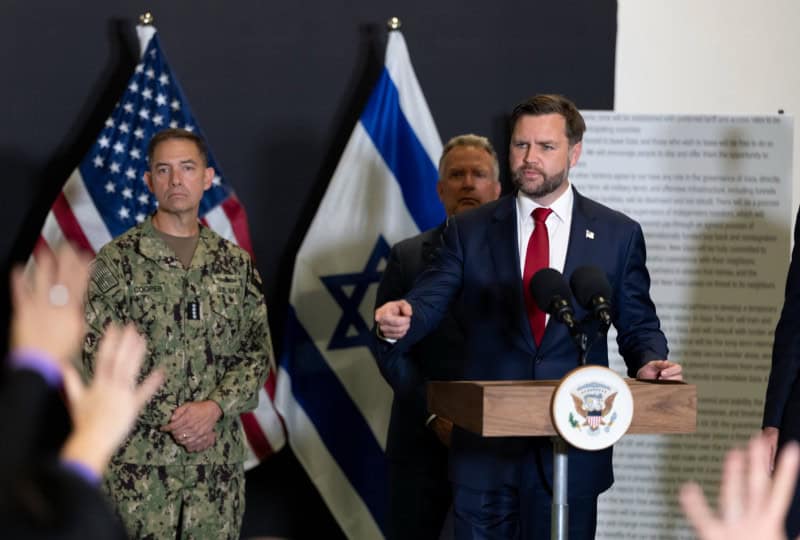
US Central Command (CENTCOM) opened a Civil-Military Coordination Center in southern Israel on October 17. The center is will monitor the ceasefire in Gaza and support stabilization efforts as US military personnel “help facilitate the flow of humanitarian, logistical, and security assistance from international counterparts into Gaza,” CENTCOM said on October 21. US forces will not deploy inside Gaza. Alongside Israeli military officers, the site will include a British contingent and other partners. US Vice President JD Vance visited the site on October 21.
-
US kills Al Qaeda-linked ‘attack planner’ in Syria
The US military killed Muhammad Abd al Wahhab al Ahmad, a “senior Al-Qaeda affiliated attack planner” who was a member of Ansar Islam. Ahmad was killed in Idlib province, the stronghold of the Syrian government, where Ansar Islam operates with the government’s approval.
-
After sectarian clashes in Aleppo, US, SDF, and Syrian government officials meet in Damascus
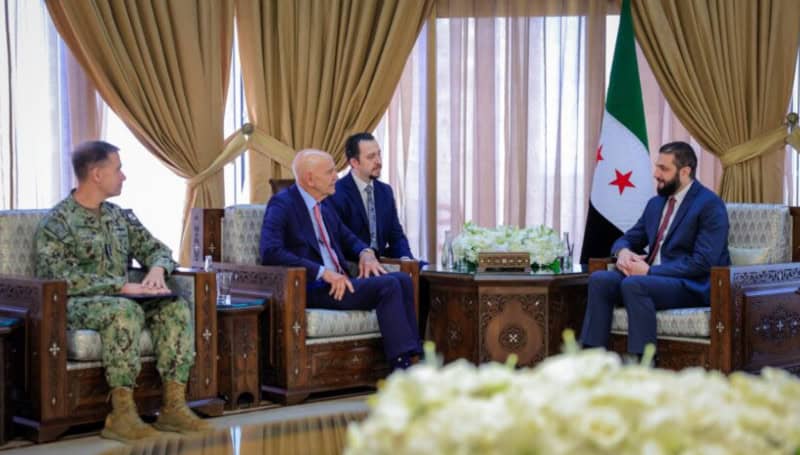
Syrian President Ahmed al Sharaa met with US Envoy Tom Barrack and the head of US Central Command, Admiral Brad Cooper, in Damascus on October 7. The meeting came in the wake of clashes between factions backed by the Syrian transitional government and Kurdish fighters in two neighborhoods in Aleppo. The head of the Syrian Democratic Forces, Mazlum Abdi, also met with Syria’s defense minister and agreed to a ceasefire between the SDF and government forces. Barrack, Cooper, and Abdi separately met in eastern Syria on October 6 to discuss integration between Syria’s east and Damascus, plus continued operations against…
-
US-led raid kills senior Islamic State ‘official’ in Syria
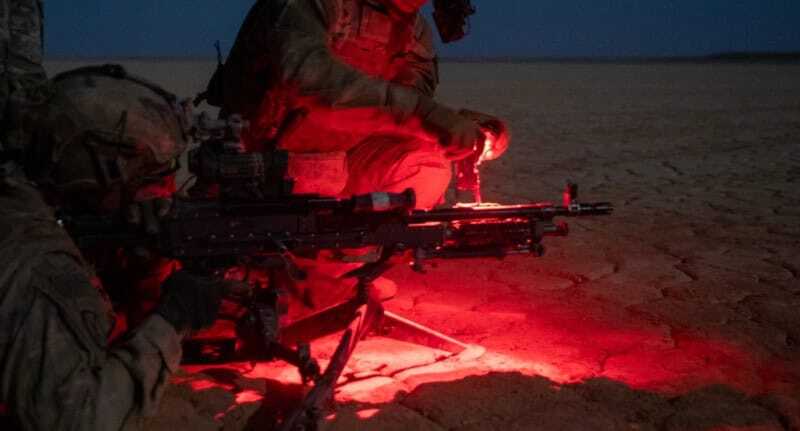
US forces carried out a raid in northern Syria on August 19 that killed “a senior [Islamic State] member and key financier who planned attacks in Syria and Iraq,” CENTCOM stated. It is the latest raid on the Islamic State in Syria since a July 25 operation near Aleppo killed one of the group’s commanders.
-
Yemeni forces planning ground offensive against the Houthis
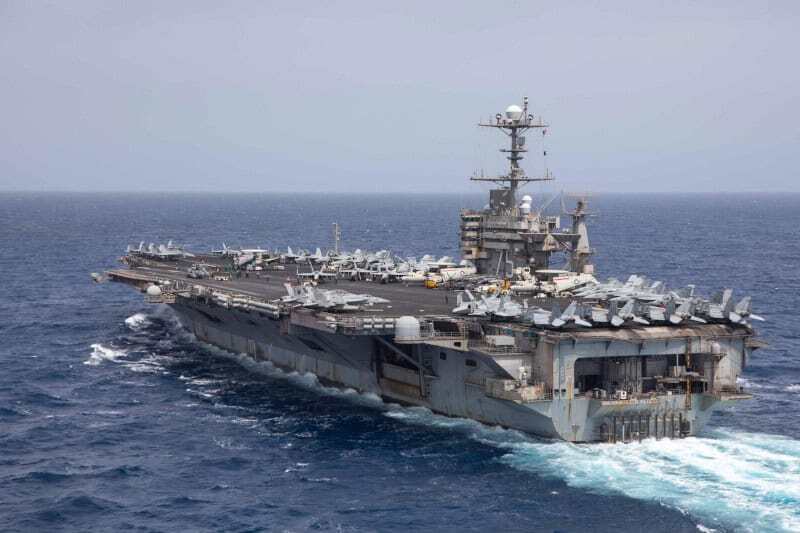
Reports are emerging across Yemeni and global media of an impending ground offensive against the Houthis by a conglomeration of anti-Houthi forces. These potential plans center on the west coast of Yemen, an economic center for the terrorist group.
-
US targets Houthi military and political leaders in latest campaign
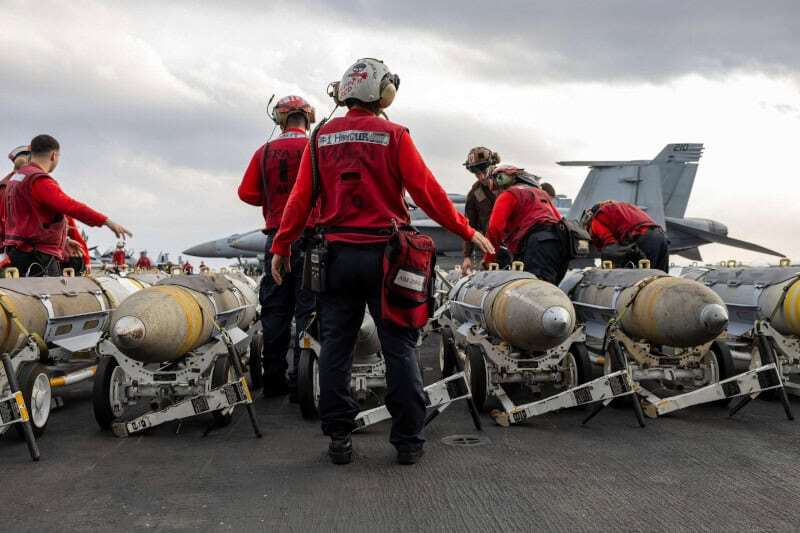
Numerous reports have alleged the deaths of Houthi fighters of various military ranks since the Trump administration ramped up military operations in Yemen. However, while some of these claims appear credible, others require further verification.
-
Houthi kidnappings of civilians increase amidst US airstrikes
The Houthis detained at least 75 civilians over concerns that they are providing support to the ongoing US airstrike campaign in Yemen. The Houthis regularly conduct arbitrary detentions, but the total marks a rapid increase since the onset of US strikes.
-
Key targets hit by ongoing US airstrikes against the Houthis
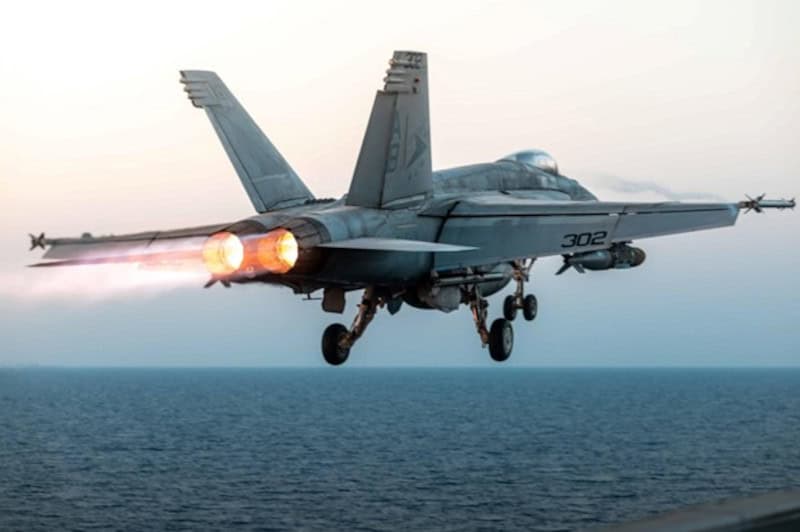
In the almost two weeks since the US began its large-scale operation against the Houthis, airstrikes have rocked Houthi-controlled northern Yemen. While the Yemeni terrorist group is trying to control information released about the damage, various sources have identified key governorates and important infrastructure hit by US strikes.
-
Iran reportedly urges the Houthis to de-escalate ‘tensions’
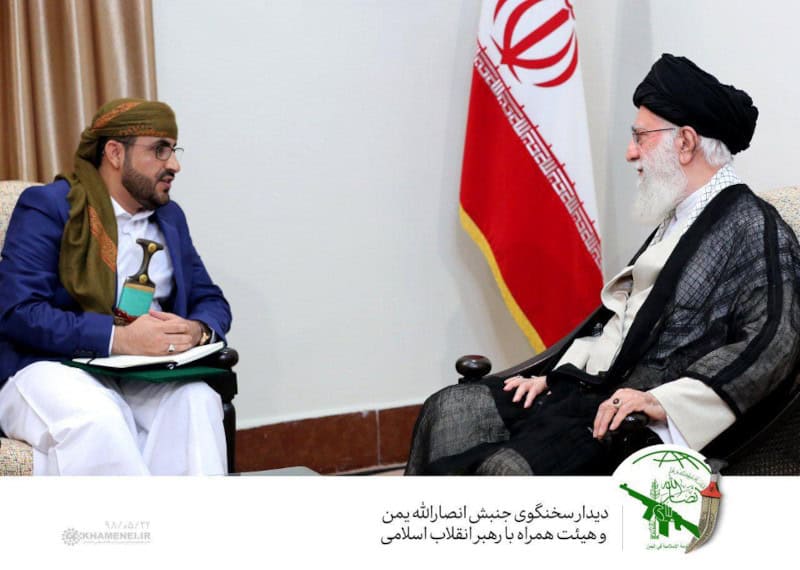
Iran reportedly urged the Houthis to de-escalate tensions in the Red Sea following President Donald Trump’s warning the US will hold Tehran accountable for its proxy’s destabilizing activities. Iranian calls for de-escalation, along with previous communications with other regional proxies, may signal a shift in the Islamic Republic’s proxy strategy.
-
US continues operations against the Houthis
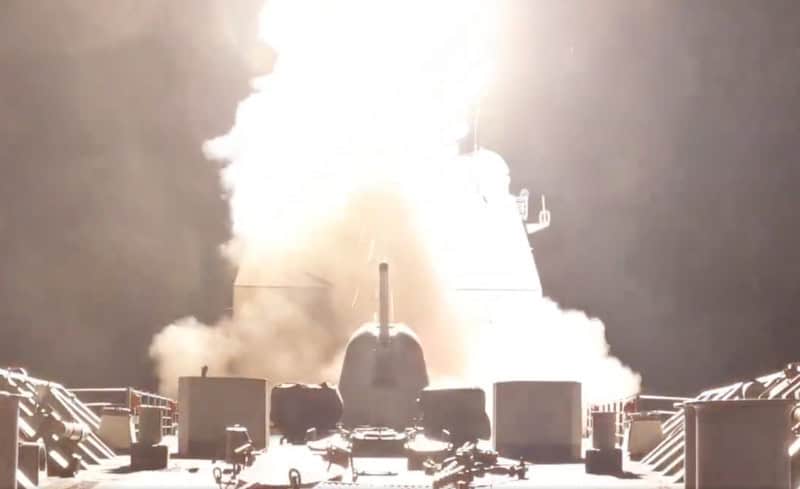
The US has continued striking the Houthis in Yemen, hitting targets across territory controlled by the group, including military sites, infrastructure, and personnel. The Houthis have unsuccessfully attempted to target US naval assets in response.
-
US strike in Iraq eliminates top Islamic State leader
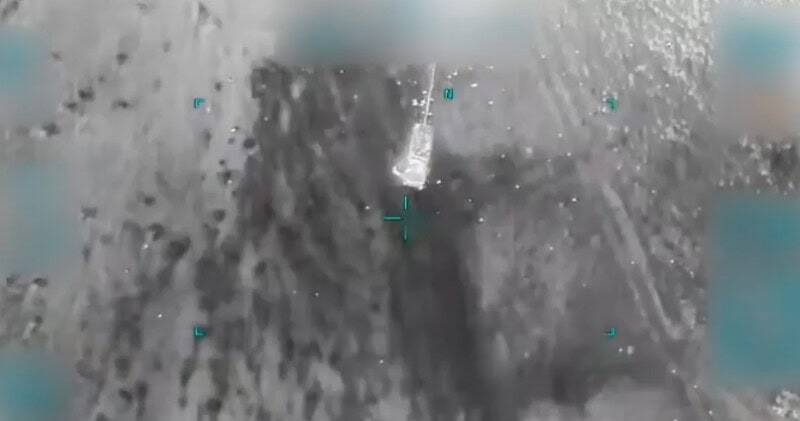
On March 13, US Central Command carried out an airstrike that killed Abdallah Makki Muslih al Rifai, also known as Abu Khadijah. Rifai was a top leader in the Islamic State (IS) whose exact position is in dispute—likely the group’s effective second in command or caliph. His death marks another significant strike against IS after various leaders have been killed in the last three years.
-
After SDF-Damascus deal, a spotlight on US forces in Syria
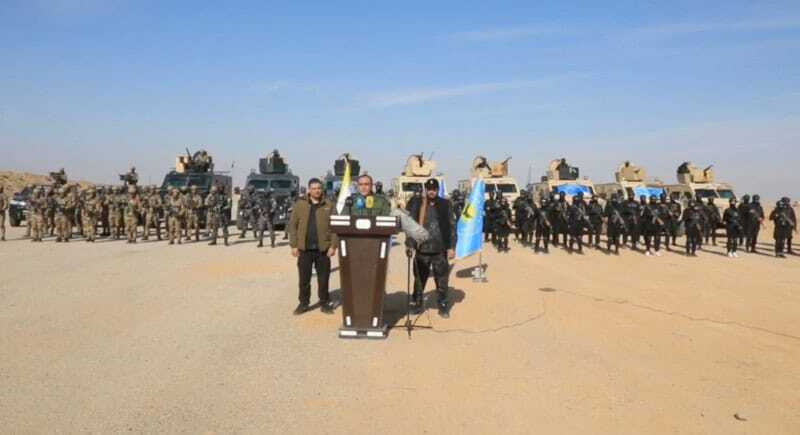
US forces in eastern Syria continue to work closely with the Syrian Democratic Forces (SDF) and the Syrian Free Army (SFA). However, the agreement between SDF commander Mazloum Abdi and Syrian President Ahmad al Sharaa to integrate eastern Syria into the country’s new governing institutions could affect the US role in Syria and the broader anti-Islamic State campaign.
-
US kills Al Qaeda’s military commander for Syria
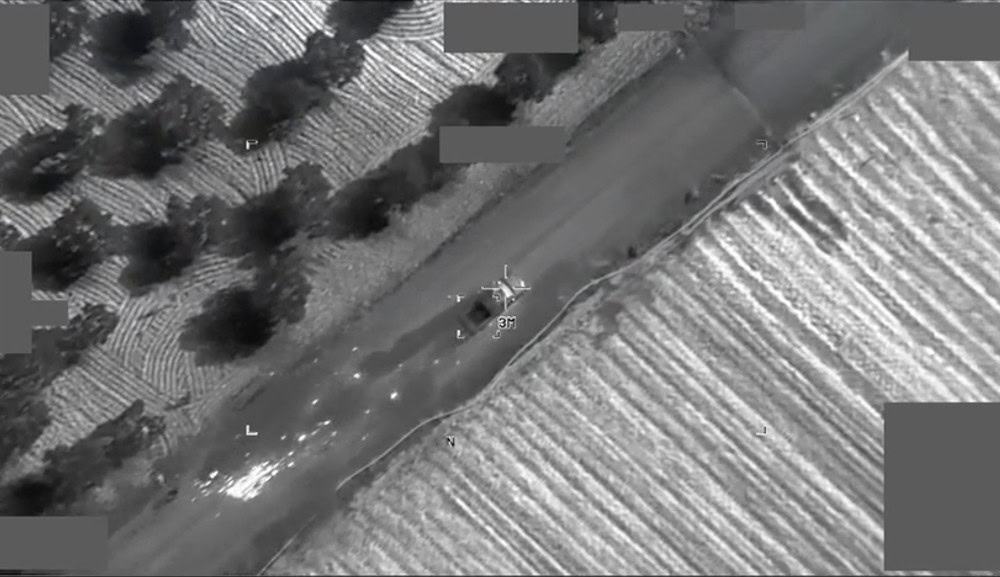
US Central Command killed the top military commander of Hurras al Din, Al Qaeda’s branch in Syria. The Trump administration has targeted Hurras al Din four times since taking office, indicating it is ramping up the pressure on the terror group and its allies.
-
US continues to target the Islamic State in Iraq and Syria
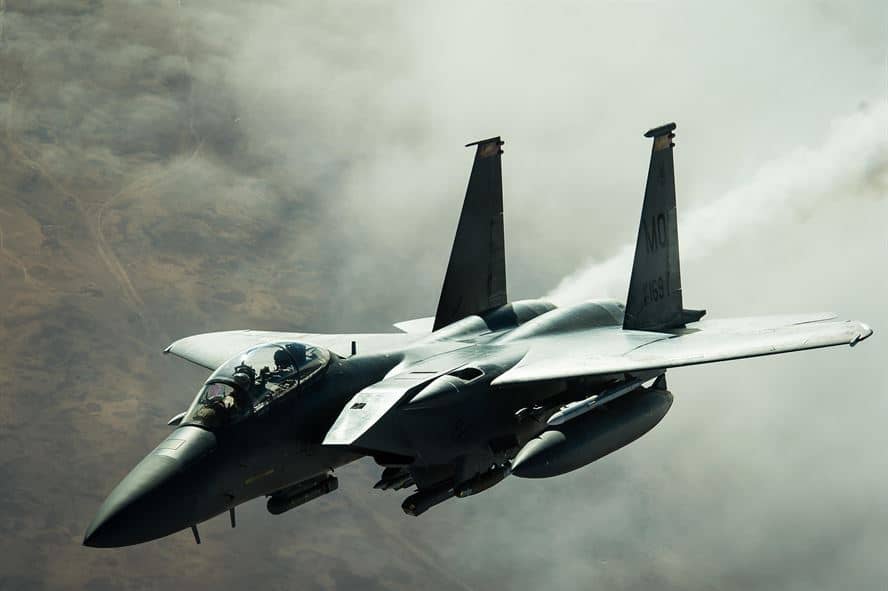
The US military conducted a series of operations with “partner forces” in Iraq and Syria over the past week, part of a continuing effort to degrade the Islamic State and prevent it from filling the security vacuum left by the collapse of the Assad regime.
-
US military strikes Islamic State camps and personnel in central Syria
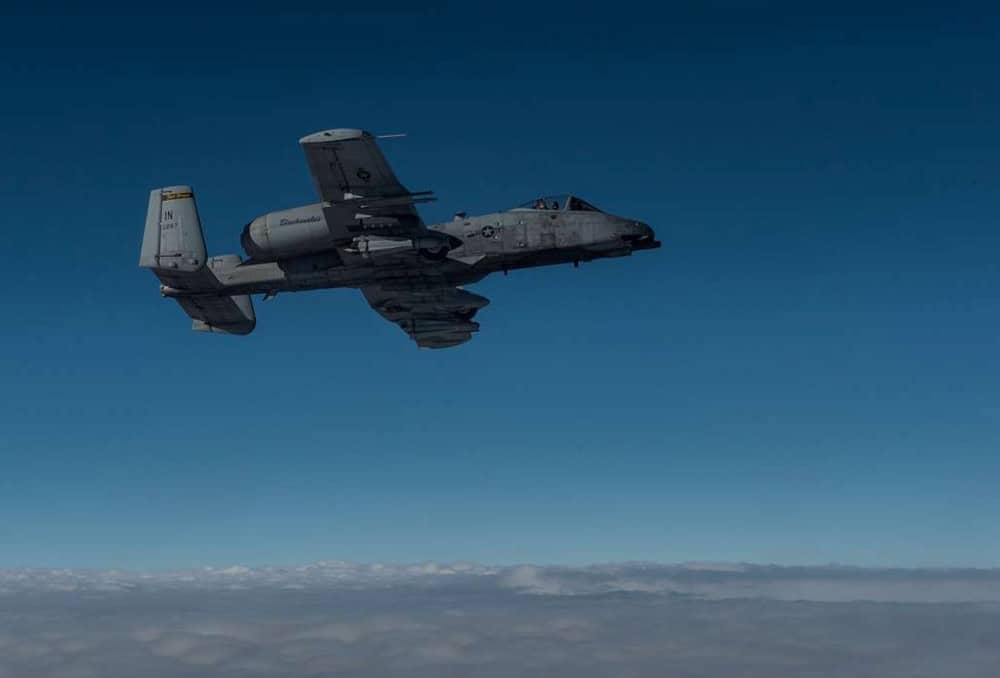
US Central Command continued to target the Islamic State’s network in Syria after the collapse of the Assad regime. Twelve Islamic State fighters were killed during an operation that also targeted terror camps.
-
Analysis: The Houthis’ leadership structure
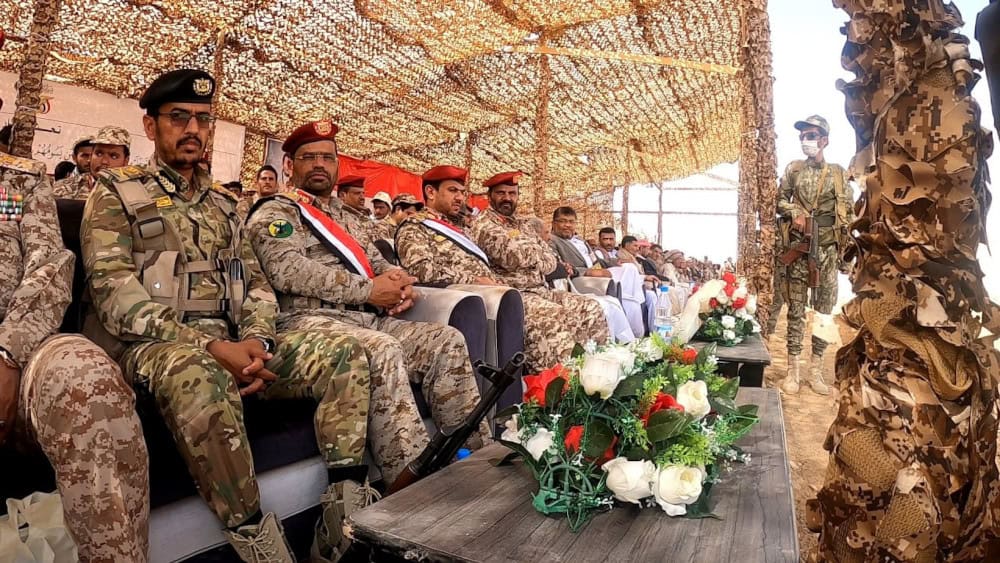
The Houthis in Yemen have an extensive leadership hierarchy. FDD’s Long War Journal lists some of the leaders of the organization, their roles, and if they have been sanctioned by the United States government.
-
Israel’s Defense Minister meets with US leaders and sees progress in Gaza
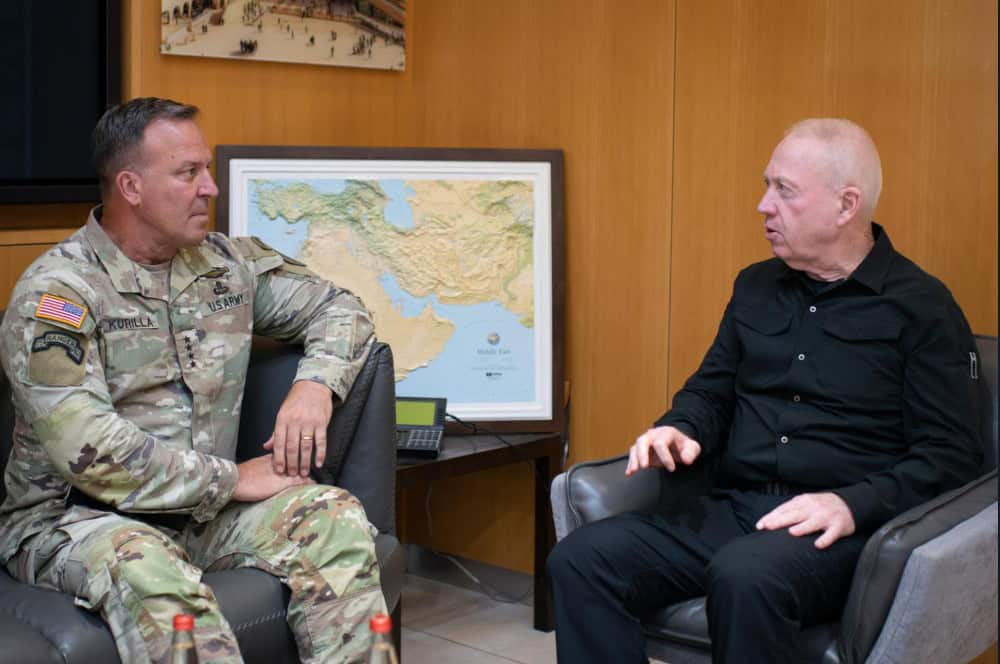
Israel’s Minister of Defense recently held important talks with US Secretary of Defense Lloyd Austin, CENTCOM head General Michael Kurilla, and White House Coordinator for the Middle East and North Africa Brett McGurk. Gallant spelled out Israel’s current strategy in Gaza and discussed threats from Iran and Hezbollah.
-
Iran-backed Militias Target U.S. Troops in Eastern Syria
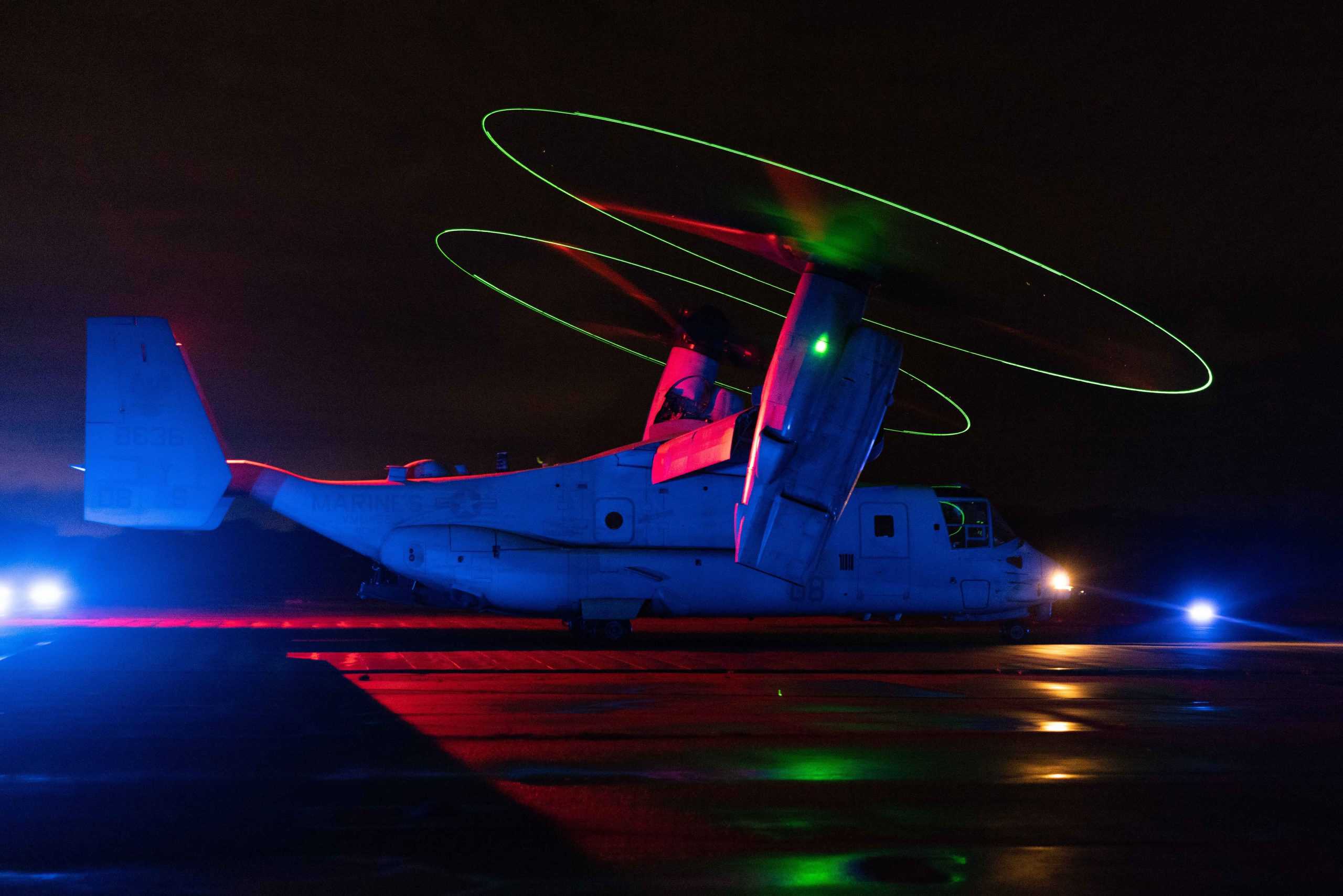
Iran-backed groups launch rocket and drone strikes against U.S. bases in eastern Syria.
-
Yemen strikes wane, but AQAP still poses “a significant threat”
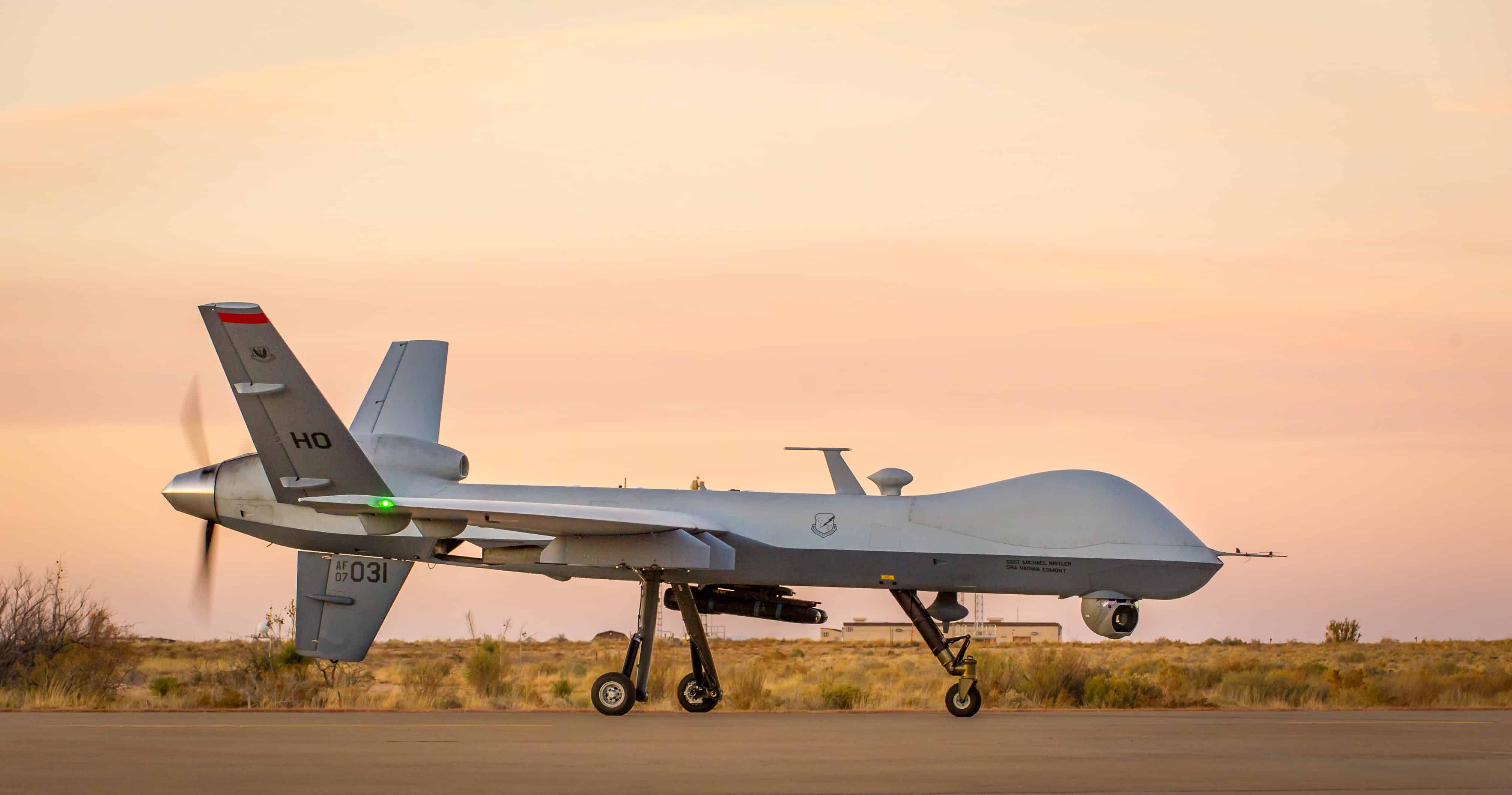
The United States has conducted 36 strikes in Yemen in 2018, roughly a quarter of last year’s record high of 131 strikes.
-
US Military reviews possible civilian casualties in Yemen, Somalia
Two regional combatant commands acknowledged reports of civilian casualties in recent operations.