-
US and Afghan forces target al Qaeda operatives in 3 provinces
US and Afghan forces have targeted al Qaeda operatives in at least three Afghan provinces in recent weeks. One of the jihadists killed has been identified as Omar Khetab, the deputy leader of Al Qaeda in the Indian Subcontinent (AQIS). Khetab and other AQIS operatives have been supporting the Taliban’s insurgency.

-
Indian forces kill Jaish-e-Mohammed commander in Kashmir
The commander, who went by the alias Abu “Khalid,” or Shahid Showkat, was highly sought by Indian security forces for his role in orchestrating attacks targeting Indian military positions and personnel.

-
Al Qaeda-linked jihadist in Kashmir criticizes Pakistani Army
On Aug. 31, Ansar Ghazwat-ul-Hind’s leader, Zakir Musa, released an audio message in which he criticized the Pakistani government for supposedly betraying the jihad in Kashmir. Musa’s critique is consistent with al Qaeda in the Indian Subcontinent’s “code of conduct.”

-
Sending more troops to Afghanistan is a good start
A complete US withdrawal from Afghanistan would have been disastrous. The US government needs to drastically reassess America’s jihadist enemies and avoid the policy pitfalls of the past.
-
Taliban retakes eastern Afghan district from Afghan forces
Jani Khel in Paktia province has changed hands three times over the past two weeks. The loss of Jani Khel to the Taliban demonstrates the difficulties Afghan forces face in holding onto remote contested districts.

-
Afghan forces liberate district in central Helmand
Nawa district, which is adjacent to the provincial capital of Lashkar Gah, was under Taliban control for nine months before Afghan forces could muster the strength to mount an operation and retake it.
-
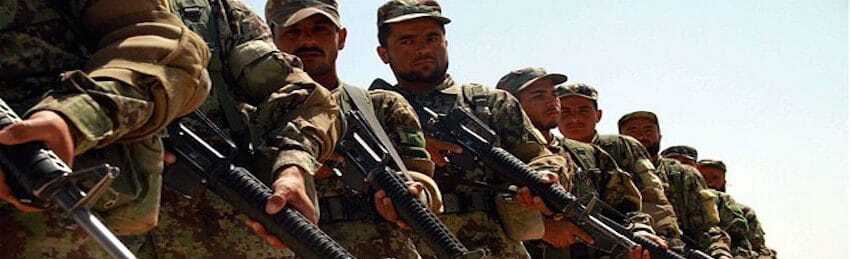
AQIS emphasizes allegiance to Ayman al Zawahiri, Taliban in new ‘code of conduct’
Al Qaeda in the Indian Subcontinent (AQIS) has released a 20-page code of conduct outlining its approach to waging jihad throughout the region. The group says its men are currently fighting “shoulder-to-shoulder” with the Taliban and calls on Muslims in the surrounding countries to pledge allegiance to the Islamic Emirate of Afghanistan (another name for the Taliban).

-
The US Intelligence Community’s newest assessment of the jihadist threat
The Office of the Director of National Intelligence (ODNI) presented its written “Worldwide Threat Assessment” to the Senate last week. The analysis confirms that the Islamic State is capable of sustaining insurgencies in both Iraq and Syria, Afghan security continues to “deteriorate,” and al Qaeda remains a threat in several parts of the globe.
-
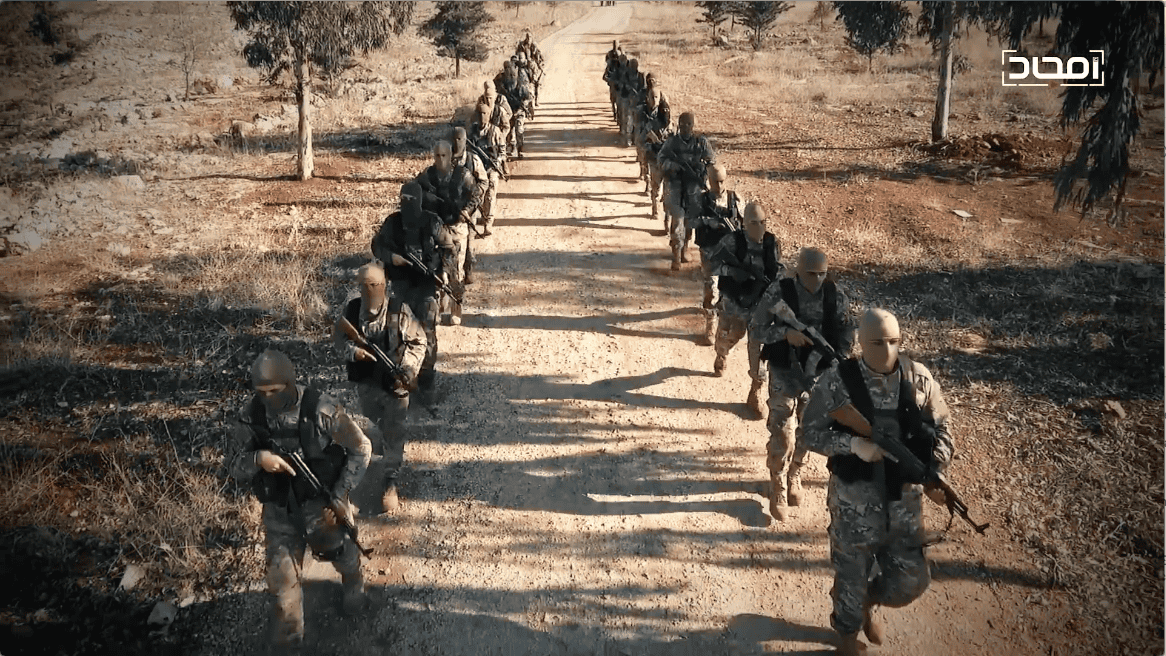
Iraqi al Qaeda leader reportedly killed in drone strike in Pakistan
An “important” al Qaeda figure, Abdul Raheem, was reportedly killed in a drone strike in the Datta Khel area of North Waziristan late last month. Al Qaeda and allied groups have sheltered in Datta Khel in the past. The Pakistani military claimed the area was cleared in Sept. 2014, but jihadists continue to operate there.

-
Afghanistan’s terrorist resurgence: Al Qaeda, ISIS, and beyond
Bill Roggio testifies before the House Committee on Foreign Affairs Subcommittee on Terrorism, Nonproliferation, and Trade on terrorist groups in Afghanistan and the threat posed to the United States and its allies.
-
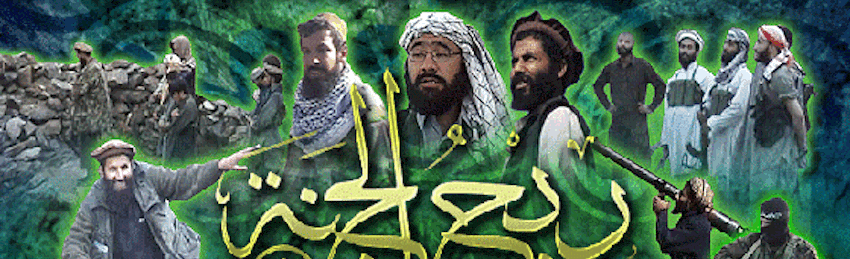
US military kills AQIS leaders, fighters in southern Afghanistan
Usama Ibrahim was a member of al Qaeda in the Indian Subcontinent’s top leadership body and the chief of Al Sahab Media, al Qaeda’s official media production arm. Tariq Bhai was AQIS’ “head of Bangladeshi Affairs.”

-
US military: 250 al Qaeda operatives killed or captured in Afghanistan this year
The US has killed or captured approximately 250 al Qaeda and al Qaeda in the Indian Subcontinent leaders and members in Afghanistan in 2016. US officials have downplayed the extent of al Qaeda’s presence in the country for years. After the raids this year, US intelligence should prepare a fresh assessment.

-
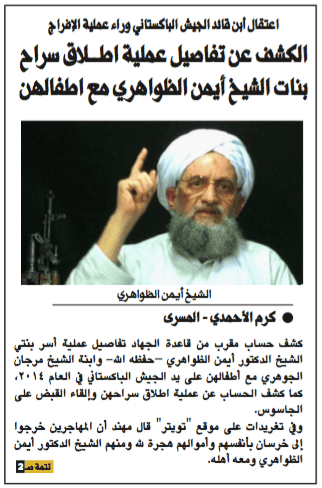
Did al Qaeda exchange former Pakistani army chief’s son for Zawahiri’s daughters?
Al Qaeda claims that two of Ayman al Zawahiri’s daughters and a third woman were exchanged for the son of Ashfaq Pervez Kayani in either late July or early August. The Long War Journal cannot independently verify the claim, but it is known that al Qaeda had been trying to exchange at least one kidnapped son of Pakistan’s elite for the women. Al Qaeda announced that the women and their children were released in early August.
-
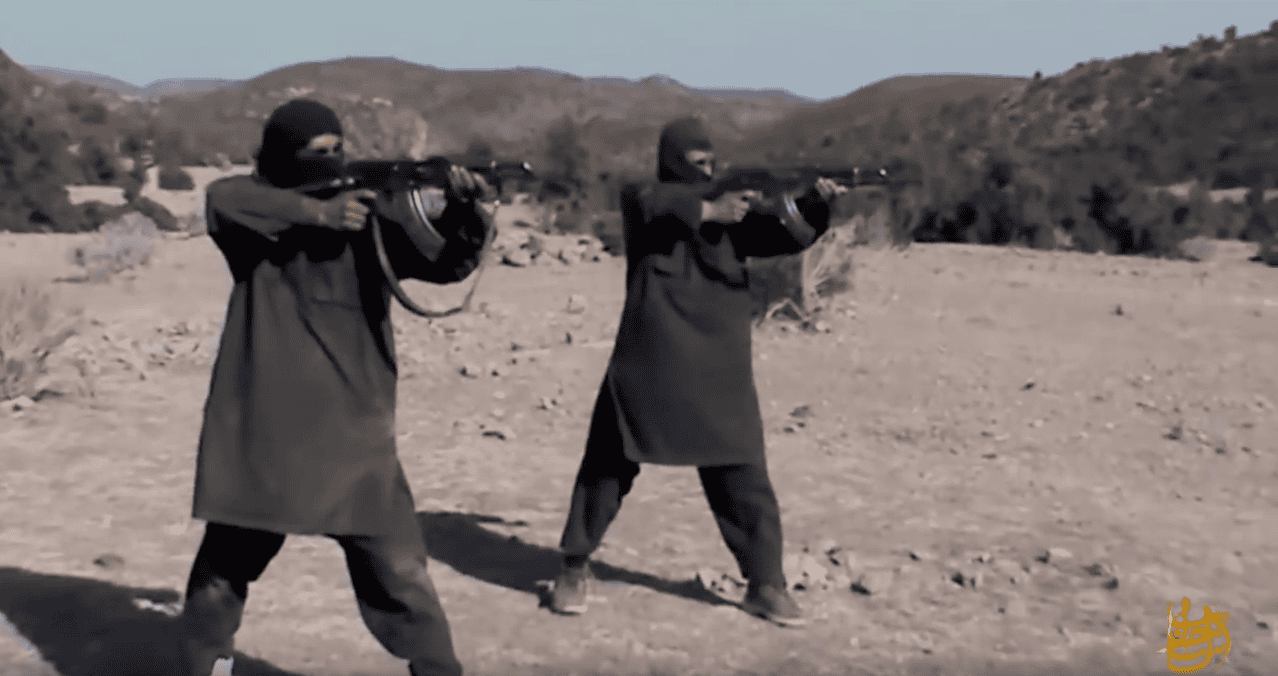
Al Qaeda highlights ‘Qari Imran Camp’ in South Waziristan
The presence of an al Qaeda camp in South Waziristan as late as 2013 contradicts claims by the Pakistani military that the tribal agency was secured after launching an offensive against the Movement of the Taliban and allied groups, including al Qaeda, in 2009.
-
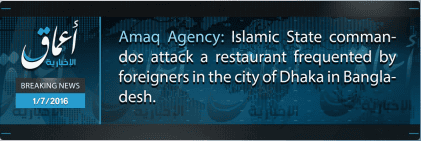
Terrorists assault cafe in Bangladesh’s capital
The Islamic State’s Amaq News Agency has claimed responsibility for today’s attack on a cafe in Dhaka, Bangladesh. The claim still needs to be verified, but the jihadist threat inside Bangladesh has steadily grown over the past two years.
-
US adds Al Qaeda in the Indian Subcontinent, leader to terrorism list
The US government and intelligence services have consistently underestimated the strength of AQIS, which is an official branch of al Qaeda that is based in Afghanistan, Pakistan, India, and Bangladesh.

-
Al Qaeda in the Indian Subcontinent claims killing of LGBT activist, friend in Bangladesh
AQIS quickly claimed responsibility for the murder of a prominent LGBT activist, Xulhaz Mannan, and his friend in Bangladesh. Mannan worked for USAID and previously worked for the US Embassy for eight years. AQIS has targeted alleged “blasphemers” in Bangladesh as part of a campaign authorized by Ayman al Zawahiri.

-
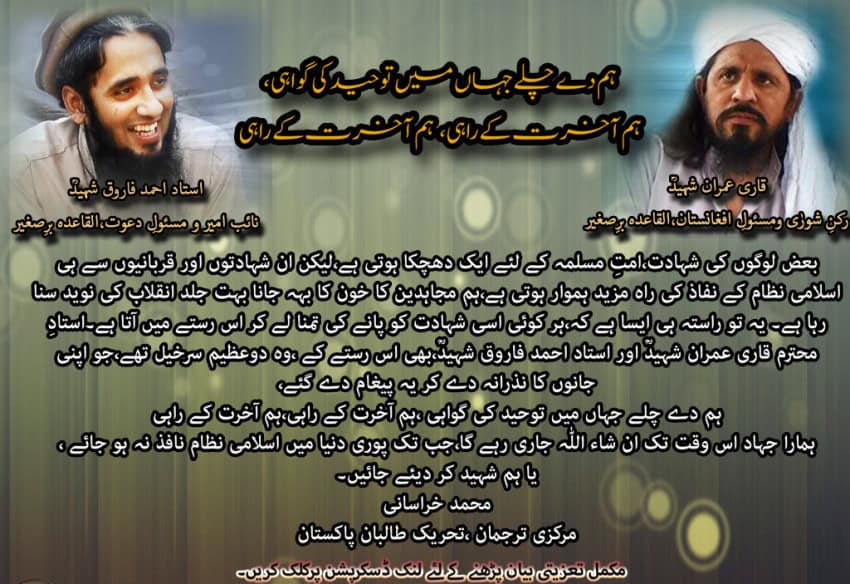
Osama Bin Laden’s Files: Al Qaeda in Pakistan engaged journalists, directed media operations from South Waziristan
A letter to Atiyah by “Ahmad,” who likely is Ustad Ahmad Farooq, shows how al Qaeda attempts to manipulate the media. Also, al Qaeda in Pakistan based its media operations from Wana, South Waziristan, which is home to a Taliban group supported by the Pakistani state.
-
Senior al Qaeda ‘hidden commander’ thought killed by US in 2014
Abu Dujana al Basha is a son-in-law and trusted aide to Ayman al Zawahiri and is known as the “hidden commander” for his organization behind the scenes, including the establishment of al Qaeda in the Indian Subcontinent. Al Qaeda has not officially confirmed Basha’s death.
-
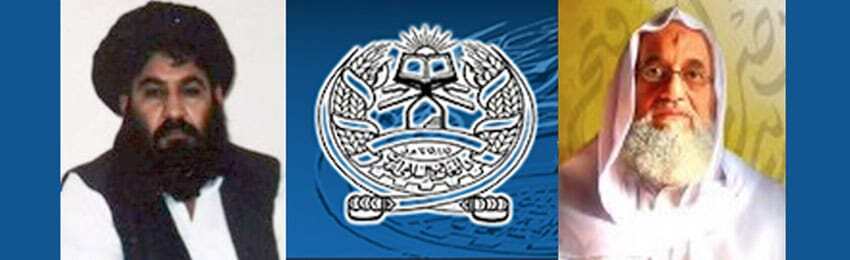
Taliban claim to not ‘use our soil to harm others’ is patently false
The Taliban’s actions do not match its words, as it continues to shelter, support, and encourage al Qaeda.
-
Jaish-e-Mohammed suspected in assault on Indian airbase
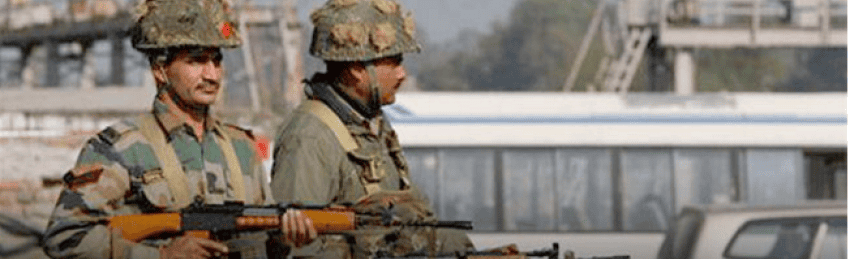
The assault on the airbase is thought to have been executed by Jaish-e-Mohammed, a Pakistan-based jihadist group with close ties to al Qaeda. Jihadists reportedly said they were going to avenge a Jaish-e-Mohammed operative who was executed for his role in the 2001 assault on India’s Parliament.
-
Al Qaeda’s Kandahar training camp ‘probably the largest’ in Afghan War
In an interview with the Washington Post, General John Campbell described an al Qaeda camp in southern Afghanistan as “probably the largest training camp-type facility that we have seen in 14 years of war.” The camp is one of two raided by joint US-Afghan forces in Kandahar earlier this month.

-
Wanted Saudi al Qaeda leader reported killed in Afghanistan
Mansur al Harbi, a Saudi who served as a senior al Qaeda military leader, trainer, and facilitator is said to have been killed by the US in an airstrike in Afghanistan over the past several days. His death has not been confirmed.
-
Al Qaeda in the Indian Subcontinent leader says attacks on ‘blasphemers’ ordered by Zawahiri
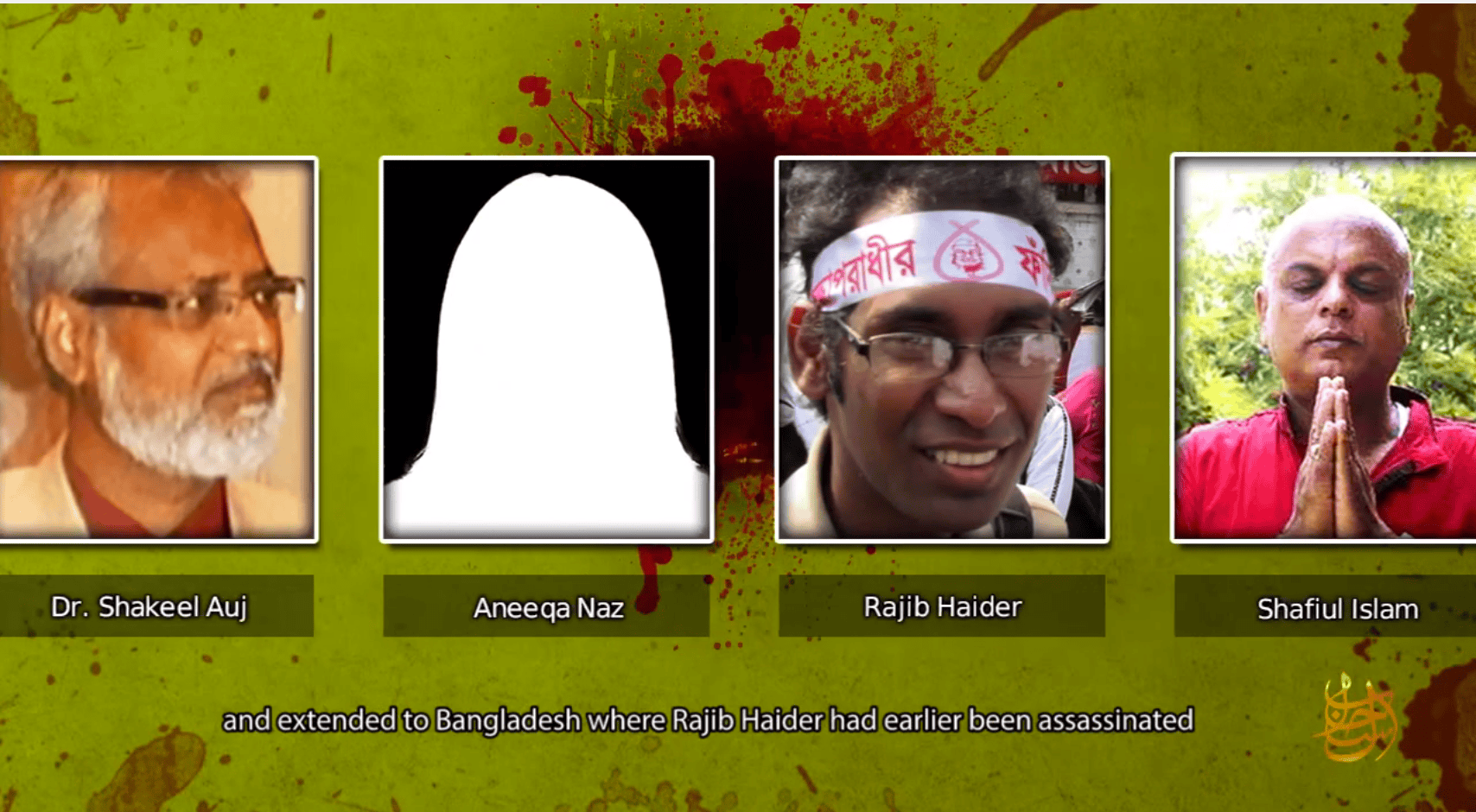
The leader of al Qaeda in the Indian Subcontinent says that attacks by al Qaeda’s branches against supposed “blasphemers” were ordered by al Qaeda emir Ayman al Zawahiri. He claims that several murders in Bangladesh and Pakistan were part of this campaign, which also includes the Charlie Hebdo massacre earlier this year.
-
White House says hostages, including American, killed in counterterrorism operation
The White House says that two hostages, including an American, were killed in a counterterrorism “operation” in January. The two perished in an attack that also killed Ahmed Farouq, a prominent al Qaeda leader. Declassified documents recovered in Osama bin Laden’s compound identified a jihadist by that name as an up and coming leader. Adam Gadahn, an American al Qaeda spokesman, was also killed in a separate operation.

-
US killed AQIS deputy emir, shura member in January drone strikes
Al Qaeda in the Indian Subcontinent confirmed that deputy emir Ustad Ahmad Farooq and shura member Qari ‘Imran were killed in separate strikes in January. Farooq was identified in Osama bin Laden’s documents as an up and coming al Qaeda leader.

-
Al Qaeda
Pakistan arrests suspected South Asian al Qaeda commander

-
India
Indian ISIS recruit goes home after having to clean toilets: reports
-
AQIS announces death of 2 senior leaders in US operation
Adil Qudoos was a former major in the Pakistani Army; Khalid Sheikh Mohammed, planner of the 9/11 attacks, was arrested at Qudoos’ home in 2003. The second jihadist leader, Dr. Sarbaland, served as a surgeon and senior propagandist for al Qaeda in the Indian Subcontinent.
-
Taliban splinter group releases photos of suicide bomber who attacked Pakistani border crossing
Jamaat-ul-Ahrar announced that a fighter known as Hanifullah executed the deadly suicide attack on Nov. 2 at the Wagah border crossing.