
-
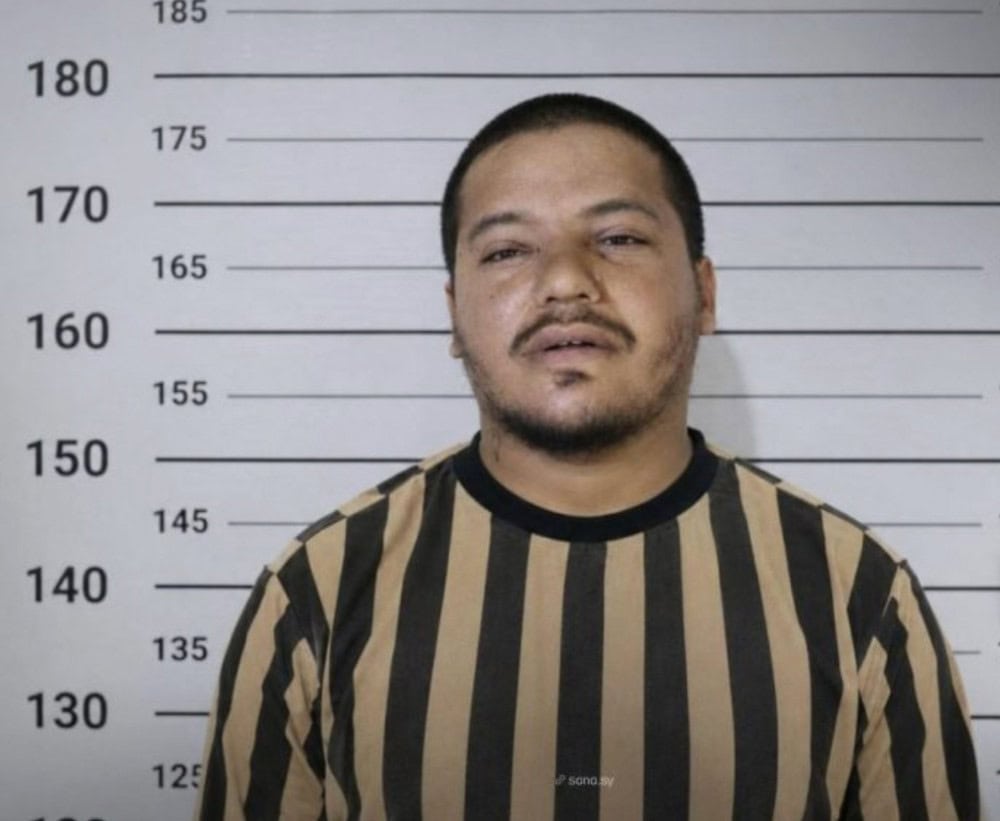
US kills Islamic State senior leader in Syria, Damascus rejects Lebanon intervention
A recent precision strike against a senior Islamic State leader underscored Washington’s continued counterterrorism mission in Syria. Separately, US President Donald Trump urged Syria’s new government to consider intervening against Hezbollah in neighboring Lebanon, but Syrian President Ahmed al Sharaa stated his country will not send forces, preferring diplomacy over military action.
-
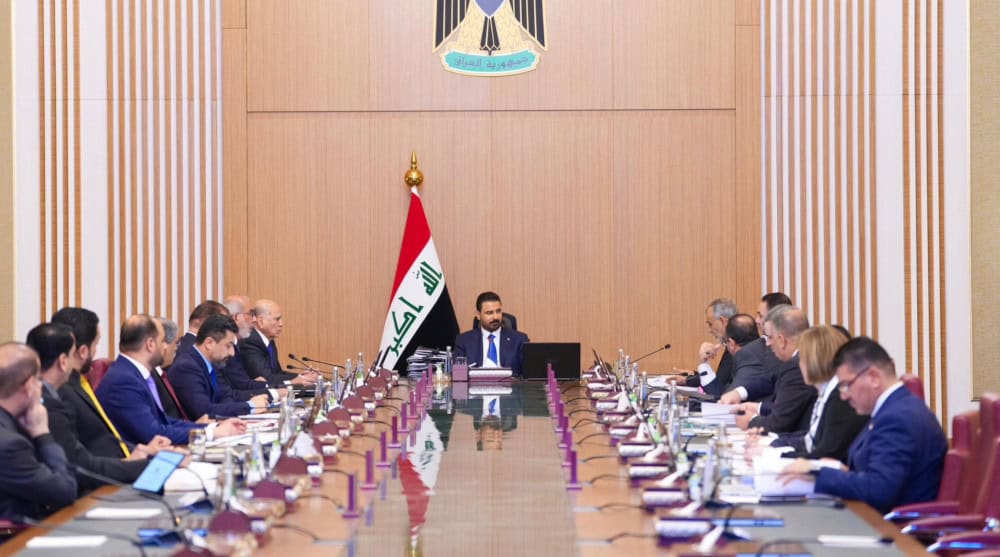
As Kurdistan Region seeks drone defenses, Rubio warns Iraq about Iran proxies
The Kurdistan Region of Iraq is seeking to acquire air-defense systems following months of missile and drone attacks targeting energy infrastructure and Iranian opposition groups across northern Iraq. US Secretary of State Marco Rubio warned that Iranian-backed proxies continue to threaten regional stability by launching attacks from Iraqi territory.
-
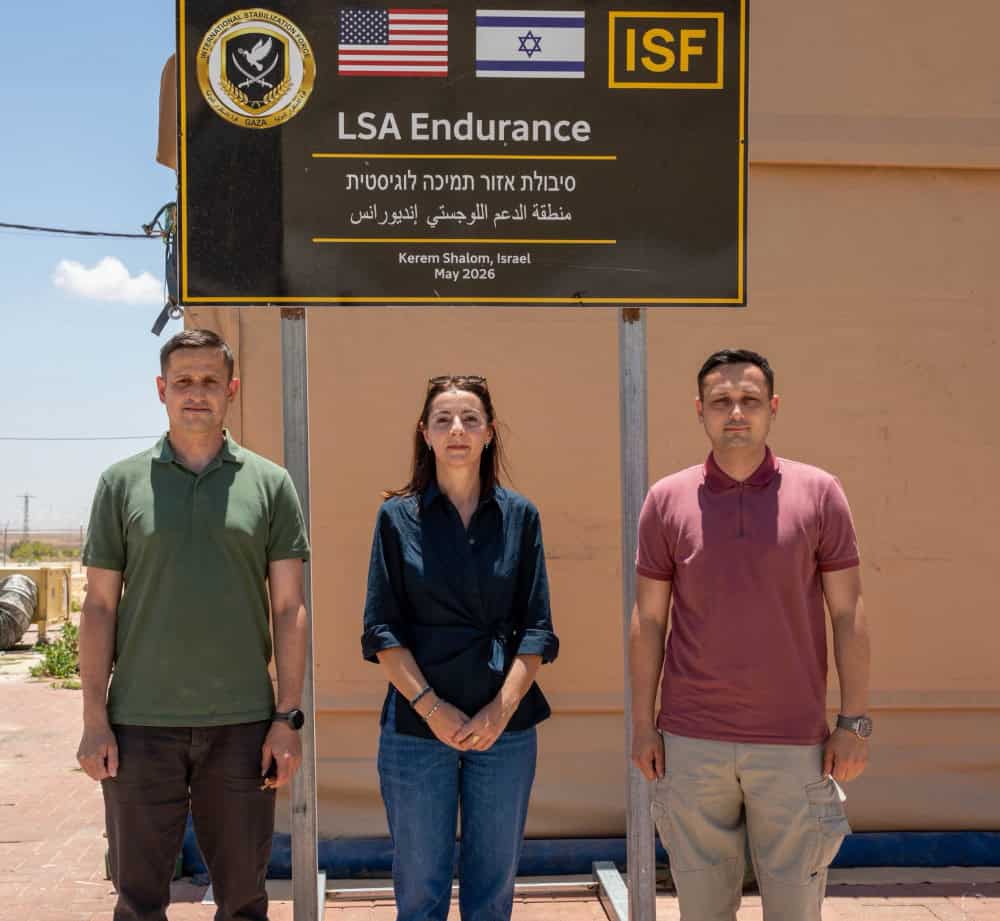
Gaza peace plan sees slow progress after Hamas meets in Cairo
Efforts to advance the US-backed peace plan for Gaza have continued amid difficult negotiations over Hamas’s disarmament and the future security structure of the enclave. Talks in Cairo involving Hamas, Egyptian officials, and representatives of the Board of Peace have focused on implementing key provisions related to weapons restrictions and the deployment of an International…
-
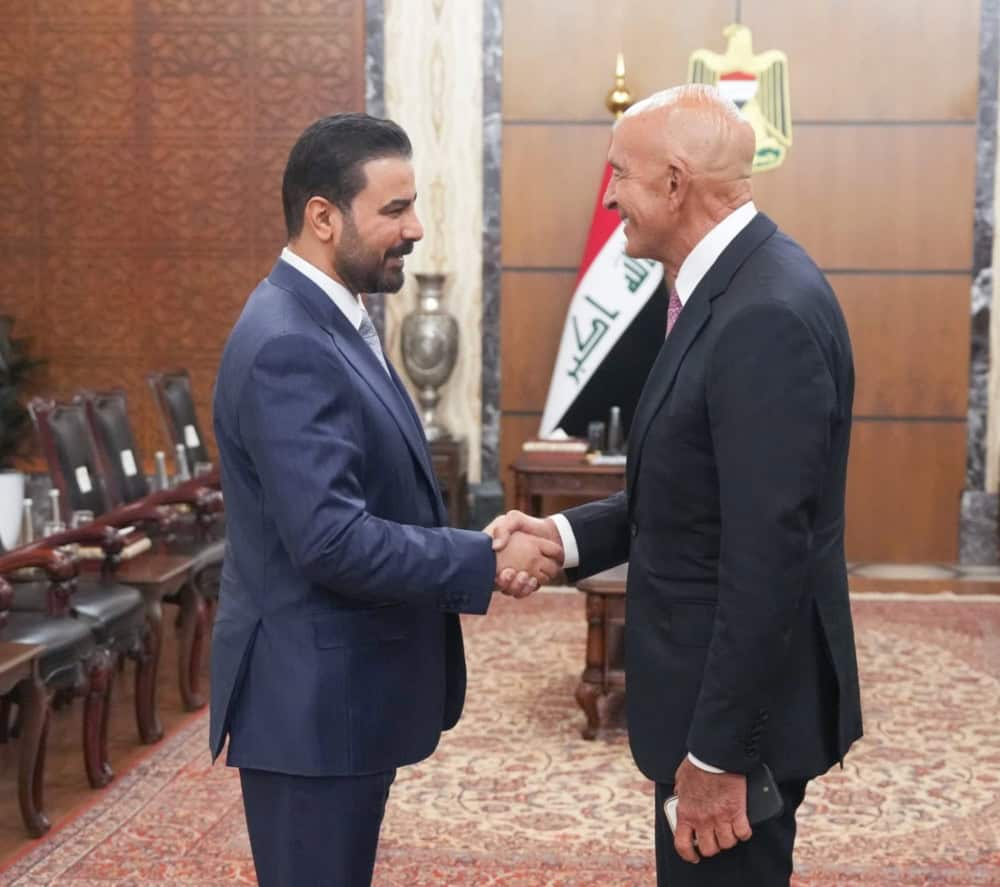
Iraqi Prime Minister Ali al Zaidi meets US envoy amid militia pressure
US Envoy to Iraq and Syria Tom Barrack’s recent visit to Iraq on June 15 highlighted Washington’s efforts to support stability, security cooperation, and political reform in the country amid continuing regional tensions. Discussions focused on strengthening ties between Baghdad and Washington, disarming Iranian-backed militias, and advancing energy deals.
-
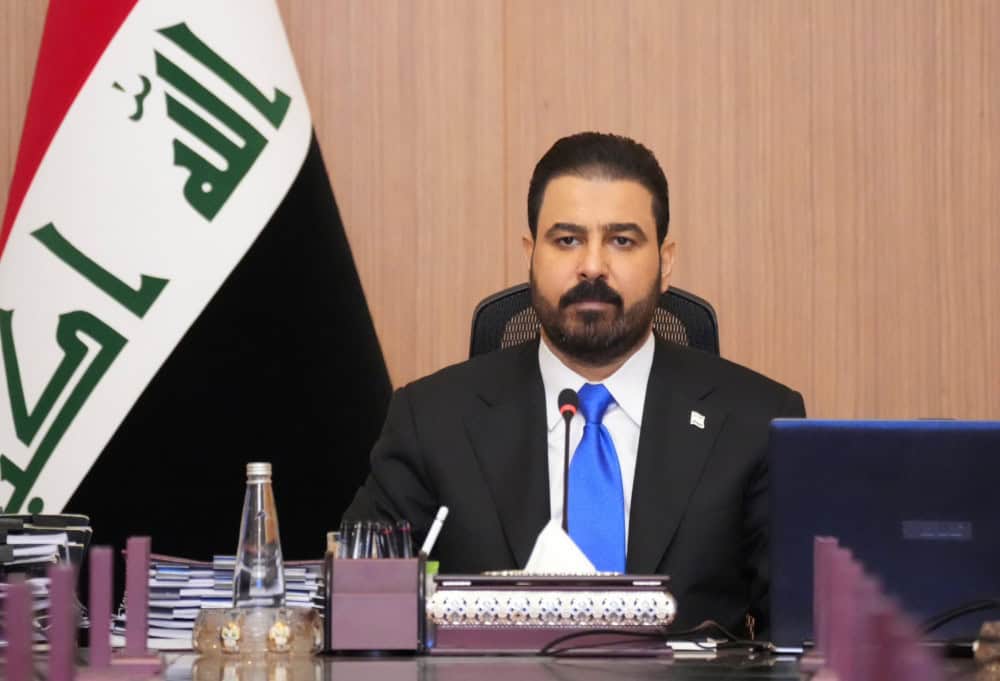
Iraq’s prime minister prepares US visit amid Iran threats and militia focus
Iraqi Prime Minister Ali al Zaidi is set to visit Washington, DC, as his government seeks investment, security cooperation, and support for efforts to strengthen state authority. A central focus of his agenda is bringing weapons held by Iranian-backed militias under government control, a process Baghdad hopes to advance before the planned end of the…
-
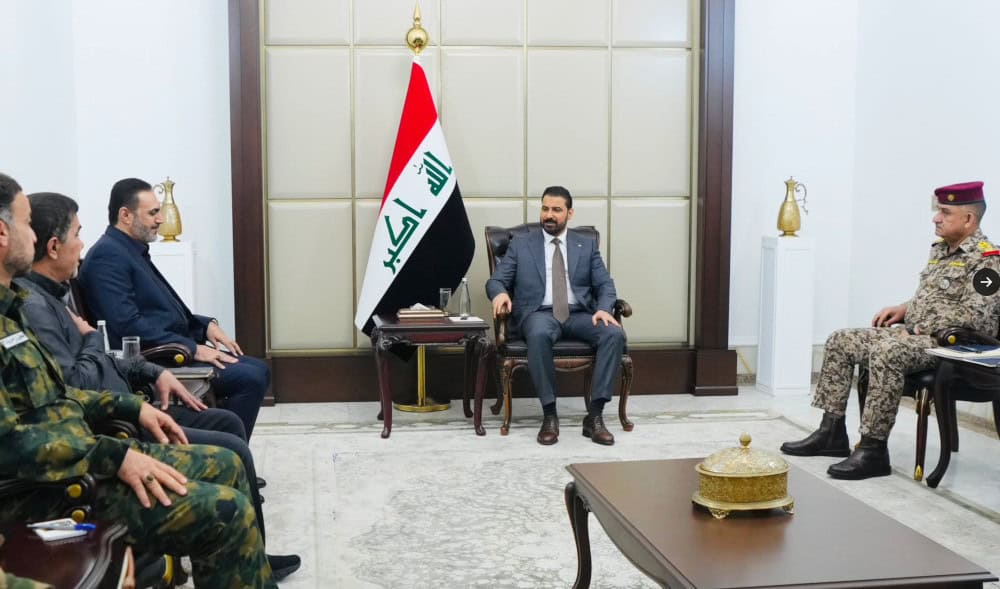
Several Iranian-backed militias in Iraq say they accept state control of weapons
Iraq’s new government is attempting to bring weapons held by Iranian-backed militias under state control, a move that could reshape the role of armed groups linked to the Popular Mobilization Forces (PMF). Several militias have announced plans to place their arms under government authority and disengage from the PMF, while others remain opposed or have…
-
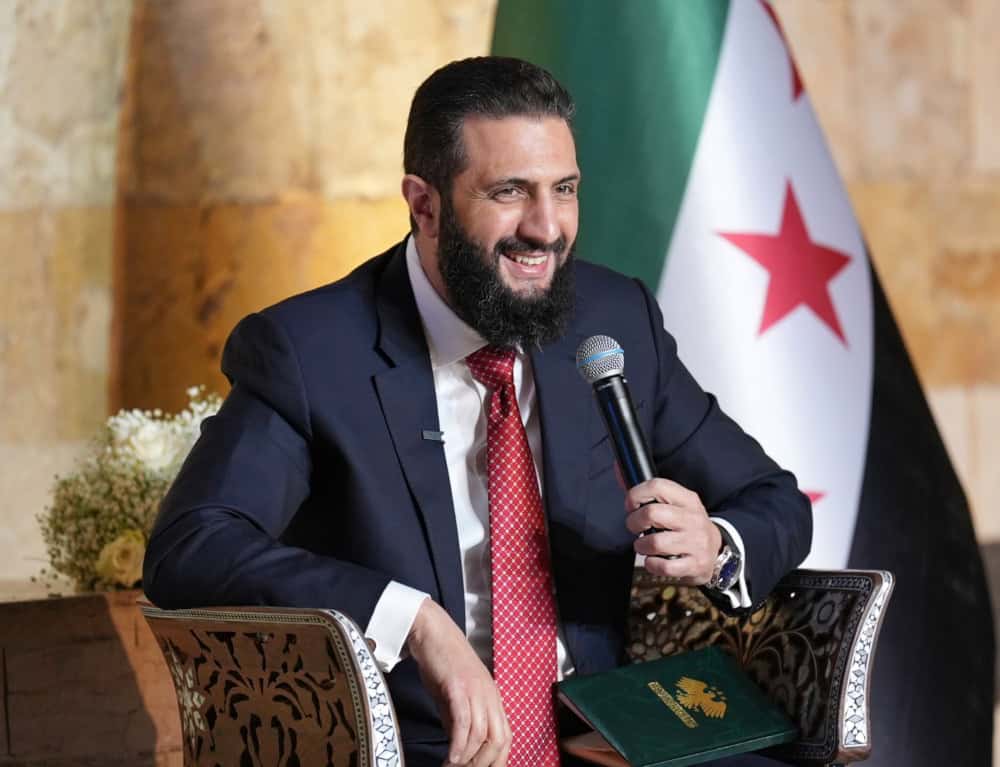
US Syria Envoy Barrack tapped for Syria and Iraq role
Syria is seeking to deepen ties with the US and expand regional diplomacy as the countries pursue discussions on reconstruction, sanctions relief, and economic recovery. Simultaneously, Syria faces ongoing regional shifts, including emerging trade routes, increased use of Syrian airspace, and broader tensions affecting reconstruction and political integration.
-

Syria holds elections in Kurdish-majority areas, finds Assad-era chemical weapons
Syria moved forward with another round of local elections on May 24 as the government seeks to strengthen its legitimacy and extend authority following years of conflict. The vote came as Damascus said it was working with the Organisation for the Prohibition of Chemical Weapons (OPCW) to turn over remnants of the previous Assad regime’s…
-
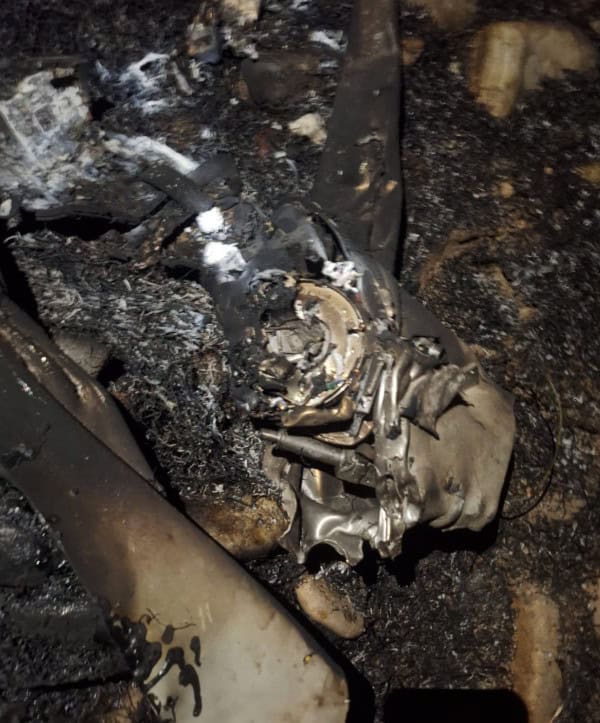
Iran conducts new attacks on Kurdish opposition groups in northern Iraq
The Kurdistan Freedom Party (PAK) said Iranian drones and a missile struck one of its facilities near Erbil on May 25, wounding nine Peshmerga, while other camps were reportedly also targeted in recent weeks. Kurdish Iranian opposition groups, operating from Iraq’s Kurdistan Region for decades, formed a coalition to coordinate activities in February. The attacks…
-
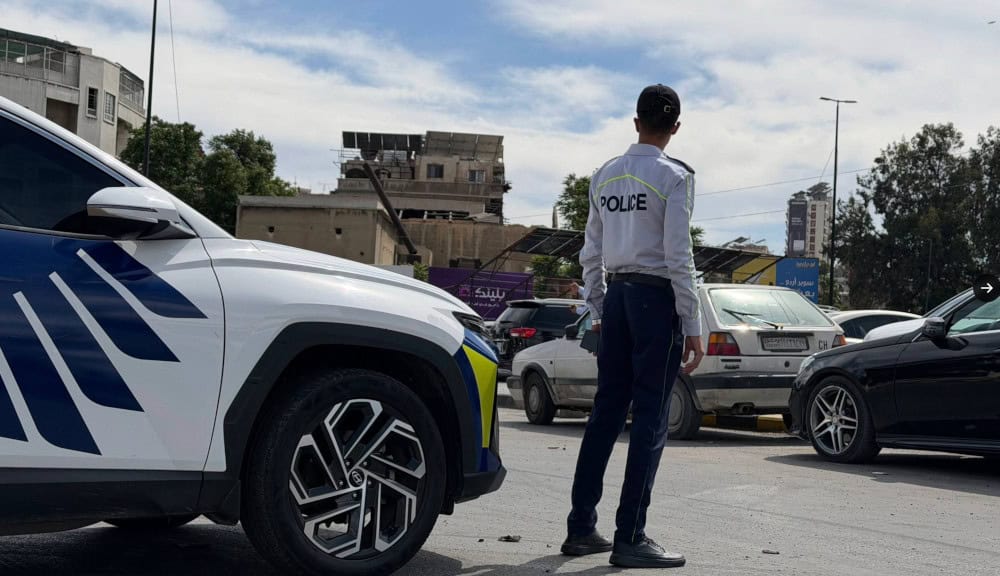
Amid security threats, Syria attempts to cement stability, international ties
A car bombing in central Damascus on May 19 killed one soldier and wounded civilians, as Syrian forces conducted raids against suspected militants in Deir Ez Zor. Damascus is also advancing reconciliation efforts with Kurdish groups and pursuing international diplomatic engagement.
-
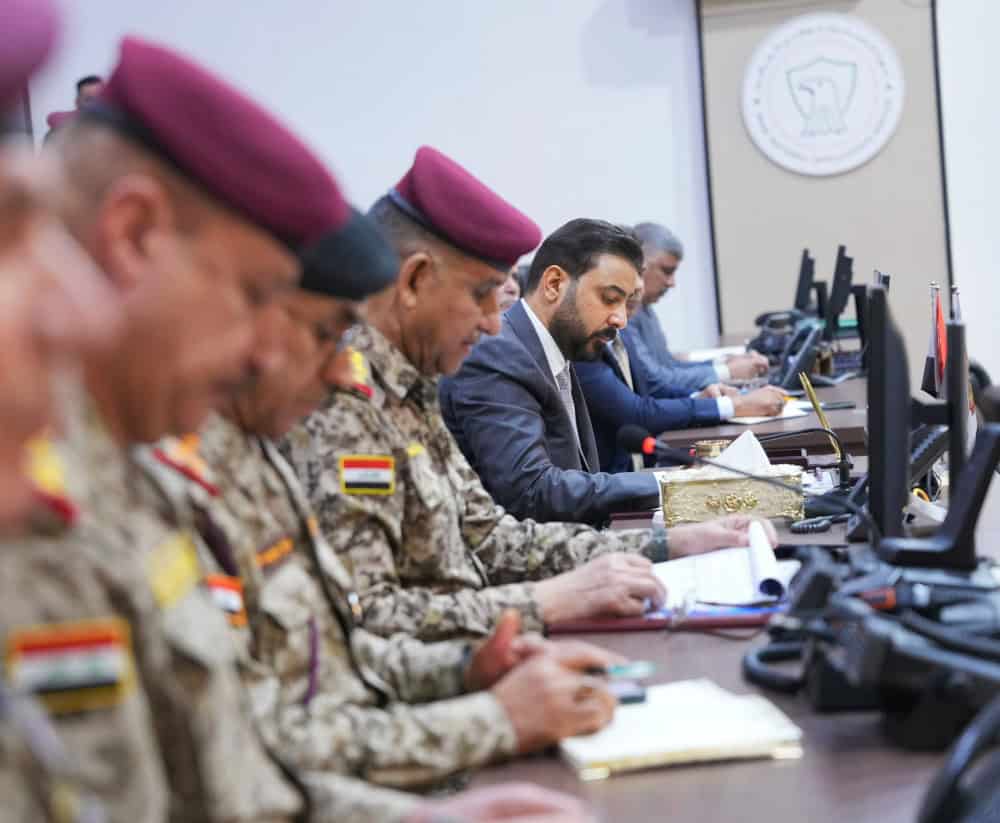
Saudi Arabia and UAE say drone attacks were launched from Iraq
Saudi Arabia and the United Arab Emirates said that recent drone attacks targeting their territory originated from Iraq, increasing pressure on Baghdad to address the activities of Iranian-backed militias operating inside the country. The incidents come amid continued regional tensions involving Iran and have intensified scrutiny of Iraq’s newly formed government.
-
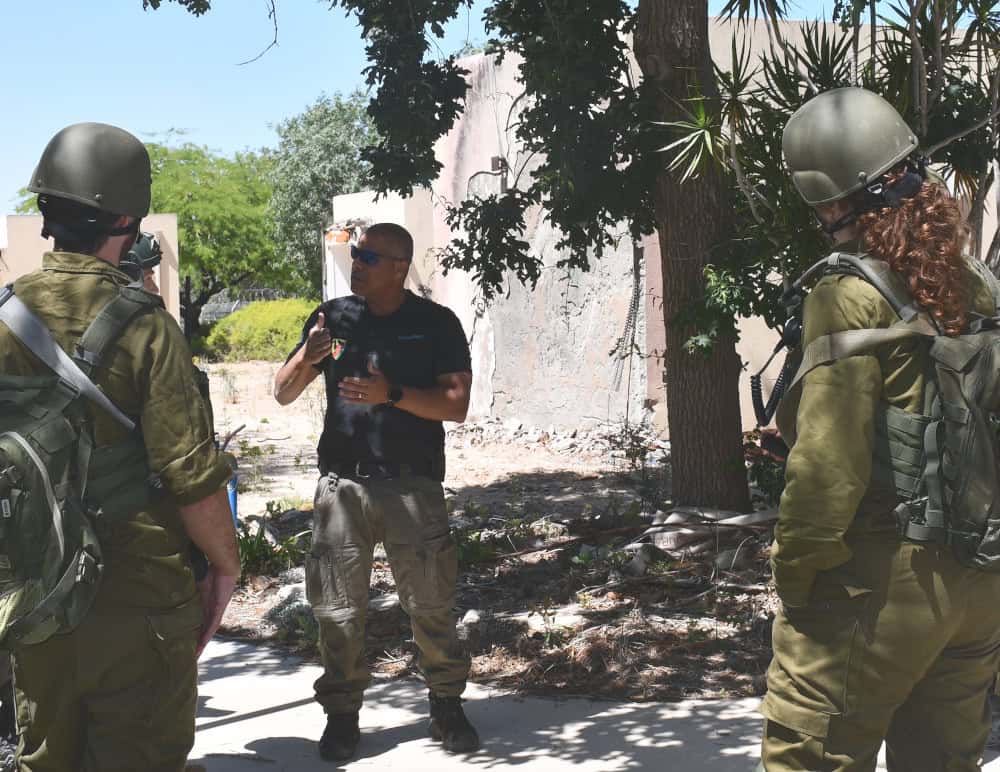
Israel trains new civilian security squads for 67 Gaza border communities
Israel is expanding civilian security preparedness in communities near the Gaza border through a new training program led by Magen 48, a non-profit civilian-led initiative, in cooperation with the Israel Defense Forces. The program, created after the October 7 Hamas attack, trains local volunteer armed response teams in tactics, medical support, and community defense.
-
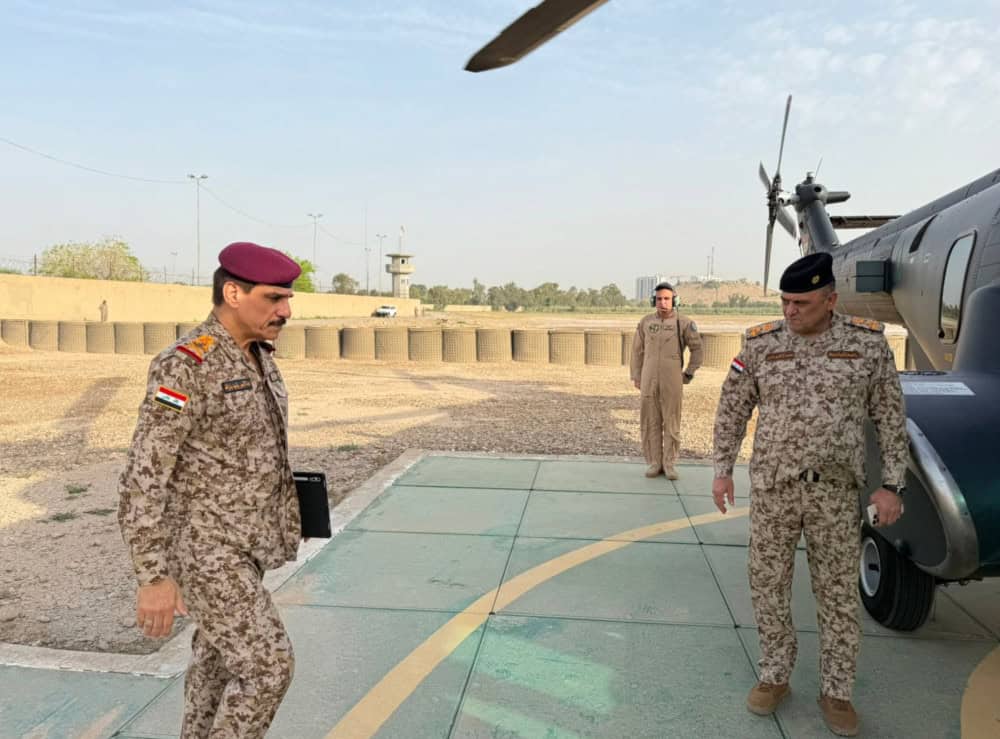
Iraqi security forces and politicians react to reports of ‘secret’ Israeli base
A report alleging that Israel operated a secret military base in Iraq’s Najaf desert has sparked controversy and conflicting statements among Iraqi politicians and security forces. The report emerged amid sensitive political negotiations in Baghdad and broader tensions involving Iran-backed militias, Israel, the United States, and Iran.
-
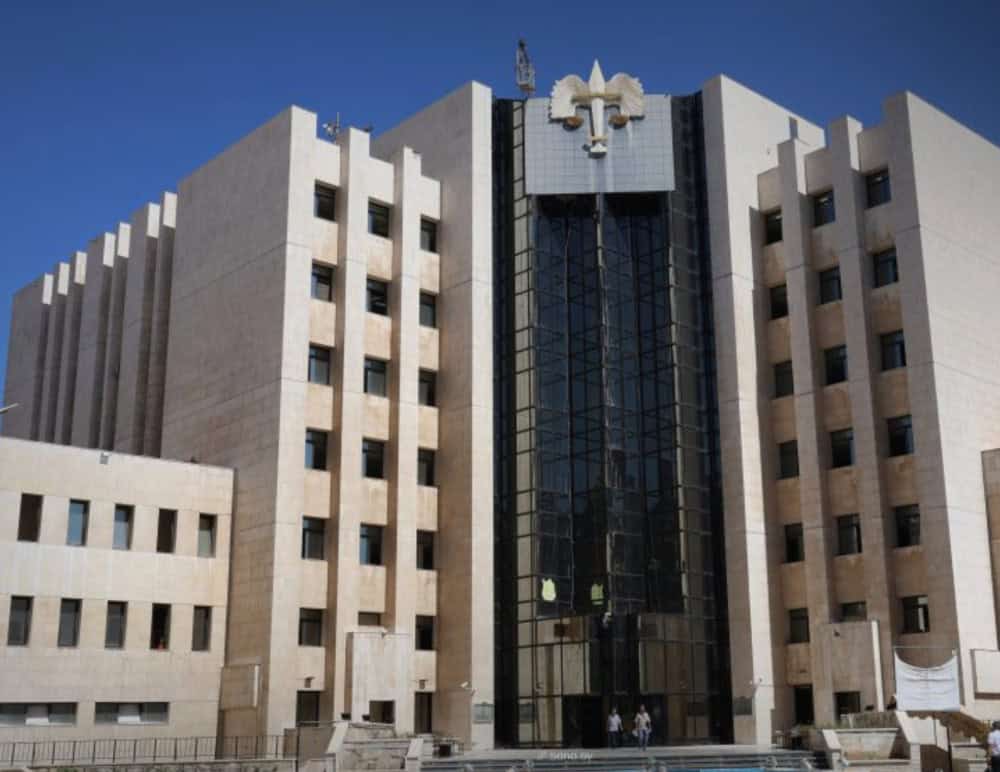
Protests in Syria’s Kurdish region highlight demand for rights
Protests erupted in Hasaka in eastern Syria after authorities replaced Kurdish and Arabic on a government billboard with English and Arabic, angering local residents. The incident reflects broader tensions as Damascus seeks to reassert control over eastern Syria following agreements with the Kurdish-led Syrian Democratic Forces.
-
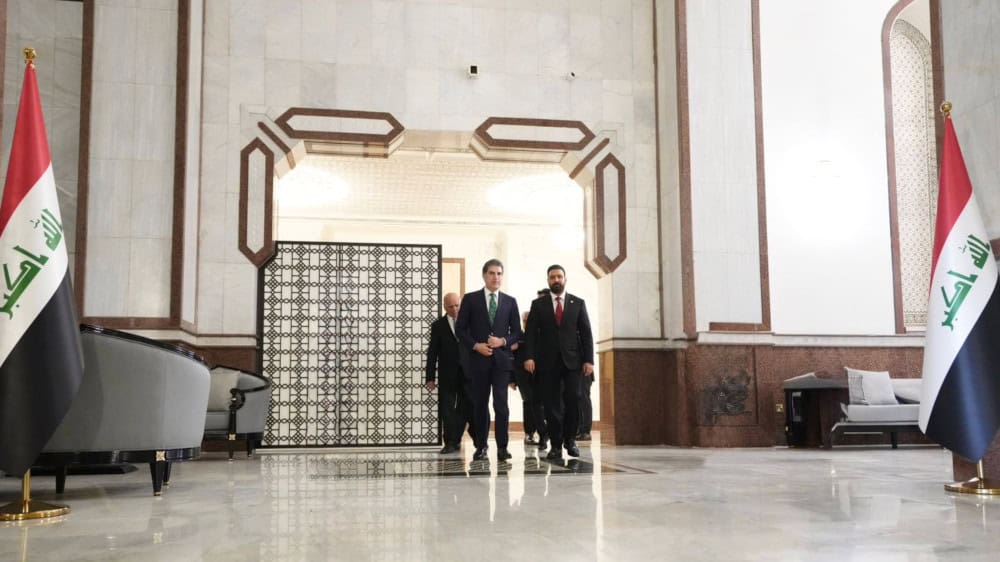
Iran targets Kurdish Iranian opposition groups in northern Iraq
Iran has intensified attacks on Kurdish Iranian opposition groups in northern Iraq, targeting camps linked to the Kurdistan Democratic Party of Iran and Komala with drones in early May. The strikes are part of a broader campaign by Iran and its allied militias against Kurdish groups operating in the Kurdistan Region.
-
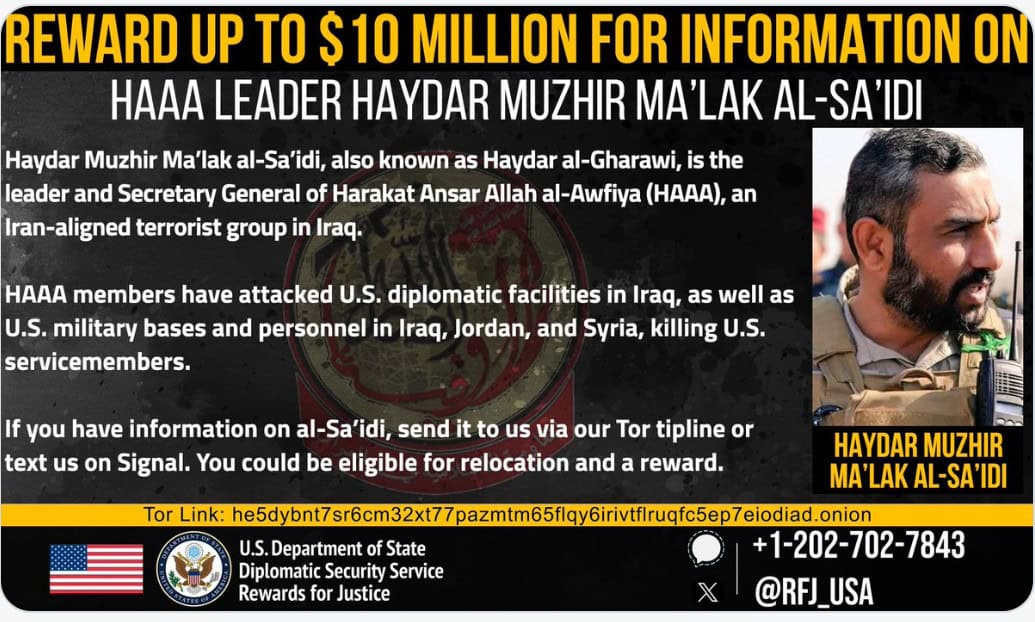
US offers rewards for 3 Iraqi militia leaders
The United States has intensified pressure on Iranian-backed militias in Iraq, offering multimillion-dollar rewards for information on additional key leaders linked to attacks on US personnel and facilities. The latest rewards target figures from three groups: Kataib Hezbollah, Kataib Sayyid al Shuhada, and Harakat Ansar Allah al Awfiya.
-
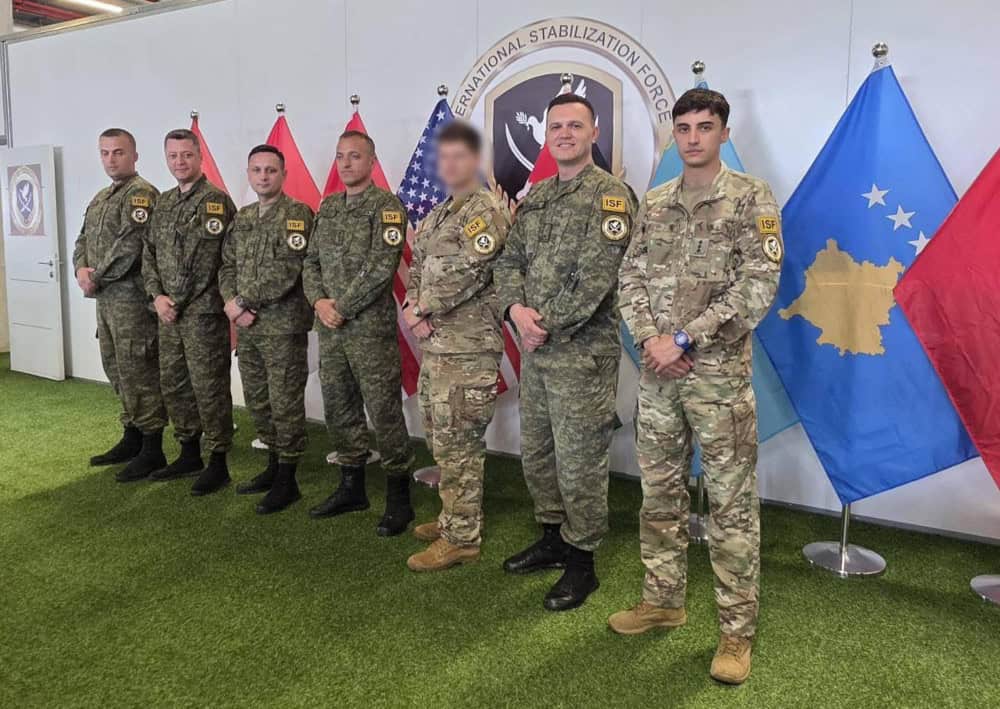
Kosovo military team evaluates Gaza deployment amid continuing ceasefire violations
Kosovo has moved toward contributing forces for the International Stabilization Force (ISF) mission in Gaza, sending a military team to assess a future deployment area and coordinate with local and multinational officials. The security situation in Gaza remains tense despite a ceasefire, with uncertainty over Hamas’s disarmament.
-

Syria thwarts Hezbollah plot, vows at UN to fight terrorist groups
Syria says it disrupted a Hezbollah-linked plot and uncovered rockets near the Quneitra area of the Golan Heights. Officials also reported arrests tied to another terrorist cell, plus the seizure of 500,000 Captagon pills in a joint anti-smuggling operation with Iraq. At the United Nations, Syria pledged to continue counterterrorism operations, while criticizing Israeli actions…
-
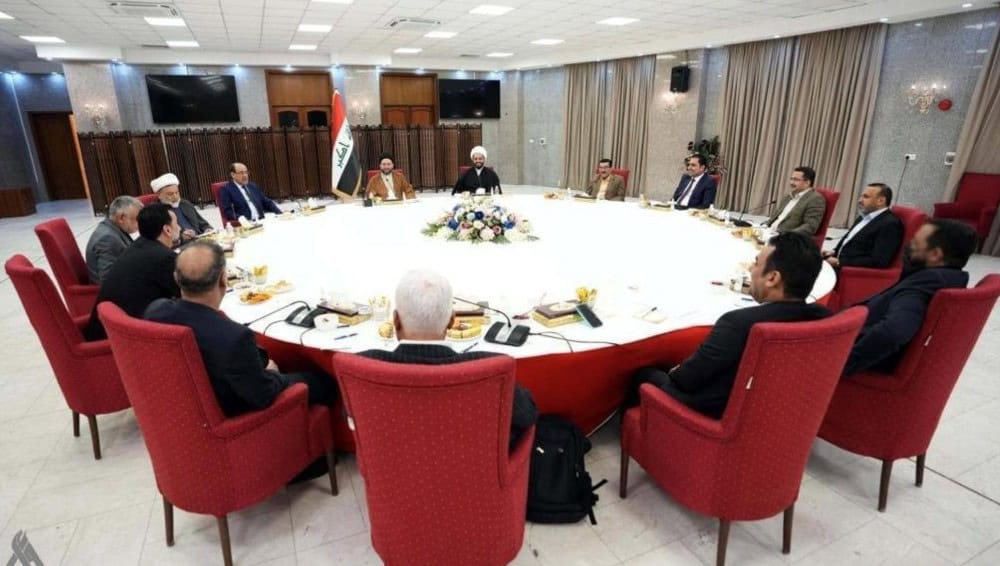
Iraq aims to select new PM as US warns of Iran-backed threats, IRGC-QF head visits
Iraq faces mounting political pressure as Shiite parties in the Coordination Framework (CF) seek to select a new prime minister amid tensions between the US and Iran. On the evening of April 20, the CF delayed its decision to nominate a candidate for the office until April 22. The US has reportedly paused some coordination…
-
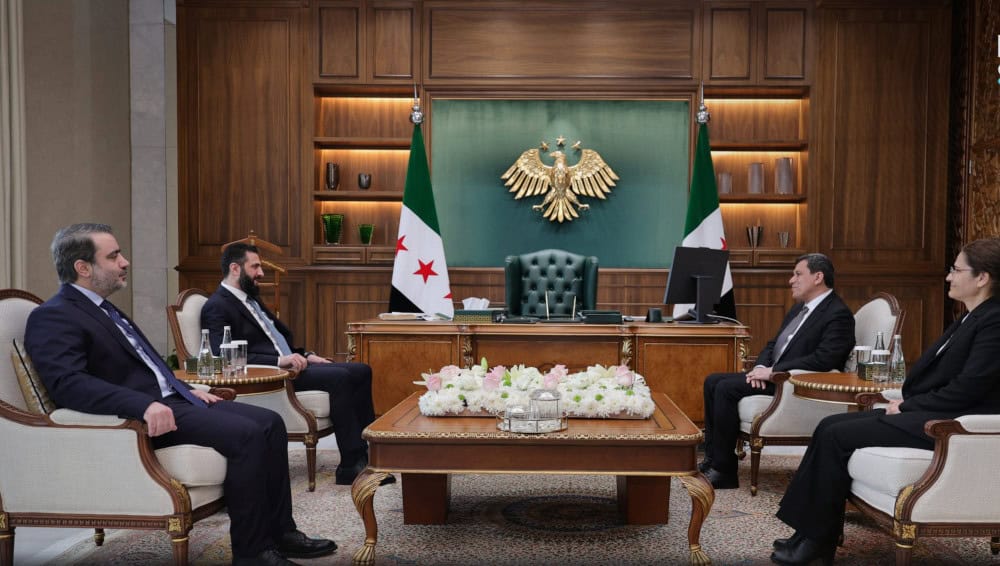
Syrian president meets Syrian Democratic Forces leader to discuss next phase of integration
On April 16, Syrian President Ahmad al Sharaa met with Syrian Democratic Forces (SDF) commander Mazloum Abdi in Damascus to discuss advancing the integration of the SDF into state institutions, following a January agreement. The talks come amid shifting control in eastern Syria, including government moves to secure key bases and border crossings after a…
-
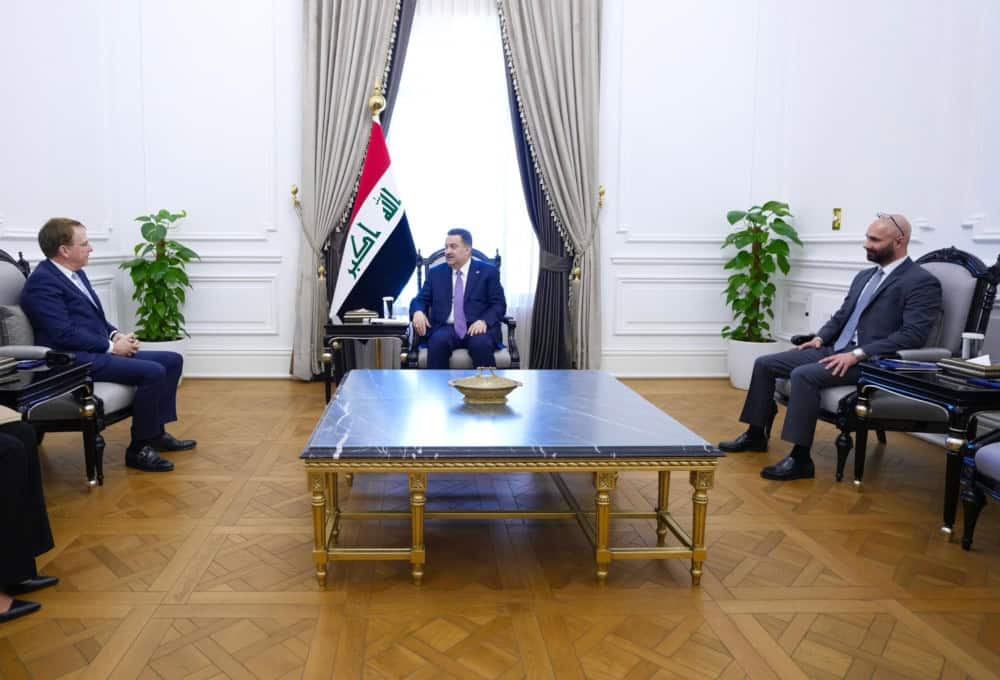
Iraq focuses on political appointees, economic challenges amid Iran ceasefire
Baghdad is shifting toward political stabilization and economic challenges during the fragile post-conflict phase that follows more than a month of US-Israeli strikes on Iran and Iranian-backed militia attacks in Iraq. After hundreds of militia attacks, including strikes on US and Kurdish targets, Iraq is moving forward with long-delayed political appointments, including choosing a new…
-
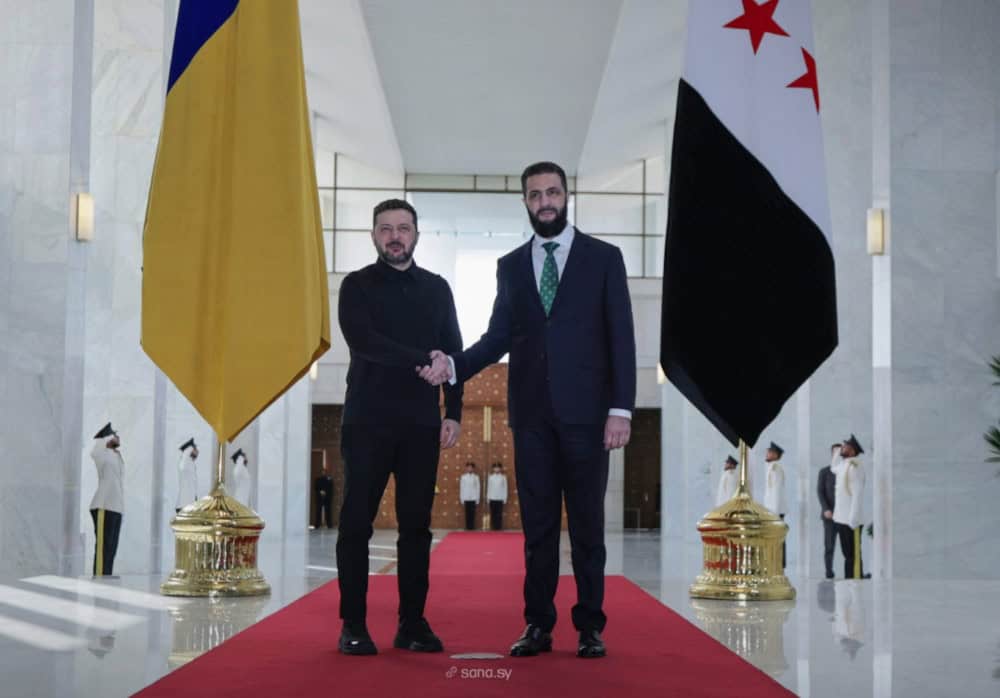
Syria focuses on diplomacy amid Iran war
Syria has sought to position itself as a diplomatic actor amid the regional conflict with Iran, maintaining relative stability while several neighboring states faced significant missile and drone attacks. Damascus has intensified high-level engagements with Turkey, the United States, and Ukraine, highlighting efforts to rebuild international ties following the fall of the Bashar al Assad…
-
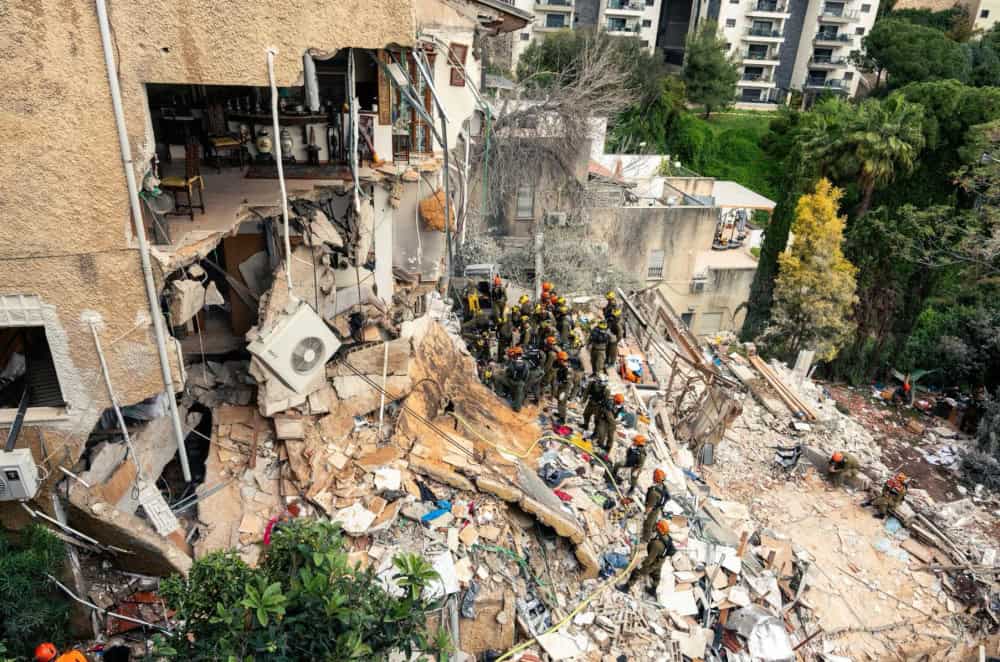
Iranian ballistic missile cluster munitions strike dozens of sites in Israeli cities
Iran’s increasing use of cluster munitions in ballistic missile attacks since late February has intensified damage across Israel, with dozens of impact sites reported in major cities in the first week of April. Four people were killed in Haifa in a missile attack on April 6. Meanwhile, Israel is escalating strikes on Iranian infrastructure targets…
-
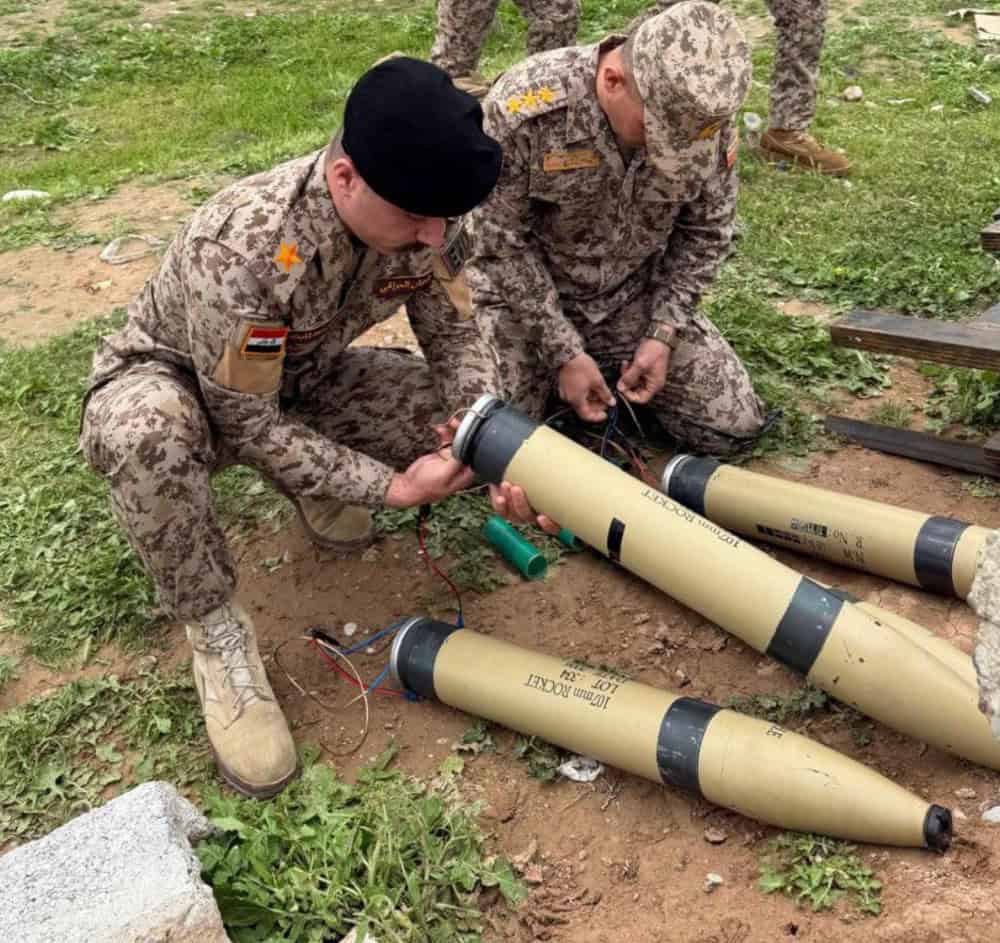
Home of Kurdistan Region president targeted, American universities threatened as attacks escalate in Iraq
A drone attack targeted the residence of Kurdistan Region of Iraq President Nechirvan Barzani amid escalating strikes in Iraq on March 28, followed by a drone interception near the home of Masoud Barzani, leader of the Kurdistan Democratic Party (KDP), the following day. Iranian-backed militias and Iran have been blamed for attacks across Iraq, including…
-
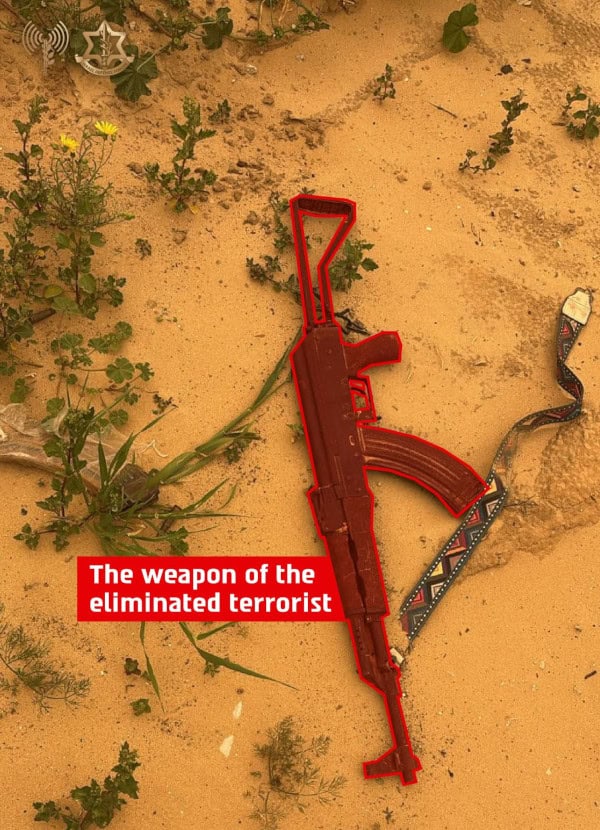
Israel continues operations against Hamas in Gaza, diplomats push for disarmament as shaky ceasefire continues
While attention has shifted to the conflicts in Iran and Lebanon, Gaza remains under a fragile ceasefire, with ongoing low-level clashes. High Representative for Gaza Nickolay Mladenov highlighted progress toward a disarmament framework tied to UN-backed plans. Despite this, Hamas continues to consolidate control in parts of the territory as Israel targets militants and terrorist…
-
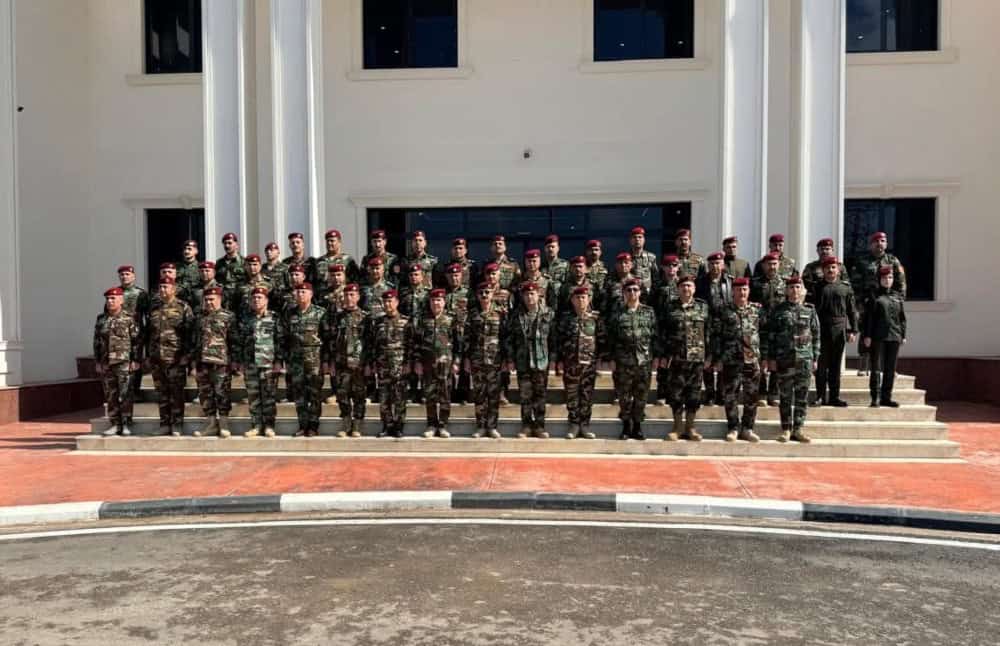
6 Kurdistan Regional Government soldiers killed in Iranian attack on northern Iraq
Six Peshmerga fighters were killed, and more than 20 were wounded in a missile strike north of Erbil on March 24, marking the deadliest attack on the Kurdistan Region since late February. The strike is part of a broader wave of drone and missile attacks by Iran and Iranian-backed militias targeting northern Iraq, US facilities,…
-
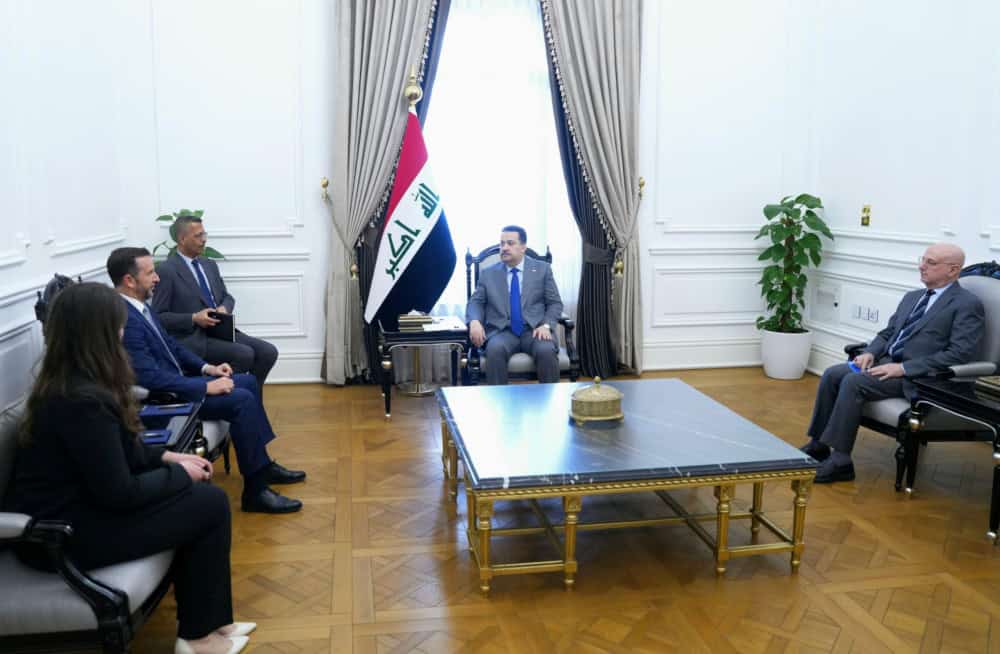
Iranian-backed militias escalate attacks in Iraq, send mixed signals on next steps
Iranian-backed militias have continued conducting attacks across Iraq, recently targeting US and foreign diplomatic sites in Baghdad and Erbil. Hundreds of strikes have hit the Kurdistan Region since late February, wounding Peshmerga forces and damaging key locations. While Kataib Hezbollah signaled a possible temporary pause in attacks tied to specific demands on March 18, other…
-
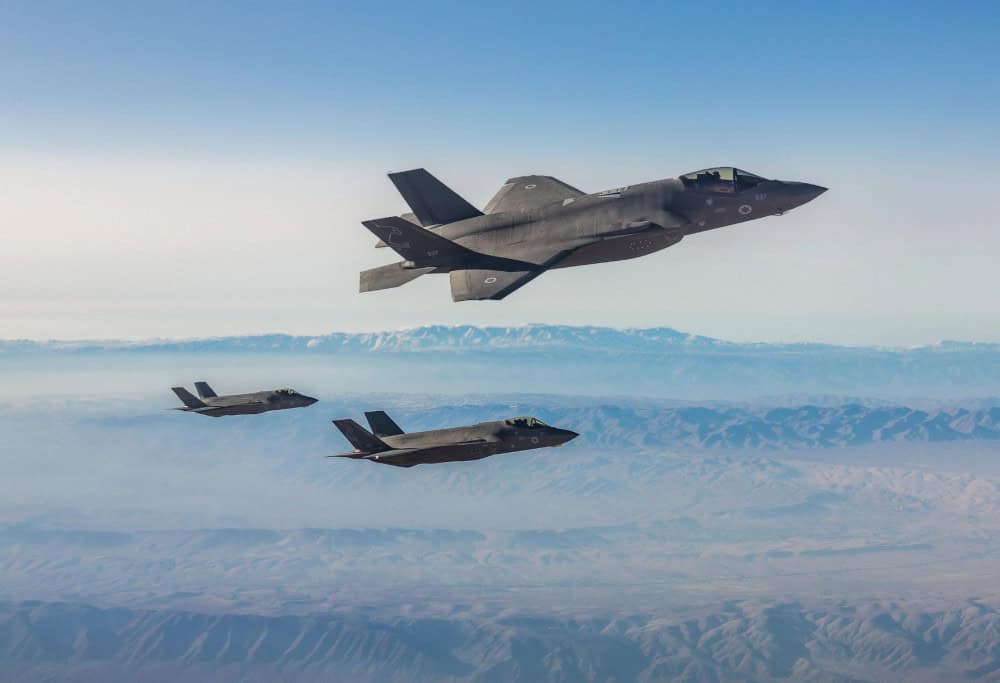
Israel conducts 7,600+ strikes on Iran in 13 days, Iran fires hundreds of missiles and drones at Israel
Israel executed more than 7,600 strikes on Iran by March 13, targeting nuclear-linked facilities, missile launchers, drone infrastructure, and military sites, according to the Israel Defense Forces. Israel continues conducting roughly 150–200 strikes per day as Iran continues launching ballistic missiles and drones toward Israel and the Gulf countries.
-

US condemns Iranian and militia attacks in Iraq amid unclaimed airstrikes on Tehran-backed militias
US Secretary of State Marco Rubio condemned Iranian and Iranian-backed militia attacks in Iraq during a March 9 call with Iraqi Prime Minister Mohammed Shia al Sudani, as drone and missile strikes continued across the country. Many attacks have targeted the Kurdistan Region of northern Iraq, where US forces are based, as well as other…
-
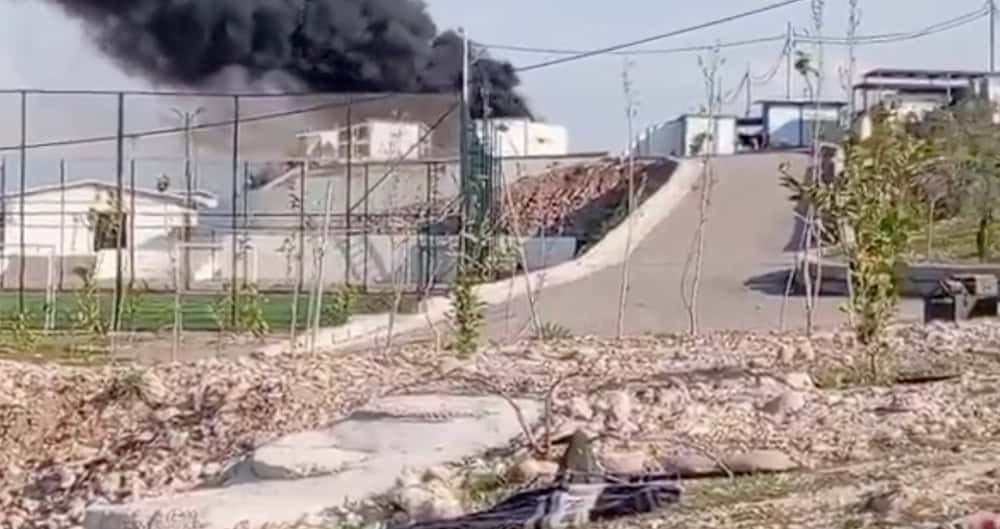
Iran escalates attacks on Kurdistan Region of Iraq
Iran and Iranian-backed militias have escalated drone and missile attacks on the Kurdistan Region of Iraq, striking sites in Erbil and Sulaimani Governorates and killing at least three people. Many of the attacks are targeting Kurdish Iranian opposition groups.
The Team
Meet the Team Behind the Vision
Our dedicated team combines diverse skills and shared passion to bring innovative solutions to life. Together, we collaborate, create, and strive to exceed expectations every day. Learn more about the people driving our mission forward.
Alex Johnson
Project Manager
Oversees project timelines and ensures seamless collaboration among team members to deliver results on schedule.
Alex Johnson
Project Manager
Oversees project timelines and ensures seamless collaboration among team members to deliver results on schedule.
Alex Johnson
Project Manager
Oversees project timelines and ensures seamless collaboration among team members to deliver results on schedule.